
WiFi Access Points in Qatar
In today’s always‑connected world, reliable wireless networking is no longer a luxury—it’s the backbone of daily operations. Whether you’re fitting out a new office, upgrading a hotel network, rolling out campus‑wide WiFi Access Points, or adding wireless to a warehouse, the humble WiFi Access Points(AP) is the workhorse that keeps people, devices, and applications online. This comprehensive guide explains what WiFi Access Points are, how they work, the benefits and features to look for, and where they’re used across industries in Qatar. We’ll also highlight how Axle Systems, a trusted IT & ELV supplier and systems integrator in Qatar, can help you plan, deploy, and support a high‑performing wireless network tailored to your needs.
What Are Wi-Fi Access Points?
A WiFi Access Points is a networking device that broadcasts a wireless signal (WLAN) so clients—like laptops, phones, tablets, barcode scanners, smart TVs, and IoT devices—can connect to your LAN and the internet without cables. Think of the AP as the “bridge” between your wired network (switches, routers, firewalls) and wireless clients.
An access point is not the same as a home WiFi Access Points router. A consumer router typically combines routing, switching, firewall, and wireless functions in a single box. Business‑class APs focus on high‑quality wireless, usually powered by Power over Ethernet (PoE), and are managed centrally via a controller or cloud platform to deliver better performance, coverage, security, and scalability for commercial environments.
The Key Benefits of Implementing a Professional WiFi Access Points System
- Upgrading from a simple, all-in-one router to a dedicated WiFi Access Points (AP) system is one of the most impactful decisions a business can make for its network infrastructure. This strategic investment goes far beyond simply providing internet access; it lays the foundation for a reliable, secure, and future-proof digital environment. Here’s a detailed exploration of the profound benefits that professional WiFi Access Points bring to a business in Qatar.
1. Unrivaled Coverage and Signal Strength: Eliminating Connectivity Dead Zones – WiFi Access Points
- One of the most common frustrations in a business environment is inconsistent WiFi coverage. A single router, no matter how powerful, is often unable to provide a strong, stable signal across large or complex spaces. Factors like thick concrete walls, multiple floors, metal shelving (common in warehouses), and a high density of furniture and fixtures can act as formidable signal blockers, creating frustrating “dead zones.”
- Professional WiFi Access Points are the definitive solution to this problem. Instead of relying on a single broadcasting point, an AP system allows you to strategically place multiple devices throughout your facility. These APs are designed to work in concert, creating a cohesive, wide-area network. By distributing the signal source, you can ensure every corner of your office, every aisle of your retail store, and every room of your hotel has robust and reliable connectivity. This is particularly vital in Qatar’s diverse business landscape, from the sprawling, multi-level corporate towers in Lusail City to the vast industrial warehouses in the Mesaieed Industrial City. A professional AP system guarantees that every employee, customer, and device has a strong, consistent connection, no matter their physical location within the premises.
2. Superior Performance and High-Density Handling: Maintaining Speed Under Pressure – WiFi Access Points
- In a modern business, the number of connected devices is constantly growing. Beyond laptops and smartphones, your network must support IoT devices, security cameras, wireless printers, and a myriad of other smart technologies. A consumer-grade router is simply not built to handle this volume of concurrent connections. When multiple users start streaming video, downloading large files, or participating in video conferences, a basic router can quickly become overwhelmed, leading to slow speeds, high latency, and frequent disconnections.
- WiFi Access Points are engineered for high-density environments. They are equipped with powerful processors and advanced technologies like Multi-User, Multiple-Input, Multiple-Output (MU-MIMO). This technology allows an AP to simultaneously communicate with multiple client devices, rather than a single device at a time, drastically increasing network efficiency and throughput. Furthermore, modern APs supporting the latest WiFi Access Points standards like WiFi 6 (802.11ax) use advanced scheduling algorithms to manage a high volume of traffic efficiently. This ensures that even during peak usage hours—for instance, a large-scale conference or a busy day at a retail store—your network remains fast, stable, and responsive, supporting critical business operations without a hitch.
3. Exceptional Scalability and Flexibility: Growing Your Network with Your Business – WiFi Access Points
- The ability to adapt to change is a hallmark of a resilient business. A standalone router is a static solution; if your business expands by adding a new wing, another floor, or a new building, your only option is to purchase an entirely new, more powerful router, which may still not provide adequate coverage.
- A network built with Access Points is inherently scalable. As your business grows, you can simply add more APs to expand the network’s capacity and coverage. This modular approach is far more cost-effective and efficient than replacing your entire network infrastructure. Whether you are setting up a temporary site for a trade show, expanding your office to a new floor, or accommodating a seasonal increase in staff, you can seamlessly integrate new APs into your existing system. This flexibility ensures that your network infrastructure can grow and evolve in lockstep with your business, without major disruption or prohibitive costs.
4. Robust, Enterprise-Grade Security: Protecting Your Business from Cyber Threats – WiFi Access Points
- In a world where data breaches and cyberattacks are a constant threat, network security is non-negotiable. Consumer-grade routers often come with basic security features that are insufficient for protecting sensitive business data.
- Professional WiFi Access Points, on the other hand, are fortified with a suite of advanced security features. They support the latest encryption protocols like WPA3, providing a much higher level of data protection than older standards. They can also create segregated networks—a “private” network for your employees and a separate, isolated “guest” network for visitors. This guest network can be configured to block access to your internal resources, ensuring your sensitive business information remains secure. Many APs also come with built-in firewalls, intrusion detection systems, and rogue AP detection, which automatically identifies and flags unauthorized access points that could pose a security risk. This multi-layered approach to security provides peace of mind, knowing that your critical business data is well-protected.
5. Simplified, Centralized Management: Gaining Control and Reducing IT Burden – WiFi Access Points
- Managing a network of multiple access points might sound complex, but the reality is the opposite. Enterprise-grade AP systems are designed for centralized management, typically through a dedicated hardware controller or a cloud-based software dashboard.
- This centralized control panel gives your IT team a single point of administration for your entire wireless network. From this dashboard, they can monitor network performance, configure all access points simultaneously, apply security policies, troubleshoot issues in real-time, and manage user access. This dramatically reduces the administrative burden and complexity of managing a large network. For businesses in Qatar that may have multiple branches or remote offices, a cloud-based management solution allows for seamless remote administration, eliminating the need for on-site visits and ensuring consistent performance and security across all locations.
6. Seamless Roaming for Uninterrupted Mobility – WiFi Access Points
- In a modern workspace, employees are rarely confined to their desks. They move between meeting rooms, departments, and floors, often while using their devices for calls, presentations, or data access. A single router can’t handle this transition gracefully, often leading to dropped connections and frustrating interruptions.
- A network of professional access points enables seamless roaming. As a user moves from the coverage area of one AP to another, their device automatically and transparently switches to the stronger signal without a single drop in connection. This “hand-off” process is invisible to the user, ensuring uninterrupted connectivity for voice and video calls, continuous data sync, and a truly mobile work experience. This is a game-changer for businesses where mobility is key, such as hospitals, universities, or large retail outlets with mobile point-of-sale systems.
7. Power over Ethernet (PoE) Support: Simplifying Installation and Optimizing Placement – WiFi Access Points
- Installing multiple access points can be a logistical challenge, especially when trying to place them in optimal locations like ceilings or high on a wall where no power outlets exist.
- The majority of enterprise-grade access points are designed with Power over Ethernet (PoE) support. This innovative technology allows both electrical power and data to be transmitted to the AP over a single standard Ethernet cable. This eliminates the need for separate power cords and nearby power outlets, vastly simplifying the installation process. PoE-enabled APs can be placed anywhere an Ethernet cable can be run, giving you the freedom to position them in the most strategic locations for maximum coverage and performance, without being limited by power source availability.

Essential Features of High-Performance WiFi Access Points
When choosing an WiFi Access Points solution for your business in Qatar, it’s crucial to look for devices with features that meet your specific needs. Here are some of the most important features to consider:
- Support for Latest Wi-Fi Access Points Standards: Ensure the AP supports the latest standards like WiFi 6 (802.11ax). WiFi 6 offers significant improvements in speed, capacity, and efficiency, especially in high-density environments.
- Dual-Band or Tri-Band Capability: An AP that operates on both the 2.4 GHz and 5 GHz bands (dual-band) or even the 6 GHz band (tri-band) provides more flexibility. The 2.4 GHz band offers wider coverage, while the 5 GHz and 6 GHz bands provide faster speeds with less interference, ideal for bandwidth-intensive applications.
- MU-MIMO Technology: Multi-User, Multiple-Input, Multiple-Output (MU-MIMO) technology allows an access point to communicate with multiple devices at the same time, instead of one at a time. This dramatically increases network efficiency and reduces latency, especially when many devices are connected simultaneously.
- Beamforming: This intelligent technology focuses the wireless signal directly toward connected devices instead of broadcasting it in all directions. This results in a stronger, more reliable connection, even over longer distances.
- Advanced Security Protocols: Look for support for WPA3 encryption, firewalls, and network isolation features to protect your network from unauthorized access and cyber threats.
- Centralized Management and Cloud-Based Control: A system with a user-friendly, centralized management interface (either on-premises or cloud-based) simplifies configuration, monitoring, and troubleshooting, saving your IT team valuable time and effort.
- Guest Portal and Captive Portal: These features allow you to create a secure, separate network for visitors. A captive portal can be used to authenticate users, display terms of service, and even collect valuable marketing data.
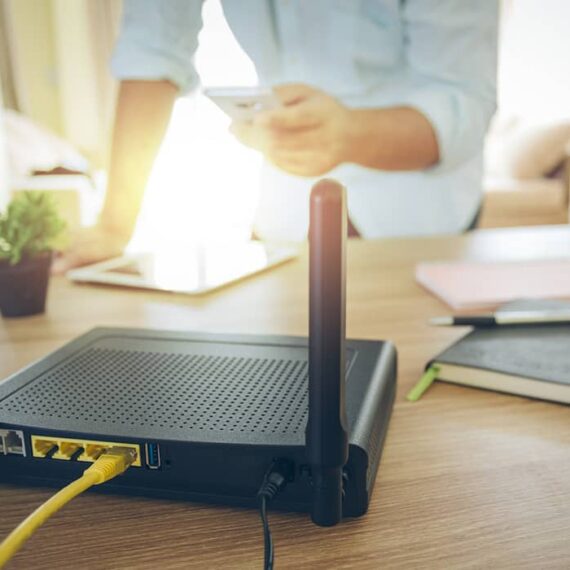
Diverse Uses of Wi-Fi Access Points
WiFi Access Points are versatile and can be used to improve connectivity in a wide range of industries and environments.
- Corporate Offices: In a modern office, APs provide seamless connectivity for laptops, smartphones, tablets, printers, and other IoT devices. They are essential for smooth video conferencing, cloud-based collaboration, and internal communication.
- Retail and Hospitality: Retail stores can use APs to provide a reliable WiFi Access Points connection for point-of-sale (POS) systems, inventory management, and customer-facing applications. Hotels and restaurants can offer high-speed internet to guests, which is a major factor in customer satisfaction.
- Educational Institutions: Universities, schools, and training centers use APs to provide connectivity for students and faculty. A robust wireless network is essential for e-learning, online research, and digital classroom tools.
- Healthcare Facilities: Hospitals and clinics rely on APs for mission-critical applications, including electronic health records (EHR), patient monitoring devices, and communication between staff.
- Warehouses and Logistics: Large warehouses require reliable wireless connectivity for inventory scanners, mobile terminals, and automated systems. APs can be strategically placed to ensure complete coverage, even in large, open spaces with metal shelving that can interfere with signals.
- Public Venues: Airports, stadiums, conference centers, and public parks use APs to provide free or paid WiFi Access Points to a massive number of visitors.
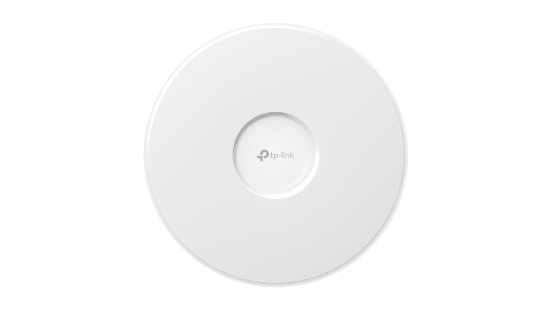
Axle Systems: Your Trusted Partner for WiFi Access Points in Qatar
Choosing the right technology partner is as important as choosing the right equipment. At Axle Systems, we are proud to be the premier supplier of high-quality Wi-Fi Access Points and comprehensive networking solutions in Qatar. We don’t just sell products; we provide end-to-end solutions that are tailored to the unique needs of your business.
- Expert Consultation: Our team of certified networking professionals has extensive experience in designing and deploying wireless networks for businesses of all sizes and industries. We will work with you to understand your specific requirements, conduct site surveys, and recommend the best-in-class solutions from leading global manufacturers.
- Top-Tier Products: We partner with the world’s most renowned networking brands to bring you a curated selection of the most reliable, secure, and high-performance Wi-Fi Access Points on the market. Our product portfolio is built to meet the rigorous demands of modern business environments, ensuring that you get the best value for your investment.
- Professional Installation and Support: Our service doesn’t end with the sale. Our skilled technicians provide professional installation, ensuring your new network is set up correctly and optimized for peak performance. We also offer ongoing technical support and maintenance services to ensure your network remains secure and reliable for years to come.
- Local Expertise: As a Qatar-based company, we have a deep understanding of the local market, regulations, and business environment. We are committed to providing personalized service and building long-term relationships with our clients, helping them navigate their digital transformation journey.
Contact Axle Systems Today
Ready to transform your business’s connectivity? Get in touch with our team at Axle Systems to schedule a consultation.
- Phone: +974 44682391, +974 77443731
- Email: info@axlesys.com
- Website: www.axlesys.com
- Address: P.O. Box 200081 Al Khalidiya Street, Najma, Doha, Qatar
Common FAQs about WiFi Access Points
Q1: How is a WiFi Access Points different from a router?
A router is the central command center of your network. It connects to the internet, manages network traffic, and assigns IP addresses. A WiFi Access Points, on the other hand, is a dedicated device that simply broadcasts a wireless signal, allowing devices to connect to the network. In a large business setting, a router might be connected to multiple access points to extend wireless coverage.
Q2: How many WiFi Access Points do I need for my office?
The number of access points you need depends on several factors, including the size and layout of your space, the building materials, and the number of users and devices. A professional site survey by a networking expert is the best way to determine the optimal number and placement of APs to ensure comprehensive coverage and performance.
Q3: Can I use different brands of Access Points together?
Generally, it is not recommended to mix different brands of access points, especially if you want a seamless, centrally managed network. APs from the same vendor are designed to work together, allowing for features like centralized management, seamless roaming, and unified security policies.
Q4: What is a “mesh network”?
A mesh network is a system where multiple access points work together to create a single, unified wireless network. Unlike a traditional setup where devices connect to a single router, in a mesh network, devices can connect to any AP and seamlessly “hop” between them, ensuring a strong connection throughout the entire area.
Q5: Are Wi-Fi Access Points secure?
Yes, enterprise-grade access points are highly secure. They support advanced encryption standards like WPA3 and offer features like guest network isolation, firewalls, and rogue AP detection. It is crucial to configure these security features correctly to protect your network from unauthorized access and cyber threats.
Q6: What is Power over Ethernet (PoE)?
PoE is a technology that allows network cables to carry electrical power along with data. For WiFi Access Points, this means you can install them in places without a nearby power outlet, as they can be powered directly by the Ethernet cable from a PoE-enabled switch. This simplifies installation and provides more flexibility in placement.
Q7: Is Wi-Fi 6 really better than older standards?
Yes, Wi-Fi 6 (802.11ax) is a significant improvement. It is designed to be more efficient, especially in high-density environments with many connected devices. It offers faster speeds, lower latency, and better battery life for connected devices compared to older standards like Wi-Fi 5 (802.11ac).
Q8: Can I use a single access point for multiple floors?
It is generally not recommended to rely on a single access point for multiple floors. Building materials like concrete and steel can significantly block and weaken Wi-Fi Access Points signals. For multi-story buildings, it is much more effective to install multiple access points on different floors to ensure consistent and strong coverage.
Q9: What is a Captive Portal?
A captive portal is a web page that a user must view and interact with before they can access the internet. It is commonly used on public WiFi Access Points networks (e.g., in hotels, airports, or cafes) to authenticate users, display terms of service, or collect information.
Q10: Why should I choose a professional solution instead of a consumer-grade router?
Consumer-grade routers are designed for small home networks and cannot handle the demands of a business environment. They lack the scalability, security features, performance, and centralized management capabilities of a professional Wi-Fi Access Points solution. Investing in a professional solution ensures a reliable, secure, and high-performance network that can grow with your business.
Conclusion
In a country as dynamic and digitally connected as Qatar, a robust wireless network is no longer a luxury—it’s a necessity for business success. A well-designed WiFi Access Points system provides the speed, security, and scalability required to meet the demands of today’s digital workplace. At Axle Systems, we are committed to providing you with the highest quality networking solutions and unparalleled support. By partnering with us, you can ensure your business stays connected, productive, and ahead of the curve. Contact Axle Systems today to take the first step toward building a smarter, more efficient network.

Wifi Access Points
At Axle Systems, we offer a comprehensive range of Wi-Fi Access Points (AP) solutions designed to meet your wireless networking needs. Whether you require secure and reliable Wi-Fi connectivity for your business, campus, or public space, our wide selection of industry-leading brands, including Unify, Ubiquity, Aruba, and CISCO Meraki, ensures that you’ll find the perfect solution to enhance your wireless network performance.
Why Choose Our Wi-Fi Access Points?
Reliable and Secure Connectivity: Our Wi-Fi Access Points provide robust and reliable connectivity, ensuring seamless access to your network for users and devices. With advanced security features, including encryption protocols and secure authentication mechanisms, we prioritize the protection of your network and data.
Scalable Solutions: Whether you’re setting up a small office or deploying Wi-Fi across a large enterprise, our Wi-Fi Access Points offer scalability to accommodate your growing needs. With options for both indoor and outdoor installations, we can design a wireless network that extends coverage exactly where you need it.
High Performance: Our Wi-Fi Access Points are engineered to deliver exceptional performance, supporting high-speed data transfer rates and accommodating a large number of simultaneous connections. This ensures that your network remains responsive and efficient, even in high-density environments.
Seamless Roaming: With features like seamless roaming, our Wi-Fi Access Points enable users to move between different areas within your network without experiencing interruptions or disconnections. This ensures a seamless and uninterrupted user experience, particularly in larger environments.
Heatmap and Analytics: We offer advanced Wi-Fi heatmap and analytics solutions that provide valuable insights into your network performance and user behavior. By visualizing the signal strength, coverage areas, and user density, you can optimize your network layout, identify areas of improvement, and enhance the overall user experience.
Our Featured Brands
Unify: Unify offers a range of Wi-Fi Access Points known for their reliability, scalability, and ease of management. With their comprehensive portfolio, you can deploy secure and high-performance Wi-Fi networks tailored to your specific requirements.
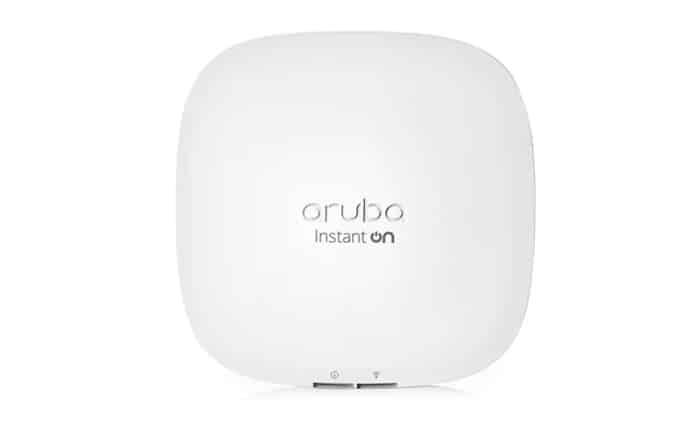
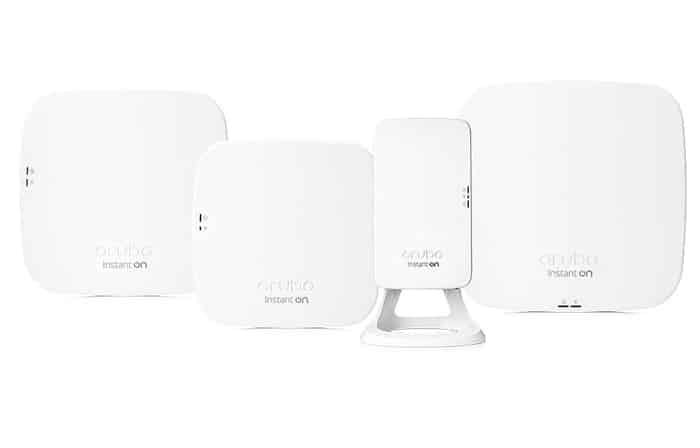
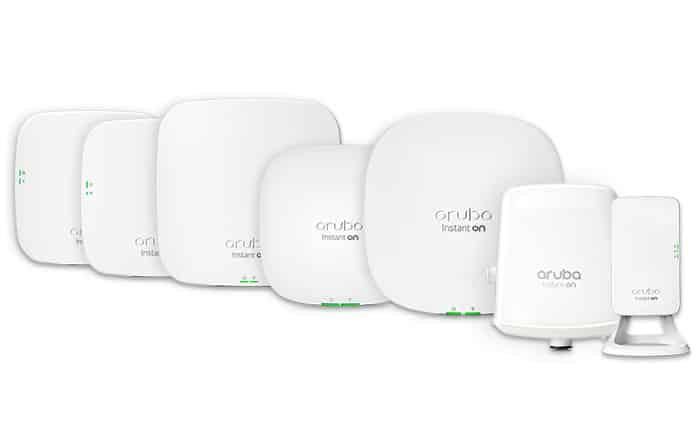
Aruba: Aruba, a Hewlett Packard Enterprise company, provides enterprise-grade Wi-Fi Access Points designed to deliver fast and reliable wireless connectivity. Their solutions offer advanced security features, seamless roaming, and integration with other network infrastructure components.
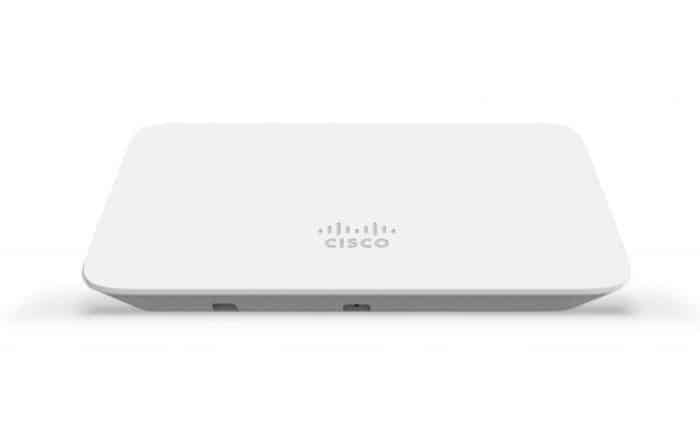
CISCO Meraki: CISCO Meraki offers cloud-managed Wi-Fi Access Points that simplify network management and provide extensive visibility and control. Their solutions are suitable for a wide range of environments, from small offices to large-scale deployments.
Contact Us: Enhance your wireless network with our reliable and high-performance Wi-Fi Access Points. Contact Axle Systems today to learn more about our Wi-Fi solutions, discuss your specific requirements, and let our experts design a customized wireless network that meets your needs.
Wifi Access Points (Wifi Access Points) are devices that allow wireless devices to connect to a wired network. Here are some details about Ubiquiti, Unify, Aruba, CISCO Meraki and TP Link:
– Ubiquiti:
Ubiquiti is a popular brand of Wifi Access Points that offers a wide range of products including ceiling access points, panel access points, outdoor access points, and wireless bridges. Ubiquiti’s products are known for their low price-point and fantastic value for money.
– Unify:
Unify is another popular brand of Wifi Access Points that offers a range of products including indoor access points, outdoor access points, and mesh access points. Unify’s products are known for their ease of use and simplified administration.
– Aruba:
Aruba is a brand of Wifi Access Points that offers a range of products including indoor access points, outdoor access points, and hospitality WiFi-6 access points. Aruba’s products are known for their rich visibility and faster deployment.
– CISCO Meraki:
CISCO Meraki is a brand of Wifi Access Points that offers a range of products including Wi-Fi 6 access points, faster deployment, simplified administration, and richer visibility. CISCO Meraki’s products are known for their high performance and reliability.
– TP Link:
TP Link is a brand of Wifi Access Points that offers a range of products including indoor access points, outdoor access points, and business WiFi solutions. TP Link’s products are known for their seamless roaming and mesh support.
When choosing a WAP for your needs, consider factors such as the size of your property, the number of users/devices you need to support, and your budget. You should also consider features such as beamforming, seamless roaming, MU-MIMO, PoE or DC powered options.