
Vehicle Tracking Qatar
In today’s dynamic business environment, fleet and vehicle management is more crucial than ever. From logistics companies and delivery services to corporate transportation and private car owners, everyone is seeking real-time visibility, safety, and efficiency. This is where Vehicle Tracking Qatar plays a pivotal role.
Axle Systems, a trusted technology solutions provider in Qatar, brings industry-leading Vehicle Tracking Qatar tailored to meet the evolving demands of commercial and personal transportation.
In this article, we will explore what Vehicle Tracking Qatar is, its benefits, features, practical applications across sectors, and why Axle Systems is the ideal supplier for your vehicle tracking needs in Qatar.
What is Vehicle Tracking Qatar?
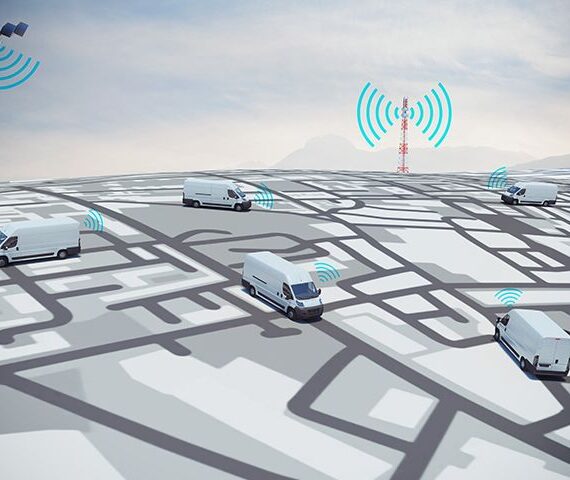
Vehicle Tracking Qatar refers to the use of GPS (Global Positioning System) technology to monitor the location, movement, and behavior of vehicles in real-time. This technology enables businesses and individuals to track their vehicles remotely via web or mobile platforms, providing data that helps improve operational efficiency, driver safety, and asset security.
With Vehicle Tracking in Qatar, businesses gain control over their fleets and ensure compliance, accountability, and reduced operational costs.
Why is Vehicle Tracking Essential in Qatar?
Qatar’s infrastructure development, booming logistics sector, and strategic transportation initiatives demand smarter fleet management tools. Whether you’re running a logistics business, managing a school bus fleet, or monitoring executive vehicles, vehicle tracking systems in Qatar offer a significant return on investment through improved visibility, safety, and resource utilization.
The harsh climate, vast terrain, and fast-paced economy of Qatar make GPS-based Vehicle Tracking Qatar not just a luxury—but a necessity.
Benefits of Vehicle Tracking Qatar
Implementing a Vehicle Tracking Qatar system is a game-changing investment for businesses and individuals alike. It offers a wide range of benefits, ranging from cost savings to enhanced security and operational control. Below is a detailed breakdown of the key benefits of using Vehicle Tracking Qatar, with practical applications across different industries.
1. Real-time Vehicle Monitoring
With real-time GPS tracking, you can monitor your vehicles from anywhere in the world using a computer, smartphone, or tablet. You’ll be able to see the current location, direction, and speed of each vehicle on a live map.
Example: A delivery company in Doha can track all its vehicles from a central command center, ensuring timely dispatch and identifying any route deviations.
2. Route Optimization & Efficiency
Vehicle Tracking Qatar systems allow fleet managers to identify the fastest and most fuel-efficient routes. Real-time traffic data can be incorporated to re-route vehicles around congestion, road closures, or construction sites.
Example: A taxi service in Lusail can reduce average trip times by 20% by choosing optimal routes for pickups and drop-offs.
3. Enhanced Driver Behavior Monitoring
GPS trackers monitor key indicators of driver behavior such as sudden braking, rapid acceleration, idling, over-speeding, and aggressive cornering. This allows companies to encourage safe driving and reduce the risk of accidents.
Example: A construction company can identify risky drivers operating heavy vehicles and provide corrective training to ensure safety compliance.
4. Fuel Consumption & Cost Reduction
Fuel is one of the largest operating costs for any fleet. GPS Vehicle Tracking Qatar helps detect inefficient driving practices, unauthorized trips, and fuel theft. Some systems integrate directly with fuel sensors for precise monitoring.
Example: A logistics firm operating refrigerated trucks between Doha and Al Khor identifies frequent idle times and adjusts driver schedules, saving thousands of QAR annually.
5. Theft Prevention & Asset Recovery
GPS Vehicle Tracking Qatar is one of the most effective anti-theft tools. In the event of vehicle theft, authorities can be provided with real-time coordinates for quick recovery. Some systems also feature engine cut-off or immobilization, allowing remote stopping of the vehicle.
Example: A car rental agency in Qatar locates and remotely disables a stolen vehicle within minutes of the theft alert.
6. Geo-fencing and Area Alerts
Geo-fencing allows you to set virtual boundaries around specific locations such as job sites, customer premises, or restricted zones. You’ll receive alerts if a vehicle enters or exits these zones.
Example: A company sets a geo-fence around Hamad Port and is notified the moment a truck carrying imported goods arrives or leaves the port area.
7. Automated Maintenance Reminders
Vehicle Tracking Qatar systems can be programmed to notify you when it’s time for maintenance based on mileage or engine hours. This helps prevent costly repairs and keeps your vehicles in top condition.
Example: A bus fleet automatically schedules oil changes and tire rotations every 10,000 km, reducing breakdown incidents.
8. Detailed Reports & Analytics
Access a variety of customizable reports such as trip summaries, idle time, distance traveled, stops made, driver scorecards, and much more. This data empowers informed decision-making.
Example: A food delivery service reviews weekly route reports and discovers consistent delays in a specific zone, prompting a route redesign.
9. Improved Customer Service
Being able to provide accurate Estimated Time of Arrival (ETA) and real-time delivery updates significantly boosts customer satisfaction.
Example: A furniture store in Qatar uses real-time tracking to send SMS alerts to customers, letting them know when to expect deliveries.
10. Operational Cost Reduction
With optimized routes, reduced idle time, fewer accidents, and better driver behavior, your entire operation becomes leaner and more profitable.
Example: A waste management company reduced its fleet operating costs by 25% within 6 months of deploying vehicle tracking.
11. Employee Productivity & Accountability
Know when employees start their day, how long they spend at each location, and whether they follow planned schedules. This is particularly useful for field service companies.
Example: A security services provider tracks patrol vehicle activities across multiple locations, ensuring on-time arrivals and complete coverage.
12. Insurance Premium Reduction
Many insurance providers offer discounts on premiums if your vehicle is equipped with GPS tracking, as it reduces the risk of theft and encourages safer driving behavior.
Example: A transport business qualifies for a 15% discount on fleet insurance after installing a GPS tracking system with driver scoring features.
13. Real-time Emergency Support
In case of emergencies like accidents or medical situations, real-time location tracking helps dispatch support quickly. Panic buttons and SOS features allow the driver to send alerts instantly.
Example: A medical transport Vehicle Tracking Qatar uses its GPS system to transmit its exact location after being involved in an accident, allowing emergency services to respond faster.
14. Compliance & Legal Assurance
Trackers can help comply with government regulations such as work-hour limits, route permits, and cross-border transportation rules.
Example: A company exporting goods to Saudi Arabia ensures all its trucks follow legal driving hours and maintain logs for customs checks.
15. Cold Chain Monitoring (Temperature Control)
Some Vehicle Tracking Qatar systems offer real-time temperature monitoring inside vehicles, ideal for pharmaceuticals, food, and perishable goods.
Example: A catering company transporting food across Doha monitors refrigeration levels and gets alerts if the temperature exceeds acceptable thresholds.
16. Environmentally Friendly Operations
By reducing unnecessary mileage, optimizing routes, and minimizing idling, Vehicle Tracking Qatar contributes to lower carbon emissions.
Example: A utility services company in Qatar implements green routing and reports a 20% drop in CO2 emissions across its fleet in one year.
Features of Vehicle Tracking Qatar Systems
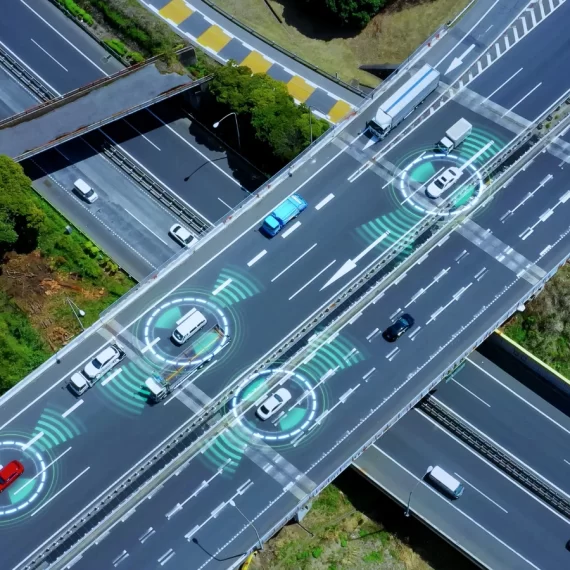
The effectiveness of any vehicle tracking system depends on its features and capabilities. At Axle Systems, we supply and integrate advanced GPS tracking solutions in Qatar that are packed with powerful, scalable, and intelligent features.
Whether you’re managing a small fleet of delivery vehicles or a large enterprise operation, these features give you unparalleled control, insight, and efficiency over your assets.
Let’s take a detailed look at the core and optional features of Vehicle Tracking Qatar.
1. Live GPS Tracking (Real-Time Monitoring)
Track your vehicle’s movement in real-time on a dynamic map interface. You’ll get updates every few seconds, allowing you to know the exact location, speed, direction, and activity of any vehicle at any time.
Use case: Logistics managers can monitor the location of every truck in their fleet to ensure deliveries are proceeding on schedule.
Benefit: Enhanced visibility, improved response time, and increased control over operations.
2. Geofencing & Zone Alerts
Geofencing allows you to create virtual boundaries or predefined zones such as job sites, warehouses, schools, or delivery zones. You receive automatic alerts when a vehicle enters or exits these zones.
Use case: A school transport coordinator gets notified if a school bus leaves its route or enters a restricted zone.
Benefit: Improved route compliance, safety, and asset security.
3. Speed Monitoring & Over-Speed Alerts
Monitor vehicle speed in real time and get alerts when vehicles exceed the preset speed limits. The system also logs historical speed data for analysis.
Use case: Fleet owners can penalize or retrain drivers who frequently over-speed on Qatar highways.
Benefit: Promotes safe driving, reduces accident risk, and helps in legal compliance.
4. Driver Behavior Analytics
Gain insights into how your drivers behave on the road. The system records data on harsh braking, rapid acceleration, sharp turns, and long idling times.
Use case: A ride-share company reviews driver scorecards and rewards those with excellent performance, while coaching underperformers.
Benefit: Improves driver performance, reduces vehicle wear and tear, and lowers fuel costs.
5. Trip History & Playback
Access detailed trip records including route taken, stop durations, idle time, and overall distance covered. You can view the playback of trips to review route efficiency or investigate incidents.
Use case: After a delivery dispute, a company uses trip playback to confirm that the delivery vehicle arrived on time.
Benefit: Provides accountability, proof of service, and analytics for route optimization.
6. Mobile App & Web Dashboard Access
Monitor and control your entire fleet from your smartphone, tablet, or desktop. User-friendly apps for iOS and Android, as well as web portals, are available with interactive dashboards and customizable widgets.
Use case: A fleet manager on the go can approve route changes and receive alerts via mobile app.
Benefit: Full mobility and round-the-clock control of operations.
7. Remote Immobilization (Engine Cut-Off)
In case of theft or unauthorized use, authorized users can remotely disable the engine using the software platform. This feature helps immobilize the vehicle safely when parked.
Use case: A car rental agency remotely disables a vehicle not returned on time, preventing misuse.
Benefit: Reduces theft risk and enhances asset recovery capabilities.
8. Fuel Monitoring System
With built-in fuel sensors, you can monitor the fuel level and consumption patterns of each vehicle. Alerts are generated for sudden drops, indicating possible theft or leakage.
Use case: A construction company identifies abnormal fuel consumption patterns in one of its earthmovers, leading to the detection of fuel theft.
Benefit: Prevents fuel fraud, reduces operating costs, and enhances sustainability.
9. Temperature Monitoring (Cold Chain Transport)
For vehicles transporting perishable or sensitive items (like pharmaceuticals, frozen food, or flowers), tracking systems can include temperature sensors that monitor real-time conditions.
Use case: A vaccine distributor receives alerts of refrigeration units in trucks malfunctioning or deviating from safe temperature ranges.
Benefit: Ensures cargo safety, prevents spoilage, and complies with health regulations.
10. Idle Time Monitoring
Track the amount of time each vehicle spends idling. Excessive idling can lead to unnecessary fuel consumption and vehicle wear.
Use case: A utility company cuts down fuel costs by reducing idle times through driver re-training.
Benefit: Improves efficiency and reduces fuel consumption.
11. Panic Button/SOS Alerts
Equipped with an SOS button in the cabin, drivers can send instant emergency alerts in case of distress, accident, or security threat. Alerts are sent to fleet managers and designated emergency contacts.
Use case: A taxi driver facing a medical emergency presses the panic button, alerting dispatchers instantly with the location.
Benefit: Increases driver safety and enables faster emergency response.
12. Customizable Notifications
Users can receive real-time notifications via SMS, email, or in-app messages based on events such as geofence breaches, speeding, long stops, fuel level changes, or scheduled maintenance.
Use case: A fleet admin gets a daily report and SMS alert whenever a delivery vehicle arrives late.
Benefit: Enables proactive management and fast decision-making.
13. Maintenance Scheduling Alerts
Set reminders for regular maintenance tasks like oil changes, tire rotations, inspections, and license renewals. Alerts are triggered based on mileage, engine hours, or time intervals.
Use case: A freight company schedules preventive maintenance for its long-haul trucks to minimize breakdowns.
Benefit: Improves vehicle longevity, avoids costly repairs, and ensures compliance.
14. Battery Backup & Anti-Tampering Mechanism
Advanced trackers are equipped with internal batteries that keep devices operational even if the main battery is disconnected. Some units also have tamper-proof seals and detection systems.
Use case: A stolen vehicle is recovered even after the main battery was removed, thanks to the device’s backup power and tamper alert.
Benefit: Enhances reliability and secures tracking continuity.
15. Driver Identification (RFID / iButton Integration)
Track which driver is operating a specific vehicle using RFID cards or iButtons. This enables personalized driver logs and accountability.
Use case: In a large fleet with multiple shift drivers, the system logs hours driven per individual, not just per vehicle.
Benefit: Improves personnel tracking, usage transparency, and HR reporting.
Uses of Vehicle Tracking in Qatar
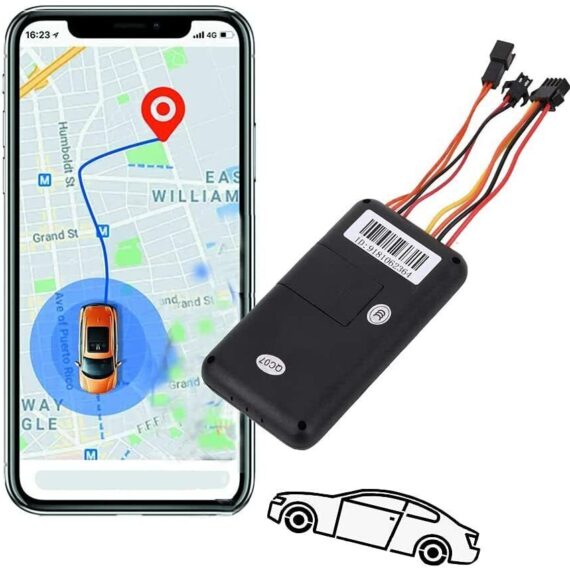
Vehicle Tracking Qatar Systems have become indispensable across numerous sectors in Qatar. The need for enhanced visibility, accountability, and operational efficiency has led organizations—big and small—to adopt GPS-based vehicle monitoring. Whether you’re running a single delivery van or managing hundreds of commercial vehicles, a robust tracking solution brings clarity and control.
Here’s a comprehensive look at how Vehicle Tracking Systems in Qatar are used across various industries and sectors:
1. Logistics & Delivery Services
Qatar’s fast-growing e-commerce and logistics sectors demand timely, traceable, and secure deliveries. Vehicle Tracking Qatar provides real-time updates on cargo movement, helps schedule deliveries, and prevents route deviation.
Example:
A delivery company operating between Doha and Al Wakrah tracks its vans to ensure parcels reach customers on time. Route deviations or unauthorized stops trigger immediate alerts.
Key Benefits:
- Real-time delivery updates
- Faster dispatch planning
- Reduced missed deliveries
- Proof of delivery & trip history
2. Construction & Heavy Equipment Management
Construction companies in Qatar operate heavy machinery like excavators, cranes, and dump trucks across multiple sites. GPS tracking helps monitor usage, fuel consumption, and asset movement.
Example:
A construction firm working on Lusail City uses Vehicle Tracking Qatar on earthmoving equipment to prevent theft and optimize on-site operations.
Key Benefits:
- Prevents unauthorized use
- Tracks fuel consumption
- Reduces idle time
- Enhances safety compliance
3. Oil & Gas Industry
Operations in the oil and gas sector require precise tracking of vehicles, tankers, and field crew, especially in remote desert locations. Vehicle Tracking Qatar ensures safety and improves response times during emergencies.
Example:
A petroleum company in Dukhan Basin uses GPS to monitor fuel tankers and ensure compliance with safety protocols, especially during transit to Ras Laffan.
Key Benefits:
- Improved crew safety
- Emergency location tracking
- Geo-fencing for hazardous zones
- Integration with asset tracking
4. Public Transportation Services
With growing urbanization, Qatar’s government and private sector have enhanced public transit options. GPS tracking of buses and taxis ensures route adherence and passenger safety.
Example:
A private bus operator tracks school buses, allowing parents to monitor their children’s transit in real time via mobile apps.
Key Benefits:
- On-time route adherence
- Real-time ETA for passengers
- Monitoring driver behavior
- Faster response to breakdowns
5. Corporate & Employee Fleets
Corporate entities use GPS tracking to manage employee vehicles for official duties. This ensures transparency, cost control, and accountability.
Example:
A real estate company tracks field agents’ movements throughout the day to verify client visits and optimize schedules.
Key Benefits:
- Tracks vehicle usage during work hours
- Prevents unauthorized trips
- Helps HR with accurate time logs
- Supports mileage reimbursements
6. School Bus Management
Student safety is a top concern for educational institutions and parents. GPS Vehicle Tracking Qatar in school buses allows schools to monitor driving behavior and alert parents about pick-up/drop-off timings.
Example:
An international school in Al Sadd integrates vehicle tracking with SMS alerts, informing parents when their child’s bus arrives.
Key Benefits:
- Enhanced child safety
- Driver accountability
- Real-time trip monitoring
- Transparent communication with parents
7. Cold Chain Logistics
For businesses dealing with temperature-sensitive products like vaccines, meat, dairy, or flowers, Vehicle Tracking Qatar combined with temperature monitoring ensures product integrity.
Example:
A pharmaceutical supplier in Doha uses trackers with temperature sensors to monitor vaccine transport conditions, avoiding costly spoilage.
Key Benefits:
- Real-time temperature alerts
- Compliance with health standards
- Prevents cargo loss
- Detailed transport records
8. Car Rental & Leasing Companies
Rental car agencies use GPS Vehicle Tracking Qatar to manage large fleets, detect late returns, prevent unauthorized border crossings, and reduce asset loss.
Example:
A rental agency based at Hamad International Airport disables the ignition of overdue rentals using the engine cut-off feature via remote access.
Key Benefits:
- Theft prevention
- Real-time vehicle availability tracking
- Usage analysis
- Trip history and tamper alerts
9. Emergency & Medical Response Vehicles
Ambulances, fire trucks, and rescue vehicles need to reach destinations as fast and efficiently as possible. Vehicle Tracking Qatar ensures the closest vehicle is dispatched and monitored throughout the operation.
Example:
A private hospital in Doha tracks its ambulance fleet to ensure they are always ready for emergency dispatch, reducing response time.
Key Benefits:
- Optimized dispatching
- Faster arrival times
- Emergency route planning
- Real-time communication with hospitals
10. Food Delivery & Restaurant Chains
For restaurants and cloud kitchens, timely delivery is critical. Tracking delivery vehicles and motorcycles ensures faster order fulfillment and customer satisfaction.
Example:
A multi-branch restaurant chain in West Bay uses GPS Vehicle Tracking Qatar to monitor motorcycle couriers, optimizing delivery zones.
Key Benefits:
- Faster food delivery
- Better customer service
- Delivery route management
- Employee accountability
11. Retail Chains & Distributors
Retail companies managing large vehicle fleets for inventory transfer between outlets or warehouses use Vehicle Tracking Qatar to prevent delays and product mismanagement.
Example:
A supermarket chain tracks refrigerated trucks delivering goods to various outlets in Al Khor, Al Wakrah, and Doha.
Key Benefits:
- Real-time delivery status
- Stock movement visibility
- Improved warehouse coordination
- Reduced delivery bottlenecks
12. Government and Municipal Vehicles
Municipalities and government agencies use Vehicle Tracking Qatar to manage public service vehicles such as garbage trucks, utility vehicles, and inspectors.
Example:
A municipal authority in Qatar uses GPS Vehicle Tracking Qatar to monitor garbage collection routes and timings for better urban sanitation planning.
Key Benefits:
- Service accountability
- Resource optimization
- Faster response during complaints
- Transparent reporting
13. Security Services & Cash Transit
Security firms operating cash-in-transit (CIT) vehicles use GPS tracking for secure, traceable, and auditable operations.
Example:
A security company transporting cash to banks and ATMs in Doha uses real-time tracking with geo-fencing for high-risk areas.
Key Benefits:
- Enhanced cargo security
- Real-time tracking of high-value assets
- Emergency alerts for route deviations
- Client transparency
14. Freight Forwarding & International Transport
Cross-border logistics and freight forwarding companies use tracking systems to monitor movements between Qatar and neighboring GCC countries such as Saudi Arabia and UAE.
Example:
A freight company exporting goods to Dubai tracks fleet movement across the Abu Samra border to avoid delays and route violations.
Key Benefits:
- Cross-border tracking
- Regulatory compliance
- Delay notifications
- Accurate delivery estimates
15. Personal Vehicle Tracking (Private Use)
Individuals use GPS tracking to monitor their own vehicles or those of family members. It’s especially useful for teenagers, elderly family members, or VIP transport.
Example:
A parent installs a GPS tracker in their teen’s car to monitor late-night usage and receive speed alerts.
Key Benefits:
- Personal safety
- Speed monitoring
- Trip records
- Anti-theft protection
Axle Systems: Your Premier Partner for Vehicle Tracking Qatar
When it comes to implementing cutting-edge Vehicle Tracking Qatar solutions, Axle Systems stands out as the partner of choice for businesses across the country. Established in 2012, Axle Systems is an ISO 9001-2008 certified company and an industry-leading system integrator specializing in a wide range of advanced electronic security and ELV (Extra-Low Voltage) systems. Our commitment to excellence, technological prowess, and unwavering focus on customer satisfaction makes us the ideal provider for your fleet management needs.
Why Choose Axle Systems for Vehicle Tracking Qatar?
- Cutting-Edge Technology: We supply and implement state-of-the-art GPS tracking devices and intuitive, feature-rich software platforms. Our solutions are built on reliable technology that ensures accurate data, real-time insights, and robust performance in Qatar’s demanding environment.
- Tailored Solutions: We understand that every business is unique. Whether you operate a small fleet of 5 vehicles or a massive fleet of hundreds, Axle Systems offers customizable Vehicle Tracking Qatar solutions designed to precisely fit your operational requirements, budget, and scalability needs. We don’t just sell products; we provide integrated solutions.
- Local Expertise and Understanding: With years of experience serving the Qatari market, Axle Systems possesses deep expertise in local regulations, infrastructure, and business practices. Our team understands the specific challenges and opportunities that businesses face in Qatar, ensuring our solutions are perfectly aligned with your context.
- Reliable Local Support: Our dedicated team of expert technicians and customer service professionals is based right here in Qatar.
- Proven Track Record: Axle Systems has a strong track record of successful implementations across various industries in Qatar. Our satisfied clients are a testament to our commitment to delivering effective and reliable fleet management solutions.
- Commitment to Innovation: We continuously monitor global advancements in Vehicle Tracking Qatar and telematics technology to ensure our offerings remain at the forefront, providing you with the most advanced features and capabilities.
- Seamless Integration: Our solutions are designed to integrate with your existing business systems (ERP, CRM, dispatch, etc.) where required, fostering a unified and efficient operational ecosystem.
At Axle Systems, we are dedicated to empowering businesses in Qatar to achieve operational excellence, significantly reduce costs, enhance the security of their assets, and provide unparalleled service to their customers. Partner with us to transform your fleet management into a strategic advantage.
Contact Axle Systems Today:
Ready to revolutionize your fleet management in Qatar? Get in touch with Axle Systems for a personalized consultation and to discover how our Vehicle Tracking Qatar solutions can benefit your business.
- Website: www.axlesys.com
- Phone: +974 44682391, +974 77443731
- Email: info@axlesys.com
- Address: P.O. Box 200081, Al Khalidiya Street, Najma, Doha, Qatar.
Common FAQ about Vehicle Tracking Qatar
To help you better understand Vehicle Tracking Qatar and how it can serve your business, here are answers to some frequently asked questions:
Q1: What exactly is Vehicle Tracking Qatar?
A: Vehicle Tracking Qatar refers to the application of advanced GPS (Global Positioning System) and telematics technology to monitor, manage, and optimize the movement and performance of vehicles within Qatar. It involves installing a small device in the vehicle that transmits real-time location data and other metrics to a secure online platform or mobile app accessible by the fleet manager.
Q2: How does a Vehicle Tracking Qatar System work?
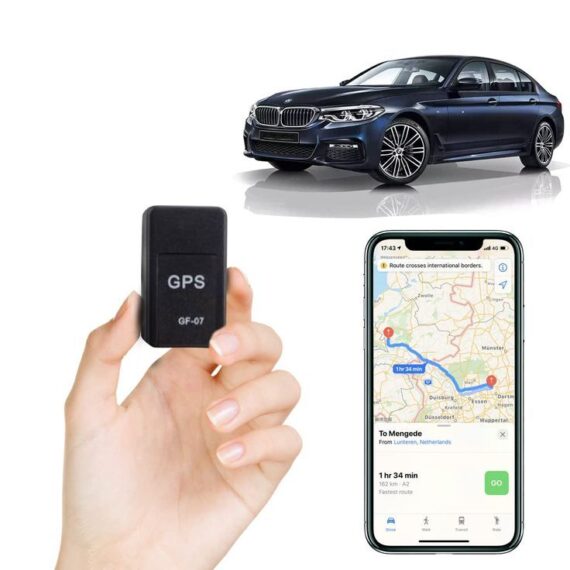
A: A typical VTS involves a compact GPS tracking device installed discreetly in the vehicle. This device receives signals from GPS satellites to pinpoint its exact location. This location data, along with other telematics information (like speed, ignition status, engine diagnostics), is then transmitted via cellular networks (GSM/GPRS) to a central server. Users can then access this data and visualize it on digital maps through a web-based platform or a dedicated mobile application.
Q3: Is vehicle tracking legal in Qatar?
A: Yes, vehicle tracking for legitimate business purposes such as fleet management, asset protection, operational efficiency, and driver safety is legal in Qatar. However, it is essential to comply with local privacy regulations. Best practice dictates informing your drivers that company vehicles are equipped with tracking systems for operational and safety reasons. This ensures transparency and avoids any privacy concerns.
Q4: What types of vehicles can be tracked using Axle Systems’ solutions?
A: Axle Systems’ Vehicle Tracking Qatar solutions are versatile and compatible with virtually any type of vehicle. This includes passenger cars, delivery vans, light and heavy-duty trucks, buses, construction machinery (excavators, loaders), special purpose vehicles, and even motorcycles. Our systems can be tailored to the specific power and connectivity requirements of different vehicle types.
Q5: What are the main benefits of using a Vehicle Tracking System for my business in Qatar?
A: The primary benefits for businesses in Qatar include significantly enhanced vehicle and cargo security, substantial cost reductions (especially in fuel and maintenance), improved operational efficiency through route optimization and better dispatching, higher customer satisfaction due to accurate ETAs and reliable service, and access to crucial data for informed strategic decision-making and regulatory compliance.
Q6: Is the installation process for Vehicle Tracking systems complicated or time-consuming?
A: No, the installation process is typically straightforward and efficient. Axle Systems employs experienced and certified technicians who handle the entire installation process professionally. Depending on the vehicle type and desired features, installation usually takes a short amount of time, minimizing vehicle downtime and ensuring proper functionality.
Q7: How accurate is the real-time tracking provided by Axle Systems?
A: Our Vehicle Tracking Qatar systems leverage advanced GPS technology, providing highly accurate location data, often within a few meters. The refresh rates are frequent, ensuring you have a near real-time view of your fleet’s movements, even in densely built urban areas.
Q8: What happens if a vehicle enters an area with no mobile network coverage? Will I lose data?
A: Most modern tracking devices, including those supplied by Axle Systems, are equipped with internal memory. If a vehicle enters an area with limited or no mobile network coverage, the device continues to store location and telematics data internally. Once the vehicle re-enters an area with network connectivity, the stored data is automatically uploaded to the server, ensuring no critical data is lost.
Q9: Can I access the vehicle tracking system from my mobile phone?
A: Absolutely. Axle Systems provides user-friendly mobile applications for both iOS and Android devices. This allows you to monitor your entire fleet, receive real-time alerts, and generate reports directly from your smartphone or tablet, providing flexibility and control on the go.
Conclusion
In Qatar’s ever-evolving economic landscape, embracing smart technology is not just an option but a strategic imperative. Vehicle Tracking Qatar, as offered by Axle Systems, is more than just a tracking device; it is a comprehensive fleet management solution that empowers businesses to achieve unprecedented levels of efficiency, security, and profitability. By providing real-time data, actionable insights, and robust control over your mobile assets, it transforms operational challenges into opportunities for growth and success.
Axle Systems stands as your dedicated partner, committed to delivering cutting-edge technology, tailored solutions, and unparalleled local support. We understand the unique demands of the Qatari market and are poised to help your business navigate them with confidence. From optimizing your routes to safeguarding your assets and enhancing customer satisfaction, Vehicle Tracking Qatar with Axle Systems is the smart investment that will drive your business forward.