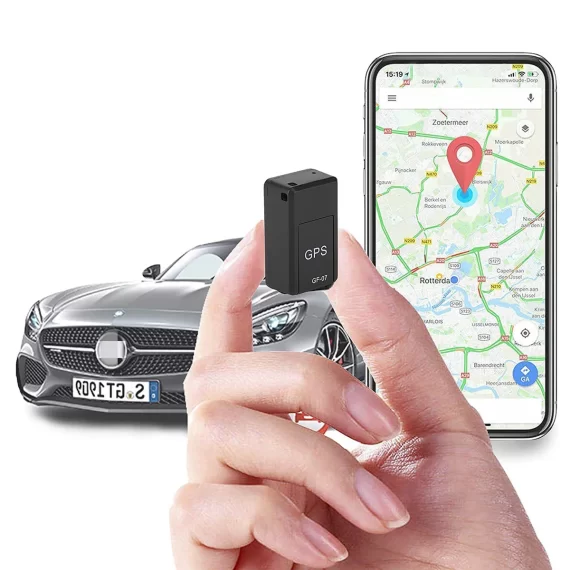

Vehicle GPS Tracking Device in Qatar
In today’s fast-paced and security-conscious world, knowing the exact location of your vehicle at any given time is not a luxury—it’s a necessity. Whether you’re managing a fleet of delivery vehicles, safeguarding your personal car, or monitoring driver behavior for efficiency and safety, Vehicle GPS Tracking Device offer a reliable, real-time solution.
In Qatar, where advanced vehicle monitoring and regulatory compliance are paramount, Axle Systems is the leading provider of cutting-edge Vehicle GPS Tracking Device. This blog explores the significance, benefits, features, and uses of GPS tracking systems in vehicles, with a spotlight on why Axle Systems is the trusted supplier in the country.
What is a Vehicle GPS Tracking Device?
A Vehicle GPS Tracking Device is an electronic device installed in a vehicle to monitor its location using the Global Positioning System (GPS). The device collects data such as real-time location, speed, engine status, route history, and even driver behavior. This data is then transmitted to a central server or software platform, which can be accessed via mobile app or desktop dashboard.
Modern GPS tracking devices are compact, efficient, and often cloud-connected, providing instant access to fleet managers, logistics teams, and vehicle owners.
Key Benefits of Vehicle GPS Tracking Device
Modern Vehicle GPS Tracking Device go far beyond simply showing where your car is. Today’s advanced Vehicle GPS Tracking Device technology delivers a host of benefits that improve safety, efficiency, cost control, and regulatory compliance. Here’s a detailed look at the key advantages of using a Vehicle GPS Tracking Device, especially for businesses and individuals in Qatar:
1. Real-Time Vehicle Location Tracking
Benefit:
You can monitor the exact, real-time location of your vehicle 24/7 through a user-friendly dashboard or mobile app.
Why It Matters:
Whether you are managing a delivery van in Doha, a taxi in Al Wakrah, or a service vehicle in Lusail, knowing where your vehicle is at any moment helps you make better decisions, reduce response time, and manage logistics effectively.
Use Cases in Qatar:
- Real-time visibility of courier/delivery vehicles during high-demand times like Ramadan or National Day sales.
- Monitoring staff vehicles to verify arrival at client locations.
- Parents keeping track of teen drivers during school runs.
2. Theft Protection and Vehicle Recovery
Benefit:
In case your vehicle is stolen, a Vehicle GPS Tracking Device can help authorities locate and recover it quickly.
Why It Matters:
Car thefts, though less frequent in Qatar compared to other regions, still happen. A Vehicle GPS Tracking Device system acts as a silent protector, instantly alerting you to unauthorized movement and enabling remote immobilization in some systems.
Use Cases:
- Prevent theft of high-value delivery vans or construction equipment.
- Receive immediate alerts if your car is moved from your garage without permission.
- Remotely shut off the engine after the vehicle comes to a stop.
3. Reduced Fuel Costs and Better Efficiency
Benefit:
By analyzing trip data, idle time, and route choices, Vehicle GPS Tracking Device helps businesses reduce fuel wastage.
Why It Matters:
Fuel prices in Qatar are regulated but still account for a large portion of fleet operating expenses. Reducing excessive idling, route detours, and speeding can significantly improve mileage.
Use Cases:
- Identify drivers who waste fuel by idling or taking longer routes.
- Optimize routes using traffic data to avoid congested areas like Salwa Road.
- Encourage efficient driving habits through performance metrics.
4. Improved Driver Behavior and Accountability
Benefit:
Track driving behavior such as harsh braking, sudden acceleration, speeding, and erratic movement.
Why It Matters:
Unsafe driving not only risks accidents but can also damage your reputation and increase vehicle wear-and-tear. Vehicle GPS Tracking Device ensure drivers stay compliant and professional.
Use Cases:
- Reduce the risk of road accidents by flagging aggressive driving.
- Monitor school bus drivers to ensure children’s safety.
- Send alerts when speed limits (e.g., 100km/h on expressways) are exceeded.
5. Route Optimization and Planning
Benefit:
Real-time and historical route data can be used to plan better travel paths and avoid traffic or road closures.
Why It Matters:
Doha’s road infrastructure is rapidly evolving with frequent diversions. Using Vehicle GPS Tracking Device route history helps plan efficient, faster, and safer paths.
Use Cases:
- Use alternative routes during Lusail development traffic diversions.
- Avoid peak hour traffic on Corniche Road by pre-planning delivery schedules.
- Reduce delivery delays by tracking ETA.
6. Compliance, Logging, and Regulatory Reporting
Benefit:
Automatically record journey logs, rest periods, start/stop times, and vehicle usage.
Why It Matters:
Companies in Qatar that transport goods or employees must often maintain accurate records for Ministry of Transport or MOI (Ministry of Interior) regulations. Vehicle GPS Tracking Device logs help avoid manual errors.
Use Cases:
- Provide logs during legal disputes or audits.
- Monitor vehicle usage for commercial licensing renewals.
- Maintain compliance for ISO/transport safety certifications.
7. Geo-Fencing and Zone Alerts
Benefit:
Define virtual boundaries on the map. Get notified if the vehicle enters or exits these areas.
Why It Matters:
Geo-fencing enhances security and helps enforce policies like restricting vehicles to project sites or service zones.
Use Cases:
- Ensure a construction vehicle remains within the worksite perimeter.
- Alert parents when a school bus leaves a designated route.
- Prevent employee misuse of company vehicles outside work areas.
8. Automated Maintenance Reminders
Benefit:
Track engine hours, mileage, and schedule vehicle service reminders to avoid breakdowns.
Why It Matters:
A breakdown during a delivery or while transporting VIP clients can cause major disruption. Preventive maintenance based on Vehicle GPS Tracking Device data keeps vehicles in top condition.
Use Cases:
- Schedule oil changes or tire rotations automatically.
- Track engine diagnostics to detect performance issues early.
- Reduce costly repairs from missed maintenance.
9. Lower Insurance Premiums
Benefit:
Many insurance providers offer discounts if a vehicle has a reliable Vehicle GPS Tracking Device installed.
Why It Matters:
Insurance companies see Vehicle GPS Tracking Device-equipped vehicles as less risky due to reduced theft and better driver behavior.
Use Cases:
- Reduce insurance premiums for your commercial fleet.
- Present driving logs as proof of safety for coverage claims.
- Partner with insurance companies offering telematics-based plans.
10. Better Business Decision Making with Data
Benefit:
Access comprehensive reports and analytics based on vehicle usage, time, speed, routes, and behavior.
Why It Matters:
Data is the new oil. Businesses in Qatar are becoming more data-driven. Vehicle GPS Tracking Device systems offer dashboards and insights to optimize operations and cut costs.
Use Cases:
- Identify under-utilized vehicles in your fleet.
- Make hiring/firing decisions based on actual performance metrics.
- Compare different route efficiency for logistics improvement.
11. Remote Access Anytime, Anywhere
Benefit:
Monitor your vehicles from your smartphone, tablet, or PC—even if you’re traveling abroad.
Why It Matters:
Whether you’re on vacation in Europe or attending a business expo in Dubai, remote access lets you stay in control 24/7.
Use Cases:
- Check on family car usage while on holiday.
- Get instant alerts even while in a meeting.
- Control multiple vehicles across cities from one dashboard.
12. Custom Alerts and Notifications
Benefit:
Set customized alerts based on your specific operational needs—such as unauthorized use, overspeeding, low battery, or after-hours driving.
Why It Matters:
Being notified immediately helps you act fast and avoid issues before they escalate.
Use Cases:
- Get an SMS when a driver leaves early without approval.
- Receive an email alert when battery backup is low.
- Disable after-hours driving for personal cars used by employees.
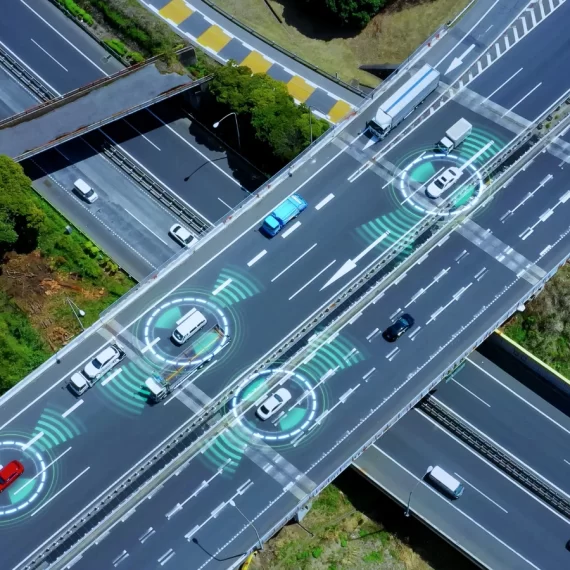
Essential Features of Vehicle GPS Tracking Device
A high-quality Vehicle GPS Tracking Device is packed with intelligent features that empower users to monitor, manage, and optimize vehicle operations. Whether for personal, commercial, or governmental use in Qatar, these features provide security, visibility, control, and operational efficiency.
Let’s dive deep into the essential features that make modern GPS tracking systems indispensable for today’s vehicle owners and fleet managers:
1. Live Location Tracking
What It Does:
Displays the real-time position of the vehicle on an interactive map with pinpoint accuracy.
Why It Matters:
This feature is the core of any GPS tracking device. Whether your vehicle is on Salwa Road, navigating through Pearl-Qatar, or parked at a remote worksite, you can see its exact location at any given moment.
Benefits:
- Monitor driver progress
- Provide accurate ETAs
- Respond faster in emergencies
2. Route History Playback
What It Does:
Records the path taken by the vehicle over days, weeks, or months and allows you to replay past trips.
Why It Matters:
Great for validating deliveries, reviewing driver behavior, or analyzing traffic-impacted routes. This is especially useful for logistics operations in Doha’s congested areas or cross-border trips.
Benefits:
- Audit route deviations
- Analyze delivery timelines
- Provide proof of service
3. Engine On/Off Detection
What It Does:
Monitors when the vehicle’s engine is started or shut down.
Why It Matters:
This helps detect unauthorized use during off-hours, especially for company-owned vehicles. It also allows you to correlate travel time with actual work activity.
Benefits:
- Detect misuse
- Measure idle time
- Verify job start/stop times
4. Speed Monitoring and Overspeed Alerts
What It Does:
Tracks the vehicle’s speed in real-time and sends alerts if it exceeds set limits.
Why It Matters:
Speeding increases fuel consumption and accident risk. In Qatar, where traffic fines are costly, this feature can prevent violations and promote safer driving.
Benefits:
- Enforce speed limits
- Reduce traffic fines
- Encourage responsible driving
5. Driver Behavior Analytics
What It Does:
Monitors driving habits such as harsh braking, rapid acceleration, sharp turns, and prolonged idling.
Why It Matters:
Companies can use this data to coach drivers, improve fuel efficiency, and reduce wear-and-tear on vehicles. It also helps minimize accidents and insurance claims.
Benefits:
- Improve road safety
- Reduce maintenance costs
- Rank drivers based on performance
6. Geo-Fencing & Zone Entry/Exit Alerts
What It Does:
Allows users to create virtual boundaries (geo-fences) and receive notifications when a vehicle enters or exits those zones.
Why It Matters:
Perfect for restricting movement to a particular job site, ensuring delivery compliance, or tracking school bus routes.
Benefits:
- Monitor route compliance
- Prevent unauthorized trips
- Get alerts for abnormal movements
7. Remote Engine Immobilization (Selective Models)
What It Does:
Lets the user remotely disable the vehicle’s engine when stationary.
Why It Matters:
In case of theft or unauthorized usage, this feature adds a powerful layer of protection. It can prevent further movement and aid in safe recovery.
Benefits:
- Increase vehicle security
- Control access remotely
- Prevent unauthorized relocation
8. Internal Battery Backup
What It Does:
Allows the tracker to continue functioning for several hours even if the vehicle’s main power source is cut off.
Why It Matters:
In cases of power disconnection, tampering, or accidents, the tracker remains active, ensuring uninterrupted tracking and alerts.
Benefits:
- Tamper resistance
- Backup location tracking
- Peace of mind in emergencies
9. Mobile App and Web Portal Access
What It Does:
Provides access to tracking data and control features through a dedicated smartphone app and browser dashboard.
Why It Matters:
You can manage and monitor your vehicle(s) from anywhere in the world. Most apps offer multilingual support including Arabic and English, which is ideal for Qatar-based operations.
Benefits:
- Real-time alerts on your phone
- Intuitive controls and map interface
- Accessible to all levels of staff
10. Multi-Vehicle Dashboard
What It Does:
Enables tracking and management of multiple vehicles from a single interface.
Why It Matters:
Fleet managers in sectors like logistics, construction, or transport can monitor all assets from one dashboard without switching views.
Benefits:
- Centralized management
- Efficient fleet supervision
- Scalable as your business grows
11. Tamper Detection Alerts
What It Does:
Sends notifications if the device is removed, disconnected, or physically tampered with.
Why It Matters:
Theft or unauthorized interference with tracking equipment can compromise security. This feature ensures you’re always in control.
Benefits:
- Enhance anti-theft protection
- Get immediate alerts
- Prevent data manipulation
12. Instant Alerts via SMS, Email & App
What It Does:
Allows you to set up personalized alerts for key events like overspeeding, engine start, geofence exit, tampering, or low battery.
Why It Matters:
Alerts help you take action immediately, avoid costly consequences, and remain informed around the clock.
Benefits:
- Real-time awareness
- Automated decision-making
- Peace of mind for owners
13. Cloud-Based Data Storage & Reporting
What It Does:
Stores historical tracking data securely in the cloud for easy retrieval and reporting.
Why It Matters:
Companies can generate detailed reports for performance audits, regulatory compliance, or internal KPIs.
Benefits:
- Accessible from anywhere
- Secure and tamper-proof
- Ideal for analytics and compliance
14. API & Software Integration
What It Does:
Integrates tracking data into ERP, HR, or dispatch systems via open APIs.
Why It Matters:
Custom integration allows businesses to align Vehicle GPS Tracking Device with their existing workflows and automate reporting or alerts.
Benefits:
- Seamless operations
- Enhanced automation
- Tailored dashboards
15. Multilingual Support & Localized Interfaces
What It Does:
Many systems support Arabic and English languages, with maps customized for the Middle East region.
Why It Matters:
Ease of use for operators in Qatar, ensuring wider staff adoption and fewer training challenges.
Benefits:
- Improved usability
- Language inclusivity
- Faster onboarding
16. Direction and Movement Analytics
What It Does:
Tracks directional data, including stop points, U-turns, and average speeds over a route.
Why It Matters:
Detailed route analytics help optimize delivery patterns and identify inefficiencies.
Benefits:
- Better route planning
- Save time and fuel
- Identify frequent stops
17. Scheduled Reports & Automated Logs
What It Does:
Generates daily, weekly, or custom reports automatically and delivers them to selected emails.
Why It Matters:
Great for managers who need regular updates without logging in manually every day.
Benefits:
- Time-saving automation
- Consistent reporting
- Simplified compliance
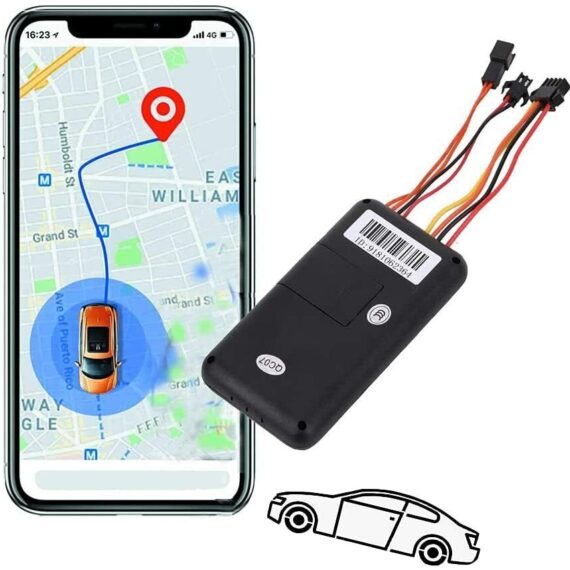
Uses of Vehicle GPS Tracking Device
Vehicle GPS Tracking Device have transformed the way individuals, businesses, and institutions monitor and manage their vehicles. In Qatar, where logistics, security, and efficiency are critical across many sectors, these systems have become essential tools. Below is a comprehensive look at how different industries and users benefit from GPS tracking technology:
1. Fleet Management for Logistics and Delivery Companies
How It’s Used:
Companies with multiple delivery vehicles (e.g., courier services, e-commerce, grocery deliveries) use GPS tracking to monitor routes, assign deliveries, and track ETAs.
Why It’s Important in Qatar:
With growing demand for same-day deliveries in cities like Doha, Al Wakrah, and Lusail, GPS tracking ensures timely service, efficient routing, and real-time updates to customers.
Benefits:
- Minimize delivery delays
- Optimize fuel usage and route efficiency
- Monitor driver performance and reduce overtime fraud
2. Personal Vehicle Monitoring
How It’s Used:
Individual car owners install GPS devices to safeguard their cars from theft and monitor their usage.
Why It’s Important in Qatar:
In an urban environment with high-value vehicles, security and peace of mind are priorities. Parents also use trackers to monitor their teen drivers’ safety.
Benefits:
- Instant alerts in case of unauthorized movement
- Real-time tracking for family cars
- Review route history of personal trips
3. School Bus Tracking
How It’s Used:
Schools and transport contractors use Vehicle GPS Tracking Device to monitor bus routes, ensure punctuality, and share real-time updates with parents.
Why It’s Important in Qatar:
With traffic congestion in morning hours, and parental concern for student safety, Vehicle GPS Tracking Device provides both reassurance and operational control.
Benefits:
- Notify parents of estimated pick-up/drop-off times
- Ensure drivers stick to authorized routes
- Monitor driving behavior for child safety
4. Emergency & Government Vehicle Tracking
How It’s Used:
Ambulances, fire trucks, police cars, and municipal vehicles use GPS to coordinate rapid response operations.
Why It’s Important in Qatar:
Response time is critical during emergencies. GPS allows command centers to locate and dispatch the nearest available unit and reroute around traffic when needed.
Benefits:
- Improve dispatch accuracy and response time
- Monitor unit availability and travel paths
- Record logs for incident reporting
5. Construction and Heavy Equipment Tracking
How It’s Used:
Construction firms install Vehicle GPS Tracking Device in bulldozers, cranes, excavators, and service vehicles to monitor utilization, location, and prevent misuse.
Why It’s Important in Qatar:
In large-scale projects like Lusail Smart City or stadium developments, assets move frequently across expansive sites. Equipment misuse or theft can delay timelines and increase costs.
Benefits:
- Prevent unauthorized use during off-hours
- Track asset locations across multiple sites
6. Taxi and Ride-Hailing Services
How It’s Used:
Taxi companies and ride-hailing platforms like Karwa or Uber rely on GPS to track trips, calculate fares, and verify driver compliance.
Why It’s Important in Qatar:
Tourism, events, and daily commutes demand fast, transparent transport services. Vehicle GPS Tracking Device ensures passengers and drivers stay on track.
Benefits:
- Enhance safety for drivers and passengers
- Maintain digital trip logs for accountability
- Reduce fuel consumption with optimized routing
7. Oil, Gas, and Utility Sector Transport
How It’s Used:
Utility providers and oil & gas firms track vehicles traveling to remote desert locations for inspections, repairs, or pipeline monitoring.
Why It’s Important in Qatar:
Harsh environments and distant facilities make tracking essential for employee safety, fuel management, and route planning.
Benefits:
- Enhance safety protocols for lone workers
- Improve fuel logistics and trip planning
- Document mileage for regulatory reports
8. Car Rental and Leasing Services
How It’s Used:
Rental car companies use GPS to prevent misuse, monitor duration/location of trips, and protect against late returns or theft.
Why It’s Important in Qatar:
Tourism and business travel lead to a high demand for short-term and long-term car rentals. Vehicle GPS Tracking Device ensures contractual compliance and asset protection.
Benefits:
- Prevent border crossings or off-road usage
- Track vehicles overdue for return
- Locate missing or stolen units
9. Hospitality and Valet Parking Operations
How It’s Used:
Hotels and malls with valet services use Vehicle GPS Tracking Device for tracking parked vehicles and preventing customer complaints.
Why It’s Important in Qatar:
In luxury hospitality sectors like The Pearl or West Bay, valet operations require transparency and customer trust.
Benefits:
- Prevent misuse or joyrides by valet drivers
- Provide exact location of parked vehicles
- Track time spent during parking services
10. Industrial or Warehouse Fleet Logistics
How It’s Used:
Factories and logistics hubs monitor forklifts, trucks, and cargo vehicles inside and outside facilities.
Why It’s Important in Qatar:
Warehouses at the Industrial Area in Doha often experience congestion and delays. Internal GPS-based tracking improves scheduling and safety.
Benefits:
- Ensure all vehicle movement is recorded
- Track round-trip times for loading/unloading
- Manage vehicle queues and assignments efficiently
11. Airport and Airline Ground Support Vehicles
How It’s Used:
Airlines and airport operators install Vehicle GPS Tracking Device on tarmac service vehicles like luggage loaders, crew vans, and fuel trucks.
Why It’s Important in Qatar:
At Hamad International Airport, efficient turnaround times are vital. GPS tracking ensures support vehicles reach aircraft quickly and stay within assigned areas.
Benefits:
- Monitor airside movement for compliance
- Improve gate turnaround efficiency
- Track time spent at aircraft stands
12.Travel & Tourism Agencies
How It’s Used:
Tour operators track buses and desert safari vehicles during guided tours and excursions.
Why It’s Important in Qatar:
Tourists exploring destinations like Khor Al Adaid or Zekreet require safety tracking in case of detours, delays, or emergencies.
Benefits:
- Ensure tourist safety in remote areas
- Monitor driver conduct during guided trips
Axle Systems: Your Trusted Partner for Vehicle GPS Tracking Device in Qatar
Who is Axle Systems?
Established in 2012, Axle Systems is a leading system integrator in Qatar.Mention their commitment to providing the latest technology products and services.Highlight their diverse customer base: government, healthcare, corporate, retail, hotels, and various other organizations.
Axle Systems‘ Expertise in Vehicle GPS Tracking Device:
Emphasize their specialization in supplying advanced Vehicle GPS Tracking Device. Stress that their solutions are tailored for individual vehicle owners, rental agencies, corporate fleets, and logistics companies in Qatar. Mention their focus on providing comprehensive, reliable, and user-friendly GPS tracking solutions.
Why Choose Axle Systems?
- Local Presence and Support: Proximity to clients in Qatar, offering dedicated local support, installation, and after-sales service.
- Tailored Solutions: Ability to customize GPS tracking systems to meet specific client needs.
- Cutting-Edge Technology: Providing the latest and most reliable GPS tracking hardware and software.
- Integration Capabilities: Ensuring seamless integration with existing IT infrastructure.
- Expert Team: Highly trained professionals for installation, configuration, and support.
- Commitment to Customer Satisfaction: Ensuring peace of mind and operational excellence for their clients.
- Proven Track Record: Highlight their experience in various sectors across Qatar.
Contact Axle Systems Today
- Website: www.axlesys.com
- Phone:+974 44682391
- Email: info@axlesys.com
- Address: Al Khalidiya Street, P.O. Box 200081, Doha, Qatar.
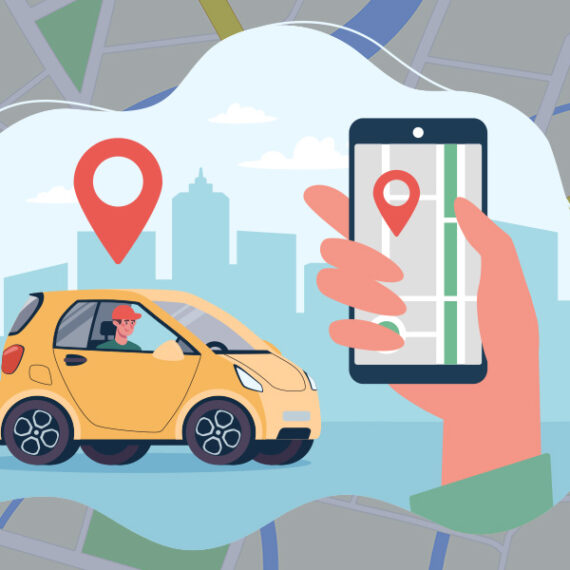
Common FAQs About Vehicle GPS Tracking Device
Q1: How accurate are GPS tracking devices?
A1: Generally very accurate, typically within a few meters. Accuracy can be affected by factors like tall buildings, dense foliage, or adverse weather, but devices are designed to compensate.
Q2: Is GPS tracking legal in Qatar?
A2: Yes, for your own vehicles. For commercial vehicles, employers generally need to inform and obtain consent from employees for tracking work-related activities. It’s crucial to adhere to local privacy regulations.
Q3: How is the GPS device installed?
A3: Installation methods vary:
- OBD-II Plug-in: Easiest, plugs directly into the vehicle’s diagnostic port (usually under the dashboard). Ideal for quick setup.
- Hardwired: More discreet and permanent, connected directly to the vehicle’s power system. Requires professional installation.
- Portable/Battery-Powered: Can be placed anywhere, offers flexibility, but requires periodic recharging.
- Axle Systems provides professional installation services.
Q4: Do GPS trackers have a monthly fee?
A4: Yes, most real-time Vehicle GPS Tracking Device involve a monthly or annual subscription fee. This covers data transmission (cellular network usage), access to the tracking platform (web and mobile app), data storage, and customer support. Axle Systems will detail their subscription plans.
Q5: What happens if the vehicle goes into an area with no cellular coverage?
A5: Most advanced trackers have internal memory to store data. Once the vehicle re-enters an area with cellular coverage, the stored data is transmitted to the platform, ensuring no data loss.
Q6: What about battery life for wireless trackers?
A6: Battery life varies significantly based on usage (tracking frequency) and device model. It can range from days to several weeks. Hardwired devices draw power directly from the vehicle, so battery life is not a concern for them.
Q7: Can I access historical data? For how long is it stored?
A7: Yes, all reputable Vehicle GPS Tracking Device allow access to historical data (routes, speeds, stops). The duration of data storage depends on the service provider and your subscription plan (often several months to a year or more).
Q8: Are there privacy concerns with Vehicle GPS Tracking Device?
A8: While GPS tracking offers immense benefits, privacy is a valid concern. Reputable providers prioritize data security with encryption and restricted access. For businesses, transparency with employees and adherence to local regulations regarding data collection and privacy are paramount. For personal use, ensure consent if tracking others.
Q9: Can I integrate the GPS tracking system with my existing fleet management software?
A9: Many modern Vehicle GPS Tracking Device offer API (Application Programming Interface) for integration with other enterprise systems like ERP, CRM, or existing fleet management platforms, allowing for a unified view of operations. Axle Systems can advise on integration capabilities.
Q10: What kind of support does Axle Systems offer after purchase?
A10: Axle Systems provides comprehensive after-sales support, including technical assistance, troubleshooting, platform training, and maintenance services to ensure optimal performance of your Vehicle GPS Tracking Device.
Conclusion: Drive Smarter with Axle Systems
A Vehicle GPS Tracking Device is not just about locating a car on a map—it’s about enhancing operational efficiency, ensuring safety, improving accountability, and gaining valuable insights into your vehicle or fleet’s daily activity.
Whether you’re a business owner managing 50 delivery trucks or a parent monitoring your teenager’s driving, Vehicle GPS Tracking Device is a must-have investment in today’s world. And if you’re in Qatar, there’s only one name you need to remember—Axle Systems.