

Toilet Occupancy Sensors in Qatar with Axle Systems
Toilet Occupancy Sensors are an essential component of modern building management and smart washroom design. They provide reliable, real-time information about whether a stall or toilet cubicle is occupied — without compromising privacy — and allow facility managers to improve cleanliness, optimize maintenance, reduce energy and water consumption, and enhance user experience. For public and commercial buildings, integrating toilet occupancy sensors into operations delivers measurable benefits: shorter cleaning cycles, better resource allocation, and a safer, more comfortable environment for users.
What are Toilet Occupancy Sensors?
Toilet Occupancy Sensors are small devices installed in toilets, urinals, and restroom stalls that detect the presence of a person. Unlike camera-based systems, Toilet Occupancy Sensors are privacy-preserving: they detect presence through motion, infrared, ultrasonic, pressure, or proximity technologies rather than capturing images. The Toilet Occupancy Sensors output can be used for a variety of purposes, including:
- Indicating occupied/vacant status on external signage.
- Triggering housekeeping alerts when stalls are used.
- Activating localized ventilation or exhaust fans.
- Logging usage statistics for analytics and planning.
- Enabling touch-free entry systems and automatic locks.
Toilet Occupancy Sensors can be standalone (local indicator only) or networked, where data is aggregated and fed into a building management system (BMS), facility management dashboard, or cloud platform for reporting and automation.
Technologies & Types of Toilet Occupancy Sensors
There are several sensing technologies used today, each with pros and cons depending on the application:
1. Passive Infrared (PIR) Toilet Occupancy Sensors
PIR sensors detect body heat (infrared radiation) when a person enters the Toilet Occupancy Sensors field of view. They are inexpensive, low-power, and effective for general presence detection. Drawbacks include limited sensitivity in detecting very still occupants and possible false negatives in wide-open spaces.
2. Ultrasonic Toilet Occupancy Sensors
Ultrasonic Toilet Occupancy Sensors emit high-frequency sound waves and measure reflections to determine movement and presence. They are more sensitive to small movements, can cover odd geometries, and work in darkness. They may be affected by airflow (fans) or hard reflective surfaces.
3. Microwave (Doppler) Toilet Occupancy Sensors
Microwave Toilet Occupancy Sensors emit microwave signals and measure changes caused by movement. They penetrate some non-metallic materials and can detect small motions, but are more expensive and can be prone to cross-talk between adjacent stalls if not properly configured.
4. Pressure Toilet Occupancy Sensors
Pressure mats or floor Toilet Occupancy Sensors detect weight when a user steps into a stall. They are highly reliable for occupancy detection but require floor modifications and may be more intrusive to install.
5. Door-Integrated Sensors and Magnetic Contacts
These use door position (open/closed) to infer occupancy when combined with timing logic. They’re simple and low-cost but can be fooled if a door is closed without a person inside or propped open.
6. Capacitive/Proximity Sensors
Capacitive sensors detect a person’s proximity by measuring changes in an electrical field. They can be integrated into fixtures but require careful tuning to avoid false triggers.
7. Hybrid Solutions
Many modern systems combine multiple sensing modalities (PIR + ultrasonic, pressure + door contact) to increase accuracy and reduce false positives/negatives.
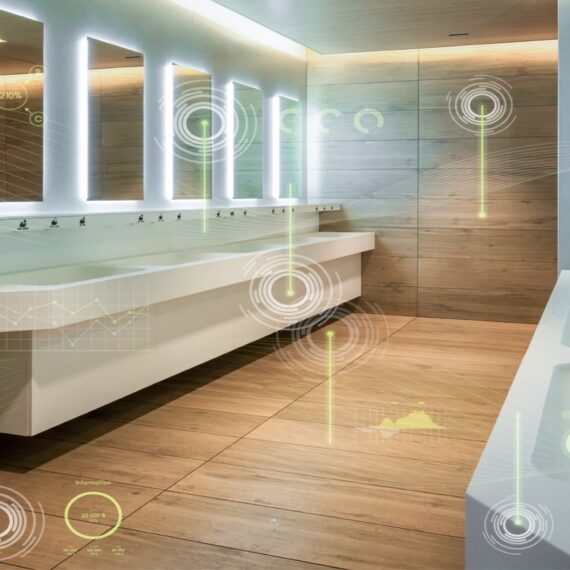
Key Features For Toilet Occupancy Sensors
When selecting Toilet Occupancy Sensors, it’s essential to evaluate a range of performance, connectivity, and usability features that ensure optimal operation, reliability, and integration within smart building environments. Below is a detailed overview of the most important features to consider:
1. Privacy-Preserving Detection
Toilet Occupancy Sensors should prioritize user privacy by avoiding camera-based detection. Instead, they use technologies such as infrared (PIR), ultrasonic, radar, or thermal sensing to determine stall occupancy. This ensures compliance with privacy regulations while still providing accurate real-time data. These sensors focus solely on movement or heat signatures, never capturing personally identifiable imagery, making them suitable for sensitive environments like corporate offices, malls, airports, and public restrooms.
2. High Detection Accuracy
Accurate detection is critical to avoid false alerts. Advanced Toilet Occupancy Sensors feature dual-technology detection (combining PIR and radar or thermal data) to improve accuracy and reliability. They can detect even subtle movements, ensuring that the system does not mistakenly mark a stall as vacant when occupied. Low false positive and false negative rates mean better user experience and more efficient cleaning schedules.
3. Network Connectivity Options
Modern Toilet Occupancy Sensors come with various connectivity options, allowing seamless communication with building management systems (BMS) or IoT platforms. Common connectivity options include:
- PoE (Power over Ethernet): Enables both power and data transfer through a single cable, simplifying installation.
- Wi‑Fi: Ideal for wireless, quick-deploy setups.
- LoRaWAN: Long-range, low-power wireless technology suitable for large facilities.
- Zigbee or Bluetooth Low Energy (BLE): For short-range, mesh-networked environments.
- Wired connections: Reliable and stable for high-traffic restrooms where continuous uptime is critical.
4. Real-Time Status Reporting
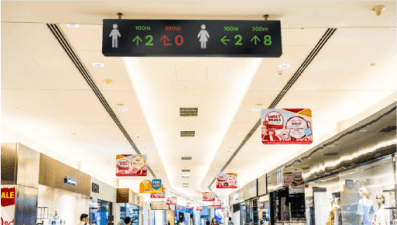
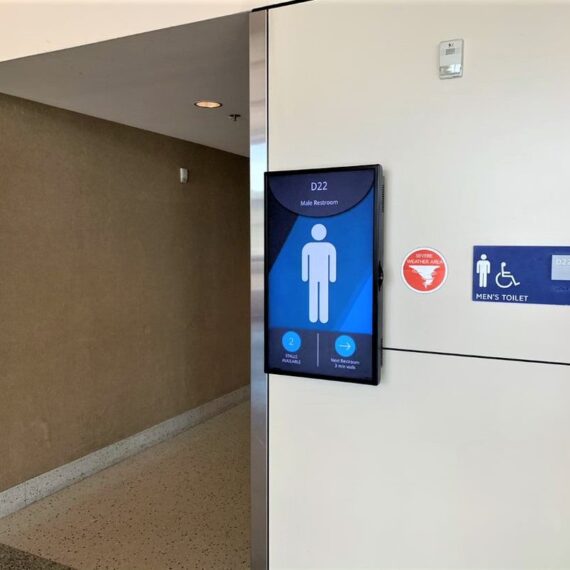
The best Toilet Occupancy Sensors provide instantaneous updates on stall status—whether occupied or vacant. This real-time data can be displayed on digital signage, wall-mounted indicators, or mobile applications, guiding users to available stalls and reducing waiting times. Facilities can also use this data for smart washroom systems, optimizing flow and cleaning operations based on actual usage.
5. Integration APIs
For seamless building integration, Toilet Occupancy Sensors should support industry-standard APIs and protocols such as:
- REST or MQTT: For IoT-based platforms and cloud dashboards.
- BACnet and Modbus: For integration with traditional BMS.
- SNMP or OPC UA: For industrial or enterprise-level deployments. Integration capabilities ensure compatibility with existing systems, enabling centralized monitoring and data-driven facility management.
6. Battery Life & Power Options
Power flexibility is another key factor. Wireless models should feature long-lasting batteries (up to 5–10 years) to minimize maintenance. Wired versions, on the other hand, may use PoE or 24V DC for continuous operation without battery replacement. Battery status monitoring should be available remotely to alert maintenance teams when replacements are needed.
7. Calibration & Configurability
Every restroom environment is unique. Toilet Occupancy Sensors with configurable settings—such as motion sensitivity, timeouts, detection zones, and trigger thresholds—offer better adaptability. Facility managers can fine-tune detection parameters according to space size, stall layout, and traffic volume, ensuring both accuracy and user comfort.
8. Tamper-Resistance and Vandal-Proof Design
Public restrooms require durable, tamper-resistant devices. Toilet Occupancy Sensors built with vandal-proof housings and secure mounting options prevent physical damage or disconnection. Rugged enclosures also protect the device from accidental impacts or deliberate interference, maintaining continuous and reliable performance.
9. Environmental Tolerance
Since washrooms often experience high humidity, steam, and temperature fluctuations, sensors must be engineered with robust protection. Look for Toilet Occupancy Sensors with IP-rated enclosures (e.g., IP65 or higher), ensuring they resist moisture, corrosion, and dust. This ensures long-term reliability even in demanding environments.
10. Analytics & Reporting
Modern smart washroom systems go beyond simple occupancy detection. Advanced models provide detailed analytics, including:
- Stall usage frequency and dwell-time tracking
- Peak usage hours
- Cleaning and maintenance alerts
- Visitor trends and behavior analysis These insights help facility managers optimize cleaning schedules, reduce resource wastage, and improve restroom availability and hygiene.
11. Local Indicators and User Feedback
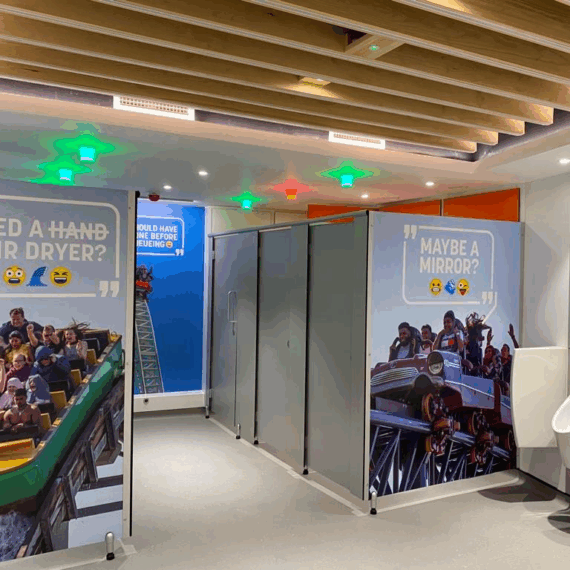
To enhance user experience, some Toilet Occupancy Sensors include external LED indicators or light strips mounted outside stalls. These visual indicators show clear red/green status lights for “occupied” or “vacant,” guiding users efficiently and reducing congestion during peak times. Additionally, integrating occupancy sensors with feedback devices or digital signage can further enhance communication and user satisfaction.
Benefits of Toilet Occupancy Sensors
Toilet Occupancy Sensors provide a wide range of benefits that improve hygiene, operational efficiency, and user satisfaction. Below is an expanded view of their advantages:
1. Improved Cleanliness & Hygiene
Toilet Occupancy Sensors enable event-driven cleaning, alerting housekeeping staff immediately after a stall is used. This ensures that cleaning is performed only when necessary, minimizing the time a used stall remains unclean. For high-traffic locations such as airports, malls, and stadiums, this approach reduces user complaints and helps maintain high hygiene standards. It also aids in meeting regulatory and compliance requirements for cleanliness and public safety.
2. Efficient Resource Allocation
Traditional cleaning schedules often rely on fixed intervals, which can waste labor and resources. With Toilet Occupancy Sensors, facility managers can allocate staff based on actual usage data, directing them to stalls that need attention. This optimizes labor efficiency, reduces unnecessary cleaning, and allows staff to focus on high-traffic or critical areas.
3. Enhanced User Experience
Real-time occupancy indicators displayed on external signage or mobile apps guide users to available stalls, reducing waiting times and preventing congestion. By minimizing queues and confusion, these Toilet Occupancy Sensors enhance overall user satisfaction in busy environments like corporate offices, hotels, and public restrooms.
4. Energy & Water Savings
Toilet Occupancy Sensors can control lighting, ventilation, and other electrical systems, ensuring they operate only when a stall is in use. This reduces energy consumption and operational costs. Additionally, when integrated with water fixtures such as faucets and toilets, sensors can optimize water usage based on actual occupancy, supporting sustainable facility management practices.
5. Data-Driven Insights
Toilet Occupancy Sensors generate valuable analytics, including usage frequency, dwell times, peak periods, and cleaning triggers. Facility managers can use this data to make informed decisions about staffing, maintenance schedules, layout planning, and capacity management. Over time, the insights allow continuous optimization of washroom operations and resource allocation.
6. Safety & Compliance
In sensitive environments such as hospitals, elderly care facilities, or schools, Toilet Occupancy Sensors can detect unusual dwell times, triggering alerts for potential emergencies. This provides a safety net for vulnerable users and ensures timely response to incidents. Furthermore, the ability to monitor usage patterns helps facilities maintain compliance with hygiene and safety standards.
7. Reduced Vandalism & Misuse
Tamper-resistant housings and secure mounting minimize the risk of vandalism. Analytics and usage reports can identify unusual patterns, such as frequent misuse or attempts to bypass the system, enabling proactive management and maintenance. This ensures that restrooms remain safe, functional, and presentable for all users.
8. Operational Cost Savings
By combining labor optimization, energy efficiency, and water conservation, Toilet Occupancy Sensors help reduce overall operational expenses. Facilities can achieve significant cost savings over time, often with a short payback period.
9. Scalability & Integration
Modern Toilet Occupancy Sensors can integrate with Building Management Systems (BMS), Computer-Aided Facility Management (CAFM) platforms, and mobile applications, enabling scalability across multiple sites. Facilities can implement a centralized monitoring system, simplifying maintenance, reporting, and resource management.
10. Environmental Sustainability
Efficient use of energy and water, along with optimized cleaning schedules, contributes to environmentally sustainable operations. Sensors help organizations meet green building standards and corporate sustainability goals by minimizing unnecessary resource consumption.
Overall, toilet occupancy sensors provide a holistic solution for smart washroom management, combining hygiene, efficiency, safety, and sustainability into a single integrated system.
Common Uses of Toilet Occupancy Sensors
Toilet Occupancy Sensors have versatile applications across a wide range of sectors. Their ability to provide real-time occupancy data, optimize cleaning schedules, and enhance user experience makes them a valuable addition to any facility. Here’s an expanded look at their applications:
- Airports & Transportation Hubs: Toilet Occupancy Sensors help manage high passenger traffic by monitoring stall availability, reducing queues, and triggering rapid cleaning during peak travel periods. This ensures smooth passenger flow and maintains hygiene standards in busy terminals.
- Shopping Malls & Retail Centers: By providing real-time occupancy data on digital signage or mobile apps, sensors guide shoppers to available restrooms, enhancing customer satisfaction. Facility managers can optimize cleaning schedules and allocate staff efficiently, reducing operational costs.
- Corporate Offices & High-Rise Buildings: Toilet Occupancy Sensors enable intelligent control of lighting, ventilation, and water usage in restrooms. Cleaning staff can be directed to stalls that require attention, improving operational efficiency and reducing energy consumption.
- Hotels & Hospitality: Maintaining clean and available restrooms is critical for guest experience. Toilet Occupancy Sensors ensure that facilities are cleaned promptly after use and that guests can easily locate vacant stalls, enhancing overall satisfaction and service quality.
- Hospitals & Healthcare Facilities: Sensors track restroom usage for patient safety, detect unusual dwell times, and ensure timely cleaning. They also help facilities comply with hygiene regulations and provide critical alerts for emergencies, supporting patient care.
- Universities & Schools: By monitoring peak usage times, sensors allow for efficient cleaning and maintenance scheduling. This ensures that restrooms remain clean and accessible during busy periods, improving student and staff experience.
- Stadiums & Entertainment Venues: In high-capacity venues, Toilet Occupancy Sensors manage restroom availability, reduce waiting times, and coordinate cleaning efficiently. They help prevent crowding and maintain hygiene standards during events.
- Public Restrooms & Government Buildings: Sensors maintain safe, clean, and efficient restroom facilities for both visitors and employees. Real-time occupancy information enhances user experience and ensures effective facility management.
- Event Spaces & Convention Centers: Toilet Occupancy Sensors provide real-time occupancy data to attendees and staff, improving navigation and facility usage. They also enable dynamic cleaning schedules based on actual usage, reducing unnecessary maintenance tasks.
- Industrial & Manufacturing Facilities: In large industrial sites, Toilet Occupancy Sensors monitor staff restroom usage and trigger cleaning during non-peak hours. This ensures hygiene standards are met without disrupting workflow, contributing to employee safety and satisfaction.
- Transportation & Logistic Hubs: For large warehouses and distribution centers, occupancy sensors ensure restrooms are available and clean for shift-based staff, improving overall operational efficiency.
- Theme Parks & Recreational Areas: With fluctuating visitor numbers, sensors help manage restroom availability, reduce waiting times, and optimize maintenance staff allocation, enhancing visitor experience.
- Cruise Ships & Resorts: Sensors monitor occupancy in multiple restrooms across large properties, coordinating cleaning and maintenance efficiently, ensuring consistently high standards for guests.
- Smart Cities & Public Infrastructure: Integrated occupancy sensors in public restrooms provide municipal authorities with data to plan maintenance, optimize cleaning crews, and improve citizen satisfaction.
Why Choose Axle Systems
Axle Systems stands out as a leading provider of smart restroom solutions in Qatar, offering unmatched expertise and support tailored to local facility needs. Here’s why facility managers and organizations trust Axle Systems for their toilet occupancy sensor requirements:
1. Local Expertise
Axle Systems understands Qatar’s climate, building codes, and infrastructure requirements. This local knowledge ensures that every installation is optimized for durability, performance, and compliance with local regulations.
2. End-to-End Services
From initial consultation to installation, integration, and ongoing maintenance, Axle Systems provides complete solutions for smart restroom management. This holistic approach simplifies project management and ensures consistent quality throughout the lifecycle of the system.
3. Privacy-First, Non-Imaging Solutions
User privacy is a top priority. Axle Systems supplies non-imaging occupancy sensors that detect presence without capturing cameras or audio data, protecting personal privacy while delivering accurate occupancy monitoring.
4. Seamless Integration
Toilet Occupancy Sensors from Axle Systems can be integrated with Building Management Systems (BMS), Computer-Aided Facility Management (CAFM) platforms, and mobile applications. This ensures centralized control, efficient data analysis, and real-time reporting for better facility management.
5. Comprehensive After-Sales Support
Axle Systems offers full warranty coverage, technical assistance, and maintenance services, ensuring that your smart restroom solutions remain reliable, up-to-date, and optimized for performance. Their dedicated support team is available to assist with troubleshooting, upgrades, and system expansions.
6. Proven Track Record
With experience in multiple sectors including airports, shopping malls, corporate offices, hotels, hospitals, and public facilities, Axle Systems has successfully implemented Toilet Occupancy Sensors in high-traffic and sensitive environments, demonstrating reliability and excellence.
Contact Axle Systems
- Phone: +974 44682391 / +974 77443731
- Email: info@axlesys.com
- Website: www.axlesys.com
Frequently Asked Questions (FAQ) About Toilet Occupancy Sensors
Q1: What is a toilet occupancy sensor?
A toilet occupancy sensor is a device installed in restroom stalls or cubicles that detects whether a space is occupied. It provides real-time status updates for users and facility management without using cameras or microphones, ensuring privacy.
Q2: How do toilet occupancy sensors work?
Sensors use technologies like Passive Infrared (PIR), ultrasonic, microwave, pressure mats, or capacitive detection to sense presence. When a stall is occupied, the sensor triggers indicators, alerts, or automated systems such as lighting or cleaning notifications.
Q3: Do toilet occupancy sensors compromise privacy?
No. Modern sensors are designed to be non-imaging and do not capture video or audio. They only detect presence, ensuring complete user privacy.
Q4: Can sensors detect occupants who remain still?
Yes. Sensors using pressure mats or hybrid detection methods can sense occupancy even if a person is stationary for long periods, ensuring accuracy in monitoring.
Q5: Are these sensors compatible with existing building management systems (BMS)?
Absolutely. Most modern Toilet Occupancy Sensors can integrate with BMS, CAFM platforms, or mobile apps through standard protocols like REST, MQTT, BACnet, or Modbus.
Q6: How long do the sensors last?
Battery-powered sensors typically last between 1 to 5 years, depending on usage frequency and reporting intervals. Wired sensors powered via PoE or 24V DC provide continuous operation.
Q7: Can toilet occupancy sensors reduce operational costs?
Yes. They help optimize cleaning schedules, reduce labor costs, minimize energy and water consumption, and improve resource allocation, resulting in significant operational savings over time.
Q8: How are these Toilet Occupancy Sensors installed?
Installation can be wireless or wired, depending on the system. A site survey is recommended to determine optimal placement for accuracy, coverage, and integration with facility systems.
Q9: Are the sensors vandal-proof?
Many models come with tamper-resistant housings designed for high-traffic public restrooms, ensuring durability and security.
Q10: What maintenance is required?
Maintenance is minimal and includes battery replacement (for wireless models), periodic calibration, firmware updates, and cleaning. Axle Systems provides ongoing support and maintenance services.
Q11: Can Toilet Occupancy Sensors help with hygiene compliance?
Yes. Toilet Occupancy Sensors can generate alerts for cleaning after use, provide usage data for auditing, and help maintain regulatory compliance for hygiene and safety standards in sensitive environments like hospitals and food establishments.
Q12: How can users see stall availability?
Occupancy status can be displayed via external LEDs, light strips, digital signage, or mobile applications, allowing users to locate vacant stalls quickly and efficiently.
Q13: Can these sensors be retrofitted into existing restrooms?
Yes. Wireless models and compact designs make it easy to retrofit Toilet Occupancy Sensors in existing facilities without major renovations.
Q14: Do the sensors work in high-humidity or steam-heavy environments?
Yes. Quality Toilet Occupancy Sensors are designed with environmental tolerance, ensuring functionality in humid, wet, or high-temperature restroom conditions.
Q15: What are the benefits of integrating Toilet Occupancy Sensors with mobile apps?
Integration allows users to check stall availability remotely, facilities to track usage patterns, generate reports, trigger cleaning notifications, and optimize operational efficiency across multiple sites.
Conclusion
Toilet Occupancy Sensors are an essential element of modern smart washroom management, offering a wide range of benefits for both facility managers and users. By providing real-time occupancy data, these Toilet Occupancy Sensors enable better allocation of cleaning staff, reduce unnecessary energy and water consumption, and improve overall operational efficiency. They play a pivotal role in maintaining high hygiene standards, ensuring compliance with health and safety regulations, and creating a comfortable and convenient experience for restroom users.
With the integration of Toilet Occupancy Sensors, facilities can optimize cleaning schedules, monitor peak usage periods, and respond to maintenance needs proactively. This not only improves user satisfaction but also reduces operational costs by preventing over-cleaning and ensuring resources are used efficiently. Advanced analytics from these Toilet Occupancy Sensors provide valuable insights into usage patterns, helping facility managers make data-driven decisions and implement sustainable practices.
Axle Systems delivers privacy-compliant, integrated smart restroom solutions across Qatar, combining cutting-edge technology with local expertise. Their solutions are designed to seamlessly integrate with existing Building Management Systems (BMS), Computer-Aided Facility Management (CAFM) platforms, and mobile applications, enabling centralized monitoring and control across multiple sites. With Axle Systems, organizations benefit from expert consultation, professional installation, ongoing technical support, and comprehensive after-sales service, ensuring that restrooms operate at peak performance.
Investing in Toilet Occupancy Sensors through Axle Systems is more than a technological upgrade—it is a commitment to smarter, cleaner, and more sustainable washrooms. Organizations can achieve improved operational efficiency, reduced environmental impact, and a superior experience for all users. By embracing these smart solutions, facilities align with modern facility management goals and sustainability initiatives, future-proofing their infrastructure while enhancing safety, hygiene, and convenience for every occupant.