

Time Management Software for Banks in Qatar
Banking in Qatar is fast, precise, and heavily regulated. Every minute counts—whether it’s opening a new account at a branch, clearing high-value transactions before cut-off, replenishing ATMs, or coordinating cash-in-transit teams across the city. In this environment, Time Management Software for Banks in Qatar is not a “nice to have”—it’s a strategic foundation for operational excellence, compliance, and customer experience.
This in-depth guide explains what modern Time Management Software for Banks in Qatar looks like for banks in Qatar, the tangible benefits you can expect, the features that matter, how different departments use it day-to-day, and why partnering with Axle Systems gives you the local expertise, integration capability, and support you need to make it work right the first time.
What Is Time Management Software for Banks in Qatar?
Time Management Software for Banks in Qatar is a unified digital system that helps banks plan, track, measure, and improve how time is used across the organization. It typically includes:
- Workforce time & attendance (biometric and mobile)
- Shift planning & rostering for branches, call centers, and operations
- Leave & overtime management with approvals and policy controls
- Task & project time tracking across departments and initiatives
- Geo-fenced field time tracking for CIT, ATM service, and RM visits
- Dashboards, analytics, and audit trails for compliance and optimization
- Integrations with payroll/HR, access control, queue systems, helpdesks, and core banking–adjacent ops tools
For banks in Qatar, the emphasis is on accuracy, compliance, localization (Arabic/English), security, and integrations—so the solution becomes a source of truth for people time, operational time, and customer-facing service time.
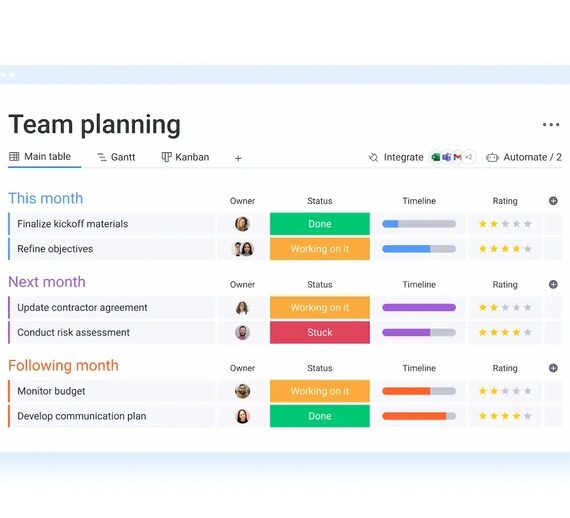
Why It Matters in Banking: The Strategic Case
1) Operational Precision: Time Management Software for Banks in Qatar
In banking, timing is everything. Branches need to open and close at exact hours, tellers must be in place to handle peak customer traffic, and cut-off times for fund transfers, clearing, and settlements must be respected to avoid financial and reputational risks. Even small delays in routine tasks such as end-of-day reconciliations or cash vault handling can disrupt multiple downstream processes.
With Time Management Software for Banks in Qatar, banks gain the ability to:
- Ensure the right employees with the right skills are scheduled at the right time.
- Automate shift planning so there is no under- or over-staffing during critical windows.
- Monitor in real time whether operational checklists (COB routines, ATM replenishment cycles, compliance checks) are completed on schedule.
This precision not only minimizes disruptions but also allows banks to maximize efficiency while keeping service levels consistent across branches and departments.
2) Compliance & Audit Readiness: Time Management Software for Banks in Qatar
The financial services sector in Qatar operates under the supervision of regulatory authorities such as the Qatar Central Bank (QCB), which mandates strict compliance with labor, operational, and governance policies. Regulators and auditors frequently require transparent evidence of staff availability, overtime approvals, and adherence to dual-control policies in sensitive areas like cash centers and vaults.
Time Management Software for Banks in Qatar offers:
- Tamper-proof records of attendance, shifts, and overtime.
- Geo-fencing logs for mobile staff like cash-in-transit teams or ATM service engineers.
- Detailed audit trails that show who worked, when, where, and what approvals were granted.
This creates a defensible compliance posture, reducing the risk of penalties, reputational damage, or internal fraud. By automating record-keeping, banks are always “audit-ready” without scrambling to compile historical reports.
3) Customer Experience: Time Management Software for Banks in Qatar
For customers, time translates directly into satisfaction. Long queues, extended wait times, or understaffed service counters can lead to frustration and potential churn. On the other hand, well-staffed branches and contact centers that respond quickly build loyalty and trust.
Time Management Software for Banks in Qatar helps banks in Qatar to:
- Align staff schedules with demand patterns, such as salary days, school fee seasons, or government payout periods.
- Integrate with queue management systems, allowing managers to reassign staff in real time if queues start growing longer than target SLAs.
- Maintain VIP and priority services by ensuring availability of dedicated relationship managers or premium service desks.
The result is smoother service flow, reduced waiting times, and improved NPS (Net Promoter Score) and CSAT (Customer Satisfaction Score).
4) Cost Control & Productivity: Time Management Software for Banks in Qatar
Labor costs represent a major portion of a bank’s operating expenses. Poorly managed schedules and excessive overtime can quickly inflate HR budgets. Moreover, inefficiencies in task allocation mean highly skilled employees may spend time on lower-value activities instead of focusing on priority operations.
Time Management Software for Banks in Qatar empowers banks to:
- Apply precise overtime rules, ensuring overtime is approved only when absolutely necessary.
- Optimize shift allocation to avoid paying for idle time during off-peak hours.
- Track time spent on specific activities, enabling leaders to identify bottlenecks (e.g., excessive time on KYC remediation) and redeploy resources to higher-value work such as SME client onboarding or loan approvals.
This ensures both cost discipline and improved productivity, ultimately contributing to healthier margins and more competitive pricing for customers.
5) Transparency & Fairness: Time Management Software for Banks in Qatar
One of the major causes of employee dissatisfaction in banking environments is perceived unfairness in scheduling, overtime allocation, or leave approvals. Without a transparent system, disputes arise, leading to lower morale and higher attrition.
Time Management Software for Banks in Qatar brings fairness and visibility by:
- Establishing clear, rule-based policies for attendance, leave, and overtime.
- Providing employees with self-service access to check balances, submit leave requests, and view approvals.
- Reducing human error and bias through automated calculations and standardized workflows.
This transparency builds trust between staff and management, fosters a positive workplace culture, and ensures that employees feel valued and treated equitably.
6) Cross-Department Coordination: Time Management Software for Banks in Qatar
A bank functions as an interconnected ecosystem—operations, HR, IT, security, customer service, and compliance all depend on timely execution of tasks. However, without a common system, each department may operate in silos, creating misalignment.
Time Management Software for Banks in Qatar acts as a coordination hub by:
- Feeding accurate time and attendance data into payroll systems, ensuring smooth salary processing.
- Integrating with access control systems to verify staff presence in restricted zones (e.g., vaults or data centers).
- Syncing with queue management systems to dynamically match staffing to demand.
- Linking with IT helpdesk or ticketing tools to measure how much time is spent on service requests and system incidents.
This cross-departmental flow of data eliminates duplication, accelerates workflows, and gives management a holistic view of time utilization across the entire bank.
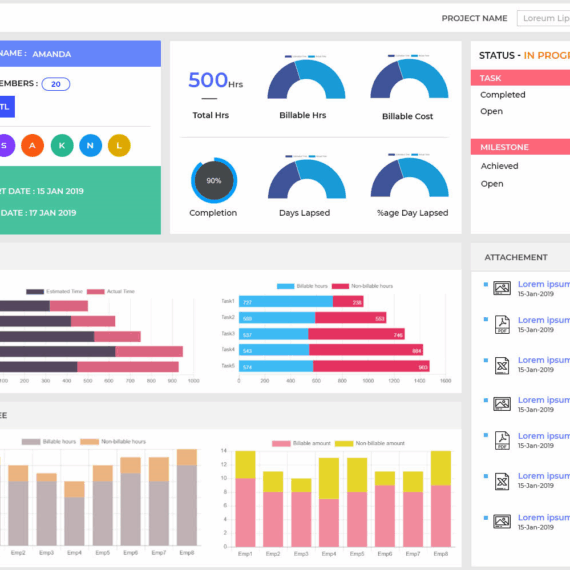
Core Benefits for Time Management Software for Banks in Qatar
1) Fewer Queues, Faster Service: Time Management Software for Banks in Qatar
In the competitive banking sector of Qatar, customer experience is heavily influenced by how quickly clients are served. Long queues during salary days, school fee deadlines, or national events can frustrate customers and hurt the bank’s reputation. Time Management Software for Banks in Qatar allows branch managers to anticipate demand using historical patterns and real-time footfall data. Staff can then be scheduled accordingly, ensuring that teller counters and customer service desks are adequately staffed during peak hours. This leads to shorter waiting times, smoother service delivery, and stronger customer satisfaction, all while reducing unnecessary idle staffing during off-peak periods.
2) Lower Overtime Leakage: Time Management Software for Banks in Qatar
Overtime pay is a significant cost driver in banks, but without strict controls, it often becomes a source of budget overruns and employee disputes. Time Management Software for Banks in Qatar enforces bank-specific overtime rules—including thresholds, pre-approval workflows, and allowances. This ensures overtime is only applied when necessary, with full managerial visibility and proper justification. By eliminating unauthorized or accidental overtime entries, banks can achieve measurable cost savings while still ensuring that critical operations, such as end-of-day reconciliations or ATM replenishments, are never left understaffed.
3) Improved Forecast Accuracy: Time Management Software for Banks in Qatar
Banks in Qatar operate in cycles—end of month, end of quarter, and major events like Ramadan or Eid, which influence customer behavior. With robust analytics, Time Management Software for Banks in Qatar helps HR and operations teams analyze historical seasonality trends such as salary distribution days, holidays, or back-to-school rush periods. These insights allow for accurate roster planning in advance, ensuring branches, contact centers, and cash-handling teams are properly resourced. Forecasting also helps identify quiet periods, enabling banks to optimize training schedules or encourage staff leave during low-demand windows.
4) Better Compliance Posture: Time Management Software for Banks in Qatar
Qatar’s financial sector is tightly regulated, and compliance lapses can have severe consequences. Time Management Software for Banks in Qatar provides immutable attendance logs and tamper-proof records that are vital for both internal and external audits. For mobile teams, such as cash-in-transit (CIT) crews or ATM service technicians, geo-location data provides evidence of visits, while full approval trails ensure adherence to dual-control policies. This capability strengthens the bank’s compliance posture, reduces audit preparation workload, and minimizes the risk of regulatory fines or internal fraud.
5) Mobile Workforce Accountability: Time Management Software for Banks in Qatar
Not all bank employees work behind a desk. Relationship managers, CIT staff, and field technicians spend significant time outside branches, making accountability more challenging. With geo-fencing and mobile check-ins, Time Management Software for Banks in Qatar enables banks to verify employee presence at designated sites and capture accurate work-time logs. For example, a relationship manager visiting a corporate client or a technician servicing an ATM can log attendance only within approved zones, ensuring credibility. This results in greater accountability, reduced time theft, and improved operational visibility across the mobile workforce.
6) Higher Staff Satisfaction: Time Management Software for Banks in Qatar
Employees thrive in environments that are fair, transparent, and predictable. Time Management Software for Banks in Qatar supports this by offering self-service portals where staff can check leave balances, apply for time off, request shift swaps, and view schedules. Automated, rule-based processing ensures that all employees are treated equitably, reducing disputes over overtime or attendance. Predictable routines and balanced shift allocations also help staff achieve better work-life balance, contributing to higher job satisfaction, reduced absenteeism, and lower attrition rates.
7) Real-Time Visibility for Leaders: Time Management Software for Banks in Qatar
Banking leaders—from branch managers to regional directors—need instant visibility into operations. A single dashboard powered by Time Management Software for Banks in Qatar provides a real-time overview of staffing levels, absenteeism, late arrivals, pending approvals, and even SLA risks. This empowers managers to act proactively, such as reassigning staff to busier counters or approving urgent overtime requests during peak load. The result is faster decision-making, improved responsiveness, and greater control over day-to-day operations.
8) Accurate Payroll Inputs: Time Management Software for Banks in Qatar
Payroll errors—whether underpayments, overpayments, or incorrect deductions—can erode trust between employees and the bank, and they create unnecessary administrative work. With validated attendance and time data flowing directly into payroll systems, banks eliminate the need for manual reconciliations or adjustments. This reduces the risk of human error, speeds up payroll processing, and ensures employees are paid accurately and on time. In turn, this improves staff morale while reducing payroll disputes and back-office workload.
9) Data-Driven Decisions: Time Management Software for Banks in Qatar
Banks that rely on guesswork or outdated spreadsheets risk inefficiency and poor allocation of resources. Time Management Software for Banks in Qatar generates rich insights into patterns such as understaffed time slots, recurring overtime in specific departments, or high-value tasks consuming disproportionate time. Leaders can use this intelligence to reallocate staff, adjust policies, or even identify opportunities for automation. With data-driven decision-making, banks can improve operational efficiency, reduce costs, and better align human resources with strategic priorities.
10) Rapid Incident Response: Time Management Software for Banks in Qatar
In a banking environment, incidents ranging from security breaches to operational errors need to be addressed immediately. Time Management Software for Banks in Qatar integrates with access control and security systems, allowing investigators to quickly verify who was present at a site, at what time, and under what authorization. For example, if an unauthorized vault access attempt occurs, managers can cross-reference attendance data and access logs within seconds. This capability accelerates investigations, enhances accountability, and strengthens overall risk management in the bank.
Must-Have Features
A) Time & Attendance (Biometric + Mobile)
- Biometric devices (fingerprint/face) for branches, back-office, and data centers.
- Mobile app check-in with geo-fencing for field roles (CIT, ATM engineers, RMs).
- Offline capture & sync for areas with patchy connectivity.
- Multi-location profiles for staff rotating between branches or departments.
B) Shift Planning & Rostering
- Demand-aware scheduling: Align shifts with predicted footfall, queue data, and campaign calendars.
- Role coverage rules: Ensure required skill mix (teller, CSO, vault custodian, supervisor) is met per shift.
- Auto-suggested rosters based on policies, fatigue limits, and availability.
- Swap & trade workflows with manager approval to reduce last-minute gaps.
C) Leave & Overtime Management
- Custom leave types & accruals aligned with HR policy.
- Automated overtime calculations (daily/weekly) with approval chains.
- Holiday calendars for Qatar and internal bank events.
- Self-service requests via mobile and web.
D) Task & Project Time Tracking
- Task timers & assignments for operations, IT, compliance, and projects.
- Activity codes (e.g., KYC remediation, loan processing, COB checks) for granular reporting.
- SLA monitoring to flag risk when time spent exceeds thresholds.
E) Field Operations (Geo-Fenced)
- Check-in at defined sites: ATMs, merchant POS hubs, branches, cash centers.
- Route visibility: See who is at which site and for how long.
- Photo/attachment proof (e.g., ATM service ticket, seal numbers).
- Exception alerts for missed visits or abnormal dwell times.
F) Dashboards, Analytics & KPIs
- Real-time command center view of coverage, late/absent, queue pressure, and pending approvals.
- Branch scorecards (punctuality, adherence, service level impact).
- Trend analysis by day, week, pay cycle, and season.
- Downloadable reports for HR, Finance, and Audit.
G) Integrations (Bank-Ready)
- Payroll & HR: Export/ APIs for clean timesheets and leave data.
- Access Control: Cross-check door events against attendance (e.g., card enter without punch).
- Queue Management: Align rosters with expected footfall; monitor wait times vs. staffing in real time.
- Helpdesk/ITSM: Associate time with tickets and changes (CAB reporting).
- Directory & SSO: Active Directory/Azure AD for role-based access.
H) Security & Compliance Controls
- Role-based permissions and maker-checker approvals.
- Full audit trails of edits and approvals.
- Data protection best practices and regional hosting options.
- Configurable retention and data anonymization where needed.
I) Localization & Usability
- Arabic/English UI and reports.
- Local week/weekend patterns and public holiday calendars.
- Responsive web + mobile apps for staff and managers.

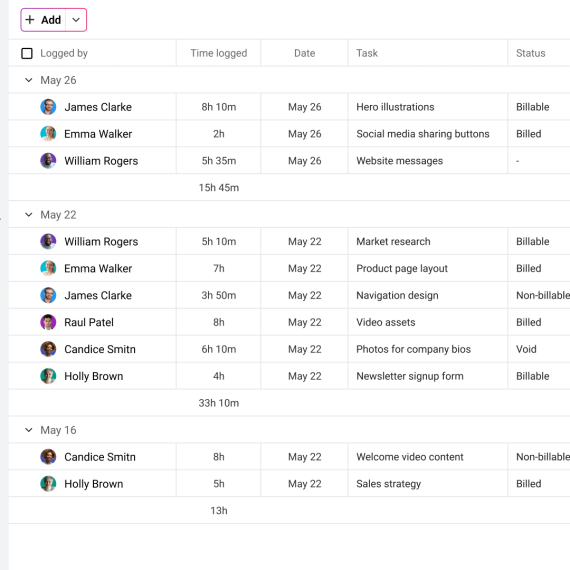
Practical Uses by Banking Function
Time Management Software for Banks in Qatar in banks is not just about tracking attendance; it is about aligning workforce efficiency with banking operations, compliance, and customer expectations. Below are detailed use cases by department and function:
1. Branch Operations
Branches are the front line of customer service. Long queues, limited staff availability, or uneven counter coverage can lead to dissatisfaction.
- Staff Scheduling: The software enables branch managers to plan teller and customer service staff rosters based on predicted footfall (e.g., salary days, weekends, or festive seasons in Qatar).
- Queue Reduction: With accurate staffing levels, branches can open more counters during peak hours to minimize customer waiting times.
- Shift Planning: Morning and evening shifts can be optimized to ensure continuous coverage without unnecessary overtime.
2. Cash Management & ATM Operations
Cash-in-transit (CIT) and ATM replenishment teams work on tight schedules where delays can impact both customers and compliance.
- Geo-fencing & Field Tracking: Managers can monitor whether CIT teams or ATM technicians reached designated locations on time.
- Shift Accountability: Each trip is logged with time and location stamps, reducing risk of fraud or misreporting.
- Automated Approvals: Allowances for travel and overtime can be auto-calculated based on the journey log.
3. Back-Office Functions (IT, HR, Finance, Compliance)
Support teams in the back office are the backbone of banking operations.
- Flexible Shifts: Time Management Software for Banks in Qatar helps balance workload across IT support, HR payroll teams, and finance officers, especially during closing cycles or audits.
- Compliance Logs: Immutable attendance records provide regulators with evidence of proper staffing and segregation of duties.
- Project Management: Bank IT teams working on upgrades (e.g., mobile banking or cybersecurity) can log project hours for accountability.
4. Security & Guard Teams
Physical security in banks is critical, from branches to vaults and ATMs.
- Shift Tracking: Guards’ check-ins and check-outs are tracked in real-time.
- Patrol Monitoring: Geo-tagging ensures guards make required rounds at ATMs and offsite vaults.
- Contractor Oversight: If security is outsourced, banks can verify whether contracted hours were actually delivered.
Example: A guard assigned to a West Bay branch who misses a shift is flagged instantly, allowing the bank to deploy a backup guard without delay.
5. Relationship Managers (Corporate & Retail)
Customer-facing bankers are often in the field meeting high-value clients.
- Location Verification: With geo-fencing, managers can confirm that RMs attended scheduled client visits.
- Time Logs: Time spent per client can be recorded for productivity analysis.
- Performance Metrics: Managers can track whether key clients are receiving enough attention compared to service-level standards.
Example: A corporate RM visiting clients in Ras Laffan can have their check-in/out automatically logged, ensuring accountability and better client coverage.
6. Call Centers & Customer Support
Banks in Qatar operate call centers for inquiries, complaints, and digital banking support.
- Workforce Allocation: Time Management Software for Banks in Qatar integrates with call volume forecasts to ensure adequate staffing.
- Shift Flexibility: Supervisors can rotate schedules fairly, avoiding staff burnout.
- Break Management: Regulated rest breaks can be monitored to maintain compliance with labor laws.
7. Project Teams & Temporary Staff
Banks often rely on temporary staff for campaigns (credit card promotions, loan drives, etc.) or digital projects.
- Contract Duration Control: Time Management Software for Banks in Qatar automatically restricts logins after contract expiry.
- Performance Tracking: Temporary staff hours are logged to validate invoices from staffing agencies.
- Event-based Rosters: For product launches or promotional events, schedules can be easily managed.
8. Executive Management & Leadership Teams
Bank leaders need real-time visibility into operations.
- Central Dashboard: CEOs and regional managers can see coverage gaps, overtime usage, and absenteeism in real time.
- Compliance Oversight: Attendance logs tied to access control provide evidence in case of audits or disputes.
- Decision Support: Data-driven insights help leaders identify inefficiencies and reallocate resources strategically.
By aligning workforce efficiency with the unique needs of every banking function, Time Management Software for Banks in Qatar becomes a strategic enabler for banks in Qatar, not just a back-office tool.
Why Choose Axle Systems for Banks in Qatar
Axle Systems specializes in secure, integrated Time Management Software for Banks in Qatar, bringing together the hardware, software, and banking process knowledge needed to deliver measurable outcomes.
What Axle Systems Brings
- Banking Experience: Understanding of branch operations, CIT/ATM workflows, and audit-ready processes.
- End-to-End Delivery: Consultation, solution design, device deployment (biometric), software configuration, training, and post-go-live hypercare.
- Integration Expertise: HR/payroll, access control, queue management, and directory services.
- Localization: Arabic/English support, Qatar holiday calendars, and local week patterns.
- Security Mindset: Role-based access, audit logs, and robust data handling practices.
- Reliable Support: SLA-driven maintenance, remote and on-site assistance, and periodic optimization reviews.
Typical Deliverables
- Requirements & policy mapping workshop
- Solution blueprint and project plan
- Pilot deployment and acceptance testing
- Bank-wide rollout kit (devices, apps, training)
- Integration connectors and documentation
- KPI dashboards and C-level reporting packs
Frequently Asked Questions (FAQ)
1) What’s the difference between Time Attendance and Time Management?
A: Time attendance focuses on punches, leave, and overtime. Time management goes further—adding scheduling, task tracking, field geo-fencing, analytics, and integrations that connect time with service levels, compliance, and cost.
2) Can we integrate with our existing payroll/HR system?
A: Yes. The solution supports file-based exports and APIs. Axle Systems will map your policies and fields to ensure clean, automated payroll inputs.
3) How does geo-fencing work for our ATM/CIT teams?
A: You define authorized locations (ATMs, cash centers, partner sites). Staff can only check in within those boundaries; the app records time, location evidence, and optional photos/attachments for audit.
4) What if connectivity is unreliable at certain sites?
A: Mobile and terminal apps support offline capture with later sync, so no data is lost.
5) Can managers approve leave and overtime from their phones?
A: Absolutely. Mobile approvals are standard, with maker-checker options and full audit trails.
6) Is Arabic supported?
A: Yes. The system provides Arabic/English interfaces and reports, plus local calendars and holiday support.
7) How secure is the system?
A: Security includes role-based access, encrypted data in transit/at rest, and immutable audit logs. Deployment can align with your bank’s hosting and data protection policies.
8) Can we align staffing to expected customer demand?
A: Yes. You can use historical trends and (optionally) queue system integrations to tune rosters for peak hours and campaign periods.
9) How quickly can we go live?
A: A phased approach is typical: assessment, pilot (a few branches and one field team), then bank-wide rollout. Timelines vary with integration scope and device count.
10) What kind of reports are available?
A: Out-of-the-box dashboards plus downloadable reports for punctuality, overtime, coverage, leave balances, queue vs. staffing, field visit compliance, and more. Custom reports can be added.
11) Can we restrict edits to prevent time fraud?
A: Yes. Edits require role-based permissions and approvals; all changes are fully logged for audit.
12) Does it handle multi-location staff and rotations?
A: Yes. Profiles support multiple branches/roles, with rosters and rules applied accordingly.
13) How do you handle privacy and transparency with employees?
A: Axle Systems helps you implement clear communications and consent flows, so staff understand what is tracked, why, and how it benefits accuracy and fairness.
14) Can we track time against internal projects (e.g., migrations, regulatory initiatives)?
A: Yes. Project & task time tracking provides cost/time transparency across initiatives.
15) What about business continuity?
A: Offline capture, backups, and failover options underpin resilience—so operations continue even if individual systems are temporarily unavailable.
Getting Started: Best Practices for Banks
- Codify policies clearly before configuration (overtime thresholds, approvals, leave rules).
- Pilot with diverse teams (a busy branch, an operations unit, and a field team) to test end-to-end.
- Automate integrations early to avoid manual rework for payroll or identity management.
- Use dashboards daily—treat them like a command center for coverage and SLA risk.
- Review KPIs monthly and adjust rosters, rules, or training accordingly.
- Train managers deeply on scheduling tactics and exception handling.
- Communicate benefits to staff—accuracy, fairness, transparency, and self-service convenience.

About Axle Systems — Your Local Partner in Qatar
Axle Systems delivers, integrates, and supports Time Management Software for Banks in Qatar. We combine banking workflow know-how with trusted technologies—biometric devices, mobile apps, and secure, audit-ready software—to give you a solution that fits your policies and integrates cleanly with your existing stack.
What we do for banks:
- Consulting and solution design
- Biometric device supply & installation
- Software configuration and localization
- Integrations with HR/payroll, access control, queue systems, and directory services
- Staff and manager training
- Post-go-live support with SLAs and periodic optimization reviews
Industries we serve: Banking & Finance, Government, Retail, Hospitality, Healthcare, Education, and Enterprise.
Contact Axle Systems
- Location: P.O.Box: 200081, Al Khalidiya Street, Najma, Doha, Qatar
- Phone: +974 44682391, +974 77443731
- Email: info@axlesys.com
- Website: www.axlesys.com
Conclusion
For banks in Qatar, time isn’t just a metric—it’s the fabric of service, cost, and compliance. A robust Time Management Software for Banks in Qatar, delivered and supported by Axle Systems, unifies that fabric: it ensures the right people are in the right place at the right time, critical tasks happen on time, and every minute contributes to customer trust and the bank’s bottom line.
When you’re ready to reduce queues, control overtime, strengthen compliance, and unlock data-driven staffing, Axle Systems is ready to help you design and deploy a solution tailored to your bank’s policies and priorities.