

Supermarket Anti-Theft System in Qatar
Retail theft is a major challenge for supermarkets and retail stores worldwide. With thousands of products on shelves and hundreds of customers visiting daily, supermarkets are particularly vulnerable to shoplifting, employee theft, and inventory shrinkage. A Supermarket Anti-Theft System is a modern security solution designed to prevent unauthorized removal of merchandise and protect business profitability.
The most widely used solution in supermarkets is the Electronic Article Surveillance (EAS) system, which uses security tags attached to products and detection antennas at store exits. When a tagged item passes through the detection zone without being deactivated at checkout, the system triggers an alarm to alert staff.
Table Of Contents
- 1 What is a Supermarket Anti-Theft System?
- 1.1 How Supermarket Anti-Theft System Work
- 1.2 Key Components of a Supermarket Anti-Theft System
- 1.3 Benefits of Supermarket Anti-Theft System
- 1.3.1 Significant Reduction in Shoplifting
- 1.3.2 Strong Visual Deterrence
- 1.3.3 Protection of High-Value Merchandise
- 1.3.4 Reduction of Inventory Shrinkage
- 1.3.5 Improved Store Profitability
- 1.3.6 Better Store Management
- 1.3.7 Improved Customer Shopping Experience
- 1.3.8 Open Product Display
- 1.3.9 Real-Time Theft Detection
- 1.3.10 Reduced Need for Additional Security Staff
- 1.4 Uses of Supermarket Anti-Theft System
- 1.4.1 Theft Prevention in Supermarkets
- 1.4.2 Protection of High-Risk Product Categories
- 1.4.3 Security for Self-Service Retail Environments
- 1.4.4 Protection of Promotional Displays
- 1.4.5 Security for High-Traffic Retail Areas
- 1.4.6 Integration with Retail Security Systems
- 1.4.7 Protection for Multiple Store Entrances and Exits
- 1.4.8 Retail Loss Prevention Programs
- 1.5 Axle Systems – Trusted Supplier of Supermarket Anti-Theft System
- 1.6 Contact Axle Systems
- 1.7 Frequently Asked Questions (FAQ)
- 1.8 Conclusion
What is a Supermarket Anti-Theft System?
A Supermarket Anti-Theft System is a security technology designed to detect and prevent shoplifting in retail environments such as supermarkets, hypermarkets, grocery stores, and convenience stores.
The system typically consists of:
- Security tags or labels attached to merchandise
- Detection antennas installed at store entrances and exits
- Tag deactivation devices at checkout counters
- Alarm and monitoring system
When a customer attempts to leave the store with a tagged product that has not been properly deactivated at checkout, the antennas detect the tag and trigger an audible or visual alarm.
This automated system creates a protective security perimeter around the store exit, ensuring that unpaid merchandise cannot leave the premises unnoticed.
How Supermarket Anti-Theft System Work
The working principle of supermarket anti-theft systems is based on Electronic Article Surveillance (EAS) technology.
Step 1: Tagging the Merchandise
Small electronic security tags or adhesive labels are attached to products. These tags contain circuits that can be detected by the EAS system.
Tags are available in different types:
- Hard tags (reusable plastic tags)
- Soft labels (adhesive security labels)
- Bottle tags for beverages
- Ink tags for high-value products
These tags are placed on items most vulnerable to theft, such as cosmetics, baby products, electronics, and expensive food items.
Step 2: Detection at Store Exit
At the entrance or exit of the supermarket, security antennas create an electromagnetic detection zone.
When a tagged item passes through this zone, the system checks whether the tag has been deactivated.
Step 3: Alarm Activation
If the tag is still active, the system triggers an alarm to alert store staff. The alarm can be:
- Audible siren
- Flashing light
- Security notification to monitoring systems
Step 4: Deactivation at Checkout
Once the product is purchased, the cashier uses a deactivation device or tag remover to disable the tag. This ensures the alarm does not activate when the customer exits the store.
This simple but effective system enables retailers to detect theft instantly.
Key Components of a Supermarket Anti-Theft System
A Supermarket Anti-Theft System is made up of several important components that work together to protect retail stores from shoplifting and inventory loss. Each component plays a critical role in detecting unauthorized product removal and ensuring smooth retail operations. Modern Supermarket Anti-Theft System are designed to be reliable, easy to operate, and highly effective in busy supermarket environments.
Understanding the key components of a Supermarket Anti-Theft System helps store owners choose the right solution for their business and maximize the effectiveness of their security setup.
Below are the main components that form a complete Supermarket Anti-Theft System.
EAS Antennas (Security Gates)
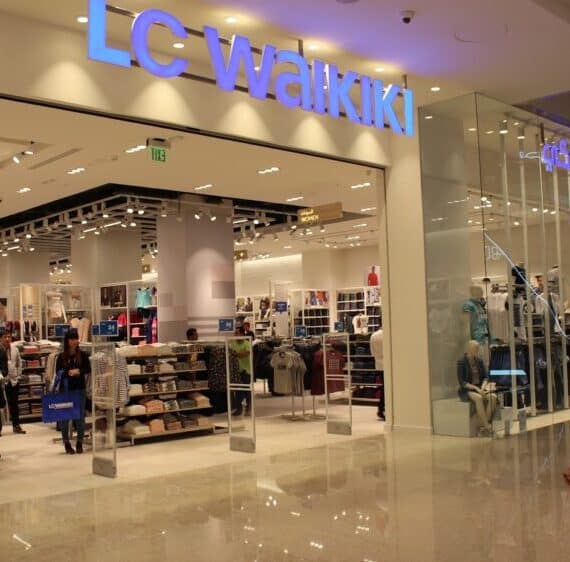
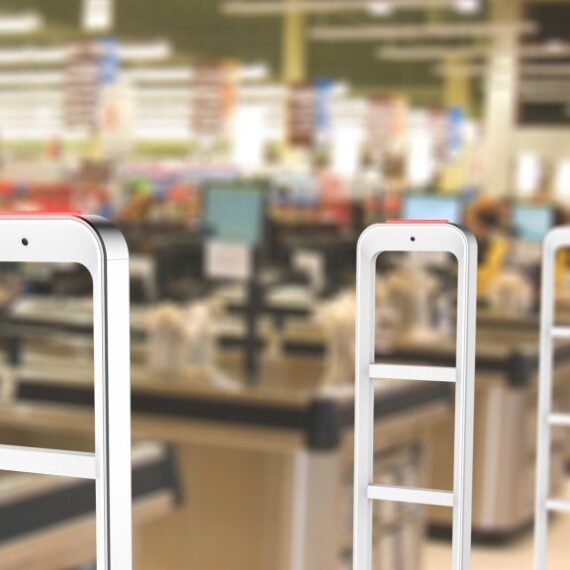
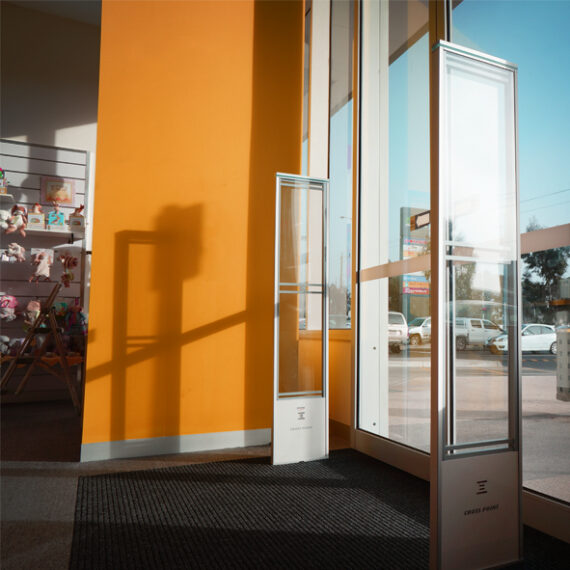
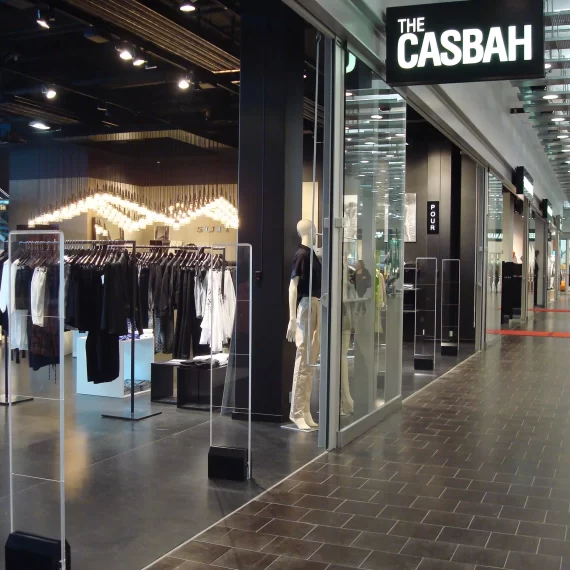
EAS antennas, also known as security gates, are the most visible part of a supermarket anti-theft system. These antennas are typically installed at the entrance and exit of the store to create a detection zone that monitors products leaving the premises.
When a tagged product passes between the antennas without being deactivated at the checkout counter, the system detects the tag and immediately triggers an alarm. This alerts store staff to a potential shoplifting attempt.
Modern EAS antennas are designed with advanced detection technology that can identify even small security tags. They are available in different designs to match the aesthetics of modern supermarkets and retail stores. Some models include LED indicators, built-in alarms, and digital monitoring features.
Security gates are also available in various technologies such as RF (Radio Frequency), AM (Acousto-Magnetic), and RFID systems, allowing retailers to choose the best option for their store layout and security requirements.
The proper placement of antennas is very important because it ensures a wide and accurate detection zone while minimizing false alarms.
Security Tags
Security tags are small electronic devices attached to products to protect them from theft. These tags communicate with the EAS antennas at the store exit and trigger an alarm if an item leaves the store without being properly deactivated.
Security tags are widely used in supermarkets because they are easy to attach, highly reliable, and effective in preventing shoplifting.
There are several types of security tags used in supermarkets:
Hard Tags: Hard tags are reusable plastic tags that are attached to products using a locking pin. These tags are commonly used for clothing, electronics, and high-value items. They can only be removed using a special magnetic detacher at the checkout counter.
Soft Labels: Soft labels are thin adhesive security labels that can be attached directly to product packaging. They are widely used for packaged goods, cosmetics, medicines, and food items. Once the product is purchased, the label is deactivated using a label deactivator.
Bottle Tags: Bottle tags are specially designed tags used to protect bottled products such as beverages, alcohol, and expensive liquids. These tags wrap around the bottle neck and prevent theft without damaging the packaging.
Ink Tags: Ink tags contain a small ink capsule that breaks if someone tries to forcibly remove the tag. This damages the product and discourages shoplifting attempts.
Security tags are an essential part of the Supermarket Anti-Theft System because they allow retailers to protect individual products without affecting the shopping experience.
Tag Detachers
Tag detachers are specialized tools used at the checkout counter to remove hard security tags from products after purchase.
These devices use a powerful magnetic mechanism to unlock the tag’s internal locking system. Once the tag is removed, it can be reused on other products.
Tag detachers are designed to be secure so that only authorized staff can remove the tags. This prevents shoplifters from removing the tags themselves inside the store.
There are different types of detachers available depending on the tag design and security level required. Some detachers are handheld, while others are mounted directly on the checkout counter for easy access by cashiers.
Using tag detachers ensures that customers can leave the store without triggering the alarm after purchasing tagged products.
Label Deactivators
Label deactivators are used to deactivate adhesive security labels when a product is scanned at the checkout counter.
Unlike hard tags, soft labels cannot be physically removed from the product. Instead, they must be electronically deactivated so that they no longer trigger the alarm when passing through the security gates.
Deactivators are usually installed near the barcode scanner or built directly into the checkout counter. When the cashier scans the product, the label is automatically deactivated using a special signal.
Modern deactivation systems are fast and reliable, ensuring that the checkout process remains smooth and efficient.
By deactivating the labels during purchase, supermarkets can prevent false alarms while still maintaining strong security protection.
Alarm System
The alarm system is responsible for notifying store staff when a tagged product passes through the security gates without being deactivated.
When the EAS antennas detect an active tag, the system triggers an alarm that may include:
- Loud audible warning sound
- Flashing LED lights
- Security notifications
The alarm immediately alerts employees to check the situation and verify whether the item has been properly purchased.
In some advanced systems, alarms can also be connected to store monitoring systems or mobile devices, allowing managers to receive alerts instantly.
The alarm system is a powerful deterrent against shoplifting because it attracts attention and discourages thieves from attempting to leave the store with unpaid items.
Security Labels
Security labels are thin electronic labels that are commonly used in supermarkets because they are affordable and easy to apply.
These labels can be placed on a wide variety of products, including:
- Packaged food
- Cosmetics
- Medicines
- Electronics accessories
- Personal care products
Security labels are especially useful for protecting high-volume items because they are inexpensive and can be applied quickly during stocking.
Once the product is purchased, the label is electronically deactivated at the checkout counter.
Security labels are one of the most widely used components in Supermarket Anti-Theft System because they provide reliable protection without affecting product packaging or customer convenience.
CCTV Integration
Many modern Supermarket Anti-Theft System can be integrated with CCTV surveillance systems to provide enhanced security monitoring.
When the Supermarket Anti-Theft System detects an alarm, the CCTV system can automatically focus on the exit area and record the incident. This helps store managers review theft attempts and identify suspicious behavior.
Integration with video surveillance allows retailers to create a more comprehensive security solution that combines theft detection with visual monitoring.
This feature is especially useful for large supermarkets and retail chains where multiple entrances and exits need to be monitored.
POS Integration
Another advanced feature of modern Supermarket Anti-Theft System is integration with Point-of-Sale (POS) systems.
When integrated with the POS system, the Supermarket Anti-Theft System can automatically deactivate labels when products are scanned at the checkout counter.
This improves efficiency and reduces the chances of human error. It also allows store managers to track which items have been properly processed through the checkout system.
POS integration creates a seamless connection between retail security and store operations.
Central Monitoring System
Large supermarkets and retail chains often use a central monitoring system to manage their Supermarket Anti-Theft System infrastructure.
This system allows store managers and security teams to monitor multiple entrances, exits, and alarm events from a central control panel.
Central monitoring systems can provide features such as:
- Real-time alarm notifications
- Store activity monitoring
- System health status
- Data reports and analytics
This centralized approach makes it easier for businesses to manage security operations across multiple store locations.
Power Supply and Backup Systems
A reliable power supply is essential for ensuring that the Supermarket Anti-Theft System operates continuously without interruption.
Most supermarket anti-theft systems include backup power solutions such as UPS (Uninterruptible Power Supply) units. These backup systems keep the security equipment running during power outages or electrical failures.
Maintaining a stable power supply ensures that the security system remains active at all times, providing consistent protection for the store.

Benefits of Supermarket Anti-Theft System
Supermarkets operate in a fast-paced retail environment where hundreds or even thousands of customers visit daily. With large product selections, open shelving, and high customer traffic, supermarkets are particularly vulnerable to shoplifting and inventory shrinkage. A Supermarket Anti-Theft System provides an effective and reliable way to protect products, reduce financial losses, and improve store security.
Modern anti-theft systems use advanced technologies such as Electronic Article Surveillance (EAS), security tags, detection gates, and alarm systems to monitor merchandise and prevent unauthorized removal. Installing a supermarket anti-theft system provides numerous benefits for store owners, employees, and customers alike.
Below are the major benefits of implementing a supermarket anti-theft system.
Significant Reduction in Shoplifting
One of the primary benefits of a Supermarket Anti-Theft System is its ability to significantly reduce shoplifting incidents. Retail theft is one of the biggest challenges faced by supermarkets, and it can result in substantial financial losses if not properly controlled.
When security tags are attached to products and monitored by detection gates at store exits, any attempt to leave the store with unpaid merchandise immediately triggers an alarm. This instant detection discourages shoplifters from attempting theft and alerts staff to take action.
Research across the retail industry has shown that stores using anti-theft systems experience a major reduction in theft-related losses. By preventing unauthorized product removal, supermarkets can protect their revenue and maintain better control over inventory.
Strong Visual Deterrence
The Supermarket Anti-Theft System acts as a powerful visual deterrent. The presence of security gates at store entrances and exits sends a clear message that the store is protected by a modern security system.
Many shoplifters prefer to target stores where there is little or no visible security. When they see Supermarket Anti-Theft System antennas installed at the entrance, they are less likely to attempt stealing products because the risk of detection is much higher.
This psychological deterrent effect is extremely important. Even before the system detects a theft attempt, it discourages potential offenders from engaging in shoplifting activities.
Protection of High-Value Merchandise
Supermarkets sell many products that are commonly targeted by shoplifters. These include cosmetics, baby products, health supplements, imported food items, and small electronics.
By attaching security tags or labels to these high-value products, retailers can ensure that they are properly monitored. If someone attempts to leave the store with these items without paying, the Supermarket Anti-Theft System will immediately detect the active tag and trigger an alarm.
This level of protection helps supermarkets safeguard valuable merchandise and reduce financial losses.
Reduction of Inventory Shrinkage
Inventory shrinkage refers to the loss of products due to theft, damage, administrative errors, or fraud. In many supermarkets, shoplifting is a major contributor to inventory shrinkage.
The Supermarket Anti-Theft System helps reduce shrinkage by monitoring products leaving the store. When every protected item is tagged and monitored at the exit, it becomes much harder for stolen goods to leave the store undetected.
Reducing shrinkage allows supermarket owners to maintain more accurate inventory records and improve overall business efficiency.
Improved Store Profitability
Every product that is stolen represents a direct loss for the business. Over time, these losses can significantly impact the profitability of a supermarket.
By preventing theft and protecting inventory, the Supermarket Anti-Theft System helps businesses retain more of their merchandise for legitimate sales. This increases overall profitability and helps supermarkets maintain healthy profit margins.
In addition, the cost of installing a Supermarket Anti-Theft System is often much lower than the potential losses caused by continuous shoplifting. This makes it a valuable long-term investment for retail businesses.
Better Store Management
The Supermarket Anti-Theft System also contributes to better store management. When security technology is in place, store managers can focus on improving operations rather than constantly worrying about theft.
Employees can spend more time assisting customers, organizing shelves, and maintaining product displays. This leads to a more organized and efficient store environment.
Advanced Supermarket Anti-Theft System can also provide monitoring and reporting features that help managers analyze security events and improve store policies.
Improved Customer Shopping Experience
Modern Supermarket Anti-Theft System are designed to be discreet and non-intrusive. Customers can move freely throughout the store without feeling restricted or constantly monitored.
Unlike locked cabinets or restricted displays, security tags allow products to remain openly accessible on store shelves. This creates a more convenient and enjoyable shopping experience for customers.
When customers can easily browse and interact with products, it often leads to increased sales and higher customer satisfaction.
Open Product Display
Open merchandising is one of the key strategies used by supermarkets to encourage purchases. When products are displayed openly on shelves, customers can examine them easily and make purchase decisions more quickly.
Without a Supermarket Anti-Theft System, many stores would need to lock expensive items behind cabinets or counters to prevent theft. This reduces accessibility and can discourage customers from buying those products.
The Supermarket Anti-Theft System allows retailers to keep products on open shelves while still maintaining strong security protection. This combination of accessibility and security improves both customer convenience and store profitability.
Real-Time Theft Detection
Another important benefit of the Supermarket Anti-Theft System is real-time theft detection. When a tagged item passes through the security gates without being deactivated, the system immediately triggers an alarm.
This real-time alert allows store staff to respond quickly and investigate the situation. In many cases, employees can stop the theft before the shoplifter leaves the store.
Immediate detection not only helps recover stolen merchandise but also discourages repeat theft attempts.
Reduced Need for Additional Security Staff
Hiring additional security personnel can be expensive for supermarkets. While security guards are still important, anti-theft systems reduce the need for constant manual monitoring.
With automated detection technology in place, the system continuously monitors the store exit without requiring staff to watch every customer. This allows businesses to allocate their human resources more efficiently.
Employees can focus on customer service and store operations while the anti-theft system handles product monitoring.
Uses of Supermarket Anti-Theft System
Supermarket Anti-Theft System are designed to protect retail environments from shoplifting and unauthorized product removal. These Supermarket Anti-Theft System are widely used across supermarkets and many other retail sectors because they provide a reliable and automated way to monitor merchandise and prevent theft. By using technologies such as security tags, detection gates, and alarm systems, supermarkets can ensure that products leaving the store have been properly purchased.
The uses of the Supermarket Anti-Theft System extend beyond simple theft detection. They help improve store management, support open product displays, protect high-value merchandise, and enhance overall retail security. Below are the major uses and applications of the Supermarket Anti-Theft System in modern retail environments.
Theft Prevention in Supermarkets
The primary use of a Supermarket Anti-Theft System is to prevent shoplifting. Supermarkets often carry thousands of small items that can easily be concealed and removed without payment. Products such as cosmetics, baby products, personal care items, and packaged foods are particularly vulnerable to theft.
By attaching security tags or labels to these products, supermarkets can monitor them using electronic detection systems at store exits. If a tagged item passes through the security gates without being deactivated at the checkout counter, the system immediately triggers an alarm.
This instant alert allows store staff to investigate the situation and stop the theft before the product leaves the premises. The presence of the Supermarket Anti-Theft System also discourages potential shoplifters from attempting theft in the first place.
Protection of High-Risk Product Categories
Certain products in supermarkets are more likely to be targeted by shoplifters due to their small size, high value, or popularity. Supermarket Anti-Theft System are commonly used to protect these high-risk product categories.
Examples include:
- Cosmetics and beauty products
- Baby formula and baby care items
- Health supplements and medicines
- Imported chocolates and packaged foods
- Small electronics and accessories
- Razor blades and personal grooming products
These items can be easily hidden in bags or pockets, making them frequent targets for theft. By placing security labels or tags on these products, supermarkets can significantly reduce the chances of shoplifting.
Security for Self-Service Retail Environments
Most supermarkets operate on a self-service model where customers can freely browse the store, pick up items from shelves, and proceed to the checkout counter. While this model provides convenience and improves customer experience, it also increases the risk of theft.
The Supermarket Anti-Theft System allows supermarkets to maintain this self-service environment without compromising security. Customers can continue to browse and select products independently, while the Supermarket Anti-Theft System silently monitors merchandise leaving the store.
This balance between accessibility and security is one of the key reasons why the Supermarket Anti-Theft System is widely used in supermarkets.
Protection of Promotional Displays
Supermarkets frequently create promotional displays for discounted or seasonal products. These displays are usually placed near store entrances, aisles, or checkout counters to attract customer attention.
However, promotional displays can also be attractive targets for shoplifters because they often contain high-demand items in easily accessible locations.
The Supermarket Anti-Theft System allows supermarkets to protect these promotional displays by tagging the products and monitoring them at the store exit. This ensures that promotional items remain available for legitimate customers while reducing the risk of theft.
Security for High-Traffic Retail Areas
Supermarkets often experience heavy customer traffic, especially during weekends, holidays, and peak shopping hours. During these busy periods, it can be difficult for staff to monitor every customer and prevent theft manually.
The Supermarket Anti-Theft System provides continuous automated monitoring regardless of how busy the store becomes. The system works throughout the day without interruption, ensuring that every tagged product is checked when it passes through the store exit.
This makes the Supermarket Anti-Theft System particularly valuable in large supermarkets and hypermarkets where manual monitoring is nearly impossible.
Integration with Retail Security Systems
Supermarket Anti-Theft System can also be integrated with other security technologies to create a comprehensive retail protection system.
For example, they can work together with:
- CCTV surveillance systems
- Access control systems
- Point-of-sale (POS) systems
- Retail analytics platforms
When an Supermarket Anti-Theft System alarm is triggered, surveillance cameras can automatically record the event. Store managers can later review the footage to understand what happened and identify potential security issues.
This integrated approach improves overall store security and helps retailers develop better theft prevention strategies.
Protection for Multiple Store Entrances and Exits
Large supermarkets often have multiple entrances and exits to manage customer flow. Monitoring these access points manually can be extremely challenging.
The Supermarket Anti-Theft System allows retailers to secure all exits by installing detection antennas at each location. These antennas create a detection zone that monitors every product leaving the store.
This ensures that shoplifters cannot bypass security simply by using a different exit.
Retail Loss Prevention Programs
Many retail businesses implement formal loss prevention programs to reduce inventory shrinkage and improve operational efficiency. The Supermarket Anti-Theft System plays an important role in these programs.
By tracking theft attempts and monitoring security incidents, retailers can identify patterns and develop better prevention strategies. For example, managers may notice that certain products are frequently targeted and decide to increase security measures for those items.
Loss prevention programs supported by the Supermarket Anti-Theft System help supermarkets maintain better control over their inventory and financial performance.
Axle Systems – Trusted Supplier of Supermarket Anti-Theft System
When it comes to securing supermarkets and retail stores against theft, choosing the right supplier is just as important as choosing the right anti-theft technology. Axle Systems has established itself as a leading provider of Supermarket Anti-Theft System in Qatar and the wider Middle East region, offering cutting-edge solutions tailored to the unique needs of retail businesses. With years of experience in the retail security industry, Axle Systems combines technical expertise, high-quality products, and professional service to ensure every store remains protected.
Comprehensive Security Solutions
Axle Systems provides a complete range of Supermarket Anti-Theft System solutions designed to suit stores of all sizes—from small convenience stores to large hypermarkets. Their offerings include:
- EAS Security Gates: Advanced detection antennas that monitor all entrances and exits, ensuring no tagged product leaves the store undetected.
- Security Tags and Labels: High-quality hard tags, soft labels, ink tags, and bottle tags to protect products ranging from cosmetics to electronics.
- Tag Detachers and Label Deactivators: Efficient devices that enable staff to safely remove or deactivate tags at checkout, allowing seamless customer flow.
- RFID Systems: For large stores and smart retail setups, Axle Systems provides RFID-based Supermarket Anti-Theft System solutions that allow real-time inventory tracking while securing merchandise.
- Integrated Solutions: Their systems can be integrated with CCTV surveillance, POS systems, and retail analytics software to provide a centralized security and monitoring environment.
This wide range of products and services ensures that Axle Systems can meet every supermarket’s security requirements, whether the priority is theft prevention, operational efficiency, or enhanced customer experience.
Industry Expertise
Axle Systems brings extensive experience and technical expertise to every project. Their team understands the specific challenges faced by supermarkets, such as high foot traffic, open product displays, and the need to protect high-value merchandise.
They work closely with each client to:
- Assess store layouts and identify security vulnerabilities
- Recommend the most suitable anti-theft technology (RF, AM, EM, or RFID)
- Provide professional installation and configuration of all security equipment
- Train staff on proper tag handling, system operation, and incident response
By combining technical knowledge with practical insights from real retail environments, Axle Systems ensures that every supermarket receives a solution that is both effective and easy to manage.
Customizable Solutions for Every Store
No two supermarkets are exactly alike, and security needs vary depending on factors such as store size, product range, and customer volume. Axle Systems offers fully customizable Supermarket Anti-Theft System solutions that can be tailored to the specific requirements of each store.
For example, stores with high-risk products like cosmetics, electronics, or baby formula may require a higher density of detection gates and specialized tags. Larger hypermarkets with multiple entrances may need a network of integrated antennas and RFID-enabled monitoring systems.
Axle Systems evaluates each store individually to recommend a security layout that maximizes coverage, minimizes false alarms, and enhances operational efficiency.
Professional Installation and Support
A reliable Supermarket Anti-Theft System is only effective if it is installed and maintained properly. Axle Systems provides professional installation services, ensuring that security gates, tags, and detection systems are positioned for optimal performance.
Beyond installation, they also offer ongoing maintenance and technical support to guarantee the system continues to function flawlessly. Their after-sales services include:
- Routine system checks and maintenance
- Tag and label supply management
- System upgrades for evolving security needs
- Troubleshooting and remote support
This commitment to customer service ensures that supermarkets can rely on Axle Systems for long-term protection and minimal downtime.
Trusted by Retailers
Axle Systems has built a reputation as a trusted partner for retailers looking to enhance their security. Their clients include supermarkets, hypermarkets, convenience stores, pharmacies, and retail chains across Qatar.
By choosing Axle Systems, businesses gain access to:
- High-quality, reliable Supermarket Anti-Theft System products
- Expert advice on security planning and implementation
- A team dedicated to preventing losses and protecting store profitability
- Scalable solutions that grow with their business
Retailers trust Axle Systems not only for their products but also for their ability to provide ongoing support and guidance, helping stores maintain a safe and secure shopping environment.
Contact Axle Systems
Supermarket owners looking for a comprehensive, reliable, and professional Supermarket Anti-Theft System solution can contact Axle Systems to explore the best security options for their stores.
Axle Systems – Retail Security Solutions
- Website: www.axlesys.com
- Email: info@axlesys.com
- Phone: +974 44682391/77443731
- Location: Al Khalidiya Street, Najma, Doha, Qatar
Axle Systems is committed to helping supermarkets reduce shrinkage, protect high-value merchandise, and improve operational efficiency. With their expertise and high-quality solutions, every supermarket can achieve a safer, more secure shopping environment for both customers and staff.
Frequently Asked Questions (FAQ)
1. What is a Supermarket Anti-Theft System?
A Supermarket Anti-Theft System is a retail security technology that uses electronic tags and detection antennas to prevent shoplifting.
2. How does a Supermarket Anti-Theft System detect stolen products?
The system detects active security tags when they pass through exit antennas. If the tag is not deactivated at checkout, the system triggers an alarm.
3. What products can be protected using aSupermarket Anti-Theft System?
Products such as cosmetics, baby products, electronics, packaged foods, and other high-value items can be protected.
4. Are Supermarket Anti-Theft System safe for customers?
Yes. These systems use low-frequency electromagnetic signals that are safe for customers and employees.
5. Do anti-theft systems affect the shopping experience?
No. Modern systems are designed to be discreet and allow customers to shop freely without inconvenience.
6. Can Supermarket Anti-Theft System be integrated with CCTV?
Yes. Many modern systems integrate with CCTV and POS systems to improve security monitoring.
7. Are security tags reusable?
Hard tags are reusable, while adhesive labels are disposable.
8. What is the difference between RF and AM anti-theft systems?
RF systems are cost-effective and widely used, while AM systems offer higher detection accuracy and better performance near metal and liquids.
9. Is installation difficult?
No. Professional suppliers like Axle Systems provide complete installation and setup services.
10. How much does a Supermarket Anti-Theft System cost?
The cost depends on the store size, number of entrances, and type of technology used.
Conclusion
In today’s competitive retail environment, supermarkets face constant challenges from shoplifting, employee theft, and inventory shrinkage. Even a small amount of theft can significantly impact profitability, especially for high-value products such as cosmetics, baby formula, electronics, and imported goods. This makes a Supermarket Anti-Theft System an essential investment for any retail business aiming to protect its merchandise and maintain operational efficiency.
Comprehensive Loss Prevention
A Supermarket Anti-Theft System provides comprehensive loss prevention by monitoring products at all points of exit. With security tags, detection gates, alarm systems, and label deactivators working together, stores can detect theft attempts in real time. This not only reduces financial losses but also discourages potential shoplifters from targeting the store in the first place.
Furthermore, by reducing shrinkage and protecting high-value items, supermarkets can maintain better inventory accuracy. This allows managers to track sales more effectively, plan stock replenishment accurately, and reduce the operational costs associated with lost products.
Balancing Security and Customer Experience
One of the key advantages of the modern Supermarket Anti-Theft System is their ability to provide security without disrupting the customer shopping experience. Unlike locked cabinets or closed displays, these systems allow customers to freely browse open shelves, interact with products, and make purchasing decisions independently.
By maintaining an unobtrusive security presence, stores can improve customer satisfaction, encourage more purchases, and create a welcoming environment. Shoppers feel comfortable exploring products without feeling monitored, while the store remains protected against theft.
Integration with Modern Retail Technology
Supermarket Anti-Theft System are no longer standalone security devices. They can be integrated with CCTV surveillance, POS systems, and retail analytics platforms to provide a comprehensive view of store security.
Integration enables real-time monitoring, incident recording, and data analysis, giving managers insights into theft patterns, high-risk products, and areas of vulnerability. This intelligent approach to security allows supermarkets to implement proactive measures, rather than simply reacting to theft after it occurs.
Scalability and Future-Proofing
As retail stores grow or expand to multiple locations, a flexible Supermarket Anti-Theft System ensures that security measures scale with the business. Whether it’s adding additional detection gates, expanding the range of protected products, or integrating RFID systems for item-level tracking, modern solutions can evolve to meet changing security needs.
Investing in a scalable system not only protects current operations but also future-proofs the store against emerging threats and growing customer traffic.
Choosing the Right Partner
Implementing an effective Supermarket Anti-Theft System requires more than just purchasing equipment—it requires expert installation, professional support, and ongoing maintenance. Partnering with a trusted supplier like Axle Systems ensures that the supermarket receives a complete solution tailored to its specific needs.
Axle Systems provides high-quality equipment, professional installation, and ongoing support, allowing store owners to focus on business operations while their merchandise remains protected. Their expertise in retail security ensures that supermarkets of all sizes achieve optimal protection and operational efficiency.