

Software & Client Data Deployment for Smart Washrooms in Qatar
In the evolving landscape of facility management, the integration of technology into everyday operations has become paramount. One such innovation is the deployment of Software and Client Data Deployment for Smart Washrooms. These Software and Client Data Deployment for Smart Washrooms systems harness the power of the Internet of Things (IoT), data analytics, and automation to transform traditional restroom facilities into intelligent, efficient, and user-friendly environments.
Understanding Software and Client Data Deployment for Smart Washrooms
Software and Client Data Deployment for Smart Washrooms systems are designed to enhance the functionality, cleanliness, and efficiency of restroom facilities. By integrating various technologies, these systems provide real-time monitoring, predictive maintenance, and data-driven insights into restroom usage and hygiene standards.
Key Components of Software and Client Data Deployment for Smart Washrooms
Software and Client Data Deployment for Smart Washrooms rely on a combination of hardware, software, and connectivity to function efficiently. Each component plays a crucial role in ensuring hygiene, user convenience, and operational efficiency. Here’s a detailed look at the essential elements:
1. IoT Sensors: Software & Client Data Deployment for Smart Washrooms
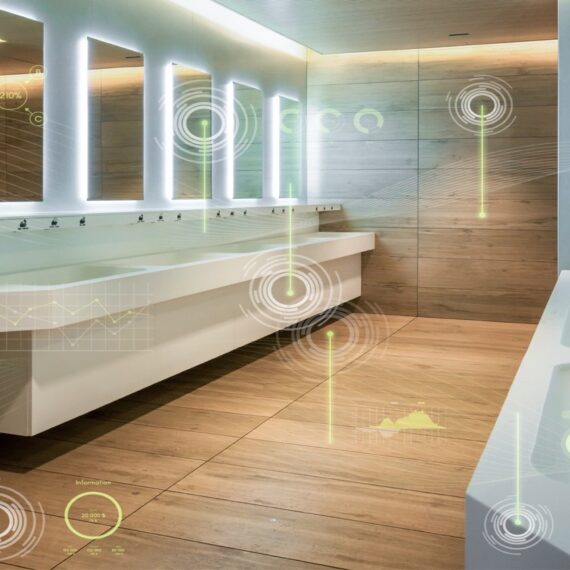
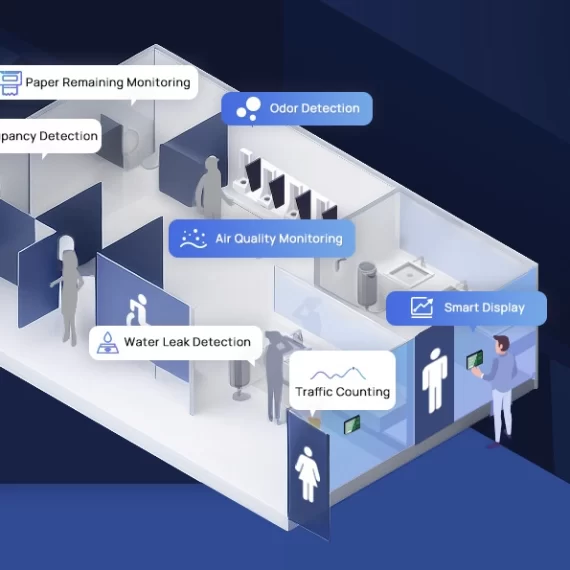
IoT (Internet of Things) sensors are the backbone of smart washrooms. These devices collect real-time data on restroom conditions and usage patterns. Common types of sensors include:
- Occupancy Sensors: Detect whether a stall or restroom area is occupied. This helps manage traffic flow, reduce wait times, and avoid overcrowding.
- Environmental Sensors: Monitor parameters such as temperature, humidity, and air quality. Proper ventilation and climate control improve comfort and hygiene.
- Supply Sensors: Track levels of consumables like soap, paper towels, and toilet paper. These sensors trigger alerts when supplies are low, ensuring that restrooms are always stocked.
- Leak and Flood Sensors: Identify water leaks or flooding in real-time to prevent damage and safety hazards.
Benefits:
- Ensures timely cleaning and maintenance.
- Reduces downtime and prevents supply shortages.
- Provides actionable data for optimizing staff schedules and resource allocation.
2. Automated Fixtures: Software & Client Data Deployment for Smart Washrooms
Automated fixtures reduce human contact and enhance hygiene while saving resources:
- Touchless Faucets and Soap Dispensers: Activate only when hands are detected, reducing water and soap waste.
- Automatic Hand Dryers: Energy-efficient dryers reduce the need for paper towels, cutting costs and minimizing environmental impact.
- Smart Toilets: Some advanced Software and Client Data Deployment for Smart Washrooms include self-cleaning features, usage tracking, and water-saving modes.
- Automatic Flushing Systems: Ensure toilets are flushed after every use without requiring manual intervention.
Benefits:
- Promotes hygienic practices by minimizing touchpoints.
- Reduces water, energy, and consumable wastage.
- Enhances user experience with seamless operation.
3. Data Analytics Platforms: Software & Client Data Deployment for Smart Washrooms
Collected data from sensors and fixtures needs to be analyzed to generate actionable insights. Data analytics platforms enable:
- Usage Pattern Analysis: Understand peak usage times, which areas are most frequented, and which require more frequent maintenance.
- Predictive Maintenance: Identify when fixtures might fail or require servicing before issues arise.
- Operational Optimization: Allocate cleaning staff efficiently based on real-time and historical usage data.
- Sustainability Monitoring: Track water and energy consumption to meet sustainability goals.
Benefits:
- Reduces operational costs by optimizing labor and resources.
- Helps managers make data-driven decisions.
- Supports environmental initiatives through reduced consumption.
4. Mobile and Web Applications: Software & Client Data Deployment for Smart Washrooms
Software and Client Data Deployment for Smart Washrooms system often come with integrated mobile or web applications that allow facility managers to remotely monitor and manage facilities:
- Real-time Alerts: Receive instant notifications for low supplies, maintenance issues, or unusual restroom usage.
- Remote Monitoring: Track restroom performance and occupancy without being physically present.
- Reporting Tools: Generate detailed reports for audits, compliance, and performance evaluation.
- User Feedback Integration: Collect feedback from users to further enhance hygiene and service quality.
Benefits:
- Improves response times to maintenance issues.
- Enhances accountability and transparency in facility management.
- Simplifies compliance with hygiene regulations and reporting standards.
5. Connectivity & Integration: Software & Client Data Deployment for Smart Washrooms
A truly Software & Client Data Deployment for Smart Washrooms system relies on seamless connectivity and integration:
- Cloud Connectivity: Centralizes data from multiple restroom locations for comprehensive monitoring.
- Integration with Facility Management Systems (FMS): Allows data from Software and Client Data Deployment for Smart Washrooms to be incorporated into overall building management dashboards.
- IoT Device Integration: Ensures all sensors, fixtures, and analytics tools work cohesively.
Benefits:
- Provides a centralized view of multiple facilities.
- Enhances decision-making with consolidated data.
- Enables scalable deployment across large buildings or campuses.
6. Security & Privacy Measures: Software & Client Data Deployment for Smart Washrooms
Software and Client Data Deployment for Smart Washrooms system collect sensitive operational and usage data, so security and privacy are critical:
- Encrypted Data Transmission: Protects data sent between devices, the cloud, and mobile applications.
- User Privacy Controls: Ensures that occupancy or usage data cannot be linked to individual users.
- System Access Management: Only authorized personnel can access administrative and analytical dashboards.
Benefits:
- Safeguards sensitive operational data.
- Builds trust with users and staff.
- Ensures compliance with local and international data privacy regulations.
7. Integration with AI & Machine Learning: Software & Client Data Deployment for Smart Washrooms
Some advanced Software and Client Data Deployment for Smart Washrooms leverage AI and machine learning to optimize operations:
- Predictive Cleaning Schedules: AI algorithms predict the best times for cleaning based on usage patterns.
- Anomaly Detection: Detect unusual water usage, faulty sensors, or irregular occupancy patterns.
- Optimization of Supplies: Machine learning models forecast consumable usage to minimize shortages and reduce waste.
Benefits:
- Maximizes operational efficiency.
- Reduces waste and operational costs.
- Continuously improves performance through adaptive learning.
This expanded section now gives a thorough understanding of each component, how it works, and why it’s valuable for smart washroom management.
Benefits of Software & Client Data Deployment for Smart Washrooms
Implementing Software and Client Data Deployment for Smart Washrooms goes far beyond automation; it transforms how facilities are managed, improves user satisfaction, and optimizes operational costs. Here’s an in-depth look at the key benefits:
1. Enhanced Hygiene and Cleanliness: Software & Client Data Deployment for Smart Washrooms
One of the most critical benefits of Software and Client Data Deployment for Smart Washrooms is their ability to maintain consistently high hygiene standards. Software and Client Data Deployment for Smart Washrooms collect real-time data from IoT sensors on soap dispensers, faucets, hand dryers, and toilets. Facility managers can monitor:
- Occupancy Levels: High-traffic areas are prioritized for cleaning, preventing overuse and contamination.
- Supply Status: Automatic alerts notify when soap, paper towels, or toilet paper are running low.
- Equipment Malfunctions: Sensors detect faulty flushes, faucets, or dryers, allowing rapid response.
Impact:
- Minimizes complaints from users regarding cleanliness.
- Reduces the risk of infections and cross-contamination.
- Ensures that restrooms are consistently ready for use, improving the overall perception of the facility.
2. Operational Efficiency and Cost Reduction: Software & Client Data Deployment for Smart Washrooms
Traditional restroom maintenance often relies on fixed schedules, leading to either unnecessary checks or missed maintenance. Smart software deployment changes this by providing:
- Dynamic Cleaning Schedules: Data-driven schedules prioritize cleaning only when needed.
- Predictive Maintenance: Identifies when equipment is likely to fail or require servicing, reducing unexpected repairs.
- Consumable Optimization: Monitors real-time usage and predicts future needs, reducing wastage of soap, water, and paper products.
Impact:
- Reduces labor costs by optimizing staff allocation.
- Lowers inventory expenses due to accurate consumable forecasting.
- Extends the lifespan of restroom fixtures through timely maintenance.
3. Data-Driven Decision Making: Software & Client Data Deployment for Smart Washrooms
The software collects a wealth of data from multiple sensors and systems. Facility managers can leverage this data for:
- Usage Analytics: Identify which restrooms or stalls are most frequently used.
- Resource Allocation: Deploy cleaning staff efficiently based on peak usage patterns.
- Performance Monitoring: Evaluate the performance of fixtures and detect recurring issues.
- Planning Renovations or Upgrades: Use historical data to determine which areas require redesign or equipment replacement.
Impact:
- Enhances efficiency in daily operations.
- Supports long-term planning and investment decisions.
- Provides measurable insights for reporting and compliance purposes.
4. Improved User Experience: Software & Client Data Deployment for Smart Washrooms
Software and Client Data Deployment for Smart Washrooms focus on making restroom visits more convenient and comfortable for users:
- Touchless Operations: Faucets, soap dispensers, flush systems, and hand dryers reduce contact, enhancing hygiene.
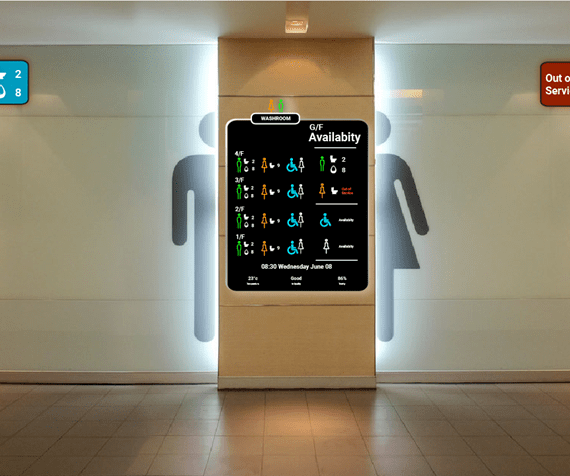
- Real-Time Occupancy Indicators: Users can see which stalls are free, reducing wait times.
- Climate Control & Air Quality Monitoring: Maintains a comfortable environment in high-traffic areas.
Impact:
- Creates a positive impression for tenants, visitors, and customers.
- Enhances user satisfaction in commercial, hospitality, and healthcare facilities.
- Encourages repeat visits in service-oriented sectors like hotels, airports, and restaurants.
5. Predictive Maintenance and Reduced Downtime: Software & Client Data Deployment for Smart Washrooms
By continuously monitoring fixtures and equipment, software deployment allows facilities to adopt predictive maintenance strategies:
- Fault Detection: Sensors identify early signs of leaks, blockages, or malfunctioning devices.
- Maintenance Alerts: Staff receive notifications before issues escalate into costly repairs.
- Maintenance Logs: Automatic documentation of service events for compliance and quality control.
Impact:
- Minimizes equipment downtime.
- Prevents costly emergency repairs.
- Ensures consistent restroom availability, especially in high-traffic environments like airports or malls.
6. Energy and Water Savings: Software & Client Data Deployment for Smart Washrooms
Smart washroom software integrates sustainability into facility operations:
- Automated Water Management: Optimizes water use through timed or sensor-based faucets and flush systems.
- Energy-Efficient Fixtures: Hand dryers and lighting can operate based on occupancy, reducing electricity consumption.
- Waste Reduction: Accurate monitoring of consumables reduces overuse of paper towels and soap.
Impact:
- Lowers utility costs.
- Supports environmental sustainability initiatives.
- Enhances corporate social responsibility (CSR) credentials for businesses.
7. Compliance and Reporting: Software & Client Data Deployment for Smart Washrooms
Software deployment simplifies compliance with hygiene and safety regulations:
- Automated Documentation: Logs cleaning schedules, maintenance activities, and fixture performance.
- Inspection Readiness: Provides instant reports for audits or regulatory inspections.
- Data Archiving: Historical data helps demonstrate adherence to hygiene standards.
Impact:
- Reduces manual paperwork and administrative overhead.
- Strengthens credibility with regulatory authorities.
- Ensures facilities meet international hygiene benchmarks.
8. Scalability and Future-Readiness: Software & Client Data Deployment for Smart Washrooms
Software and Client Data Deployment for Smart Washrooms with software and client data deployment are highly scalable:
- Can manage multiple restrooms across a building or campus from a single dashboard.
- Integrates with existing facility management systems for unified operations.
- Supports future upgrades like AI-based analytics, machine learning optimization, or integration with smart building platforms.
Impact:
- Future-proofs the facility against technological obsolescence.
- Enables large-scale deployments without a proportional increase in staff.
- Allows adoption of advanced features as technology evolves.
Use Cases of Software and Client Data Deployment for Smart Washrooms
Software & Client Data Deployment for Smart Washrooms are not just a technological upgrade—they provide practical solutions across diverse industries and facilities. By combining IoT sensors, data analytics, and automated fixtures, these systems optimize hygiene, reduce costs, and improve user experiences in high-traffic and sensitive environments. Here’s an in-depth look at their applications:
1. Commercial Buildings and Offices: Software & Client Data Deployment for Smart Washrooms
In commercial office spaces, maintaining clean, well-stocked restrooms is essential for employee satisfaction and workplace productivity. Software and Client Data Deployment for Smart Washrooms provide:
- Real-Time Occupancy Monitoring: Employees can avoid crowded facilities, improving convenience and reducing wait times.
- Predictive Cleaning Alerts: Restrooms are cleaned based on actual usage rather than fixed schedules, optimizing janitorial staff deployment.
- Supply Management: Automated alerts ensure that soap, paper towels, and toilet paper are replenished promptly.
Benefits: Software & Client Data Deployment for Smart Washrooms
- Enhances employee satisfaction and productivity.
- Reduces operational costs by optimizing labor and consumables.
- Creates a modern, hygienic workplace environment.
2. Airports, Transportation Hubs, and Public Spaces: Software & Client Data Deployment for Smart Washrooms
High-traffic areas like airports, train stations, and bus terminals face unique challenges in restroom management:
- Peak Usage Analytics: Systems monitor footfall and predict peak hours, helping manage congestion.
- Quick Response Alerts: Maintenance staff are immediately notified of spills, leaks, or supply shortages.
- Remote Monitoring: Centralized dashboards allow facility managers to oversee multiple terminals or locations simultaneously.
Benefits: Software & Client Data Deployment for Smart Washrooms
- Ensures hygienic facilities for thousands of daily users.
- Reduces complaints and improves traveler experience.
- Supports large-scale operations without proportionally increasing staff.
3. Healthcare Facilities: Software & Client Data Deployment for Smart Washrooms
Hospitals, clinics, and laboratories require the highest hygiene standards to prevent infection and cross-contamination. Software and Client Data Deployment for Smart Washrooms system help:
- Monitor Hygiene Compliance: Automated hand hygiene tracking ensures adherence to health protocols.
- Air Quality Management: Sensors track ventilation, humidity, and odor levels to maintain safe conditions.
- Predictive Maintenance: Ensures that medical facility restrooms are always operational, avoiding downtime during critical hours.
Benefits: Software & Client Data Deployment for Smart Washrooms
- Reduces the risk of hospital-acquired infections.
- Ensures compliance with health and safety regulations.
- Provides a clean, safe environment for patients, staff, and visitors.
4. Educational Institutions: Software & Client Data Deployment for Smart Washrooms
Schools, colleges, and universities face unique challenges due to the high number of daily users and limited cleaning staff:
- Usage Monitoring: Track which restrooms are most used by students, allowing better scheduling of cleaning staff.
- Supply Alerts: Automated notifications prevent soap, paper towel, or toilet paper shortages.
- User Feedback Integration: Mobile apps allow students to report maintenance or cleanliness issues quickly.
Benefits: Software & Client Data Deployment for Smart Washrooms
- Maintains hygiene in facilities used by hundreds or thousands of students.
- Helps administrators optimize maintenance schedules.
- Reduces complaints and improves the overall campus experience.
5. Hospitality Industry (Hotels, Resorts, Restaurants): Software & Client Data Deployment for Smart Washrooms
Guest experience is critical in hospitality, and restroom hygiene plays a key role:
- Automated Supply Management: Ensures that all washrooms are stocked and ready for guests.
- Occupancy Management: Helps avoid congestion in busy restaurant or hotel areas.
- Data-Driven Maintenance: Analytics identify high-usage areas, allowing proactive cleaning.
Benefits: Software & Client Data Deployment for Smart Washrooms
- Enhances guest satisfaction and reputation.
- Supports efficient housekeeping operations.
- Reduces costs while maintaining luxury service standards.
6. Retail and Shopping Malls: Software & Client Data Deployment for Smart Washrooms
Retail outlets and malls experience variable foot traffic and need to maintain clean washrooms to enhance customer experience:
- Dynamic Cleaning Schedules: Cleaning staff are deployed based on real-time usage data, rather than fixed schedules.
- High-Traffic Detection: Sensors alert managers to areas requiring immediate attention.
- Data Analytics for Planning: Insights into restroom usage can inform layout and resource allocation for future expansions.
Benefits: Software & Client Data Deployment for Smart Washrooms
- Reduces operational costs through optimized staff deployment.
- Improves customer experience, leading to longer visits and higher sales.
- Enhances brand image by maintaining cleanliness standards.
7. Sports Facilities and Event Venues: Software & Client Data Deployment for Smart Washrooms
Stadiums, arenas, and large event venues face challenges with sudden surges in restroom usage:
- Peak Event Analytics: Software and Client Data Deployment for Smart Washrooms predict high-demand times during halftime, intermissions, or event breaks.
- Supply Management: Ensures that high-traffic areas never run out of soap, paper towels, or toilet paper.
- Emergency Alerts: Identifies plumbing issues or other faults immediately to prevent large-scale disruptions.
Benefits: Software & Client Data Deployment for Smart Washrooms
- Ensures hygiene in high-density, high-usage areas.
- Reduces operational challenges during events.
- Enhances attendee satisfaction and safety.
8. Government and Public Sector Buildings: Software & Client Data Deployment for Smart Washrooms
Government offices, embassies, and public service centers must maintain hygiene while managing limited cleaning budgets:
- Centralized Monitoring: Dashboards track multiple restrooms across buildings.
- Automated Reports: Provide documentation for audits, inspections, and regulatory compliance.
- Optimized Resource Allocation: Data helps allocate cleaning and maintenance staff efficiently.
Benefits: Software & Client Data Deployment for Smart Washrooms
- Reduces costs by optimizing labor and consumables.
- Improves hygiene standards in facilities serving the public.
- Provides accountability and transparency for facility management.
9. Transportation and Logistics Centers: Software & Client Data Deployment for Smart Washrooms
Warehouses, distribution centers, and logistics hubs often have large workforces using common washrooms:
- Occupancy Tracking: Helps manage staggered breaks to avoid overcrowding.
- Maintenance Alerts: Prevents downtime in critical facilities during operational hours.
- Consumable Forecasting: Predicts supply usage based on workforce size and shift patterns.
Benefits: Software & Client Data Deployment for Smart Washrooms
- Improves worker safety and hygiene.
- Reduces maintenance costs.
- Optimizes staff scheduling for cleaning and restocking.
10. Industrial and Manufacturing Facilities: Software & Client Data Deployment for Smart Washrooms
Factories and production plants have unique challenges with hygiene and resource management:
- High-Frequency Monitoring: Tracks washroom usage among large shifts.
- Compliance with Health Standards: Ensures facilities meet industrial hygiene and safety regulations.
- Resource Optimization: Monitors water and energy use to reduce operational costs.
Benefits: Software & Client Data Deployment for Smart Washrooms
- Promotes worker health and safety.
- Reduces downtime due to equipment issues or hygiene complaints.
- Supports sustainability initiatives in industrial operations.
11. Mixed-Use and Smart Cities: Software & Client Data Deployment for Smart Washrooms
As cities adopt smart city initiatives, smart washrooms play a role in urban infrastructure:
- Integration with Public Services: Data from restrooms can feed into city management systems.
- Urban Planning Insights: Usage patterns help planners understand high-traffic zones.
- Public Safety and Hygiene Monitoring: Ensures facilities in parks, stations, and urban centers remain clean and safe.
Benefits: Software & Client Data Deployment for Smart Washrooms
- Improves public infrastructure efficiency.
- Provides actionable data for urban planners.
- Enhances quality of life in smart city environments.
Axle Systems: Leading the Way in Software & Client Data Deployment for Smart Washrooms Solutions in Qatar
Axle Systems has established itself as a trusted and innovative provider of smart building technologies in Qatar, with a special focus on Software & Client Data Deployment for Smart Washrooms. Since its inception, the company has been at the forefront of delivering cutting-edge IoT-based solutions designed to enhance hygiene, operational efficiency, and user experience across various sectors.
Expertise in Software & Client Data Deployment for Smart Washrooms
Axle Systems leverages its deep expertise in IoT, software integration, and data analytics to transform traditional restroom facilities into intelligent, connected environments. The company offers end-to-end solutions that encompass:
- Smart Sensors and IoT Devices: Occupancy, supply, environmental, and leak detection sensors to monitor restroom conditions in real time.
- Automated Fixtures: Touchless faucets, soap dispensers, hand dryers, and smart flush systems to reduce contact, improve hygiene, and save water and energy.
- Software & Client Data Platforms: Centralized dashboards and mobile applications that provide actionable insights, alerts, and analytics to facility managers.
- Predictive Maintenance Systems: Proactively identifies issues before they escalate, ensuring uninterrupted restroom functionality.
By combining hardware, software, and analytics, Axle Systems enables organizations to achieve maximum operational efficiency, cost savings, and user satisfaction.
Tailored Solutions for the Qatari Market: Software & Client Data Deployment for Smart Washrooms
Understanding the unique requirements of Qatari businesses and public facilities, Axle Systems offers customized smart washroom solutions suitable for:
- Corporate Offices and Commercial Buildings
- Hotels, Resorts, and Restaurants
- Airports, Metro Stations, and Transportation Hubs
- Hospitals, Clinics, and Healthcare Facilities
- Educational Institutions and Universities
- Retail Spaces and Shopping Malls
The company ensures that each deployment is aligned with local hygiene standards, regulatory requirements, and operational goals, delivering a seamless and future-ready experience.
Why Choose Axle Systems for Software & Client Data Deployment for Smart Washrooms?
Several factors set Axle Systems apart as a leading supplier of Software and Client Data Deployment for Smart Washrooms solutions in Qatar:
- Innovative Technology: Uses the latest IoT sensors, data analytics platforms, and automation systems.
- Local Expertise: Deep understanding of the Qatari market, regulations, and operational challenges.
- End-to-End Service: From consultation and installation to training, maintenance, and support.
- Sustainability Focus: Solutions are designed to optimize water, energy, and consumable usage.
- Data-Driven Approach: Provides actionable insights for operational efficiency and strategic planning.
- Scalability: Systems can be expanded easily across multiple locations or integrated into broader smart building platforms.
Axle Systems’ Commitment to Quality and Support
Axle Systems not only provides smart washroom technologies but also ensures long-term support and service excellence:
- Professional Consultation: Tailored recommendations based on facility requirements.
- Seamless Integration: Compatibility with existing facility management systems.
- Training Programs: Staff are trained to efficiently operate and monitor the system.
- 24/7 Customer Support: Assistance is available for troubleshooting, updates, and maintenance.
- Continuous Upgrades: Software and analytics are periodically updated to incorporate new features and best practices.
Contact Axle Systems: Software & Client Data Deployment for Smart Washrooms
Businesses and organizations across Qatar looking to modernize their restroom facilities can reach out to Axle Systems for expert guidance and deployment of Software & Client Data Deployment for Smart Washrooms:
- Website: www.axlesys.com
- Email: info@axlesys.com
- Phone: +974 44682391 / +974 77443731
- Office Address: Al Khalidiya Street, Najma, Doha, Qatar
By partnering with Axle Systems, organizations gain access to innovative smart washroom solutions that enhance hygiene, optimize operations, and provide an exceptional experience for all users.
Frequently Asked Questions (FAQs)
Q1: What is a Software and Client Data Deployment for Smart Washrooms System?
A smart washroom system integrates IoT sensors, automated fixtures, and data analytics to monitor and manage restroom facilities in real-time, enhancing hygiene, efficiency, and user experience.
Q2: How does data deployment improve restroom management?
Data deployment allows for real-time monitoring of restroom conditions, enabling timely cleaning, predictive maintenance, and optimized resource usage, leading to cost savings and improved hygiene standards.
Q3: Are Software and Client Data Deployment for Smart Washrooms compatible with existing infrastructure?
Yes, smart washroom systems are designed to integrate seamlessly with existing restroom infrastructure, minimizing the need for extensive renovations.
Q4: How can I implement a smart washroom system in my facility?
Contact Axle Systems for a consultation. They will assess your facility’s needs and provide a customized solution that aligns with your objectives.
Q5: What industries benefit from smart washroom systems?
Industries such as commercial real estate, healthcare, education, hospitality, and transportation can all benefit from the implementation of smart washroom systems.
Q6: Is training required to use the system?
Axle Systems provides comprehensive training to facility managers and staff, ensuring they are equipped to utilize the system effectively.
Q7: What support does Axle Systems offer post-installation?
Axle Systems offers ongoing support, including system maintenance, software updates, and troubleshooting, to ensure continuous optimal performance.
Conclusion
The adoption of Software & Client Data Deployment for Smart Washrooms represents a transformative step in facility management, combining the power of IoT, automation, and data analytics to revolutionize hygiene, efficiency, and user satisfaction. Traditional restroom management, which often relies on fixed cleaning schedules and manual monitoring, is no longer sufficient to meet the demands of modern commercial, healthcare, hospitality, and public facilities. Smart washroom solutions provide a data-driven, proactive approach, ensuring that restrooms remain clean, well-stocked, and fully operational at all times.
Through real-time monitoring, predictive maintenance, and dynamic resource allocation, software-enabled Software and Client Data Deployment for Smart Washrooms enhance operational efficiency while reducing unnecessary costs related to labor, water, energy, and consumables. Occupancy analytics, environmental sensors, and automated fixtures not only improve hygiene standards but also elevate the user experience, making every restroom visit more comfortable, safe, and convenient. These Software and Client Data Deployment for Smart Washrooms are particularly valuable in high-traffic areas such as airports, shopping malls, hospitals, and corporate offices, where maintaining cleanliness and operational continuity is crucial.
Moreover, data analytics and reporting capabilities offered by smart washroom systems empower facility managers to make informed decisions, plan maintenance schedules, optimize staff allocation, and ensure compliance with local and international hygiene regulations. The integration of software platforms with mobile and web applications enables remote monitoring and management, providing a centralized view of multiple facilities and ensuring swift responses to any operational issues. For organizations that prioritize sustainability, these solutions also contribute to significant reductions in water, energy, and consumable usage, aligning operational efficiency with environmental responsibility.
Axle Systems, as a leading supplier of Smart Washroom Solutions in Qatar, brings unparalleled expertise and innovation to the deployment of these systems. By offering a comprehensive end-to-end solution, Axle Systems ensures that every facility—from corporate offices and educational institutions to hospitals, hotels, and public infrastructure—benefits from state-of-the-art technology, seamless integration, and professional support. The company’s commitment to quality, scalability, and customer satisfaction guarantees that businesses not only achieve their operational goals but also provide a superior restroom experience for all users.
In conclusion, embracing Software & Client Data Deployment for Smart Washrooms is no longer just a technological upgrade; it is a strategic investment that delivers measurable benefits in hygiene, efficiency, sustainability, and user satisfaction. Organizations in Qatar that partner with Axle Systems gain access to cutting-edge smart washroom solutions, expert guidance, and ongoing support, ensuring their facilities are future-ready, compliant, and optimized for excellence. By leveraging these innovative systems, businesses can create a healthier, more efficient, and user-centric restroom environment, ultimately enhancing their brand reputation and operational performance.
For more information or to schedule a consultation, businesses and organizations in Qatar can reach out to Axle Systems at info@axlesys.com, visit www.axlesys.com, or call +974 44682391 to explore customized smart washroom solutions tailored to their facility’s unique needs.