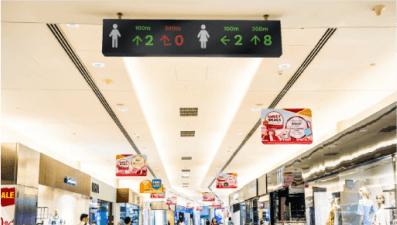

Smart Washroom Management in Qatar
In today’s fast-paced world, maintaining clean and efficient washroom facilities is more crucial than ever. Traditional methods of restroom management often fall short in meeting the growing demands of hygiene, efficiency, and user satisfaction. Enter Smart Washroom Management—a transformative approach that leverages Internet of Things technology to enhance the functionality and cleanliness of washrooms. Axle Systems, a leading provider of Smart Washroom Management solutions in Qatar, is at the forefront of this innovation.
What is Smart Washroom Management?
Smart Washroom Management refers to the integration of IoT sensors, real-time data analytics, and automated systems to monitor and manage washroom facilities. This technology enables facility managers to oversee various aspects of restroom operations, including occupancy levels, cleanliness, supply levels, and user feedback, all from a centralized platform. By harnessing the power of data, Smart Washroom Management ensures that washrooms are maintained to the highest standards, reducing operational costs and enhancing user experience.
Benefits of Smart Washroom Management
Implementing Smart Washroom Management in any facility offers a multitude of advantages, spanning hygiene, operational efficiency, cost savings, sustainability, and overall user experience. Below is a detailed look at these benefits:
1. Enhanced Hygiene and Cleanliness
One of the primary benefits of Smart Washroom Management is the maintenance of high hygiene standards. Traditional cleaning schedules are often reactive and may miss peak usage times. Smart Washroom Management systems, equipped with IoT sensors, monitor real-time restroom usage and identify areas that require immediate attention. This proactive approach ensures that washrooms are consistently clean, reducing the risk of infections, unpleasant odors, and negative user experiences. Regular and data-driven cleaning also minimizes complaints from employees, guests, or the public.
2. Real-Time Monitoring and Alerts
Smart Washroom Management provides continuous monitoring of facilities through smart sensors and a centralized dashboard. Parameters such as occupancy, air quality, temperature, humidity, and supply levels (soap, paper towels, toilet paper) are tracked in real-time. Facility managers receive automated alerts when maintenance or refilling is needed. This means issues like low soap dispensers, overflowing trash bins, or high occupancy zones are resolved immediately, ensuring uninterrupted service and a better overall experience.
3. Optimized Cleaning and Resource Allocation
By analyzing usage patterns and peak hours, Smart Washroom Management helps optimize cleaning schedules. Cleaning staff can be deployed efficiently, focusing on high-traffic areas when needed, instead of adhering to rigid, time-based routines. This reduces unnecessary labor hours and prevents over-cleaning, which is both cost-effective and environmentally friendly. Facility managers can also adjust cleaning intensity based on data trends, such as during seasonal events or large public gatherings, ensuring resources are used effectively.
4. Significant Cost Savings
Cost efficiency is another critical benefit. Smart Washroom Management reduces waste in consumables like soap, hand towels, and toilet paper by monitoring actual usage and automating inventory alerts. By predicting demand accurately, facilities avoid overstocking or last-minute emergency purchases. Additionally, optimized cleaning schedules reduce labor costs while ensuring consistent maintenance. Over time, these savings can be substantial, making the investment in smart technology highly cost-effective.
5. Improved User Experience
User satisfaction is directly impacted by the cleanliness, availability of supplies, and comfort of a restroom. Smart Washroom Management systems improve this experience by ensuring that facilities are always clean, stocked, and well-maintained. Occupancy sensors can help reduce waiting times, and feedback mechanisms allow users to report any issues immediately. A cleaner, more efficient restroom environment contributes to positive impressions for employees, visitors, or customers, enhancing overall satisfaction.
6. Sustainability and Environmental Impact
Smart Washroom Management promotes eco-friendly operations. By monitoring supply usage and reducing overconsumption, facilities minimize waste and lower their environmental footprint. Automated systems can also control water usage in taps and flush systems, contributing to water conservation. These sustainable practices align with modern corporate responsibility goals and support environmental certifications for commercial and public buildings.
7. Data-Driven Decision Making
The wealth of data collected through Smart Washroom Management systems empowers facility managers to make informed decisions. Analytics can identify trends in restroom usage, peak hours, and supply consumption, enabling better planning and predictive maintenance. Over time, these insights can guide infrastructure improvements, such as adding more restrooms in high-traffic areas or upgrading ventilation systems for optimal air quality.
8. Compliance with Health Standards
For industries such as healthcare, hospitality, and education, maintaining hygiene standards is not just a preference but a regulatory requirement. Smart Washroom Management helps facilities comply with these standards by providing auditable logs of cleaning schedules, occupancy monitoring, and supply refills. This ensures accountability and reduces the risk of non-compliance penalties.
9. Enhanced Staff Productivity
By automating routine monitoring and alerts, Smart Washroom Management allows cleaning staff and facility managers to focus on higher-value tasks. Staff no longer need to manually check every restroom frequently, saving time and reducing unnecessary walking or repeated work. This streamlines operations and boosts overall productivity within the facility.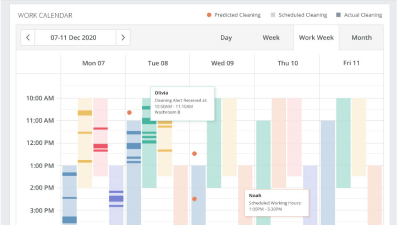
Features of Smart Washroom Management
Smart Washroom Management systems are designed with cutting-edge technologies and intelligent features that ensure restrooms are hygienic, efficient, and user-friendly. Each feature plays a critical role in improving the overall washroom experience while optimizing operations for facility managers. Below is a detailed look at the key features:
1. Occupancy Sensors
Occupancy sensors are at the heart of Smart Washroom Management. These sensors detect the presence of individuals in the restroom, providing real-time data on usage patterns. This information helps manage queues, prevent overcrowding, and ensure cleaning staff prioritize busy areas. Some advanced systems also track dwell time, enabling managers to predict peak hours and schedule maintenance or cleaning more efficiently. Additionally, occupancy sensors can be integrated with lighting systems to automatically turn lights on or off, reducing energy consumption and lowering utility costs.
2. Smart Supply Monitoring
One of the standout features of Smart Washroom Management is automated supply monitoring. Sensors embedded in soap dispensers, paper towel holders, and toilet paper rolls track usage levels continuously. When supplies run low, the system sends alerts to facility staff, preventing stockouts and ensuring that users always have access to essential items. Some systems even provide analytics on consumption trends, helping managers forecast supply requirements accurately and reduce unnecessary waste. This feature is particularly valuable in high-traffic areas such as airports, malls, and corporate buildings.
3. Air Quality and Odor Sensors
Air quality is a vital aspect of user comfort and hygiene. Smart Washroom Management systems are equipped with sensors that monitor humidity, temperature, and volatile organic compounds (VOCs) to detect unpleasant odors. When air quality drops below optimal levels, the system can automatically activate ventilation fans or air purifiers. This ensures that washrooms remain fresh and pleasant at all times. Maintaining proper air quality also contributes to healthier indoor environments, which is especially critical in healthcare and hospitality facilities.
4. Automated Cleaning Alerts
Rather than relying on fixed schedules, Smart Washroom Management systems provide data-driven cleaning alerts. These alerts are triggered based on real-time occupancy data, usage frequency, and supply levels. Staff are notified exactly when and where cleaning is needed, reducing unnecessary labor while ensuring restrooms remain clean throughout the day. Some advanced systems even integrate with mobile applications, allowing cleaning staff to receive alerts on their devices, track completed tasks, and update the system in real-time.
5. Water Usage Monitoring
Smart Washroom Management also incorporates water monitoring features. Sensors track water consumption from taps, urinals, and toilets, identifying leaks or abnormal usage patterns. By analyzing this data, facilities can optimize water usage, reduce wastage, and lower utility costs. Many systems also include automated water-saving features, such as sensor-based faucets and flush systems, which operate only when needed, promoting sustainability.
6. Data Analytics Dashboard
A centralized analytics dashboard is a critical feature for facility managers. It consolidates all collected data—including occupancy, supply levels, air quality, water usage, and cleaning schedules—into an intuitive interface. Managers can view usage trends, generate reports, and make informed decisions on maintenance, staffing, and resource allocation. Dashboards often include visualizations like heat maps, charts, and graphs, making it easy to identify high-traffic zones, peak usage times, and areas needing improvement.
7. Real-Time Feedback System
Some Smart Washroom Management solutions include user feedback features, allowing visitors to rate cleanliness or report issues instantly via digital kiosks, mobile apps, or touchless buttons. This immediate feedback helps facility managers address problems quickly and ensures that user concerns are heard. Over time, analyzing feedback trends can inform operational improvements and staff training programs.
8. Predictive Maintenance
By collecting historical usage data, Smart Washroom Management systems can predict when maintenance or repairs will be needed. For example, if a sensor detects a gradual decrease in water flow from a tap or irregularities in soap dispenser operation, the system can alert maintenance teams before the problem becomes critical. Predictive maintenance reduces downtime, avoids costly emergency repairs, and ensures facilities operate smoothly.
9. Integration with Building Management Systems (BMS)
Advanced Smart Washroom Management systems can be integrated with broader building management systems. This allows facility managers to control lighting, HVAC, security, and washroom operations from a single platform. Integration streamlines operations, reduces energy consumption, and creates a cohesive approach to building management. For instance, restroom occupancy data can influence air conditioning or ventilation settings, optimizing both comfort and efficiency.
10. Customizable Alerts and Notifications
Smart Washroom Management systems allow managers to customize alerts and notifications based on facility needs. Alerts can be sent via email, SMS, or mobile app notifications, and thresholds can be adjusted according to occupancy, supply levels, or air quality. This flexibility ensures that staff are informed in the most efficient manner, improving response times and operational effectiveness.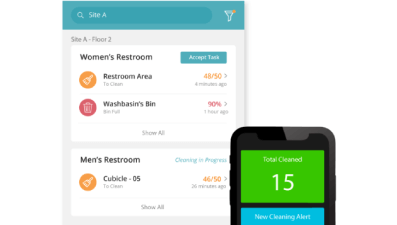
Uses of Smart Washroom Management
Smart Washroom Management systems are highly versatile and can be deployed across a wide range of sectors. Their ability to improve hygiene, optimize operations, and enhance user experience makes them valuable for virtually any facility. Below is an in-depth look at where and how these systems are used:
1. Commercial and Office Buildings
In commercial offices and corporate buildings, employee satisfaction and productivity are directly impacted by the cleanliness and functionality of washrooms. Smart Washroom Management ensures restrooms are always clean, well-stocked, and accessible. Occupancy sensors help manage peak usage times, while real-time alerts ensure that consumables like soap, paper towels, and toilet paper are replenished before running out. These systems also support energy efficiency by controlling lighting and water usage based on occupancy. Overall, employees benefit from hygienic and pleasant washrooms, reducing complaints and boosting workplace morale.
2. Educational Institutions
Schools, colleges, and universities face unique challenges in maintaining restrooms due to high traffic, especially during breaks and peak hours. Smart Washroom Management allows administrators to track restroom usage in real-time and deploy cleaning staff to high-traffic areas as needed. Supply monitoring ensures that soap dispensers and hand dryers are always functional, while automated alerts help manage hygiene efficiently. By maintaining a clean environment, educational institutions can reduce the spread of germs among students and staff and create a healthier learning environment.
3. Healthcare Facilities
Hospitals, clinics, and medical centers require stringent hygiene standards to prevent infections and protect patients, staff, and visitors. Smart Washroom Management helps healthcare facilities meet these standards by monitoring cleaning schedules, occupancy, air quality, and supply levels. Real-time alerts notify staff when restrooms need attention, and data logs ensure compliance with regulatory hygiene standards. Additionally, features like water usage monitoring and touchless fixtures reduce the risk of cross-contamination, creating a safer environment for everyone.
4. Hospitality Industry
Hotels, resorts, and restaurants prioritize guest satisfaction, and restroom hygiene plays a significant role in shaping impressions. Smart Washroom Management ensures that guest washrooms are consistently clean and well-stocked, enhancing comfort and overall experience. Occupancy tracking helps staff prepare for high-traffic periods, such as conferences or events, while automated cleaning alerts prevent lapses in cleanliness. Positive restroom experiences contribute to higher guest ratings, repeat visits, and enhanced brand reputation.
5. Retail and Shopping Centers
Shopping malls, supermarkets, and retail outlets experience high foot traffic, often with unpredictable usage patterns. Smart Washroom Management systems provide real-time occupancy data and automate cleaning alerts to maintain hygiene even during peak hours. Supply monitoring ensures that hand soap, paper towels, and other essentials are always available for shoppers. Additionally, these systems help optimize cleaning staff deployment, reducing labor costs while maintaining a high standard of cleanliness. Retailers benefit from satisfied customers, longer dwell times, and a positive shopping experience.
6. Airports, Train Stations, and Public Transport Hubs
Transport hubs see extremely high and fluctuating foot traffic, which presents challenges for maintaining hygiene and facility management. Smart Washroom Management allows operators to monitor occupancy and usage patterns across multiple restrooms in real-time. Automated alerts guide cleaning teams to the areas that need immediate attention, while supply monitoring ensures continuous availability of essential items. This leads to cleaner restrooms, reduced complaints, and a better traveler experience. Efficient water and energy management also help these facilities reduce operational costs.
7. Sports Arenas, Stadiums, and Entertainment Venues
Large event venues often struggle with maintaining cleanliness during high-attendance events. Smart Washroom Management systems can handle the surge by monitoring occupancy, managing queues, and alerting cleaning staff in real-time. By analyzing historical data, managers can predict peak usage times and prepare in advance. This ensures a smooth experience for visitors, minimizes hygiene-related complaints, and reduces operational stress during large-scale events.
8. Industrial and Manufacturing Facilities
Factories and industrial plants require clean and safe Smart Washroom Management to protect the health of their employees. Smart Washroom Management systems monitor usage, maintain hygiene standards, and track supply levels to ensure that facilities are always operational. In industrial settings, touchless fixtures and water-saving devices help reduce contamination risks and conserve resources. By maintaining hygienic washrooms, employers promote employee health and safety, reduce absenteeism, and comply with occupational health regulations.
9. Government and Public Sector Buildings
Government offices, municipal facilities, and public buildings cater to large numbers of visitors daily. Smart Washroom Management ensures that public washrooms meet hygiene standards while optimizing resource allocation. Occupancy data helps manage visitor flow, cleaning alerts improve maintenance efficiency, and supply monitoring guarantees availability of essential items. These features collectively enhance public satisfaction and help government institutions operate more efficiently.
10. Event Management and Temporary Installations
For events like conferences, exhibitions, and festivals, temporary washroom facilities can now be managed intelligently with Smart Washroom Management systems. Portable restroom units equipped with sensors and IoT connectivity provide real-time monitoring and cleaning alerts. Event organizers can track usage patterns, maintain hygiene, and optimize supply management, ensuring a comfortable experience for all attendees.
About Axle Systems
Axle Systems is a leading technology solutions provider in Qatar, specializing in innovative and state-of-the-art facility management systems, including Smart Washroom Management. With years of experience in the industry, Axle Systems has built a reputation for delivering high-quality, reliable, and customized solutions that meet the diverse needs of businesses, institutions, and public facilities across the country.
Our Mission
Axle Systems is committed to transforming traditional facilities into smart, efficient, and user-friendly environments. Our mission is to enhance hygiene, operational efficiency, and sustainability through intelligent technology solutions that are easy to implement and manage. By leveraging cutting-edge IoT, data analytics, and automation, we ensure that every facility under our care operates at peak performance while maintaining the highest standards of cleanliness and user satisfaction.
Our Vision
Our vision is to be Qatar’s most trusted partner in smart facility management solutions. We aim to redefine the way organizations maintain hygiene, manage resources, and engage with users, ensuring that every restroom and facility we manage provides a safe, comfortable, and efficient experience for everyone.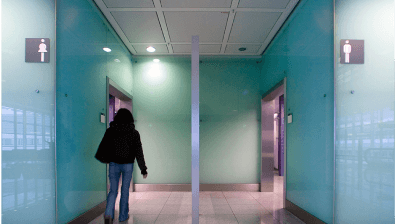
Why Choose Axle Systems?
- Expertise and Experience: Our team of professionals has extensive experience in designing, implementing, and managing smart facility solutions across multiple industries. We understand the unique challenges of different sectors, from healthcare and hospitality to commercial offices and public spaces.
- Customized Solutions: We don’t believe in a one-size-fits-all approach. Axle Systems offers fully customizable Smart Washroom Management solutions that are tailored to the specific requirements of your facility, whether it is a high-traffic commercial building or a healthcare facility with strict hygiene standards.
- Cutting-Edge Technology: Our solutions leverage the latest advancements in IoT, sensor technology, cloud computing, and data analytics. This allows us to provide real-time monitoring, predictive maintenance, automated alerts, and actionable insights that improve operational efficiency and user satisfaction.
- Reliability and Support: Axle Systems provides continuous support, maintenance, and training to ensure that your systems operate smoothly at all times. Our dedicated customer support team is always ready to assist with troubleshooting, upgrades, and optimization.
- Sustainability Focus: We are committed to helping our clients reduce waste, optimize water and energy usage, and adopt eco-friendly practices. Our smart systems are designed not only to improve operations but also to contribute positively to the environment.
- Proven Track Record: Axle Systems has successfully implemented smart facility management solutions across a wide range of industries in Qatar. Our clients consistently report improved hygiene, operational efficiency, and user satisfaction after adopting our solutions.
Our Services in Smart Washroom Management
Axle Systems offers end-to-end solutions for Smart Washroom Management, including:
- Installation and Integration: Full setup of IoT sensors, smart dispensers, occupancy sensors, and data dashboards.
- Monitoring and Alerts: Real-time monitoring of occupancy, supplies, air quality, and maintenance requirements.
- Analytics and Reporting: Access to detailed usage reports, trend analysis, and actionable insights to optimize operations.
- Maintenance and Support: Regular system updates, maintenance checks, and dedicated support to ensure consistent performance.
- Training: Comprehensive training for staff to manage and utilize the system effectively.
Contact Information
To learn more about Axle Systems and explore how our Smart Washroom Management solutions can transform your facilities, get in touch with us:
- Address: PO Box 200081, Al Khalidiya Street, Najma, Doha, Qatar
- Phone Numbers: +974 44 68 2391 | +974 7744 3731
- Website: axlesys.com
- Email: info@axlesys.com
Axle Systems is dedicated to creating smarter, cleaner, and more efficient facilities across Qatar. By partnering with us, you gain access to innovative technology, unparalleled support, and a proven approach to facility management that ensures both operational excellence and user satisfaction.
Common FAQs about Smart Washroom Management
1. How does Smart Washroom Management improve hygiene?
A1: Smart Washroom Management systems use IoT sensors to monitor cleanliness and occupancy levels. Automated alerts notify cleaning staff when maintenance is needed, ensuring that restrooms are always clean and hygienic.
2. Can Smart Washroom Management systems help in reducing costs?
A2: Yes, by optimizing cleaning schedules, monitoring supply levels, and reducing waste, Smart Washroom Management systems lead to significant cost savings in operations and procurement.
3. Are Smart Washroom Management systems customizable?
A3: Absolutely. Solutions can be tailored to meet the specific needs of different facilities, whether it’s a commercial building, educational institution, or public space.
4. How can users provide feedback on restroom facilities?
A4: Many Smart Washroom Management systems include real-time feedback mechanisms, allowing users to rate their experience or report issues directly through digital interfaces.
5. What kind of data is collected by these systems?
A5: Data collected includes occupancy levels, supply usage, air quality parameters, cleaning schedules, and user feedback, all of which are analyzed to improve restroom management.
Conclusion
Smart Washroom Management represents a significant advancement in facility management, offering enhanced hygiene, operational efficiency, and user satisfaction. With the expertise of Axle Systems, businesses in Qatar can implement cutting-edge solutions that transform their washroom facilities into smart, efficient environments. Embrace the future of restroom management with Axle Systems and experience the benefits of a smarter, cleaner, and more efficient washroom.
For more information or to schedule a consultation, visit www.axlesys.com or contact Axle Systems at +974 44 68 2391.