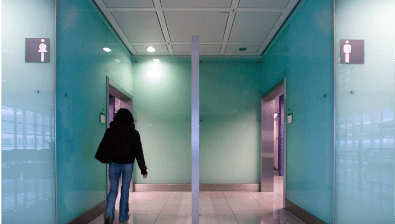

Smart Washroom Management Solutions
Clean, well-stocked, and reliably available washrooms are one of the most visible signals of how well a facility is run. Today’s Smart Washroom Management Solutions use IoT sensors, analytics and workflow tools to transform maintenance from reactive firefighting into proactive, data-driven operations. This long-form guide explains what Smart Washroom Management Solutions are, the features and benefits facility teams can expect, concrete use cases (from airports to malls and hotels), implementation considerations, and an FAQ specifically tailored for organizations in Qatar. Axle Systems supplies Smart Washroom Management Solutions in Qatar — details and a contact template are included below.
What is a Smart Washroom Management Solutions?
A Smart Washroom Management Solutions is a suite of hardware, software and services that monitor and manage washroom health in real time. Typical components include:
- IoT sensors — occupancy counters, door sensors, cubicle/seat sensors, soap/paper/soap-dispense sensors, bin-fill sensors, odor or air-quality sensors, water leak detectors, and flow meters.
- Smart dispensers and fixtures — automated soap, paper and towel dispensers that report levels and usage.
- Connectivity & Gateway — devices connect via wired or wireless (LoRa, NB-IoT, Wi-Fi, BLE) gateways to cloud or on-prem platforms.
- Cloud analytics & dashboards — real-time alerts, historical reporting, KPI dashboards (e.g., visits/hour, supply consumption, cleaning frequency).
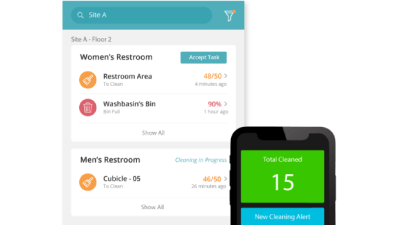
- Mobile apps and tasking systems — cleaner apps that deliver task alerts and allow staff to acknowledge/completed jobs; management apps for SLAs and audits.
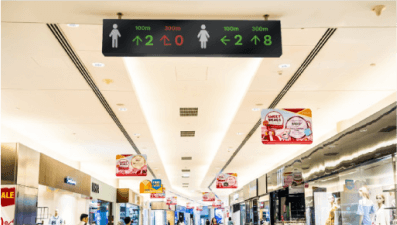
- Guest feedback & signage — real-time availability signs, occupancy displays and optional user feedback kiosks or QR-code feedback.
These components together enable proactive servicing, automated supply replenishment, occupancy-aware cleaning schedules and performance analytics that reduce costs, improve hygiene and enhance the user experience. Multiple vendors and solution patterns exist — from basic occupancy-only setups to full end-to-end platforms with predictive analytics and maintenance automation.
Features of Modern Smart Washroom Management Solutions
Modern Smart Washroom Management Solutions combine multiple sensor technologies, intelligent workflows, and analytics to deliver actionable insights. Here is an in-depth look at the key features:
1. Occupancy and Cubicle Availability Monitoring: Smart Washroom Management Solutions
- Entrance people counters: Infrared, thermal, ultrasonic, or pressure-sensitive sensors installed at entrances provide real-time visitor counts and trends.
- Cubicle occupancy sensors: Detect if a toilet stall or urinal is in use to display availability on digital signage or facility apps.
- Queue management: Identify peak usage periods and notify cleaning staff or users to reduce waiting times.
- Benefits: Helps manage visitor flow, improves user experience, and allows staff to prioritize cleaning of heavily used areas.
2. Consumable Monitoring (Soap, Paper, Sanitizer, Towels)
- Smart dispensers: Automatically track the quantity of soap, paper towels, toilet tissue, and hand sanitizer.
- Threshold alerts: Trigger notifications when a product is running low, preventing stockouts and guest dissatisfaction.
- Usage analytics: Track consumption patterns to forecast supply needs accurately and optimize inventory management.
- Benefits: Reduces operational costs, prevents wastage, and ensures constant availability of hygiene products.
3. Cleaner Task Alerts & Mobile Workflow Integration
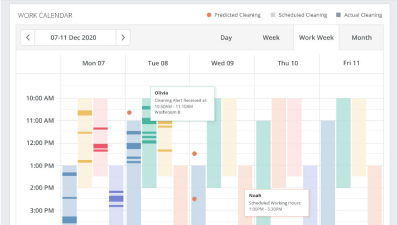
- Real-time alerts: Cleaning staff are notified on mobile devices when dispensers need refilling, bins are full, or cubicles require cleaning.
- Task prioritization: Alerts can include severity levels, ensuring urgent issues are addressed first.
- Acknowledgement and completion logs: Staff can mark tasks as completed, creating an audit trail for management and compliance.
- Benefits: Improves staff efficiency, ensures timely response to maintenance needs, and creates accountability.
4. Fixture & Hygiene Monitoring (Leaks, Faults, Water Flow)
- Leak detection sensors: Identify water leaks in toilets, urinals, or plumbing systems before they escalate into costly damage.
- Flow monitoring: Measure water usage in faucets and urinals to detect anomalies or unusual usage patterns.
- Fixture fault alerts: Sensors detect issues such as malfunctioning faucets, hand dryers, or flush systems.
- Benefits: Prevents property damage, reduces downtime, and ensures all fixtures are operational at all times.
5. Odour & Air-Quality Sensing
- Odour sensors: Detect high concentrations of VOCs or unpleasant smells in washrooms.
- Air quality monitoring: Measure CO₂ levels, humidity, temperature, and ventilation efficiency.
- Automated interventions: Trigger cleaning alerts, increase ventilation, or adjust HVAC systems based on air quality readings.
- Benefits: Enhances hygiene standards, reduces complaints, and ensures a comfortable environment for users.
6. Analytics & KPI Dashboards
- Historical data trends: Track traffic patterns, peak hours, and usage over days, weeks, or months.
- Predictive analytics: Forecast maintenance needs and staff requirements based on usage patterns.
- Customizable dashboards: Facility managers can view performance metrics, cleaning response times, and consumable usage in real time.
- Benefits: Enables data-driven decision-making, optimizes staffing, and supports sustainability initiatives.
7. Integration & Open APIs
- CAFMs and BMS integration: Connect with existing building management or facility management systems for automated work orders.
- ERP and procurement links: Automate supply orders when consumables reach low thresholds.
- Custom reporting: Data can be exported or visualized in other enterprise systems.
- Benefits: Centralizes operations, reduces manual workload, and improves workflow efficiency.
8. Privacy-First Design
- Anonymous sensors: People counting, occupancy, and pressure sensors collect usage data without capturing personal identity.
- Compliance-ready: Systems are designed to meet privacy regulations while delivering actionable insights.
- Benefits: Protects visitor privacy, avoids legal issues, and ensures public trust.
9. Visitor-Facing Features
- Digital signage: Displays real-time availability of washroom facilities to visitors.
- Mobile app integration: Visitors can see the nearest available restroom, estimated wait times, and occupancy trends.
- Feedback collection: Optional QR codes or touchless kiosks allow visitors to rate cleanliness or report issues.
- Benefits: Enhances guest experience, reduces frustration, and empowers facilities with direct feedback.


Benefits — Why Organizations Adopt Smart Washroom Management Solutions
Smart Washroom Management Solutions are not just a convenience; they provide tangible operational, financial, and customer-experience advantages. The benefits span hygiene, efficiency, sustainability, compliance, and reputation. Below, we explore each in detail.
1. Improved Hygiene and User Experience: Smart Washroom Management Solutions
Maintaining consistently clean and well-stocked washrooms is critical for visitor satisfaction, employee comfort, and overall hygiene. Smart Washroom Management Solutions enable proactive cleaning and supply replenishment, reducing the risk of complaints and negative experiences.
How it works:
- Occupancy and usage sensors detect high-traffic periods or heavily used cubicles.
- Smart dispensers report real-time soap, sanitizer, and paper towel levels.
- Cleaning staff are automatically notified when maintenance is required.
Benefits in practice:
- Airports and transportation hubs reduce the likelihood of queues and unsanitary conditions during peak travel times.
- Hotels and malls maintain spotless facilities, enhancing customer perception and satisfaction scores.
- Healthcare facilities improve infection control with timely cleaning and restocking of hygiene products.
2. Operational Efficiency and Labour Optimization
Traditional cleaning schedules often involve routine checks, regardless of actual usage, leading to wasted effort and inefficient staff allocation. Smart Washroom Management Solutions enable demand-driven operations.
How it works:
- Alerts notify cleaning staff only when specific thresholds are reached (e.g., bins full, dispenser low, or high occupancy).
- Staff can respond in real time and mark tasks as completed on mobile apps.
- Historical usage data informs optimal staffing schedules.
Benefits in practice:
- Cleaning staff focus only where needed, reducing unnecessary inspections and travel between facilities.
- Labour hours and overtime costs decrease, while overall cleaning coverage improves.
- Facility managers can allocate staff based on usage patterns, ensuring high-traffic areas receive attention first.
3. Reduced Consumable Waste and Stockouts
Managing consumables like soap, paper towels, and sanitizer manually often leads to either waste or frequent shortages. Smart dispensers and telemetry systems solve this problem with automated monitoring and reporting.
How it works:
- Dispensers automatically report stock levels in real time.
- Analytics track consumption trends and predict future usage.
- Threshold alerts trigger timely refills before supplies run out.
Benefits in practice:
- Avoids sudden shortages that frustrate visitors and staff.
- Reduces unnecessary overstocking and waste.
- Optimizes procurement schedules, saving costs on logistics and inventory.
4. Data-Driven Decision Making and Facility Planning
Smart Washroom Management Solutions collect detailed data on usage, cleaning cycles, and fixture performance. This allows facility managers to make informed decisions regarding staffing, layout, and maintenance.
How it works:
- Real-time dashboards provide insights into occupancy, peak times, and cleaning performance.
- Historical data analysis reveals trends and informs future planning.
- Predictive analytics can forecast high-demand periods and prepare staff and consumables in advance.
Benefits in practice:
- Identify underused or overcrowded washrooms and adjust layout or facility design.
- Plan maintenance cycles and procurement efficiently.
- Support data-backed business decisions for expansion or renovation projects.
5. Faster Fault Detection and Reduced Downtime
Traditional facilities often discover leaks, blockages, or malfunctioning fixtures too late, leading to costly repairs and service interruptions. Smart Washroom Management Solutions sensors detect issues early, allowing immediate response.
How it works:
- Water flow sensors detect leaks, abnormal usage, or potential flooding.
- Fault detection sensors monitor taps, toilets, hand dryers, and automated dispensers.
- Alerts are sent instantly to maintenance staff for rapid response.
Benefits in practice:
- Prevents property damage caused by water leaks.
- Minimizes downtime of fixtures and ensures continuous availability.
- Reduces emergency repair costs and unplanned maintenance work.
6. Enhanced Compliance and Audit Trails
Certain sectors, especially healthcare, airports, and public facilities, have strict hygiene and safety regulations. Smart Washroom Management Solutions automatically generate audit-ready logs and reports.
How it works:
- Every cleaning task, refill, and maintenance event is logged.
- Automated alerts and timestamps create an auditable record for compliance.
- Analytics track adherence to SLAs and regulatory standards.
Benefits in practice:
- Demonstrates compliance to health inspectors or governing authorities.
- Simplifies internal audits and ensures consistent quality standards.
- Reduces the risk of fines, penalties, or reputational damage.
7. Environmental Sustainability
Optimized cleaning schedules and smart dispensers contribute to sustainability by conserving water, energy, and paper resources.
How it works:
- Smart flush systems reduce water consumption based on usage.
- Automated dispensers prevent overuse of paper towels and soap.
- Energy-efficient lighting and ventilation adjust automatically with occupancy levels.
Benefits in practice:
- Reduces utility costs while lowering carbon footprint.
- Aligns facility operations with corporate sustainability and ESG targets.
- Promotes responsible use of resources, especially in high-traffic public facilities.
8. Enhanced Guest Experience and Satisfaction
Visitors increasingly expect clean and well-maintained facilities. Smart Washroom Management Solutions improve experience in ways that are immediately noticeable.
How it works:
- Digital signage shows real-time availability and reduces waiting times.
- Visitors encounter consistently stocked dispensers and hygienic fixtures.
- Optional feedback collection lets users rate cleanliness and report issues immediately.
Benefits in practice:
- Boosts guest satisfaction in hotels, malls, airports, and offices.
- Reduces negative reviews and complaints.
- Enhances the overall perception of the facility’s quality and management.
9. Predictive Maintenance and Cost Savings
Beyond reactive alerts, advanced systems predict maintenance needs before problems occur.
How it works:
- Data on fixture usage, leaks, and dispenser cycles is analyzed.
- Predictive models anticipate when parts will fail or consumables run out.
- Maintenance teams can schedule preemptive repairs or replacements.
Benefits in practice:
- Avoids unplanned downtime and expensive emergency repairs.
- Optimizes budget allocation for maintenance and consumables.
- Extends the lifespan of fixtures and equipment.
10. Scalable Multi-Facility Management
Smart Washroom Management Solutions are designed to scale from a single facility to multiple locations across a city, country, or region.
How it works:
- Cloud-based dashboards consolidate data from all facilities.
- Alerts and KPIs can be viewed centrally or segmented by location.
- Staff allocation, SLA tracking, and procurement can be optimized across multiple sites.
Benefits in practice:
- Provides a unified management view for corporate or government facilities.
- Ensures consistent quality standards across all locations.
- Facilitates bulk procurement, planning, and resource optimization.
11. Better Analytics for Continuous Improvement: Smart Washroom Management Solutions
Data-driven insights allow facility managers to continually refine their operations.
How it works:
- KPI dashboards track cleaning response times, consumable usage, occupancy trends, and maintenance history.
- Historical data supports long-term planning for renovations, expansions, or staffing adjustments.
- Benchmarking against industry standards or similar facilities is possible.
Benefits in practice:
- Enables continuous improvement initiatives.
- Justifies ROI for facility investments.
- Supports executive reporting and strategic decision-making.

Typical use cases by sector
Smart Washroom Management Solutions are highly cross-sector. Below are common implementations and the problems they solve:
Airports
- Problem: Extremely variable footfall, high expectations for cleanliness, and reputational risk from poor washrooms.
- Solution: People counters at entrances and per-cubicle occupancy sensors; cleaner app alerts aligned to flight peaks; dispensers with telemetry to avoid stockouts during peak wave arrivals. Case studies show airports implementing these systems reduce complaints and optimize janitorial deployment.
Shopping malls & retail
- Problem: High traffic during weekends/promotions; cleaning staff must cover large footprints.
- Solution: Central dashboards show busiest restrooms and direct cleaners where needed; signage can show available facilities to divert traffic and reduce queues. Retailers also tie washroom analytics into store performance and resource planning.
Hotels & hospitality
- Problem: Guest satisfaction and hygiene perceptions directly affect reviews.
- Solution: In-house housekeeping receives alerts to service rooms/restrooms on demand; dispensers monitored to ensure amenities are always available; SLAs for rapid response to guest requests.
Hospitals & healthcare
- Problem: Infection control and supply traceability are paramount.
- Solution: Automated records of cleaning and dispenser levels help infection control teams; occupancy and wait-time data informs patient flow and staffing.
Transportation hubs (train/metro)
- Problem: Sudden surges at peak hours; safety and crowd control are important.
- Solution: Occupancy sensors, directional signage to available facilities, and UI for operations control to schedule cleaning in off-peak slices.
Stadiums & large venues
- Problem: Massive, short-lived surges at halftime/concert breaks; maintenance must scale fast.
- Solution: Real-time counters and bin-fill sensors reduce queues and ensure fast turnaround between events.
How a Smart Washroom Management Solutions deployment typically works
- Site survey & requirements gathering
Determine traffic patterns, number of fixtures, service contracts, integration needs and wireless coverage. - Solution design & component selection
Choose sensors (occupancy, dispenser telemetry, leak detectors), gateways (LoRa/ NB-IoT / Wi-Fi), dispenser models, and software platform (cloud/on-prem). - Pilot deployment
Roll out in a representative set of washrooms (e.g., busiest floor, staff washrooms) for a 4–8 week pilot to calibrate thresholds and KPIs. - Training & workflow definition
Staff trained on cleaner app, SLA expectations and escalation. Define thresholds (e.g., cleaning after X visitors or when bin > Y%). - Full rollout
Roll out across the estate in phases; integrate with CAFM or BMS if required. - Optimization & reporting
Use analytics to refine cleaning schedules, reorder points, and staffing. Produce monthly KPI reports and ROI calculations. - Ongoing support & maintenance
Remote device health monitoring, firmware updates, and periodic calibration checks.
Implementation considerations & best practices
- Choose anonymous sensors: Prioritise non-PII sensors (motion, counts) to avoid privacy and compliance issues.
- Connectivity choice matters: For wide distributed sites choose LPWAN (LoRa, NB-IoT) for battery-operated sensors; for dense urban indoor sites Wi-Fi or BLE may be sufficient.
- Pilot early and iterate: A pilot exposes false positives/negatives (e.g., door-open causing counts) and lets teams fine tune thresholds.
- Plan for system integration: If you have CAFM, procurement or BMS systems, define APIs early to avoid rework.
- Security & firmware updates: Ensure devices support secure OTA updates and encrypted communications.
- Define KPIs with stakeholders: Common KPIs: average time between cleans, supply stockouts per month, mean time to repair (MTTR), and user satisfaction scores.
- Sustainability targets: Use analytics to target reductions in water and paper consumption and report progress for CSR goals.
Why Axle Systems for Smart Washroom Management Solutions in Qatar?
Axle Systems has established itself as a trusted supplier of cutting-edge smart washroom management solutions in Qatar, catering to a diverse range of sectors including airports, hotels, malls, hospitals, corporate offices, and government facilities. Here’s why organizations choose Axle Systems for their smart washroom needs:
1. Expertise in Smart Washroom Management Solutions Technologies
Axle Systems specializes in providing advanced, integrated Smart Washroom Management Solutions. From occupancy sensors and smart dispensers to data analytics dashboards and predictive maintenance tools, Axle Systems ensures that every aspect of the washroom experience is optimized.
Key strengths:
- In-depth knowledge of sensor-based technologies for real-time monitoring.
- Experience implementing IoT-based solutions that integrate seamlessly with existing building management systems.
- Expertise in data-driven insights to improve operational efficiency and hygiene standards.
2. Customized Solutions for Every Facility
No two facilities are the same. Axle Systems provides tailored solutions to meet specific requirements, whether it’s a luxury hotel seeking an elevated guest experience or a corporate campus looking for operational efficiency.
Capabilities include:
- Site-specific system design and planning.
- Custom sensor placement and monitoring configurations.
- Integration with cleaning staff workflow apps and central dashboards.
3. Reliable Local Support and Service
Axle Systems is based in Qatar and understands local facility management challenges, regulations, and standards. This allows them to provide responsive support, rapid deployment, and ongoing maintenance services.
Benefits:
- Fast on-site support and troubleshooting.
- Local technicians trained in smart washroom technologies.
- Compliance with Qatar’s hygiene, safety, and regulatory requirements.
4. Partnership with Leading Technology Brands
Axle Systems collaborates with top-tier manufacturers of Smart Washroom Management Solutions, ensuring clients receive reliable, durable, and cutting-edge devices.
Advantages:
- Access to latest sensor technology, smart dispensers, and analytics platforms.
- High-quality products with proven track records in global facilities.
- Warranty and support aligned with international standards.
5. End-to-End Implementation and Training
Axle Systems provides complete end-to-end solutions, from system design and supply to installation, configuration, and staff training.
Service offerings include:
- Comprehensive installation and system calibration.
- Staff training on dashboards, mobile apps, and alert management.
- Continuous performance monitoring and optimization.
Benefits: Facilities can immediately leverage the full potential of their Smart Washroom Management Solutions without operational delays or staff learning curves.
6. Data-Driven Facility Management
Beyond supplying devices, Axle Systems empowers facility managers with actionable insights. By analyzing data from smart sensors, facilities can optimize cleaning schedules, consumable usage, and visitor flow management.
Key advantages:
- Historical and real-time usage analytics.
- Predictive maintenance and alerting for cost savings.
- Improved decision-making through visual dashboards and KPI tracking.
7. Proven Track Record in Qatar
Axle Systems has successfully deployed Smart Washroom Management Solutions across multiple sectors in Qatar. Their experience with high-volume facilities such as airports, hospitals, hotels, and malls makes them a reliable partner for both public and private projects.
Evidence of success:
- Increased user satisfaction in commercial and hospitality environments.
- Reduced operational costs through optimized staffing and consumable management.
- Enhanced hygiene and compliance for sensitive environments such as hospitals and government buildings.
8. Seamless Integration with Existing Systems
Axle Systems ensures that Smart Washroom Management Solutions work seamlessly with existing building management systems, security platforms, and facility software.
Advantages include:
- Automated work orders for cleaning and maintenance.
- Integration with ERP systems for procurement and supply chain optimization.
- Unified management dashboards for multiple locations.
9. Commitment to Sustainability
Axle Systems emphasizes eco-friendly solutions that reduce water, energy, and paper consumption. Smart systems minimize waste while enhancing hygiene and operational efficiency.
Key benefits:
- Automated water-saving flush systems.
- Energy-efficient lighting and ventilation controls.
- Optimized consumable usage through smart dispensers.
10. Dedicated Customer Support and Consultation
Axle Systems provides ongoing consultation and support, helping clients continuously improve their Smart Washroom Management Solutions practices.
Service elements:
- Pre-sales consultation to design an optimal solution.
- Post-installation monitoring and performance evaluation.
- Continuous updates and feature enhancements to the system.
Benefits: Facilities maintain peak efficiency, hygiene, and user satisfaction over the long term.
Contact Axle Systems for Smart Washroom Management Solutions in Qatar
Axle Systems is your trusted partner for state-of-the-art Smart Washroom Management Solutions in Qatar. To learn more, schedule a demo, or request a consultation:
- Phone: +974 44682391, +974 77443731
- Email: info@axlesys.com
- Website: www.axlesys.com
- Address: Al Khalidiya Street, Najma, Doha, Qatar
Common FAQs about Smart Washroom Management Solutions
Q1: Are people counters or cameras used in washrooms?
A: Reputable solutions use anonymous people counters (infrared beams, thermal counters, pressure mats, ultrasonic, or per-cubicle occupancy sensors). Video cameras inside washrooms are not used due to serious privacy and legal concerns — entrances may use anonymised counters. Always prioritise privacy-preserving sensors.
Q2: How much does a smart washroom system cost?
A: Costs vary by scale and feature set — a small pilot (few restrooms with occupancy sensors and a dashboard) can be modest; enterprise deployments (hundreds of sensors, smart dispensers, integrations and SLAs) scale higher. Cost factors: number of sensors, connectivity type, software licensing, integration complexity, and service levels. Axle Systems can prepare a site-specific quote after a free site survey.
Q3: How long does the installation take?
A: Typical pilot installs can take days to weeks depending on access; full rollouts are scheduled in phases to minimise disruption. Wireless battery sensors can be deployed faster than wired devices.
Q4: How are cleaners alerted?
A: Via a mobile app or SMS/email alert. Alerts include location, priority and recommended action; staff can acknowledge tasks and mark them complete, creating an auditable trail.
Q5: Can the system help reduce consumable costs?
A: Yes — telemetry on dispensers and consumption analytics lets procurement optimize reorder points, reduce emergency purchases and align purchasing with actual usage patterns.
Q6: Is the system secure?
A: Choose vendors that support encrypted communications, secure gateways and authenticated access. Ensure regular firmware updates and a security policy for OT/IoT devices. Local integrators can help manage security posture.
Q7: Can the washroom system integrate with my existing CAFM or BMS?
A: Most modern platforms offer APIs and integration options to push alerts as work orders into CAFM, or to expose dashboards to central BMS displays. Integration should be scoped during design.
Q8: Can Smart Washroom Management Solutions detect odors or air-quality?
A: Yes — some systems include odor sensors or VOC/CO₂ monitoring to trigger enhanced ventilation or cleaning. These features are valuable in high-traffic public restrooms.
Q9: What KPIs should we track?
A: Typical KPIs: average time between cleans, % of cleanings triggered proactively vs reactive, consumable stockouts per month, mean time to repair (MTTR) for faults, complaints per 1,000 visitors, and user satisfaction scores.
Q10: What is the environmental impact?
A: Smart cleaning reduces water and paper use through targeted servicing and optimized dispensers, supporting corporate sustainability goals. Track consumption trends post-deployment to quantify savings.
Conclusion
Smart Washroom Management Solutions are rapidly transforming how organizations maintain hygiene, optimize operations, and enhance user experience. By leveraging advanced sensor technologies, real-time monitoring, predictive analytics, and automated workflows, facilities can achieve cleaner, safer, and more efficient washrooms while reducing operational costs and conserving resources.
For businesses, airports, hotels, malls, healthcare facilities, and corporate offices in Qatar, adopting Smart Washroom Management Solutions is no longer a luxury—it’s a necessity to meet modern hygiene standards, improve visitor satisfaction, and ensure sustainable operations. The benefits are clear: optimized staff deployment, reduced consumable waste, predictive maintenance, data-driven decision-making, and enhanced compliance with health and safety regulations.
Axle Systems stands out as a trusted partner in Qatar, offering tailored Smart Washroom Management Solutions backed by local expertise, reliable support, and partnerships with leading technology providers. From consultation and installation to ongoing monitoring and maintenance, Axle Systems ensures every facility can harness the full potential of Smart Washroom Management Solutions.