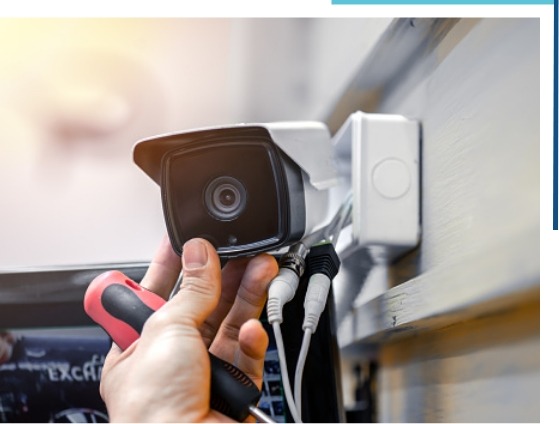

Security Cameras in Qatar
In today’s world, where security is a top priority for both businesses and individuals, Security Cameras have become an indispensable tool for surveillance and monitoring. Whether it’s a home, office, retail store, warehouse, or any public facility, the need to monitor and record activities has never been more critical.
Axle Systems, a leading technology solutions provider in Qatar, offers a wide range of Security Cameras from globally recognized brands like Hikvision, Dahua, and UNV (Uniview). In this comprehensive blog post, we’ll explore what Security Cameras are, their benefits, key features, popular use cases, and how Axle Systems can help you install and maintain your security infrastructure.
What Are Security Cameras?
Security Cameras, also known as surveillance Security Cameras or CCTV (Closed-Circuit Television) cameras, are video recording devices used to monitor and record activity in a particular area. They are widely used in both residential and commercial environments to:
- Deter criminal activity
- Monitor employee productivity
- Enhance situational awareness
- Provide evidence in the event of incidents
These systems can either be analog or IP-based (digital) and are often connected to recording devices (such as NVRs or DVRs), display monitors, and even cloud-based platforms for remote access.
Benefits of Security Cameras
Investing in a modern Security Cameras system delivers a wide range of benefits to homeowners, businesses, and government entities in Qatar. Whether you’re protecting personal assets, securing commercial property, or ensuring public safety, surveillance Security Cameras provide unmatched peace of mind and operational control.
Here are the key benefits in detail:
1. Crime Prevention and Deterrence
One of the most immediate and impactful benefits of Security Cameras is their ability to deter crime. The visible presence of cameras—whether at building entrances, parking areas, or cash counters—serves as a powerful psychological deterrent to potential criminals.
- Prevents theft, vandalism, and trespassing: Criminals often avoid properties equipped with surveillance systems, knowing that their actions are likely to be recorded.
- Reduces internal threats: Employees or contractors are less likely to commit fraudulent activities or theft when they know surveillance is in place.
- Supports community safety: When used in public spaces, Security Cameras help create a safer environment for residents and visitors alike.
In Qatar, where business and residential complexes are growing rapidly, this preventive function is crucial to maintaining security in both urban and suburban settings.
2. Remote Monitoring
Modern IP Security Cameras allow users to access live and recorded video feeds remotely, anytime and anywhere. This is particularly useful for business owners, property managers, and homeowners who travel frequently.
- Mobile app & browser access: Easily view camera feeds through smartphones, tablets, or desktops.
- Multi-site monitoring: Manage multiple branches or locations from a central command or via mobile.
- Peace of mind: Whether you’re at home, the office, or abroad, you can always stay connected and aware of your property status.
With Qatar’s tech-savvy population and high internet penetration, remote monitoring features have become a standard expectation among both business and residential users.
3. Evidence Collection
In the unfortunate event of a crime, accident, or dispute, having recorded footage can be invaluable.
- Supports law enforcement investigations: Clear video evidence aids in identifying suspects and reconstructing the timeline of incidents.
- Facilitates insurance claims: High-quality video proof can validate damage, loss, or liability claims for quicker processing.
- Prevents false accusations: Footage can verify or debunk complaints and misunderstandings among employees, tenants, or customers.
Whether in a retail store, bank, or hotel in Qatar, having reliable and high-resolution surveillance video is essential for accountability and dispute resolution.
4. Enhanced Employee Productivity
Security Cameras not only protect against external threats—they also promote internal discipline and accountability within the workplace.
- Discourages time theft and misconduct: Knowing they are under observation, employees are less likely to engage in non-work-related activities or break rules.
- Monitors performance and behavior: Managers can assess service quality, customer interactions, and staff cooperation in real-time.
- Improves workplace transparency: Helps resolve conflicts and misunderstandings by reviewing objective footage.
Especially in customer-facing sectors like retail, hospitality, and healthcare in Qatar, this leads to better service quality and operational efficiency.
5. Reduced Insurance Costs
Insurance companies recognize the security benefits of surveillance systems and often reward proactive property owners with premium discounts.
- Lower risk profile: Properties with monitored surveillance systems are statistically less likely to file claims for theft or vandalism.
- Faster claim validation: In the case of an incident, insurers can rely on footage to assess damages or liability more accurately.
- Compliance with insurance requirements: Some policies may require CCTV installation as a condition for coverage.
For businesses in Qatar, this translates into tangible cost savings and stronger relationships with insurers.
6. Real-Time Alerts and AI Integration
Today’s Security Cameras go beyond simple recording. They are equipped with AI-based analytics that offer real-time, intelligent alerts.
- Motion detection & intrusion alerts: Security Cameras can send push notifications or emails when unexpected motion is detected.
- Advanced AI analytics: Detect behaviors like line crossing, loitering, crowd gathering, object removal, or left-behind objects.
- Facial recognition & license plate recognition (LPR): Ideal for high-security areas, access control, or parking management.
- Smart integration: Security Cameras can work with alarms, access control systems, and building automation to trigger lockdowns or call authorities.
In Qatar’s critical infrastructure, airports, shopping malls, and luxury hotels, AI-powered cameras play a crucial role in automated security response and proactive incident prevention.
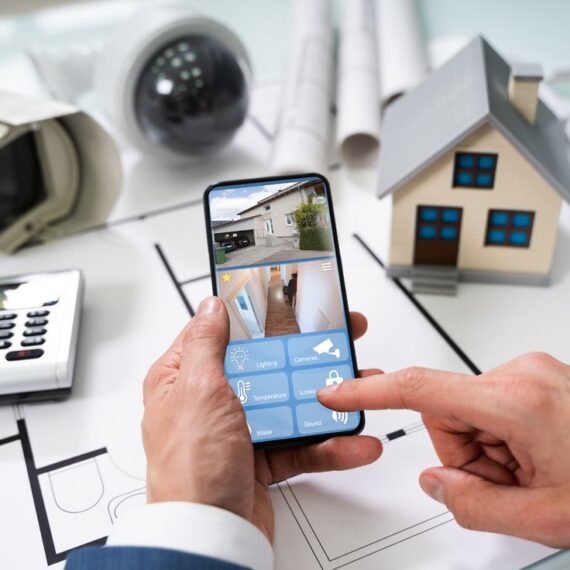
Key Features of Modern Security Cameras
Modern Security Cameras systems have evolved significantly, offering a wide array of features that provide enhanced surveillance, operational efficiency, and proactive security management. Whether you are securing a residential property, a retail store, or a large commercial facility in Qatar, today’s Security Cameras come equipped with cutting-edge technologies to meet the demands of dynamic environments.
Let’s explore the most important features to look for when choosing a Security Cameras system:
High-Definition (HD) and Ultra HD Video Quality
Gone are the days of grainy, low-resolution footage. Today’s Security Cameras deliver sharp, detailed video—making it easier to identify faces, license plates, and other important visual information.
- HD (720p to 1080p): Standard for most indoor and outdoor installations, providing clear images with minimal storage use.
- Full HD (2MP) to 4K (8MP+): Offers enhanced detail, ideal for large areas like shopping malls, airports, or parking lots where zoom and clarity are critical.
- WDR (Wide Dynamic Range): Helps balance lighting in scenes with both dark and bright areas—essential for entrances and lobbies exposed to sunlight.
These features are crucial in Qatar’s high-light conditions, ensuring Security Cameras capture useful footage regardless of glare or shadows.
Night Vision and Low-Light Performance
Effective 24/7 surveillance requires reliable night-time monitoring. Modern Security Cameras are equipped with various technologies to ensure visibility even in complete darkness:
- Infrared (IR) Night Vision: Uses infrared LEDs to illuminate dark areas, often capturing footage up to 30–50 meters or more.
- ColorVu Technology (Hikvision): Enables full-color video even in extremely low-light environments without infrared, enhancing visibility and detail.
- Starlight Imaging (Dahua): Uses larger image sensors and advanced optics to deliver color footage in low-light conditions.
This is particularly useful in residential compounds, car parks, and external perimeters in Qatar, where power outages or limited lighting may affect visibility.
Pan-Tilt-Zoom (PTZ) Functionality
PTZ cameras offer mechanical control to monitor larger areas with flexibility:
- Pan: Horizontal movement allows the Security Cameras to scan wide zones.
- Tilt: Vertical movement lets the Security Cameras observe various elevation levels.
- Zoom: Optical zoom lets operators focus in on specific details like license plates or facial features without losing image quality.
These are best suited for city surveillance, stadiums, industrial zones, or anywhere real-time operator control is required.
Flexible Storage Options: Cloud & Local Recording
Storage plays a vital role in any CCTV system. Today’s systems offer multiple options tailored to your compliance and access needs:
- Network Video Recorders (NVRs): Ideal for IP Security Cameras setups; stores footage on hard drives for on-site review and archiving.
- Digital Video Recorders (DVRs): Used with analog Security Cameras; converts footage into digital format for storage.
- Cloud Storage: Off-site video backup through secure internet connections, ensuring footage is safe even if hardware is tampered with or stolen.
- Edge Storage: Many modern cameras support microSD cards for local backup, adding redundancy in case the main system fails.
In Qatar’s security-conscious sectors, such as banking, healthcare, and government facilities, flexible and compliant storage is essential.
Motion Detection and Smart Alerts
One of the most useful innovations in modern surveillance is intelligent motion detection:
- Customizable Zones: Set activity detection zones and ignore irrelevant areas (like busy roads).
- Trigger Actions: When motion is detected, the Security Cameras can trigger recording, alerts, or even alarms.
- Real-Time Notifications: Push notifications via mobile app or email when unusual activity occurs.
This allows retail stores, offices, and residential users in Qatar to react in real-time and minimize false alarms.
AI & Smart Analytics Integration
Artificial Intelligence (AI) has revolutionized Security Cameras capabilities. Smart surveillance systems can now recognize patterns, objects, and behaviors without human monitoring:
- Human/Vehicle Detection: Reduces false alarms caused by animals or wind-blown objects.
- Facial Recognition: Identifies individuals in real time, useful for access control and VIP tracking.
- License Plate Recognition (LPR/ANPR): Automatically reads and logs vehicle plates—ideal for parking facilities and gated communities.
- Behavioral Analysis: Detects loitering, crowd formation, line crossing, or sudden motion.
Such features are increasingly used in Qatar’s airports, hotels, government buildings, and event venues for enhanced security intelligence.
Weatherproof and Vandal-Resistant Design
Outdoor surveillance in Qatar requires Security Cameras that can endure extreme weather conditions, dust, and potential physical impact.
- IP66/IP67 Rated Security Cameras: Fully protected against rain, dust, and sand—crucial for Qatar’s desert climate.
- IK10 Vandal-Resistant Domes: Withstand tampering or impact, perfect for public areas like malls or schools.
- Thermal Cameras: Monitor heat signatures, useful in smoke-filled or low-visibility environments, as well as perimeter intrusion detection.
These rugged designs ensure 24/7 reliability in harsh Qatari conditions, whether it’s the heat of summer or sandstorms.
Seamless Integration with Other Systems
Modern surveillance systems do not operate in isolation—they integrate with other security and building management systems:
- Access Control Integration: Match video footage with door entry logs or biometric access.
- Alarm Systems: Automatically record and notify when alarms are triggered.
- Video Management Software (VMS): Centralized platforms to control multiple Security Cameras, users, and sites.
- Intercom & Smart Building Integration: Combine video surveillance with communication and automation systems.
This interconnectivity is vital for smart buildings and security-sensitive operations in Qatar’s commercial, hospitality, and industrial sectors.
User-Friendly Mobile Apps and Software
Accessibility and ease-of-use have become non-negotiable. The best Security Cameras systems offer:
- Mobile apps compatible with Android and iOS
- Web-based platforms for live view and playback
- Customizable user permissions
- Multi-site viewing dashboards
This enables users—from a villa owner in West Bay to a corporate security manager in Lusail—to easily manage their Security Cameras network with minimal training.

Uses of Security Cameras in Qatar
In a rapidly developing nation like Qatar, security and surveillance play an essential role in safeguarding people, property, and critical infrastructure. With the country’s investment in urban development, smart cities, tourism, and business hubs, the demand for high-performance Security Cameras has surged across all sectors.
From homes to hospitals, malls to mosques—modern CCTV systems serve a wide variety of applications across Qatar.
1. Residential Security
Security Cameras are increasingly being adopted by homeowners, villa compounds, and apartment complexes across Qatar.
Common applications:
- Entrance surveillance: Monitor main gates, garage entries, and delivery points.
- Perimeter monitoring: Cover fences, backyards, and swimming pools for enhanced outdoor security.
- Indoor supervision: Watch over maids’ rooms, children’s play areas, or elderly family members.
- Package protection: Deter porch theft and document delivery drop-offs.
Why it matters in Qatar:
As urban sprawl grows in areas like Lusail, Al Wakrah, and The Pearl, residents demand reliable security systems that offer peace of mind and quick mobile access to real-time feeds—even while traveling abroad.
2. Office Buildings and Corporate Spaces
In today’s business environment, maintaining control over employee behavior, visitor access, and sensitive areas is crucial for operational security.
Common applications:
- Lobby and reception monitoring: Keep track of visitors and deliveries.
- Server room and document storage protection: Restrict and record access to high-value zones.
- Time tracking and employee monitoring: Improve discipline and reduce downtime.
- Parking lot surveillance: Prevent vandalism and unauthorized parking.
Why it matters in Qatar:
With the proliferation of office towers and business parks in West Bay, Msheireb Downtown, and Energy City, companies need scalable, integrated systems that support multi-floor and multi-site surveillance.
3. Retail Stores and Shopping Malls
Retail businesses, from high-end boutiques to supermarkets, rely heavily on CCTV systems to prevent loss and enhance customer service.
Common applications:
- Theft and shoplifting deterrence: Monitor shelves, cash registers, and fitting rooms.
- Queue and service monitoring: Evaluate staff responsiveness and optimize customer flow.
- Inventory and storage room security: Track goods movement and control access.
- People counting and heatmaps: Understand footfall trends and improve product placement.
Why it matters in Qatar:
Malls like Doha Festival City, Villaggio, and Mall of Qatar attract thousands of daily visitors. Retailers need robust video analytics to handle security, crowd control, and marketing intelligence in real time.
4. Hospitals and Healthcare Facilities
In healthcare, surveillance plays a vital role in patient safety, staff accountability, and operational control.
Common applications:
- Monitoring entrances and exits: Manage visitor flow and restrict unauthorized access.
- Surveillance of emergency rooms and ICUs: Protect vulnerable patients and medical staff.
- Pharmacy and medication area protection: Prevent misuse, theft, or misplacement of controlled substances.
- Ambulance bay security: Ensure smooth emergency response and deter interference.
Why it matters in Qatar:
With world-class medical centers like Hamad Medical Corporation, Sidra Medicine, and Aspetar, Qatar’s healthcare sector needs highly secure, privacy-compliant, and centrally managed CCTV solutions.
5. Educational Institutions
From nurseries to universities, educational institutions rely on Security Cameras to ensure the safety of students, staff, and campus infrastructure.
Common applications:
- Gate and perimeter surveillance: Prevent unauthorized entry and ensure student safety.
- Hallway and common area monitoring: Deter bullying, vandalism, and misconduct.
- Classroom observation: Assist in teacher training and performance reviews.
- Cafeteria and playground supervision: Prevent accidents and disputes among students.
Why it matters in Qatar:
As Qatar positions itself as an education hub (via Education City and international school campuses), security becomes critical for parental trust and institutional reputation.
6. Construction Sites
Construction zones are high-risk areas where theft, accidents, and unauthorized access are common concerns.
Common applications:
- Site perimeter security: Detects intrusions during off-hours.
- Equipment and material protection: Monitor high-value assets and reduce internal theft.
- Worker safety monitoring: Ensure proper use of PPE (Personal Protective Equipment) and compliance with safety protocols.
- Progress documentation: Create visual records for project management or legal reference.
Why it matters in Qatar:
With ongoing projects like Lusail City, Hamad Port expansion, and stadium construction, developers must secure multimillion-riyal assets while ensuring regulatory compliance and worker safety.
7. Mosques and Religious Centers
Religious institutions in Qatar are increasingly implementing CCTV systems to ensure the safety of worshippers and protect sacred spaces.
Common applications:
- Entry and exit monitoring: Prevent over-crowding or unauthorized activities.
- Crowd control during prayer times: Maintain order during Jumu’ah or Eid.
- Donation box surveillance: Deter theft and enhance trust.
- Parking lot and ablution area monitoring: Prevent damage or loss of personal belongings.
Why it matters in Qatar:
During religious seasons and events, large crowds gather at mosques, requiring careful management and non-intrusive surveillance.
8. Airports, Metro, and Transport Hubs
Transportation centers handle thousands of passengers and need constant vigilance to prevent delays, threats, or safety issues.
Common applications:
- Terminal and gate monitoring: Ensure smooth boarding and baggage handling.
- Customs and immigration checkpoints: Monitor compliance and resolve disputes.
- Platform and track safety: Prevent accidents on metro stations.
- Traffic and parking lot surveillance: Manage vehicle flow and prevent congestion.
Why it matters in Qatar:
With facilities like Hamad International Airport, Doha Metro, and Karwa bus stations, maintaining security and efficiency is essential for national reputation and traveler safety.
9. Warehouses and Logistics Centers
CCTV helps logistics and warehousing businesses improve inventory management and prevent operational losses.
Common applications:
- Loading dock surveillance: Track incoming and outgoing shipments.
- High-value goods storage: Ensure restricted access t
Why it matters in Qatar:
Qatar’s growing role in regional trade means logistics hubs like MIC (Mesaieed Industrial City) and Ras Laffan must be protected from both internal and external threats..

Leading the Way in Surveillance: Hikvision, Dahua, and UNV
At Axle Systems, we partner with the world’s most renowned Security Cameras brands to bring you the best-in-class solutions. Hikvision, Dahua, and UNV are global leaders known for their innovation, reliability, and comprehensive product portfolios.
Hikvision:
As the world’s largest supplier of video surveillance products, Hikvision is synonymous with cutting-edge technology. Their offerings include:
- DeepinView Series: AI-powered Security Cameras with advanced analytics like facial recognition, human/vehicle analysis, and perimeter protection for highly intelligent surveillance.
- ColorVu Technology: Providing vivid 24/7 full-color imaging even in extremely low-light conditions, offering unparalleled detail.
- AcuSense Technology: Distinguishing between humans and vehicles from other moving objects, drastically reducing false alarms.
- Thermal Cameras: Ideal for challenging environments, offering detection capabilities based on heat signatures, even in complete darkness or smoke.
- PTZ Cameras: High-performance PTZ Security Cameras with powerful optical zoom and auto-tracking capabilities for extensive area coverage.
- Turbo HD (HD-TVI): High-definition analog solutions for upgrading existing coaxial cable infrastructure.
- Hik-Connect: A powerful mobile application for remote viewing, playback, and system management.
Dahua Technology:
A global leader in video-centric smart IoT solutions, Dahua offers a wide range of products known for their robust performance and innovative features:
- WizSense Series: AI-powered Security Cameras that focus on human and vehicle detection with high accuracy, minimizing false alarms and improving efficiency.
- TiOC (Three-in-One Camera): Integrating 24/7 full-color monitoring, active deterrence with siren and flashing lights, and AI-powered detection into a single unit.
- HDCVI Technology: Dahua’s proprietary analog high-definition standard, providing high-resolution video over coaxial cable.
- Thermal Cameras: Offering various thermal imaging solutions for different applications, including temperature monitoring.
- ePoE Technology: Extending transmission distances for power and data over a single Ethernet cable, simplifying large-scale installations.
- DMSS: Dahua’s intuitive mobile app for remote surveillance and management.
- Smart Motion Detection (SMD Plus): Enhancing accuracy in identifying human and vehicle targets.
UNV (Uniview):
A rapidly growing player in the global video surveillance market, UNV is known for its high-quality products and innovative solutions, particularly in IP surveillance:
- LightHunter Technology: Delivering exceptional image quality in ultra-low illumination environments, similar to Hikvision’s Starlight/ColorVu.
- Ultra 265 Compression: UNV’s advanced compression technology significantly reduces storage and bandwidth consumption.
- Cloud Upgrade: Enabling convenient firmware updates for NVRs via the internet.
- Auto Tracking: PTZ Security Cameras that automatically follow moving objects of interest.
- Built-in Mic and Speaker: Many UNV Security Cameras feature two-way audio for enhanced communication.
- IP67 and IK10 Protection: Ensuring robustness against dust, water, and vandalism.
- EZView: UNV’s mobile application for seamless remote access and control.
These brands represent the pinnacle of Security Cameras technology, and Axle Systems is proud to be a trusted supplier of their products in Qatar.
Axle Systems: Your Premier Security Cameras Partner in Qatar
At Axle Systems, we are more than just a supplier; we are your end-to-end security solution partner in Qatar. With years of expertise and a deep understanding of the local market and regulatory landscape (including MOI approval requirements), we provide comprehensive services that span the entire lifecycle of your security system.
Why Choose Axle Systems for Your Security Cameras Needs?
- Extensive Product Portfolio: We offer a vast selection of Security Cameras and surveillance equipment from leading brands like Hikvision, Dahua, and UNV, ensuring we have the right solution for every requirement and budget.
- Expert Consultation and Design: Our team of experienced security professionals will work closely with you to understand your specific needs, assess your premises, and design a tailor-made surveillance system that provides optimal coverage and protection.
- MOI Approval Expertise: We are well-versed in the Ministry of Interior (MOI) regulations for CCTV installations in Qatar. We guide you through the entire MOI approval process, ensuring your system is fully compliant and legally sound.
- Professional Installation: Our certified technicians ensure seamless and efficient installation of your Security Cameras, adhering to the highest industry standards and best practices. We prioritize proper camera placement, cabling, and system configuration for maximum effectiveness.
- Seamless Integration: We ensure that your new Security Cameras system integrates seamlessly with your existing IT infrastructure and other security systems, such as access control or alarm systems.
- Ongoing Maintenance and Support: Security systems require regular maintenance to ensure optimal performance. Axle Systems offers comprehensive maintenance contracts and 24/7 support to address any issues promptly, minimizing downtime and maximizing your security.
- Customer-Centric Approach: Your satisfaction is our top priority. We are committed to providing exceptional customer service, clear communication, and reliable support at every stage.
- Competitive Pricing: We offer competitive pricing on all our products and services, ensuring you receive the best value for your investment in security.
- Local Presence and Rapid Response: Being based in Doha, Qatar, allows us to provide prompt and efficient service, whether it’s for installation, troubleshooting, or urgent support.
Our Commitment:
At Axle Systems, we are committed to building a safer Qatar by providing advanced and reliable security solutions. We believe that everyone deserves to feel secure, and our mission is to empower individuals and businesses with the tools they need to protect what matters most.
Contact Axle Systems Today!
Ready to enhance your security with state-of-the-art Security Cameras? Contact Axle Systems today for a consultation or to learn more about our comprehensive solutions. Our team is ready to assist you in designing, implementing, and maintaining a robust surveillance system that meets your unique needs.
Axle Systems Contact Details:
- Phone: +974 4468 2391
- Email: info@axlesys.com
- Website: www.axlesys.com
- Address: P.O. Box 200081, Al Khalidiya Street, Najma, Doha, Qatar
Common FAQs about Security Cameras
We understand that investing in a Security Cameras system can bring up several questions. Here are some of the most frequently asked questions about Security Cameras:
Q1: What is the difference between CCTV, IP Camera, and NVR/DVR?
- CCTV (Closed-Circuit Television): This is a general term referring to a system where video signals are transmitted to a specific set of monitors, typically for surveillance. It encompasses both analog and digital systems.
- IP Camera (Internet Protocol Camera): These are digital video cameras that send and receive data over a network (like your internet connection). They offer higher resolutions, advanced features, and greater flexibility than traditional analog cameras.
- DVR (Digital Video Recorder): Used with analog CCTV Security Cameras, a DVR converts analog video signals into digital format for recording and storage.
- NVR (Network Video Recorder): Used with IP cameras, an NVR records and stores digital video streams directly from the network. NVRs are generally more advanced and offer better performance for IP camera systems.
Q2: Do Security Cameras work without the internet?
Yes, many security cameras can function without an internet connection, especially local CCTV systems. DVRs and NVRs can record footage locally to hard drives. However, features like remote viewing via mobile apps, cloud storage, and receiving instant alerts require an internet connection. If you want remote access, internet connectivity is essential.
Q3: How long can Security Cameras store footage?
The duration of stored footage depends on several factors:
- Storage Capacity: The size of the hard drive (for DVRs/NVRs) or the amount of cloud storage.
- Camera Resolution: Higher resolution footage takes up more space.
- Number of Cameras: More cameras mean more data to store.
- Recording Settings: Continuous recording uses more space than motion-activated recording.
- Compression Technology: Efficient compression (e.g., H.265+) can significantly extend storage duration.
In Qatar, the MOI (Ministry of Interior) regulations often mandate a minimum storage period, typically not less than 90 days for active storage devices. Axle Systems ensures compliance with these regulations when designing your system.
Q4: Can Security Cameras work in total darkness?
Yes, most modern Security Cameras come equipped with infrared (IR) night vision, allowing them to capture clear black and white images in complete darkness. Some advanced cameras with technologies like Hikvision’s ColorVu, Dahua’s TiOC, or UNV’s LightHunter can even provide full-color images in very low-light conditions.
Q5: Is it legal to install Security Cameras in Qatar? What about privacy?
Yes, it is legal to install Security Cameras on your property in Qatar for security and surveillance purposes. However, it is crucial to comply with the regulations set by the Ministry of Interior (MOI). These regulations cover aspects like:
- MOI Approval: Obtaining the necessary approval from the MOI for installation and operation.
- Placement Rules: Security Cameras should be strategically placed to cover entry/exit points and high-risk areas but must not be placed in private areas like changing rooms, restrooms, or in a way that infringes on privacy of neighboring residential homes.
- Storage Requirements: Adhering to minimum footage retention periods (e.g., 90 days).
- Access and Security of Footage: Stored footage must be secure and accessible only to authorized personnel.
- Signage: While not explicitly always mandated for private residences, it’s generally good practice to have clear signage indicating the presence of CCTV, especially in commercial or public-facing areas.
Axle Systems ensures all installations comply with MOI regulations, guiding clients through the approval process.
Q6: Can I view my Security Cameras on my phone or tablet?
Absolutely. Most modern IP camera systems and many advanced DVR systems come with dedicated mobile applications (like Hik-Connect, DMSS, EZView). These apps allow you to view live feeds, playback recorded footage, receive alerts, and manage system settings from anywhere with an internet connection.
Q7: How are Security Cameras powered?
Security Cameras can be powered in several ways:
- Traditional Power Adapter: Each Security Cameras connects to a separate power supply.
- PoE (Power over Ethernet): For IP cameras, power and data are transmitted over a single Ethernet cable, simplifying wiring.
- Battery-Powered: Some wireless cameras are battery-powered, offering flexibility in placement but requiring periodic battery replacement or recharging.
- Solar Powered: Ideal for remote locations where traditional power sources are unavailable.
Q8: What is the lifespan of a Security Cameras system?
The lifespan of a Security Cameras system can vary, but generally, cameras and NVR/DVR units can last anywhere from 5 to 10 years or more with proper maintenance. Factors influencing lifespan include environmental conditions, quality of components, and regular servicing. Hard drives, being mechanical, might need replacement sooner (typically every 3-5 years) depending on usage.
Q9: What is the average cost of installing Security Cameras in Qatar?
The cost of a security camera system in Qatar varies widely depending on several factors:
- Number and Type of Cameras: Basic analog cameras are less expensive than high-resolution IP cameras with advanced AI features.
- Brand: Premium brands like Hikvision, Dahua, and UNV offer a range of price points depending on the series and features.
- Installation Complexity: The amount of cabling required, height of installation, and any unique environmental challenges.
- Storage Requirements: Larger hard drives or cloud storage subscriptions will increase costs.
- MOI Approval Fees: These are governmental fees that need to be factored in.
- Additional Features: Integration with other systems, advanced analytics, and specialized cameras (e.g., thermal, PTZ) will add to the cost.
It’s best to get a customized quote from a reputable supplier like Axle Systems after a site assessment to understand the exact costs for your specific needs.
Q10: What kind of maintenance do Security Cameras require?
Regular maintenance is crucial for optimal performance. This typically includes:
- Cleaning Camera Lenses: To ensure clear footage, especially for outdoor Security Cameras.
- Checking Cable Connections: Ensuring all cables are secure and undamaged.
- Verifying Recording and Storage: Confirming that footage is being recorded and stored correctly.
- Firmware Updates: Applying manufacturer updates to ensure optimal performance, security, and access to new features.
- Hard Drive Health Checks: Monitoring the health of NVR/DVR hard drives to prevent data loss.
- Adjusting Camera Angles: Re-calibrating angles if they have shifted.
Axle Systems offers comprehensive maintenance services to ensure your system operates flawlessly.
Conclusion: Security Cameras Serve Every Sector in Qatar
From private homes in Al Waab to high-rise buildings in Lusail, and from warehouses in the industrial zone to the bustling aisles of malls in Doha—Security Cameras play a pivotal role in safety, efficiency, and compliance.
Whether you’re looking to install a small CCTV system for your villa or a city-wide surveillance solution for critical infrastructure, Axle Systems provides end-to-end consultation, MOI-approved Security Cameras, installation, and maintenance across Qatar.