

Retail Anti‑Theft Systems in Qatar
In today’s competitive retail environment, loss prevention is more important than ever. Theft — whether by opportunistic shoppers or organized retail crime rings — can significantly impact a store’s bottom line. To protect valuable inventory, improve security, and maintain customer confidence, retailers need modern, reliable, and smart anti‑theft solutions.
Table Of Contents
- 1 What Are Retail Anti‑Theft Systems?
- 1.1 Why Retail Anti‑Theft Systems Matter
- 1.2 Key Benefits of Retail Anti‑Theft Systems
- 1.2.1 1. Significantly Reduced Shoplifting and Theft- Retail Anti‑Theft Systems
- 1.2.2 2. Accurate Inventory Tracking and Management- Retail Anti‑Theft Systems
- 1.2.3 3. Enhanced Store Security and Customer Safety- Retail Anti‑Theft Systems
- 1.2.4 4. Lower Insurance Premiums- Retail Anti‑Theft Systems
- 1.2.5 5. Improved Employee Productivity- Retail Anti‑Theft Systems
- 1.2.6 6. Scalability and Future‑Ready Technology- Retail Anti‑Theft Systems
- 1.2.7 7. Quick Return on Investment (ROI)- Retail Anti‑Theft Systems
- 1.2.8 8. Data Insights for Strategic Decision-Making- Retail Anti‑Theft Systems
- 1.3 Core Features of Retail Anti‑Theft Systems
- 1.3.1 1. Electronic Article Surveillance (EAS)
- 1.3.2 2. RFID (Radio Frequency Identification)
- 1.3.3 3. Camera Integration and Video Analytics
- 1.3.4 4. Smart Checkout and RFID Deactivation
- 1.3.5 5. Concealed and In‑Shelf Sensors
- 1.3.6 6. Integration with Store Management Systems
- 1.3.7 7. Remote Monitoring and Reporting
- 1.3.8 8. Mobile and Handheld Security Devices
- 1.4 Uses of Retail Anti‑Theft Systems
- 1.4.1 1. Apparel and Fashion Stores
- 1.4.2 2. Electronics and Technology Retailers
- 1.4.3 3. Grocery and Convenience Stores
- 1.4.4 4. Pharmacies and Drugstores
- 1.4.5 5. Luxury Goods and Jewelry Stores
- 1.4.6 6. Warehouse-Style Retailers
- 1.4.7 7. Bookstores and Specialty Shops
- 1.4.8 8. Multi-Category Department Stores
- 1.5 Why Choose Axle Systems for Retail Anti‑Theft Systems
- 1.5.1 1. Expertise in Retail Security
- 1.5.2 2. Customized Solutions for Every Retail Environment
- 1.5.3 3. Advanced Technology Partnerships
- 1.5.4 4. Professional Installation and Staff Training
- 1.5.5 5. Ongoing Support and Maintenance
- 1.5.6 6. Proven Track Record and Customer Success
- 1.5.7 7. Scalability and Future-Readiness
- 1.5.8 8. Data-Driven Security Insights
- 1.6 Core Components of a Retail Anti‑Theft Systems from Axle Systems
- 1.7 Common FAQs About Retail Anti‑Theft Systems
- 1.8 Contact Axle Systems Today
- 1.9 Conclusion
What Are Retail Anti‑Theft Systems?
Retail Anti‑Theft Systems are integrated security technologies designed to deter theft, monitor suspicious activity, and prevent loss of merchandise in retail environments. These systems can include:
- Electronic Article Surveillance (EAS) systems
- RFID (Radio Frequency Identification) asset tracking
- Security sensors and tags
- Surveillance cameras
- Integrated alarms
- Entrance and exit monitoring gates
All of these technologies work together to create a multi‑layered defense that makes stealing merchandise difficult, risky, and easily detectable.
At their simplest, Retail Anti‑Theft Systems are safeguards that alert store owners, employees, or security personnel when an item is being removed from the store without proper checkout or authorization.
Why Retail Anti‑Theft Systems Matter
Retail shrinkage — loss due to theft, error, or fraud — is a pervasive challenge. According to industry studies, shrinkage averages between 1.5% and 2% of total retail sales annually, with theft accounting for a significant portion. This translates to billions of dollars in annual losses globally.
Without proper loss prevention, retailers may experience:
- Reduced profit margins
- Increased prices for customers
- Higher insurance costs
- Damaged reputation
- Distrust among customers and staff
Retail Anti‑Theft Systems offer a practical, reliable way to address these issues head‑on.
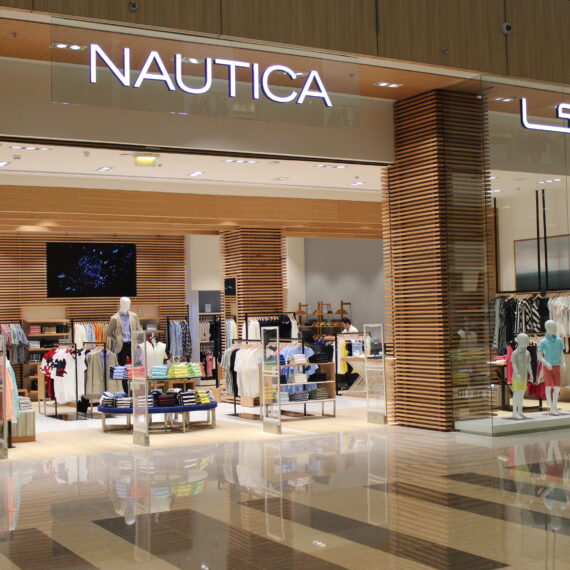
Key Benefits of Retail Anti‑Theft Systems
Investing in a Retail Anti‑Theft Systems goes beyond simply stopping theft — it delivers a wide array of operational, financial, and strategic benefits. Retailers that implement these systems enjoy measurable improvements in store efficiency, customer experience, and profitability. Let’s explore each benefit in depth.
1. Significantly Reduced Shoplifting and Theft- Retail Anti‑Theft Systems
One of the most immediate benefits of installing Retail Anti‑Theft Systems is the sharp decline in shoplifting and theft. By using a combination of Electronic Article Surveillance (EAS) gates, RFID tags, and video analytics, these systems make it extremely difficult for would-be thieves to remove merchandise undetected.
Example: A mid-sized clothing store that implemented RFID‑enabled EAS tags saw a 40% reduction in theft within the first six months. The presence of visible gates and smart sensors serves as a deterrent, signaling to potential thieves that stealing is risky and likely to result in detection.
This reduction in theft protects your revenue, reduces losses, and ensures that your merchandise remains available for genuine customers.
2. Accurate Inventory Tracking and Management- Retail Anti‑Theft Systems
Modern Retail Anti‑Theft Systems, particularly those using RFID technology, also double as inventory management tools. Each item tagged with RFID can be automatically tracked in real time, from the stockroom to the sales floor.
Benefits include:
- Faster inventory counts
- Reduced stock discrepancies
- Early identification of missing or misplaced items
- Better planning for restocking and replenishment
Example: A grocery store implemented RFID tracking and reduced inventory errors by 30%, ensuring popular items were always in stock. Accurate inventory prevents overstocking or understocking, reducing waste and improving customer satisfaction.
3. Enhanced Store Security and Customer Safety- Retail Anti‑Theft Systems
Retail anti-theft systems do more than protect merchandise — they also create a safer environment for shoppers and employees. Integrated CCTV cameras, smart alarms, and analytics-based monitoring can detect suspicious behavior before theft occurs, preventing potential conflicts or safety risks.
A secure store encourages repeat visits, as customers feel confident their environment is safe.
4. Lower Insurance Premiums- Retail Anti‑Theft Systems
Many insurance providers recognize that stores equipped with robust Retail Anti‑Theft Systems are less likely to experience large losses. Installing these systems can directly influence insurance premiums, reducing operational costs.
5. Improved Employee Productivity- Retail Anti‑Theft Systems
Without a structured anti-theft system, store employees are often forced to divide their attention between monitoring for theft and serving customers. Anti-theft systems automate monitoring, freeing employees to focus on customer engagement, upselling, and operational efficiency.
This efficiency not only benefits profitability but also improves employee morale, as staff can perform more meaningful and rewarding work.
6. Scalability and Future‑Ready Technology- Retail Anti‑Theft Systems
Retail anti-theft systems are designed to grow with your business. Whether you operate a single outlet or a chain of stores, these systems can be expanded or upgraded without major disruptions. Modular components such as RFID readers, EAS gates, and cameras can be added or upgraded as inventory volume or store layout changes.
Scalability ensures your system remains relevant, even as retail technology evolves or your business grows.
7. Quick Return on Investment (ROI)- Retail Anti‑Theft Systems
While Retail Anti‑Theft Systems require an upfront investment, most retailers recover costs quickly. Savings come from reduced shrinkage, improved inventory accuracy, and optimized operational efficiency.
A faster ROI means that anti-theft systems are not just a security expense—they are a strategic investment in profitability.
8. Data Insights for Strategic Decision-Making- Retail Anti‑Theft Systems
Advanced anti-theft systems generate valuable data beyond loss prevention. Analytics dashboards provide insights into:
- Peak shopping hours
- Theft hotspots within the store
- High-risk products
- Staff performance in handling security alerts
This data can inform store layout design, staffing schedules, and marketing strategies, transforming a security tool into a decision-support system that enhances overall business performance.
Core Features of Retail Anti‑Theft Systems
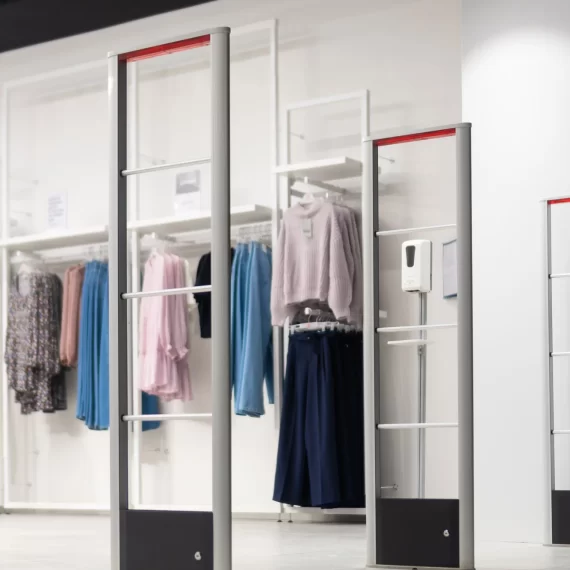
Modern Retail Anti‑Theft Systems combine hardware, software, and smart analytics to create a multi-layered defense against shoplifting, employee theft, and organized retail crime. Understanding the features of these systems helps retailers choose the right solution and maximize its effectiveness. Here’s a detailed look at the core features:
1. Electronic Article Surveillance (EAS)
Electronic Article Surveillance (EAS) is one of the most widely used anti-theft technologies. EAS systems use tags or labels attached to merchandise that interact with detection gates at store exits. If a tagged item is not properly deactivated at checkout, an alarm is triggered.
Types of EAS Tags:
- Hard Tags: Durable, reusable tags commonly used for apparel, footwear, and accessories. These tags are removed or deactivated at checkout.
- Soft Tags: Adhesive labels for packaged goods, cosmetics, or books. Soft tags are cost-effective and blend seamlessly with the product.
- Ink Tags: These contain ink that spills if tampered with, deterring theft. Often used in high-risk items.
- Dual Tags (EAS + RFID): Combine theft detection with inventory tracking, offering both security and operational efficiency.
Benefits:
- Provides a visible deterrent for potential thieves
- Easy to install and maintain
- Cost-effective for small and medium-sized retailers
2. RFID (Radio Frequency Identification)
RFID technology has revolutionized retail anti-theft systems by providing real-time tracking of merchandise. Each RFID tag contains a unique identifier that can be read by overhead antennas, handheld scanners, or smart shelves.
Key Advantages:
- Inventory Management: Automatically track stock levels, reduce manual counts, and prevent misplaced items.
- Theft Prevention: RFID gates detect unauthorized movement of tagged items.
- Data Insights: Provides analytics on product movement, peak shopping hours, and loss trends.
3. Camera Integration and Video Analytics
Surveillance cameras are a critical feature of modern anti-theft systems. When combined with video analytics, they offer proactive theft prevention rather than reactive monitoring.
Capabilities Include:
- Motion detection and loitering alerts
- Suspicious behavior analysis, such as repeated touching of merchandise without purchasing
- Automatic recording triggered by alarms or gates
Benefits:
- Provides visual evidence for law enforcement or internal investigations
- Reduces the need for constant manual monitoring
- Enhances customer safety and operational awareness
4. Smart Checkout and RFID Deactivation
In RFID-enabled stores, smart checkout systems automatically deactivate tags when merchandise is purchased. This reduces human error, speeds up the checkout process, and ensures security compliance.
Key Features:
- Automatic tag deactivation for purchased items
- Integration with POS systems for seamless operation
- Reduced friction at checkout, improving customer experience
5. Concealed and In‑Shelf Sensors
Some high-risk items, such as cosmetics, electronics, or small accessories, can be secured with sensors embedded within shelves or display units. These sensors detect unauthorized removal of items without obstructing customer browsing.
Benefits:
- Protects valuable or easily stolen merchandise
- Keeps displays aesthetically pleasing and customer-friendly
- Works with EAS or RFID for multi-layer security
6. Integration with Store Management Systems
Modern Retail Anti‑Theft Systems integrate seamlessly with other retail systems, including:
- Point-of-Sale (POS) systems: Deactivate tags automatically upon checkout
- Inventory management software: Update stock levels in real-time
- Analytics platforms: Track theft patterns and provide actionable insights
Benefits:
- Streamlines operations by reducing manual inventory checks
- Provides a single dashboard for security and operational metrics
- Improves decision-making through data-driven insights
7. Remote Monitoring and Reporting
Cloud-enabled systems allow retailers to monitor store security remotely, receive real-time alerts, and generate comprehensive reports.
Key Features:
- Mobile access to alarm notifications and video feeds
- Detailed reporting on theft attempts, alarm frequency, and high-risk areas
- Scheduled analytics reports to track shrinkage trends
8. Mobile and Handheld Security Devices
Handheld scanners and portable devices enhance flexibility for staff monitoring. Employees can scan merchandise, detect active tags, and verify inventory without being tied to fixed sensors.
Benefits:
- Quick response to suspicious behavior
- Easy to use for staff across different departments
- Adds a human layer to automated anti-theft measures
Uses of Retail Anti‑Theft Systems
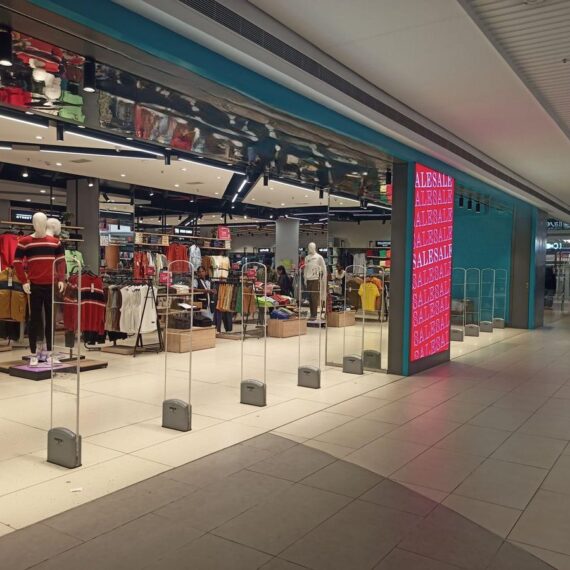
Retail Anti‑Theft Systems are versatile and essential across virtually all types of retail environments. From high-end boutiques to large supermarkets, these systems play a critical role in protecting inventory, reducing losses, and improving operational efficiency. Let’s explore their uses in detail:
1. Apparel and Fashion Stores
Challenge: Clothing and fashion accessories are highly susceptible to theft due to their small size, high resale value, and easy concealment.
Solution: Retail Anti‑Theft Systems in fashion stores often combine hard EAS tags, RFID labels, and strategically placed exit gates.
Example Use Case:
- A boutique selling designer dresses and handbags implemented RFID tagging on all high-value items.
- Exit gates at the store entrances detect any unauthorized removals.
- Video analytics track unusual behaviors, such as customers repeatedly handling premium items without purchase.
Benefits:
- Reduced incidents of theft by 40–50% within the first few months.
- Real-time inventory visibility ensures popular items remain in stock.
- Employees can focus on customer service instead of manually monitoring shoplifting.
2. Electronics and Technology Retailers
Challenge: High-value electronics like smartphones, laptops, and gaming consoles are prime targets for organized retail crime and opportunistic theft.
Solution: Retail Anti‑Theft Systems integrate RFID tagging, video surveillance, and shelf sensors for these products.
Example Use Case:
- A tech store placed RFID tags on all tablets, phones, and accessories.
- Smart checkout systems deactivate tags upon purchase, preventing false alarms.
- Cameras with analytics detect loitering near high-value displays and alert staff immediately.
Benefits:
- Theft attempts decrease significantly due to visible and hidden deterrents.
- Staff can monitor multiple products simultaneously without constant manual supervision.
- Analytics provide insights into which items are most targeted, allowing for smarter placement and security adjustments.
3. Grocery and Convenience Stores
Challenge: Small, everyday items like snacks, beverages, or high-margin packaged goods are frequently stolen, often in quick grab-and-run incidents.
Solution: Soft tags, shelf sensors, and discreet cameras are most effective here.
Example Use Case:
- A chain of convenience stores added EAS labels to high-theft items such as candy, spirits, and cosmetics.
- Shelf sensors trigger alerts if items are removed without payment.
- CCTV footage automatically records alarm events for later review.
Benefits:
- Shrinkage from small-item theft drops dramatically.
- Staff can focus on assisting customers rather than watching for shoplifting.
- Insurance providers often offer lower premiums due to enhanced loss prevention.
4. Pharmacies and Drugstores
Challenge: Over-the-counter medications, supplements, and premium personal care products are vulnerable to theft, which can result in regulatory and financial risks.
Solution: Integration of EAS tags, RFID tracking, and cameras with facial recognition ensures high-value items remain secure.
Example Use Case:
- A pharmacy tagged all over-the-counter medications with RFID labels.
- Staff are alerted when a product is removed without scanning at checkout.
- Video analytics monitor suspicious behavior, such as repeated handling of controlled items.
Benefits:
- Reduces both opportunistic and repeat theft incidents.
- Provides compliance documentation for regulatory audits.
- Enhances customer confidence, as products are securely displayed and accessible.
5. Luxury Goods and Jewelry Stores
Challenge: High-value luxury items require extremely tight security, but stores also want to maintain a welcoming, premium shopping experience.
Solution: Retail Anti‑Theft Systems combine RFID, discreet exit sensors, video analytics, and employee access controls.
Example Use Case:
- A jewelry store installed RFID tags on all rings, watches, and necklaces.
- Hidden in-case sensors detect unauthorized movement, triggering silent alerts to staff.
- CCTV cameras automatically focus on high-risk areas during peak shopping hours.
Benefits:
- Protects high-value inventory without disrupting the shopping experience.
- Alerts allow staff to intervene before theft occurs.
- Reduces insurance costs due to robust security measures.
6. Warehouse-Style Retailers
Challenge: Large, open-layout stores selling bulk merchandise can be difficult to monitor manually. Theft occurs at multiple points, including entrances, aisles, and self-checkout areas.
Solution: Wide-range RFID readers, overhead sensors, and integrated surveillance systems are ideal.
Example Use Case:
- A warehouse-style electronics retailer equipped each aisle with RFID readers.
- Cameras provide full coverage, monitoring high-traffic areas.
- Security staff receive instant alerts on mobile devices when suspicious activity is detected.
Benefits:
- Reduces shrinkage across large areas.
- Enables remote monitoring for multi-location stores.
- Inventory tracking is accurate across all aisles and locations.
Additional Use: Helps in identifying loss trends for bulk items and improving layout efficiency.
7. Bookstores and Specialty Shops
Challenge: Even low-value items like books, stationery, or collectibles add up to significant losses when stolen regularly.
Solution: Anti-theft systems use soft EAS labels, shelf sensors, and video monitoring for discreet but effective protection.
Example Use Case:
- A specialty bookstore tagged all high-demand novels and collectibles.
- Exit gates trigger alarms for unpaid items while allowing customers to browse freely.
- CCTV records suspicious incidents for post-event review.
Benefits:
- Protects small, high-volume items.
- Reduces the need for manual monitoring by staff.
- Ensures accurate stock counts for popular books and collectibles.
8. Multi-Category Department Stores
Challenge: Stores with multiple product categories (clothing, electronics, cosmetics, toys) face diverse theft risks, making unified monitoring complex.
Solution: A combination of EAS, RFID, in-shelf sensors, and integrated video analytics provides comprehensive coverage.
Example Use Case:
- A department store installed a central monitoring system integrating all store sections.
- Staff receive real-time alerts for any unauthorized movement of tagged merchandise.
- Analytics dashboards provide insights on theft hotspots and trends per department.
Benefits:
- Consolidated loss prevention across multiple product categories.
- Improved operational efficiency by reducing false alarms.
- Strategic insights for store layout and staffing improvements.
Why Choose Axle Systems for Retail Anti‑Theft Systems
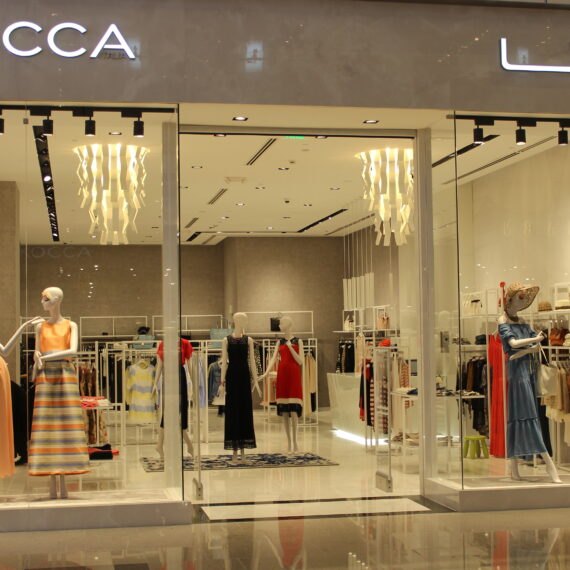
Selecting the right partner for your Retail Anti‑Theft Systems is as critical as choosing the technology itself. The right supplier ensures not only high-quality equipment but also professional guidance, seamless installation, and ongoing support. Axle Systems has built a reputation as a leading provider of advanced anti-theft solutions for retailers of all sizes. Here’s why partnering with Axle Systems is a smart decision:
1. Expertise in Retail Security
Axle Systems brings years of experience in designing, implementing, and maintaining Retail Anti-Theft Systems across multiple industries. Their team understands the unique challenges faced by different types of retail operations—from small boutiques to large warehouse-style stores.
Key Advantages:
- Tailored solutions for every store layout
- Deep knowledge of industry-specific theft patterns
- Expertise in integrating multiple technologies such as EAS, RFID, and video analytics
2. Customized Solutions for Every Retail Environment
No two retail stores are alike, and off-the-shelf solutions often fail to address specific operational needs. Axle Systems specializes in customizing Retail Anti-Theft Systems based on your store’s:
- Size and layout
- Product types and risk level
- Customer traffic patterns
- Existing technology infrastructure
Benefit: Tailored solutions ensure maximum protection while optimizing costs and operational efficiency.
3. Advanced Technology Partnerships
Axle Systems partners with industry-leading manufacturers to supply the latest and most reliable anti-theft technologies, ensuring durability, accuracy, and ease of use. Their systems are state-of-the-art yet user-friendly, giving retailers confidence in both security and operations.
Technologies Offered Include:
- EAS gates and tags for apparel, cosmetics, and packaged goods
- RFID-based tracking systems for inventory management
- AI-powered video surveillance and behavior analytics
- In-shelf sensors for small, high-risk merchandise
4. Professional Installation and Staff Training
Technology is only as effective as its implementation. Axle Systems provides end-to-end services that include:
- Site surveys and risk assessments
- Custom system design and planning
- Professional installation with minimal disruption
- Staff training on system use, maintenance, and troubleshooting
5. Ongoing Support and Maintenance
Retail anti-theft systems require continuous monitoring, updates, and maintenance to remain effective. Axle Systems offers comprehensive post-installation support:
- Routine maintenance checks
- Software updates for analytics and monitoring systems
- Remote troubleshooting and assistance
- Quick response to technical issues
Benefit: Retailers can rely on their Retail Anti-Theft Systems to perform reliably, protecting their inventory and revenue without interruptions.
6. Proven Track Record and Customer Success
Axle Systems has a demonstrated history of successful implementations across multiple retail sectors. Their solutions have helped retailers:
- Reduce shrinkage by up to 50%
- Improve inventory accuracy by 30–40%
- Enhance staff productivity
- Create safer, more confident shopping environments
7. Scalability and Future-Readiness
Axle Systems designs systems with growth and future technology in mind. Their solutions can be:
- Scaled to multiple locations
- Integrated with new technologies like AI analytics or mobile monitoring
- Upgraded without major overhauls
Benefit: Retailers investing in Axle Systems today can expand their anti-theft capabilities tomorrow, ensuring long-term value and adaptability.
8. Data-Driven Security Insights
Beyond basic theft prevention, Axle Systems’ solutions provide actionable data that retailers can use to improve overall business operations:
- Identify high-risk areas and merchandise
- Analyze patterns in shoplifting or employee errors
- Optimize staffing and store layouts
- Integrate security data with inventory and sales metrics
Core Components of a Retail Anti‑Theft Systems from Axle Systems
Axle Systems provides a complete suite of anti‑theft hardware and software designed for seamless performance.
1. EAS Tags and Labels
Premium tags designed for durability and reliability, available in multiple formats:
- Hard tags (for apparel and accessories)
- Soft labels (for packaged goods)
- Dual EAS + RFID labels
Each tag type is paired with optimized removal or deactivation tools at checkout.
2. Detection Gates
Stylish and low‑profile gates at store exits that:
- Detect active tags
- Notify staff with visual and audio alerts
- Integrate with CCTV and alarms
3. RFID Readers and Antennas
For advanced tracking and inventory insights, RFID readers scan multiple items simultaneously, allowing fast counts and real‑time tracking.
4. Security Cameras and Analytics
Cameras with high resolution and intelligent analytics that:
- Detect suspicious behavior
- Automatically record alarm events
- Integrate with loss prevention dashboards
5. Staff Tools
Employees are equipped with:
- Handheld scanners
- Tag removers and deactivators
- Alert systems
- Training documentation
Common FAQs About Retail Anti‑Theft Systems
Below are frequently asked questions that retailers ask about anti‑theft systems.
Q1. What types of retail stores need Retail Anti‑Theft Systems?
Answer: All retail stores benefit from theft prevention. While high‑value item stores (electronics, luxury goods, etc.) have greater risk, even small boutiques and specialty shops see improved loss control with anti‑theft systems
Q2. Do Retail Anti‑Theft Systems work with RFID inventory tracking?
Answer: Yes. Many modern Retail Anti‑Theft Systems incorporate RFID technology, which not only detects unauthorized exits but also tracks inventory throughout the store, warehouse, and supply chain.
Q3. How much do Retail Anti‑Theft Systems cost?
Answer: Costs vary depending on store size, number of entrances, type of technology (EAS only vs. EAS + RFID), and customization level. Axle Systems provides free consultations and quotes tailored to your needs.
Q4. Can I install Retail Anti‑Theft Systems in an existing store?
Answer: Absolutely. Axle Systems specializes in retrofitting existing retail spaces with Retail Anti‑Theft Systems technology without major disruption to daily operations.
Q5. How do the sensors detect theft?
Answer: Sensors detect active tags that haven’t been deactivated at checkout. When a tag passes through a detection gate, alarms or alerts are triggered. In RFID systems, readers track multiple tags in real time.
Q6. Will Retail Anti‑Theft Systems alarms go off accidentally?
Answer: Proper installation and staff training significantly reduce false alarms. Axle Systems configures systems to balance sensitivity with real‑world shopping behavior.
Q7. Are these systems easy for staff to use?
Answer: Yes. Retail Anti‑Theft Systems supplied by Axle Systems are designed with usability in mind. Staff training is included, and interfaces are intuitive.
Q8. Do Retail Anti‑Theft Systems improve customer experience?
Answer: Yes. When implemented carefully, these systems are unobtrusive. RFID systems, in particular, enhance inventory accuracy, which improves product availability and customer satisfaction.
Contact Axle Systems Today
Are you ready to secure your store and protect your inventory? Contact Axle Systems today for a free consultation and customized Retail Anti‑Theft Systems quote.
Phone: +974 44682391/77443731
Email: info@axlesys.com
Website: www.axlesys.com
Office: P.O.Box: 200081, Al Khalidiya Street, Najma, Doha, Qatar
Whether you operate one store or a nationwide chain, Axle Systems has the expertise, technology, and support you need to stay secure, compliant, and profitable.
Conclusion
In the modern retail landscape, theft is not just a financial loss — it affects profit margins, inventory management, customer trust, and overall brand reputation. From small boutiques to large warehouse-style stores, retailers face persistent challenges from opportunistic shoplifters, organized retail crime, and even internal errors that contribute to shrinkage. Implementing a robust Retail Anti-Theft System is no longer an optional security measure — it’s a strategic business decision that safeguards revenue and strengthens operations.
Why Retail Anti-Theft Systems Are Essential
Investing in anti-theft solutions provides retailers with multi-layered protection:
- Financial Protection: By preventing theft, stores save significant amounts in lost revenue, protecting profit margins.
- Operational Efficiency: Systems like RFID and EAS streamline inventory management, reduce manual counting, and improve stock accuracy.
- Enhanced Safety: Integrated surveillance and monitoring create a secure environment for both customers and employees.
- Data-Driven Insights: Modern systems offer analytics that inform business decisions, such as staffing schedules, product placement, and security enhancements.
- Customer Experience: Anti-theft systems allow stores to maintain open, inviting displays while ensuring merchandise security, enhancing the overall shopping experience.
Axle Systems: Your Trusted Partner
Selecting the right provider is just as critical as choosing the technology itself. Axle Systems combines expertise, advanced technology, and end-to-end support to deliver solutions tailored to each retail environment. Whether your store is a small boutique, a pharmacy, a department store, or a luxury goods retailer, Axle Systems ensures:
- Customized solutions aligned with your store layout and merchandise
- Seamless installation and integration with existing systems
- Staff training and ongoing technical support
- Scalable solutions that grow with your business
By choosing Axle Systems, you gain more than just equipment — you gain a trusted partner committed to reducing shrinkage, enhancing operational efficiency, and protecting your bottom line.
Maximizing ROI with Anti-Theft Solutions
The cost of implementing a retail anti-theft system is quickly offset by the financial and operational benefits it delivers. Reduced shrinkage, improved inventory management, lower insurance premiums, and enhanced customer confidence all contribute to a rapid return on investment. In addition, the actionable insights provided by analytics help retailers make smarter business decisions, optimizing everything from store layout to staffing and product placement.
Looking Ahead: Future-Proofing Retail Security
Retail technology continues to evolve, and Axle Systems ensures your business stays ahead of the curve. Their solutions are designed to integrate with emerging technologies such as AI-powered analytics, cloud monitoring, mobile alerts, and smart POS systems. This means that your anti-theft system remains flexible, scalable, and future-ready, capable of adapting to new retail trends and security challenges.
Take Action Today
Retail shrinkage, theft, and inventory discrepancies are challenges no retailer can afford to ignore. Investing in a comprehensive Retail Anti‑Theft Systems is not just about preventing loss — it’s about protecting your business, your employees, and your customers. By partnering with Axle Systems, you can implement solutions that are effective, reliable, and tailored to your store’s specific needs.
Whether you manage a single outlet or a nationwide chain, proactive security measures give you peace of mind, operational efficiency, and a stronger bottom line. The time to secure your retail environment is now — don’t let theft and inventory loss compromise your success.
Protect your inventory, enhance your operations, and grow your business confidently with Axle Systems’ Retail Anti-Theft Solutions.