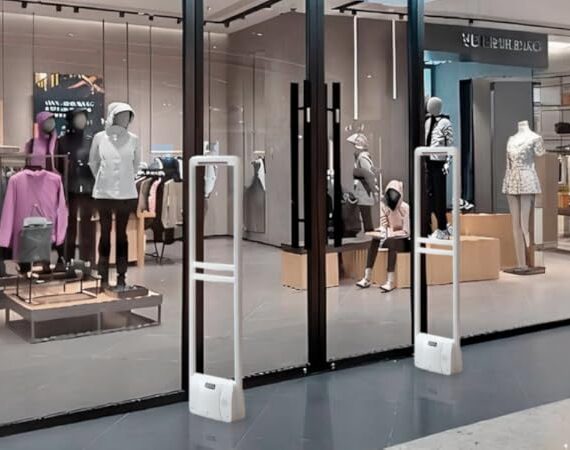

Retail Anti Theft System
Retail theft is a major challenge facing businesses worldwide. From small boutiques to large department stores, theft can significantly impact profits and operational efficiency. To combat this, the Retail Anti Theft System has become an essential security investment for retailers. These advanced systems help protect merchandise, reduce shrinkage, and create a safer shopping environment.
At Axle Systems, a leading supplier of Retail Anti Theft System in Qatar, we offer state-of-the-art solutions including trusted brands like Cross Point, designed to safeguard your business effectively. In this blog post, we will explore everything you need to know about Retail Anti Theft Systems — their benefits, features, applications, and why Axle Systems is your ideal partner in Qatar.
What is a Retail Anti Theft System?
A Retail Anti Theft System (also known as Electronic Article Surveillance or EAS) is a technology-driven security solution designed to prevent shoplifting and theft in retail environments. It typically consists of electronic tags or labels attached to merchandise and detection equipment installed at store exits.
When a customer tries to leave the store without properly deactivating or removing the tag, the system triggers an alarm to alert store staff. This technology acts as a deterrent against theft and helps retailers monitor and protect their inventory.

Key Components of a Retail Anti Theft System
A Retail Anti Theft System is made up of several crucial components that work together seamlessly to prevent theft and protect your store’s merchandise. Understanding these key parts will help you appreciate how the system functions as an integrated security solution.
1. Tags or Labels
Tags or labels are the heart of any Retail Anti Theft System. These small but powerful devices are attached directly to the merchandise and serve as electronic markers that interact with the detection gates at the store’s exits.
- Hard Tags: These are the most common type of tags, made from durable plastic designed to withstand wear and tear. Hard tags usually come with a locking mechanism that securely attaches to clothing or accessories. They are reusable, meaning once removed at checkout, they can be reattached to other products. These tags come in various shapes and sizes and often require a special tool to remove or deactivate, making it difficult for shoplifters to tamper with them.
- Soft Labels: Soft labels are thin, adhesive-backed tags that stick to products like books, cosmetics, DVDs, and packaged goods. These labels are generally disposable and deactivated electronically at the checkout counter. Their slim profile makes them less noticeable to customers, making them ideal for products where a hard tag would be cumbersome or visually intrusive.
- Ink Tags: Ink tags contain a small reservoir of indelible ink designed to deter theft through damage to the merchandise. If a thief attempts to forcibly remove the tag, the ink spills onto the item, rendering it unusable and significantly reducing its resale value. Ink tags are often used on high-risk items such as clothing and accessories.
Each type of tag serves a specific purpose and can be chosen based on the type of merchandise and security level required.
2. Detectors/Gates
Detectors or gates are the electronic sensors installed at store entrances and exits. Their main function is to detect active tags that have not been properly deactivated or removed. These gates form the critical checkpoint in the system, alerting staff when merchandise is potentially being stolen.
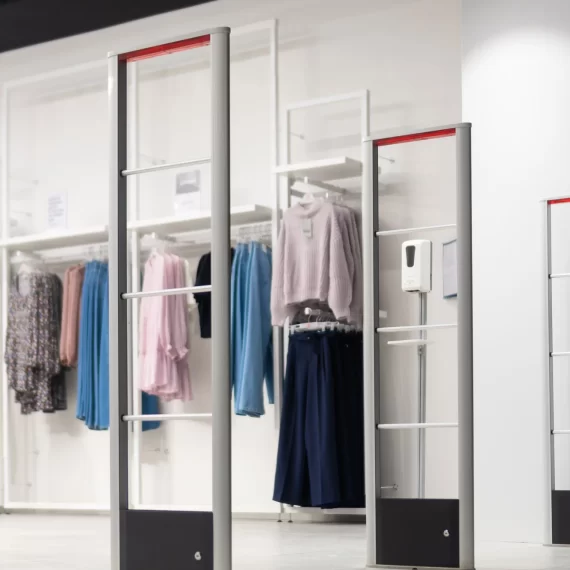
- Placement: Detectors are strategically positioned at all customer exit points to ensure every person leaving the store passes through them. The gates typically come in pairs or multiple units depending on the store size and layout.
- Technology: Modern detection gates use different technologies such as Radio Frequency (RF), Acousto-Magnetic (AM), or Electro-Magnetic (EM) detection to identify active tags. These technologies differ in sensitivity, range, and the types of tags they can detect, allowing retailers to choose the best fit for their specific needs.
- Operation: When a tagged item passes through the detection field and the tag remains active (not removed or deactivated), the gates trigger an alert system. This might include an audible alarm, flashing lights, or other visible indicators to notify store staff immediately.
3. Deactivation/Removal Devices
Deactivation or removal devices are essential tools used at the checkout counter to disable or remove the security tags from merchandise once it has been paid for. This process ensures that customers can leave the store with their purchases without triggering alarms.
- Tag Deactivators: For soft labels and certain electronic tags, deactivators use magnetic or electronic signals to neutralize the tag’s detection capability. This is usually done by passing the product with the label over or near the deactivation device integrated into the cashier’s counter.
- Tag Removers: Hard tags require physical removal using specialized removal tools. These tools unlock the tag’s locking mechanism without damaging the product or the tag itself. This enables the tags to be reused multiple times, making them cost-effective for retailers.
- User-Friendly: These devices are designed to be quick and easy to operate, ensuring that the checkout process remains smooth and efficient without causing delays or inconveniencing customers.
4. Alarms
The alarm system is the final and most visible component of the Retail Anti Theft System. It acts as an immediate notification mechanism, alerting store personnel of a possible theft attempt.
- Audible Alarms: When an active tag is detected passing through the gates without deactivation, a loud siren or beep sounds to draw attention. This sudden noise is intended to deter shoplifters and alert security staff instantly.
- Visual Alarms: In addition to sound, many systems include flashing lights or LED indicators at the gates to provide a clear, visual signal of an alarm condition. This helps in noisy or crowded environments where an audible alarm alone may not be enough.
- Integration with Security: Advanced Retail Anti Theft Systems can also be connected to the store’s CCTV cameras, allowing security staff to quickly identify and respond to theft attempts. Some systems can notify security personnel via mobile devices or integrate with broader building security systems for comprehensive protection.
- False Alarm Minimization: Modern systems are equipped with smart sensors and software algorithms that reduce false alarms caused by environmental factors such as metallic objects, shopping carts, or legitimate product movement, helping staff focus on genuine theft attempts.
Benefits of Retail Anti Theft System
Implementing a Retail Anti Theft System is one of the smartest investments a retailer can make to protect their business. Beyond just preventing theft, these systems offer a wide range of benefits that improve your store’s operational efficiency, profitability, and customer experience. Let’s explore these benefits in detail.
1. Reduce Inventory Shrinkage
Inventory shrinkage, the loss of products between purchase from suppliers and sale to customers, is a significant challenge in retail. One of the primary causes of shrinkage is theft — either by shoplifters or sometimes even internal employees. Studies show that shrinkage can range from 1% to 3% of total retail sales, which translates to millions of dollars lost annually for large retailers.
By installing a Retail Anti Theft System, you actively deter shoplifters because the presence of visible security tags and exit detectors acts as a powerful psychological barrier. Potential thieves are much less likely to attempt stealing if they know an alarm will alert staff instantly.
Moreover, the system helps prevent merchandise from leaving the store without being paid for, directly reducing shrinkage. This improved inventory control protects your bottom line, ensuring that the products you purchase actually translate into sales revenue.
2. Enhance Store Security
Retail Anti Theft System adds a crucial layer to your overall store security infrastructure. While CCTV cameras and security personnel play an essential role, they have limitations in coverage and real-time detection.
Detection gates installed at all store exits monitor every customer leaving the premises around the clock. Unlike human staff who may miss suspicious activity during busy times, the system provides constant, vigilant oversight without fatigue or distraction.
Combined with other security measures, the Retail Anti Theft System helps create a comprehensive loss prevention strategy. They increase the likelihood of catching theft attempts in progress and act as a deterrent that discourages shoplifters from targeting your store altogether.
3. Improve Staff Productivity
Before installing Retail Anti Theft System, store employees often have to dedicate a significant portion of their attention to watching for suspicious behavior or manually checking bags, which diverts their focus from customer service.
With a reliable Retail Anti Theft System in place, the responsibility of monitoring for theft is largely automated. Staff no longer need to be constantly on high alert for shoplifting, freeing them to engage with customers, provide assistance, and improve the overall shopping experience.
This shift not only enhances employee morale but also increases store efficiency and sales conversions because staff can focus on what matters most — serving customers.
4. Increase Customer Confidence
Security isn’t only about preventing losses; it also shapes how customers perceive your store. Shoppers feel safer and more comfortable in an environment where security measures are visibly in place, yet unobtrusive.
Knowing that the store takes theft prevention seriously can give customers peace of mind, encouraging them to spend more time browsing and making purchases. Additionally, a secure store reduces incidences of theft-related disturbances or conflicts, contributing to a more pleasant shopping atmosphere.
Ultimately, enhanced security leads to better customer satisfaction and loyalty, supporting long-term business growth.
5. Cost-Effective Solution
While theft-related losses can significantly impact profit margins, hiring additional security guards or implementing more intrusive security measures can be costly.
Retail Anti Theft System offers a highly cost-effective alternative by providing continuous protection with minimal ongoing costs. The initial investment in hardware such as tags, detectors, and deactivation devices is quickly offset by the reduction in shrinkage and the avoidance of loss-related expenses.
Additionally, modern systems are designed to be durable and reusable, which lowers maintenance and replacement costs. Compared to manual security methods, automated anti-theft technology delivers more reliable results at a fraction of the cost.
6. Flexible and Scalable
Every retail business is unique, and the security solution must match your specific needs. Modern Retail Anti Theft System are designed to be highly flexible and scalable, allowing retailers to customize the setup based on store size, product types, and layout.
For example, a small boutique may only require one or two detection gates and a mix of hard tags for clothing. Meanwhile, a large supermarket or department store can implement multiple gates at various exits with a combination of soft labels and hard tags to cover a wide range of merchandise.
Furthermore, systems can be easily expanded or upgraded as your business grows. Adding more detection gates, changing tag types, or integrating with advanced analytics platforms can all be done without overhauling the entire system.
This adaptability ensures that your investment in anti-theft technology remains relevant and effective over time, regardless of changes in your store’s operations.
Features of Retail Anti Theft System
Retail Anti Theft System have evolved significantly to cater to the wide-ranging needs of retailers — from small boutiques to sprawling shopping malls. Today’s systems come equipped with a variety of sophisticated features that ensure maximum protection, operational efficiency, and seamless integration with store environments. Below is a detailed look at these important features.
1. Multiple Tag Types
A key feature of Retail Anti Theft System is their support for various types of tags, each designed to suit different merchandise categories and retail environments. This flexibility ensures that every product can be secured effectively without compromising customer convenience or product integrity.
- Hard Tags:
Hard tags are sturdy, reusable security devices typically made from tough plastic. They are most commonly used on apparel, electronics, and accessories — items that can accommodate a bulky tag without damage. These tags come with locking mechanisms that require a specialized tool for removal at the point of sale. Hard tags are designed to resist tampering or removal by thieves, making them one of the most reliable security options for high-value or frequently targeted goods. - Soft Labels:
Soft labels are thin, adhesive-backed tags that stick directly onto the surface of items such as books, cosmetics, DVDs, or other packaged products. These labels are usually disposable and are electronically deactivated at checkout to avoid triggering the alarm system. Their unobtrusive nature makes them ideal for products where bulky hard tags would be impractical or visually disruptive. - Ink Tags:
Ink tags are specialized security tags that contain a small capsule filled with indelible ink. If a thief attempts to forcibly remove the tag, the ink is released, permanently damaging the merchandise and deterring theft. Ink tags are especially useful for high-risk items where theft prevention needs to be particularly aggressive, such as clothing or fashion accessories.
By supporting multiple tag types, Retail Anti Theft System can be customized to fit the specific security needs of every retail environment.
2. Advanced Detection Technology
Detection technology is the core component that enables security gates to sense whether an active security tag is passing through the store exits. Modern Retail Anti Theft System utilize advanced detection technologies that offer superior sensitivity, reliability, and reduced false alarms.
- Radio Frequency (RF):
RF technology is one of the most widely used in retail environments due to its reliability and moderate detection range. RF systems work by transmitting radio waves between the detection gates and the security tags. When an active tag passes through the gate’s detection field, the system triggers an alarm. RF systems are ideal for general retail use and provide an effective balance between cost and performance. - Acousto-Magnetic (AM):
AM technology is known for its high sensitivity and longer detection range compared to RF. It operates by emitting magnetic signals that interact with AM tags embedded in merchandise. One of the key advantages of AM systems is their low false alarm rate, even in complex store environments with metallic shelving or shopping carts. This makes AM technology especially suited for high-end retail stores and locations with large foot traffic. - Electro-Magnetic (EM):
EM systems use electromagnetic signals and are especially effective in environments with a high density of metal objects, such as libraries, hardware stores, or electronics shops. EM tags can be detected even when hidden inside metallic packaging or cases. While EM systems generally have a shorter detection range than AM, their ability to work in challenging environments makes them indispensable for certain retail categories.
Retailers can select detection technology based on their store’s layout, merchandise type, and security requirements.
3. User-Friendly Deactivation
At the point of sale, security tags must be quickly and easily deactivated or removed to allow customers to leave with purchased items without setting off alarms. Modern Retail Anti Theft Systems feature user-friendly deactivation devices designed to streamline this process.
- Tag Deactivation: For soft labels and some electronic tags, deactivation devices use magnetic or electronic signals to instantly neutralize the tag’s alarm capability. This is usually integrated into the cashier’s workstation, allowing quick, hands-free operation.
- Tag Removal: Hard tags require specialized removal tools that unlock the tag’s locking mechanism without damaging the product. These tools are designed for speed and ease of use, ensuring smooth and efficient checkout experiences for both staff and customers.
By making the deactivation/removal process seamless, these systems help retailers maintain fast service speeds and minimize customer wait times.
4. Low False Alarm Rates
One of the biggest challenges with anti-theft systems is preventing false alarms, which can disrupt operations and annoy customers. Modern Retail Anti Theft Systems incorporate smart algorithms and advanced sensor technologies to minimize false positives.
- Environmental Filtering: Systems can distinguish between legitimate tagged merchandise and common environmental interference such as metal objects, shopping carts, or handheld devices.
- Customizable Sensitivity: Retailers can adjust the detection sensitivity to optimize performance based on store size, layout, and traffic patterns.
- Self-Diagnostics: Many systems include automatic diagnostic features that monitor system health and alert staff if maintenance or recalibration is needed, preventing unnecessary false alarms.
This focus on accuracy helps maintain a positive shopping experience while ensuring security integrity.
5. Modular Design
Retail stores come in many sizes and configurations, from compact boutiques to expansive malls. Anti-theft systems feature a modular design that allows retailers to build a custom security solution tailored to their specific environment.
- Multiple Gates and Detectors: Depending on store size and number of exits, retailers can install multiple detection gates configured to cover all exit points effectively.
- Mix of Tag Types: The system supports the use of different tag types simultaneously, enabling a versatile approach to securing various product categories within the same store.
- Expandable Setup: Systems can be expanded easily by adding more gates, detectors, or tags as the business grows or the store layout changes.
Modularity ensures that your investment in retail security is future-proof and adaptable.
6. Aesthetic Integration
Security systems don’t have to be bulky or visually intrusive. Today’s Retail Anti Theft Systems feature sleek, modern designs that blend seamlessly into store décor.
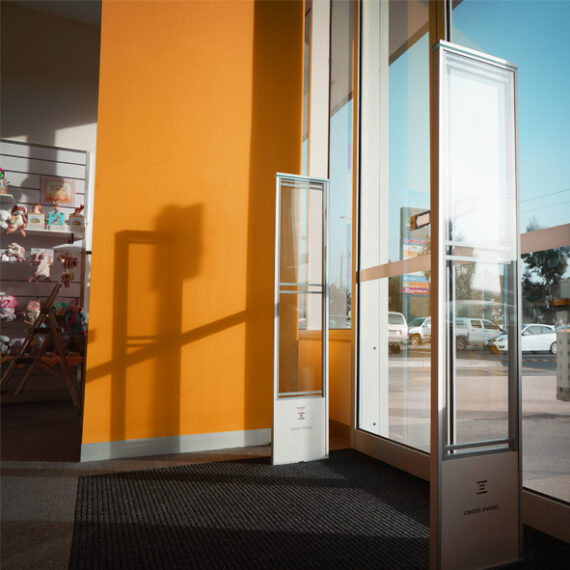
- Slim Profile Gates: Detection gates are designed with minimal footprints, ensuring they don’t obstruct customer flow or clutter entrance areas.
- Customizable Colors and Finishes: Some manufacturers offer options to match gate colors and finishes with the store’s interior design, preserving a polished and professional look.
- Discreet Tag Placement: Soft labels and low-profile hard tags help maintain product aesthetics, allowing customers to enjoy a pleasant, distraction-free shopping experience.
This thoughtful design approach helps maintain the store’s brand image while ensuring top-notch security.
7. Remote Monitoring and Integration
Advanced Retail Anti Theft Systems go beyond standalone hardware by integrating with broader store management and security platforms.
- Real-Time Remote Monitoring: Some systems offer remote monitoring capabilities that allow security managers to oversee alarms and system status from mobile devices or centralized control rooms. This enables faster response times to potential theft incidents.
- Integration with CCTV and POS: Anti-theft alarms can trigger linked CCTV cameras to record or notify security personnel. Integration with Point of Sale (POS) systems also helps correlate transactions with tag deactivations, enabling better loss prevention analytics.
- Data Analytics and Reporting: Modern systems may provide detailed reports and analytics on alarm events, theft trends, and system performance, supporting data-driven decision making for inventory control and security planning.
Remote monitoring and integration transform anti-theft systems from simple detection tools into sophisticated components of a comprehensive retail security ecosystem.
Uses of Retail Anti Theft System
Retail Anti Theft Systems are versatile and used across a broad spectrum of retail sectors:
1. Apparel and Fashion Stores
Clothing shops widely use hard tags and soft labels to protect garments, accessories, and shoes.
2. Electronics Retailers
High-value electronics such as smartphones, tablets, and cameras require robust anti-theft measures.
3. Supermarkets and Grocery Stores
Soft labels attached to packaged goods and small items help prevent shoplifting in large supermarkets.
4. Pharmacies and Cosmetic Stores
Sensitive products such as cosmetics and medicines are protected with discreet labels or tags.
5. Bookstores and Libraries
EM tags protect books and valuable media assets.
6. Jewelry and Luxury Goods Stores
Sophisticated systems provide high security to protect expensive merchandise.
7. Department Stores and Shopping Malls
Large retailers and malls implement Anti Theft Systems on multiple entrances/exits for comprehensive coverage.
Popular Retail Anti Theft System Brands: Cross Point
One of the top brands trusted by retailers worldwide is Cross Point. Known for their reliability, quality, and innovation, Cross Point offers a wide range of anti-theft solutions:
- Cross Point RF Systems: Radio Frequency systems ideal for general retail use.
- Cross Point AM Systems: Acousto-Magnetic systems for high-value items with superior detection.
- Cross Point Soft Labels and Hard Tags: Durable and customizable tags for various merchandise types.
- Cross Point Accessories: Tag removers, deactivators, and alarm systems.
Cross Point’s products are designed to maximize theft prevention with minimal impact on the shopping experience, making them a preferred choice for retailers globally.
Why Choose Axle Systems for Retail Anti Theft System in Qatar?
At Axle Systems, we specialize in supplying and installing Retail Anti Theft Systems in Qatar. We understand the unique security challenges faced by retailers in the region and provide customized solutions tailored to your business needs.
Our Advantages:
- Authorized Supplier: We offer genuine products from leading brands like Cross Point.
- Expert Consultation: Our team conducts thorough site assessments and recommends the best system for your store.
- Professional Installation: Experienced technicians ensure seamless installation with minimal disruption.
- After-Sales Support: Comprehensive maintenance and repair services to keep your system running smoothly.
- Competitive Pricing: We provide cost-effective solutions without compromising quality.
- Customer Training: We train your staff on system operation and maintenance for maximum effectiveness.
Contact Us:
If you are looking to secure your retail business with a reliable Anti Theft System, contact Axle Systems today!
- Phone: +974 4468 2391
- Email: info@axlesys.com
- Website: www.axlesys.com
- Address: P.O.Box: 200081, Al Khalidiya Street, Najma, Doha, Qatar
Our team is ready to help you choose the right solution to protect your merchandise and reduce losses.
Common FAQs about Retail Anti Theft System
Q1: How does a Retail Anti Theft System work?
A: The system uses electronic tags attached to merchandise that trigger an alarm if not deactivated or removed at the checkout before exiting the store. Detection gates installed at exits sense the presence of active tags.
Q2: What types of tags are available?
A: Common tags include hard tags (reusable, durable), soft labels (adhesive and disposable), and ink tags (contain ink that spills if forcibly removed).
Q3: Are Retail Anti Theft Systems suitable for all store sizes?
A: Yes, systems can be customized to fit small boutiques, large supermarkets, department stores, and malls.
Q4: Can the system cause false alarms?
A: Modern systems are designed to minimize false alarms using advanced detection technology and careful installation.
Q5: Will the tags damage the merchandise?
A: No, tags and labels are designed to be safe for products and can be removed or deactivated without causing damage.
Q6: Can the system be integrated with other security solutions?
A: Yes, many Retail Anti Theft Systems can be integrated with CCTV, alarm systems, and store management software for enhanced security.
Q7: How much does it cost to install an Anti Theft System?
A: Costs vary based on store size, number of detection points, and type of tags used. Contact Axle Systems for a personalized quote.
Q8: What brands do you supply?
A: Axle Systems supplies leading brands such as Cross Point, known for high-quality, reliable anti-theft solutions.
Q9: Do you provide installation and maintenance?
A: Yes, we offer full installation services and ongoing maintenance support to ensure system reliability.
Conclusion
Retail theft is a persistent challenge, but with the right Retail Anti Theft System, you can effectively protect your inventory and improve your store’s security. From reducing shrinkage to enhancing customer confidence, the benefits are clear.
Axle Systems is proud to be Qatar’s trusted supplier of premium Retail Anti Theft Systems, including solutions from the renowned brand Cross Point. Our expertise, quality products, and dedicated support make us the best choice to safeguard your retail business.
Don’t wait until theft affects your profits—contact Axle Systems today to secure your store with the latest anti-theft technology.