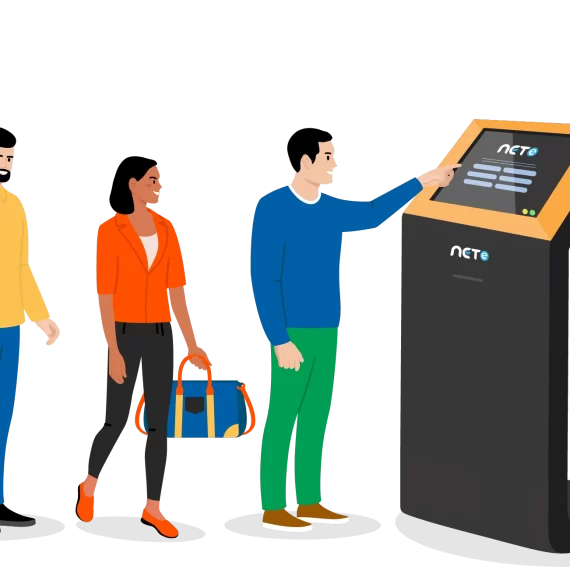

Queue System in Qatar
In today’s fast-paced world, delivering efficient customer service is no longer a luxury—it’s a necessity. One of the most essential tools to streamline customer flow and enhance service delivery is the Queue System. Whether it’s a government office, hospital, retail store, bank, or service center, managing queues effectively leads to better customer satisfaction, reduced wait times, and more productive staff.
If you’re looking for a reliable Queue System in Qatar, Axle Systems is your trusted local supplier. We offer top global brands such as Qmatic, Qbetter, and QueueBee—tailored to the unique needs of businesses and institutions in the region.
What is a Queue System?
A Queue System (also known as a Queue Management System or QMS) is a technology-driven solution designed to manage the flow of people in a structured manner. It helps organizations serve their customers in a fair, transparent, and orderly way.
A Queue System assigns tokens or tickets to each visitor, tracks the service progress, displays the current status, and guides customers to the right service counter or waiting area. It removes the chaos from walk-in traffic and replaces it with structured, data-backed flow management.
The Unparalleled Benefits of Implementing a Queue Management System
The advantages of adopting a robust Queue System extend far beyond simply shortening lines. They impact every facet of your operation, from customer perception to employee morale and ultimately, your bottom line.
For Customers:
- Significantly Reduced Wait Times: This is perhaps the most immediate and tangible benefit. By efficiently managing the flow of customers, a Queue System drastically cuts down on the time individuals spend waiting. This is achieved through:
- Virtual Queuing: Customers can “join the line” remotely via a mobile app, website, or self-service kiosk, eliminating the need to physically stand in a queue. They can wait comfortably elsewhere – in a designated waiting area, a nearby cafe, or even at home – until their turn approaches.
- Real-time Updates: Customers receive continuous notifications (via SMS, mobile app alerts, or digital displays) about their position in the queue, estimated wait times, and when it’s their turn to be served. This transparency alleviates anxiety and gives them a sense of control.
- Optimized Service Flow: By analyzing customer flow, the Queue System can direct customers to the most appropriate service agent or counter, ensuring a smoother and faster transaction.
- Enhanced Customer Satisfaction: A less stressful and more efficient waiting experience directly translates to happier customers. When customers feel their time is valued, they are more likely to have a positive impression of your business, leading to:
- Increased Loyalty: Satisfied customers are more likely to return for future services and recommend your business to others.
- Reduced Frustration and Stress: The uncertainty and discomfort associated with physical queues are eliminated, creating a more relaxed and positive atmosphere.
- Improved Perceived Waiting Time: Even if the actual waiting time remains constant, the perceived waiting time can be significantly reduced when customers are engaged or waiting comfortably, rather than standing idly in line.
- More Options and Flexibility: Modern QMS solutions empower customers with choices:
- Multiple Check-in Methods: Customers can join a queue through various channels – a physical kiosk, a QR code, your website, or a dedicated mobile app.
- Appointment Booking Integration: Many Queue System platforms seamlessly integrate appointment scheduling, allowing customers to pre-book their visit and bypass the queue entirely or join a dedicated appointment queue.
- Remote Waiting: The ability to wait from anywhere provides unparalleled convenience, allowing customers to utilize their waiting time productively.
For Businesses:
- Boosted Employee Productivity and Morale:
- Reduced Manual Queue Management: Staff are freed from the tedious and often stressful task of managing physical lines, directing customers, and answering repetitive questions about wait times.
- Focused Service Delivery: Employees can dedicate their full attention to serving customers, leading to more efficient and higher-quality interactions.
- Improved Work Environment: A less chaotic and more organized environment reduces stress for employees, leading to higher job satisfaction and lower staff turnover.
- Optimized Staff Allocation: Real-time data allows managers to identify peak periods and allocate staff more effectively, preventing bottlenecks and ensuring adequate coverage.
- Enhanced Operational Efficiency:
- Streamlined Processes: Queue System automates many aspects of customer flow, leading to smoother operations and reduced service delivery times.
- Data-Driven Decision Making: Comprehensive reporting and analytics provide invaluable insights into customer behavior, peak hours, service times, and agent performance. This data enables businesses to identify bottlenecks, optimize workflows, and make informed decisions for continuous improvement.
- Reduced Overhead Costs: By optimizing staff allocation and streamlining processes, businesses can potentially reduce the need for additional staffing during peak times and minimize operational disruptions.
- Improved Brand Image and Reputation:
- Modern and Customer-Centric Image: Implementing a Queue System demonstrates a commitment to providing excellent customer service and embracing modern technology.
- Competitive Advantage: In a competitive market, a seamless and efficient customer experience can be a significant differentiator, attracting and retaining more customers.
- Reduced Complaints: Fewer frustrations related to waiting times directly translate to fewer customer complaints.
- Valuable Business Intelligence:
- Real-time Monitoring: Managers can monitor queue status, service times, and customer flow in real time from a centralized dashboard.
- Performance Metrics: Access to KPIs such as average wait time, average service time, no-show rates, and abandonment rates allows for continuous performance evaluation and improvement.
- Customer Journey Mapping: Data from the Queue System can help in understanding the entire customer journey, identifying pain points, and optimizing touchpoints.
Key Features of a Modern Queue System
Modern Queue System are sophisticated platforms equipped with a range of features designed to cater to diverse business needs:
- Virtual Queuing: As mentioned, this allows customers to join a queue without a physical presence.
- Self-Service Kiosks: Interactive kiosks enable customers to check-in, select services, print tickets, and even make appointments.
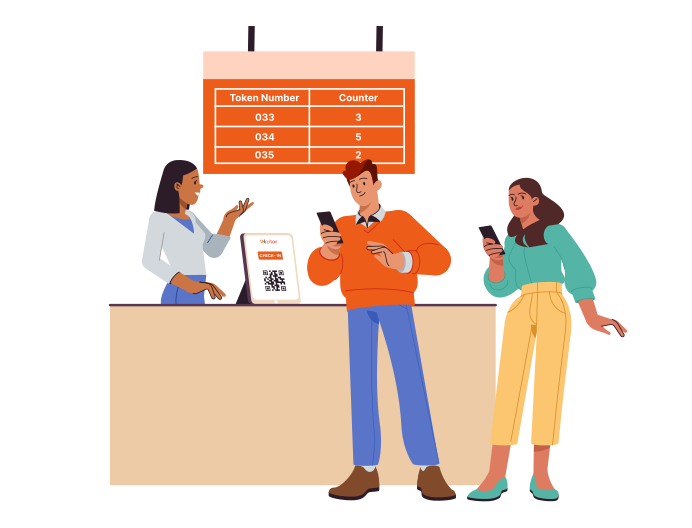
- Digital Signage: Large display screens in waiting areas provide real-time queue updates, estimated wait times, calling numbers, and even promotional content.
- Mobile App Integration: Dedicated mobile applications allow customers to join queues, receive notifications, check their status, and provide feedback.
- SMS/Email Notifications: Automated alerts keep customers informed about their turn, service updates, and appointment reminders.
- Appointment Management: Integrated functionality for booking, rescheduling, and managing customer appointments.
- Centralized Administration Dashboard: A web-based platform for managers to monitor queues, manage staff, configure services, and access analytics from anywhere.
- Real-time Analytics and Reporting: Comprehensive dashboards and reports provide insights into key performance indicators (KPIs) like average wait times, service times, customer flow, and staff efficiency.
- Service Routing and Prioritization: Intelligent algorithms can route customers to the most appropriate agent or service based on their needs, and prioritize specific customer segments (e.g., VIPs, urgent cases).
- Customer Feedback Integration: Built-in tools for collecting customer feedback, such as satisfaction surveys after service completion.
- Multi-language Support: To cater to diverse customer bases.
- Integration Capabilities: Ability to integrate with existing CRM, ERP, and other business systems for a holistic view of customer interactions.
- Customization: Tailoring the system’s interface, workflows, and branding to match specific business requirements.
Diverse Uses of Queue System Across Industries
The versatility of Queue System makes them invaluable across a wide spectrum of industries:
- Healthcare:
- Managing patient flow from arrival to consultation, pharmacy, and lab services.
- Reducing wait times in emergency rooms, clinics, and hospitals.
- Improving patient satisfaction and reducing anxiety.
- Streamlining appointment check-ins.
- Retail:
- Optimizing checkout lines, especially during peak seasons.
- Managing queues for customer service desks, returns, and specialized consultations.
- Enhancing the shopping experience and preventing cart abandonment due to long waits.
- Banking and Financial Services:
- Streamlining customer interactions for tellers, loan officers, and customer service.
- Directing customers to the right department for specific banking needs.
- Reducing perceived wait times in busy branches.
- Government and Public Services:
- Managing citizen flow in government offices (e.g., immigration, licensing, utility services).
- Improving efficiency and reducing frustration for public service delivery.
- Ensuring fair and orderly service for all citizens.
- Telecommunications:
- Managing queues in service centers for bill payments, new connections, and technical support.
- Improving customer experience in a highly competitive market.
- Education:
- Streamlining student registration, counseling services, and administrative inquiries at universities and colleges.
- Managing queues for financial aid offices and library services.
- Hospitality:
- Managing restaurant waitlists, hotel check-ins, and spa appointments.
- Improving guest satisfaction and optimizing staff operations.
- Automotive Service Centers:
- Managing customer queues for vehicle drop-offs, service consultations, and pick-ups.
- Providing transparency on service progress.
Leading Brands in Queue System
The global market for Queue System features several prominent brands known for their innovative solutions. Axle Systems partners with leading providers to bring the best-in-class technology to Qatar. Some of these notable brands include:
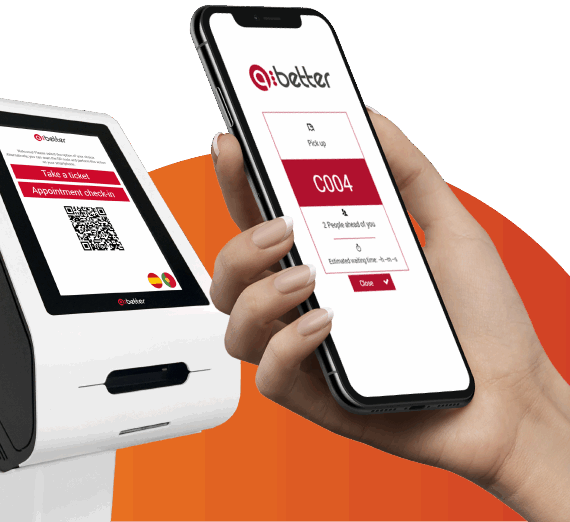
- Qbetter: Known for its comprehensive and user-friendly Queue System, Qbetter offers a strong focus on virtual queuing, appointment booking, and robust business intelligence. Their platforms are designed to optimize customer flow, reduce waiting times, and provide real-time insights for operational improvement. Qbetter’s solutions often emphasize omnichannel customer engagement, allowing businesses to connect with customers through various channels.
- Qmatic: A global leader in customer journey management, Qmatic provides advanced queue management systems that go beyond simple queuing to orchestrate the entire customer experience. Their solutions include sophisticated appointment management, real-time monitoring, intelligent routing, and powerful analytics, helping organizations create seamless and personalized customer journeys. Qmatic is renowned for its robust hardware and scalable software, catering to large-scale operations.
- QueueBee: QueueBee offers a feature-rich Queue System that prioritizes ease of use and flexibility. Their solutions often highlight advanced ticket capabilities (paper and paperless), personalized ticket designs, live queue status updates, and a user-friendly customer web portal. QueueBee systems are designed to enhance customer experience through virtual queuing, remote queuing, and real-time notifications, coupled with strong analytical dashboards for operational efficiency.
These brands represent the pinnacle of Queue System technology, and Axle Systems leverages its expertise to recommend and implement the most suitable solution for each client’s unique requirements.
Axle Systems: Your Trusted Partner for Queue System in Qatar
Axle Systems has established itself as a pioneer in providing sophisticated technology solutions across Qatar. With a deep understanding of the local market dynamics and a commitment to innovation, we are the leading supplier of Queue System in the region.
Why Choose Axle Systems?
- Authorized Distributor: Axle Systems is an authorized distributor of leading international Queue System brands, ensuring that you receive genuine products, the latest technology, and comprehensive manufacturer support.
- Tailored Solutions: We understand that every business is unique. Our team of experts works closely with clients to assess their specific needs, analyze their customer flow, and design a customized Queue System solution that perfectly aligns with their operational requirements and business goals. Whether you need a simple ticketing system for a small clinic or a complex virtual queuing solution for a large government service center, we have the expertise to deliver.
- End-to-End Service: Our commitment extends beyond just supplying the software. We provide a complete end-to-end service, including:
- Consultation and Needs Assessment: Understanding your challenges and objectives.
- System Design and Customization: Crafting a solution tailored to your environment.
- Hardware and Software Supply: Providing all necessary components, from kiosks and digital displays to the core QMS software.
- Professional Installation: Our experienced technicians ensure seamless integration with minimal disruption to your daily operations.
- Comprehensive Training: We train your staff on how to effectively utilize the QMS to maximize its benefits.
- Ongoing Support and Maintenance: We offer reliable post-installation support and maintenance services to ensure your system operates smoothly and efficiently.
- Local Expertise: Being based in Qatar, we possess invaluable local market knowledge, understanding the cultural nuances and specific demands of businesses in the region. This local presence ensures prompt service, easy communication, and a strong partnership.
- Proven Track Record: Axle Systems has a strong track record of successfully implementing Queue System solutions across various sectors in Qatar, helping numerous organizations transform their customer service and operational efficiency.
- Commitment to Innovation: We continuously stay abreast of the latest advancements in Queue System technology, ensuring our clients benefit from cutting-edge solutions that keep them ahead of the curve.
At Axle Systems, we believe that effective queue management is not just about managing lines; it’s about managing expectations, enhancing experiences, and ultimately, building stronger relationships with your customers.
Transform your customer experience and revolutionize your operations with Axle Systems’ Queue Management Solutions.
Contact Axle Systems Today!
Ready to discuss how a Queue System can benefit your business? Our team of experts is here to provide a consultation and demonstrate the power of our Queue System solutions.
Axle Systems Contact Details:
- Phone: +974 4468 2391
- Email: info@axlesys.com
- Website: www.axlesys.com
- Address: Al Khalidiya Street, P.O. Box 200081, Najma, Doha, Qatar
Common FAQs About Queue Systems
Here are some frequently asked questions about Queue System:
Q1: What is the primary goal of a Queue System?
A1: The primary goal of a Queue System is to reduce customer wait times, improve the efficiency of service delivery, enhance overall customer satisfaction, and provide valuable data insights for operational optimization.
Q2: How does a Queue System reduce customer wait times?
A2: A QMS reduces wait times through various mechanisms, including virtual queuing (allowing customers to wait remotely), real-time updates on queue status and estimated wait times, efficient routing of customers to appropriate service points, and optimized staff allocation based on real-time data.
Q3: What are the different types of Queue System?
A3: There are several types, including: * Linear (Traditional) Queue System: Customers form a single physical line. * Ticket-Based Systems: Customers take a numbered ticket and wait for their number to be called. * Virtual Queue Systems: Customers join a digital queue via mobile app, kiosk, or web, and wait remotely. * Appointment-Based Systems: Customers pre-book their service time. * Mobile Queuing Systems: A subset of virtual queuing where interaction is primarily via mobile devices. * Self-Service Kiosks: Customers use kiosks for check-in and service selection.
Q4: Can a Queue System integrate with existing business systems?
A4: Yes, modern Queue System solutions are designed to integrate seamlessly with various existing business systems such as CRM (Customer Relationship Management), ERP (Enterprise Resource Planning), HR systems, and appointment scheduling software. This allows for a more unified and efficient operation.
Q5: Is a Queue System only for large businesses?
A5: Not at all. While large enterprises benefit significantly, Queue System solutions are scalable and can be tailored to suit businesses of all sizes, from small clinics and retail stores to large government organizations and multi-branch banks. The benefits of improved efficiency and customer satisfaction are universal.
Q6: What hardware components are typically part of a Queue System?
A6: Common hardware components include: * Ticket Dispensers/Kiosks: For customers to obtain a queue number. * Digital Display Screens: To show current queue numbers, estimated wait times, and promotional content. * Calling Terminals: For service agents to call the next customer. * Audio Announcement Systems: For voice announcements of calling numbers. * Servers and Networking Equipment: To run the software and ensure connectivity.
Q7: How does a Queue System improve employee productivity?
A7: By automating queue management tasks, a Queue System frees up staff from directing lines, managing crowds, and answering repetitive questions. This allows employees to focus more on providing quality service, leading to increased productivity and a better work environment. Real-time data also helps in optimizing staff allocation.
Q8: What kind of data and analytics can a Queue System provide?
A8: A Queue System can provide a wealth of data, including: * Average wait times * Average service times * Peak hours and busiest days * Number of customers served * Service abandonment rates * Staff performance metrics * Customer feedback data. This data is crucial for identifying bottlenecks, optimizing workflows, and making data-driven decisions.
Q9: Can customers provide feedback through the Queue System?
A9: Many modern QMS solutions include integrated customer feedback mechanisms, such as post-service surveys accessible via the mobile app, SMS link, or even touchscreens on kiosks. This allows businesses to gather valuable insights directly from their customers.
Q10: What is the ROI (Return on Investment) of implementing a Queue System?
A10: The ROI of a Queue System can be significant. It’s calculated by comparing the total benefits (e.g., increased customer satisfaction and loyalty, improved employee productivity, reduced operational costs, higher sales) against the total costs (software, hardware, implementation, training, and maintenance). Businesses often see a positive ROI through enhanced efficiency, increased customer retention, and a stronger brand reputation.
Q11: How do virtual queues work?
A11: Virtual queues allow customers to “join” a line without physically standing in it. They can do this via a mobile app, a website, or a self-service kiosk. Once in the virtual queue, they receive updates on their position and an estimated wait time. When their turn approaches, they receive a notification to proceed to the service point. This enables them to wait comfortably or productively elsewhere.
Q12: What role does digital signage play in a Queue System?
A12: Digital signage is a crucial visual component of a Queue System. Large screens display real-time queue numbers, calling information (e.g., “Now serving A123 at Counter 5”), estimated wait times, and often general information or promotional content. This keeps customers informed, reduces anxiety, and enhances the waiting area’s ambiance.
Q13: Is a Queue System customizable to specific business needs?
A13: Absolutely. Reputable QMS providers like those Axle Systems partners with offer extensive customization options. This includes tailoring the user interface, workflow logic, service categories, branding elements, and reporting dashboards to match the unique operational requirements and aesthetic preferences of each business.
Q14: How does a Queue System handle customers with special needs or requiring priority service?
A14: Modern Queue System solutions often include features for prioritizing certain customers. This can involve dedicated service categories for individuals with disabilities, VIP customers, or those requiring urgent assistance. The system can be configured to call these customers more quickly or direct them to specialized service agents.
Q15: What are the future trends in the Queue System?
A15: Future trends include: * Increased AI and Machine Learning Integration: For predictive wait time calculations, intelligent resource allocation, and personalized customer journeys. * More Advanced Virtual and Mobile Queuing: Seamless integration with smart devices and location-based services. * Enhanced Omnichannel Experience: Consistent customer journey across all touchpoints (online, in-person, mobile). * Greater Focus on Data Analytics and Business Intelligence: To provide deeper insights into customer behavior and operational performance. * Integration with IoT (Internet of Things) Devices: For real-time monitoring of waiting areas and customer flow. * Self-Service Evolution: More advanced self-service options to empower customers.