

Queue Management Systems: What They Are and How They Work
If you run a business or organization that deals with a large number of customers or clients, you know how important it is to manage their waiting experience. Long queues and wait times can cause frustration, dissatisfaction, and even loss of revenue. That’s why you need a queue management system (QMS) to help you streamline your customer flow and improve your service efficiency.

What is a queue management system?
A queue management system (QMS) is a set of tools that helps you manage and optimize the flow of customers or clients who are waiting to be served. A QMS can help you:
- Reduce wait times and queues by allowing customers to sign up for a queue remotely, or by providing real-time information on wait times and estimated service times.
- Improve customer satisfaction and loyalty by providing a more efficient and organized way to serve customers, and by offering them options to choose their preferred service channel, such as online, mobile, or in-person.
- Increase operational efficiency and productivity by allowing you to monitor and analyze customer flow data, such as the number of customers in the queue, the average wait time, the service time, and the staff performance.
- Enhance your brand image and reputation by showing your customers that you care about their time and convenience, and by providing them with a positive and memorable customer experience.
How does a queue management system work?
A queue management system can work in different ways depending on the type and complexity of the solution. However, most QMS solutions follow these basic steps:
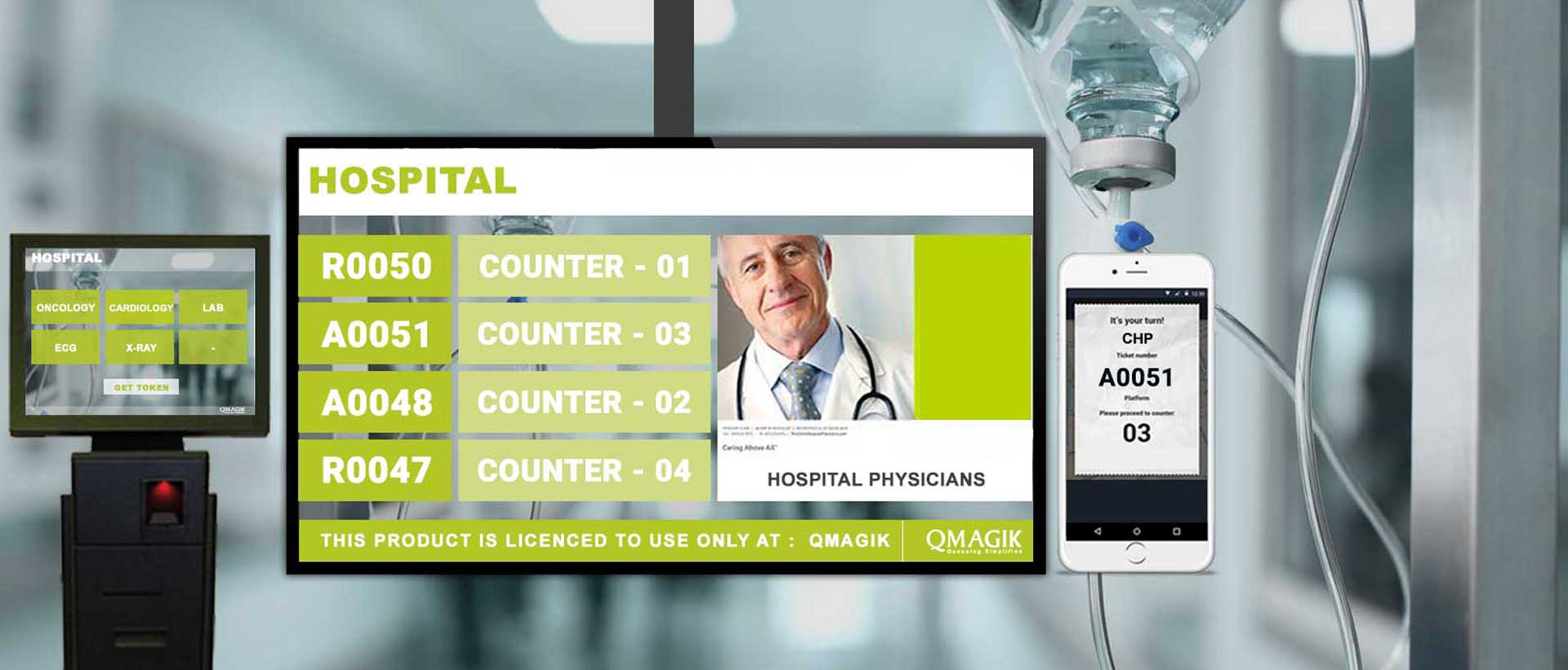
- Customers sign up for a queue either remotely (through a website or mobile app) or on-site (through a kiosk or ticket dispenser).
- Customers receive a queue number or ticket that they can use to track their progress in the queue. They can also receive notifications via text message or email when it is their turn to be served.
- Staff members use a call forwarding device (such as a screen, speaker, or tablet) to call the next customer in the queue. They can also use a staff terminal or dashboard to view the customer information and preferences, such as their name, service request, or preferred language.
- Customers are served by the staff members according to their queue number or ticket. The QMS records the service time and other relevant data for each customer.
- Customers provide feedback on their service experience through a survey or rating system. The QMS collects and analyzes the feedback data to measure customer satisfaction and identify areas for improvement.
Different models of queue management systems
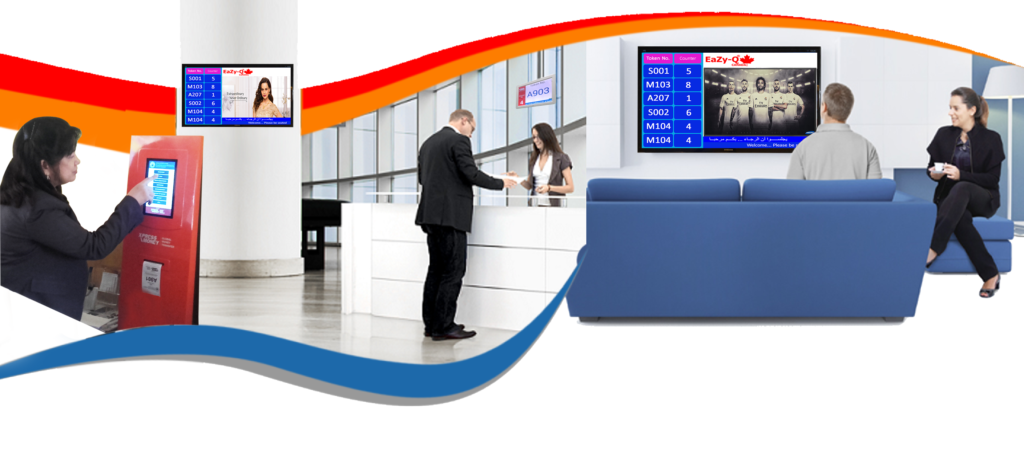
There are several different models of queue management systems available in the market. Some of the most common ones are:
- Linear queuing system: This is the simplest and most traditional model of queuing, where customers form a single line and wait for their turn to be served. This model is suitable for simple and fast services, such as cashiers or checkouts.
- Multiple queuing system: This is a model where customers form multiple lines for different service counters or staff members. This model can reduce wait times and increase service efficiency, but it can also cause confusion and frustration if some lines move faster than others.
- Virtual queuing system: This is a model where customers do not have to physically stand in line, but instead sign up for a queue remotely and wait for their turn to be served. This model can eliminate queues altogether and improve customer convenience, but it can also require more technology and infrastructure to implement.
- Appointment scheduling system: This is a model where customers book an appointment for a specific time slot and service before they arrive at the service location. This model can ensure that customers are served on time and avoid queues, but it can also limit the flexibility and spontaneity of customers.
Contact Axle Systems for distributor of queue management systems in Qatar
If you are looking for a reliable and professional distributor of queue management systems in Qatar, look no further than Axle Systems. Axle Systems is one of the leading providers of QMS solutions in Qatar, offering customized and innovative solutions for various industries, such as retail, banking, healthcare, education, government, hospitality, and more.
Axle Systems has over 10 years of experience in delivering high-quality QMS solutions that meet the needs and expectations of their clients. They have partnered with some of the best QMS brands in the world, such as Qmatic, Wavetec, Skiplino, TIMIFY, Qminder, and more. They also offer installation, maintenance, training, support, and consultancy services for their QMS solutions.
Axle Systems has helped hundreds of businesses and organizations in Qatar improve their customer flow management and enhance their customer experience with their QMS solutions. Some of their satisfied clients include Qatar Airways, Qatar University, Hamad Medical Corporation, Ministry of Interior, Qatar National Bank, Al Meera Consumer Goods Company, Lulu Hypermarket, IKEA Qatar, and many more.
If you want to learn more about how Axle Systems can help you with your queue management system needs, you can contact them through their website, email, phone, or social media channels. They will be happy to assist you and provide you with a free consultation and quotation.
FAQs
Here are some of the common questions that people ask about queue management systems:
- What are the benefits of using a queue management system?
- A queue management system can help you reduce wait times and queues, improve customer satisfaction and loyalty, increase operational efficiency and productivity, and enhance your brand image and reputation.
- How much does a queue management system cost?
- The cost of a queue management system depends on several factors, such as the type and complexity of the solution, the number of service locations and staff members, the features and functionalities required, and the installation and maintenance fees. The best way to get an accurate estimate is to contact a QMS provider or distributor and request a quote.
- How long does it take to install a queue management system?
- The installation time of a queue management system varies depending on the size and scope of the project, the availability of the service location and staff members, and the technical requirements and challenges involved. Generally, it can take anywhere from a few days to a few weeks to install a QMS solution.
- How can I measure the effectiveness of my queue management system?
- You can measure the effectiveness of your queue management system by using various metrics and indicators, such as the number of customers served, the average wait time, the service time, the staff performance, the customer feedback, and the return on investment. You can use the data collected and analyzed by your QMS solution to monitor and evaluate these metrics and indicators.