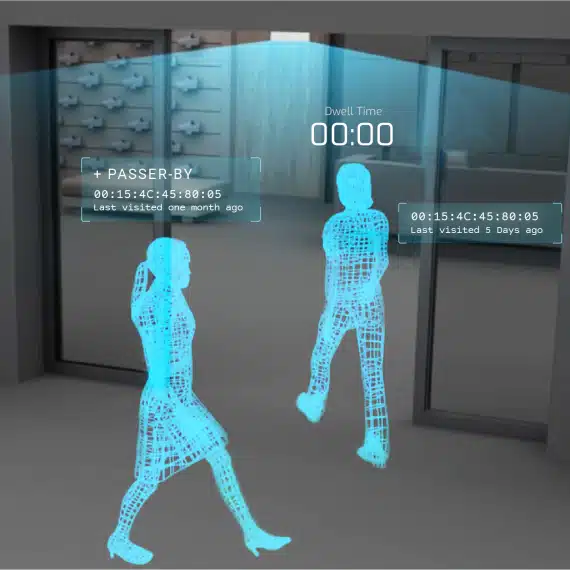

People Counting Systems in Airports
Airports are bustling hubs of activity, with thousands of passengers navigating through terminals daily. Efficient management of this foot traffic is crucial for ensuring smooth operations, enhancing passenger experience, and optimizing resource allocation. People Counting Systems in Airports have emerged as a pivotal technology in achieving these objectives. In Qatar, Axle Systems stands at the forefront, providing state-of-the-art People Counting Systems in Airports solutions tailored for airport environments.
What Are People Counting Systems?
People Counting Systems are advanced technologies designed to accurately monitor and record the number of individuals entering, exiting, or moving within a designated area. These systems employ various sensor technologies, including infrared, thermal imaging, and video analytics, to provide real-time data on foot traffic patterns.
Benefits of People Counting Systems in Airports
1. Optimized Resource Allocation
Airports operate with numerous service points—check-in counters, security checkpoints, immigration counters, baggage claim areas, lounges, and boarding gates. People Counting Systems provide real-time insights into passenger flow, enabling airport management to deploy staff efficiently.
For instance, during peak travel hours, People Counting Systems in Airports data can signal the need to open additional check-in counters or security lanes, preventing long queues and reducing passenger frustration. Conversely, during off-peak hours, resources can be reallocated or minimized, saving labor costs. This data-driven approach ensures operational efficiency without compromising service quality.
2. Enhanced Passenger Experience
Passenger satisfaction is crucial in today’s competitive aviation sector. People Counting Systems in Airports help airports identify bottlenecks and congestion points before they become critical.
For example, if People Counting Systems in Airports indicate crowding near boarding gates, staff can redirect passengers or provide timely information via digital signage, ensuring smoother transitions. Similarly, knowing which lounges or facilities are underused allows airports to manage space effectively, creating a comfortable and stress-free travel environment.
3. Data-Driven Decision Making
People Counting Systems collect comprehensive data on passenger movements, patterns, and dwell times across various areas of the airport. This information is invaluable for strategic decision-making.
Airports can analyze historical trends to forecast passenger volumes, plan infrastructure expansions, and improve operational strategies. Retail operators within airports can use these insights to optimize store layouts, marketing campaigns, and inventory levels based on actual footfall, increasing revenue potential.
4. Improved Safety and Security
Crowd safety is a top priority in airports, where emergencies such as fire alarms, medical incidents, or security threats can occur. People Counting Systems in Airports provide real-time visibility into crowd density and movement, enabling airport security teams to act quickly.
For example, if a terminal area becomes overcrowded, automated alerts can trigger crowd control measures. During evacuations, accurate occupancy data ensures that emergency personnel know which areas are most congested, facilitating faster and safer evacuation procedures.
5. Energy Efficiency and Sustainability
Many modern airports aim to reduce energy consumption and operate sustainably. People Counting Systems in Airports can be integrated with building management systems to optimize lighting, heating, ventilation, and air conditioning (HVAC) based on actual occupancy.
For example, if a terminal area is temporarily empty, lights and HVAC systems can automatically adjust to save energy. Over time, this not only reduces operational costs but also supports environmental sustainability initiatives, aligning airports with global green standards.
6. Enhanced Operational Forecasting
People Counting Systems in Airports data helps airports anticipate passenger volumes and operational needs in advance. For instance, by analyzing trends over weeks or months, management can plan staffing schedules, maintenance activities, and equipment deployment with higher precision.
This forecasting reduces the risk of overcrowding, under-staffing, or delayed services, improving overall airport efficiency and minimizing passenger complaints.
7. Tailored Marketing and Commercial Insights
Airports are not just transit hubs; they are commercial spaces with shops, restaurants, and services. People Counting Systems provide insights into how passengers move through these areas.
Retailers can identify high-traffic zones, peak shopping times, and dwell times, enabling them to strategically place advertisements, optimize store layouts, and run promotions that match passenger flow. This translates into increased sales and a better passenger experience.
8. Regulatory Compliance and Reporting
Airports must often comply with strict regulatory standards regarding safety, occupancy, and crowd management. People Counting Systems in Airports automatically generate accurate reports that document footfall, peak periods, and usage patterns.
These reports can support compliance with government regulations, airport authority requirements, and safety audits, reducing administrative burden while ensuring accountability.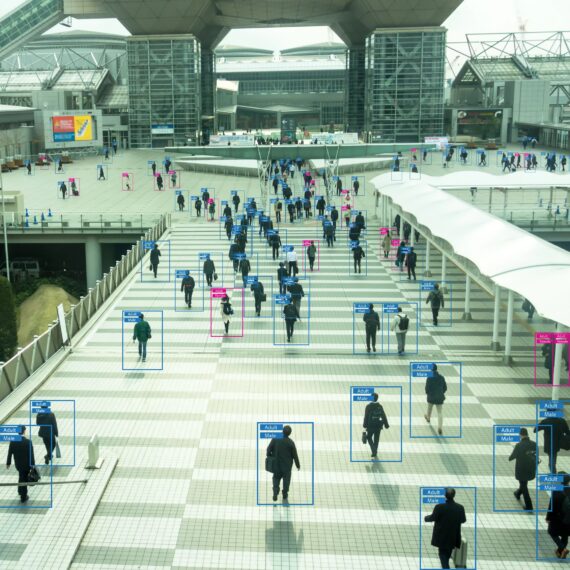
Features of Advanced People Counting Systems
Modern People Counting Systems in Airports have evolved far beyond simple entry/exit counters. Advanced PCS combine cutting-edge sensor technology, sophisticated analytics, and seamless integration capabilities, making them indispensable tools for airports. Below are the key features that make advanced People Counting Systems highly effective:
1. High Accuracy
One of the most critical features of any PCS is accuracy. Airports are high-traffic environments, often with complex passenger flows, groups, and luggage. Advanced People Counting Systems in Airports use multiple sensing technologies—such as 3D stereoscopic cameras, infrared beams, and thermal sensors—to minimize counting errors.
Example: Infrared sensors detect body heat, while 3D cameras distinguish between adults, children, and strollers. By combining multiple data points, modern People Counting Systems in Airports achieve accuracy rates of up to 99%, even during peak travel hours.
2. Real-Time Analytics
Advanced People Counting Systems in Airports provide real-time monitoring, delivering instant insights on passenger movement. Live dashboards allow airport management to track occupancy levels in terminals, gates, lounges, and security checkpoints.
Example: If a terminal entrance becomes crowded, real-time alerts can trigger additional staffing, open extra security lanes, or redirect passenger flow through alternative entrances, minimizing congestion before it becomes a problem.
3. Scalability
Airports vary in size and layout, from small regional hubs to massive international terminals. Advanced People Counting Systems in Airports are designed to scale according to the specific needs of the facility. Multiple sensors can be deployed across different zones, all feeding data into a central analytics platform.
Example: A single system can monitor dozens of gates, lounges, and boarding areas simultaneously, ensuring consistent coverage and actionable insights throughout the airport.
4. Integration Capabilities
Modern People Counting Systems in Airports can integrate seamlessly with other airport management systems, creating a unified operational ecosystem. Integration options may include:
- Security systems: Automatically adjusting staffing levels based on crowd density.
- HVAC systems: Modifying heating, cooling, and ventilation according to real-time occupancy.
- Digital signage: Displaying instructions or directional guidance based on foot traffic patterns.
- Retail and concession analytics: Sharing data with commercial operators to optimize store layouts and marketing strategies.
Example: Integration with security and emergency systems ensures that in case of an evacuation, the exact number of people in each terminal zone is known instantly.
5. User-Friendly Dashboards
Advanced People Counting Systems in Airports offer intuitive dashboards that simplify complex data into actionable insights. Airport managers can view trends, occupancy statistics, and predictive forecasts without requiring specialized technical expertise.
Example: Heat maps display areas with high passenger density, allowing staff to take immediate corrective measures or optimize space utilization. Historical data charts help with long-term planning and capacity management.
6. Predictive Analytics
Next-generation People Counting Systems in Airports are not just reactive—they are predictive. Using historical data and AI-driven algorithms, these systems forecast passenger volumes for specific times of day, days of the week, or even seasonal trends.
Example: Airports can anticipate heavy traffic during holidays, sporting events, or flight peak periods. This allows for proactive adjustments in staffing, security deployment, and passenger guidance systems, ensuring smooth operations at all times.
7. Multi-Entry and Multi-Exit Monitoring
Airports often have multiple entrances and exits, creating complex flow patterns. Advanced People Counting Systems in Airports can monitor all points simultaneously, providing a comprehensive view of passenger movement.
Example: Tracking entries from check-in counters to boarding gates ensures that passenger flow is balanced and that congestion does not build up in specific areas.
8. Crowd Density and Flow Analysis
Beyond simple counts, advanced People Counting Systems in Airports measure crowd density, movement speed, and flow patterns. This helps in identifying pinch points, bottlenecks, or underutilized areas.
Example: If passengers are lingering near baggage claim areas longer than expected, airport management can adjust signage or allocate staff to expedite luggage retrieval, improving efficiency.
9. Anonymized Data Collection
Passenger privacy is a major concern in airports. Advanced People Counting Systems in Airports are designed to collect anonymized data, focusing on foot traffic patterns rather than personal identities.
Example: Cameras detect shapes and movement without recording faces or sensitive information, ensuring compliance with data privacy regulations while still providing valuable insights.
10. Remote Monitoring and Alerts
Many systems support remote monitoring, allowing airport managers to view data and receive alerts from mobile devices or central control rooms.
Example: If an unexpected surge in passengers occurs, managers can receive instant notifications and deploy resources accordingly, even if they are off-site.
11. Durability and Reliability
Airports are busy, fast-moving environments where systems must operate 24/7. Advanced People Counting Systems in Airports are designed for durability, with components resistant to dust, temperature fluctuations, and continuous operation.
Example: Sensors and cameras installed near entrances and gates maintain consistent performance even during peak hours or extreme weather conditions, ensuring uninterrupted monitoring.
12. Customizable Reporting
Data from People Counting Systems in Airports can be tailored to the airport’s specific reporting requirements. Detailed reports can focus on specific terminals, gates, retail areas, or security zones, providing actionable insights for every department.
Example: Airport operations teams can receive daily occupancy reports, while retail managers get footfall analytics specifically for shopping and dining zones.
13. AI-Powered Insights
Artificial intelligence enhances the capability of modern People Counting Systems in Airports, enabling systems to learn patterns, detect anomalies, and make recommendations.
Example: AI algorithms can predict potential overcrowding before it occurs, suggest optimal staff deployment, and even simulate alternative layouts to improve passenger flow efficiency.
14. Multi-Sensor Fusion
Advanced systems often combine multiple sensor technologies—video, infrared, thermal, and Wi-Fi tracking—to improve accuracy and robustness.
Example: Combining thermal sensors with video analytics ensures that counts are accurate even in complex environments with groups of passengers or luggage trolleys.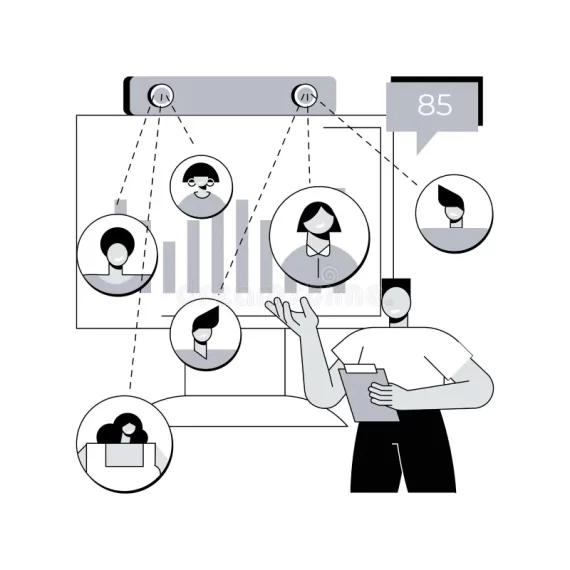
Applications of People Counting Systems in Airports
People Counting Systems in Airports are versatile tools that extend beyond simple counting. In airports, these systems play a pivotal role in improving operational efficiency, enhancing passenger experience, supporting safety and security, and optimizing commercial opportunities. Below are the key applications of People Counting Systems in Airports environments, along with examples and benefits.
1. Terminal Management
Airports are complex environments with multiple terminals, gates, lounges, and transit areas. People Counting Systems in Airports provide airport management with accurate data on passenger flow within these spaces, helping to identify congested zones and underutilized areas.
Applications and Benefits:
- Flow Optimization: By monitoring passenger movement, airport staff can redirect traffic to prevent congestion, ensuring smooth transit between check-in, security, and boarding gates.
- Space Utilization: Data insights help management plan terminal layouts, waiting areas, and seating arrangements to improve comfort and accessibility.
- Operational Planning: Real-time occupancy monitoring allows for dynamic adjustment of services such as cleaning, security checks, and boarding gate operations.
2. Security Checkpoints
Security is a critical aspect of airport operations. People Counting Systems in Airports assist security teams in managing passenger flow, ensuring that queues at check-in counters, immigration, and security checkpoints are efficiently handled.
Applications and Benefits:
- Queue Management: Real-time data on waiting times and crowd density helps in opening additional screening lanes during peak hours.
- Resource Allocation: Security personnel can be deployed strategically based on the volume of passengers, improving efficiency and reducing fatigue.
- Incident Prevention: Detecting unusually high crowd density allows staff to intervene before issues such as bottlenecks or safety hazards arise.
3. Baggage Handling Areas
People Counting Systems in Airports can be used to monitor passenger presence in baggage claim zones, ensuring efficient luggage retrieval and minimizing congestion.
Applications and Benefits:
- Crowd Distribution: Identifies crowded areas, allowing airport staff to guide passengers to less congested baggage carousels.
- Operational Efficiency: Provides insights into the dwell time of passengers, helping to optimize luggage delivery timing.
- Passenger Safety: Prevents overcrowding in confined spaces, reducing the risk of accidents.
4. Airport Lounges and Waiting Areas
Monitoring occupancy in lounges and waiting areas ensures passengers enjoy a comfortable experience and that these spaces are used efficiently.
Applications and Benefits:
- Capacity Management: Real-time monitoring prevents overcrowding in VIP lounges and general waiting areas.
- Service Enhancement: Staff can proactively offer assistance, refreshments, or seating adjustments based on real-time occupancy.
- Revenue Optimization: Airlines and airport operators can optimize lounge access and improve customer satisfaction.
5. Retail and Concessions
Airports are commercial hubs, and People Counting Systems in Airports play a critical role in enhancing revenue opportunities for retailers and food outlets.
Applications and Benefits:
- Footfall Analysis: Understanding passenger flow helps retailers determine high-traffic zones and optimize product placement.
- Marketing Strategies: Data allows targeted promotions based on peak passenger periods or popular routes.
- Revenue Maximization: Retailers can schedule staff, stock inventory, and adjust opening hours according to passenger volumes.
6. Emergency Response and Safety Management
People Counting Systems in Airports are vital for airport safety and emergency preparedness. Real-time occupancy and flow data help in managing evacuations and responding to unexpected incidents.
Applications and Benefits:
- Evacuation Planning: Accurate passenger counts ensure safety personnel know the number of people in each terminal zone.
- Crowd Control: Prevents overcrowding in sensitive areas such as boarding gates or security checkpoints.
- Incident Response: People Counting Systems in Airports data can be integrated with alarm systems to trigger alerts during emergencies.
7. Parking Management and Transportation Hubs
People Counting Systems in Airports can also monitor passenger movement in airport parking lots, shuttle bus zones, and transit areas.
Applications and Benefits:
- Vehicle Flow Optimization: Understanding passenger entry and exit trends helps allocate shuttle buses efficiently.
- Parking Utilization: Identifies peak times for parking areas, enabling dynamic allocation of spaces and pricing strategies.
- Passenger Convenience: Reduces wait times for transportation services by matching demand with available resources.
8. Maintenance and Facility Management
Understanding passenger patterns assists in planning maintenance activities without disrupting operations.
Applications and Benefits:
- Optimized Scheduling: Maintenance can be scheduled during off-peak hours, minimizing passenger inconvenience.
- Resource Efficiency: Cleaning and maintenance staff deployment can be prioritized based on real-time usage data.
- Infrastructure Longevity: Monitoring high-traffic areas helps in proactive upkeep of flooring, seating, and escalators.
9. Data-Driven Strategic Planning
Long-term planning is another critical application of People Counting Systems in Airports. Airports can use historical data to inform infrastructure expansion, service improvements, and commercial opportunities.
Applications and Benefits:
- Terminal Expansion: Passenger flow data highlights areas that may require additional space or facilities.
- Operational Forecasting: Trends in passenger volume help in preparing for seasonal or event-driven surges.
- Service Improvement: Data insights guide enhancements in check-in processes, security, and passenger amenities.
10. Integration with Smart Airport Initiatives
Modern airports are embracing “smart” technology to enhance operations. People Counting Systems in Airports data can be integrated into smart airport platforms, creating intelligent systems that automate decision-making.
Applications and Benefits:
- Automated Alerts: Real-time alerts for crowding, long queues, or underutilized areas.
- Predictive Modeling: AI algorithms forecast passenger surges, enabling proactive measures.
- Enhanced Passenger Experience: Smart routing, dynamic signage, and personalized notifications based on movement patterns.


Axle Systems: Leading the Way in People Counting Solutions in Qatar
Axle Systems has established itself as a premier provider of People Counting Systems in Airports in Qatar, delivering advanced technology solutions tailored specifically for airports and other high-traffic environments. With years of experience in the security and technology sector, Axle Systems combines technical expertise, innovative solutions, and local market knowledge to help airports manage passenger flow efficiently, enhance operational safety, and improve overall passenger experience.
Expertise in Airport Solutions
Managing an airport requires precision, foresight, and the ability to respond dynamically to fluctuating passenger volumes. Axle Systems understands the unique challenges faced by airports in Qatar, including high seasonal traffic, large-scale international events, and complex operational layouts. Their People Counting Systems in Airports solutions are designed to address these challenges through:
- Accurate Real-Time Monitoring: Providing instant insights into passenger movements across terminals, gates, security checkpoints, and lounges.
- Scalable Installations: Implementing systems that grow with airport needs, from single gates to entire terminals.
- Predictive Analytics: Utilizing historical and real-time data to forecast passenger flow, enabling proactive operational adjustments.
Comprehensive Solutions
Axle Systems doesn’t just supply hardware—they provide end-to-end solutions that include consultation, installation, integration, and ongoing support. Their approach ensures that People Counting Systems in Airports solutions are seamlessly embedded into airport operations, delivering maximum value. Key aspects of their service include:
- Consultation and Needs Assessment: Understanding the airport’s layout, peak traffic periods, and operational requirements to design a customized solution.
- Hardware Deployment: Installing high-accuracy sensors, cameras, and counting devices at strategic locations across the airport.
- Software Integration: Connecting People Counting Systems in Airports data with airport management systems, security platforms, HVAC systems, and digital signage for a unified, smart operational ecosystem.
- Training and Support: Providing airport staff with training on system use and reporting tools, alongside ongoing technical support for smooth operations.
Trusted Technology Partners
Axle Systems partners with globally recognized People Counting Systems in Airports brands, ensuring the highest quality and reliability. Their technology partners include:
- FootfallCam: Known for high-accuracy sensors and advanced analytics capabilities.
- V-Count: Offering scalable, cloud-based counting solutions ideal for large terminals.
- Cross Point: Providing innovative counting devices and real-time reporting dashboards.
By leveraging these trusted technologies, Axle Systems delivers solutions that meet the highest international standards for accuracy, reliability, and data security.
Real-World Applications in Qatar Airports
Axle Systems has successfully implemented People Counting Systems in Airports solutions in several high-traffic environments in Qatar, including airports, metro stations, and commercial hubs. These deployments have enabled airports to:
- Optimize staffing at security checkpoints during peak travel periods.
- Reduce congestion at check-in counters and boarding gates.
- Improve safety by monitoring crowd density in real-time.
- Enhance passenger experience through predictive flow management and real-time guidance.
Example: During major sporting events in Qatar, airports equipped with Axle Systems’ People Counting Systems in Airports can efficiently manage sudden surges in passenger numbers, ensuring smooth transitions through terminals without delays or overcrowding.
Commitment to Innovation
Axle Systems remains at the forefront of innovation in the field of People Counting Systems. Their solutions are designed not only to meet today’s operational needs but also to adapt to future technological advancements. Key innovations include:
- AI-Powered Analytics: Leveraging machine learning to predict passenger flow and detect anomalies.
- Cloud-Based Reporting: Accessing real-time and historical data securely from anywhere.
- Integration with Smart Airport Initiatives: Supporting Qatar’s vision for intelligent, technology-driven airport operations.
Why Airports Choose Axle Systems
Airports in Qatar and the region trust Axle Systems for several reasons:
- Proven Expertise: Years of experience in high-traffic, complex environments.
- Customized Solutions: Tailoring People Counting Systems in Airports to specific operational needs and layouts.
- Reliable Technology: Partnering with world-leading brands to ensure precision and accuracy.
- Comprehensive Support: End-to-end services from consultation to post-installation maintenance.
Contact Information
Airports, aviation authorities, or commercial operators looking to implement advanced People Counting Systems in Qatar can reach out to Axle Systems for a consultation:
- Phone: +974 4411 6767
- Email: info@axlesys.com
- Website: www.axlesys.com
Frequently Asked Questions
1. What are People Counting Systems and how do they work in airports?
People Counting Systems are advanced technological solutions designed to monitor and record the number of individuals moving through designated areas. In airports, People Counting Systems in Airports use sensors such as infrared beams, thermal cameras, and video analytics to track passenger flow at entry and exit points, security checkpoints, boarding gates, lounges, and retail areas. The collected data is analyzed in real-time to provide actionable insights for operational efficiency, safety, and passenger experience.
2. Why are People Counting Systems important for airports?
Airports handle thousands of passengers daily, and managing this flow efficiently is critical for safety, operational effectiveness, and passenger satisfaction. PCS provide insights into peak hours, crowded zones, dwell times, and traffic patterns. This data enables airports to optimize staff allocation, reduce queues, enhance security, and improve passenger experience, while also supporting commercial and retail operations within the airport.
3. What types of sensors are used in People Counting Systems in Airports?
Common sensor types include:
- Infrared Sensors: Detect heat signatures to count people passing through a specific zone.
- 3D Stereoscopic Cameras: Capture depth information for high accuracy, even in crowded areas.
- Thermal Imaging Cameras: Identify passengers based on heat, useful in low-light conditions.
- Video Analytics Systems: Use AI algorithms to track movement, direction, and density.
- Wi-Fi or Bluetooth Tracking: Monitor devices to estimate passenger presence and flow patterns.
Combining multiple sensor types enhances counting accuracy, especially in complex airport environments.
4. How accurate are People Counting Systems in airports?
Advanced People Counting Systems in Airports can achieve accuracy rates of up to 98–99%, depending on sensor type, installation quality, and environment. Multi-sensor systems, which combine infrared, 3D cameras, and AI analytics, are particularly effective in crowded terminals or areas with diverse passenger movement.
5. Can People Counting Systems in Airports integrate with existing airport management systems?
Yes, modern People Counting Systems can integrate seamlessly with:
- Security and surveillance systems
- HVAC and lighting control systems
- Digital signage and information systems
- Retail and concessions analytics platforms
- Emergency response and evacuation systems
This integration enables airports to leverage PCS data for real-time operational decisions and automated processes.
6. How can People Counting Systems in Airports improve passenger experience?
By monitoring passenger flow, People Counting Systems in Airports help identify congestion points and optimize operations. This results in:
- Reduced waiting times at check-in, security, and boarding
- Smoother transitions between terminals, gates, and lounges
- Better space utilization and seating availability
- Real-time guidance through digital signage or mobile apps
Overall, passengers enjoy a faster, safer, and more comfortable airport experience.
7. Are People Counting Systems affected by environmental conditions?
Advanced People Counting Systems in Airports are designed to function effectively under varying conditions, including:
- Low or bright lighting
- High passenger density
- Group movement with luggage and strollers
- Temperature fluctuations
Thermal imaging and 3D camera systems, in particular, ensure consistent accuracy regardless of environmental challenges.
8. Can PCS help with airport security management?
Absolutely. People Counting Systems in Airports provide real-time data on crowd density and movement, enabling security teams to:
- Detect overcrowded areas that may pose risks
- Optimize staff deployment at security checkpoints
- Respond promptly to unusual patterns or congestion
- Plan effective emergency evacuation routes
This improves overall security efficiency while maintaining passenger comfort.
9. How does People Counting Systems in Airports support airport retail and commercial operations?
Retailers and food outlets within airports benefit from People Counting Systems in Airports insights by understanding passenger flow and behavior:
- Identifying high-traffic areas for optimal store placement
- Monitoring dwell times to tailor promotions and services
- Adjusting staff schedules and inventory according to footfall trends
- Improving marketing campaigns based on passenger movement patterns
This leads to increased revenue and improved passenger satisfaction.
10. Is passenger privacy maintained with People Counting Systems in Airports?
Yes. Modern People Counting Systems in Airports are designed to collect anonymized data. Cameras and sensors detect movement and count individuals without capturing personal information such as faces or identity. This ensures compliance with data privacy laws while still providing valuable operational insights.
Conclusion
People Counting Systems in Airports have become an essential component of modern airport operations, transforming the way terminals manage passenger flow, security, and overall efficiency. In an environment where thousands of passengers navigate through check-in counters, security checkpoints, boarding gates, lounges, and retail zones every day, the ability to monitor, analyze, and respond to real-time foot traffic is invaluable.
By implementing advanced People Counting Systems in Airports, airports can optimize staffing levels, reduce congestion, enhance passenger safety, and improve overall travel experiences. Real-time analytics and predictive capabilities allow airport management to proactively plan for peak travel periods, special events, or sudden surges in passenger volume. This ensures not only smooth operations but also higher levels of passenger satisfaction, which is a critical metric in today’s competitive aviation industry.
Beyond operational efficiency, People Counting Systems play a crucial role in commercial optimization. Retailers, restaurants, and service providers within airports can leverage People Counting Systems in Airports data to understand passenger behavior, identify high-traffic zones, and tailor offerings to maximize engagement and revenue. At the same time, airports can meet sustainability goals by integrating People Counting Systems in Airports data with energy management systems, adjusting lighting, heating, and cooling based on occupancy levels. This demonstrates a commitment to smart, environmentally responsible operations.
Safety and security are further enhanced through People Counting Systems in Airports, as accurate monitoring of crowd density and movement patterns enables rapid response to emergencies, ensures compliance with safety regulations, and facilitates effective evacuation planning. Whether it is preventing overcrowding at a boarding gate, managing lines at security checkpoints, or assisting in emergency scenarios, People Counting Systems in Airports provide airports with the data they need to make informed decisions in real-time.
Axle Systems has emerged as a trusted leader in supplying People Counting Systems in Qatar, offering end-to-end solutions tailored to the specific needs of airports. With expertise in deployment, integration, and maintenance, and partnerships with globally recognized technology providers like FootfallCam, V-Count, and Cross Point, Axle Systems ensures that airports benefit from high-accuracy, reliable, and scalable solutions. Their commitment to innovation, quality, and customer satisfaction makes them the ideal partner for any airport looking to enhance operational efficiency and passenger experience.