

People Counter Sensors in Qatar
In today’s data-driven world, understanding customer behavior is paramount for businesses aiming to thrive. One of the most effective tools in this endeavor is the People Counter Sensors. These advanced devices provide invaluable insights into foot traffic, enabling businesses to optimize operations, enhance customer experiences, and make informed decisions. Axle Systems, a leading supplier in Qatar, offers state-of-the-art People Counter Sensors tailored to meet the diverse needs of various industries.
What are People Counter Sensors?
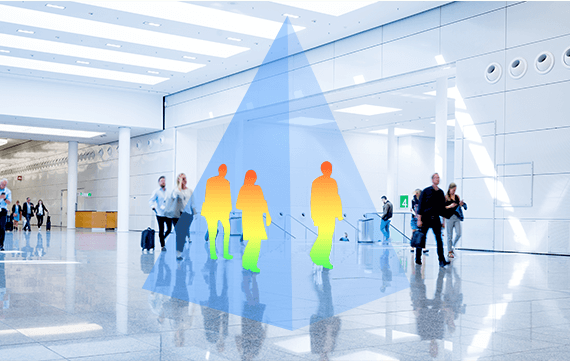
A People Counter Sensors is an electronic device designed to accurately measure the number of individuals passing through a specific point, such as an entrance or exit. These sensors utilize various technologies, including infrared, thermal imaging, and video analytics, to detect and count people in real-time. The data collected can be analyzed to understand traffic patterns, peak hours, and customer behavior, providing businesses with actionable insights.
Key Features of People Counter Sensors
People Counter Sensors are sophisticated devices packed with features that make them invaluable for businesses, malls, transportation systems, and public venues. Below is an expanded look at their features:
1. Advanced Detection Technologies
Modern People Counter Sensors use a variety of detection methods to ensure high accuracy under different conditions:
- Infrared (IR) Sensors:
IR sensors work by creating an invisible light beam across an entrance or passage. When someone passes through, the beam is interrupted, and the system counts the individual. IR sensors are highly reliable in environments with moderate foot traffic and are less affected by lighting changes. - Thermal Imaging Sensors:
Thermal sensors detect the body heat of individuals. They are extremely useful in low-light environments, such as night-time settings or dimly lit areas in retail stores. Thermal imaging also reduces false counts caused by objects like shopping carts or trolleys because it only detects human heat signatures. - Stereo 3D Vision / Video Analytics:
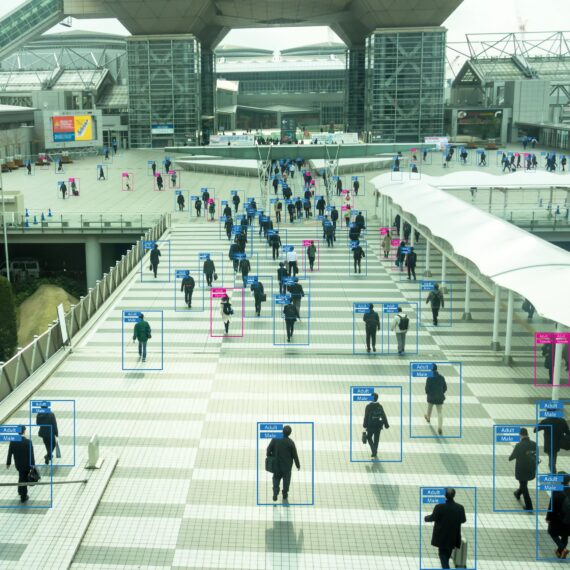
These sensors use dual-lens cameras and AI algorithms to detect and track people as they move through space. They can differentiate between adults, children, and even groups, providing precise data even in crowded areas. Video analytics sensors can also track movement patterns, dwell times, and queue formations. - Wi-Fi / Bluetooth Tracking (Optional Feature):
Some advanced systems can detect smartphones via Wi-Fi or Bluetooth signals. This enables tracking of repeat visitors, dwell times, and movement paths while still anonymizing personal data.
2. Real-Time Data Collection
- Immediate Monitoring: Sensors capture and transmit data in real-time, allowing managers to monitor crowd flow instantly. For example, a mall manager can view live occupancy levels at different entrances.
- Alerts and Notifications: Some systems can trigger automated alerts when thresholds are exceeded, such as maximum occupancy limits, ensuring compliance with safety regulations.
- Dynamic Dashboards: Data is often visualized via dashboards showing trends, peak hours, and heat maps for easy interpretation and decision-making.
3. Privacy-Preserving Features
- Anonymization: Advanced sensors and software anonymize all personal information, focusing purely on counting individuals rather than identifying them.
- No Facial Recognition Needed: Unlike surveillance cameras, these sensors do not store personal images, addressing privacy concerns and ensuring GDPR and local regulation compliance.
- Data Encryption: Many systems encrypt data during transmission to prevent unauthorized access.
4. Seamless Integration Capabilities
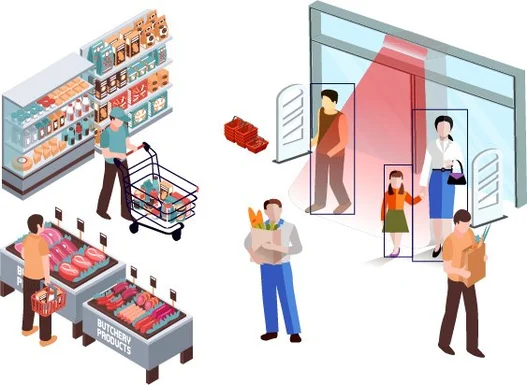
- Point-of-Sale Integration: People Counter Sensors can be linked with sales data to calculate conversion rates, e.g., the percentage of visitors who make a purchase.
- Building Management Systems (BMS): Integration with HVAC or lighting systems allows automatic adjustments based on occupancy, reducing energy costs.
- Queue Management Systems: Integration with queuing software ensures staff allocation is optimized during peak hours.
5. Scalability and Customization
- Flexible Deployment: Sensors can be installed in single doorways, multiple entrances, or across large areas depending on the size of the facility.
- Custom Reporting: Reports can be customized based on location, time period, or type of data required, supporting specific business goals.
- Expansion Ready: Systems are modular, allowing additional sensors to be added as the business grows without needing a complete overhaul.
6. Durability and Environmental Adaptability
- Indoor and Outdoor Models: Some sensors are designed to withstand weather extremes, humidity, and dust for outdoor applications such as stadiums or public parks.
- Maintenance-Free Design: Most modern sensors are built to operate continuously for years with minimal maintenance, ensuring long-term reliability.
7. Advanced Analytics and Reporting
- Heatmaps and Traffic Flow Visualization: Some systems can provide visual representations of traffic density in different areas.
- Peak Hour Analysis: Identifies high-traffic periods to optimize staff scheduling and inventory management.
- Conversion Rate Insights: Helps retail businesses assess the effectiveness of marketing campaigns or product placements.
- Predictive Analytics: Using historical data, the system can forecast foot traffic trends and help plan promotions or events.
8. Multi-Purpose Functionality
- Beyond counting, these sensors can support additional features:
- Queue Management Optimization: Reduces waiting times by alerting staff to high-density areas.
- Safety and Compliance: Monitors room or venue capacity to ensure compliance with fire and safety regulations.
- Behavioral Insights: Understand how people navigate a space, identify bottlenecks, and improve layout or signage.
Benefits of Implementing People Counter Sensors
Implementing People Counter Sensors offers a wide range of benefits for businesses, organizations, and public facilities. These benefits extend beyond simple counting, helping businesses optimize operations, enhance customer experiences, and make informed, data-driven decisions. Below is an expanded look at the key advantages:
1. Optimized Space Utilization
One of the primary benefits of People Counter Sensors is the ability to maximize the use of space:
- Store Layout Optimization: By analyzing foot traffic patterns, retailers can identify high-traffic areas and strategically place promotions, displays, or essential products to maximize visibility and sales.
- Underused Spaces Identification: Areas with consistently low foot traffic can be repurposed, redesigned, or consolidated to reduce operational costs and increase efficiency.
- Event and Facility Planning: For venues, conference centers, or museums, sensor data helps in planning events, exhibitions, or seating arrangements based on visitor flow.
Example: A large retail store in Doha used People Counter Sensors to determine which sections of the store were frequently visited. As a result, they rearranged displays and added promotional signage in high-traffic zones, leading to a 20% increase in sales in those areas.
2. Enhanced Customer Experience
- Reduced Waiting Times: By monitoring queues and peak hours, staff can be allocated efficiently, reducing wait times and improving the overall customer experience.
- Crowd Management: High-density areas can be identified and managed to avoid overcrowding, ensuring a safer and more comfortable environment for visitors.
- Personalized Service Opportunities: Understanding visitor flow allows businesses to provide more tailored services, such as targeted assistance or guided tours.
Example: A popular restaurant chain in Qatar implemented People Counter Sensors to monitor customer arrivals. During peak hours, additional staff were deployed proactively, reducing customer wait times by 30% and improving satisfaction scores.
3. Data-Driven Decision Making
- Staffing and Resource Allocation: Accurate foot traffic data allows businesses to adjust staffing levels based on real-time demand, reducing overstaffing or understaffing issues.
- Inventory Planning: Retailers can align stock levels with peak traffic times and popular products, reducing overstock or stockouts.
- Marketing Strategy Evaluation: Data on visitor numbers before, during, and after marketing campaigns can help measure campaign effectiveness and optimize marketing spend.
Example: A supermarket chain in Qatar used People Counter Sensors to identify peak shopping hours. The data helped optimize staff schedules and stock replenishment times, leading to reduced operational costs and improved customer satisfaction.
4. Improved Marketing ROI
- Campaign Effectiveness: People Counter Sensors can track how marketing promotions influence store visits, enabling businesses to calculate conversion rates accurately.
- Targeted Advertising: Insights into peak visitor times allow businesses to schedule digital signage or promotional campaigns when the most visitors are present.
- Customer Behavior Analysis: Understanding how customers move through the space helps in positioning offers and product placements more effectively.
Example: A shopping mall implemented sensors to track visitors during a seasonal campaign. By correlating foot traffic data with sales, the mall identified the most effective zones for advertisements, improving campaign ROI by 25%.
5. Compliance and Safety
- Occupancy Monitoring: People Counter Sensors help facilities monitor real-time occupancy levels, ensuring compliance with safety regulations and legal limits.
- Emergency Preparedness: In case of emergencies, facility managers can quickly assess crowd density and implement evacuation protocols effectively.
- Health & Safety Compliance: Especially relevant post-pandemic, sensors assist in maintaining safe occupancy and social distancing in public venues.
Example: A gym in Doha integrated People Counter Sensors to track occupancy during classes. The system ensured that the gym never exceeded maximum capacity, enhancing member safety and compliance with regulations.
6. Operational Efficiency
- Optimized Energy Usage: Integration with lighting, HVAC, and other building systems allows energy consumption to be adjusted based on real-time occupancy.
- Maintenance Planning: Data on foot traffic can guide facility maintenance schedules, ensuring high-traffic areas are cleaned and serviced more frequently.
- Workflow Improvement: Understanding visitor flow helps improve operational workflows, reducing bottlenecks and enhancing efficiency.
Example: A hospital in Qatar used People Counter Sensors data to optimize cleaning schedules. High-traffic corridors were cleaned more frequently, while low-traffic areas were serviced during off-peak hours, saving both time and resources.
7. Long-Term Strategic Insights
- Trend Analysis: Historical data collected over months or years can reveal trends in customer behavior, seasonal peaks, and visitor demographics.
- Predictive Planning: Businesses can forecast future traffic and plan for expansion, marketing campaigns, or staffing needs.
- Benchmarking Performance: Organizations can benchmark performance across multiple locations, identifying best practices and areas needing improvement.
Example: A retail chain analyzed three years of foot traffic data across its branches. Insights from the sensors helped identify the most profitable stores and informed the chain’s expansion strategy.
8. Versatility Across Industries
People Counter Sensors benefit a variety of sectors:
- Retail: Optimize store layouts, evaluate promotions, and enhance customer engagement.
- Shopping Malls: Track visitor patterns, improve tenant allocation, and manage events.
- Healthcare: Monitor patient flow, reduce waiting times, and improve facility management.
- Transportation: Track bus, train, or airport passenger numbers to improve scheduling and resource allocation.
- Hospitality & Entertainment: Understand visitor behavior in hotels, resorts, and theme parks to enhance guest experiences.
9. Return on Investment (ROI)
Implementing People Counter Sensors is not just a technological upgrade—it’s a financial strategy:
- Cost Savings: Optimized staffing, energy management, and inventory control reduce operational costs.
- Revenue Growth: Improved customer experience, effective promotions, and better space utilization increase sales.
- Strategic Advantage: Data-driven insights give businesses a competitive edge in planning, marketing, and service delivery.

Applications of People Counter Sensors
People Counter Sensors are versatile devices with applications across numerous industries and settings. Their ability to provide accurate, real-time insights into foot traffic and crowd behavior makes them indispensable for businesses and organizations in Qatar. Below is an in-depth exploration of their key applications:
1. Retail Stores
Retailers benefit tremendously from People Counter Sensors by understanding customer behavior and improving operational efficiency:
- Traffic Analysis: Count the number of customers entering and exiting the store to gauge popularity and identify peak hours.
- Conversion Rate Calculation: By integrating with POS systems, stores can calculate how many visitors actually make purchases.
- Store Layout Optimization: Track movement patterns to identify high-traffic areas for premium product placement.
- Promotional Impact: Evaluate the effectiveness of in-store promotions by analyzing changes in foot traffic.
Example in Qatar: A high-end fashion boutique in Doha implemented sensors at multiple entrances to monitor traffic and conversion rates. This data helped them redesign the layout, resulting in a 20% increase in sales in high-traffic areas.
2. Shopping Malls
In large malls, People Counter Sensors are critical for managing both tenants and visitor experiences:
- Visitor Flow Analysis: Understand which entrances, corridors, and zones attract the most visitors.
- Tenant Performance Evaluation: Mall operators can assess which stores receive the most foot traffic and adjust leasing strategies accordingly.
- Event Management: Track crowd density during events, exhibitions, or seasonal promotions for better safety and operational planning.
- Resource Allocation: Allocate cleaning staff, security, and amenities efficiently based on visitor numbers.
Example in Qatar: A leading mall in Doha integrated sensors across all entrances. Real-time monitoring allowed security teams to manage peak crowds during holiday seasons safely, while mall management optimized maintenance and promotional activities.
3. Public Transportation
People Counter Sensors play a vital role in transportation hubs, including buses, trains, and metro stations:
- Occupancy Tracking: Monitor the number of passengers boarding and alighting to prevent overcrowding.
- Route Optimization: Data helps transit authorities plan routes, frequency, and vehicle allocation based on demand.
- Service Improvement: Identify bottlenecks at stations or bus stops to enhance passenger experience.
Example in Qatar: Qatar Rail implemented sensors in metro stations to track passenger flow. The data helped adjust train frequency during peak hours, improving commuter satisfaction and reducing congestion.
4. Corporate Offices
Modern offices benefit from People Counter Sensors for workplace optimization and operational efficiency:
- Workspace Utilization: Track occupancy levels to identify underused areas, optimize office space, and reduce real estate costs.
- Meeting Room Management: Determine the actual usage of conference rooms and shared spaces to improve scheduling efficiency.
- Safety and Compliance: Monitor occupancy levels to comply with health and safety regulations, especially in high-density areas.
Example in Qatar: A multinational company in Doha installed sensors in their office building to monitor meeting room usage and employee traffic. This allowed them to optimize space allocation and reduce energy costs by automatically adjusting lighting and HVAC systems.
5. Healthcare Facilities
Hospitals and clinics can leverage People Counter Sensors to improve patient care and operational efficiency:
- Patient Flow Monitoring: Track the number of patients entering clinics and departments to reduce waiting times.
- Staff Allocation: Allocate nurses, doctors, and support staff based on real-time patient volumes.
- Emergency Management: Monitor crowd density in waiting areas to prevent congestion and ensure safety.
- Resource Optimization: Optimize cleaning schedules and facility maintenance based on foot traffic.
Example in Qatar: A major hospital in Doha used sensors in outpatient departments to analyze patient flow. The insights helped reduce waiting times by 25% and improved staff deployment efficiency.
6. Education Institutions
Schools, universities, and training centers can use People Counter Sensors to enhance safety and resource management:
- Classroom Occupancy Monitoring: Ensure classrooms are used efficiently and avoid overcrowding.
- Campus Traffic Analysis: Identify peak entry and exit times for better scheduling of classes and facilities.
- Event Management: Monitor crowd sizes during school events, exams, or sports activities.
Example in Qatar: A university campus implemented sensors in lecture halls to track student attendance patterns. This helped improve classroom scheduling and campus security management.
7. Hospitality and Entertainment Venues
Hotels, resorts, cinemas, and theme parks benefit from understanding visitor behavior:
- Guest Flow Monitoring: Track guest movements within hotels or resorts to optimize services and staffing.
- Queue Management: Reduce waiting times for attractions, restaurants, and check-in counters.
- Event Planning: Measure attendance for events, concerts, and exhibitions for better planning and safety.
Example in Qatar: A luxury hotel integrated People Counter Sensors at its entrances and restaurant areas. Real-time occupancy tracking allowed staff to manage peak hours efficiently and enhance guest experiences.
8. Government Buildings and Public Spaces
- Visitor Management: Monitor the number of visitors entering government offices, ensuring compliance with occupancy limits.
- Resource Allocation: Assign staff efficiently based on real-time visitor data.
- Safety Compliance: Maintain safe occupancy levels, especially in high-traffic areas like municipal offices and service centers.
Example in Qatar: A government service center installed sensors at multiple entry points. The data enabled better scheduling of customer service staff and reduced waiting times for citizens.
9. Retail Chains and Franchise Stores
For multi-location businesses, People Counter Sensors provide comparative insights:
- Benchmarking: Compare foot traffic across locations to identify high-performing branches.
- Targeted Promotions: Adjust marketing campaigns according to visitor patterns and peak traffic times.
- Operational Efficiency: Optimize staffing and inventory based on localized traffic data.
Example in Qatar: A nationwide electronics chain used sensors in all stores to track visitor trends. Insights allowed regional managers to adjust staffing and marketing strategies per location, increasing overall efficiency.
10. Smart Cities and Urban Planning
- Public Infrastructure Planning: Sensor data informs planners about pedestrian flow, helping design sidewalks, crossings, and public facilities.
- Event Management: Track crowd density during public events, festivals, and sports activities to ensure safety.
- Traffic Flow Optimization: Understand pedestrian patterns to improve urban mobility and safety.
Example in Qatar: During the FIFA World Cup events, People Counter Sensors were deployed in stadiums and surrounding areas to monitor crowd movement and manage public safety effectively.

Axle Systems: Your Trusted Partner in Qatar
In the rapidly evolving world of technology and business analytics, partnering with a reliable and experienced provider is critical. Axle Systems, based in Doha, Qatar, has established itself as a leading supplier of People Counter Sensors and other advanced business technology solutions. With years of industry experience, a commitment to quality, and a customer-centric approach, Axle Systems is the go-to partner for businesses seeking actionable insights and operational efficiency.
About Axle Systems
Founded with the vision of delivering innovative technology solutions in Qatar, Axle Systems has been at the forefront of supplying state-of-the-art analytics and smart infrastructure systems. The company specializes in providing People Counter Sensors, Queue Management Systems, Digital Signage Solutions, Key Management Systems, and Access Control Systems, catering to a wide range of industries including retail, hospitality, healthcare, government, and public spaces.
Key Highlights:
- Over a decade of experience in Qatar’s technology market
- Strong partnerships with leading global brands like FootfallCam, Hikvision, Dahua, and Syscall
- Proven track record of successfully executing projects in large malls, airports, hospitals, and corporate offices
- Commitment to compliance with local regulations and international quality standards
Comprehensive Product Offerings
Axle Systems offers a broad range of People Counter Sensors to meet the unique needs of different businesses:
- FootfallCam People Counter Sensors
- Accurate real-time counting of visitors
- Advanced video analytics for crowd monitoring and behavior insights
- Privacy-compliant and easy to integrate with existing infrastructure
- Thermal and Infrared Sensors
- Suitable for indoor and outdoor applications
- Reliable performance under low-light conditions and varying environmental factors
- Integrated Analytics Solutions
- Customizable dashboards for tracking foot traffic, conversion rates, and occupancy levels
- Multi-location comparison and reporting for chain stores or malls
Professional Services by Axle Systems
Axle Systems is not just a supplier; it is a full-service technology partner. The company ensures that clients receive end-to-end support:
- Consultation and Needs Assessment
- Understanding client requirements to recommend the most suitable sensor technology and deployment strategy
- Installation and Configuration
- Professional setup ensuring optimal sensor placement, seamless integration, and accurate data collection
- Training and Support
- Staff training for interpreting data dashboards and using analytics tools efficiently
- Ongoing technical support to ensure the systems operate at peak performance
- Maintenance and Upgrades
- Preventive maintenance and timely upgrades to ensure reliability and incorporate new features
Client-Centric Approach
What sets Axle Systems apart is its dedication to customer success. Every project is handled with meticulous attention to detail to ensure measurable results:
- Tailored solutions for every industry, from retail to healthcare to government facilities
- Flexible deployment plans for both small and large-scale installations
- Continuous monitoring and data-driven insights to optimize operations and enhance customer experience
Why Choose Axle Systems in Qatar
- Expertise and Experience: Over 200 successful installations across diverse sectors in Qatar.
- Trusted Global Partnerships: Authorized reseller of leading brands like FootfallCam, ensuring high-quality and reliable products.
- Customized Solutions: Tailored offerings that align with business needs and operational goals.
- Comprehensive Support: From consultation to maintenance, Axle Systems provides end-to-end services.
- Commitment to Innovation: Continuous adoption of the latest technologies and analytics tools to deliver actionable insights.
Contact Information
Businesses looking to leverage People Counter Sensors and other analytics solutions in Qatar can reach Axle Systems through the following channels:
- Website: www.axlesys.com
- Phone: +974 44682391 / +974 77443731
- Email: info@axlesys.com
- Address: Al Khalidiya Street, Najma, Doha, Qatar
Axle Systems combines cutting-edge technology, industry expertise, and a customer-focused approach to help businesses transform foot traffic data into actionable insights, optimize operations, and enhance customer experiences.
Conclusion
In the modern business landscape, data is one of the most valuable assets a company can have. Among the many tools available for collecting actionable data, People Counter Sensors stand out as a critical solution for understanding customer behavior, optimizing operations, and improving overall efficiency. By accurately monitoring foot traffic, these sensors provide businesses and organizations with the insights they need to make strategic, informed decisions.
The advantages of implementing People Counter Sensors extend far beyond simply counting the number of visitors. Businesses can leverage this data to:
- Optimize Space and Layouts: Understand high-traffic areas and utilize space more effectively to boost sales, customer engagement, and operational efficiency.
- Enhance Customer Experience: Monitor crowd density, manage queues, and allocate staff efficiently to provide seamless and enjoyable experiences for visitors.
- Enable Data-Driven Decisions: Use real-time and historical data to adjust staffing, inventory, marketing campaigns, and operational strategies for maximum impact.
- Improve Safety and Compliance: Ensure adherence to occupancy limits, health regulations, and safety protocols, particularly in high-density public spaces.
- Maximize ROI: Analyze traffic trends to optimize marketing efforts, reduce operational costs, and increase revenue through smarter resource allocation.
From retail stores and shopping malls to hospitals, universities, government offices, and transportation hubs, the applications of People Counter Sensors are virtually limitless. They are equally effective for small businesses looking to optimize individual stores and large-scale operations spanning multiple locations. With features such as real-time monitoring, AI-powered analytics, privacy-compliant data collection, and seamless integration with existing systems, these sensors are versatile and adaptable to every environment.
In Qatar, Axle Systems stands as a trusted partner for businesses seeking reliable, high-quality People Counter Sensors. With years of experience in providing tailored solutions, professional installation, integration services, and ongoing support, Axle Systems ensures that clients not only acquire the best technology but also gain actionable insights to drive tangible business outcomes. From enhancing operational efficiency to improving customer satisfaction, the company’s solutions empower organizations to transform the way they manage and interpret foot traffic data.
Moreover, by leveraging Axle Systems’ expertise and global partnerships with leading brands like FootfallCam, businesses in Qatar can confidently implement People Counter Sensors that deliver accuracy, reliability, and value. Whether the goal is to optimize retail performance, manage healthcare facilities, improve educational environments, or enhance public safety, these sensors provide a foundation for smarter, data-driven decision-making.
In conclusion, the integration of People Counter Sensors is no longer just an optional enhancement; it has become a vital strategy for businesses and organizations aiming to remain competitive, efficient, and customer-focused in today’s fast-paced environment. By investing in these technologies, organizations gain not only a clearer understanding of visitor behavior but also the tools to improve operations, safety, and profitability.
With Axle Systems as your partner, harnessing the full potential of People Counter Sensors in Qatar is straightforward, reliable, and tailored to meet your unique needs. From consultation to installation, integration, and support, Axle Systems provides comprehensive solutions that ensure every business can benefit from precise foot traffic insights, actionable analytics, and measurable improvements in efficiency and customer satisfaction.