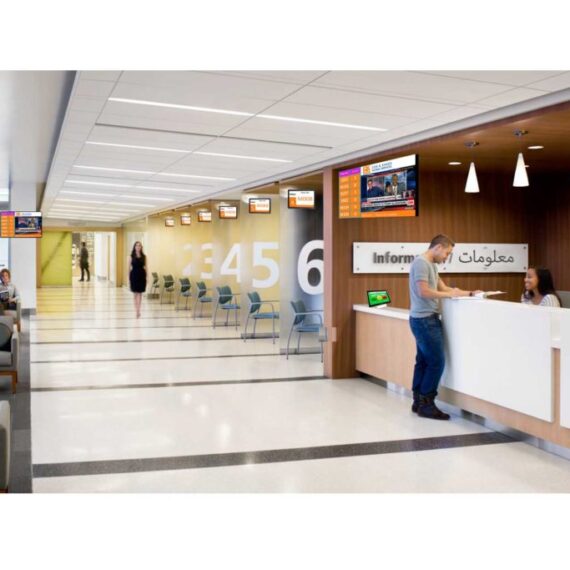

Patient Queue Management System in Qatar
Efficient patient care begins before the first consultation. In Qatar’s evolving healthcare landscape, delivering timely and organized service has become a top priority for clinics, hospitals, and other medical institutions. A Patient Queue Management System plays a vital role in achieving this efficiency by organizing patient flow, reducing wait times, and enhancing overall satisfaction.
Axle Systems, a leading technology provider in Qatar, offers modern, reliable, and scalable Patient Queue Management System. Partnering with top global brands like Qmatic, Qbetter, and QueueBee, we ensure healthcare facilities in Qatar deliver seamless, efficient, and patient-friendly experiences.
What is a Patient Queue Management System?
A Patient Queue Management System (PQMS) is a digital system that manages the flow of patients in a healthcare facility. It eliminates the need for physical queues and manual registrations by streamlining patient check-ins, directing them to the right department or specialist, and notifying them when it’s their turn.
Modern systems often include features such as:
- Touchscreen kiosks or mobile check-ins
- Ticket printing or digital queue numbers
- Real-time queue status displays
- Voice announcements
- Integration with hospital information systems (HIS) and EMRs
- SMS/app notifications for remote alerts
Benefits of a Patient Queue Management System
Implementing a Patient Queue Management System (PQMS) in clinics, hospitals, and specialized healthcare centers brings transformative benefits. In today’s patient-centric healthcare environment, reducing friction in the service experience is critical — and that’s exactly what an advanced PQMS delivers. Here’s a detailed look at the top advantages:
1. Reduced Wait Times
A major concern in healthcare facilities is the unpredictable and often excessive waiting time, especially during peak hours. A Patient Queue Management System intelligently organizes patient flow based on various factors such as:
- Appointment status (walk-in vs scheduled)
- Type of service required (consultation, diagnostics, pharmacy, etc.)
- Patient priority (emergency, elderly, etc.)
By doing so, the Patient Queue Management System minimizes idle time for both patients and healthcare providers, allowing more patients to be served efficiently. It helps to eliminate confusion and congestion in waiting areas and ensures that no patient is overlooked.
2. Improved Operational Efficiency
Manual queuing methods are prone to bottlenecks, especially in busy clinics or hospitals. Patient Queue Management System automates core administrative tasks such as:
- Self-check-in or registration kiosks
- Auto-routing to departments or physicians
- Queue token generation and display
This automation reduces reliance on front desk staff, eliminates human errors in queue management, and frees up medical personnel to focus more on clinical care rather than crowd control. This translates to smoother workflows, faster service, and increased productivity.
3. Enhanced Patient Satisfaction
Healthcare can be stressful for patients. A digital queue system enhances the patient experience by:
- Providing estimated wait times
- Displaying real-time queue updates on screens
- Sending SMS notifications or mobile alerts when their turn is approaching
Patients feel informed, respected, and less anxious. This transparency builds trust and results in higher satisfaction levels, better patient reviews, and greater retention for clinics and hospitals.
4. Better Staff Allocation
With integrated data analytics, a Patient Queue Management System tracks daily, weekly, and monthly footfall patterns. Managers can use this data to:
- Identify peak traffic hours
- Reallocate staff based on demand
- Avoid overstaffing or understaffing
This dynamic resource management helps in maintaining a high level of service quality without increasing operational costs. It also assists HR departments in making data-driven staffing decisions.
5. Seamless Integration
Modern Patient Queue Management System solutions are designed to integrate easily with existing healthcare infrastructure such as:
- Electronic Medical Records (EMR)
- Hospital Information Systems (HIS)
- Appointment Booking Platforms
- CRM Tools
This level of interconnectivity creates a unified healthcare experience, where a patient’s journey — from booking to treatment — is connected, efficient, and well-documented.
6. Real-Time Reporting and Analytics
Administrators and decision-makers benefit from powerful dashboards and reports that include:
- Average waiting and service times
- Patient footfall by department or doctor
- Queue length patterns
- Service-level compliance
This data is not only useful for operational improvements, but also for audits, regulatory reporting, and strategic planning. It empowers healthcare organizations to adopt a continuous improvement approach.
7. Custom Workflows for Specialties
Each department in a healthcare facility has unique needs. Patient Queue Management System allows for the customization of queue workflows to suit:
- Pediatrics – with support for family groups and comfort alerts
- Radiology – with token redirection to scanning rooms
- Pharmacy – for prescription pickup coordination
- Lab Diagnostics – for sample collection and reporting
This specialization enhances process accuracy and ensures that department-specific requirements are met without disrupting overall workflow.
Key Features of Patient Queue Management System
Modern Patient Queue Management System (PQMS), especially those offered by top brands like Qmatic, Qbetter, and QueueBee — and supplied in Qatar by Axle Systems — are packed with advanced features tailored for the healthcare environment. These systems are designed not just to manage queues but to streamline the entire patient journey, from arrival to service completion.
Below is a comprehensive look at the most popular and effective features:
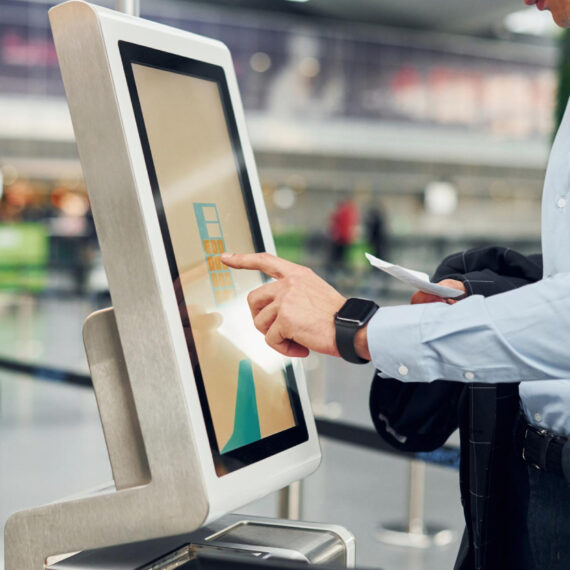
Self-Service Kiosk
Description:
Patients can independently check in, register, or update their details using touch-enabled kiosks or tablets placed in hospital lobbies or reception areas.
Benefits:
- Reduces front-desk congestion
- Minimizes human error in data entry
- Offers contactless service, especially post-pandemic
- Enables faster processing during peak hours
Use Case:
Ideal for walk-in patients and follow-up visits who can simply input their health card number or appointment code to proceed.
Appointment Integration
Description:
Seamless integration with online appointment systems ensures that pre-booked patients are automatically prioritized in the queue without the need to re-register on arrival.
Benefits:
- Ensures smooth transition from booking to check-in
- Avoids duplication of data entry
- Improves punctuality in patient handling
- Helps staff better prepare for incoming cases
Use Case:
Useful in private clinics or specialty departments that rely heavily on appointment-based consultations (e.g., dermatology, gynecology).
Multi-Service Queuing
Description:
Handles simultaneous queues for multiple departments, services, and priority levels—such as general medicine, pharmacy, radiology, and emergency services.
Benefits:
- Manages complex workflows across departments
- Prioritizes emergency or elderly patients
- Adapts to dynamic patient routing and referrals
- Prevents bottlenecks in critical areas
Use Case:
Hospitals with diverse departments and patient categories benefit from this to manage multiple service lines efficiently.
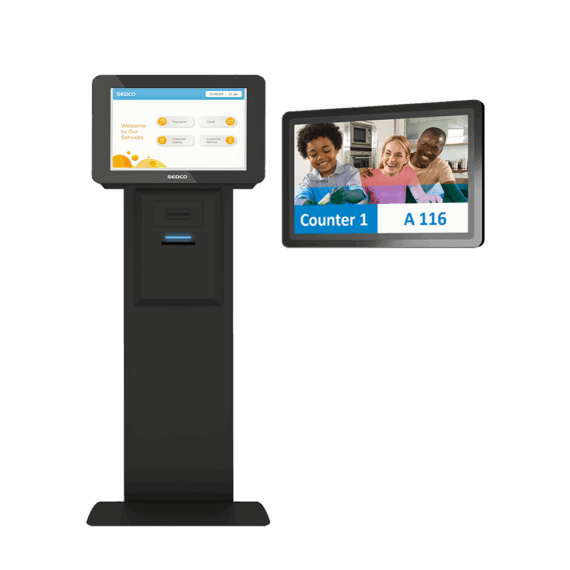
Token Display System
Description:
Queue numbers or tokens are displayed on digital screens with information about which counter, room, or doctor the patient should go to.
Benefits:
- Provides clear visual direction
- Reduces patient confusion and anxiety
- Allows hospitals to broadcast health awareness content alongside token displays
- Synchronizes with voice calling systems for additional clarity
Use Case:
Best for outpatient departments and busy reception zones.
Voice Announcement System
Description:
Automated voice prompts notify patients when it’s their turn and where to proceed, supporting both numbered tokens and named instructions.
Benefits:
- Assists visually impaired or elderly patients
- Reduces the need for repeated manual announcements
- Supports bilingual or multilingual audio prompts
- Enhances accessibility and professionalism
Use Case:
Valuable in crowded waiting areas or where screens may not be clearly visible to all.
Mobile Patient Queue Management System
Description:
Patients can access the queuing system from their smartphones—whether to join the queue, track progress, or receive turn alerts.
Benefits:
- Allows patients to wait in a café, car, or pharmacy rather than in a crowded lobby
- Reduces physical congestion in waiting areas
- Promotes a better patient experience
- Supports QR code check-ins or web app access
Use Case:
Especially effective in urban clinics or hospitals aiming to provide a tech-savvy, contactless service model.
Remote Monitoring Dashboard
Description:
Hospital administrators can monitor real-time queue data, including patient volumes, waiting times, and staff performance — all from any desktop or mobile device.
Benefits:
- Enables real-time decision-making during surges
- Assists in identifying operational inefficiencies
- Provides transparency in service levels
- Enhances oversight and accountability
Use Case:
Ideal for healthcare supervisors managing multiple departments or remote locations.
Data & Reports
Description:
Generates comprehensive reports that include queue performance, patient wait times, staff activity, and service flow trends.
Benefits:
- Helps in evaluating departmental productivity
- Assists in optimizing resource allocation
- Supports accreditation and compliance reporting
- Drives strategic improvements
Use Case:
Crucial for hospital managers and healthcare quality assurance teams needing insights for KPI monitoring.
Multilingual Support
Description:
Patient-facing screens, kiosks, and voice announcements can be configured in multiple languages, including Arabic, English, and others as per demographics.
Benefits:
- Ensures inclusivity and ease of use for non-native speakers
- Reduces miscommunication during critical interactions
- Enhances the hospital’s image as patient-centric and culturally aware
Use Case:
Highly beneficial in Qatar’s multicultural healthcare environment, where hospitals cater to patients from diverse linguistic backgrounds.
Smart Workflow Routing (Bonus Feature)
Description:
Advanced systems can auto-route patients to appropriate departments or next steps (e.g., from general consultation to lab testing) based on their visit type or doctor’s recommendations.
Benefits:
- Reduces patient backtracking or misdirection
- Streamlines intra-hospital movement
- Enhances staff coordination and speed
Use Case:
Multispecialty hospitals or clinics offering end-to-end diagnostics and treatments.
Leading Brands in Patient Queue Management System
At Axle Systems, we partner with some of the industry’s most reputable brands to bring cutting-edge Patient Queue Management System to Qatar. These brands are known for their innovation, reliability, and comprehensive features:
- Qbetter: Qbetter offers an all-in-one platform featuring appointment booking, virtual queuing, brand promotion, and customer feedback collection. Their system emphasizes virtual check-in, real-time updates via mobile apps or digital displays, intelligent algorithms for wait time prediction, and powerful analytics. Qbetter excels in eliminating physical queues, optimizing flow, and providing pre-booked appointment capabilities, all with a multilingual interface.
- Qmatic: A global leader in customer journey management, Qmatic provides robust queue management solutions designed to streamline operations, reduce wait times, and deliver seamless customer experiences. Their offerings include virtual queuing (Mobile Ticket), appointment scheduling, self-service check-in kiosks, automated notifications, and comprehensive reporting and analytics. Qmatic’s focus is on providing a structured and certain waiting room experience, increasing staff efficiency, and offering data-driven insights.
- QueueBee: QueueBee systems are known for their advanced queue ticket capabilities, offering both paper and paperless options, flexible ticket styles (QR codes, barcodes, numerical), and personalized ticket designs. They provide live queue status updates, a customer web portal for virtual tickets, prioritized queuing, and estimated wait times. QueueBee’s fully web-based, centralized dashboard allows for real-time data monitoring, performance comparison across locations, and event notifications. They offer a range of hardware solutions including self-service kiosks, tabletop printers, counter displays, and main displays.
These brands represent the pinnacle of queue management technology, offering scalable and customizable solutions to meet the diverse needs of healthcare facilities in Qatar.
Axle Systems: Your Trusted Partner for Patient Queue Management System in Qatar
Axle Systems is a leading provider of security and smart solutions in Qatar, and we are proud to be a dedicated supplier of advanced Patient Queue Management System. With years of experience and a deep understanding of the local market, we are committed to helping healthcare organizations in Qatar achieve optimal operational efficiency and unparalleled patient satisfaction.
Why choose Axle Systems for your Patient Queue Management System?
- Expertise and Experience: Our team possesses extensive knowledge and experience in designing, implementing, and supporting Patient Queue Management System for various industries, with a strong focus on healthcare.
- Tailored Solutions: We understand that every healthcare facility has unique requirements. We work closely with our clients to assess their specific needs and provide customized Patient Queue Management System solutions that perfectly align with their operational goals.
- Leading Technology: We partner with globally recognized brands like Qbetter, Qmatic, and QueueBee, ensuring that our clients have access to the latest and most reliable queue management technology.
- Comprehensive Support: From initial consultation and system design to installation, training, and ongoing technical support, Axle Systems provides end-to-end service, ensuring a seamless implementation and long-term success.
- Commitment to Excellence: As an ISO 9001-2008 certified company, we adhere to the highest quality standards in all our services and solutions.
Contact Axle Systems Today!
Ready to transform your patient experience and optimize your healthcare operations in Qatar? Contact Axle Systems today to learn more about our Patient Queue Management Systems and how we can help your facility thrive.
Axle Systems Contact Details:
- Phone: +974 4468 2391
- Email: info@axlesys.com
- Website: www.axlesys.com
- Address: P.O. Box 200081, Al Khalidiya Street, Najma, Doha, Qatar
Common FAQs about Patient Queue Management System
Here are some frequently asked questions about Patient Queue Management Systems:
- What is the primary goal of a Patient Queue Management System?
The primary goal is to optimize patient flow, reduce waiting times, enhance patient satisfaction, and improve the operational efficiency of healthcare facilities.
- How does a Patient Queue Management System reduce wait times?
A Patient Queue Management System reduces wait times by streamlining the check-in process, allowing patients to wait virtually, providing real-time queue updates, optimizing resource allocation, and enabling data-driven decisions to identify and resolve bottlenecks.
- Can a Patient Queue Management System integrate with existing hospital systems?
Yes, most modern Patient Queue Management System solutions are designed to integrate seamlessly with existing hospital information systems (HIS) and Electronic Health Record (EHR) systems, allowing for efficient data exchange and a holistic view of the patient journey.
- What are the different ways patients can join a queue with a Patient Queue Management System?
Patients can typically join a queue through various methods, including self-service kiosks, mobile applications, QR code scanning, online web portals, or by being assisted by front-desk staff.
- How does a Patient Queue Management System improve communication with patients?
A Patient Queue Management System enhances communication by providing automated notifications via SMS or mobile apps about queue status, estimated wait times, and instructions on when and where to proceed for service. Digital displays in waiting areas also provide real-time information.
- Is a Patient Queue Management System suitable for small clinics or only large hospitals?
PQMS solutions are scalable and can be customized to suit the needs of both small clinics and large multi-specialty hospitals. The benefits of improved efficiency and patient satisfaction apply to healthcare facilities of all sizes.
- Can a Patient Queue Management System prioritize certain patients?
Yes, advanced Patient Queue Management System can be configured to prioritize patients based on various criteria such as urgency of care (e.g., emergency cases), appointment status, special needs, or specific service requirements.
- What kind of data and analytics can a Patient Queue Management System provide?
A Patient Queue Management System can provide detailed data on patient arrival patterns, average wait times, service durations, staff performance, peak hours, and bottlenecks. This data is crucial for operational planning, resource optimization, and service improvement.
- How does a Patient Queue Management System contribute to a better work environment for staff?
By automating repetitive tasks and reducing patient frustration, a Patient Queue Management System creates a more organized and calmer work environment. Staff can focus more on patient care, leading to reduced stress and improved job satisfaction.
- What hardware components are typically part of a Patient Queue Management System?
Common hardware components include self-service kiosks for ticket dispensing and check-in, digital display screens for queue information, staff call terminals/keypads, and sometimes printers for physical tickets. Many systems also leverage patients’ personal mobile devices for virtual queuing.
- Is a virtual queuing system beneficial for all types of patients?
Virtual queuing is highly beneficial for most patients as it allows them to wait more comfortably and productively. However, facilities should also ensure options for patients who may not be tech-savvy or prefer traditional methods.
- What is the return on investment (ROI) for implementing a Patient Queue Management System?
The ROI for a Patient Queue Management System can be significant, realized through reduced operational costs (less staff time spent on queue management), increased patient retention, improved staff productivity, and a stronger reputation due to enhanced patient satisfaction.
Conclusion: Elevate Patient Experience with Smart Queue Management
In today’s fast-paced and patient-centric healthcare landscape, delivering efficient, seamless, and stress-free service is no longer optional — it’s essential. A Patient Queue Management System transforms the way clinics and hospitals in Qatar handle patient flow, from registration to consultation, diagnostics to pharmacy visits. By minimizing wait times, streamlining processes, and offering real-time transparency, it enhances both operational efficiency and patient satisfaction.
With advanced features like self-service kiosks, mobile queue tracking, voice announcements, and real-time dashboards, healthcare providers can focus more on delivering quality care and less on managing crowds. Whether you’re a private clinic, a multi-specialty hospital, or a government health center, implementing a robust queue management system is a smart investment in the future of healthcare.
At Axle Systems, we understand the unique needs of Qatar’s healthcare sector. That’s why we offer industry-leading solutions from trusted brands like Qmatic, Qbetter, and QueueBee, ensuring that every facility — big or small — can benefit from modern patient flow technology.