

Multi-Factor Access Control in Qatar: A Necessity
Summary
Across healthcare, education, hospitality, residential, and government sectors, multi-factor authentication (MFA) ensures regulatory readiness, scalable protection, and real-time visibility designed for growth. Organizations now require access systems that not only restrict entry but also anticipate risks and adapt to evolving security needs. Multi-factor authentication within modern access control solutions in Qatar provides the precision, readiness, and accountability organizations need to operate securely in a rapidly evolving landscape.
Table Of Contents
Introduction
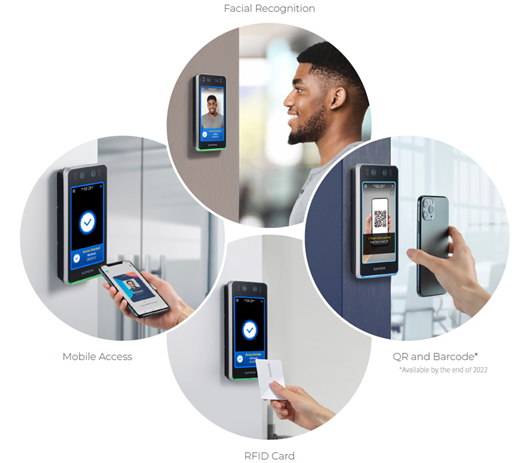
As organizations become more compliance-driven, digitally interconnected, and focused on smart infrastructure, the demand for advanced access control solutions in Qatar is rising rapidly. At the core of this shift is multi-factor authentication (MFA)—an approach that verifies identity with high precision, delivers real-time control across industries, and reduces unauthorized access. In a nation defined by smart cities and intelligent buildings, security can no longer rely on single-layer protection. By combining credentials such as cards, biometrics, and PINs, MFA creates a stronger defense aligned with the country’s modern requirements.
Understanding the Role of Multi-Factor Authentication in Access Control
Traditional access control systems often rely on single-factor authentication, such as key cards, PIN codes, or physical keys. While convenient, these methods are vulnerable to unauthorized duplication and misuse. Multi-factor authentication reduces these risks by requiring at least two or more forms of verification, typically drawn from different authentication categories. From hospitals and government facilities to schools, residential communities, and hotels, MFA is reshaping how physical spaces are secured across Qatar.
Why Is MFA Necessary for Qatar’s Rapidly Evolving Infrastructure?
Infrastructure growth in Qatar is driven by digital governance, high-value commercial investments, and smart city initiatives that demand stronger security measures than ever before. Key drivers include:
- Rising requirements for privacy compliance and data protection
- Increased foot traffic in commercial and public spaces
- Greater focus on protecting critical infrastructure
In this environment, MFA provides:
- Traceable audit logs
- Real-time identity verification
- Reduced insider threats
- Stronger regulatory compliance
Key Benefits of Multi-Factor Access Control for Organizations
Across industries, MFA consistently delivers measurable advantages:
- Incident response and real-time monitoring: Security systems generate immediate alerts for forced doors, invalid access attempts, and suspicious activity.
- Audit readiness and compliance: Modern access control systems provide detailed, time-stamped activity logs, creating a transparent security trail for compliance, risk management, and operational clarity.
- Scalable security: Modern platforms are designed to scale easily, allowing administrators to add protection layers without replacing existing infrastructure. Through a centralized dashboard, teams can adjust access levels, monitor activity, and respond in real time.
Conclusion
Advancements such as AI-powered facial recognition and liveness detection have significantly improved identity accuracy in high-security environments. In the near future, predictive security analytics will help detect unusual behavior before threats escalate, shifting security from reactive response to proactive prevention.
Organizations seeking advanced access control solutions in Qatar to strengthen their security posture can benefit from tailored systems designed for their specific environments. Axle Systems offers customized access control solutions that support long-term protection and operational efficiency. Businesses are encouraged to contact Axle Systems to discuss their requirements.
Frequently Asked Questions
Q. Why is multi-factor authentication important?
A. It adds extra layers of security, making unauthorized access significantly more difficult.
Q. Which industries benefit from access control systems?
A. Healthcare, government, education, hospitality, commercial, and residential sectors all benefit from secure, traceable entry systems.
Q. Can access control systems integrate with other technologies?
A. Yes. Modern systems can integrate with CCTV, visitor management, and building management platforms.