

Understanding KPOI Camera Regulation in Qatar: A Comprehensive Guide
Introduction
In recent years, Qatar has significantly enhanced its security infrastructure, particularly through the implementation of the KPOI Camera Regulation in Qatar. This regulation mandates the installation of surveillance cameras in critical areas to bolster public safety and security. With the rapid urban development and the hosting of major international events, such as the FIFA World Cup 2022, the need for stringent security measures has become paramount.
This comprehensive guide delves into the intricacies of the KPOI Camera Regulation in Qatar, exploring its benefits, features, applications, and the role of leading brands like HIKVISION and DAHUA. Additionally, we highlight the contributions of Axle Systems, a premier supplier of KPOI Camera Regulation in Qatar.
What is KPOI Camera Regulation in Qatar?
The KPOI Camera Regulation in Qatar is a comprehensive security directive issued by Qatar’s Ministry of Interior (MOI), aimed at bolstering the country’s national security infrastructure. “KPOI” stands for Key Points of Interest, which refers to strategically important locations across Qatar that are considered critical to public safety, economic stability, or national interests.
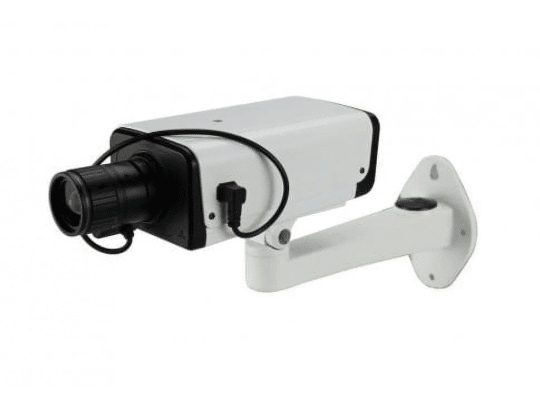
Under this regulation, all KPOI-designated sites are mandated to install and operate surveillance camera systems that meet specific technical and operational standards set forth by the MOI. These standards cover aspects such as camera resolution, recording capacity, retention period, system integration, remote access, and data security.
Scope of the Regulation
The KPOI Camera Regulation in Qatar applies to a broad range of establishments and locations, including but not limited to:
- Government Buildings and Institutions – Ensuring continuous monitoring and protection of sensitive administrative and operational facilities.
- Critical Infrastructure – Utilities such as water plants, electricity substations, oil and gas facilities, telecommunications towers, and transportation hubs.
- Public Areas and Facilities – Parks, stadiums, convention centers, malls, public transport terminals, and cultural landmarks where large gatherings can occur.
- Commercial and Industrial Establishments – Hotels, banks, shopping centers, manufacturing plants, warehouses, and high-rise business centers.
- Educational and Healthcare Institutions – Universities, schools, hospitals, and medical research centers.
Each of these locations is designated a “KPOI” status based on its strategic value and potential impact on public security in the event of an incident.
Objectives of the Regulation: KPOI Camera Regulation in Qatar
The primary goals of the KPOI Camera Regulation in Qatar are:
- Standardizing Surveillance Infrastructure
The regulation establishes a uniform framework for how surveillance systems should be designed, installed, and operated across the country. This uniformity ensures that all surveillance footage can be effectively integrated and analyzed by the authorities when needed. - Preventive Security and Crime Deterrence
By ensuring that high-risk and high-value locations are under continuous observation, the regulation aims to deter criminal activity such as theft, vandalism, sabotage, and terrorism. The visible presence of surveillance cameras has been proven to reduce unlawful behavior. - Rapid Incident Response
Real-time monitoring and intelligent alert systems enabled by KPOI-compliant cameras allow security personnel and law enforcement to respond swiftly to emergencies, thereby minimizing damage or injury. - Data Collection and Forensic Investigation
Surveillance footage recorded at KPOI Camera Regulation in Qatar locations serves as crucial evidence during criminal investigations, dispute resolutions, or legal proceedings. High-resolution video can help identify perpetrators, understand sequences of events, and verify claims. - Integration with National Security Systems
The regulation facilitates the integration of private surveillance systems with central security monitoring networks operated by the MOI. This coordinated approach strengthens overall situational awareness and operational readiness at a national level.
Enforcement and Compliance
Compliance with the KPOI Camera Regulation in Qatar is legally binding for all designated establishments. The MOI, through its Security Systems Department (SSD), oversees the implementation, inspection, and approval of surveillance systems at KPOI sites. Here’s how the enforcement process typically works:
- Site Assessment: An initial evaluation is conducted to determine if a location qualifies as a KPOI. This may be based on criteria such as foot traffic, business nature, and geopolitical relevance.
- System Design and Approval: Organizations must submit their CCTV layout and specifications for MOI approval. The system must adhere strictly to the technical guidelines issued by the SSD.
- Installation and Certification: Only MOI-approved vendors are authorized to install KPOI surveillance systems. Upon completion, the setup is subject to a technical inspection and certification by the MOI.
- Audits and Penalties: Non-compliant establishments may face penalties, including fines, suspension of business licenses, or disqualification from public tenders. The MOI also conducts periodic audits to ensure ongoing compliance.
Benefits of KPOI Camera Regulation in Qatar
The KPOI Camera Regulation in Qatar brings substantial benefits to Qatar’s national security framework, public safety strategies, and private sector operations. By requiring consistent surveillance measures at strategically important sites, the regulation ensures that every layer of Qatar’s social and economic fabric is better protected, monitored, and managed. Below is a detailed breakdown of the primary benefits:

1. Enhanced Public Safety
Public safety is the foremost objective of the KPOI Camera Regulation in Qatar. With high-quality, always-on surveillance in place across key locations, there is a visible deterrent to unlawful activities such as theft, vandalism, trespassing, and even potential acts of terrorism.
- Visibility of cameras alone has been shown to discourage criminal behavior. Would-be offenders are less likely to act if they know their actions are being recorded.
- Real-time surveillance enables quicker identification of suspicious behavior, allowing security personnel or law enforcement to intervene before incidents escalate.
- In places with high foot traffic—such as malls, transportation hubs, and sports venues—surveillance adds a layer of psychological comfort for residents and visitors alike, contributing to a safer and more welcoming environment.
2. Standardization of Surveillance Practices
The regulation sets out clear technical and operational standards for surveillance systems at KPOI locations. This consistency across all sectors ensures uniformity in the collection, quality, and management of surveillance data.
- Camera resolution, frame rates, storage duration, and video management software specifications are standardized. This ensures that every approved site operates within a defined quality benchmark.
- It also simplifies system audits and inspections by the Ministry of Interior (MOI), as all systems follow a consistent framework.
- Standardization ensures that surveillance footage from different locations and camera brands (e.g., HIKVISION, DAHUA) can be easily analyzed using centralized monitoring systems or forensic software, increasing operational efficiency for law enforcement agencies.
3. Improved Incident Response
Quick and effective responses are critical during emergencies. KPOI-compliant surveillance systems offer features that empower authorities to detect and address incidents as they unfold.
- Live video feeds give security personnel the ability to assess situations in real-time, whether it’s a medical emergency, a traffic accident, or a criminal activity.
- Many systems are equipped with motion detection, object tracking, or intrusion alarms, allowing for instant alerts when unauthorized movements are detected in restricted zones.
- Integration with control rooms or law enforcement command centers means incidents can be reported, verified, and acted upon within minutes, potentially saving lives and limiting damage.
- In commercial settings like banks or retail outlets, faster incident response also reduces liabilities and improves customer trust.
4. Evidence Collection
One of the most significant advantages of a KPOI Camera Regulation in Qatar is its ability to provide reliable, court-admissible evidence in legal investigations.
- High-definition footage helps investigators identify suspects, vehicles, and time-specific activities with precision.
- Surveillance records are vital in both criminal and civil cases, assisting in solving thefts, workplace disputes, harassment claims, and more.
- Standardized video formats and timestamps ensure that footage can be reviewed and analyzed seamlessly by police, lawyers, and forensic experts.
- Many cameras include audio recording, license plate recognition (LPR), or facial recognition capabilities, enriching the evidence base and increasing the accuracy of investigations.
5. Integration with National Security Systems
KPOI Camera Regulation in Qatar are not standalone setups; they are part of a broader security ecosystem. Integration with Qatar’s central security platforms ensures unified monitoring and coordination.
- The Ministry of Interior (MOI) and other government entities can remotely access approved surveillance feeds from designated KPOI locations in real time.
- This integration facilitates inter-agency collaboration, particularly during events involving public safety threats, such as protests, natural disasters, or large-scale events.
- Surveillance data can also be merged with other smart city infrastructure—such as traffic systems, emergency response networks, or facial recognition databases—creating a multi-dimensional security grid.
- Over time, this integrated approach supports predictive policing, where historical data trends are used to forecast potential threats and prepare accordingly.
6. Operational and Financial Efficiency for Businesses
While primarily a security measure, compliance with the KPOI Camera Regulation in Qatar can also offer significant operational benefits to private sector organizations:
- Business owners can monitor employee productivity, service quality, and facility usage through the same system.
- Integrated analytics help in understanding customer behavior, optimizing store layouts, and improving customer service.
- In insurance claims or disputes, having reliable surveillance footage can expedite processing and minimize financial losses.
- Businesses that comply with the regulation are also seen as more responsible and trustworthy, which can enhance their reputation and appeal to partners and customers.
7. Support for Smart City Development
As Qatar moves toward its National Vision 2030, the integration of intelligent surveillance solutions under the KPOI Camera Regulation in Qatar supports the development of smart, safe, and sustainable cities.
- Intelligent surveillance technologies—such as AI-based threat detection, real-time analytics, and cloud-based storage—enable smarter city management.
- Insights gathered from surveillance systems can assist in urban planning, crowd control, and transportation optimization.
- By aligning with national initiatives, compliant organizations position themselves as forward-thinking partners in Qatar’s digital transformation.
Features of KPOI Camera Regulation in Qatar
High-Resolution Imaging
KPOI-compliant cameras offer high-definition video capture, ensuring clear and detailed footage for monitoring and analysis.
Night Vision Capabilities
Equipped with infrared technology, these cameras provide reliable surveillance even in low-light or nighttime conditions.
Motion Detection and Alerts
Advanced motion detection features trigger alerts upon detecting movement, enabling proactive monitoring and response.
Remote Access and Control
Authorized personnel can access live feeds and control camera functions remotely, facilitating flexible and efficient surveillance management.
Weather Resistance
Designed to withstand Qatar’s harsh climate, these cameras are built with weather-resistant materials, ensuring durability and consistent performance.
Applications of KPOI Camera Regulation in Qatar
Critical Infrastructure Protection
Facilities such as power plants, water treatment facilities, and communication hubs are monitored to prevent sabotage and ensure uninterrupted services.
Public Spaces Surveillance
Parks, malls, stadiums, and other public areas are equipped with surveillance systems to monitor crowd activities and ensure public safety.
Commercial Establishments
Businesses, including banks, retail stores, and hotels, install surveillance systems to protect assets, monitor operations, and enhance customer safety.
Transportation Hubs
Airports, seaports, and public transportation systems utilize surveillance to manage traffic flow, monitor passenger activities, and respond to emergencies.
Educational and Healthcare Institutions
Schools, universities, and hospitals implement surveillance to safeguard students, staff, and patients, ensuring a secure environment.
Leading Brands in KPOI-Compliant Surveillance: HIKVISION and DAHUA
HIKVISION
HIKVISION is a globally recognized provider of video surveillance products and solutions. Their offerings include a wide range of cameras, from basic models to advanced systems with AI capabilities. HIKVISION‘s products are known for their high-quality imaging, reliability, and compliance with international security standards.
DAHUA
DAHUA Technology is another leading manufacturer of video surveillance equipment. Their product line features innovative solutions, including thermal cameras, facial recognition systems, and intelligent video analytics. DAHUA’s commitment to research and development ensures that their products meet the evolving needs of modern security challenges.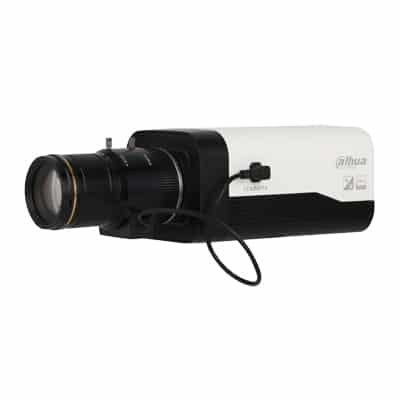
Axle Systems: Your Trusted Supplier for KPOI-Compliant Surveillance in Qatar
Axle Systems is a premier provider of security and surveillance solutions in Qatar. With a focus on quality and compliance, Axle Systems offers a comprehensive range of products and services tailored to meet the requirements of the KPOI Camera Regulation in Qatar.
Services Offered
- Consultation and Assessment: Expert advice on surveillance needs and compliance requirements.
- System Design and Installation: Customized solutions designed and installed by certified professionals.
- Maintenance and Support: Ongoing maintenance services to ensure optimal system performance.
- Training and Education: Training programs for staff to effectively manage and operate surveillance systems.
Contact Information
- Phone: +974 4468 2391
- Email: info@axlesys.com
- Address: P.O. Box 200081, Al Khalidiya Street, Najma, Doha, Qatar
- Website: www.axlesys.com
Frequently Asked Questions (FAQs)
Q1: Is compliance with the KPOI Camera Regulation mandatory for all businesses in Qatar?
A1: Compliance is mandatory for businesses and institutions identified as Key Points of Interest by the Ministry of Interior. These typically include critical infrastructure, public spaces, and commercial establishments.
Q2: How can I determine if my establishment falls under theKPOI Camera Regulation in Qatar?
A2: You can consult with the Ministry of Interior or a certified surveillance solutions provider like Axle Systems to assess your compliance requirements.
Q3: What are the penalties for non-compliance with the KPOI Camera Regulation in Qatar?
A3: Non-compliance can result in fines, operational restrictions, or other legal consequences as determined by the Ministry of Interior.
Q4: Can existing surveillance systems be upgraded to meet KPOI standards?
A4: Yes, existing systems can often be upgraded. A professional assessment can determine the necessary enhancements to achieve compliance.
Q5: Are there specific brands approved for KPOI Camera Regulation in Qatar?
A5: Brands like HIKVISION and DAHUA offer products that meet the standards set by the KPOI Camera Regulation in Qatar. It’s essential to ensure that the specific models used are compliant.
Q6: How often should surveillance systems be maintained?
A6: Regular maintenance is crucial for optimal performance. It’s recommended to schedule periodic checks and updates, typically on a quarterly or bi-annual basis.
Conclusion
The KPOI Camera Regulation in Qatar is a vital component of the country’s ongoing efforts to build a safe, secure, and resilient society. By mandating high-quality surveillance systems at Key Points of Interest, the regulation addresses both present and future security challenges through a proactive and standardized approach.
This initiative by the Ministry of Interior (MOI) is not merely a regulatory requirement—it’s a strategic pillar supporting Qatar’s broader vision of public safety, crime prevention, emergency preparedness, and smart urban development. As Qatar continues to grow economically and socially, having a comprehensive surveillance infrastructure in place ensures that its people, assets, and institutions are well-protected.
For businesses, government agencies, developers, and property managers, understanding the regulation and adhering to its guidelines is crucial—not just to remain compliant but also to foster a safer operational environment. The benefits of compliance are multifaceted: from reducing liability risks and improving incident response to enhancing public trust and facilitating smoother legal processes.
To implement surveillance systems that meet KPOI Camera Regulation in Qatar standards, working with experienced and MOI-approved suppliers is essential.
