
GPS Tracking System in Qatar
In today’s fast-paced world, where efficiency, safety, and accountability are critical, a GPS tracking system has become an indispensable tool for individuals and businesses alike. Whether it’s monitoring a fleet of vehicles, ensuring the safety of loved ones, or managing high-value assets, GPS tracking technology offers real-time visibility, control, and operational advantages.
At Axle Systems, we specialize in delivering robust GPS Tracking Systems in Qatar, trusted by businesses, logistics firms, schools, construction companies, and private vehicle owners. This blog post explores everything you need to know about GPS tracking systems – their features, benefits, applications, and why Axle Systems is the ideal supplier in Qatar.
What is a GPS Tracking System?
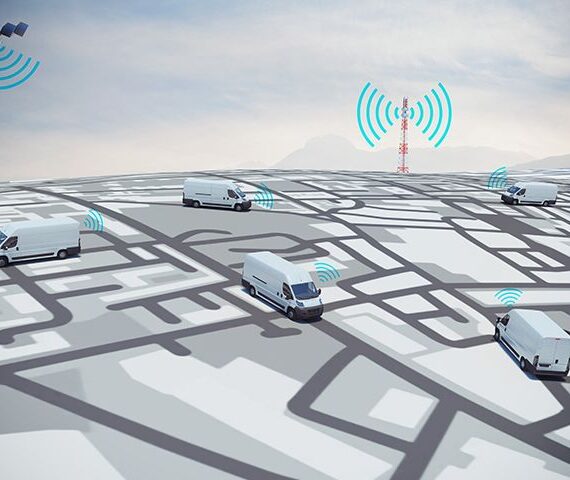
A GPS (Global Positioning System) tracking system is a navigation tool that uses satellite signals to determine and monitor the real-time location of vehicles, assets, or individuals. The system typically comprises a GPS Tracking System installed on the vehicle or asset, which transmits data to a centralized software platform or mobile application.
Using triangulation from multiple satellites, the system can provide precise location data, including speed, direction, and movement history, enabling real-time monitoring, route optimization, geofencing, and data analysis.
Benefits of GPS Tracking System
A GPS Tracking System provides a wide range of benefits that go far beyond simple location tracking. It enhances operational efficiency, improves safety, reduces costs, and delivers critical data for decision-making. Whether you’re managing a single car or an entire fleet, GPS Tracking System offers strategic value across every aspect of vehicle and asset management.
Let’s explore the key benefits in more depth:
1. Real-Time Location Tracking
GPS Tracking System gives you up-to-the-second location data of your vehicles, assets, or employees, viewable through a web dashboard or mobile app. This is particularly vital in Qatar, where many businesses operate across wide geographic areas such as Doha, Al Khor, Mesaieed, and Dukhan.
Why it matters:
- Improves visibility and control over fleet movement
- Enables fast response during emergencies or route deviations
- Useful for tracking school buses, logistics vehicles, or service technicians
2. Enhanced Fleet Productivity
For businesses that manage a fleet of vehicles, productivity is key. GPS tracking helps reduce inefficiencies, such as excessive idling, long routes, or unauthorized vehicle use.
How it helps:
- Optimize daily routes to reduce travel time and fuel usage
- Identify underutilized vehicles or inefficiencies in scheduling
- Reduce downtime and increase the number of service calls or deliveries completed per day
3. Fuel Cost Reduction
Fuel is one of the most significant expenses in fleet operations. GPS tracking can help reduce fuel consumption through route optimization, speed control, and minimized idling.
Key impacts:
- Prevent drivers from taking detours or engaging in fuel fraud
- Monitor speed and harsh driving that leads to excess fuel use
- Gain monthly fuel usage reports and trends to manage expenses better
4. Improved Safety & Driver Behavior Monitoring
A GPS tracking system lets you monitor how your vehicles are being driven. Unsafe practices such as over-speeding, harsh braking, or sudden acceleration are automatically logged.
Benefits:
- Promote safe driving habits through performance-based feedback
- Reduce accident risk and maintenance costs
- Encourage accountability among drivers by making their behavior visible
5. Theft Prevention & Asset Recovery
Vehicle theft is a concern for car rental companies, logistics businesses, and private owners. A GPS tracker acts as a deterrent and enables quick recovery in case of theft.
With features like:
- Remote engine immobilization to stop a stolen vehicle
- Tamper alerts if the tracker is removed or loses power
- Geofencing to get alerts when vehicles leave approved zones
6. Compliance, Record Keeping & Legal Protection
Many industries are subject to regulatory requirements for transport safety, driving hours, and trip documentation. GPS tracking provides automatic logs that help with audits and compliance.
Examples:
- Generate driving logs for ROP or insurance audits
- Export reports for mileage reimbursement or delivery verification
- Create proof-of-delivery or route adherence documentation
7. Customer Service Enhancement
Real-time tracking can improve your relationship with customers by offering transparency and reliability. Provide customers with accurate arrival times and real-time updates.
Applicable to:
- Logistics/delivery companies that need to give ETAs
- Taxi and limousine services tracking driver arrival
- Food delivery and e-commerce companies ensuring customer satisfaction
8. Geofencing & Location-Based Automation
A powerful feature of GPS systems is the ability to create geofences—virtual boundaries around specific locations (like warehouses, schools, work zones).
You can:
- Receive alerts when a vehicle enters/exits a zone
- Automate logging of delivery or service times
- Prevent unauthorized trips outside approved areas
This is especially useful for companies in Qatar that manage fleets across industrial zones or need to limit travel across international borders (e.g., UAE-Saudi land crossings).
9. Maintenance Scheduling & Vehicle Health Monitoring
GPS trackers integrated with the vehicle’s OBD-II port can provide data on engine performance, battery status, and maintenance schedules.
This reduces:
- Unexpected breakdowns
- Costly emergency repairs
- Vehicle downtime
Alerts can be set for oil changes, tire rotation, or brake checks based on mileage or engine run time.
10. Reduced Insurance Premiums
Some insurance providers in Qatar offer reduced premiums for vehicles with GPS tracking systems, especially for commercial fleets. The system also helps in faster claim processing by providing route history and speed logs in the event of an accident.
Benefits include:
- Evidence for insurance claims
- Fraud prevention
- Lower liability through verified driver behavior
11. Mobile Accessibility
Modern GPS systems allow you to track everything from your smartphone, whether you’re in the office, at home, or traveling.
With mobile apps, you can:
- Track vehicles in real-time
- View trip history
- Immobilize a vehicle remotely
- Receive instant alerts
This flexibility is ideal for business owners, fleet managers, or security teams who need access 24/7.
12. Scalability & Multi-Asset Management
Whether you’re tracking 1 vehicle or 1000, GPS systems are scalable. Axle Systems offers customizable dashboards that let you manage everything from small personal use to enterprise-level logistics operations.
Scalable for:
- Delivery services expanding their fleet
- Schools with growing bus networks
- Logistics companies operating regionally or nationwide
13. Increased Accountability and Transparency
Tracking systems create a culture of accountability among employees. Knowing that trips and behavior are monitored leads to better adherence to company policies.
Resulting in:
- Fewer unauthorized stops
- On-time arrivals
- Transparent reporting of hours and routes
14. Support for Emergency Response
In the case of breakdowns or accidents, fleet managers can instantly locate the vehicle and send roadside assistance to the exact location.
This is vital for:
- Emergency service vehicles (ambulance, fire, police)
- Roadside assistance providers
- Security vehicles in gated communities or compounds
15. Environmental Benefits
By reducing fuel usage, idling time, and inefficient routes, GPS tracking contributes to lower carbon emissions and helps businesses support sustainability initiatives.
Especially relevant for:
- Organizations with green fleet policies
- Government entities focused on environmental standards
- Companies aiming for CSR certifications
Features of GPS Tracking System
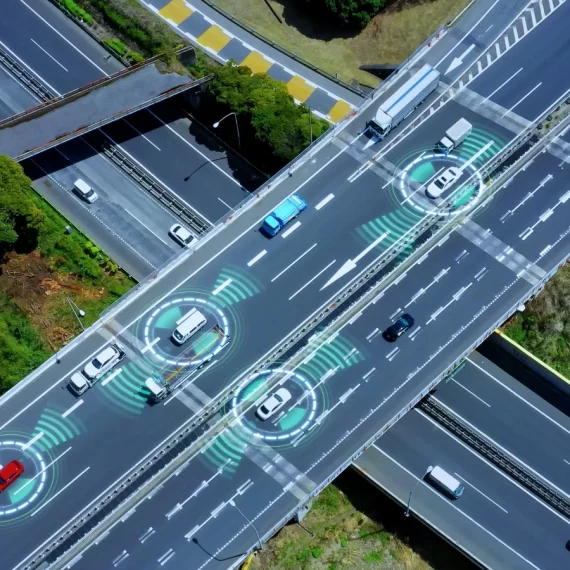
GPS tracking systems have evolved significantly over the years. Today’s GPS technology is more than just a tool to locate a vehicle—it’s a smart, data-driven platform that empowers organizations to monitor, analyze, and optimize their operations. Whether for business fleets, logistics, public transport, or private vehicles, the wide array of features available in modern GPS tracking solutions makes them indispensable in both commercial and personal settings.
Here is a comprehensive look at the key features of GPS Tracking System provided by Axle Systems in Qatar:
1. Real-Time Location Tracking
Get the exact location of a vehicle or asset updated every few seconds on a live map. The system uses GPS satellites to triangulate position and sends this data to a cloud platform via GSM/GPRS (SIM card).
Highlights:
- Google Maps or OpenStreetMap integration
- Live movement with auto-refresh
- Color-coded vehicle icons (idle, running, stopped, offline)
- Access via desktop or mobile app
2. Route Playback / History Tracking
Want to see where a vehicle went two days ago? With route history, you can replay past trips, including stop durations, routes taken, speed profiles, and distance traveled.
Use Cases:
- Analyze delivery routes
- Investigate complaints or route deviations
- Verify trip reports and billing
3. Geofencing and Zone Monitoring
Geofencing allows you to create virtual boundaries around locations like warehouses, schools, customer sites, or restricted areas.
Key Features:
- Create circular or polygon zones on the map
- Receive alerts when a vehicle enters or exits a geofenced area
- Ideal for school bus tracking, fuel theft prevention, or enforcing service zones
4. Speed Monitoring and Alerts
Track vehicle speed in real-time and get notified when it exceeds pre-defined speed limits. This helps improve road safety and avoid fines.
Benefits:
- Enforce safe driving behavior
- Reduce accident risk
- Speed violation reports for driver reviews
5. Driver Behavior Monitoring
Advanced GPS systems log events such as:
- Harsh braking
- Sudden acceleration
- Sharp cornering
- Idling time
- Route deviations
These parameters help assess driver performance and enforce safety policies.
6. Remote Engine Immobilization
In case of theft or unauthorized usage, fleet managers can remotely disable the engine (in supported vehicles) from the control dashboard or mobile app.
7. Ignition On/Off Detection
Track engine status in real-time. You’ll know when a vehicle is started or shut down.
Benefits:
- Monitor unauthorized vehicle usage after hours
- Get alerts if the engine is turned on in restricted areas
- Useful for rental and construction companies
8. Multi-Vehicle Dashboard
Manage and monitor an entire fleet through a unified platform. Each vehicle has its own profile, data logs, alerts, and maintenance records.
Ideal for:
- Logistics and delivery firms
- School transport services
- Government fleets (ambulances, municipal vehicles)
9. Custom Alerts & Notifications
Set up automated alerts that are sent via SMS, email, or mobile app notifications. Customizable events include:
- Over-speeding
- Entry/Exit from geofences
- Ignition on/off
- Idle time exceeding limits
- Low battery / Power cut
- GPS antenna tampering
10. Driver Identification (RFID / iButton / Keypad)
Ensure that only authorized drivers can start and operate the vehicle. This feature links driving behavior and logs to specific drivers.
Useful for:
- Car rental companies
- Transport firms with rotating drivers
- School and public buses
11. Fuel Level Monitoring
For commercial fleets, monitoring fuel consumption is crucial. GPS Tracking System can be integrated with fuel sensors or use software-based fuel analytics.
You can:
- Detect sudden fuel drops (fuel theft)
- Monitor consumption trends
- Improve refueling discipline
12. Temperature Monitoring (for Cold Chain Logistics)
Track internal vehicle temperature in refrigerated trucks. Receive alerts if temperature goes outside the permissible range.
Vital for:
- Pharmaceutical and vaccine transportation
- Food and beverage supply chains
- Perishable goods delivery services in Qatar’s hot climate
13. Battery Backup and Power Loss Alerts
Many GPS trackers come with internal battery backups. If the external power supply is disconnected, the device continues transmitting its location.
Power cut alerts help in:
- Detecting tampering attempts
- Preventing unauthorized removal
- Ensuring asset security during engine shutdowns
14. Mobile App (iOS & Android)
Track, manage, and control your fleet from your smartphone with a fully functional mobile application.
Features include:
- Live map view
- Trip history
- Alerts and notifications
- Immobilization control
- Search for nearest vehicle
15. Maintenance Reminders & Engine Diagnostics
Receive automatic alerts for:
- Oil change
- Tire rotation
- Brake inspection
- Air filter replacement
- Engine temperature or fault codes
This reduces maintenance surprises and keeps vehicles in peak condition.

Uses of GPS Tracking System in Qatar
The adoption of GPS Tracking System in Qatar has rapidly grown due to the country’s expanding infrastructure, strict regulatory requirements, high-value asset movement, and focus on safety and logistics efficiency. From government fleets to school buses and private cars, GPS Tracking System has become a crucial tool in ensuring security, transparency, and performance.
Below is an in-depth look at how various sectors in Qatar utilize GPS tracking systems:
1. Fleet Management for Logistics & Transport Companies
One of the most widespread uses of GPS Tracking System in Qatar is in fleet management, where companies need to monitor large numbers of delivery vehicles, vans, and trucks moving across the country and GCC region.
Use Cases:
- Real-time tracking of goods in transit
- Route optimization to reduce fuel costs
- Delivery confirmation through route history
- Monitoring idle time and vehicle usage
- Vehicle immobilization in case of theft or misuse
Industries:
- Courier and last-mile delivery services (Aramex, DHL, Qatar Post)
- Food & beverage distributors (Al Meera, Baladna, Gulf Warehousing Company)
- FMCG and cold-chain suppliers
2. School Bus Monitoring
With student safety being a top priority, educational institutions in Qatar—especially private and international schools—use GPS tracking for school bus fleets.
Key Benefits:
- Live tracking for parents and administrators
- Alerts on arrival/departure from school or home
- Driver behavior monitoring for safety compliance
- Route playback to verify complaints or concerns
- Geofencing for unauthorized detours
Popular with:
- Doha British School
- Philippine International School
- Al Jazeera Academy
- American School of Doha
3. Public Transport and Taxi Services
Government and private public transport providers rely on GPS tracking to improve efficiency, schedule adherence, and passenger safety.
Applications:
- Track buses across Doha Metro feeder routes
- Monitor route adherence and fuel consumption
- Send live ETA updates to commuters
- Dispatch nearest available taxi based on location
Examples:
- Mowasalat (Karwa) bus fleet tracking
- Uber & Careem integration for customer location
- Airport shuttle services at Hamad International Airport
4. Construction & Heavy Equipment Tracking
Qatar’s construction boom has led to the use of GPS tracking for bulldozers, cranes, concrete mixers, and other heavy machinery to ensure productivity and security on job sites.
Key Uses:
- Monitor operating hours and idle time
- Prevent unauthorized movement or nighttime use
- Track high-value assets across multiple sites
- Schedule preventive maintenance based on usage
Ideal for:
- Construction firms in Lusail City, The Pearl, and Msheireb Downtown
- Equipment rental companies
- Infrastructure contractors on expressways or ports
5. Car Rental & Leasing Companies
Rental cars are high-risk assets, especially when used by short-term clients. GPS tracking helps monitor vehicle use, prevent theft, and ensure compliance with rental policies.
Features Used:
- Speed and location alerts
- Remote immobilization for non-payment or misuse
- Geofencing for inter-border travel (Saudi/UAE border)
- Mileage-based billing and return route history
Applicable to:
- Rent-A-Car businesses in Doha, Wakrah, and Al Khor
- Corporate leasing firms for employee vehicles
- Long-term chauffeur-driven service providers
6. Cold Chain Logistics (Refrigerated Vehicles)
For companies transporting perishable items like food, medicine, and vaccines, GPS tracking combined with temperature sensors ensures goods remain within the required conditions.
How It Works:
- Real-time temperature readings from cargo area
- Alerts if temperature exceeds set threshold
- Location-based analytics for delivery timeline
- Detailed logs for regulatory compliance
Examples:
- Pharmaceutical companies transporting vaccines
- Supermarkets moving frozen goods
- Catering companies delivering to stadiums or events
7. Government and Municipal Fleet Management
Government bodies in Qatar use GPS tracking for public safety vehicles, inspection fleets, maintenance crews, and utility teams.
Fleet Types:
- Municipality garbage collection trucks
- Ministry of Transport service vehicles
- Ministry of Health ambulances and medical supply vans
- Police patrol units for zone tracking and dispatch
Advantages:
- Improve response times during emergencies
- Ensure field staff accountability
- Analyze route efficiency for public works teams
8. Emergency and Security Services
GPS Tracking System is used by emergency service providers like ambulances, fire brigades, and civil defense to ensure quick deployment and route efficiency.
Key Benefits:
- Locate the nearest available unit to dispatch
- Provide real-time updates to control centers
- Replay routes for incident reporting and audits
Critical in:
- Major events (FIFA World Cup 2022, Expo 2023)
- Industrial zones like Mesaieed or Ras Laffan
- Hospitals and private clinics needing ambulance management
9. Personal Vehicle Security
Private vehicle owners in Qatar are increasingly installing GPS Tracking System devices in their cars and motorbikes for anti-theft and personal safety reasons.
Benefits for Individuals:
- Live location updates from a mobile app
- Instant alerts if vehicle is moved or started
- Geofencing to protect against unauthorized use
- Historical driving data for personal safety reviews
Popular With:
- High-end vehicle owners (Land Cruiser, Lexus, Audi)
- Parents monitoring young drivers
- Motorbike delivery riders
10. Asset Tracking (Non-Vehicle)
Not just for vehicles—GPS tracking is also used to track non-mobile or slow-moving assets like:
- Shipping containers
- Portable generators
- Construction materials
- Valuable IT or AV equipment in transit
Used in:
- Event production companies (moving lights, sound systems)
- Logistics companies handling intermodal freight
- Oil & gas companies with field equipment
11. Tourism and Chauffeur-Driven Services
Qatar’s growing tourism industry depends on safe and timely transportation. Tour operators and chauffeur companies use GPS tracking to ensure customer satisfaction and operational efficiency.
Benefits:
- Monitor routes and schedule adherence
- Replay trip data for customer complaints
- Driver behavior monitoring for high-end transport services
- Multi-lingual app access for tourists
12. Agriculture and Farm Vehicle Tracking
Large farms and plantations, especially in outer regions of Qatar like Al Shahaniya and Al Wakrah, use GPS to monitor tractors, harvesters, and transport vehicles.
Advantages:
- Reduce fuel theft
- Track productivity of each machine
- Monitor movement across large land areas
13. Marine and Boat Tracking
Some GPS tracking systems are suitable for boats, fishing vessels, and watercraft operating off the Qatari coast.
Applications:
- Tracking fishing boats in regulatory zones
- Monitoring leisure boat rentals in The Pearl
- Ensuring emergency SOS alerting
14. Employee Location Tracking (Field Workforce)
For companies with remote or field-based staff such as maintenance crews, inspectors, or home delivery personnel, GPS tracking can be embedded into company mobile devices.
Features:
- Monitor movement during work hours
- Geo-tagged check-ins at job sites
- Improve timekeeping and attendance
15. Event & Exhibition Equipment Tracking
Event organizers and exhibition contractors use GPS to ensure that lighting rigs, AV equipment, and promotional materials are safely transported and not lost in transit.
Use Case:
- Doha Exhibition and Convention Center (DECC)
- Katara Cultural Village events
- Stadium setups for international events
Axle Systems: Your Premier GPS Tracking System Supplier in Qatar
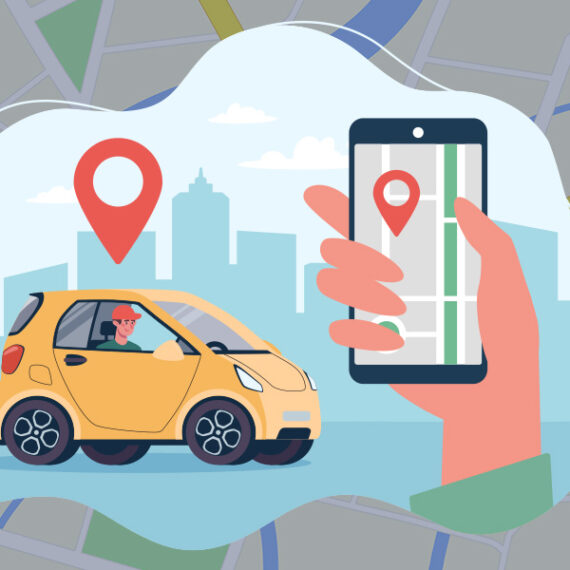
When it comes to implementing a reliable and effective GPS Tracking System in Qatar, Axle Systems stands as your trusted and experienced partner. Established in 2012, Axle Systems is a leading system integrator renowned for providing cutting-edge Electronic Low Voltage (ELV) and IT solutions across various sectors, including government, healthcare, and commercial enterprises.
At Axle Systems, we understand the unique demands of the Qatari market and are committed to delivering solutions that not only meet but exceed expectations. Our expertise in security, IT, and automation, combined with our dedication to customer satisfaction, makes us the ideal choice for your GPS Tracking System needs.
Why Choose Axle Systems for your GPS Tracking System?
- Local Expertise: As a Qatar-based company, we possess in-depth knowledge of the local landscape, regulations, and business environment. This allows us to provide tailored solutions and unparalleled support.
- Comprehensive Solutions: We don’t just supply GPS Tracking System; we provide end-to-end GPS Tracking Systems, encompassing hardware, software platforms, installation, training, and ongoing technical support.
- Proven Track Record: With years of experience and a diverse portfolio of successful projects, Axle Systems has a strong reputation for reliability and quality.
- Customer-Centric Approach: We prioritize understanding your specific requirements and work closely with you to design and implement a GPS Tracking System that aligns perfectly with your operational goals and budget.
- Dedicated Support: Our highly skilled team is committed to providing prompt and effective technical support, ensuring your GPS tracking system operates seamlessly at all times.
- Industry-Leading Products: We partner with reputable manufacturers to offer robust and technologically advanced GPS tracking devices and software.
Whether you are a large corporation managing a sprawling fleet, a logistics company striving for optimal efficiency, a construction firm protecting valuable assets, or an individual seeking enhanced personal security, Axle Systems has the expertise and solutions to empower you with the precise control and invaluable insights that GPS tracking provides.
Contact Details for Axle Systems:
- Phone: +974 44682391, +974 77443731
- Email: info@axlesys.com
- Website: www.axlesys.com
- Address: P.O. Box 200081, Al Khalidiya Street, Najma, Doha, Qatar
We invite you to reach out to Axle Systems today for a consultation. Let us demonstrate how a tailored GPS Tracking System can revolutionize your operations, enhance security, and deliver significant cost savings.
Common FAQs about GPS Tracking System
Here are some frequently asked questions about GPS Tracking System to provide further clarity:
Q1: How does a GPS Tracking System actually work?
A1: A GPS tracking system works by utilizing signals from a network of satellites orbiting the Earth. The GPS Tracking System (receiver) in your vehicle or on your asset receives these signals. By measuring the time it takes for signals from at least four satellites to reach the device, it can precisely calculate its own location (latitude, longitude, and altitude) through a process called trilateration. This location data is then transmitted via a cellular or satellite network to a central server, which then displays the information on a map accessible through a web portal or mobile app.
Q2: Is GPS tracking legal?
A2: Generally, it is legal to use GPS tracking on property you own (e.g., your personal car, company fleet vehicles) or on individuals who have given their consent (e.g., employees who are aware of and agree to being tracked for business purposes). However, laws regarding GPS tracking can vary by jurisdiction, especially concerning tracking individuals without their knowledge. It’s always advisable to consult local laws and regulations, particularly in Qatar, to ensure compliance. For business use, transparency with employees about tracking policies is crucial.
Q3: Do GPS trackers require a SIM card?
A3: Most GPS tracking devices used for real-time tracking do require a SIM card. The SIM card allows the device to connect to a cellular network (like 2G, 3G, 4G, or 5G) to transmit the collected GPS location data to the tracking software platform. Without a SIM card, many real-time trackers would not be able to send data back to the user. Some basic data loggers might not, but they store data internally for later download.
Q4: What is the difference between active (real-time) and passive GPS tracking? A4:
- Active (Real-time) GPS Tracking: These systems transmit location data continuously or at set intervals (e.g., every 10 seconds, 1 minute) to a central server, allowing you to monitor the location of the object in real-time. This is ideal for fleet management, theft recovery, and immediate oversight.
- Passive GPS Tracking System: These devices store location data internally and require you to retrieve the device and download the data to a computer to view the historical movements. They are often used for historical analysis rather than live monitoring. Most modern commercial GPS tracking systems are active.
Q5: What is geo-fencing?
A5: Geo-fencing is a feature that allows users to create virtual boundaries on a map. These boundaries can be circular, polygonal, or follow specific routes. When a tracked device enters or exits a predefined geo-fence, the system can automatically trigger an alert or notification. This is incredibly useful for setting up “safe zones,” “no-go zones,” or monitoring arrivals and departures at specific locations.
Q6: Can GPS trackers be installed covertly?
A6: While technically possible to install GPS trackers discreetly, the legality of covert tracking varies. As mentioned in Q2, tracking someone without their knowledge or consent, especially on their personal vehicle or person, can have significant legal ramifications. For corporate use, it’s generally recommended to inform employees about GPS tracking for transparency and compliance.
Q7: How are GPS Tracking System powered?
A7: GPS Tracking System can be powered in several ways:
- Hardwired: Connected directly to the vehicle’s electrical system, providing continuous power and often used for long-term fleet tracking.
- OBD-II Port Plug-in: Easily plugs into a vehicle’s On-Board Diagnostics (OBD-II) port, drawing power from the vehicle and being very simple to install.
- Battery-Powered: Equipped with internal rechargeable batteries, offering portability and flexibility. Battery life can vary significantly depending on usage and reporting frequency.
- Solar Powered: Some larger asset trackers may incorporate solar panels to extend battery life or provide continuous power in outdoor environments.
Q8: What kind of accuracy can I expect from a GPS Tracking System?
A8: Modern GPS tracking systems generally offer high levels of accuracy, often pinpointing a location within a few meters. Factors that can affect accuracy include satellite signal strength (e.g., in urban canyons, dense foliage), the quality of the GPS receiver, and whether the device uses supplementary positioning technologies (like Wi-Fi positioning or cellular triangulation).
Q9: Will GPS tracking drain my vehicle’s battery?
A9: A properly installed, hardwired GPS tracker typically draws very minimal power and is designed not to drain a vehicle’s battery, even when the ignition is off. Reputable systems have low power consumption modes. Battery-powered trackers, by their nature, rely on their internal battery, which needs periodic recharging.
Q10: Can I use my smartphone as a GPS Tracking System?
A10: Yes, smartphones have built-in GPS capabilities and can be used for basic tracking through various apps. However, dedicated GPS tracking devices are often more robust, offer longer battery life (if battery-powered), have more specialized features (like ignition detection, remote immobilization), and are designed for harsher environments than a typical smartphone. For professional fleet management or critical asset tracking, a dedicated GPS Tracking System is usually preferred.
Final Thoughts
The GPS tracking system is no longer a luxury—it’s a strategic necessity. Whether you’re a fleet manager, a parent, a business owner, or a concerned individual, GPS Tracking System brings peace of mind, operational efficiency, and cost savings.
Axle Systems stands out as a reliable GPS tracking system supplier in Qatar, offering a comprehensive range of hardware, software, and ongoing support to ensure that your tracking needs are met with professionalism and precision.