

Footfall Counting in Airports
Airports serve as bustling hubs connecting millions of passengers worldwide. Managing the flow of people efficiently is crucial for ensuring safety, enhancing passenger experience, and optimizing airport operations. Footfall counting systems have emerged as indispensable tools in achieving these objectives.
Understanding Footfall Counting in Airports
Footfall counting refers to the process of measuring the number of people entering or exiting a specific area within an airport. These systems utilize various technologies, such as infrared sensors, 3D vision, and AI-powered analytics, to provide accurate and real-time data on passenger movements.
Benefits of Footfall Counting in Airports
Footfall Counting in Airports systems has become an essential tool for modern airports. By capturing accurate data on passenger movements, airports can optimize their operations, enhance safety, and improve overall passenger satisfaction. Below is a detailed look at the key benefits:
1. Optimized Staffing and Resource Allocation
Managing large numbers of passengers efficiently requires precise planning of human and physical resources. Footfall Counting in Airports provide real-time and historical data on passenger movements across different areas of the airport.
- Peak Hour Management: By identifying peak traffic times, airports can schedule staff efficiently for check-in counters, security checkpoints, boarding gates, and retail areas.
- Reduced Operational Costs: Proper staff allocation reduces unnecessary overtime expenses, ensuring that resources are deployed only when and where needed.
- Dynamic Resource Management: Footfall Counting in Airports data enables real-time adjustments, allowing airport managers to respond immediately to sudden increases in passenger flow.
2. Enhanced Passenger Experience
Passenger experience is a top priority for airports seeking to maintain high satisfaction and loyalty levels. Footfall Counting in Airports helps in several ways:
- Reduced Waiting Times: Accurate data on queue lengths and flow enables dynamic adjustments, ensuring smoother and faster processing at check-in, security, and boarding areas.
- Improved Facility Navigation: Insights from passenger movement patterns help airports optimize signage and guidance systems, making it easier for travelers to navigate terminals.
- Comfortable Spaces: Monitoring occupancy in waiting lounges and retail areas allows airports to prevent overcrowding and maintain a comfortable environment for passengers.
3. Improved Safety and Security
Safety is a critical aspect of airport management. Footfall Counting in Airports contribute to security in multiple ways:
- Crowd Management: High-resolution data on passenger density enables airport authorities to prevent overcrowding in key areas, reducing risks during peak periods.
- Emergency Preparedness: Understanding passenger flow patterns helps plan evacuation routes and emergency response strategies.
- Security Integration: Combining Footfall Counting in Airports data with CCTV and access control systems enhances monitoring capabilities and allows for quicker responses to potential security incidents.
4. Data-Driven Operational Decisions
Footfall Counting in Airports systems generate actionable insights that empower airport management to make informed decisions:
- Infrastructure Planning: Data on passenger movements helps optimize airport layout, including entrances, corridors, retail zones, and waiting areas.
- Marketing and Commercial Strategy: Retailers and food outlets can leverage footfall data to identify high-traffic zones, optimize store placement, and adjust promotions for maximum impact.
- Maintenance Scheduling: Understanding passenger patterns allows for scheduling maintenance and cleaning during off-peak times, minimizing disruption.
5. Revenue Optimization
Footfall Counting in Airports directly impacts the airport’s revenue streams:
- Retail and Concessions: High-traffic areas identified through Footfall Counting in Airports data can be monetized more effectively by placing premium stores, restaurants, and advertisements in these zones.
- Parking Management: By analyzing the inflow and outflow of passengers, airports can optimize parking fees and availability, maximizing revenue without compromising convenience.
- Loyalty and Promotions: Airlines and service providers can use Footfall Counting in Airports data to target passengers with promotions and personalized services based on observed patterns.
6. Sustainability and Energy Efficiency
Monitoring foot traffic helps airports manage energy consumption efficiently:
- Smart Lighting and HVAC Control: Footfall Counting in Airports sensors can trigger lighting and air conditioning systems only in occupied areas, reducing energy waste.
- Reduced Environmental Impact: Efficient resource allocation and operations contribute to lower carbon emissions and a greener airport environment.
7. Benchmarking and Performance Tracking
Footfall Counting in Airports allows airports to monitor their performance over time:
- Trend Analysis: Historical Footfall Counting in Airports data enables management to track growth patterns, seasonal fluctuations, and the impact of events or promotions.
- Comparative Insights: Airports can benchmark performance against industry standards or other airports, identifying areas for improvement.
- Regulatory Compliance: Accurate passenger data helps meet regulatory reporting requirements, particularly in safety and accessibility audits.

Features of Advanced Footfall Counting in Airports
Modern airports are complex environments, with thousands of passengers moving through multiple terminals, lounges, retail spaces, and security checkpoints every day. Advanced footfall counting systems are designed to provide precise, real-time insights into this flow of people. Here’s an in-depth look at the key features that make these systems indispensable:
1. 3D Stereo Vision Technology
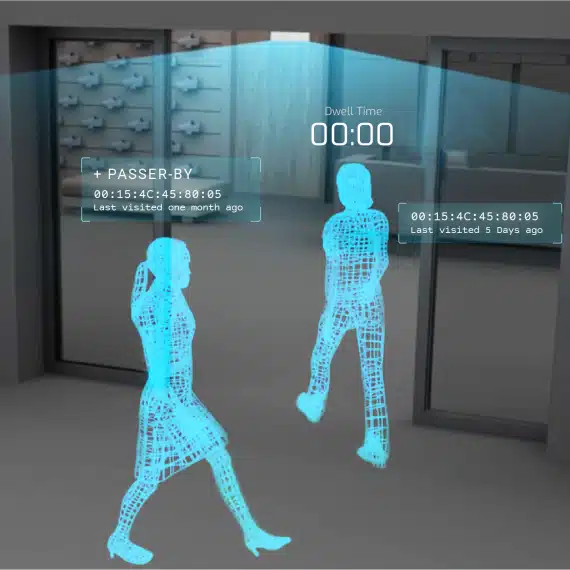
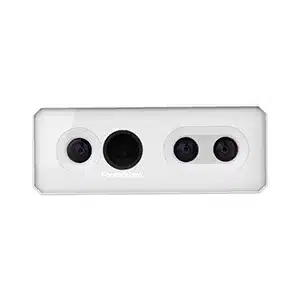
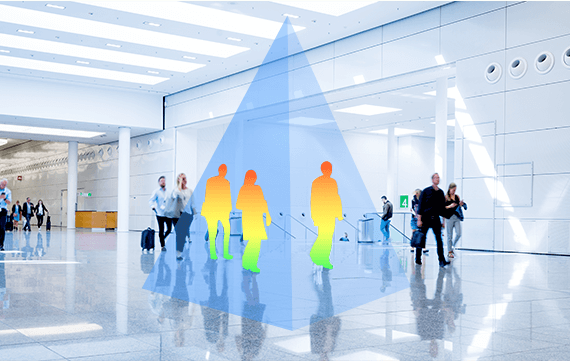
One of the most significant advancements in Footfall Counting in Airports is 3D stereo vision technology. Unlike traditional counting methods that rely on single-beam infrared sensors, 3D stereo vision provides highly accurate data by creating a depth map of the area.
- High Accuracy: It counts individuals even in crowded conditions, reducing errors caused by overlapping people or children walking with adults.
- Adaptability to Lighting Conditions: 3D sensors work effectively in both bright sunlight and dimly lit indoor environments, making them ideal for airports that experience varying light conditions.
- Obstruction Tolerance: Unlike 2D sensors, 3D systems can differentiate between passengers and stationary objects such as luggage carts, barriers, or signage.
2. AI-Powered Analytics
Modern Footfall Counting in Airports are no longer limited to simply recording the number of people passing by. They are equipped with AI-powered analytics to provide actionable insights:
- Behavior Analysis: AI can detect patterns such as dwell times, repeat visits, and peak congestion areas, helping airport management optimize operations.
- Predictive Insights: By analyzing historical data, AI algorithms can forecast passenger traffic trends, assisting in staff scheduling and resource allocation.
- Anomaly Detection: AI can flag unusual traffic patterns, such as sudden surges, which may indicate emergencies or operational issues requiring immediate attention.
3. Real-Time Monitoring
The ability to monitor foot traffic in real time is crucial for dynamic airport operations:
- Immediate Response: Live data allows management to address overcrowding, adjust queue lines, and redirect passenger flow instantly.
- Dynamic Staffing: Security personnel and service staff can be deployed to areas experiencing sudden surges, ensuring smooth operations.
- Live Dashboard Integration: Airport control rooms can have centralized dashboards showing real-time Footfall Counting in Airports across all zones, enabling coordinated decision-making.
4. Integration Capabilities
Footfall Counting in Airports are designed to seamlessly integrate with other airport management systems, providing a unified operational view:
- CCTV Integration: Combine foot traffic data with video surveillance for enhanced security and occupancy monitoring.
- Access Control Systems: Track passenger flow through gates and restricted areas while maintaining privacy compliance.
- Retail and POS Systems: Integrate Footfall Counting in Airportsl analytics with sales data to optimize product placement, promotions, and staffing in airport stores.
- Airport Operations Management Software: Data from Footfall Counting in Airports can feed into resource allocation, maintenance scheduling, and emergency response systems.
5. Multi-Zone Tracking
Advanced systems allow monitoring of multiple zones simultaneously, providing granular insights into passenger flow:
- Terminal-Wide Coverage: Airports can track movement in check-in areas, security, boarding gates, lounges, and retail sections.
- Zone Comparison: Compare footfall across different zones to understand passenger preferences and identify high-traffic areas.
- Heat Mapping: Visual representation of crowded areas helps in layout optimization and crowd control planning.
6. People Counting Accuracy and Validation
Accuracy is the backbone of a reliable Footfall Counting in Airports system. Advanced systems offer:
- Calibration Tools: Built-in software ensures that sensors are correctly positioned and calibrated for maximum accuracy.
- Error Reduction Algorithms: Intelligent filtering distinguishes between passengers and other moving objects, reducing false counts.
- Reporting Confidence Levels: Systems provide confidence scores for data reliability, helping airport managers make informed decisions.
7. Privacy Compliance
Airports must respect passenger privacy while collecting Footfall Counting in Airports data. Advanced systems address this requirement:
- Anonymized Data: No personally identifiable information (PII) is collected, ensuring compliance with privacy regulations like GDPR.
- Secure Data Storage: Data is encrypted and stored securely, accessible only to authorized personnel.
- Non-Intrusive Monitoring: Footfall Counting in Airports do not capture facial images or personal details, making them ideal for sensitive areas such as boarding gates and security checkpoints.
8. Scalability and Flexibility
Footfall Counting in Airports are highly scalable to match the size and complexity of any airport:
- Modular Installation: Sensors can be added incrementally, covering new areas as passenger volumes grow.
- Flexible Deployment: Systems can monitor high-traffic entrances, isolated lounges, or temporary zones during events or renovations.
- Cloud and On-Premise Options: Data can be stored locally or in the cloud, enabling flexible reporting and remote access for airport management teams.
9. Reporting and Analytics Dashboards
Advanced Footfall Counting in Airports systems come with intuitive dashboards for visualization and analysis:
- Customizable Reports: Generate reports by hour, day, week, or month to identify traffic trends.
- Interactive Graphs and Charts: Visual tools help stakeholders quickly understand passenger flow and occupancy.
- Exportable Data: Export data for further analysis or integration with third-party analytics tools to enhance operational decision-making.
10. Maintenance and Alerts
Modern systems are designed to minimize downtime and alert operators when attention is needed:
- Self-Diagnostics: Sensors monitor their own performance and report anomalies automatically.
- Remote Monitoring: System status can be checked remotely, reducing the need for frequent physical inspections.
- Automated Alerts: Notifications for power failures, sensor misalignment, or connectivity issues ensure uninterrupted monitoring.

Applications of Footfall Counting in Airports
Footfall Counting in Airports systems are not just about tracking numbers—they are critical tools that airports use to manage operations, enhance passenger experience, and optimize commercial revenue. Here’s a detailed exploration of the various applications of footfall counting in airports:
1. Check-In Counters
Efficient check-in processes are vital for passenger satisfaction and smooth airport operations.
- Queue Management: Footfall Counting in Airports monitor the number of passengers approaching check-in areas in real time. This data helps staff dynamically adjust counters to prevent long lines and reduce waiting times.
- Staff Allocation: Historical Footfall Counting in Airports data allows airports to plan staffing schedules according to peak and off-peak periods. This ensures adequate staffing during busy hours while minimizing unnecessary labor costs during slower periods.
- Passenger Flow Insights: Understanding the flow of passengers through check-in counters helps identify bottlenecks, enabling airport managers to redesign the layout for optimal efficiency.
2. Security Checkpoints
Security screening is a critical area where delays can cause congestion and passenger dissatisfaction.
- Real-Time Monitoring: Footfall Counting in Airports help security teams monitor queue lengths and manage passenger throughput in real time.
- Optimized Screening: By analyzing foot traffic patterns, airports can add or reassign security lanes during peak periods to maintain smooth flow.
- Emergency Planning: Data from Footfall Counting in Airports can assist in planning alternative routes or rapid processing during emergencies without compromising safety.
3. Boarding Gates and Departure Lounges
Monitoring passenger flow at boarding gates and lounges is crucial for both operational efficiency and passenger comfort.
- Gate Management: Footfall Counting in Airports data indicates when passengers are arriving at boarding gates, allowing airlines to prepare for boarding more efficiently.
- Lounge Capacity Planning: Airports can track occupancy levels in VIP lounges, business lounges, and waiting areas to ensure they are not overcrowded, enhancing passenger comfort.
- Time-Sensitive Alerts: Systems can alert staff if a gate area is reaching maximum capacity, enabling proactive management.
4. Retail and Duty-Free Areas
Commercial revenue is an important part of airport operations, and Footfall Counting in Airports provide actionable insights for retail optimization.
- Traffic Analysis: Retailers can identify high-traffic zones and adjust store layouts to attract more customers.
- Promotions and Marketing: Insights into passenger dwell times and movement patterns help design targeted promotions for maximum impact.
- Revenue Optimization: Airports can use Footfall Counting in Airports data to determine rent and placement strategies for concessions and duty-free shops.
5. Restaurants and Food Courts
Restaurants and cafes in airports need to manage demand efficiently to provide quick service and maximize revenue.
- Queue Monitoring: Footfall Counting in Airports track passenger flow into dining areas, allowing staff to prepare and serve efficiently.
- Occupancy Insights: Data helps optimize seating arrangements and ensures diners have comfortable spaces, reducing congestion during peak meal hours.
- Menu and Service Planning: Patterns in passenger traffic can guide restaurants on peak times and menu choices for faster service.
6. Parking and Transportation Hubs
Airports often have large parking areas and transportation connections that need careful management.
- Parking Demand Analysis: Footfall Counting in Airports track the inflow and outflow of passengers, enabling airports to manage parking availability dynamically.
- Shuttle Services: Data from Footfall Counting in Airports can inform shuttle bus schedules and routes, ensuring smooth connections between terminals and parking areas.
- Transport Optimization: Understanding passenger arrival patterns helps improve taxi, rideshare, and public transport coordination, reducing congestion at entrances and exits.
7. Emergency Management and Evacuation Planning
Footfall Counting in Airports data is a critical asset for airport safety and emergency preparedness.
- Crowd Control: Monitoring passenger density in different zones helps identify areas at risk of overcrowding.
- Evacuation Planning: Detailed Footfall Counting in Airportsl analytics allow emergency planners to design efficient evacuation routes and procedures.
- Simulation and Drills: Airports can use historical data to simulate emergency scenarios and conduct staff training, ensuring preparedness for real incidents.
8. Event and Seasonal Management
Airports frequently experience seasonal spikes, holidays, or large event arrivals, requiring proactive planning.
- Predictive Planning: Footfall Counting in Airports data helps forecast traffic surges, allowing airports to increase staffing, open temporary counters, or add facilities.
- Special Event Management: For events like international conferences or sports tournaments, airports can optimize operations to handle sudden passenger inflows efficiently.
- Performance Metrics: Post-event analysis of footfall data helps improve planning for future occurrences.
9. Wayfinding and Passenger Experience Enhancements
Footfall Counting in Airports also informs decisions about airport infrastructure and passenger guidance systems.
- Optimized Signage Placement: Data on passenger movement patterns helps determine the best locations for directional signage.
- Digital Kiosks and Information Screens: Understanding traffic flow allows for strategic placement of digital information points, ensuring passengers receive timely guidance.
- Reduced Congestion: By analyzing high-density areas, airports can redesign corridors, waiting areas, and entry points for smoother flow.
10. Integration with Smart Airport Technologies
Modern airports are moving towards “smart airport” ecosystems where Footfall Counting in Airports plays a crucial role.
- IoT Integration: Sensors can feed real-time foot traffic data to a centralized management system for holistic monitoring.
- Predictive Analytics: Combining footfall data with AI-powered systems enables predictive passenger flow management, enhancing operational efficiency.
- Enhanced Passenger Services: Data-driven insights allow personalized services, like directing passengers to less crowded lounges or suggesting faster security lanes.

Leading Brands in Footfall Counting Technology
Airports require highly accurate, reliable, and scalable Footfall Counting in Airports solutions. Several brands have distinguished themselves globally by offering advanced technology specifically designed for complex environments like airports. Below, we explore the leading brands and their offerings, highlighting their features, applications, and benefits.
1. FootfallCam
Overview:
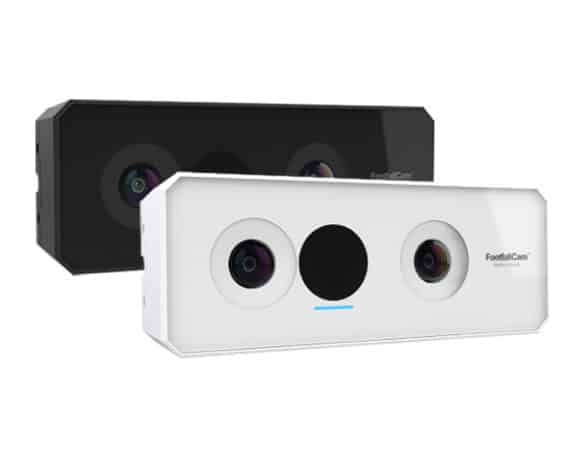
FootfallCam is one of the most recognized brands in people counting technology, known for its innovative sensors and data analytics platforms. Their solutions are widely used in airports, shopping malls, retail stores, and public transportation hubs.
Key Products and Features:
- Centroid 3D Sensors: Utilizes 3D stereo vision technology to count passengers accurately, even in crowded conditions.
- Pro2 Series: Advanced AI-powered counters capable of multi-zone monitoring, people density mapping, and queue management.
- Real-Time Analytics: Dashboards provide live insights into passenger flow, enabling immediate operational adjustments.
- Integration Capabilities: Seamlessly integrates with existing airport management systems, retail POS, and security systems.
Applications in Airports:
- Monitoring passenger flow at check-in counters and security checkpoints.
- Optimizing retail and duty-free space based on foot traffic data.
- Managing lounges, boarding gates, and dining areas to prevent overcrowding.
Why Airports Choose FootfallCam:
- High accuracy with 3D technology, even in high-traffic areas.
- Scalable solutions suitable for small regional airports and large international terminals.
- Data-driven insights for both operational efficiency and commercial revenue optimization.
Case Example: Airports in the Middle East and Europe have used FootfallCam to reduce queue times by up to 30% while enhancing passenger satisfaction and improving retail conversions.
2. Milesight
Overview:
Milesight specializes in IoT-based Footfall Counting in Airports solutions that are highly adaptable for airports, smart buildings, and retail environments. Their focus is on real-time monitoring, predictive analytics, and flexible deployment.
Key Products and Features:
- IoT Footfall Counters: Devices capable of accurate real-time counting and occupancy monitoring.
- Cloud Analytics: Provides historical and predictive insights to optimize operations and staffing.
- Integration Options: Works seamlessly with airport management systems and IoT platforms for a holistic operational view.
- Multi-Zone and Multi-Counter Support: Allows monitoring across multiple terminals, check-in areas, and lounges simultaneously.
Applications in Airports:
- Optimizing staff deployment in terminals based on real-time passenger flow.
- Monitoring occupancy levels in lounges, retail areas, and boarding gates.
- Supporting emergency and evacuation planning with accurate crowd data.
Why Airports Choose Milesight:
- IoT-enabled, real-time monitoring for fast operational decisions.
- Scalable solutions suitable for complex airport layouts.
- Ability to integrate with smart airport ecosystems, enabling predictive resource allocation.
3. Blix Traffic
Overview:
Blix Traffic offers a unique approach to Footfall Counting in Airports by using passenger smartphones and Wi-Fi signals to track movement patterns. This non-intrusive method provides high-level insights without the need for physical sensors.
Key Products and Features:
- Smartphone Signal Tracking: Measures passenger flow based on Wi-Fi and Bluetooth signals from devices.
- Heat Mapping: Visual representation of high-traffic areas and dwell times.
- Analytics Dashboard: Offers insights into passenger behavior, peak hours, and flow trends.
- Privacy Compliance: Data is anonymized to ensure compliance with privacy regulations.
Applications in Airports:
- Measuring dwell time in lounges, waiting areas, and retail spaces.
- Tracking passenger flow through terminals to identify bottlenecks.
- Supporting retail planning and targeted marketing initiatives based on traffic data.
Why Airports Choose Blix Traffic:
- Non-intrusive monitoring without installing physical hardware.
- Valuable behavioral insights into passenger movement and dwell times.
- Ability to identify trends and optimize airport operations without compromising privacy.
4. V-Count
Overview:
V-Count is another global leader in people counting solutions, providing robust systems suitable for airports and high-traffic environments. Known for accurate analytics and scalable deployment, V-Count is widely used for operational and commercial insights.
Key Products and Features:
- 3D Stereo Vision Sensors: High accuracy even in crowded conditions.
- Cloud-Based Analytics: Real-time and historical reporting for decision-making.
- Integration with POS and Management Systems: Combines footfall data with retail or operational metrics.
- Queue and Occupancy Monitoring: Helps manage passenger flow and optimize service areas.
Applications in Airports:
- Managing queues at check-in counters and boarding gates.
- Optimizing retail and food court operations for maximum efficiency.
- Real-time alerts for overcrowding or unusual passenger flow.
Why Airports Choose V-Count:
- Proven accuracy in high-traffic environments.
- Scalable and adaptable for terminals of any size.
- Comprehensive reporting for both operational and commercial optimization.
Key Considerations for Airports Choosing a Footfall Counting Brand
When selecting a Footfall Counting in Airports solution, airports typically consider the following:
- Accuracy: 3D sensors and AI-powered analytics ensure reliable counting in crowded areas.
- Scalability: Solutions must support multiple terminals, lounges, and retail areas.
- Integration: Ability to integrate with airport management systems, security, POS, and IoT platforms.
- Real-Time Monitoring: Essential for dynamic operational management.
- Privacy Compliance: Ensures adherence to data protection regulations while capturing valuable insights.
- Support and Maintenance: Availability of local support and service is critical for continuous operations.
Axle Systems: Your Trusted Partner in Qatar
In the fast-paced environment of airports, managing passenger flow, optimizing resources, and ensuring a seamless travel experience are critical. Axle Systems, a leading technology solutions provider in Qatar, has established itself as a trusted partner for implementing state-of-the-art Footfall Counting in Airports across the country. With a strong commitment to quality, innovation, and customer satisfaction, Axle Systems helps airports harness the power of data to enhance operations and passenger experience.
Expertise in Airport Footfall Counting Solutions
Axle Systems brings in-depth expertise in people counting technology, offering solutions that combine accuracy, reliability, and scalability. Their team of professionals ensures that every installation is tailored to the unique needs of each airport, considering factors such as terminal layout, passenger volume, and operational requirements.
- Consultation and Assessment: Axle Systems begins with a thorough assessment of the airport environment, analyzing passenger flow patterns, peak hours, and high-traffic zones. This helps in selecting the most suitable Footfall Counting in Airports devices and technologies.
- Customized Solutions: Every airport is different, and Axle Systems designs customized solutions that meet operational goals, whether it’s reducing queues, optimizing retail spaces, or enhancing passenger comfort.
- End-to-End Installation: From sensor placement and calibration to system integration with existing airport management platforms, Axle Systems handles the complete installation process.
Partnership with Leading Brands
Axle Systems partners with globally recognized brands such as FootfallCam, ensuring that clients receive cutting-edge technology with proven accuracy and advanced analytics.
- FootfallCam Solutions: Including 3D stereo vision sensors, AI-powered analytics, and multi-zone monitoring capabilities.
- Integration Expertise: Axle Systems ensures seamless integration with airport security systems, access control, retail POS systems, and operational dashboards.
- Maintenance and Support: Continuous system monitoring, maintenance, and software updates ensure that airports benefit from uninterrupted, accurate footfall data.
Benefits for Airports in Qatar
By partnering with Axle Systems, airports in Qatar can achieve:
- Optimized Operations: Accurate real-time data allows for better staff allocation, queue management, and resource utilization across terminals.
- Enhanced Passenger Experience: Reduced waiting times, less congestion, and optimized lounge and boarding area management improve traveler satisfaction.
- Data-Driven Decisions: Historical and real-time footfall analytics help airports plan expansions, improve layouts, and design retail and concession strategies.
- Revenue Optimization: Insights into passenger flow enable airports and retailers to maximize commercial opportunities and enhance marketing strategies.
- Safety and Compliance: Footfall Counting in Airports supports emergency planning, crowd management, and adherence to regulatory safety standards.
Comprehensive Support and Services
Axle Systems provides more than just technology—they offer ongoing support and consultancy to ensure maximum ROI for airports:
- System Monitoring: Continuous tracking of device performance to maintain accuracy.
- Troubleshooting and Maintenance: Fast response for any operational issues to avoid disruptions.
- Training and Consultation: Educating airport staff on interpreting data and using analytics dashboards effectively.
- Upgrades and Scalability: Solutions can be expanded to accommodate future passenger growth or additional airport terminals.
Contact Axle Systems
Airports and other organizations in Qatar can easily reach Axle Systems for consultation, solutions, and support:
- Website: www.axlesys.com
- Phone: +974 44682391, +974 77443731
- Email: info@axlesys.com
- Address: Al Khalidiya Street, Najma, Doha, Qatar

Frequently Asked Questions (FAQs)
Q1: How accurate are footfall counting systems?
Modern Footfall Counting in Airports systems, especially those utilizing 3D vision and AI analytics, offer high accuracy rates, often exceeding 95%. However, accuracy can be influenced by factors such as sensor placement and environmental conditions.
Q2: Can footfall counting systems integrate with existing airport management systems?
Yes, many advanced Footfall Counting in Airports solutions are designed to integrate seamlessly with existing systems, providing cohesive data and enhancing overall airport operations.
Q3: Are footfall counting systems scalable for large airports?
Absolutely. Solutions like FootfallCam’s Centroid and Pro2 sensors are scalable and can be deployed across various areas of large airports, from terminals to retail zones.
Q4: Do footfall counting systems respect passenger privacy?
Yes, reputable Footfall Counting in Airports systems ensure compliance with privacy regulations by anonymizing data and not collecting personally identifiable information.
Q5: What is the typical ROI for implementing Footfall Counting in Airports systems?
While ROI can vary, airports often see improvements in operational efficiency, enhanced passenger experience, and optimized resource allocation, leading to significant returns on investment.
Conclusion
Footfall Counting in Airports systems are transforming airport operations by providing valuable insights into passenger behavior and movement. By leveraging these technologies, airports can optimize staffing, enhance passenger experience, and make data-driven decisions to improve overall efficiency. Partnering with trusted providers like Axle Systems ensures the successful implementation and integration of these advanced solutions in Qatar’s airports.