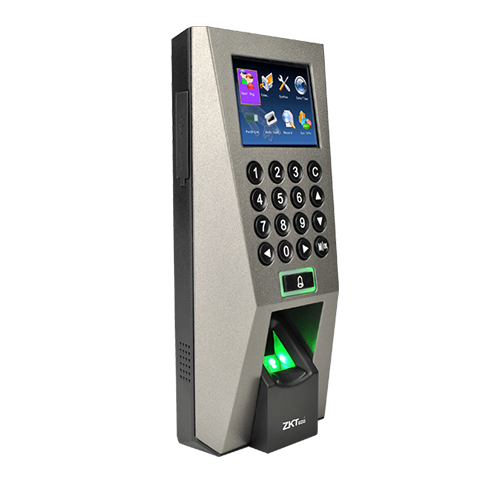

Face Recognition Time Attendance System in Qatar
In today’s dynamic business environment, accurate and efficient attendance tracking is crucial for workforce management. Traditional methods like manual registers or RFID cards are being rapidly replaced by smarter, more secure technologies—Face Recognition Time Attendance System being one of the most advanced and reliable options.
In Qatar, where precision, security, and innovation are core priorities in public and private sectors alike, Face Recognition Time Attendance Systems are quickly becoming the preferred solution across industries. As a leading supplier and system integrator in Qatar, Axle Systems proudly offers cutting-edge Face Recognition Time Attendance System from top global brands such as Suprema, Matrix, and ZKTeco.
What is a Face Recognition Time Attendance System?
A Face Recognition Time Attendance System is a biometric solution that uses facial features to verify and identify individuals as they clock in or out. Unlike fingerprint or card-based systems, face recognition provides a contactless, hygienic, and fast method for marking attendance—making it ideal in post-pandemic environments where touchless operations are in demand.
These systems work by scanning an employee’s face using advanced cameras and algorithms, converting the image into digital data, and matching it with stored templates to log the attendance.
Benefits of Face Recognition Time Attendance System
Implementing a Face Recognition Time Attendance System offers a wide range of benefits for businesses of all sizes. From streamlining workforce management to enhancing workplace hygiene and security, this advanced biometric solution is a game-changer for HR and operations teams. Below are the major benefits in detail:
1. Contactless and Hygienic
In a world more aware than ever of hygiene and infection control, face recognition provides a completely touch-free method of clocking in and out. Unlike fingerprint scanners or punch cards that require physical contact and can harbor germs, facial recognition systems use high-definition cameras to scan faces from a distance.
Ideal for:
- Hospitals and healthcare centers
- Food processing and handling environments
- Educational institutions
- Retail and hospitality sectors post-pandemic
Face-based systems support safer and cleaner workplaces—an essential feature in compliance with post-COVID workplace safety guidelines in Qatar.
2. Accurate and Tamper-Proof
Manual Face Recognition Time Attendance System and even card-based solutions are prone to time fraud and manipulation—including “buddy punching,” where one employee clocks in for another. Face recognition eliminates this risk entirely.
Each facial scan is unique and cannot be duplicated, ensuring that only the rightful person can mark attendance. This enhances accuracy and reduces payroll errors due to incorrect working hours.
Key Benefits:
- Zero tolerance for buddy punching
- Authentic attendance verification
- Improved payroll accuracy
3. Faster Identification
Speed is essential in high-traffic workplaces such as construction sites, large office buildings, and educational campuses. Modern Face Recognition Time Attendance System powered by AI and deep learning can authenticate a face in less than a second.
Even in challenging lighting conditions or while the person is wearing glasses, masks, or head coverings (very common in Qatar), these systems are built to deliver reliable and swift identification.
Performance Highlights:
- Up to 1:1,000 match in under a second
- Mask detection capability
- Night-vision and infrared camera options for low-light areas
4. Scalable and Flexible
Whether you operate a single office or manage multiple branches across Qatar, Face Recognition Time Attendance System are designed to scale with your needs. From a 10-employee SME to a 10,000-employee enterprise, these systems adapt seamlessly.
Cloud-based platforms and mobile apps enable centralized control and remote monitoring, making it easy for HR departments to manage attendance data in real-time—anytime, anywhere.
Scalability Benefits:
- Centralized management for multi-site organizations
- Scalable architecture for growing teams
- Cloud or on-premise deployment options
5. Integrated Access Control
Many face recognition terminals double up as door access control systems, enabling businesses to manage not just timekeeping, but also physical access to secure zones. This dual function improves operational security and reduces the need for multiple devices.
For instance, only authenticated staff can enter server rooms, labs, storage units, or other sensitive areas.
Dual Use Advantages:
- One device for attendance and security
- Supports access schedules and visitor logs
- Works with turnstiles, gates, and electric door locks
6. Real-Time Data & Reports
Modern face recognition systems provide real-time dashboards, detailed analytics, and auto-generated reports that help management make informed decisions. Whether it’s tracking late arrivals, overtime, or absenteeism—data is available on-demand.
Reporting Features Include:
- Daily, weekly, and monthly attendance summaries
- Graphs for trends and absenteeism
- Real-time alerts for exceptions or anomalies
This real-time insight empowers HR teams to proactively manage resources and reduce operational bottlenecks.
7. Seamless Integration with HRMS
Face Recognition Time Attendance System integrates effortlessly with popular HR Management Systems (HRMS), Payroll software, and ERP platforms. This eliminates the need for double data entry and reduces human error.
By automating the attendance-to-payroll workflow, organizations can save significant time, reduce administrative costs, and ensure accurate salary processing.
Integration Capabilities:
- API support for platforms like SAP, Oracle, Zoho People
- Compatible with custom payroll and shift management software
- Integration with leave management systems
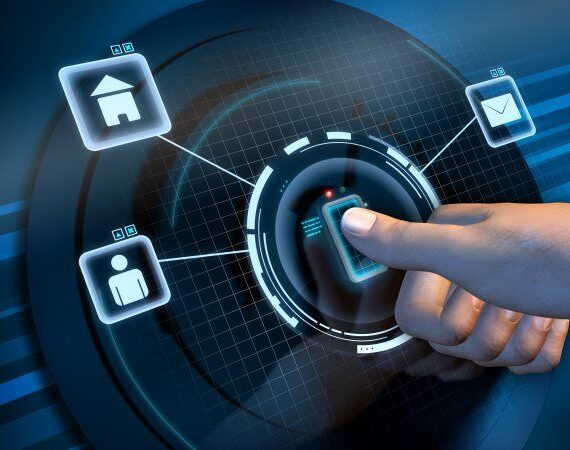
Key Features of a Modern Face Recognition Time Attendance System
Advanced Face Recognition Time Attendance System come equipped with a range of features designed to maximize their effectiveness and user-friendliness:
- High Accuracy and Speed of Recognition: Cutting-edge algorithms ensure rapid and precise identification, often in less than a second, even in varying lighting conditions or with minor changes in appearance (e.g., glasses, slight beard).
- Live Face Detection (LFD) / Anti-Spoofing: Crucial for security, LFD technology distinguishes between a real face and a photograph or 3D mask, preventing fraudulent clock-ins.
- Integration Capabilities: Seamless integration with existing HR management software (HRMS), payroll systems, and access control platforms is a vital feature, ensuring data flow and eliminating manual transfers.
- User-Friendly Interface: Both for employees clocking in and administrators managing the system, an intuitive and easy-to-navigate interface is essential for smooth operation.
- Multi-Location Support: For businesses with multiple branches or remote workforces, the ability to centralize and manage attendance data across different sites is critical.
- Cloud-Based and On-Premise Options: Organizations can choose between cloud-based solutions for remote accessibility and reduced infrastructure needs, or on-premise solutions for greater data control and specific security requirements.
- Real-Time Data Syncing: Automatic synchronization of attendance records across all connected devices ensures that data is always up-to-date.
- Reporting and Analytics: Comprehensive reporting tools provide valuable insights into attendance patterns, absenteeism rates, tardiness, and overtime, aiding in workforce planning and compliance.
- Mask Detection (Post-COVID Requirement): Many modern systems include mask detection capabilities, allowing for attendance tracking even when employees are wearing masks, without compromising accuracy.
- Temperature Screening (Optional): Some advanced models integrate thermal imaging for elevated body temperature detection, adding an extra layer of health screening.
- Multi-Factor Authentication: For enhanced security, some systems offer the option of combining facial recognition with other authentication methods, such as RFID cards or PINs.
Use Cases of Face Recognition Time Attendance System in Qatar
Face Recognition Time Attendance System are highly adaptable and provide tailored benefits across a wide range of industries. In Qatar, where smart technology adoption aligns with the Qatar National Vision 2030, facial recognition is not just a trend—it’s a strategic upgrade for secure, contactless, and efficient workforce management.
Below is a comprehensive look at how various sectors in Qatar are leveraging Face Recognition Time Attendance System:
1. Corporate Offices
In modern office environments, tracking employee Face Recognition Time Attendance System with precision is vital. Facial recognition systems offer an efficient and seamless way to:
- Eliminate buddy punching and time fraud
- Auto-generate timesheets for payroll and HRMS
- Enhance entry security by integrating with access control
- Boost staff morale with transparent and unbiased attendance tracking
2. Educational Institutions
Universities, colleges, and schools in Qatar are increasingly adopting face recognition systems to automate attendance for both students and staff. These systems are:
- Faster and more accurate than manual roll calls
- Useful for real-time absentee notifications to parents/administration
- Integrated with student management systems for full automation
- Reducing administrative overhead by tracking late arrivals and early leaves
3. Healthcare Facilities
In hospitals, clinics, and diagnostic labs, hygiene and speed are top priorities. Face recognition systems ensure:
- Zero-touch clock-in/clock-out, critical for infection control
- Efficient shift tracking for doctors, nurses, and technicians
- Integrated access to restricted zones, such as labs or ICU units
- Better audit trails for compliance with medical regulations
4. Construction Sites
Construction zones often feature harsh outdoor environments where fingerprint or card-based systems fail due to dust, sweat, or card loss. Face recognition terminals with rugged, weatherproof designs are ideal to:
- Identify laborers quickly during shift changes
- Ensure only authorized personnel access job sites
- Reduce fraudulent time entries or proxy attendance
- Integrate with mobile apps for real-time HR reporting
5. Retail & Hospitality
Retail chains and hospitality businesses often manage large, rotating staff. With face recognition systems, they can:
- Maintain clean and contactless attendance records
- Easily handle shift-based time tracking
- Monitor part-time and seasonal staff attendance
- Reduce human error in manual attendance or spreadsheet systems
6. Government and Public Offices
In government institutions, Face Recognition Time Attendance System enhance accountability, transparency, and compliance. Benefits include:
- Ensuring punctuality and accountability for public employees
- Preventing unauthorized access to confidential zones
- Offering comprehensive reporting for administrative audits
- Supporting centralized control across multiple departments
7. Banking and Finance
In sectors dealing with sensitive data and valuable assets, facial recognition ensures both attendance tracking and restricted access. Key benefits include:
- Enhancing branch-level security
- Providing detailed audit trails for regulatory compliance
- Restricting entry to critical areas like server rooms or cash vaults
- Monitoring employee time logs for financial reporting accuracy
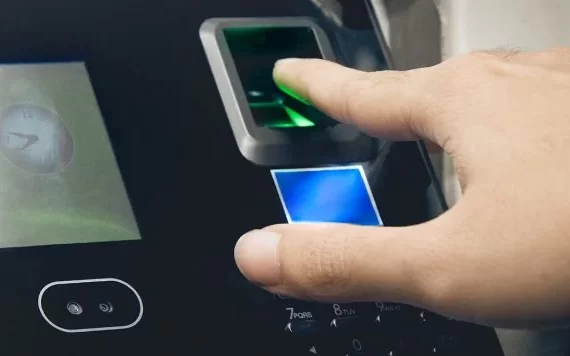
Leading Brands in Face Recognition Time Attendance System
Axle Systems partners with some of the world’s most reputable brands in biometric and security solutions to offer the best-in-class Face Recognition Time Attendance System in Qatar. These brands are known for their innovation, reliability, and advanced technology:
- Suprema: A global leader in biometrics and security, Suprema offers a wide range of facial authentication devices known for their superior recognition performance, live face detection, and seamless integration with their BioStar 2 platform for comprehensive access control and time attendance management. Suprema devices are renowned for their accuracy even in challenging lighting conditions and their robust anti-spoofing technology.
- Matrix: Matrix Comsec is a prominent Indian company specializing in telecom and security solutions. Their COSEC series of biometric devices includes advanced face recognition terminals. Matrix systems are lauded for their deep learning technology, high-speed recognition (even for large databases), and features like mask adherence detection and automatic template distribution, making them highly efficient for various organizational needs.
- ZKTeco: ZKTeco is a globally recognized provider of biometric verification technologies. They offer a diverse portfolio of Face Recognition Time Attendance System and access control devices, known for their affordability, ease of deployment, and advanced features like infrared cameras for enhanced accuracy and security. ZKTeco systems often integrate with cloud-based platforms for efficient data management and are widely used across various sectors.
These brands represent the pinnacle of facial recognition technology, offering solutions that are not only secure and accurate but also user-friendly and scalable to meet diverse business requirements.
Axle Systems: Your Trusted Partner for Face Recognition Time Attendance System in Qatar
As a leading provider of security and smart solutions in Qatar, Axle Systems is committed to delivering state-of-the-art Face Recognition Time Attendance System that empower businesses to optimize their workforce management. With over 12 years of experience in the Qatari market and ISO certification, we have established ourselves as a reliable and trusted partner.
Why choose Axle Systems?
- Expertise and Experience: Our team comprises highly skilled professionals with extensive knowledge in biometric systems, security integration, and IT infrastructure. We understand the unique challenges and requirements of businesses in Qatar.
- Comprehensive Solutions: We offer a complete suite of services, from consultation and system design to installation, integration, and ongoing maintenance, ensuring a seamless implementation process.
- Partnership with Global Leaders: By collaborating with top brands like Suprema, Matrix, and ZKTeco, we provide our clients with access to the most advanced and reliable technologies available in the market.
- Tailored Solutions: We understand that every business is unique. We work closely with our clients to assess their specific needs and design customized Face Recognition Time Attendance System solutions that perfectly fit their operational environment.
- Unwavering Support: Our commitment extends beyond installation. We provide dedicated after-sales support, technical assistance, and regular maintenance to ensure your system operates flawlessly.
- Local Presence, Global Standards: Being based in Doha, we offer prompt and localized service, while adhering to international best practices and quality standards in all our deployments.
At Axle Systems, we believe that effective workforce management is the cornerstone of business success. Our Face Recognition Time Attendance System are designed to give you the control, accuracy, and efficiency you need to thrive.
Contact Axle Systems Today!
Ready to revolutionize your workforce management with a state-of-the-art Face Recognition Time Attendance System? Get in touch with Axle Systems for a consultation and a customized solution that meets your business needs.
Axle Systems Contact Details:
- Phone: +974 4468 2391
- Email: info@axlesys.com
- Website: www.axlesys.com
- Address: Al Bandary Building, Al Khalidiya Street, P.O. Box 200081, Najma, Doha, Qatar.
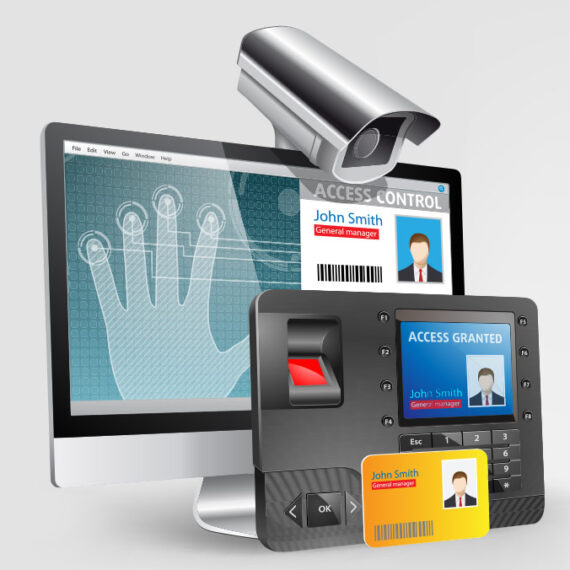
Common FAQs About Face Recognition Time Attendance System
Here are some frequently asked questions about Face Recognition Time Attendance System:
- How accurate are Face Recognition Time Attendance System?
A: Modern face recognition systems are highly accurate, often achieving accuracy rates of 99% or higher. They use advanced algorithms and deep learning to analyze numerous facial data points, making them very reliable for identification. Factors like good lighting and proper registration can further enhance accuracy.
- Can these systems recognize faces with masks, glasses, or facial hair?
A: Yes, many contemporary face recognition systems are designed to accurately identify individuals even when they are wearing masks, glasses, or have facial hair. This is due to sophisticated algorithms that focus on the unique geometric features of the face rather than just surface details.
- What about privacy concerns with facial data?
A: Privacy is a significant concern. Reputable systems and suppliers like Axle Systems prioritize data security and compliance with privacy regulations. Facial data is typically converted into encrypted templates (faceprints) rather than storing actual images, making it difficult to reconstruct an individual’s face from the stored data. It’s crucial to choose a system that adheres to data protection best practices and local regulations.
- Is it possible to “spoof” the system with a photo or video?
A: Advanced face recognition systems incorporate “Live Face Detection” (LFD) or anti-spoofing technology. This technology uses various methods, such as infrared imaging, 3D recognition, or liveness detection algorithms, to differentiate between a real, live face and a static image or video, thus preventing fraudulent attempts.
- How long does it take for an employee to clock in using face recognition?
A: Typically, the process is incredibly fast, often taking less than a second for the system to identify an individual and record their attendance. This speed significantly reduces queuing times, especially in high-traffic entry points.
- What happens if an employee’s appearance changes (e.g., new haircut, weight gain/loss)?
A: Most sophisticated systems are designed to be adaptive. They use algorithms that can recognize faces even with minor changes in appearance. Some systems also have an “adaptive learning” feature that updates the facial template over time based on new scans, maintaining accuracy.
- Can these systems be integrated with existing HR and payroll software?
A: Absolutely. One of the key advantages of modern Face Recognition Time Attendance System is their ability to seamlessly integrate with various HR management software (HRMS) and payroll systems through APIs or other integration methods. This automation streamlines data flow and eliminates manual data entry.
- What are the installation requirements for a face recognition system?
A: Installation requirements typically include a suitable location for the device (often near an entrance), a stable power supply, and network connectivity (Ethernet or Wi-Fi). Some systems may also require specific lighting conditions for optimal performance, though many modern devices are designed to work well in varied lighting.
- What if there’s a power outage or network issue?
A: Many face recognition devices have internal memory to store attendance records even during power outages or network disruptions. Once power or network connectivity is restored, the stored data is automatically synchronized with the central system, ensuring no loss of attendance information.
- Is face recognition suitable for all types of workplaces?
A: Face recognition systems are highly versatile and suitable for a wide array of workplaces, from corporate offices to industrial sites, healthcare facilities, and educational institutions. Their contactless nature and high accuracy make them particularly appealing in diverse environments.
- What is the difference between a standalone and networked system?
A: A standalone system stores data locally on the device and typically requires manual data extraction. A networked system, on the other hand, connects to a central server or cloud platform, allowing for real-time data synchronization, centralized management, and remote access. Networked systems are generally preferred for their scalability and advanced features.
- How does the system handle new employee enrollment?
A: Enrolling new employees is typically a straightforward process. An administrator will use the device or accompanying software to capture the employee’s facial features. This usually involves standing in front of the device for a brief moment while the system creates and stores their unique facial template.
Conclusion: Transform Attendance with Face Recognition Technology in Qatar
As organizations in Qatar embrace smarter, safer, and more efficient operations, Face Recognition Time Attendance System stand out as a future-ready solution. From enhancing security and eliminating time fraud to offering seamless integration with HR and payroll systems, these advanced biometric solutions are reshaping the way businesses manage their workforce.
Whether you’re operating a corporate office in Lusail, a hospital in Doha, a construction site in Al Wakrah, or a retail outlet in The Pearl, facial recognition systems bring unmatched accuracy, hygiene, speed, and scalability.
By choosing proven global brands like Suprema, Matrix, and ZKTeco, and partnering with a trusted local expert like Axle Systems, you ensure a reliable and compliant deployment tailored to Qatar’s unique operational and regulatory needs.