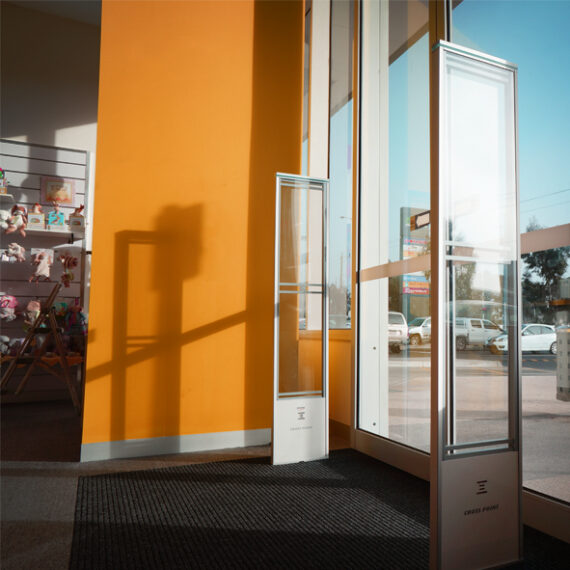

Electronic Article Surveillance (EAS System) in Qatar
Retail security is a vital part of running a successful business, particularly in high-traffic commercial environments like shopping malls, supermarkets, department stores, pharmacies, and boutiques. Losses due to theft—both external (shoplifting) and internal—can significantly affect profitability. That’s where Electronic Article Surveillance (EAS System) comes into play.
Electronic Article Surveillance (EAS System) is one of the most effective and widely used retail security technologies across the globe. In Qatar, Axle Systems is a trusted supplier of Electronic Article Surveillance (EAS System) solutions, offering cutting-edge technology, installation, and after-sales support to meet the evolving needs of the retail sector.
In this comprehensive blog post, we’ll explore:
- What is an Electronic Article Surveillance (EAS) System?
- Benefits of EAS Systems
- Key Features of Modern EAS Systems
- Uses and Applications of EAS Systems
- Popular EAS Brands (including Cross Point)
- Why Choose Axle Systems for EAS Solutions in Qatar
- Contact Information
- Frequently Asked Questions (FAQs)
What is an Electronic Article Surveillance (EAS System)?
An Electronic Article Surveillance (EAS System) is a theft prevention technology commonly used in retail environments. It is designed to detect unauthorized removal of items from a store. EAS typically involves:
- Tags or labels attached to merchandise
- Detection antennas (gates) placed at store exits
- Deactivation or detaching units at point-of-sale (POS) terminals
When an item with an active tag passes through the antennas at the exit, an alarm sounds, alerting staff to potential theft. Once a customer purchases the item, the tag is either removed or deactivated to allow safe passage through the detection gates.
There are different technologies behind Electronic Article Surveillance (EAS System), including:
- Radio Frequency (RF)
- Acousto-Magnetic (AM)
- Electromagnetic (EM)
Each type has its strengths and is suitable for different retail environments.

Benefits of Electronic Article Surveillance (EAS System)
Implementing an EAS system brings a range of strategic and operational advantages for retail businesses in Qatar. These systems go beyond simple theft prevention—they help optimize business performance, improve customer satisfaction, and enhance inventory visibility.
1. Deters Shoplifting
One of the most immediate and noticeable benefits of Electronic Article Surveillance (EAS System) is their deterrent effect on potential shoplifters. The presence of security antennas at store exits and visible tags on products sends a clear message: “This store is protected.”
Psychologically, this visual cue acts as a powerful deterrent. Shoplifters are much more likely to avoid stores with Electronic Article Surveillance (EAS System) because the risk of detection and apprehension increases significantly. As a result, retailers experience fewer incidents of theft even before they happen, making EAS a proactive security solution.
2. Reduces Shrinkage
Shrinkage—defined as the loss of inventory due to theft, administrative errors, or supplier fraud—can severely impact a store’s profitability. In many retail environments, shoplifting accounts for a significant portion of shrinkage.
By using Electronic Article Surveillance (EAS System) to identify and prevent unauthorized removal of goods, retailers can drastically reduce their shrinkage rate. This directly translates to improved financial performance. Over time, the investment in an Electronic Article Surveillance (EAS System) pays for itself through inventory savings and profit protection.
3. Improves Store Operations
Traditional methods of theft prevention—such as keeping items in locked display cabinets or behind counters—can hinder operations and inconvenience customers. EAS systems eliminate the need for restrictive merchandising strategies.
With Electronic Article Surveillance (EAS System) in place, stores can display high-value or high-theft items openly, improving product visibility and accessibility. This encourages product interaction, facilitates impulse purchases, and enhances overall store layout efficiency.
Additionally, open merchandising reduces the burden on staff to constantly monitor inventory, allowing them to focus on sales, customer service, and other high-value tasks.
4. Cost-Effective Security
Compared to hiring additional security personnel or investing in complex surveillance systems, Electronic Article Surveillance (EAS System) provides a more cost-effective security solution. Once installed, Electronic Article Surveillance (EAS System) requires minimal maintenance and operational costs.
Moreover, the automation of theft detection reduces the reliance on manual monitoring, which can be inconsistent or prone to human error. With EAS, the detection process is consistent, automatic, and reliable—day in and day out.
Over the long term, the savings from reduced shrinkage and lower labor costs make EAS one of the most economical theft prevention strategies available to retailers.
5. Enhances Customer Experience
Modern retail success depends on creating a smooth, frictionless customer experience. Electronic Article Surveillance (EAS System) helps achieve this by offering unobtrusive protection. Instead of checking bags or constantly monitoring customers, store staff can offer a warm, welcoming environment.
False accusations of theft can be damaging to a store’s reputation and harmful to customer loyalty. With an Electronic Article Surveillance (EAS System) in place, the chances of such confrontations are minimized, as the technology provides clear alerts when tagged items leave the store without deactivation.
Additionally, because merchandise can be displayed openly, customers can browse, touch, and try products more freely—especially in fashion, electronics, and cosmetic retail—leading to higher customer satisfaction and increased sales.
6. Scalable and Flexible
Electronic Article Surveillance (EAS System) solutions are not one-size-fits-all; they can be scaled and customized to fit the unique requirements of any retail environment—from small independent shops to large retail chains.
Retailers can choose from different tag types (hard tags, soft labels, ink tags), detection frequencies (RF, AM, EM), and antenna designs to suit their store layout, branding, and product types.
As businesses grow, the Electronic Article Surveillance (EAS System) can grow with them. Additional antennas can be added, and systems can be upgraded to include new features such as RFID, people counting, or integration with inventory management systems.
7. Data Integration and Analytics
Advanced Electronic Article Surveillance (EAS System) does more than just sound alarms—they collect valuable data that can support strategic business decisions. When integrated with point-of-sale (POS) systems, CCTV, or business intelligence platforms, EAS systems can provide insights such as:
- Peak theft times and high-risk areas
- Inventory movement and tag deactivation rates
- Staff activity and procedural compliance
- Customer traffic analysis through people-counting features
- Correlation between security events and sales performance
By turning security technology into a data source, retailers can gain a clearer picture of their operational strengths and vulnerabilities. This enables better planning, staff allocation, loss prevention strategies, and even marketing campaigns.
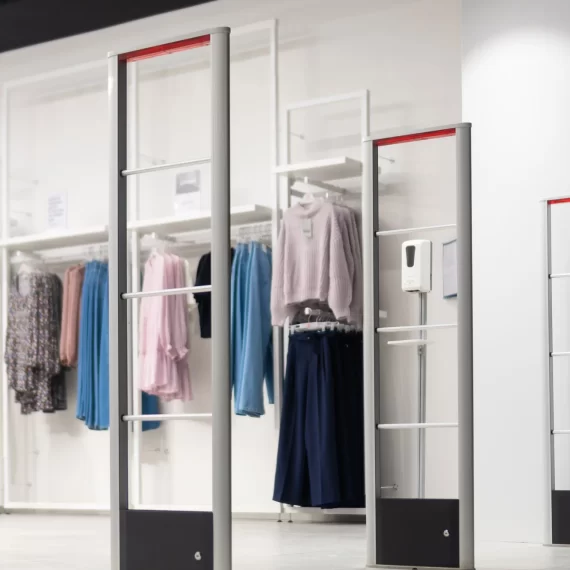
Features of Modern Electronic Article Surveillance (EAS System)
Modern Electronic Article Surveillance (EAS System) has evolved far beyond simple anti-theft alarms. Today’s Electronic Article Surveillance (EAS System) incorporates a combination of intelligent design, advanced detection technologies, and seamless integration capabilities to provide not just security—but also operational efficiency, data insight, and customer experience enhancement.
Below are the key features that make today’s Electronic Article Surveillance (EAS System) indispensable tools for retail success:
1. High Detection Rates
At the heart of any Electronic Article Surveillance (EAS System) is its ability to detect tags and labels accurately and consistently. Modern systems are engineered with advanced detection algorithms and high-sensitivity components that ensure:
- Precise detection of both hard tags and soft labels, even those with minimal signal strength
- High immunity to interference from electronics, metal shelving, or other radio-frequency equipment
- Near-zero false alarms, ensuring credibility and trust among store personnel
These high detection rates help create a secure perimeter around the store’s exit points, making it extremely difficult for untagged items to leave undetected.
2. RFID Integration for Enhanced Inventory Management
One of the most transformative features in modern Electronic Article Surveillance (EAS System) is RFID (Radio Frequency Identification) integration. This allows retailers to not only detect theft but also manage inventory at a granular, item-level scale.
With RFID integration, retailers can:
- Track individual items in real-time from stockroom to sales floor
- Instantly conduct inventory audits with handheld readers
- Gain real-time insight into stock availability, fast-moving items, and product performance
- Enable intelligent replenishment and reduce stock-outs
In a market like Qatar, where premium retail brands and customer service excellence are priorities, RFID-equipped Electronic Article Surveillance (EAS System) adds significant business value beyond security.
3. Wide Aisle Coverage for Modern Retail Layouts
Retailers increasingly prefer open, spacious store layouts that are inviting and easy to navigate. Advanced Electronic Article Surveillance (EAS System) caters to this need with antennas capable of wide aisle coverage—sometimes up to 2.4 meters per antenna pair—without compromising detection accuracy.
This means:
- Fewer antenna units are required, reducing hardware clutter
- Stores can maintain open entrances and sleek interiors
- Accessibility is improved for customers with carts, wheelchairs, or strollers
Wide coverage is especially beneficial for malls, supermarkets, and department stores in Qatar, where space and aesthetics are critical to brand image.
4. Remote Monitoring and Real-Time Alerts
Modern EAS systems often include cloud-based remote monitoring, allowing security managers or store owners to keep an eye on operations anytime, from anywhere.
Key capabilities include:
- Remote access to system status, detection logs, and alarm history
- Real-time notifications sent via email or app when alarms are triggered or equipment is tampered with
- Centralized management of multiple store locations from a single dashboard
This feature is particularly valuable for businesses with multiple outlets in Doha or across Qatar, allowing centralized control and consistent loss prevention policies.
5.Customizable Alarm Settings and CCTV Integration
Electronic Article Surveillance (EAS System) now offers customizable alarm tones, volume levels, and light signals, giving retailers the flexibility to adjust alerts based on their store environment or branding.
Advanced setups can also integrate with CCTV systems, enabling:
- Automated video recording when an alarm is triggered
- Real-time verification of events by security personnel
- Quick identification of habitual offenders or suspicious behavior
By combining visual verification with audio-visual alerts, retailers can improve response times and reduce losses more effectively.
6. People Counting for Footfall Analytics
Many Electronic Article Surveillance (EAS System) antennas now include built-in people counting sensors, turning your loss prevention tool into a business intelligence device.
With footfall data, retailers can:
- Measure store performance relative to visitor traffic
- Optimize staff scheduling based on peak hours
- Analyze the impact of marketing campaigns on customer visits
- Compare performance across locations
This dual functionality supports both operational decision-making and strategic marketing, helping you run a more data-driven retail business.
7. Energy-Efficient Design
Today’s retail industry is becoming more conscious of environmental impact. As part of this trend, many Electronic Article Surveillance (EAS System) are designed to be energy-efficient, consuming minimal power while delivering high performance.
Benefits include:
- Reduced electricity bills
- Smaller carbon footprint for the retail environment
- Support for sustainable business practices, which is increasingly important to Qatari and international brands
Energy-efficient EAS systems are a smart investment for any retailer aiming for long-term sustainability.
8. Aesthetic and Customizable Antenna Designs
Gone are the days when security gates looked bulky and out of place. Modern EAS systems feature sleek, stylish designs that blend seamlessly with your store’s interior décor.
Retailers can choose from:
- Transparent acrylic antennas that are virtually invisible
- Slimline models that occupy minimal floor space
- Custom-branded panels that reinforce store identity
- Wall-mounted or concealed floor systems for ultra-minimalist layouts
In luxury stores, fashion boutiques, and high-end retail outlets across Qatar, maintaining aesthetic integrity is just as important as security. EAS systems from premium brands like Cross Point meet this need with elegance and precision.
Uses and Applications of Electronic Article Surveillance (EAS System)
While Electronic Article Surveillance (EAS System) is commonly associated with retail stores, their utility extends far beyond just theft prevention in fashion shops or supermarkets. EAS technology is adaptable, scalable, and versatile—making it valuable in a wide range of business environments where merchandise protection and asset control are essential.
Here’s a closer look at the most common and effective applications of EAS systems across various sectors in Qatar:
1. Supermarkets and Grocery Stores
Supermarkets deal with thousands of SKUs and see a high volume of foot traffic daily, making them vulnerable to petty theft and shoplifting. Certain items, such as:
- Razor blades
- Cosmetics and personal care products
- Baby formula
- Batteries
- Over-the-counter medications
- High-end chocolates and supplements
…are frequent targets due to their small size and relatively high cost.
Electronic Article Surveillance (EAS System) allows retailers to keep these items on open shelves—without needing locked cabinets or staff supervision—thus maintaining a smooth shopping experience. Items are protected with soft adhesive labels or small hard tags, and alarms are triggered if someone attempts to exit without paying.
2. Fashion and Apparel Retailers
Electronic Article Surveillance (EAS System) is a staple in clothing stores and apparel boutiques across Qatar. They offer a non-intrusive way to protect:
- Garments
- Footwear
- Bags and accessories
- Jewelry and watches
Hard tags are commonly used in fashion retail due to their reusability and discreet attachment methods. Importantly, these tags do not interfere with a customer’s ability to try on the items, which is essential for driving conversions.
The tags are deactivated or removed at the point of sale using deactivators or detachers. This helps reduce the risk of theft while maintaining a positive customer experience.
3. Pharmacies and Drug Stores
Pharmacies often carry a mix of regulated medications and high-theft consumer goods. These include:
- Vitamins and supplements
- Skincare products
- Cosmetics and grooming items
- Painkillers and allergy medications
Because of the high value and small size of many pharmaceutical products, EAS systems are ideal for deterring shoplifting. RF or AM soft labels can be discreetly applied to boxes, bottles, or blister packs without obscuring essential medical information or barcodes.
Pharmacies in malls, hospital lobbies, and high-traffic areas in Doha benefit significantly from this form of product-level protection.
4. Electronics and Gadget Shops
Consumer electronics retailers face unique challenges—many of their products are:
- Compact
- High-value
- Popular targets for theft
From portable hard drives and wireless earbuds to smartphones, tablets, chargers, and memory cards, even a single stolen item can result in substantial financial loss.
Electronic Article Surveillance (EAS System) safeguard these products with either reusable hard tags or integrated box labels. Advanced stores also opt for RFID-enhanced EAS systems, allowing them to monitor both security and inventory levels simultaneously.
In Qatar’s increasingly tech-savvy market, where electronic gadgets are always in demand, Electronic Article Surveillance (EAS System) ensures product availability without sacrificing security.
5. Department Stores and Hypermarkets
Department stores typically have multiple departments including:
- Fashion
- Cosmetics
- Home goods
- Electronics
- Toys
- Books
Electronic Article Surveillance (EAS System) offers a unified solution across departments.
Different tag types—hard tags for garments, soft labels for cosmetics, bottle tags for beverages—can be used in a single integrated system, all controlled through a centralized interface.
Wide-aisle Electronic Article Surveillance (EAS System) gates placed at various exits ensure that each section is protected, without disrupting store aesthetics or customer movement.
6. Libraries and Bookstores
In educational and cultural institutions, theft and unauthorized borrowing of books, DVDs, and other resources are ongoing concerns. EAS systems, particularly electromagnetic (EM) systems, are widely used in:
- Public libraries
- University libraries
- School resource centers
- Large bookstores
EM tags are thin, flexible strips that can be hidden inside books and activated/deactivated as needed. At the exit, security gates scan the material for active tags. This prevents users from walking out with unchecked materials, improving accountability.
In Qatar, where educational investments and public libraries are on the rise, EM Electronic Article Surveillance (EAS System) is critical in protecting literary and media resources.
7. Warehouse Outlets and Discount Centers
Warehouse-style retail outlets offer products in bulk quantities and typically operate on thin margins. Theft—even in low volume—can drastically impact profitability.
These outlets usually carry:
- Electronics and tools
- Luxury beverages
- Designer surplus inventory
- Personal care bundles
To protect this inventory, RF and AM Electronic Article Surveillance (EAS System) with large-scale hard tags or bottle tags are commonly used. Given the open shelving format of these stores, the Electronic Article Surveillance (EAS System) allows easy customer access while safeguarding merchandise from unauthorized removal.
Additionally, EAS tags can be easily integrated into bulk packages, without disturbing branding or repackaging.
8. Duty-Free Shops and Airport Retail
Duty-free shops sell high-value items like perfumes, alcohol, watches, and souvenirs in high-traffic areas, making them prime targets for quick theft attempts.
Electronic Article Surveillance (EAS System) here must be:
- Visually discreet
- Highly sensitive
- Capable of wide detection coverage
Slim, acrylic antennas paired with hard tags or bottle tags provide the right balance between security and aesthetics. Integration with airport security systems and surveillance adds another layer of protection, ensuring smooth yet secure retail operations in travel hubs.
9. Toy and Game Stores
From collectible action figures to board games and gaming accessories, toy stores carry inventory that is both attractive and easy to steal.
EAS helps these stores:
- Reduce losses
- Maintain open displays for customer interaction
- Keep shrinkage under control during seasonal peaks (like Eid or school holidays)
Soft labels and peg-hook compatible tags are commonly used here.
10. Jewelry Stores and Watch Retailers
Luxury items like watches, bracelets, and necklaces require extremely discreet yet reliable security. While traditional Electronic Article Surveillance (EAS System) may not be ideal for high-end individual pieces, modern RFID-integrated EAS systems allow:
- Discreet tagging
- Real-time location tracking
- Immediate alarm upon unauthorized movement
This is especially relevant in Qatar’s high-end retail environment, where trust, discretion, and security must go hand-in-hand.
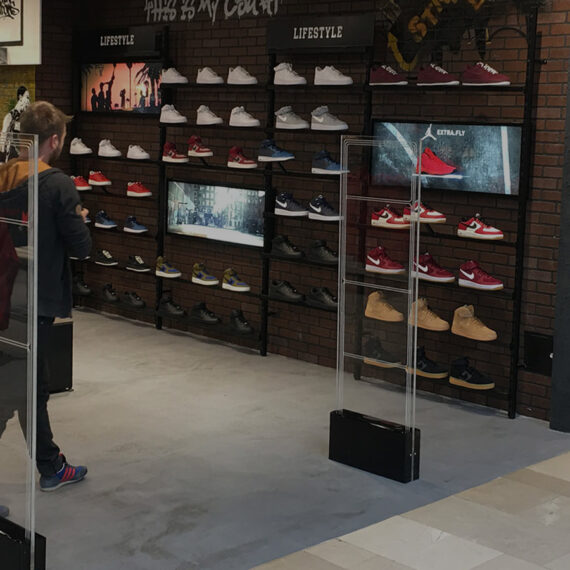
Popular Brands of EAS Systems: Focus on Cross Point
Several international brands manufacture high-performance EAS systems. One of the most reputable among them is Cross Point, known for its innovation, reliability, and sleek European designs.
About Cross Point
Cross Point is a Dutch company specializing in retail security solutions. Their EAS systems offer a blend of superior detection, stylish aesthetics, and value-added features like:
- Integrated visitor counting
- Remote monitoring
- RF and AM compatibility
- LED lighting and customization
Cross Point systems are suitable for both single stores and large retail chains. Their antennas are designed to meet the aesthetic demands of high-end fashion stores while offering uncompromised security.
Other notable brands in the EAS industry include:
- Checkpoint Systems
- Sensormatic (by Johnson Controls)
- Nedap
- Gateway
- GigaTMS
Axle Systems works with globally recognized brands and provides tailored recommendations based on your store’s size, layout, and product type.
Axle Systems – Leading Supplier of EAS Systems in Qatar
Axle Systems is a Qatar-based technology solutions provider specializing in integrated security and automation systems. With years of experience in the Qatari market, Axle Systems has built a solid reputation for delivering reliable, efficient, and cost-effective Electronic Article Surveillance (EAS) systems.
Why Choose Axle Systems?
- Expert Consultation: We analyze your retail space and loss prevention needs before recommending the most suitable EAS solution.
- Wide Product Range: From AM to RF systems, including accessories like detachers, deactivators, and tags.
- Brand Partnerships: Authorized reseller and service provider for reputed global brands such as Cross Point.
- Professional Installation: Our trained technicians ensure precise installation and calibration of EAS antennas.
- After-Sales Support: Reliable maintenance, warranty support, and upgrades to keep your system running smoothly.
- Local Experience: Deep understanding of Qatari retail environments, regulatory compliance, and customer preferences.
Axle Systems Contact Information
Address: P.O.Box 200081, Al Khalidiya Street, Najma, Doha, Qatar
Phone: +974 4468 2391
Email: info@axlesys.com
Website: www.axlesys.com
Frequently Asked Questions (FAQs)
Q1: What types of EAS systems are available?
There are three main types:
- RF (Radio Frequency): Ideal for general merchandise and fashion retail.
- AM (Acousto-Magnetic): Best for environments with metallic interference; often used in electronics stores.
- EM (Electromagnetic): Suited for libraries and bookstores.
Axle Systems can help you choose the right type for your business.
Q2: How are Electronic Article Surveillance (EAS System) tags deactivated or removed?
EAS tags can be either:
- Detached using a magnetic or mechanical detacher at the counter (for hard tags)
- Deactivated using a special deactivation pad (for soft labels)
Q3: Are Electronic Article Surveillance (EAS System) safe for customers and staff?
Yes. EAS systems emit very low levels of radio waves or magnetic fields, which are non-harmful and comply with international safety standards.
Q4: Can I integrate EAS with my CCTV or POS system?
Yes. Many modern EAS systems can be integrated with:
- CCTV for visual verification
- POS systems for real-time tracking and data analysis
Axle Systems offers complete integration solutions.
Q5: What if someone tries to tamper with the Electronic Article Surveillance (EAS System)?
Advanced systems come with anti-tampering alerts, remote monitoring, and self-diagnostics to prevent system compromise.
Q6: What’s the typical ROI of installing an EAS system?
Most businesses recover the cost of installation through reduced theft within 6–12 months, making EAS an excellent investment.
Q7: Do EAS systems work in high-traffic environments?
Absolutely. Systems like those from Cross Point are specifically designed for large retail spaces with wide entrances and high footfall.
Q8: How can I get a quotation for an Electronic Article Surveillance (EAS System) in Qatar?
Contact Axle Systems for a free consultation. We’ll visit your store, assess your needs, and provide a detailed quotation and demo if required.
Conclusion
Electronic Article Surveillance (EAS System) is an essential investment for modern retail businesses in Qatar. They provide a reliable, non-intrusive method of reducing theft and improving operational efficiency. With trusted brands like Cross Point and professional support from Axle Systems, you can secure your retail environment while enhancing the customer experience.
Whether you run a boutique or a large department store, Axle Systems offers the right Electronic Article Surveillance (EAS System) solution tailored to your needs.
Ready to enhance your store’s security?
Contact Axle Systems today!