

Door Access Control System
In today’s world, safety and controlled access to premises are no longer luxuries — they are essential requirements for businesses, institutions, and even residential environments. Whether it’s an office building, a school, a factory, a hospital, or a secure data center, controlling who enters and exits specific areas can make the difference between secure operations and potential risks.
This is where the Door Access Control System comes into play — as a reliable, robust, and intelligent solution for controlling access to physical spaces. And when it comes to sourcing state‑of‑the‑art access control solutions, Axle Systems stands at the forefront as a trusted supplier.
What Is a Door Access Control System?
A Door Access Control System (ACS) is an integrated security solution that manages and restricts access to doors, gates, rooms, or secured areas using electronic and programmable technologies. Rather than relying on traditional keys (which can be easily duplicated or lost), a modern Door Access Control System uses electronic credentials, biometric authentication, or secure codes to authorize entry.
Door Access Control System are designed to:
✔ Allow authorized individuals to enter
✔ Restrict access to unauthorized users
✔ Monitor and record entry/exit activity
✔ Integrate with other security systems (e.g., CCTV, alarms)
✔ Provide scalable control for single doors or entire facilities
At their core, these Door Access Control System consist of:
- Credential readers (card, RFID, biometrics)
- Control panels and access processors
- Electronic locks and door hardware
- Management software and logs
- User profiles and permission settings
Why Door Access Control Systems Matter
In complex environments—such as corporate campuses or healthcare facilities—security isn’t just about keeping doors closed; it’s about managing access intelligently. Door Access Control System enable administrators to define:
- Who gets access
- When they can enter
- Where they are allowed to go
- How access events are recorded and audited
This ensures not only physical security but operational efficiency.
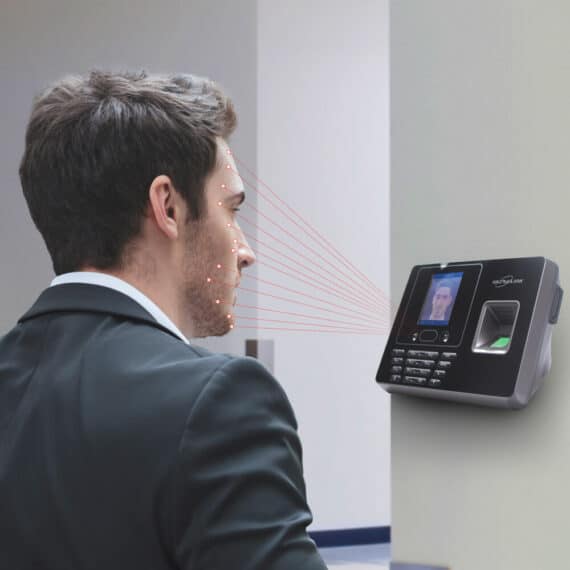
Key Features of Door Access Control System
Modern Door Access Control System are far more than just electronic locks. They are comprehensive security ecosystems designed to protect people, property, and information. Below is a detailed look at the key features that make these Door Access Control System indispensable for businesses, institutions, and residential environments.
1. Multi-Credential Support
Modern Door Access Control System support a variety of credential types, offering flexibility to suit different security needs:
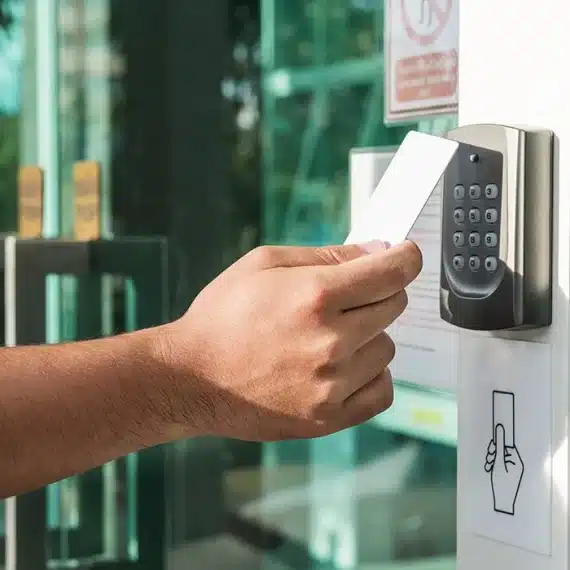
- RFID or Contactless Cards: Users can gain access with proximity cards or smart cards, which are secure, quick, and convenient.
- Keyfobs: Small portable devices that can be attached to a keyring for easy access.
- PIN Codes: Numeric codes entered on keypads provide a simple, low-cost authentication method.
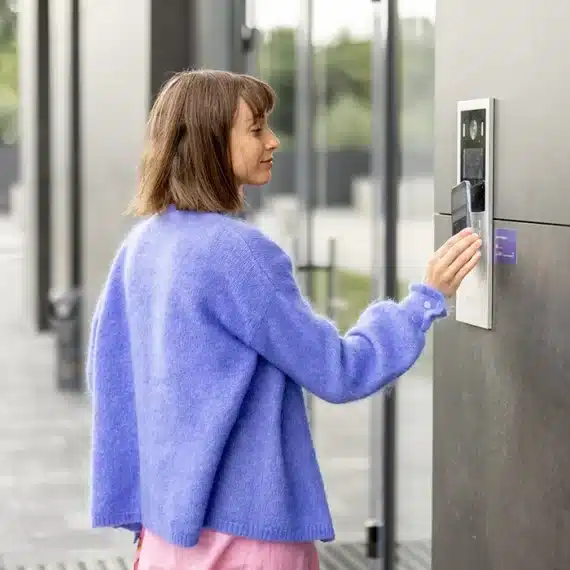
- Mobile Credentials: Smartphones can act as secure access keys using Bluetooth or NFC technology, reducing the need for physical cards.
- Biometric Authentication: Fingerprint, facial recognition, or iris scanning provides high-level security for sensitive areas.
Benefits: This flexibility ensures organizations can choose the most convenient, cost-effective, and secure method for their staff, visitors, and contractors.
2. Centralized Management Software
The software is the brain of the Door Access Control System. It allows administrators to:
- Manage Users Efficiently: Add or remove users, assign permissions, and define roles without physical intervention.
- Monitor Entry in Real-Time: See who is accessing which doors at any given moment.
- Generate Detailed Reports: Access logs, trends, and exceptions can be exported for audits or compliance requirements.
- Remote Administration: Many Door Access Control System allow secure cloud-based management, so administrators can control access even when offsite.
Benefits: Centralized software simplifies administration, reduces human error, and provides complete visibility of all access points in the organization.
3. Event Logging & Real-Time Monitoring
Every access attempt—successful or denied—is logged automatically with details including:
- Who attempted access
- Time and date of the attempt
- Location (specific door or zone)
- Type of credential used
Real-time monitoring alerts security teams instantly if unauthorized access or suspicious activity is detected.
Benefits: Event logging improves accountability, helps in investigations, and ensures regulatory compliance in sectors like healthcare and finance.
4. Integration with CCTV and Alarm Systems
A Door Access Control System can seamlessly integrate with other security measures:
- CCTV: Cameras can automatically record every access event for visual verification.
- Alarm Systems: Forced entry attempts can trigger alarms, notifying security personnel instantly.
- Intercoms & Emergency Systems: Allows communication and lockdown in critical situations.
Benefits: Integration creates a holistic security system that proactively responds to threats and ensures rapid incident management.
5. Scalable Design
Door Access Control System are highly adaptable:
- Single Door Installations: Perfect for small offices or individual rooms.
- Multi-Door or Multi-Site Networks: Ideal for large campuses, corporate headquarters, and industrial facilities.
- Future Expansion: New doors, buildings, or zones can be added without replacing existing hardware.
Benefits: Scalability ensures that your Door Access Control System grows with your business, protecting new areas as your organization expands.
6. Customizable Access Levels
Access rights can be customized based on roles, departments, or schedules:
- Time-Based Access: Employees may only access certain areas during working hours.
- Role-Based Access: Managers or administrators can enter restricted zones while general staff cannot.
- Temporary Access: Visitors, contractors, or delivery personnel can receive short-term credentials.
Benefits: This feature ensures only authorized personnel can enter specific areas, reducing risk and maintaining operational control.
7. Wireless & Networked Options
Door Access Control System support both wired and wireless configurations:
- Wired Systems: Provide reliable connections suitable for high-traffic areas.
- Wireless Systems: Allow flexible installation without complex cabling, ideal for retrofits or temporary setups.
- Networked Systems: Doors communicate with centralized servers, enabling real-time monitoring and remote management.
Benefits: The flexibility of wireless and networked systems allows organizations to adapt security solutions to their physical infrastructure and budget.
8. Emergency & Safety Features
Door Access Control System are designed with safety in mind:
- Emergency Unlock: Doors can automatically open during fire alarms or evacuations.
- Lockdown Capabilities: Administrators can instantly secure all entrances during a security threat.
- Alerts & Notifications: Security teams are immediately informed about any emergencies or breaches.
Benefits: These features protect both occupants and assets, ensuring compliance with safety regulations while enhancing overall security.
9. Advanced Reporting & Analytics
Modern Door Access Control System offer powerful reporting tools:
- Track access trends over time
- Identify unusual patterns or frequent denied attempts
- Export detailed logs for audits, compliance, or performance tracking
Benefits: Insightful analytics help organizations improve security protocols, optimize workforce management, and make data-driven decisions.
10. Multi-Layer Security & Redundancy
Advanced Door Access Control System incorporate:
- Redundant Controllers: Ensure doors remain functional even if one controller fails.
- Encrypted Communication: Protects credential data from hacking.
- Backup Power Options: Ensures system operation during power outages.
Benefits: Multi-layer security and redundancy maximize reliability and prevent single points of failure.
Benefits of Installing a Door Access Control System
Investing in a Door Access Control System goes far beyond simply replacing traditional locks. Modern systems provide organizations and residential complexes with significant advantages in security, efficiency, and operational management. Here’s an in-depth look at the key benefits:
1. Enhanced Security and Risk Reduction
Traditional locks and keys are susceptible to duplication, loss, or theft. With a digital Door Access Control System, organizations can:
- Restrict access to sensitive areas such as server rooms, laboratories, or confidential offices
- Use biometric authentication (fingerprint or facial recognition) for high-security zones
- Quickly revoke or modify permissions when an employee leaves or a credential is lost
Example: A corporate office using a card-based access system can instantly disable an employee’s card after resignation, ensuring that former staff no longer have access to the premises.
Benefit: Minimizes the risk of unauthorized entry and protects both physical assets and sensitive data.
2. Improved Operational Efficiency
Manual management of keys or locks is time-consuming and error-prone. Door Access Control System automate these processes by:
- Eliminating the need for physical key distribution
- Allowing administrators to manage multiple doors remotely
- Scheduling automatic access for different times or days
Example: A school can automatically restrict student access to classrooms during off-hours while granting custodians access for cleaning.
Benefit: Reduces administrative burden, saves time, and ensures smooth daily operations.
3. Accountability and Traceability
Every access event is logged with details including who accessed a door, when, and where. This is crucial for:
- Auditing entry to restricted areas
- Investigating incidents or suspicious activity
- Ensuring compliance with safety regulations
Example: In a hospital, access logs to a pharmacy room allow administrators to track who accessed medications and when, reducing theft risk.
Benefit: Creates a verifiable record of all access events, enhancing accountability and transparency.
4. Controlled Access for Different Groups
Door Access Control System allow organizations to define permissions based on roles, schedules, and locations:
- Employees have access to only the areas they need
- Managers may access higher-security zones
- Contractors or visitors can receive temporary, time-bound credentials
Example: A corporate office may restrict server room access to IT staff while allowing general employees only to public office areas.
Benefit: Reduces unauthorized access and ensures people only enter areas relevant to their role.
5. Cost Savings in the Long Run
Although installing a Door Access Control System involves an initial investment, it delivers significant cost benefits over time:
- Reduces costs associated with lost or duplicated keys
- Minimizes losses due to theft or unauthorized access
- Optimizes the need for on-site security personnel
Example: A manufacturing plant can reduce the number of security guards needed after implementing a networked Door Access Control System that monitors multiple entry points remotely.
Benefit: Protects assets and saves money on operational and security costs.
6. Enhanced Safety and Emergency Response
Door Access Control System are not just about security—they also improve safety:
- Doors can automatically unlock during fire alarms or emergencies
- Lockdown features allow administrators to secure premises during a security threat
- Integration with CCTV and alarms ensures a fast response to incidents
Example: During a fire, doors configured with access control automatically unlock, allowing safe evacuation while notifying security staff of the affected zones.
Benefit: Ensures the safety of occupants while maintaining security and compliance with safety regulations.
7. Remote Management and Monitoring
Door Access Control System often include cloud-based or networked management, allowing:
- Monitoring of entry events in real-time from anywhere
- Instant updates to access rights or schedules
- Notifications and alerts for unauthorized access attempts
Example: A multinational company with offices in different countries can centrally manage access permissions across all locations from a single dashboard.
Benefit: Provides flexibility, convenience, and full control, even for dispersed facilities.
8. Scalability and Future-Proofing
Access control systems are designed to grow with your organization:
- Easy to add doors, floors, or buildings to the system
- Supports multiple credential types as technology evolves
- Compatible with other security solutions like CCTV, alarms, and building management systems
Example: A new wing added to a hospital can be integrated into the existing system without replacing the older hardware.
Benefit: Future-proof your investment and expand security coverage seamlessly.
9. Customizable Alerts and Notifications
Administrators can configure alerts for specific events such as:
- Forced entry attempts
- Doors left open
- Access attempts outside permitted hours
Example: In a warehouse, an alert is triggered if a restricted area door is opened after hours, allowing security staff to respond immediately.
Benefit: Provides proactive security, preventing incidents before they escalate.
10. Enhanced Compliance and Audit Readiness
For industries with strict compliance requirements (healthcare, finance, government), Door Access Control System:
- Maintain detailed access logs
- Provide reports for audits
- Ensure that only authorized personnel handle sensitive information
Example: Pharmaceutical companies can track access to controlled substances to comply with legal regulations.
Benefit: Simplifies regulatory compliance and reduces liability risk.

Common Uses of Door Access Control System
Door Access Control System are versatile and can be deployed across a wide range of industries and settings. Their applications go beyond just securing doors—they streamline operations, improve safety, and enhance accountability. Here’s an in-depth look at the most common uses:
1. Corporate Offices and Business Premises
Corporate offices are prime examples of environments that benefit from Door Access Control System. These systems allow companies to:
- Secure sensitive areas such as server rooms, executive offices, or research labs
- Control employee access based on role or department
- Monitor visitor activity and issue temporary access credentials
Example: A multinational company can use an access control system to restrict access to its R&D department. Only authorized personnel with proper clearance can enter, and all entry events are logged automatically.
Benefit: Protects intellectual property, reduces theft risk, and provides audit trails for compliance purposes.
2. Educational Institutions
Schools, colleges, and universities use Door Access Control System to ensure safety and regulate entry across campuses:
- Classrooms and labs: Only students enrolled in specific courses can enter specialized laboratories.
- Dormitories: Access to residential halls is limited to students with valid credentials.
- Administrative offices: Restrict entry to sensitive records or staff-only areas
Example: A university implements card-based access to science labs. Students receive temporary cards valid only during lab hours, ensuring secure and monitored access.
Benefit: Enhances student safety, protects property, and ensures controlled access across campus facilities.
3. Healthcare Facilities
Hospitals and clinics have highly sensitive areas that require stringent access control:
- Pharmacy rooms: Controlled access ensures only authorized staff can access medications.
- Patient record rooms: Protects confidential patient information.
- Operating theaters & ICU: Restricts access to critical medical areas
Example: In a hospital, nurses are granted access to patient wards, but only senior medical staff can access the operating theater or medication storage. Logs are maintained for audits and compliance with healthcare regulations.
Benefit: Protects patients, ensures regulatory compliance, and reduces the risk of unauthorized access to sensitive areas.
4. Industrial and Manufacturing Facilities
Factories, warehouses, and production plants have unique security challenges, including protecting expensive equipment, hazardous materials, and restricted production zones:
- Production floors: Access is restricted to trained staff only
- Hazardous zones: Special authorization is required to enter areas with dangerous machinery or chemicals
- Inventory storage areas: Prevents theft or unauthorized handling of valuable goods
Example: A chemical manufacturing plant installs biometric access control at entry points to chemical storage areas. Only certified employees can enter, minimizing the risk of accidents or theft.
Benefit: Ensures workplace safety, limits liability, and protects critical assets.
5. Residential Complexes and Gated Communities
Access control is increasingly common in residential settings, providing safety and convenience for residents:
- Main entrance gates: Residents and authorized visitors enter using cards, fobs, or mobile apps
- Amenity areas: Access to gyms, pools, or clubhouses can be restricted to residents
- Parking lots: Only authorized vehicles can enter or exit
Example: A modern apartment complex integrates mobile-based access control, allowing residents to unlock doors with their smartphones and issue temporary passes to visitors.
Benefit: Enhances safety, eliminates unauthorized access, and improves convenience for residents.
6. Government and Defense Facilities
High-security government buildings and defense installations require robust, multi-layered Door Access Control System:
- Classified areas: Only personnel with proper security clearance can enter
- Entry logging: Comprehensive records for audits and investigations
- Emergency lockdown: Facilities can be secured quickly during security threats
Example: A government office restricts access to top-secret areas using biometric authentication and multi-factor access credentials. Entry is monitored continuously, and any unauthorized attempt triggers an immediate alert.
Benefit: Protects critical infrastructure, prevents espionage or sabotage, and ensures regulatory compliance.
7. Commercial and Event Venues
Event spaces, theaters, arenas, and exhibition centers can benefit from access control in managing crowds and maintaining security:
- VIP areas: Controlled access to restricted sections
- Backstage or staff zones: Prevents unauthorized entry during events
- Ticketed access: Integration with ticket scanning systems for seamless entry
Example: A stadium integrates access control with its ticketing system to allow entry only to ticket holders while restricting staff-only areas.
Benefit: Enhances security, improves crowd management, and ensures smooth operations during high-traffic events.
8. Hotels and Hospitality Industry
Hotels use Door Access Control System for both guest convenience and security:
- Guest rooms: Key cards or mobile credentials replace traditional keys
- Staff access: Restricted access to service areas, kitchens, and storage rooms
- Conference facilities: Controlled entry to meeting rooms and ballrooms
Example: A hotel issues temporary mobile credentials to guests that expire upon checkout. Housekeeping staff have access only during scheduled cleaning hours.
Benefit: Improves guest experience, ensures staff accountability, and enhances property security.
9. Retail Stores and Shopping Centers
Retail outlets need to secure both customer areas and restricted staff zones:
- Stockrooms and cash offices: Limited to authorized personnel only
- Employee entrances: Monitor and control staff movements
- Integration with CCTV: Links access events with video footage for loss prevention
Example: A large retail chain integrates access control with CCTV to monitor entry to cash handling areas. Suspicious activity triggers an instant alert.
Benefit: Reduces theft, improves staff accountability, and provides detailed audit logs for management.
10. Transportation and Logistics Hubs
Airports, seaports, and logistics centers require tight access control for safety and operational efficiency:
- Restricted areas: Access to runways, cargo zones, or maintenance facilities is limited
- Employee tracking: Monitors who enters and exits secure zones
- Visitor management: Temporary credentials for contractors, drivers, and suppliers
Example: An airport uses biometric access control for security staff and clearance badges for temporary workers in cargo areas.
Benefit: Ensures safety, regulatory compliance, and smooth operational workflow.
Axle Systems — Your Trusted Access Control Supplier
When it comes to securing your premises and managing access intelligently, choosing the right partner is just as important as choosing the right technology. Axle Systems has established itself as a leading supplier of Door Access Control Systems in Qatar, providing businesses, institutions, and residential complexes with high-quality, reliable, and tailored solutions that meet every security need.
Why Choose Axle Systems?
Security is not just about locking doors—it’s about creating a comprehensive system that protects people, assets, and information. Here’s why organizations trust Axle Systems:
1. Expertise Across Industries
Axle Systems has extensive experience delivering access control solutions for a wide range of sectors, including:
- Corporate Offices: Securing executive suites, server rooms, and employee areas
- Educational Institutions: Protecting laboratories, classrooms, and dormitories
- Healthcare Facilities: Controlling access to pharmacies, ICUs, and administrative offices
- Industrial & Manufacturing Plants: Securing production floors, warehouses, and hazardous zones
- Residential Complexes: Offering residents secure entry to buildings, parking, and amenity areas
- Government & Defense: Providing high-security systems with multi-layer authentication
Benefit: Axle Systems understands the unique security challenges of every industry and delivers solutions tailored to your specific requirements.
2. High-Quality Products and Reliable Technology
Axle Systems partners with leading manufacturers of access control hardware and software, ensuring that clients receive:
- Durable and robust access readers
- Advanced biometric scanners
- Networked control panels for real-time monitoring
- Secure management software with analytics and reporting capabilities
Example: In a corporate office, Axle Systems installed an integrated access control and CCTV solution that allowed security personnel to monitor real-time access events while automatically logging every entry attempt.
Benefit: Clients get cutting-edge technology that is reliable, scalable, and future-proof.
3. Customized Solutions for Every Client
No two buildings or organizations are the same. Axle Systems provides:
- Site assessments to understand access points and security requirements
- Tailored system design for optimal security and convenience
- Flexible integration with existing infrastructure, including CCTV, alarm systems, and building management systems
Example: A hotel chain worked with Axle Systems to deploy mobile-based access for guests while providing staff access to restricted areas, all managed via a central dashboard.
Benefit: Customized solutions maximize security while meeting operational and user requirements.
4. Professional Installation and Technical Support
Axle Systems doesn’t just sell access control systems—they install, configure, and maintain them:
- Certified technicians handle installation and setup
- System testing ensures all access points operate flawlessly
- Ongoing support for troubleshooting, updates, and upgrades
Example: For a large university campus, Axle Systems provided phased installation across multiple buildings with minimal disruption, followed by training staff to manage access permissions and reports.
Benefit: Clients receive a fully functional, professionally supported system from day one.
5. Integration with Advanced Security Ecosystems
Axle Systems designs access control systems that integrate seamlessly with:
- CCTV and video surveillance
- Intruder alarm systems
- Turnstiles and gates
- Emergency lockdown and fire alarm systems
Example: A manufacturing facility implemented a combined access control and CCTV system that automatically recorded video whenever a door was forced open, enhancing incident response.
Benefit: Clients gain a complete, coordinated security ecosystem rather than isolated devices.
6. Scalable Solutions for Growing Organizations
Axle Systems ensures that your access control system grows with your organization:
- Add new doors or zones as your business expands
- Integrate multiple facilities into a single, centralized system
- Upgrade software or credential types without replacing hardware
Example: A growing corporate campus added new office buildings over time. Axle Systems integrated all new access points into the existing system without downtime.
Benefit: Organizations can expand securely without the need to overhaul existing infrastructure.
7. Commitment to Customer Satisfaction
Axle Systems emphasizes long-term partnerships, not just one-time sales:
- Free consultation and site assessment before installation
- Tailored solutions that meet budget and security goals
- Training sessions for staff and security teams
- Fast response for maintenance and support
Benefit: Clients enjoy peace of mind knowing they are supported every step of the way.
Contact Axle Systems Today
Protecting your people, property, and information starts with choosing the right access control partner. Axle Systems offers state-of-the-art Door Access Control Systems with professional consultation, installation, and ongoing support.
Address: Al Khalidiya Street, Najma, Doha, Qatar
Phone: +974 44682391, 77443731
Email: sales@axlesys.com
Website: www.axlesys.com
Frequently Asked Questions (FAQs)
Here are the most commonly asked questions about door access control systems:
1. What is the difference between access control and a regular lock?
A regular lock simply opens and closes with a key. An access control system authorizes entry, logs the event, and allows electronic management of permissions without traditional keys.
2. What types of credentials can I use?
Access systems support:
✔ RFID cards
✔ Mobile credentials
✔ PIN codes
✔ Biometric identifiers (fingerprint, face)
✔ Keyfobs
3. Can an access control system be hacked?
No system is 100% immune, but modern systems use encrypted communication, secure authentication, and firewalls to minimize risk. Partnering with trusted suppliers like Axle Systems enhances security.
4. Can I install access control in existing buildings?
Yes — many systems are retrofit‑ready and can use existing wiring or wireless devices to reduce disruption.
5. How long does installation take?
Installation timelines depend on size and complexity. A single door may take a few hours; multi‑door systems could take several days.
6. Can I manage access remotely?
Yes! Most modern systems include web‑based software for:
✔ Remote user management
✔ Log monitoring
✔ Alert notifications
7. Is biometric authentication necessary?
Biometrics provide higher security but are optional. You can combine it with other credentials depending on your security needs.
8. What if someone loses their access card?
If a card is lost, the administrator can instantly disable it, preventing misuse. A new credential can be issued without changing any locks.
9. Can access control integrate with other security systems?
Absolutely — integration with CCTV, alarms, turnstiles, intercoms, and building management systems is a common feature.
10. How much does a Door Access Control System cost?
Costs vary by features, number of doors, credential types, and software. Contact Axle Systems for a quote tailored to your requirements.
Conclusion
In today’s fast-paced world, security, efficiency, and accountability are more critical than ever. A Door Access Control System is no longer just a luxury—it is an essential investment for businesses, institutions, and residential complexes seeking to protect their people, property, and sensitive information.
From corporate offices to schools, hospitals, industrial facilities, and gated communities, access control systems offer flexible, reliable, and scalable solutions that ensure the right people access the right areas at the right time. By replacing traditional locks and keys with electronic credentials, biometric systems, or mobile-based access, organizations can significantly reduce the risk of unauthorized entry, theft, and operational disruptions.
Beyond security, these Door Access Control System provide enhanced operational efficiency. Administrators can manage access rights remotely, generate detailed reports for audits, and monitor access events in real-time. This not only streamlines daily operations but also empowers organizations to respond proactively to potential security threats. Integration with CCTV, alarms, and emergency systems further transforms access control from a simple locking mechanism into a complete security ecosystem, capable of preventing incidents before they occur.
The benefits of Door Access Control Systems extend to multiple stakeholders. Employees, residents, students, and visitors enjoy the convenience of seamless access without compromising safety. Organizations gain peace of mind knowing that sensitive areas are protected, compliance requirements are met, and valuable assets are secure. In the event of emergencies, the Door Access Control System ensures safety through features like automated unlocks, lockdown capabilities, and instant alerts to security personnel.
Axle Systems, as a trusted supplier in Qatar, brings unparalleled expertise, high-quality products, and end-to-end service in the field of access control. From initial consultation and system design to installation, integration, and ongoing technical support, Axle Systems ensures that every client receives a tailored solution that aligns perfectly with their operational needs and security objectives. Their commitment to customer satisfaction, reliability, and innovation makes them the ideal partner for organizations looking to enhance their security infrastructure.
Ultimately, a Door Access Control System is more than just technology—it is a strategic tool that protects what matters most: your people, your assets, and your peace of mind. Whether you manage a corporate office, healthcare facility, educational campus, residential complex, or industrial plant, investing in a robust Door Access Control System today will yield long-term benefits in security, efficiency, and operational control.
Secure your premises, safeguard your people, and streamline your operations with Axle Systems’ Door Access Control Solutions. Contact us today for a consultation, and take the first step toward creating a safer, smarter, and more efficient environment for your organization.