

Digital Signage Display Solutions
In today’s fast-paced digital world, businesses must communicate faster, smarter, and more visually than ever before. Traditional print advertising and static signboards are no longer sufficient to capture customer attention or deliver real-time information. This is where Digital Signage Display Solutions step in as a powerful, modern communication tool.
Digital Signage Display Solutions has revolutionized how organizations engage audiences, promote products, share information, and enhance brand presence. From retail stores and corporate offices to airports, hospitals, hotels, and educational institutions, digital signage displays are reshaping the communication landscape.
This comprehensive blog post explores Digital Signage Display Solutions in detail — including their features, benefits, applications, technologies, and why Axle Systems is the trusted supplier for advanced digital signage solutions.
Table Of Contents
- 1 Introduction to Digital Signage Display Solutions
- 1.0.1 The Shift from Static to Digital Communication – Digital Signage Display Solutions
- 1.0.2 Core Concept of Digital Signage Ecosystem – Digital Signage Display Solutions
- 1.0.3 Commercial vs Consumer Displays – Digital Signage Display Solutions
- 1.0.4 Rise of Data-Driven Visual Communication – Digital Signage Display Solutions
- 1.0.5 Role in Digital Transformation Strategies – Digital Signage Display Solutions
- 1.0.6 Indoor and Outdoor Communication Revolution – Digital Signage Display Solutions
- 1.0.7 Industry-Wide Adoption – Digital Signage Display Solutions
- 1.0.8 Enhancing Customer Experience – Digital Signage Display Solutions
- 1.0.9 Environmental and Cost Advantages – Digital Signage Display Solutions
- 1.0.10 Scalability for Future Growth – Digital Signage Display Solutions
- 1.0.11 Foundation for Smart Spaces – Digital Signage Display Solutions
- 1.1 Key Components of Digital Signage Display Solutions
- 1.2 Features of Digital Signage Display Solutions
- 1.3 Uses of Digital Signage Display Solutions
- 1.3.1 Retail Stores
- 1.3.2 Corporate Offices
- 1.3.3 Hospitality and Hotels
- 1.3.4 Restaurants and Quick-Service Establishments (QSRs)
- 1.3.5 Healthcare Facilities
- 1.3.6 Educational Institutions
- 1.3.7 Transportation Hubs
- 1.3.8 Banking and Financial Institutions
- 1.3.9 Events, Conferences, and Exhibitions
- 1.3.10 Government and Smart City Applications
- 1.4 Why Choose Axle Systems for Digital Signage Display Solutions
- 1.5 Common FAQ – Digital Signage Display Solutions
- 1.6 Conclusion
Introduction to Digital Signage Display Solutions
In the modern era of digital transformation, the way businesses communicate with their customers, employees, and stakeholders has evolved dramatically. Static posters, printed banners, and traditional billboards—once the backbone of advertising and information sharing—are rapidly being replaced by dynamic, intelligent, and visually compelling display technologies. At the forefront of this transformation are Digital Signage Display Solutions, an advanced communication platform that combines high-definition display hardware with powerful software to deliver multimedia content in real time.
Digital Signage Display Solutions refer to a network of digital screens—such as LED, LCD, OLED, projection displays, and interactive touch panels—used to present information, advertisements, announcements, entertainment, and branded content in visually engaging formats. These systems are centrally controlled through Content Management Systems (CMS), allowing organizations to create, manage, schedule, and distribute content across one or thousands of screens from a single interface.
Unlike conventional signage, digital signage is not limited to static images or printed text. It supports a wide variety of multimedia formats including:
- High-definition videos
- Motion graphics and animations
- Real-time dashboards
- Social media feeds
- Live TV streams
- Weather updates
- News tickers
- Interactive applications
This dynamic capability enables businesses to deliver the right message, to the right audience, at the right time.
The Shift from Static to Digital Communication – Digital Signage Display Solutions
The transition from traditional signage to digital signage is driven by the growing demand for agility, personalization, and visual impact. Printed materials require design, printing, logistics, and manual installation—making updates time-consuming and costly. Digital signage eliminates these barriers by enabling instant content updates.
For example, a retail chain running a weekend promotion can update pricing, offers, and product visuals across all branches within minutes. Similarly, airports can instantly adjust flight information, and corporate offices can broadcast urgent announcements in real time.
This ability to change messaging dynamically makes digital signage one of the most powerful communication tools available today.
Core Concept of Digital Signage Ecosystem – Digital Signage Display Solutions
A complete Digital Signage Display Solutions is not just a screen—it is an integrated ecosystem comprising multiple technology components working seamlessly together.
Key elements include:
- Display Screens – Commercial-grade panels designed for continuous operation
- Media Players – Devices that store and stream content to screens
- Content Management Software (CMS) – Platform to manage and schedule content
- Network Connectivity – Internet or LAN for remote control
- Mounting & Enclosures – Structural installations for safety and visibility
These components create a centralized digital communication network capable of operating across single locations or global enterprises.
Commercial vs Consumer Displays – Digital Signage Display Solutions
It is important to distinguish between consumer TVs and commercial Digital Signage Display Solutions.
Commercial displays are specifically engineered for business environments and offer:
- 16/7 or 24/7 operation capability
- Higher brightness levels
- Anti-glare panels
- Longer lifespan
- Portrait & landscape orientation
- Video wall compatibility
This makes them suitable for demanding environments such as malls, airports, control rooms, and outdoor advertising zones.
Rise of Data-Driven Visual Communication – Digital Signage Display Solutions
One of the most significant advancements in Digital Signage Display Solutions is the integration of real-time data. Modern signage systems can pull live information from external sources such as:
- Point of Sale (POS) systems
- Enterprise Resource Planning (ERP) platforms
- Customer Relationship Management (CRM) software
- Queue management systems
- Transportation databases
- Financial market feeds
This enables automated content updates—for instance, menu boards that change pricing dynamically or dashboards that display live performance metrics.
Role in Digital Transformation Strategies – Digital Signage Display Solutions
Organizations worldwide are investing heavily in digital transformation to improve operational efficiency and customer engagement. Digital signage plays a central role in this transformation by bridging physical and digital communication.
It enhances:
- In-store customer experiences
- Employee communication
- Brand storytelling
- Smart building ecosystems
- IoT-enabled environments
When integrated with sensors, cameras, and AI analytics, signage can even adapt content based on audience demographics, dwell time, or behavioral patterns.
Indoor and Outdoor Communication Revolution – Digital Signage Display Solutions
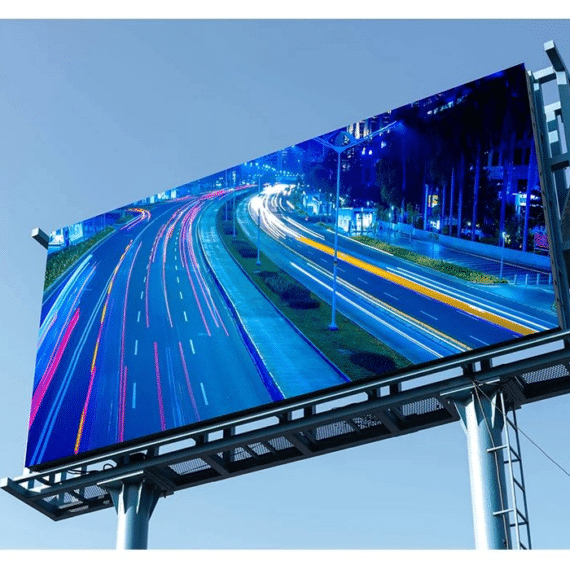
Digital signage has expanded beyond indoor environments into large-format outdoor deployments. High-brightness LED billboards, stadium displays, roadside advertising screens, and building façade media walls are now common in urban landscapes.
Outdoor digital signage systems are engineered with:
- Weatherproof casings
- Sunlight-readable brightness
- Temperature control systems
- Dust and water resistance
These advancements allow businesses and governments to communicate with mass audiences effectively.
Industry-Wide Adoption – Digital Signage Display Solutions
Digital Signage Display Solutions are no longer limited to advertising. They are mission-critical communication tools across multiple industries:
- Retail – Promotions and branding
- Healthcare – Patient information
- Education – Campus communication
- Corporate – Internal messaging
- Hospitality – Guest engagement
- Banking – Queue and service updates
- Transportation – Real-time scheduling
This cross-industry adoption highlights the flexibility and scalability of digital signage technologies.
Enhancing Customer Experience – Digital Signage Display Solutions
Modern consumers expect immersive, visually rich experiences. Digital signage fulfills this expectation by transforming physical spaces into interactive digital environments.
Examples include:
- Touchscreen wayfinding kiosks in malls
- Self-ordering displays in restaurants
- Interactive product catalogs in showrooms
- Virtual concierge systems in hotels
Such deployments not only inform but also engage and convert audiences.
Environmental and Cost Advantages – Digital Signage Display Solutions
Sustainability is becoming a priority for organizations worldwide. Digital signage contributes to eco-friendly initiatives by reducing reliance on printed materials, inks, and logistics.
Over time, businesses benefit from:
- Lower printing costs
- Reduced material waste
- Faster campaign rollouts
- Improved operational efficiency
Thus, digital signage is both economically and environmentally advantageous.
Scalability for Future Growth – Digital Signage Display Solutions
One of the defining strengths of Digital Signage Display Solutions is scalability. Businesses can start with a single display and expand into multi-location networks without replacing existing infrastructure.
Cloud-based CMS platforms make it easy to:
- Add new screens
- Manage franchises
- Control international branches
- Standardize brand messaging
This scalability ensures long-term technology viability.
Foundation for Smart Spaces – Digital Signage Display Solutions
As smart cities and intelligent buildings become more prevalent, digital signage is emerging as a foundational communication layer. Integrated with IoT devices, AI systems, and automation platforms, signage networks will soon deliver hyper-personalized, context-aware content.
Imagine displays that automatically:
- Show umbrella ads when it rains
- Promote coffee in the morning
- Display emergency alerts instantly
- Adjust language based on audience demographics
This is the future digital signage is rapidly moving toward.

Key Components of Digital Signage Display Solutions
Digital Signage Display Solutions are built on a combination of advanced hardware and intelligent software working together to deliver seamless visual communication. Each component plays a critical role in ensuring the system operates efficiently, displays high-quality content, and allows centralized control. Understanding these core components helps organizations design scalable, reliable, and high-performance digital signage networks.
Display Hardware
At the heart of every digital signage system is the display hardware, which serves as the visual output interface for all multimedia content. Commercial digital signage displays are specifically engineered for professional environments where continuous operation, high brightness, and superior image clarity are essential. Unlike consumer televisions, commercial displays are designed to run for extended hours—often 16/7 or 24/7—without performance degradation.
These Digital Signage Display Solutions come in multiple technologies, including LED, LCD, and OLED panels, each suited for specific applications. LED Digital Signage Display Solutions are widely used for both indoor and outdoor environments due to their brightness and scalability, making them ideal for video walls and large advertising screens. LCD displays are commonly deployed in retail stores, offices, and hospitality environments because they offer high resolution at a cost-effective price point. OLED displays, known for their ultra-thin design and deep contrast ratios, are typically used in premium brand environments where visual aesthetics are paramount.
Commercial Digital Signage Display Solutions also include features such as anti-glare coatings, wide viewing angles, portrait or landscape orientation flexibility, and sunlight-readable brightness levels for outdoor deployments. These enhancements ensure visibility and performance across diverse lighting and environmental conditions.
Media Players
Media players function as the content processing and playback engine of the digital signage system. They are responsible for storing, decoding, and transmitting multimedia content to the display screens. Media players can be standalone hardware devices, integrated system-on-chip (SoC) modules built into displays, or cloud-based streaming units.
These devices support a wide range of content formats, including high-definition videos, animations, HTML5 content, live TV feeds, and interactive applications. Advanced media players also enable real-time streaming, split-screen layouts, and synchronized playback across multiple displays.
In enterprise deployments, networked media players allow centralized content distribution, ensuring that campaigns, announcements, or alerts are broadcast simultaneously across multiple locations. Their processing power directly impacts playback smoothness, resolution support (HD, 4K, 8K), and interactive responsiveness.
Content Management System (CMS)
The Content Management System, commonly referred to as CMS software, is the control hub of Digital Signage Display Solutions. It provides a user-friendly interface through which administrators can create, upload, edit, schedule, and monitor content displayed across screens.
Modern CMS platforms are typically cloud-based, allowing users to manage signage networks remotely from any internet-enabled device. Through the CMS dashboard, businesses can schedule promotional campaigns, update menus, broadcast emergency alerts, and tailor messaging for specific locations or time slots.
CMS platforms also support user access controls, ensuring that only authorized personnel can modify content. Advanced systems include analytics dashboards that track playback history, audience engagement metrics, and system performance.
This centralized control dramatically reduces operational complexity, especially for organizations managing large-scale, multi-branch signage deployments.
Network Connectivity Infrastructure
Network connectivity forms the communication backbone of digital signage systems. It enables content transfer between the CMS, media players, and display screens. Without reliable connectivity, real-time updates and remote management would not be possible.
Digital signage networks can operate on various connectivity models, including Local Area Networks (LAN), Wide Area Networks (WAN), Wi-Fi, or cloud-based internet connections. In outdoor or remote deployments, 4G and 5G cellular connectivity is often used to ensure uninterrupted communication.
A robust network infrastructure allows organizations to push live updates, stream real-time data, and monitor device health remotely. Network security is also a critical consideration, requiring firewalls, encryption, and secure login protocols to protect content and system access.
Mounting Structures and Enclosures
Mounting systems and protective enclosures are essential physical components that ensure safe installation, structural stability, and optimal viewing angles for digital signage displays. These include wall mounts, ceiling mounts, floor stands, kiosks, and video wall frames.
Proper mounting design enhances visibility while maintaining safety in high-traffic environments such as malls, airports, and corporate lobbies. For outdoor signage, weatherproof enclosures protect displays from rain, dust, humidity, and extreme temperatures.
Specialized enclosures may include cooling fans, temperature control systems, and anti-vandalism glass to ensure durability and uninterrupted performance in harsh environments.
Software Applications and Integrations
Beyond CMS platforms, digital signage systems often incorporate specialized software applications that extend functionality. These include interactive wayfinding software, queue management integrations, social media aggregation tools, and data visualization dashboards.
Integration with enterprise systems such as POS, ERP, CRM, and HR platforms allows signage to display automated, real-time information. For example, retail displays can showcase live pricing updates, while corporate dashboards can visualize performance KPIs.
Such integrations transform digital signage from a passive display system into an intelligent business communication platform.
Sensors, Cameras, and IoT Devices
Modern Digital Signage Display Solutions increasingly incorporate smart technologies such as sensors, cameras, and IoT devices. These components enable audience analytics, environmental monitoring, and automated content triggers.
For instance, motion sensors can activate displays when viewers approach, conserving energy. AI-enabled cameras can analyze audience demographics—such as age group or gender—to display targeted advertisements. Environmental sensors can adjust brightness based on ambient lighting conditions.
These smart enhancements make digital signage more interactive, data-driven, and responsive to real-world environments.
Power Supply and Electrical Infrastructure
Reliable power infrastructure is fundamental to uninterrupted signage operation. Commercial Digital Signage Display Solutions require stabilized electrical supply, surge protection, and backup systems such as UPS units to prevent downtime during power fluctuations.
In mission-critical environments like control rooms or transportation hubs, redundant power systems ensure continuous information delivery even during outages.
Energy-efficient display technologies and automated power scheduling also help organizations reduce electricity consumption and operational costs.

Features of Digital Signage Display Solutions
Digital Signage Display Solutions offer a range of advanced features that make them powerful tools for communication, marketing, and operational efficiency. These features not only enhance visual appeal but also enable businesses to deliver tailored messaging, engage audiences dynamically, and improve overall user experience. Each feature of a digital signage system contributes to making the display network more intelligent, responsive, and measurable.
- Dynamic Multimedia Display
One of the most significant features of modern digital signage is its ability to display dynamic multimedia content. Unlike traditional printed signs that remain static, digital signage can combine videos, animations, graphics, slideshows, and live streams to capture audience attention more effectively. This dynamic display capability allows organizations to tell compelling visual stories, present detailed product demonstrations, or broadcast corporate updates with clarity and creativity. In retail settings, for example, dynamic displays can highlight promotional offers through motion graphics and engaging visuals, immediately attracting shoppers and influencing purchasing decisions. Similarly, in airports or transportation hubs, video feeds and scrolling news tickers can provide timely information while keeping travelers informed and entertained.
- Real-Time Content Updates
Digital signage allows organizations to update content instantly, without the need to print, ship, or manually install new materials. Real-time content management is particularly valuable for businesses that operate in fast-paced environments where information changes frequently. Retailers can update pricing, promotions, or product availability in minutes, while restaurants can modify menu items and daily specials based on inventory or time of day. Corporate offices can broadcast urgent internal communications or emergency alerts as soon as they arise. This ability to make immediate updates ensures that the messaging is always current and relevant, enhancing the effectiveness of communication across all locations.
- Remote Management Capabilities
Modern digital signage solutions include remote management features that allow administrators to control and monitor displays from any location using cloud-based platforms. This is especially beneficial for businesses with multiple branches or distributed networks of displays. Remote management enables users to schedule content, track screen performance, troubleshoot issues, and deploy updates without physically visiting each site. This centralized control reduces operational complexity, saves time, and ensures consistent messaging across all screens, making it ideal for national retail chains, corporate offices, or institutions with multiple campuses. Additionally, remote management facilitates scalability, allowing organizations to expand their signage network seamlessly without adding significant administrative overhead.
- Interactive Touch Functionality
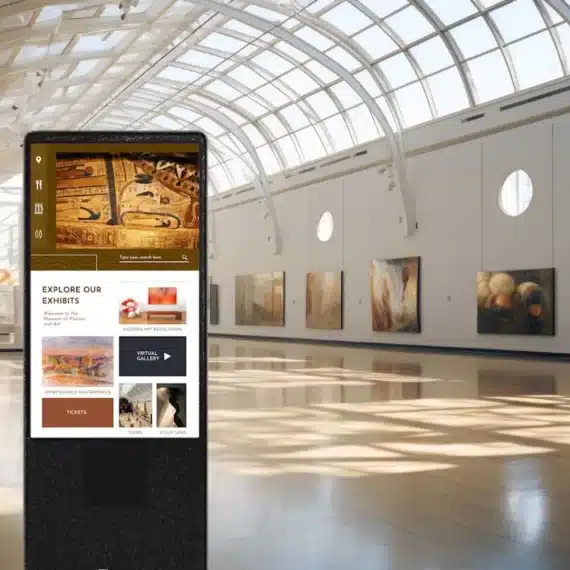
Interactive touchscreens are one of the most engaging features of digital signage. These screens allow users to interact directly with content, transforming a passive viewer into an active participant. Touch-enabled signage can provide wayfinding assistance in malls and airports, enable self-ordering in restaurants, or allow customers to browse product catalogs in showrooms. In corporate environments, interactive Digital Signage Display Solutions can be used for collaborative presentations, training sessions, or employee feedback collection. The ability to interact with content enhances engagement, improves customer satisfaction, and provides valuable data about user behavior, preferences, and engagement patterns.
- Content Scheduling and Automation
Another key feature of digital signage is the ability to schedule content based on time, location, or audience segment. Businesses can automate campaigns to display specific promotions during certain hours of the day, rotate seasonal advertisements, or deliver time-sensitive announcements. For instance, a coffee shop could display breakfast promotions in the morning and lunch offers in the afternoon, maximizing relevance and sales potential. Automated scheduling ensures consistency in content delivery, reduces human error, and allows marketing teams to plan campaigns in advance, making digital signage a highly efficient communication tool.
- Multi-Screen Synchronization
Many digital signage solutions support synchronized playback across multiple displays. Video walls, multi-panel screens, or networked display clusters can operate as a single cohesive unit, delivering immersive and visually impactful presentations. Multi-screen synchronization is particularly effective in large spaces such as stadiums, concert venues, corporate lobbies, or shopping centers. By displaying coordinated visuals, businesses can create memorable experiences that reinforce branding and messaging. This feature also allows for creative content layouts, such as spanning a single advertisement across several screens or dividing displays into multiple content zones simultaneously.
- Data Integration Capabilities
Modern digital signage systems can integrate with external data sources to provide dynamic, real-time information. This includes integration with POS systems, ERP software, CRM platforms, social media feeds, transportation schedules, weather data, and financial market updates. By pulling live data, signage can automatically update content to reflect current conditions or audience needs. For example, a retail Digital Signage Display Solutions can show product availability or flash sales, an airport screen can update flight information in real time, and a corporate dashboard can visualize live KPIs. Data integration makes signage more intelligent, relevant, and actionable.
- High Brightness and Outdoor Visibility
For outdoor applications, digital signage solutions feature high-brightness screens and weather-resistant enclosures to ensure clear visibility under direct sunlight or harsh environmental conditions. These screens often include anti-glare coatings and temperature-regulated housings to maintain optimal performance. High-brightness Digital Signage Display Solutions are commonly used for street-facing advertising, billboards, stadium signage, or outdoor events. This feature ensures that digital signage remains readable and attractive regardless of ambient lighting, weather conditions, or viewing distance, making it an effective tool for mass communication.
- Analytics and Reporting
A key feature that differentiates modern digital signage from traditional signage is the ability to collect and analyze engagement data. Many digital signage platforms provide analytics tools that track viewer interactions, screen dwell time, content effectiveness, and audience demographics. These insights allow businesses to measure campaign performance, optimize content strategy, and make data-driven decisions. Analytics are particularly useful for marketing teams, enabling them to refine messaging based on real audience behavior and maximize return on investment.
- Scalability and Flexibility
Digital signage systems are designed to be highly scalable and flexible, accommodating growth and evolving business needs. Whether deploying a single display in a retail outlet or hundreds of screens across multiple cities, digital signage solutions can be scaled without disrupting existing infrastructure. Flexible system design allows for the addition of new displays, integration of advanced software features, or expansion into interactive and AI-driven signage applications. This adaptability ensures that businesses can continue to innovate their communication strategies as technology and audience expectations evolve.
Uses of Digital Signage Display Solutions
Digital Signage Display Solutions are highly versatile and have found applications across a wide range of industries. Their adaptability allows organizations to leverage dynamic visual communication in ways that enhance engagement, streamline operations, and improve overall experience for both customers and employees. Below, we explore the key use cases in detail.
Retail Stores
In retail environments, digital signage has become a powerful tool to influence customer behavior, boost sales, and enhance in-store experiences. Retailers use Digital Signage Display Solutions to showcase promotions, highlight new arrivals, and create immersive product presentations that capture shopper attention. Interactive kiosks allow customers to browse digital catalogs, compare products, or access additional information, making the shopping experience more personalized and convenient. Furthermore, real-time updates ensure that pricing, availability, and promotional campaigns are always accurate, reducing confusion and improving operational efficiency. By strategically placing digital signage in high-traffic areas, retailers can increase footfall, encourage impulse purchases, and reinforce brand messaging throughout the store.
Corporate Offices
Corporate organizations leverage digital signage to communicate efficiently with employees and visitors alike. In office lobbies and reception areas, displays provide real-time information about meetings, events, and corporate announcements, while reinforcing brand identity through visual storytelling. Digital signage in conference rooms or shared spaces can display dynamic dashboards, KPI metrics, and project updates, promoting transparency and collaboration among teams. Additionally, internal communication campaigns, employee recognition programs, and emergency notifications can be disseminated instantly across multiple office locations through a centralized Content Management System (CMS). This enhances operational efficiency, reduces the need for paper-based notices, and ensures consistent messaging across the organization.
Hospitality and Hotels
In the hospitality industry, digital signage has transformed guest experiences by providing seamless, interactive, and informative solutions. Hotels and resorts use Digital Signage Display Solutions to broadcast information about amenities, event schedules, dining options, or local attractions. Interactive kiosks function as digital concierges, allowing guests to make reservations, navigate the property, or access personalized recommendations. Event venues within hotels can display real-time conference agendas or directional information, ensuring smooth guest flow and satisfaction. By leveraging digital signage, hospitality businesses create memorable guest experiences that enhance brand perception and encourage repeat visits.
Restaurants and Quick-Service Establishments (QSRs)
Restaurants and QSRs use digital signage extensively for menu displays, promotions, and customer interaction. Digital menu boards enable restaurants to update offerings, adjust pricing, and highlight limited-time deals instantly. High-resolution visuals of food items stimulate appetite and increase the likelihood of upselling or cross-selling. Interactive touchscreens allow customers to customize orders, explore nutritional information, or access loyalty programs. Furthermore, digital signage helps reduce perceived waiting times in busy restaurants by providing engaging content or promotions. By integrating with point-of-sale (POS) systems, restaurants can synchronize orders and display real-time updates, improving both operational efficiency and customer satisfaction.
Healthcare Facilities
Healthcare institutions rely on digital signage to improve patient communication and streamline operations. Hospitals, clinics, and medical centers use Digital Signage Display Solutions to broadcast important health information, appointment reminders, wayfinding directions, and emergency alerts. Queue management systems integrated with digital signage inform patients about waiting times and guide them to the correct departments, reducing stress and improving patient satisfaction. In waiting areas, educational content or health awareness campaigns can be displayed to engage and inform visitors. Additionally, hospitals can use screens to highlight achievements, staff recognition, or service updates, creating a positive environment for patients and employees alike.
Educational Institutions
Schools, colleges, and universities utilize digital signage to facilitate communication and enhance campus life. Digital Signage Display Solutions are used to broadcast announcements, class schedules, event information, and emergency notifications in real time. Digital signage in classrooms and lecture halls can supplement teaching with multimedia content, while interactive kiosks provide campus maps, student directories, and administrative assistance. Universities also use digital signage for branding purposes, promoting achievements, academic programs, or student activities. By integrating Digital Signage Display Solutions across campuses, educational institutions create a connected environment that improves communication, engagement, and student experience.
Transportation Hubs
Airports, train stations, bus terminals, and metro systems rely heavily on digital signage to communicate vital information to travelers. Flight departures, gate changes, delays, and boarding announcements can be updated instantly, reducing confusion and improving passenger flow. Wayfinding displays guide travelers through large terminals, while interactive kiosks allow users to check schedules, purchase tickets, or access travel information. Digital signage also provides advertising opportunities and real-time weather or news updates. By deploying dynamic and informative Digital Signage Display Solutions, transportation hubs improve efficiency, safety, and traveler satisfaction.
Banking and Financial Institutions
Banks and financial organizations leverage digital signage to enhance customer service, provide information, and promote financial products. Digital Signage Display Solutions are used in branches to communicate wait times, direct clients to available services, and broadcast financial news. Interactive touchscreens allow customers to explore product offerings, apply for services, or access digital brochures, reducing dependency on staff for routine inquiries. Digital signage also supports marketing campaigns, such as loan promotions, credit card offers, or investment opportunities, delivering highly targeted messaging in an engaging format. This improves operational efficiency, enhances customer experience, and strengthens brand trust.
Events, Conferences, and Exhibitions
Digital signage is a critical communication tool in events, conferences, and exhibitions. Large displays and video walls are used to broadcast live sessions, sponsor promotions, and event schedules. Interactive kiosks enable attendees to access maps, session details, or exhibitor information. Real-time updates can be provided in case of session changes or emergency alerts. Event organizers also use digital signage for branding, engagement, and networking, creating immersive experiences for attendees. The flexibility and visual impact of Digital Signage Display Solutions make them indispensable for modern event management.
Government and Smart City Applications
Governments and municipalities use digital signage to communicate with citizens in public spaces, enhance urban infrastructure, and deliver real-time information. Examples include public alerts, transportation updates, civic information, tourism promotion, and environmental campaigns. Smart city initiatives integrate digital signage with IoT sensors and AI analytics to provide context-aware content, such as traffic updates, weather alerts, or safety notifications. By deploying digital signage in public areas, governments improve communication efficiency, citizen engagement, and urban management.
Why Choose Axle Systems for Digital Signage Display Solutions
When it comes to implementing advanced Digital Signage Display Solutions, selecting the right partner is critical to ensure reliability, quality, and long-term success. Axle Systems has established itself as a trusted provider of digital signage and audiovisual technologies in Qatar, offering end-to-end solutions that cater to the unique needs of diverse industries. The company’s expertise, technical capabilities, and commitment to customer satisfaction make it the ideal choice for businesses looking to leverage digital signage effectively.
Expertise and Industry Experience
Axle Systems brings years of experience in designing, supplying, and installing audiovisual and Digital Signage Display Solutions across multiple sectors, including retail, hospitality, corporate offices, healthcare, education, and public infrastructure. Their team of certified professionals possesses deep technical knowledge of both hardware and software aspects of digital signage systems. From large-scale LED video walls to interactive touch kiosks, Axle Systems has successfully executed projects that require high precision, reliability, and innovative design. This extensive experience ensures that clients receive solutions that are not only functional but also strategically aligned with their communication goals.
End-to-End Digital Signage Solutions
One of the key reasons businesses choose Axle Systems is the company’s ability to deliver end-to-end digital signage solutions. Unlike providers who focus only on equipment supply, Axle Systems offers a comprehensive approach that covers every stage of deployment. Their services include consultation to assess client requirements, site surveys to determine optimal display placement, design and engineering to create tailored solutions, product supply and installation, software configuration, content management integration, and ongoing maintenance support. This holistic approach ensures seamless integration, optimal performance, and minimal disruption to client operations.
High-Quality Products and Technology
Axle Systems partners with leading manufacturers to supply high-quality, commercial-grade displays and related hardware. Their product portfolio includes LED and LCD signage, OLED screens, interactive kiosks, outdoor Digital Signage Display Solutions, and video walls. These products are chosen for durability, superior image quality, energy efficiency, and scalability. By leveraging the latest display technologies, Axle Systems ensures that clients benefit from visually compelling, reliable, and long-lasting digital signage solutions. High-quality hardware combined with robust software platforms allows businesses to maintain consistent messaging, enhance customer engagement, and achieve maximum return on investment.
Customized and Tailored Deployments
Recognizing that no two businesses have the same requirements, Axle Systems specializes in creating customized digital signage deployments. Whether a client requires a single display in a boutique store, a multi-screen video wall in a corporate headquarters, or a city-wide network of Digital Signage Display Solutions, Axle Systems designs solutions that meet both operational needs and aesthetic preferences. Their team works closely with clients to understand objectives, assess environmental factors, and recommend configurations that maximize impact and engagement. This personalized approach ensures that each project delivers tangible business results while reflecting the client’s brand identity.
Professional Installation and Technical Support
Axle Systems places great emphasis on professional installation and technical support. Their engineers ensure that Digital Signage Display Solutions are mounted securely, cables are managed efficiently, and network connections are optimized for smooth operation. Each system undergoes thorough testing before going live to guarantee performance and reliability. Additionally, Axle Systems provides ongoing maintenance and support services, including preventive maintenance, software updates, troubleshooting, and replacement of faulty components. This commitment to after-sales support ensures that clients experience minimal downtime and continued satisfaction with their digital signage systems.
Innovation and Future-Ready Solutions
Axle Systems keeps pace with the latest trends and technological advancements in digital signage. From AI-driven audience analytics and interactive touchscreens to cloud-based remote management and smart city integrations, the company ensures that clients benefit from future-ready solutions. By incorporating emerging technologies, Axle Systems enables businesses to deliver personalized, data-driven, and context-aware messaging that maximizes engagement and impact. Their forward-thinking approach allows clients to stay ahead in competitive markets while maintaining flexibility for future expansions and upgrades.
Common FAQ – Digital Signage Display Solutions
Q1. What is a digital signage display?
A digital screen used to display multimedia content for advertising or information.
Q2. Where can digital signage be used?
Retail, corporate, healthcare, education, hospitality, and public spaces.
Q3. Can content be updated remotely?
Yes. Cloud CMS allows real-time remote updates.
Q4. Is digital signage expensive?
Initial costs are higher but long-term savings are significant.
Q5. What content formats are supported?
Images, videos, live feeds, HTML, social media, and dashboards.
Q6. Are interactive touchscreens available?
Yes. Touch displays enable customer interaction.
Q7. Does it support multi-location control?
Yes. Centralized CMS manages global screens.
Q8. Is digital signage eco-friendly?
Yes. It reduces paper and printing waste.
Q9. Can it integrate with business systems?
Yes. POS, ERP, and CRM integrations are possible.
Q10. Does Axle Systems provide installation?
Yes. Complete supply and installation services are offered.
Conclusion
Digital Signage Display Solutions have transformed the way organizations communicate, engage, and influence their audiences in today’s visually-driven world. From retail stores and corporate offices to healthcare facilities, educational institutions, transportation hubs, and public spaces, these solutions provide dynamic, interactive, and real-time content that captures attention, delivers information effectively, and enhances the overall user experience. Unlike traditional static signage, digital displays allow for immediate updates, personalized messaging, and data-driven content strategies, making them a vital tool for businesses seeking to remain competitive and relevant in a fast-paced digital environment.
The benefits of digital signage extend far beyond mere aesthetics. They help businesses increase customer engagement, improve brand recognition, boost sales, and optimize operational efficiency. With features such as multimedia content playback, real-time updates, interactive touchscreens, multi-screen synchronization, and advanced analytics, organizations gain unparalleled control over how their messaging is delivered and received. The scalability and flexibility of digital signage systems further ensure that they can evolve alongside a company’s growth, technological advancements, and changing communication needs, making them a long-term strategic investment.
Partnering with a trusted supplier like Axle Systems ensures that organizations receive a complete end-to-end solution. From consultation and design to installation, content management, and ongoing technical support, Axle Systems combines expertise, high-quality products, and innovative technology to deliver reliable and future-ready digital signage solutions. Their focus on customization allows businesses to implement signage networks that are tailored to their specific environment, industry requirements, and audience expectations, ensuring maximum impact and return on investment.
In addition to their business value, digital signage solutions contribute to sustainability by reducing dependence on printed materials and minimizing waste. They also provide measurable insights into audience engagement and campaign performance, enabling organizations to make informed, data-driven decisions. Whether deployed indoors or outdoors, in a single location or across multiple sites, digital signage represents a modern, efficient, and effective method of communication that aligns with the evolving expectations of both consumers and employees.
In conclusion, Digital Signage Display Solutions are no longer optional—they are a necessity for any organization aiming to thrive in today’s digital-first world. By delivering visually compelling, real-time, and interactive content, these solutions empower businesses to connect meaningfully with their audience, streamline communication, and reinforce their brand identity. With the expertise and support of Axle Systems, organizations in Qatar and beyond can harness the full potential of digital signage, transforming their communication strategies into dynamic, engaging, and measurable experiences that drive business growth, operational efficiency, and lasting customer satisfaction.