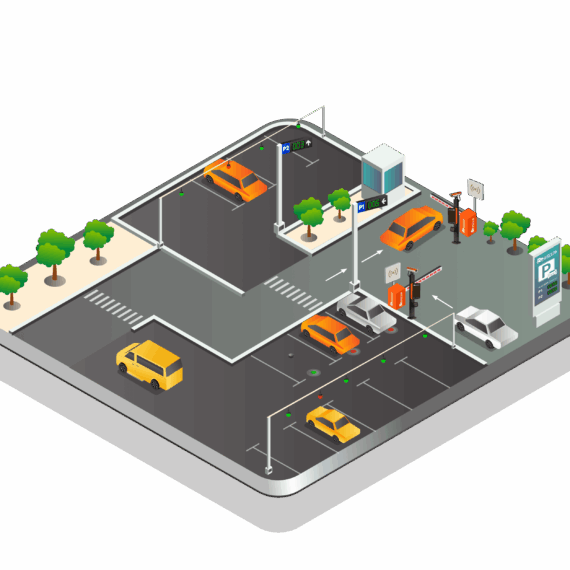

Car Park Management Systems in Qatar
As urban centers expand and vehicle ownership rises, the demand for efficient and intelligent Car Park Management Systems has become critical for cities like Doha, Qatar. From commercial complexes and residential towers to shopping malls and airports, efficient car parking is a top priority for smooth traffic flow and customer satisfaction.
In this comprehensive blog post, we explore the importance, benefits, features, and use cases of Car Park Management Systems. We also highlight Axle Systems as a leading supplier of integrated Car Park Management Systems in Qatar, offering advanced and reliable parking technologies from global brands.
What is a Car Park Management Systems?
A Car Park Management Systems (CPMS) is an integrated technological solution designed to control and automate the process of vehicle entry, exit, space utilization, fee collection, and security in a parking facility. These systems combine software, hardware, sensors, payment gateways, and access control mechanisms to provide a seamless and efficient Car Park Management Systems experience.
Whether it’s a multi-level parking garage, a corporate office lot, or a public car park, a well-designed CPMS can greatly enhance efficiency, user experience, revenue generation, and security.
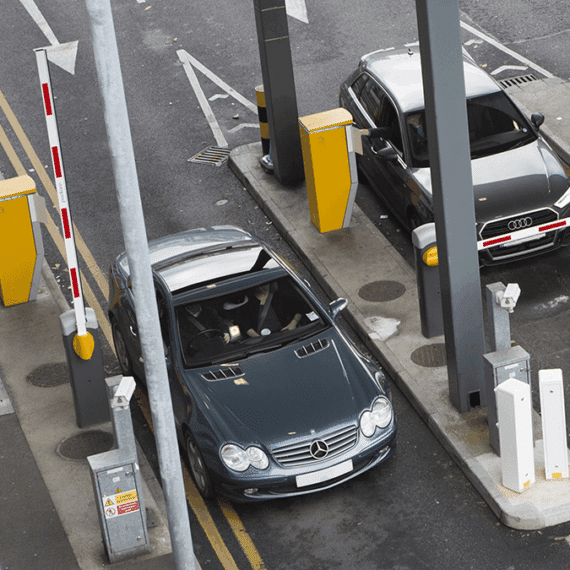
Benefits of Car Park Management Systems
Modern Car Park Management Systems (CPMS) are designed to tackle the challenges of increasing vehicle numbers, inefficient manual Car Park Management Systems, and limited urban space. These systems provide a wide range of benefits that go beyond just automating entry and exit—they enhance security, customer satisfaction, operational efficiency, and profitability. Below are the major benefits in detail:
1. Optimized Parking Space Utilization
One of the most significant advantages of a CPMS is the ability to use parking space more effectively. Through intelligent sensors and real-time monitoring, the system tracks which spaces are occupied and which are free. It guides drivers to the nearest available space through digital signage, mobile apps, or LED indicators, significantly reducing the time spent circling the area looking for parking.
Key Benefits:
- Maximizes use of available bays
- Reduces time per parking session
- Minimizes driver frustration
- Enables zone-wise utilization reports for large facilities
2. Reduced Traffic Congestion
In urban environments like Doha, traffic congestion around parking entrances and exits is a major issue. A CPMS automates the process of ticket issuance, access control, and payment, ensuring vehicles spend minimal time at gates. With options such as RFID cards, automatic number plate recognition (ANPR), mobile QR codes, or pre-booking, drivers can enter and exit quickly and efficiently.
Key Benefits:
- Faster entry/exit during peak hours
- Less queuing at barriers
- Smooth traffic flow within and outside the parking area
- Ideal for malls, hospitals, and airports with high footfall
3. Enhanced Safety and Security
Security is critical for any parking facility. Car Park Management Systems offer advanced surveillance features such as CCTV camera integration, ANPR, access logging, and barrier control. Only authorized vehicles are allowed access, and all vehicle movements are recorded, which helps deter criminal activity and enhances occupant safety.
Key Benefits:
- 24/7 surveillance and access monitoring
- ANPR logs for legal and auditing use
- Theft and vandalism deterrence
- Custom access privileges for staff, VIPs, or residents
4. Automated and Flexible Payment Options
CPMS includes fully integrated, automated payment solutions that eliminate the need for cash handling or manual intervention. Users can pay for Car Park Management Systems using a variety of methods, such as:
- Cashless kiosks (POS)
- Mobile payments (Apple Pay, Google Pay)
- Online web portals
- NFC cards and RFID tokens
- Loyalty points or discount codes
This convenience improves the customer experience while also increasing revenue collection accuracy for the parking operator.
Key Benefits:
- Reduced manpower costs
- No risk of revenue leakage
- Faster processing and higher throughput
- Enables promotional and loyalty programs
5. Improved User Experience
A smooth and stress-free parking experience is vital for customer satisfaction. With features like real-time space indicators, mobile booking apps, and digital wayfinding, users can locate, reserve, and pay for parking with minimal hassle.
This is especially important in customer-facing businesses like shopping malls, restaurants, and healthcare centers, where a positive parking experience can influence overall business reputation.
Key Benefits:
- Less stress and waiting time
- Higher customer satisfaction and retention
- Personalized services like reserved parking or valet integration
- Useful for differently-abled parking management
6. Data-Driven Management and Reporting
A CPMS offers comprehensive insights through analytics dashboards and real-time reports. Car Park Management Systems facility owners can monitor occupancy rates, revenue, peak hours, transaction history, and much more, helping them make informed operational decisions.
Advanced systems even offer AI-based forecasting to predict future parking demand based on historical trends.
Key Benefits:
- Operational transparency
- Data-backed decision-making
- Helps identify underused areas or hours
- Enables better resource planning
7. 24/7 Operation with Minimal Supervision
Unlike manual parking lots that rely on staff availability, an automated system can operate around the clock with minimal human intervention. This is crucial for places like airports, hospitals, and hotels that require uninterrupted parking services.
Combined with surveillance and emergency response mechanisms, 24/7 operations ensure that customers are served even outside regular business hours.
Key Benefits:
- Always-on service
- Reduced staffing requirements
- System health alerts via SMS/email
- Remote troubleshooting and access
8. Environmentally Friendly and Sustainable
By guiding drivers directly to available Car Park Management Systems spots and minimizing idling at entrances, CPMS helps reduce vehicle emissions and fuel consumption. Furthermore, digital ticketing and online payments help reduce the need for paper, contributing to eco-friendly operations.
Key Benefits:
- Reduced carbon emissions from vehicles
- Lower energy usage through smart lighting
- Supports green building initiatives (e.g., LEED Certification)
- Sustainable long-term operations
9. Scalability and Integration
A CPMS can be scaled up easily to accommodate future growth or new features. It can also be integrated with other building systems such as:
- Access control systems
- Fire alarm systems
- Visitor management platforms
- ERP and facility management software
This ensures a unified and cohesive building ecosystem that can be centrally monitored and managed.
Key Benefits:
- Supports multi-site expansion
- Easy to add new zones or levels
- Future-ready architecture
- Seamless interoperability with other systems
10. Revenue Optimization and ROI
Car Park Management Systems is not only a service but also a potential revenue generator. Automated systems reduce leakage, ensure fair and consistent billing, and enable tiered pricing based on user groups (VIP, staff, public).
Over time, the system pays for itself by improving income, reducing manual errors, and minimizing operational costs.
Key Benefits:
- Transparent fee structures
- Flexible pricing models (hourly, monthly, event-based)
- Fast ROI for commercial properties
- Enables digital marketing (e.g., push offers via app)
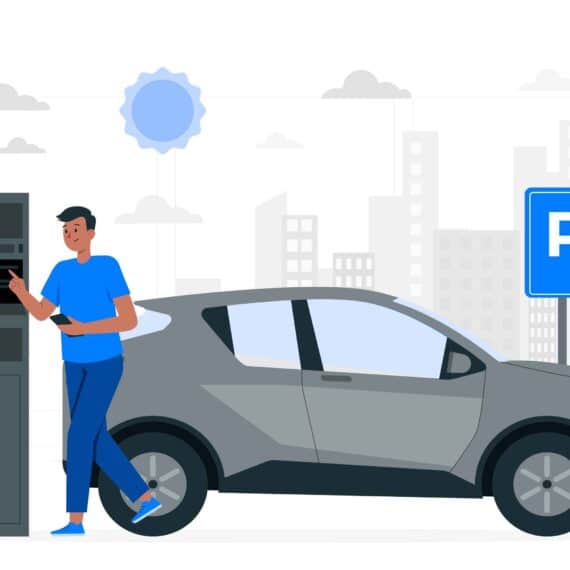
Key Features of Car Park Management Systems
A robust Car Park Management Systems (CPMS) is a comprehensive integration of intelligent hardware and software components that work together to streamline parking operations. Each feature of the system is designed to enhance control, convenience, security, and efficiency. Whether you’re managing a compact parking lot or a multi-story facility, these features ensure the parking experience is smooth for both operators and users.
Here is a breakdown of the most essential features of a modern Car Park Management Systems:
1. Automated Entry and Exit Terminals
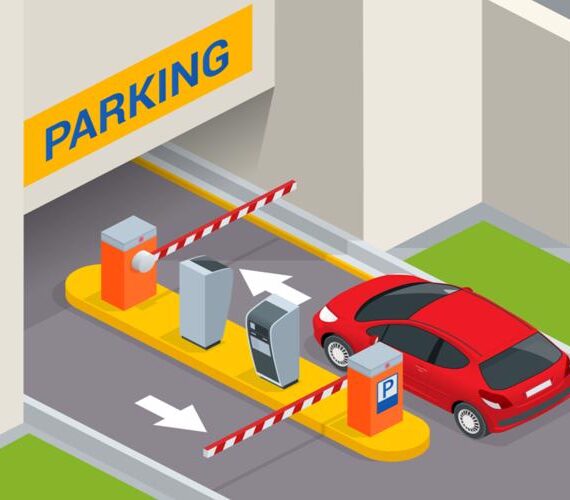
Automated terminals are located at entry and exit points of the Car Park Management Systems facility. These terminals manage vehicle access by issuing tickets, scanning RFID cards, or recognizing QR/barcodes.
Components:
- Ticket Dispenser: Issues entry tickets with time stamps
- Barcode/QR Code Reader: Scans pre-issued parking passes or mobile codes
- RFID Reader: Recognizes access cards for staff or long-term users
- ANPR Camera (Optional): Captures license plates for vehicle verification
Benefits:
- Reduces manual labor and queue times
- Offers seamless, contactless access
- Increases throughput during busy hours
2. License Plate Recognition (ANPR)
Automatic Number Plate Recognition (ANPR) is a high-accuracy camera system that captures and reads license plates as vehicles approach the barrier.
Features:
- Camera with high-resolution image capture
- Optical Character Recognition (OCR) software
- Database integration for white/blacklist verification
Benefits:
- Enables ticketless access
- Useful for VIPs, season pass holders, and pre-registered vehicles
- Enhances security and tracking by logging vehicle entries/exits
3. Real-Time Parking Guidance System
A Parking Guidance System (PGS) assists drivers in locating available parking spots quickly by displaying real-time information on digital signage and LED indicators.
Components:
- Ultrasonic or Infrared Sensors above each bay
- Zone Controllers and LED Display Panels
- Centralized Control Software
Benefits:
- Reduces time to find a vacant spot
- Lowers congestion within the facility
- Enhances customer satisfaction
- Ideal for multi-level or high-capacity parking structures
4. Automated Payment Stations
Modern Car Park Management Systems integrate versatile payment options for maximum convenience and security. Payment kiosks are placed inside or near exits and support multiple methods.
Features:
- Self-service payment kiosks (cash/card/QR/NFC)
- Online and mobile payments
- Integration with mobile apps for top-ups and digital receipts
Benefits:
- Reduces staffing and operational costs
- Eliminates queues and delays during exit
- Accurate billing based on actual parking time
- Supports promotional pricing and loyalty discounts
5. Centralized Management Software (CMS)
The CMS is the backbone of any CPMS, allowing operators to monitor, control, and configure every aspect of the parking operation from a central dashboard.
Capabilities:
- Real-time monitoring of space occupancy
- Revenue and transaction reporting
- User and vehicle database management
- Alarm and fault detection
Benefits:
- Remote management of one or multiple parking sites
- Data-driven decision-making
- Customization of pricing, schedules, and policies
- Role-based access for operators or administrators
6. Barrier and Gate Control Systems
Access barriers (boom gates, swing gates, or flap barriers) are the first physical line of control. Integrated with entry/exit terminals, these gates control vehicle movement based on user credentials.
Types:
- Automatic Boom Barriers
- Swing Gates for private/residential use
- Sliding Gates for wide entries
- Flap or Turnstile Barriers for pedestrian areas (optional)
Benefits:
- Controlled vehicle access
- Quick response time with automatic raising/lowering
- Compatible with ANPR, RFID, and ticket systems
7. Surveillance and Security Integration
To ensure a safe environment, CPMS integrates with CCTV cameras, fire alarm systems, and security alarms. Video footage can be linked with access logs to provide a complete picture of Car Park Management Systems activities.
Integration Includes:
- High-definition IP cameras
- Motion detection and alerts
- Video analytics and event tagging
- Access to surveillance feeds through management software
Benefits:
- Enhances security and incident response
- Real-time surveillance for critical zones
- Maintains a log of suspicious activities or unauthorized access
8. Pre-Booking and Reservation System
Pre-booking allows users to reserve Car Park Management Systems spots online or via a mobile app. This is especially helpful for high-demand locations or during events.
Features:
- Web-based reservation portal
- Time-slot based booking
- Payment gateway integration
- QR code confirmation for entry
Benefits:
- Improves space planning and occupancy
- Adds value for customers and recurring users
- Useful for hotels, airports, event venues
9. Mobile Application Integration
Mobile applications are increasingly being used to interface with car Car Park Management Systems. Apps allow users to check space availability, pre-book, pay, and even navigate within large parking facilities.
Capabilities:
- View real-time availability
- Make payments via app
- Store loyalty rewards and invoices
- Push notifications for offers or system alerts
Benefits:
- Enhanced user convenience
- Reduces reliance on physical tickets
- Builds long-term customer loyalty
10. Custom Access Rights and Role Management
Not all users should have the same access. With CPMS software, administrators can assign access privileges based on user roles—such as residents, staff, management, or VIPs.
Capabilities:
- Schedule-based access (e.g., staff 9 am–6 pm)
- Zone-based access (e.g., VIP-only areas)
- Multi-level user management
Benefits:
- Improved access control and security
- Reduces misuse or unauthorized entry
- Helps in organizing multi-tenant facilities like offices or malls
11. Third-Party System Integration
A future-ready CPMS supports integration with various other systems such as:
- Building Management Systems (BMS)
- Enterprise Resource Planning (ERP)
- Access Control and Visitor Management
- Fire Detection & Alarm Systems
Benefits:
- Unified dashboard for all facility operations
- Cross-platform compatibility
- Streamlined operations and reduced duplication of data
12. Analytics and Reporting Tools
Advanced reporting features help facility managers gain insights into Car Park Management Systems behavior, usage trends, and revenue. These tools support exportable reports, real-time alerts, and data visualization.
Types of Reports:
- Daily/weekly occupancy trends
- Hourly peak traffic analysis
- Revenue per day/week/month
- System errors and audit logs
Benefits:
- Optimized pricing and planning
- Historical analysis for future forecasting
- Greater transparency and accountability
13. Sustainability Features
Modern CPMS includes green features such as:
- Smart lighting systems that activate based on movement
- Solar-powered ticket machines
- Paperless ticketing options (QR code via mobile)
Benefits:
- Lower carbon footprint
- Reduces electricity usage
- Supports corporate sustainability goals
Use Cases of Car Park Management Systems in Qatar
Qatar’s rapid urbanization, coupled with its growing vehicle population and focus on smart infrastructure, has made Car Park Management Systems (CPMS) essential across a wide variety of sectors. These systems not only ensure the smooth flow of vehicles but also enhance the overall user experience, improve security, and streamline operational management.
Let’s explore in detail how different types of facilities in Qatar benefit from modern Car Park Management Systems.
1. Airports and Aviation Facilities
Challenges:
- High volume of daily vehicle traffic
- Need for long-term and short-term parking
- 24/7 operations with peak-time congestion
- VIP access, shuttle bus bays, and staff parking
How CPMS Helps:
- Automated ticketing and ANPR-based access reduce waiting times
- Car Park Management Systems zones managed for short-term, long-term, and valet services
- Real-time monitoring of occupancy across multiple zones
- Integration with flight schedules and mobile notifications
Example:
Hamad International Airport could implement a fully integrated system offering pre-booking, license plate recognition, contactless payments, and loyalty programs for frequent flyers.
2. Shopping Malls and Retail Centers
Challenges:
- High traffic during weekends and holidays
- Customers expect free or validated parking
- Revenue loss due to ticket misuse or free-riding
- Difficulty in managing parking for staff vs. shoppers
How CPMS Helps:
- Real-time space availability signs reduce entry delays
- Custom pricing based on duration or shopping amount
- Validated or discounted parking through POS and loyalty apps
- Integration with mall mobile apps and customer service platforms
Example:
A mall like Mall of Qatar can utilize digital displays and smart sensors to guide customers directly to open spots, offer mobile payments, and collect valuable usage data for tenant marketing.
3. Residential Towers and Gated Communities
Challenges:
- Limited space in basements or podiums
- Need to separate parking for residents, guests, and maintenance vehicles
- Security concerns regarding unauthorized access
- Difficulty in tracking visitor parking duration
How CPMS Helps:
- RFID-based or license plate-controlled access for residents
- Temporary QR code or OTP access for guest parking
- Video surveillance integrated with access logs for added security
- Tenant-specific usage reporting for facility managers
Example:
Luxury developments like The Pearl-Qatar benefit from automated systems that distinguish between tenant vehicles and guests while ensuring secure, restricted access to residential parking levels.
4. Commercial and Office Buildings
Challenges:
- High-volume entry/exit during office hours
- Requirement to assign specific bays to tenants or senior staff
- Visitor Car Park Management Systems
- Revenue tracking for paid parking spaces
How CPMS Helps:
- Reserved parking slots for executives or VIPs
- Visitor pre-booking via office reception or mobile links
- Seamless integration with corporate ID cards for access
- Monthly reporting to corporate building management for cost allocation
Example:
Commercial hubs like West Bay’s office towers can benefit from a tenant-specific CPMS that allows for fair allocation, digital entry passes, and cost-sharing based on usage.
5. Hospitals and Healthcare Facilities
Challenges:
- Managing emergency vehicle access
- High turnover of short-term visitors
- Parking for staff, patients, and suppliers
- Ensuring barrier-free access for the disabled
How CPMS Helps:
- Dedicated emergency vehicle access paths
- Parking zones for staff, visitors, and ambulances
- Automated barriers with ANPR for ambulances and doctors
- Real-time space availability displays to minimize stress during emergencies
Example:
A facility like Sidra Medicine can use CPMS to offer priority access to medical staff, automate fee collection for visitors, and ensure compliance with healthcare-specific traffic policies.
6. Hotels and Resorts
Challenges:
- Valet parking operations and guest self-parking
- Handling event guest parking and walk-ins
- Ensuring secure Car Park Management Systems for long-stay guests
- Integration with hotel management systems
How CPMS Helps:
- Valet-friendly systems with quick vehicle retrieval logs
- Guest-specific access credentials for multiple-day stays
- Mobile-based entry with room booking ID or digital key
- Analytics for parking occupancy during events and conferences
Example:
Hotels like W Doha can implement CPMS to automate VIP guest parking, allow app-based room-linked parking passes, and offer seamless integration with PMS (Property Management System).
7. Stadiums and Event Venues
Challenges:
- Sudden high-volume inflows during events
- Need for temporary and overflow parking control
- VIP, media, and staff zone separation
- Traffic management before and after events
How CPMS Helps:
- Online booking with QR codes for event-based parking
- Dedicated lanes and gates for different categories of visitors
- Temporary pop-up zones managed via mobile control centers
- Real-time updates on lot occupancy shared with event organizers
Example:
Venues like Lusail Stadium can use CPMS for large-scale sporting events or concerts to manage thousands of vehicles, ensuring fast and secure entry with temporary access profiles.
8. Universities and Educational Institutions
Challenges:
- Day-time congestion during peak class hours
- Separation of student, faculty, and visitor Car Park Management Systems
- Long-term parking for staff with rotating shifts
- Security during late hours or exams
How CPMS Helps:
- RFID or number plate recognition for faculty and staff
- Time-based restrictions for student parking
- Pay-per-use visitor zones
- Mobile-based reservation for events like graduation ceremonies
Example:
Institutions like Qatar University can use CPMS to manage thousands of vehicles efficiently, while maintaining separate permissions for staff, students, and guests.
9. Industrial Areas and Warehousing Facilities
Challenges:
- High volume of goods trucks and supplier vehicles
- Time-sensitive deliveries and check-ins
- Need to monitor dwell time for logistics vehicles
- Security compliance for hazardous goods
How CPMS Helps:
- ANPR and RFID tracking for delivery fleet vehicles
- Time tracking to calculate exact loading/unloading duration
- Geo-tagging and zoning for different goods or clients
- Integration with ERP systems for better logistics flow
Example:
Industrial zones like Ras Laffan Industrial City benefit from secure and efficient CPMS systems that reduce idle time and enhance logistical coordination.
10. Government Buildings and Ministries
Challenges:
- Restricted access and high-security requirements
- Parking for employees, visitors, and VIPs
- Compliance with MOI and internal parking protocols
- Centralized reporting across multiple branches
How CPMS Helps:
- Tiered access based on employee designation or department
- Blacklist/whitelist license plate databases
- Centralized software with reporting for all ministry branches
- Integration with national ID or visitor management systems
Example:
Ministries like the Ministry of Interior (MOI) or Ministry of Education can use CPMS to handle parking access control, security, and staff management across multiple premises from a central command dashboard.
11. Smart Cities and Public Infrastructure Projects
Challenges:
- City-wide parking availability and congestion control
- Dynamic pricing models for downtown parking
- Environmental monitoring and efficiency tracking
- Citizen-friendly digital engagement tools
How CPMS Helps:
- Integration with smart city platforms
- Mobile apps showing live parking availability across the city
- Sensor-based feedback for usage and pollution data
- Adaptive pricing based on demand and time-of-day
Example:
Projects like Msheireb Downtown Doha showcase smart infrastructure, where CPMS connects with urban mobility apps, e-payment wallets, and sustainability dashboards for a futuristic parking experience.
Axle Systems: Your Trusted Partner for Car Park Management Systems in Qatar
Axle Systems stands as a beacon of innovation and reliability in the security and management solutions landscape of Qatar. With over 12 years of dedicated service, we have built a reputation for delivering high-quality, ISO-certified solutions that cater to the evolving needs of various sectors, including residential, commercial, retail, healthcare, and defense.
When it comes to Car Park Management Systems, Axle Systems is not just a supplier; we are your strategic partner. We understand that every parking facility has unique requirements, and our approach is to provide tailored solutions that integrate seamlessly with your existing infrastructure and operational goals.
Why Choose Axle Systems for your CPMS Needs in Qatar?
- Expertise and Experience: With over a decade of experience in Qatar, we possess in-depth knowledge of local regulations, market demands, and the specific challenges faced by businesses in the region.
- Cutting-Edge Technology: We partner with globally renowned brands and leverage the latest advancements in parking technology, including ANPR, RFID, advanced sensors, and intelligent software, to deliver systems that are efficient, reliable, and future-proof.
- Comprehensive Solutions: From initial consultation and system design to supply, installation, and ongoing maintenance, Axle Systems provides an end-to-end service, ensuring a hassle-free experience for our clients.
- Customization: We understand that a one-size-fits-all approach doesn’t work. Our solutions are highly customizable to meet your specific needs, whether you manage a small residential Car Park Management Systems or a large commercial facility.
- Dedicated Support: Our commitment to our clients extends beyond installation. We offer robust after-sales support, including preventative maintenance programs and readily available technical assistance, to ensure your system operates flawlessly.
- Local Presence: Being based in Doha, Qatar, allows us to provide prompt and efficient service, understand the local context, and build strong relationships with our clients.
Our Car Park Management Systems are designed to:
- Ensure efficient traffic flow and reduce administrative costs.
- Enhance user convenience and improve security.
- Provide real-time data for informed decision-making.
- Maximize revenue through optimized space utilization and accurate billing.
Contact Axle Systems Today!
Ready to revolutionize your parking facility? Get in touch with Axle Systems to discuss your requirements and discover how our advanced Car Park Management Systems can benefit your organization.
Axle Systems Contact Details:
- Phone: +974 4468 2391
- Email: info@axlesys.com
- Address: P.O. Box 200081, Al Khalidiya Street, Najma, Doha, Qatar
- Website: www.axlesys.com
Common FAQs about Car Park Management Systems
Here are some frequently asked questions to help you better understand Car Park Management Systems:
Q1: What is the primary purpose of a Car Park Management Systems?
A1: The primary purpose is to efficiently manage and control vehicle parking in a given area, optimizing space utilization, enhancing security, improving traffic flow, and often generating revenue. It aims to automate processes and provide real-time information for both operators and users.
Q2: How do Car Park Management Systems improve efficiency?
A2: They improve efficiency by providing real-time data on space availability, guiding drivers to open spots, automating entry and exit processes, reducing manual tasks, and streamlining payment collection. This leads to quicker parking, less congestion, and optimized use of available spaces.
Q3: Can a CPMS help reduce traffic congestion?
A3: Absolutely. By guiding drivers directly to available spaces and automating entry/exit, CPMS significantly reduces the time vehicles spend circling for a spot, which is a major contributor to localized traffic congestion and emissions.
Q4: What are the main components of a modern Car Park Management Systems?
A4: Key components typically include entry/exit barriers, ticketing and payment machines (or ticketless ANPR systems), license plate recognition (ANPR) cameras, RFID readers, parking bay sensors, digital signage, and centralized management software.
Q5: Is a Car Park Management Systems suitable for small parking lots?
A5: Yes, CPMS can be scaled to fit facilities of all sizes, from small office parking lots to large multi-story car parks. The benefits of automation, security, and efficiency are applicable regardless of size.
Q6: How does a ticketless Car Park Management Systems work?
A6: In a ticketless system, ANPR cameras read the vehicle’s license plate upon entry. The system records the entry time. Upon exit, the license plate is read again, the duration of stay is calculated, and the payment is processed (often via mobile app, online, or at an automated payment station).
Q7: Can a CPMS be integrated with other security systems?
A7: Yes, modern CPMS are designed for seamless integration with various security systems such as CCTV surveillance, access control systems (for doors and turnstiles), and building management systems, providing a holistic security solution.
Q8: What kind of data can I get from a CPMS?
A8: CPMS can provide a wealth of data, including real-time occupancy rates, vehicle entry/exit logs, revenue reports, peak usage times, duration of stay, payment methods used, and even incident reports. This data is invaluable for operational analysis and strategic planning.
Q9: How does a CPMS enhance security in a parking facility?
A9: Security is enhanced through controlled access (barriers, ANPR, RFID), continuous surveillance via integrated CCTV, blacklisting of unauthorized vehicles, and detailed audit trails of all vehicle movements. Alerts can be generated for suspicious activities.
Q10: Are mobile apps part of Car Park Management Systems?
A10: Increasingly, yes. Many modern CPMS offer mobile applications for parkers to find available spots, pre-book spaces, make payments, and even manage their parking accounts. For operators, mobile apps can provide remote monitoring and control capabilities.
Q11: What happens during a power failure with a CPMS?
A11: Reputable CPMS are designed with backup power solutions (e.g., UPS, generators) to ensure continuous operation during power outages. Manual override options are also typically available for barrier gates.
Q12: How are maintenance costs affected by implementing a CPMS?
A12: While there’s an initial investment, CPMS can significantly reduce long-term operational costs by minimizing the need for manual labor, reducing human error, and offering predictive maintenance insights that prevent major breakdowns. High-quality equipment also means less frequent repairs.
Q13: Can a CPMS manage different types of users (e.g., employees, visitors, VIPs)?
A13: Absolutely. CPMS are highly configurable and can be set up with different access rules, pricing structures, and parking zones for various user groups, such as employees, tenants, VIPs, daily visitors, and even specific vehicle types.
Q14: How does a CPMS contribute to environmental sustainability?
A14: By reducing the time vehicles spend idling while searching for parking, CPMS helps decrease fuel consumption and harmful emissions. They can also integrate with smart lighting to optimize energy use.
Q15: What is ANPR and why is it important in a CPMS?
A15: ANPR (Automatic Number Plate Recognition) is a technology that automatically reads vehicle license plates. It’s crucial for ticketless parking, seamless access control, automated billing, and efficient tracking of vehicles without the need for physical tickets or cards.
Conclusion
A Car Park Management Systems is more than just an entry/exit barrier—it’s an intelligent solution that enhances security, user experience, and operational efficiency. In the context of Qatar’s urban development, having an automated and data-driven parking solution is no longer optional; it’s a necessity.
Axle Systems is proud to be at the forefront of this transformation. With a focus on innovation, quality, and customer satisfaction, we help businesses, property developers, and government entities across Qatar implement smart, scalable, and secure parking solutions.
Let us help you design a Car Park Management Systems that works for your facility today—and grows with your needs tomorrow.