

Building Access Control System in Qatar | Axle Systems
In today’s security-driven world, safeguarding physical premises has become a top priority for organizations, government institutions, and residential property owners. One of the most reliable and efficient ways to control and monitor access to buildings is through Building Access Control System. These systems are designed to enhance security, regulate entry permissions, and ensure that only authorized personnel can access specific areas within a facility.
In Qatar, where safety, privacy, and operational control are of utmost importance, Axle Systems offers a comprehensive and state-of-the-art Building Access Control System suitable for commercial buildings, offices, residential towers, government facilities, and more.
Table Of Contents
- 1 What is a Building Access Control System?
- 1.1 Benefits of a Building Access Control System
- 1.1.1 1. Enhanced Physical Security
- 1.1.2 2. Complete Control Over Access Permissions
- 1.1.3 3. Audit Trail and Reporting Capabilities
- 1.1.4 4. Improved Operational Efficiency
- 1.1.5 5. Scalability for Growing Businesses
- 1.1.6 6. Cost Savings Over Time
- 1.1.7 7. Integration with Other Security Systems
- 1.1.8 8. Improved Employee and Tenant Experience
- 1.1.9 9. Real-Time Monitoring and Instant Alerts
- 1.1.10 10. Emergency Preparedness and Lockdown Capabilities
- 1.1.11 11. Data Privacy and Regulatory Compliance
- 1.1.12 12. Supports Contactless and Hygienic Entry
- 1.1.13 13. Convenient Visitor Management
- 1.1.14 14. 24/7 Access and Control
- 1.2 Key Features of a Building Access Control System
- 1.2.1 1. Biometric Authentication
- 1.2.2 2. RFID and Smart Card Access
- 1.2.3 3. PIN Code Entry via Keypad
- 1.2.4 4. Mobile Access via Smartphone
- 1.2.5 5. Integration with CCTV and Alarm Systems
- 1.2.6 6. Multi-Door and Multi-Site Control
- 1.2.7 7. Time-Based Access Rules
- 1.2.8 8. Emergency Lockdown and Unlock
- 1.2.9 9. Visitor Management System (VMS)
- 1.2.10 10. Time and Attendance Integration
- 1.2.11 11. Anti-Passback and Tailgating Prevention
- 1.2.12 12. Cloud-Based or On-Premise Deployment
- 1.2.13 13. Automatic Credential Expiry and Access Revocation
- 1.2.14 14. Multilingual Interface and Localization
- 1.3 Uses of Building Access Control System
- 1.4 Leading Brands in Building Access Control System: Suprema, Matrix, and ZKTeco
- 1.5 Axle Systems: Your Trusted Partner for Building Access Control System in Qatar
- 1.6 Common FAQs about Building Access Control System
- 1.7 Conclusion
- 1.1 Benefits of a Building Access Control System
What is a Building Access Control System?
A Building Access Control System is a technology-driven solution used to regulate who can enter or exit different areas within a building. It typically involves the use of identification mechanisms such as access cards, biometrics (fingerprint, face recognition), PIN codes, or mobile credentials to authorize or restrict access.
The system replaces traditional lock-and-key mechanisms with smart, automated, and centralized security management. This not only boosts security but also provides real-time data about personnel movement and access patterns.
Benefits of a Building Access Control System
Implementing a Building Access Control System offers a wide range of advantages that go far beyond simply securing entry points. From enhancing operational efficiency to reducing the risk of internal and external threats, here are the key benefits explained in detail:
1. Enhanced Physical Security
The foremost benefit is improved protection of your property and the people within it. With access control in place, only authorized personnel can enter restricted areas. This dramatically reduces the chances of theft, trespassing, data breaches, or violence inside the premises. In high-security environments such as banks, data centers, and government buildings, biometric or multi-factor authentication methods provide additional layers of protection.
2. Complete Control Over Access Permissions
Building Access Control System empower administrators to define and modify access rights in real-time. You can assign access levels based on job roles, departments, working hours, or even temporary visitor status. For instance, maintenance staff may only be allowed entry during specific hours and to limited areas, while executives may have unrestricted access. This ensures optimal control over who can go where, and when.
3. Audit Trail and Reporting Capabilities
Modern systems maintain detailed logs of every access event—who entered, through which door, at what time, and how long they stayed. These audit trails are crucial for:
- Compliance with internal policies or external regulations.
- Incident investigations, especially in the case of theft or unauthorized entry.
- Workforce analytics, helping HR or operations teams to evaluate attendance, shift compliance, or overtime.
4. Improved Operational Efficiency
By automating access management, businesses save time and reduce the workload on security staff. Instead of manually unlocking doors or maintaining physical keys, everything is handled through a digital system. Access credentials can be issued or revoked instantly, and lost cards can be deactivated with a click—eliminating the need to change physical locks.
5. Scalability for Growing Businesses
A scalable access control system grows with your organization. Whether you add new employees, departments, or buildings, the system can be expanded without starting from scratch. Most enterprise-grade systems support multi-site and multi-door integration, making them ideal for growing businesses and facility management companies.
6. Cost Savings Over Time
While there is an upfront investment in hardware and software, the long-term savings are significant. You’ll reduce the need for physical keys (and costly replacements), lower security staff requirements, and prevent losses from internal or external theft. Automated systems also reduce energy costs by linking with lighting and HVAC controls based on occupancy.
7. Integration with Other Security Systems
Advanced access control systems can integrate with a wide variety of other systems, such as:
- CCTV surveillance
- Intrusion detection systems
- Fire alarms
- Building Management Systems (BMS)
This creates a unified, smart ecosystem where different systems work together for better situational awareness, emergency response, and overall efficiency.
8. Improved Employee and Tenant Experience
Employees, tenants, and authorized visitors can enter the premises quickly and securely using access cards, mobile credentials, or biometrics—eliminating the hassle of physical keys or waiting at security desks. This not only improves their daily experience but also projects a modern, tech-savvy image of your organization.
9. Real-Time Monitoring and Instant Alerts
Administrators can monitor door status and user activity in real time. In case of any suspicious attempt (e.g., a forced door entry or an unauthorized credential use), the system immediately triggers an alert to notify the concerned personnel. This real-time insight enables fast response and minimizes damage or risk.
10. Emergency Preparedness and Lockdown Capabilities
In the event of an emergency—such as fire, intrusion, or health crisis—access control systems can be configured to:
- Automatically unlock emergency exits.
- Initiate building-wide lockdowns.
- Alert relevant teams or authorities.
- Assist emergency personnel in navigating the facility using access history.
These features help protect lives and assets in critical situations.
11. Data Privacy and Regulatory Compliance
With data security regulations becoming increasingly stringent (such as GDPR, HIPAA, and others), building access control systems play a critical role in enforcing privacy policies. They ensure that sensitive areas are only accessible to authorized personnel, and access logs are securely stored for auditing purposes.
12. Supports Contactless and Hygienic Entry
Post-COVID, there is heightened awareness about hygiene and reducing touchpoints. Systems with contactless access (e.g., facial recognition, mobile access via QR or Bluetooth, or RFID) reduce physical contact and help maintain health protocols, especially in healthcare or high-traffic environments.
13. Convenient Visitor Management
Integrated visitor management allows security teams to issue temporary access credentials for contractors, guests, or deliveries. This improves the visitor experience while maintaining full control and logging each visitor’s movement for future reference.
14. 24/7 Access and Control
Unlike traditional lock-and-key systems, which are dependent on physical presence, access control systems are available around the clock. Whether it’s an employee working overtime or a supervisor monitoring access remotely at midnight, the system ensures uninterrupted functionality.
Key Features of a Building Access Control System
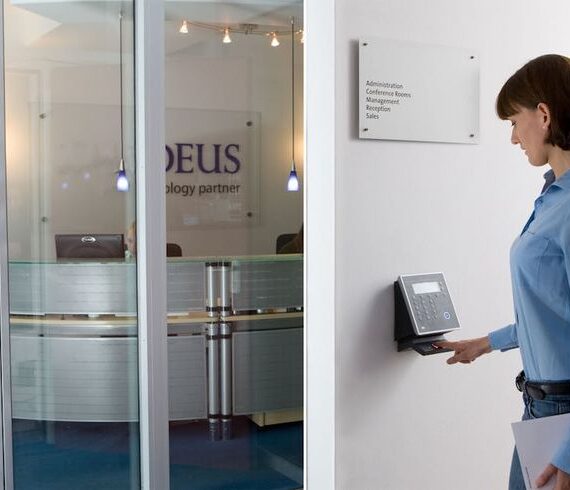
A modern Building Access Control System does far more than simply grant or deny access. These systems are intelligent, scalable, and highly configurable to suit a wide variety of environments — from residential towers and office buildings to hospitals and industrial complexes. Below is a detailed breakdown of the key features that make access control systems essential for modern building security in Qatar:
1. Biometric Authentication
One of the most secure methods of identity verification, biometric authentication uses unique human characteristics such as fingerprints, facial features, iris patterns, or palm veins.
Benefits:
- Impossible to forge or share credentials.
- Fast and convenient—no need to carry a card or remember a PIN.
- Ideal for high-security areas like server rooms or R&D labs.
Common Devices:
- Suprema Biometric Readers
- Matrix COSEC Face Recognition Terminals
- ZKTeco Multi-biometric Terminals
2. RFID and Smart Card Access
Radio Frequency Identification (RFID) cards and smart cards are the most widely used access credentials. Users simply tap or swipe their card on the reader for entry.
Benefits:
- Low-cost and widely adopted.
- Can be programmed for multi-site access.
- Can include employee ID or time attendance integration.
Ideal For:
- Office entrances, elevator controls, parking access.
3. PIN Code Entry via Keypad
Some systems include keypad entry for areas where biometric or RFID readers may not be required.
Benefits:
- Cost-effective for internal doors or temporary access points.
- Can be paired with card or biometric for multi-factor authentication.
Use Case:
- Backup access for maintenance teams or guests.
4. Mobile Access via Smartphone
Modern systems support smartphone access using NFC, Bluetooth, or QR codes. Users download an app and tap their phone to a reader or scan a code.
Benefits:
- Eliminates the need for physical cards.
- Perfect for remote management or temporary access.
- Enhances hygiene with contactless entry.
Popular Apps:
- Suprema Mobile Access
- Matrix COSEC APTA
- ZKTeco ZKBioGo
5. Integration with CCTV and Alarm Systems
An advanced Building Access Control System can be integrated with video surveillance and alarm systems for improved situational awareness and real-time response.
Benefits:
- Automatically link an access event with CCTV footage.
- Trigger alarms in case of unauthorized access or tampering.
- Activate alerts to the control room or mobile app.
Ideal For:
- High-security buildings, data centers, and logistics hubs.
6. Multi-Door and Multi-Site Control
Organizations with multiple locations or several entry points within a large building need a centralized platform to control them all.
Benefits:
- Manage permissions across different floors, departments, or even cities.
- Create unified reports and dashboards.
- Easy to scale without changing the core infrastructure.
Software Platforms:
- Suprema BioStar 2
- Matrix COSEC VYOM (Cloud)
- ZKTeco ZKBioSecurity
7. Time-Based Access Rules
Access permissions can be customized according to time, shift, or role. This is particularly useful for contractors, part-time staff, or shift workers.
Benefits:
- Prevents access during non-working hours.
- Automates compliance with labor regulations.
- Enhances internal security control.
Use Case:
- Janitors access buildings only between 10 PM and 6 AM.
8. Emergency Lockdown and Unlock
In case of emergencies such as fire, security threats, or natural disasters, the system can automatically lock or unlock specific zones.
Features:
- Emergency exit doors unlock automatically.
- Lockdown command secures all doors instantly.
- Notifies security personnel through email or SMS alerts.
Compliance:
- Supports civil defense and fire safety regulations in Qatar.
9. Visitor Management System (VMS)
A robust Building Access Control System often includes or integrates with a visitor management module.
Features:
- Pre-register guests and send digital access codes.
- Issue temporary cards or QR codes for time-bound access.
- Track visitor entry/exit history.
Ideal For:
- Office receptions, residential lobbies, or event venues.
10. Time and Attendance Integration
Many systems offer dual functionality for both access control and time tracking, making them perfect for HR and administrative reporting.
Benefits:
- Automate attendance logs.
- Generate work-hour summaries.
- Integrate with payroll systems.
Use Case:
- Factory workers clock in/out through the same biometric terminal used for access.
11. Anti-Passback and Tailgating Prevention
To prevent users from misusing their credentials (e.g., passing their card to another person), anti-passback features are implemented.
Benefits:
- Maintains access integrity.
- Enhances personnel accountability.
- Restricts re-entry without an exit record.
Techniques Used:
- Dual-door interlocks (mantraps)
- Turnstiles with integrated sensors
- IR beam detection for tailgating
12. Cloud-Based or On-Premise Deployment
Customers can choose between cloud-hosted or local server-based systems depending on their infrastructure and data privacy needs.
Cloud-Based Benefits:
- Remote access management
- No need for heavy IT infrastructure
- Automatic updates and backups
On-Premise Benefits:
- Full control over data
- Ideal for government or confidential environments
13. Automatic Credential Expiry and Access Revocation
Smart systems allow administrators to set automatic expiry dates for temporary credentials. They also offer one-click access removal when an employee resigns or a contractor’s job ends.
Use Case:
- Revoke access for a terminated employee instantly across all doors and branches.
14. Multilingual Interface and Localization
Most modern systems, including those by Matrix, Suprema, and ZKTeco, offer multilingual support including Arabic, English, and French, making them user-friendly for teams in Qatar.
Benefit:
- Improves adoption and usability across multinational workforces.

Uses of Building Access Control System
The applications of Building Access Control System are diverse and span across various sectors:
- Commercial Buildings and Offices: Protecting sensitive data in server rooms, restricting access to executive floors, managing employee and visitor flow, and integrating with time and attendance for accurate payroll.
- Residential Compounds and High-Rise Apartments: Securing main entrances, parking facilities, common areas like gyms and pools, and managing visitor and delivery access to create a safe and exclusive living environment.
- Industrial Facilities and Manufacturing Plants: Controlling access to production lines, warehouses, hazardous zones, and tracking worker movements for safety and efficiency, protecting valuable inventory and machinery.
- Data Centers: Implementing multi-factor authentication and strict access protocols to safeguard critical servers and confidential information.
- Healthcare Facilities: Regulating access to patient records, medication storage, operating theaters, and maintaining patient privacy and safety.
- Educational Institutions: Securing classrooms, laboratories, administrative offices, and managing student and staff access to enhance campus safety.
- Retail Stores: Controlling access to stockrooms, cash offices, and employee-only areas to prevent theft and enhance internal security.
- Government Buildings: Implementing high-security protocols for restricted areas, ensuring national security and protecting sensitive information.
- Hotels and Hospitality: Managing guest and staff access to rooms, amenities, and service areas, enhancing guest experience and operational efficiency.
Leading Brands in Building Access Control System: Suprema, Matrix, and ZKTeco
At Axle Systems, we partner with globally renowned brands that are at the forefront of access control technology. These manufacturers are synonymous with innovation, reliability, and robust security solutions:
Suprema:
A global leader in biometric technology, Suprema offers a comprehensive range of Building Access Control System and time attendance solutions. Their products are known for their cutting-edge biometric algorithms, exceptional performance, and user-friendly interfaces. Suprema’s offerings include:
- Biometric Readers: Fingerprint, facial recognition, and iris scanners that provide highly secure and accurate identification.
- Mobile Access Solutions: Leveraging smartphones for seamless and convenient entry.
- Intelligent Controllers: Powerful hardware that manages access decisions and integrates with various devices.
- BioStar 2 Platform: A robust, scalable, and flexible software platform for managing access control, time attendance, and visitor management. Suprema’s commitment to data protection and security certifications makes them a trusted choice for organizations worldwide.
Matrix Comsec:
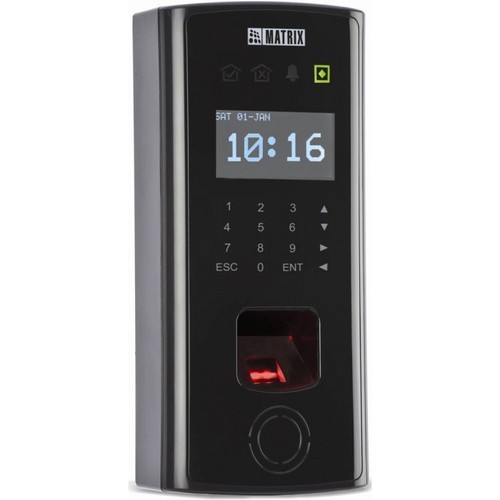
With over 30 years of experience, Matrix Comsec is a prominent Indian manufacturer offering enterprise-grade security and telecom solutions. Their Building Access Control System are designed for high performance, reliability, and seamless integration. Matrix provides:
- Door Controllers: A wide array of door controllers, including face-based, vandal-resistant, and compact biometric options.
- Readers: Compact and touch-screen readers supporting various credentials like fingerprints and RFID cards.
- COSEC PLATFORM: A comprehensive software suite for access control and time-attendance management, offering features like cafeteria management, job processing, and employee self-service.
- Cloud-based and Server-based Deployment: Offering flexible deployment options to suit different organizational needs. Matrix solutions are trusted by diverse industries including manufacturing, BFSI, retail, and hospitality.
ZKTeco:
ZKTeco is a globally recognized provider of biometric verification technology, offering a wide range of security solutions for various applications. Their products are known for their advanced features, competitive pricing, and widespread adoption. ZKTeco’s portfolio includes:
- Biometric Devices: Fingerprint, facial recognition, and RFID-based access control terminals.
- Time Attendance Systems: Solutions for accurate tracking of employee work hours.
- Smart Locks: Integrated biometric and card-based locks for enhanced door security.
- Elevator Control Panels: Systems to manage access to different floors within a building. ZKTeco’s focus on innovative biometric technologies makes them a popular choice for enhancing security and streamlining operations for businesses of all sizes.
By partnering with these industry leaders, Axle Systems ensures that our clients in Qatar receive nothing short of the best in access control technology, backed by international standards of quality and performance.
Axle Systems: Your Trusted Partner for Building Access Control System in Qatar
At Axle Systems, we pride ourselves on being the premier security solutions provider in Qatar. With years of extensive experience and a profound understanding of the local market’s unique security landscape, we specialize in the comprehensive design, supply, installation, and maintenance of cutting-edge Building Access Control Systems.
We are not just a supplier; we are your strategic partner in securing your premises. Our commitment to excellence is reflected in:
- Expert Consultation: Our team of highly trained and experienced security professionals conducts thorough site assessments to understand your specific needs and challenges. We provide tailored recommendations to design a BACS that perfectly aligns with your security objectives and budget.
- Customized System Design: We believe that one size does not fit all. We design bespoke access control solutions that integrate seamlessly with your existing infrastructure and address your unique operational requirements.
- Professional Installation: Our certified technicians ensure flawless installation, adhering to the highest industry standards and best practices. We minimize disruption to your operations during the installation process.
- Comprehensive Training: We provide thorough training to your staff on how to effectively operate and manage the BACS, ensuring you maximize its potential and maintain optimal security.
- Proactive Maintenance and Support: Our commitment extends beyond installation. We offer preventive maintenance programs to ensure the long-term reliability and performance of your system. Our 24/7 technical support team is always ready to assist you with any queries or issues, providing peace of mind.
- MOI-SSD Approved: Axle Systems is a Ministry of Interior – Security Systems Department (MOI-SSD) approved provider, ensuring that all our solutions meet the highest regulatory standards and compliance requirements in Qatar.
Our goal at Axle Systems is to deliver not just security equipment, but true peace of mind. Our solutions are meticulously designed to enhance security, optimize operational efficiency, and elevate the professional image of your facility in Qatar.
Contact Details for Axle Systems:
- Phone: +974 44682391
- Email: info@axlesys.com
- Website: www.axlesys.com
- Address: P.O. Box 200081, Al Khalidiya Street, Najma, Doha, Qatar
We look forward to hearing from you and providing you with the best Building Access Control System solutions in Qatar.
Common FAQs about Building Access Control System
Here are some frequently asked questions about Building Access Control System:
Q1: What is the primary difference between a traditional key system and a Building Access Control System?
A1: The primary difference lies in control and visibility. A traditional key system offers limited control once a key is lost or duplicated, requiring costly re-keying. A Building Access Control System, however, allows for real-time management of access rights, instant revocation of credentials, and detailed logging of all entry and exit events, providing significantly enhanced security and accountability.
Q2: How does a Building Access Control System enhance security beyond just locking doors?
A2: A Building Access Control System goes beyond simple locking by providing granular control over who can enter specific areas and when. It deters unauthorized access, creates audit trails for accountability, integrates with surveillance for visual verification, and can be configured for emergency lockdowns or swift evacuations, creating a multi-layered security approach.
Q3: Can a Building Access Control System integrate with other security systems I already have?
A3: Yes, absolutely. Modern Building Access Control System are designed for seamless integration with a variety of other security systems, including CCTV surveillance, intrusion detection systems, fire alarms, and even time & attendance software. This integration creates a holistic security infrastructure, allowing systems to communicate and enhance overall protection and efficiency.
Q4: What types of credentials are used in a Building Access Control System?
A4: Common credentials include key cards, key fobs, PIN codes, biometric data (fingerprints, facial recognition, iris scans), and mobile credentials (using smartphones via Bluetooth or NFC). The choice of credential often depends on the desired level of security and convenience.
Q5: What happens if there’s a power outage? Will the doors remain locked or unlock?
A5: This depends on how the system is configured, known as “fail-safe” or “fail-secure” mode. * Fail-safe: Doors automatically unlock during a power failure, allowing for swift evacuation in emergencies. This is common for main exits. * Fail-secure: Doors remain locked during a power failure, maintaining security in critical areas like server rooms or vaults. The choice is made during system design based on the specific security needs of the premises.
Q6: Is it possible to manage the access control system remotely?
A6: Yes, many modern Building Access Control System, especially cloud-based or web-based systems, allow for remote management. This means you can manage user access, view logs, and configure settings from anywhere with an internet connection using a web browser or mobile application.
Q7: How does a Building Access Control System help with time and attendance tracking?
A7: When integrated with time and attendance software, the BACS can automatically record employee entry and exit times as they use their credentials to access the building or specific areas. This automates the process of calculating work hours, reducing manual errors and streamlining payroll.
Q8: What is “tailgating” and how does a Building Access Control System prevent it?
A8: Tailgating (or piggybacking) is when an unauthorized person follows an authorized person through an access point without presenting their own valid credential. Advanced BACS, especially those with turnstiles or speed gates, incorporate anti-tailgating features like sensors that detect multiple entries with a single credential, triggering an alarm.
Q9: How scalable are these systems? Can they grow with my business?
A9: Building Access Control System are highly scalable. They are designed to accommodate future growth, allowing you to easily add new users, access points, and even integrate new buildings or facilities into the existing system without a complete overhaul.
Q10: What kind of maintenance is required for a Building Access Control System?
A10: Regular maintenance is crucial for optimal performance. This typically includes routine software updates, hardware checks, cleaning of readers (especially biometric ones), and verifying sensor functionality. Reputable suppliers like Axle Systems offer preventive maintenance packages to ensure the system operates smoothly and efficiently.
Q11: How long does it take to install a Building Access Control System?
A11: The installation time varies greatly depending on the size and complexity of the facility, the number of access points, and the type of system chosen. A small office might take a few days, while a large multi-building complex could take several weeks or months. A thorough site assessment by Axle Systems will provide a more accurate timeline.
Q12: Are biometric systems more secure than card-based systems?
A12: Biometric systems generally offer a higher level of security because they rely on unique biological traits that are difficult to replicate or transfer. Unlike cards, which can be lost, stolen, or shared, biometric credentials are inherently linked to the individual, providing irrefutable identification and reducing the risk of credential misuse.
Q13: Can I set different access schedules for different users or groups?
A13: Yes, one of the key features of a Building Access Control System is the ability to create highly customizable access schedules. You can define specific days and times when certain individuals or groups are permitted entry to particular areas, enhancing flexibility and control.
Conclusion
A Building Access Control System is not just a security tool; it’s a comprehensive solution that brings automation, efficiency, and peace of mind to property management. Whether you run a business tower, residential complex, hospital, or school, controlling who enters your facility is crucial in today’s environment.
Axle Systems, as a leading access control system supplier in Qatar, delivers tailored solutions powered by leading global brands such as Suprema, Matrix, and ZKTeco. Our experienced team is ready to assist you with consultation, installation, and support to ensure your property is secure and future-ready.
