

Audiovisual Technology Solutions
In an age driven by digital transformation and immersive experiences, Audiovisual Technology Solutions have become essential tools for organizations of all sizes. From corporate boardrooms and educational institutions to entertainment venues and public spaces, audiovisual technology is reshaping how we communicate, collaborate, learn, and engage.
Axle Systems aims to empower businesses and organizations with cutting‑edge Audiovisual Technology Solutions tailored to specific needs. In this blog post, we’ll explore what Audiovisual Technology Solutions are, their benefits, features, uses, and why partnering with Axle Systems gives you a competitive edge.
What Are Audiovisual Technology Solutions?
Audiovisual Technology Solutions refer to systems that combine sound and visual components to create immersive, interactive, and efficient communication experiences. These technologies encompass a wide range of hardware and software—from high‑resolution displays and projectors to advanced audio systems, video conferencing platforms, control systems, digital signage, and interactive collaboration tools.
Audiovisual Technology Solutions make it possible to:
- Display content clearly and vibrantly
- Capture and relay sound with clarity
- Facilitate remote and hybrid communication
- Enhance user engagement and collaboration
They’re widely used in boardrooms, classrooms, event halls, houses of worship, entertainment venues, government facilities, and more.
The Growing Importance of Audiovisual Technology Solutions in Today’s World
The adoption of Audiovisual Technology Solutions has accelerated due to several global trends:
1. Remote and Hybrid Work
With distributed teams becoming standard, businesses need reliable systems for seamless communication and collaboration—leading to widespread use of advanced video conferencing tools and integrated AV systems.
2. Rise of Digital Learning
Educational institutions leverage interactive displays, lecture capture tools, and audiovisual classrooms to support both in‑person and online learning.
3. Demand for Immersive Experiences
In entertainment, events, museums, and retail, AV technology enhances experiences and draws audiences deeper into content.
4. Corporate Transformation
Boardrooms, training rooms, and collaboration spaces now require state‑of‑the‑art audiovisual systems to drive productivity and support innovation.
Core Components of Audiovisual Technology Solutions
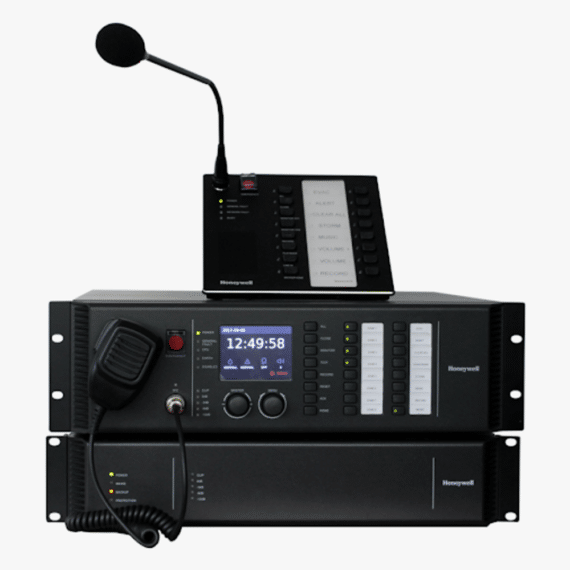
Audiovisual Technology Solutions are composed of several key components that work together to deliver a seamless and immersive experience. Each component is essential, and understanding their roles can help organizations design the most effective AV systems. Here’s a deep dive into each core component:
1. Display Technologies
Displays are the visual backbone of any Audiovisual Technology Solutions system. They are used to convey content, share information, and engage audiences. Modern display solutions include:
LED Walls and Video Walls
- Definition: Large modular panels that combine multiple LED units to form a single high-resolution screen.
- Features: Ultra-bright, scalable, flexible in shape, capable of displaying dynamic content.
- Use Cases: Corporate lobbies, control rooms, live events, stadiums.
- Benefit: Allows large audiences to view content clearly from anywhere in the room.
LCD and LED Panels
- Definition: High-definition flat panels for presentations and information display.
- Features: Slim profile, excellent color reproduction, available in various sizes.
- Use Cases: Conference rooms, classrooms, offices, retail stores.
- Benefit: Provides clear, professional-quality visuals for meetings, signage, or training.
Projectors
- Definition: Devices that project images or videos onto a screen or wall.
- Features: High brightness, HD or 4K resolution, portable or ceiling-mounted.
- Use Cases: Auditoriums, classrooms, events, and presentations.
- Benefit: Flexible and cost-effective for large-screen projection in spaces where installing panels is impractical.
Interactive Displays
- Definition: Touch-enabled screens that allow real-time interaction with digital content.
- Features: Multi-touch capability, annotation tools, integrated collaboration software.
- Use Cases: Classrooms, boardrooms, collaborative workspaces.
- Benefit: Encourages engagement, brainstorming, and collaborative decision-making.
2. Audio Systems
Clear, high-quality audio is just as important as visual clarity in AV systems. Audio components include:
Microphones
- Types: Wireless, boundary, ceiling array, lapel, handheld.
- Features: Noise cancellation, wide frequency response, directional pickup.
- Use Cases: Conferences, presentations, classrooms, live events.
- Benefit: Ensures every participant is heard clearly, even in large or acoustically challenging spaces.
Speakers and Amplifiers
- Definition: Devices that broadcast sound throughout a space.
- Features: High fidelity, even coverage, configurable for different room sizes.
- Use Cases: Boardrooms, theaters, houses of worship, auditoriums.
- Benefit: Delivers clear, distortion-free audio for every listener.
Audio Processors and Mixers
- Definition: Hardware or software that manages sound input/output.
- Features: Balances volume, reduces feedback, enhances clarity.
- Use Cases: Concerts, lecture halls, multi-room AV systems.
- Benefit: Allows precise control over sound quality and ensures optimal audio experience.
3. Video Conferencing and Collaboration Platforms
In today’s hybrid work and learning environments, Audiovisual Technology Solutions extend beyond local spaces to global collaboration.
- Components Include:
- Conference cameras with AI tracking
- Speakerphones
- Collaboration software (Zoom, Teams, Webex)
- Features: High-definition video, low-latency audio, screen-sharing capabilities, recording and streaming.
- Use Cases: Remote meetings, online training, virtual events, hybrid classrooms.
- Benefit: Connects teams, students, or audiences regardless of location, reducing travel costs and improving engagement.
4. Control and Automation Systems
Audiovisual Technology Solutions is complex, and managing multiple devices manually can be challenging. Control systems simplify operation.
Control Panels
- Definition: Centralized touchscreens or keypads that manage AV devices.
- Features: Customizable interfaces, programmable buttons, scheduling options.
- Use Cases: Boardrooms, classrooms, auditoriums.
- Benefit: Provides a single point of control, reducing setup time and minimizing user error.
Lighting and Environmental Integration
- Definition: Automated systems for lighting, window shades, and HVAC integration.
- Features: Scene control, motion sensors, scheduling.
- Use Cases: Smart classrooms, conference rooms, events.
- Benefit: Enhances visual and auditory experience by controlling ambient conditions.
System Integration Software
- Definition: Software platforms that unify control over multiple AV devices.
- Features: Remote monitoring, diagnostics, automated alerts.
- Use Cases: Enterprise environments, multi-room facilities, universities.
- Benefit: Ensures consistent performance, simplifies maintenance, and allows scalability.
5. Digital Signage
Digital signage systems deliver dynamic content to inform, engage, or advertise.
- Components: LED/LCD screens, media players, content management systems.
- Features: Real-time updates, scheduling, remote management.
- Use Cases: Airports, retail stores, hospitals, corporate offices.
- Benefit: Captures attention, communicates critical information, and drives customer engagement.
6. Recording and Streaming Solutions
Modern Audiovisual Technology Solutions often include capabilities to record and broadcast content for wider reach.
- Components: Cameras, encoders, streaming servers, cloud storage.
- Features: High-definition recording, live streaming, on-demand access.
- Use Cases: Corporate webinars, classroom lectures, church services, live events.
- Benefit: Expands accessibility, allows content reuse, and engages remote audiences effectively.
7. Networking and Connectivity
Reliable AV systems rely on robust networking infrastructure.
- Components: Switches, routers, wireless access points, cabling.
- Features: High bandwidth, low latency, PoE (Power over Ethernet) support.
- Use Cases: Enterprise networks, educational campuses, large event venues.
- Benefit: Ensures smooth data transfer for video, audio, and control systems, supporting seamless AV operation.
8. Specialized AV Components
Certain environments require specialized Audiovisual Technology Solutions:
- Acoustic Treatments: Panels, baffles, and diffusers to improve sound quality.
- Video Walls for Command Centers: Multi-screen setups for monitoring critical operations.
- Interactive Kiosks: Touch-enabled self-service stations for customer engagement.
- Assistive Technology: Hearing loops, captioning systems, and accessibility solutions.
Key Benefits of Audiovisual Technology Solutions
Investing in high-quality Audiovisual Technology Solutions is no longer optional—it’s essential for organizations seeking efficiency, engagement, and competitive advantage. The benefits of Audiovisual Technology Solutions go far beyond simply displaying images and playing sound—they transform how people communicate, collaborate, and interact with information. Below, we explore these benefits in depth, with practical examples and insights into how AV systems add real value.
1. Enhanced Communication Across All Channels
Clear, effective communication is the foundation of any successful organization. AV technology ensures that messages are delivered consistently and understood accurately.
- Key Features:
- High-definition video and audio
- Noise-cancelling microphones
- Clear visual displays for remote participants
- Real-World Example:
A multinational company uses a video wall in their boardroom along with ceiling-array microphones to host hybrid meetings. Remote team members can see and hear every participant clearly, reducing misunderstandings and ensuring decisions are made faster. - Benefit:
Audiovisual Technology Solutions break down barriers between in-person and remote teams, ensuring communication is smooth, professional, and reliable. This minimizes errors caused by miscommunication and helps teams make informed decisions quickly.
2. Boosted Collaboration and Team Productivity
Modern AV systems transform workspaces into collaboration hubs, allowing multiple people to interact with content in real time.
- Key Features:
- Interactive whiteboards and touchscreens
- Wireless content sharing
- Multi-user annotation and brainstorming tools
- Real-World Example:
In a design agency, creative teams use interactive displays to co-annotate presentations. Remote stakeholders can contribute via cloud-based AV platforms, making brainstorming sessions more inclusive and productive. - Benefit:
Teams collaborate more effectively, share ideas instantly, and reduce delays in project timelines. The result is faster innovation and improved workflow efficiency.
3. Engaging Learning and Training Experiences
AV technology revolutionizes education and corporate training by creating immersive and interactive experiences.
- Key Features:
- Multimedia-rich content
- Lecture capture and playback
- Interactive learning tools
- Real-World Example:
Universities integrate Audiovisual Technology Solutions in classrooms and lecture halls, using interactive displays and video streaming to reach students on campus and remotely. This improves comprehension and participation, particularly in complex subjects like engineering or medicine. - Benefit:
Learners retain information better, engagement increases, and training programs can be delivered consistently across multiple locations. This also supports lifelong learning and professional development initiatives.
4. Seamless Hybrid and Remote Work Integration
As businesses adopt flexible work models, AV technology ensures employees can collaborate effectively regardless of location.
- Key Features:
- Cloud-based conferencing tools
- AI-enabled camera tracking
- Integrated audio and visual systems
- Real-World Example:
A global consulting firm equipped its conference rooms with integrated AV systems. Remote consultants can participate in client meetings as effectively as those on-site, maintaining workflow continuity and team cohesion. - Benefit:
Organizations can maintain productivity, reduce travel costs, and support a distributed workforce without sacrificing meeting quality or engagement.
5. Memorable Events and Presentations
From corporate events to entertainment and public gatherings, Audiovisual Technology Solutions enhance the overall experience.
- Key Features:
- High-definition video walls
- Professional-grade audio systems
- Dynamic lighting integration
- Real-World Example:
A product launch uses a combination of LED screens, immersive sound, and live streaming to captivate audiences both in the venue and online. Attendees recall the event vividly, boosting brand impact and media coverage. - Benefit:
AV technology creates immersive, memorable experiences that leave a lasting impression, elevate brand perception, and enhance audience engagement.
6. Increased Productivity Through Automation
Audiovisual Technology Solutions streamline operations and reduce time wasted on setup, troubleshooting, or switching between tools.
- Key Features:
- Centralized control panels
- Automated scheduling for displays and audio systems
- Pre-configured meeting setups
- Real-World Example:
In a corporate office, employees no longer spend 10–15 minutes connecting laptops and adjusting sound. A single-touch control panel automatically configures displays, microphones, and lighting for every meeting. - Benefit:
Time saved on operational tasks translates into more productive meetings, reduced frustration, and increased efficiency across teams.
Features That Define Effective Audiovisual Technology Solutions
Audiovisual Technology Solutions are only as effective as the features they offer. Modern Audiovisual Technology Solutions systems are not just about displaying images or amplifying sound—they provide interactivity, control, scalability, and intelligence. Understanding these features helps organizations make informed decisions when designing or upgrading their AV infrastructure.
1. High-Resolution Visual Displays
Visual quality is the first impression of any AV system. High-resolution displays ensure clarity, vibrancy, and readability for any audience.
- Key Features:
- 4K or even 8K resolution for ultra-clear visuals
- High brightness and contrast for visibility in varied lighting conditions
- Wide viewing angles for audience inclusivity
- Practical Benefits:
- Ensures presentations, videos, and signage are professional and engaging
- Reduces eye strain for viewers during long presentations or lessons
- Supports large-scale environments like auditoriums, conference halls, and retail spaces
- Example Scenario:
A corporate training room uses a 4K interactive display to present complex diagrams. Employees can zoom and annotate content without losing clarity, enhancing comprehension and participation.
2. High-Fidelity Audio Systems
Audio is just as crucial as visuals. Without clear sound, even the most stunning visuals fail to deliver the intended impact.
- Key Features:
- Multi-channel speakers for even sound distribution
- Noise-canceling microphones to reduce ambient interference
- Audio processors and mixers for clarity and balance
- Practical Benefits:
- Ensures everyone hears presentations clearly, regardless of room size
- Supports large-scale events and performances with professional-grade sound
- Enhances communication in hybrid meetings, classrooms, and houses of worship
- Example Scenario:
A university lecture hall uses a ceiling-array microphone system connected to speakers across the room. Students in the back hear the lecture clearly, while remote participants enjoy crystal-clear audio via live streaming.
3. Scalability and Flexibility
Effective Audiovisual Technology Solutions grow with your organization and adapt to evolving needs.
- Key Features:
- Modular components that can be added or upgraded
- Software platforms that allow future integration
- Room-agnostic designs that work in small or large spaces
- Practical Benefits:
- Avoids costly replacements when expanding facilities
- Supports new technologies such as AI cameras or interactive touchscreens
- Provides flexibility for multi-purpose spaces
- Example Scenario:
A hospital installs modular AV systems in training rooms. As new wards and auditoriums are added, the system can scale without needing a full overhaul, saving significant investment over time.
4. Intuitive Control Interfaces
A system is only effective if users can operate it easily. Intuitive controls eliminate technical frustration and improve workflow.
- Key Features:
- Touchscreen panels with graphical interfaces
- Mobile apps for remote control
- Voice or gesture-based control options
- Practical Benefits:
- Reduces training time for staff or educators
- Allows seamless control of displays, audio, lighting, and conferencing
- Minimizes setup time and technical errors
- Example Scenario:
A corporate office installs a touch-panel system that automatically configures screens, microphones, and lighting for each meeting type. Employees can start a video conference with a single tap, saving time and improving efficiency.
5. Integration with Collaboration Platforms
Modern Audiovisual Technology Solutions integrate seamlessly with the platforms employees, students, or audiences already use.
- Key Features:
- Compatibility with Zoom, Microsoft Teams, Google Meet, Webex
- Wireless content sharing from multiple devices
- Real-time collaboration and annotation tools
- Practical Benefits:
- Streamlines hybrid meetings and remote learning
- Reduces technical issues during conferences
- Encourages participation by providing familiar interfaces
- Example Scenario:
A training center integrates AV systems with Teams and Zoom. Remote learners can interact with instructors and classroom participants in real-time, as if they were physically present.
6. Wireless Connectivity
Eliminating cables improves aesthetics, reduces setup complexity, and enhances collaboration.
- Key Features:
- Wireless presentation systems
- BYOD (Bring Your Own Device) compatibility
- Secure wireless data transmission
- Practical Benefits:
- Participants can share content from laptops, tablets, or phones instantly
- Reduces cable clutter and installation complexity
- Supports collaborative environments where multiple users need to contribute
- Example Scenario:
In a design agency, team members share their work wirelessly to a central display. Remote collaborators contribute from different locations, creating a smooth and inclusive workflow.
Common Uses of Audiovisual Technology Solutions
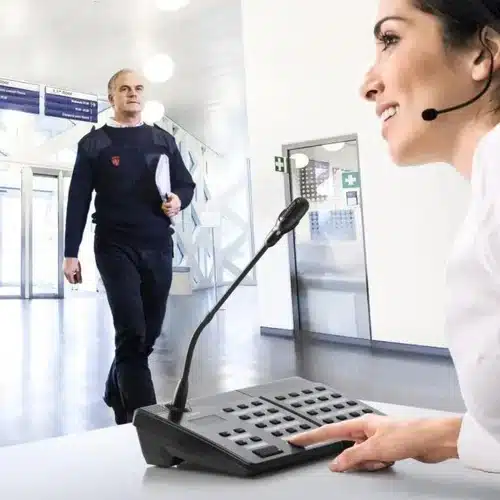
Audiovisual Technology Solutions are highly versatile, and their applications span across multiple sectors. From corporate offices to education, healthcare, hospitality, and retail, Audiovisual Technology Solutions are transforming how organizations communicate, operate, and engage their audiences. Below, we explore these uses in detail, with practical examples and real-world scenarios.
1. Corporate Environments
In modern offices, Audiovisual Technology Solutions is critical for communication, collaboration, and decision-making.
Typical Applications:
- Boardrooms and executive suites
- Collaboration and huddle rooms
- Training and conference rooms
- Video conferencing setups for hybrid teams
Benefits in Corporate Settings:
- Enhanced Productivity: Teams can share presentations wirelessly and interact with content on large displays without delays.
- Seamless Remote Collaboration: Employees working remotely can join meetings with crystal-clear video and audio, creating an inclusive environment.
- Professional Presentations: High-resolution screens and immersive audio elevate the quality of pitches, product demos, and internal presentations.
Example Scenario:
A multinational company implements a video wall in the executive boardroom with ceiling-array microphones and AI-enabled conferencing cameras. Remote participants experience a meeting environment almost identical to being in-person, reducing misunderstandings and accelerating decision-making.
2. Education (K-12 & Higher Education)
AV technology is reshaping learning experiences in classrooms, lecture halls, and distance learning setups.
Typical Applications:
- Interactive whiteboards and displays in classrooms
- Lecture capture systems
- AV-equipped auditoriums
- Digital signage for campus navigation and announcements
Benefits in Education:
- Improved Engagement: Interactive displays allow students to actively participate in lessons.
- Support for Hybrid Learning: AV systems enable remote students to attend live classes without missing content.
- Efficient Knowledge Sharing: Recorded lectures, demonstrations, and presentations can be reused across courses or semesters.
Example Scenario:
A university installs interactive displays in classrooms with wireless sharing capabilities. Professors stream lessons to remote students, while classroom participants collaborate on digital whiteboards. This approach increases retention rates and encourages active participation.
3. Houses of Worship
Audiovisual Technology Solutions are increasingly used to enhance worship experiences and community engagement.
Typical Applications:
- Stage audio systems for sermons and performances
- Live streaming of services
- Projection of hymn lyrics, scripture, and announcements
- Digital signage for events and schedules
Benefits for Houses of Worship:
- Reach Wider Audiences: Live streaming services allow congregants to participate remotely.
- Enhance Engagement: Visual aids and clear audio improve the experience for attendees.
- Professional Production Quality: AV systems elevate the presentation of services and events.
Example Scenario:
A large church integrates an AV system with high-fidelity speakers, LED video walls, and multi-camera live streaming. Remote congregants can watch services online with crystal-clear video and audio, while the in-person audience experiences perfect sound and visuals.
4. Hospitality and Entertainment Venues
Hotels, resorts, theaters, and event spaces use AV technology to create immersive and memorable experiences for guests.
Typical Applications:
- Lobbies and event halls with digital signage
- Stage lighting and sound systems
- AV-equipped conference rooms and ballrooms
- Interactive kiosks for guest services
Benefits in Hospitality and Entertainment:
- Elevates Guest Experience: High-quality visuals and sound make events and stays memorable.
- Flexibility for Events: Audiovisual Technology Solutions can be reconfigured to suit weddings, conferences, or performances.
- Increased Revenue Potential: Superior AV experiences attract premium clients and events.
Example Scenario:
A hotel’s conference center uses LED walls, immersive sound systems, and lighting automation to host corporate events. Guests can customize lighting and audio setups to fit their specific needs, making each event unique and engaging.
5. Government and Public Sector Facilities
AV technology supports communication, monitoring, and public engagement in government offices and public spaces.
Typical Applications:
- Command and control centers
- Public conference rooms and meeting halls
- Digital signage for public information
- Emergency operation centers
Benefits in Government Settings:
- Improved Decision-Making: Audiovisual Technology Solutions in control rooms enable real-time monitoring and data visualization.
- Efficient Public Communication: Digital signage keeps citizens informed with real-time updates.
- Enhanced Security: Integrated AV systems improve surveillance and emergency response.
6. Healthcare Facilities
Hospitals, clinics, and medical training centers increasingly rely on AV systems for education, communication, and patient engagement.
Typical Applications:
- Telemedicine video conferencing
- Patient education displays
- Lecture capture for medical training
- Wayfinding and informational signage
Benefits in Healthcare:
- Improved Patient Education: Digital signage and AV displays provide clear information about treatments and services.
- Remote Consultations: AV systems enable doctors to consult patients remotely, reducing travel and exposure risks.
- Enhanced Training: Medical students and staff can access high-quality visual content for simulations and lectures.
Why Choose Axle Systems for Your Audiovisual Needs?
When it comes to implementing high-quality Audiovisual Technology Solutions, choosing the right partner is critical. AV systems are a significant investment, and their performance directly impacts communication, productivity, and engagement. Axle Systems has established itself as a trusted supplier and integrator of audiovisual solutions, offering organizations a comprehensive, end-to-end approach that ensures seamless installation, operation, and long-term support. Here’s why organizations consistently choose Axle Systems:
1. Extensive Industry Experience
Axle Systems has years of experience in delivering Audiovisual Technology Solutions across multiple sectors, including corporate, education, healthcare, hospitality, government, and entertainment. This broad expertise allows the company to understand the unique requirements of different environments and tailor solutions accordingly.
- Key Strengths:
- Deep knowledge of AV hardware and software
- Proven track record of complex, large-scale deployments
- Expertise in integrating AV with existing IT infrastructure
- Example:
Axle Systems successfully implemented a multi-room Audiovisual Technology Solutions for a major Qatari university, integrating interactive displays, lecture capture, and video conferencing across dozens of classrooms. The result was seamless hybrid learning capabilities and enhanced student engagement.
2. End-to-End Solutions
Axle Systems provides a complete package, covering every stage of your AV project:
- Consultation and Needs Assessment – Understanding client requirements and objectives
- Design and Planning – Crafting a customized Audiovisual Technology Solutions for maximum efficiency and performance
- Supply of Equipment – Providing high-quality, industry-standard AV hardware and software
- Installation and Integration – Professional setup with minimal disruption
- Training and Support – Ensuring your team can operate the system confidently
- Maintenance and Upgrades – Long-term support to keep your AV systems running smoothly
- Benefit:
Clients have a single, reliable point of contact for the entire AV project, reducing complexity and ensuring consistent quality.
3. Cutting-Edge Technology
Axle Systems stays ahead of technological trends to provide the most advanced Audiovisual Technology Solutions available.
- Features and Capabilities:
- Interactive displays and touchscreens
- LED and video wall solutions
- High-fidelity audio systems
- Video conferencing integration and cloud collaboration tools
- Advanced control systems for lighting, audio, and display automation
- Example:
For a corporate boardroom, Axle Systems installed an AI-enabled camera system with automated speaker tracking, providing remote participants with a fully immersive experience. This demonstrates Axle Systems’ commitment to bringing innovative, next-generation solutions to clients.
4. Customized and Scalable Solutions
Every organization has unique AV requirements. Axle Systems specializes in delivering solutions that are fully customizable and scalable to match your current needs and future growth.
- Benefits:
- Tailored designs for specific spaces or workflows
- Modular setups that can expand as the organization grows
- Integration with existing IT and building systems
- Example:
A corporate client initially implemented a single AV-enabled meeting room. Axle Systems designed the solution to be modular, allowing the company to scale up to ten fully integrated conference rooms as their operations expanded.
5. Exceptional Customer Support
Beyond delivering solutions, Axle Systems prioritizes client satisfaction through dedicated support and training.
- Support Features:
- On-site troubleshooting and maintenance
- Remote monitoring and diagnostics
- User training for staff and administrators
- Timely upgrades and system enhancements
- Impact:
Clients experience minimal downtime, smooth system operation, and confidence that any technical issues will be resolved promptly.
6. Proven Reliability and Quality Assurance
Axle Systems only supplies industry-leading AV equipment from trusted brands, ensuring reliability and long-term performance.
- Quality Assurance Measures:
- Rigorous testing before installation
- Compliance with international AV and safety standards
- Use of durable, high-performance components
- Example:
In a high-profile government project, Axle Systems delivered AV systems that operate continuously 24/7 in control rooms, demonstrating unmatched reliability and robust performance under demanding con
7. Cost-Effective Solutions
While Axle Systems provides cutting-edge AV technology, they also focus on delivering value for investment.
- Strategies for Cost Efficiency:
- Optimized system designs that avoid unnecessary expenses
- Energy-efficient hardware solutions
- Scalable deployments that allow incremental upgrades
- Impact:
Organizations receive high-quality, future-proof Audiovisual Technology Solutions without overspending, maximizing ROI and reducing long-term operational costs.
8. Strong Reputation and Client Trust
Axle Systems has built a reputation as a trusted Audiovisual Technology Solutions provider in Qatar and the region. Clients consistently praise the company for professionalism, expertise, and reliable delivery.
- Testimonials and Case Studies:
- Universities praising interactive classroom solutions
- Corporations highlighting smooth hybrid meeting deployments
- Event venues noting improved audience engagement
- Benefit:
Choosing Axle Systems means partnering with a reliable and experienced AV provider with a proven record of success.
9. Contact Details for Consultation
Axle Systems makes it easy to get started with your AV project:
- Phone: +974 44682391/77443731
- Email: info@axlesys.com
- Website: www.axlesys.com
- Office Address: Al Khalidiya Street, Najma, Doha, Qatar
Frequently Asked Questions (FAQs)
Q1: What is included in Audiovisual Technology Solutions?
A: Audiovisual Technology Solutions typically include displays (screens or projectors), audio systems (speakers and microphones), control systems (panels or software), connectivity tools, conferencing platforms, and sometimes recording/streaming capabilities.
Q2: How much does audiovisual equipment cost?
A:Costs vary widely based on features, room size, usage, and complexity. Basic setups can be affordable, while enterprise‑grade integrated systems are more significant investments. Axle Systems provides tailored quotes based on specific needs.
Q3: Can audiovisual systems integrate with platforms like Zoom or Teams?
A:Yes. Modern Audiovisual Technology Solutions are designed to integrate seamlessly with major collaboration platforms like Zoom, Microsoft Teams, Google Meet, and Cisco Webex.
Q4: Do audiovisual systems require specialized training?
A:Most systems are designed to be user‑friendly. Axle Systems also provides training for your team to ensure they feel confident using the technology.
Q5: How long does installation take?
A:Installation timelines vary based on system complexity and space. A small meeting room might be installed in a day, while large venues could take several days to properly configure and test.
Q6: Can acoustic challenges be addressed in AV designs?
A:Absolutely. Acoustic treatment and sound calibration are part of advanced AV design to ensure consistent audio quality throughout a space.
Q7: What is digital signage and how is it used?
A:Digital signage is a network of screens that display information, advertisements, directions, or real‑time updates. It’s used in retail, transportation hubs, corporate spaces, education, and more.
Q8: What support is available after installation?
A:Axle Systems offers ongoing technical support, maintenance plans, troubleshooting, updates, and user assistance whenever needed.
Contact Axle Systems
Ready to elevate your communication, engagement, and technology capabilities? Connect with the audiovisual technology experts at Axle Systems:
Phone: +974 44682391
Email: info@axlesys.com
Website: www.axlesys.com
Office: Al Khalidiya Street, Najma, Doha, Qatar
We’re here to help you create audiovisual environments that inspire collaboration, enhance communication, and deliver powerful results.
Conclusion
Audiovisual Technology Solutions have become an essential component of modern organizations, schools, healthcare facilities, hospitality venues, government institutions, and virtually any environment where communication, collaboration, and engagement matter. They are no longer optional luxuries—they are strategic tools that enhance productivity, streamline operations, and create immersive experiences for audiences of all types.
Throughout this blog, we have explored the core components, features, benefits, and uses of Audiovisual Technology Solutions. From high-resolution displays and immersive audio systems to interactive touchscreens, digital signage, and advanced control systems, these solutions are designed to meet the demands of the modern world. They bridge the gap between people, ideas, and information, enabling seamless communication whether teams are working in the same room, across campuses, or around the globe.