

Attendance Management System in Qatar
In today’s fast-paced business landscape, managing employee Attendance Management System accurately and efficiently has become essential for productivity, legal compliance, and operational efficiency. Whether it’s a corporate office, industrial plant, educational institution, hospital, or retail store—an Attendance Management System (AMS) is critical to ensuring workforce discipline, reducing payroll errors, and improving organizational transparency.
As one of the leading technology solution providers in Qatar, Axle Systems delivers robust and customizable Attendance Management Systems powered by globally trusted brands like Suprema, Matrix, and ZKTeco. If you’re looking to streamline your HR operations with precise attendance tracking, this article will guide you through everything you need to know.
What is an Attendance Management System?
An Attendance Management System is a software-based solution that automates the tracking of employee attendance, working hours, breaks, leaves, and overtime. It replaces traditional manual methods such as paper registers or Excel sheets with biometric or digital clock-in/out technologies, enabling accurate and real-time data logging.
This system can be integrated with payroll software, access control systems, and HRMS (Human Resource Management Systems) for seamless operations.
Benefits of an Attendance Management System
Implementing a modern Attendance Management System (AMS) offers a comprehensive range of operational, managerial, and legal benefits. Whether you’re running a small business or a large enterprise, these systems drastically improve attendance tracking, enhance productivity, and streamline HR operations.
1. Enhanced Accuracy
Manual systems such as punch cards, paper logs, or spreadsheets are not only time-consuming but also vulnerable to errors and manipulation.
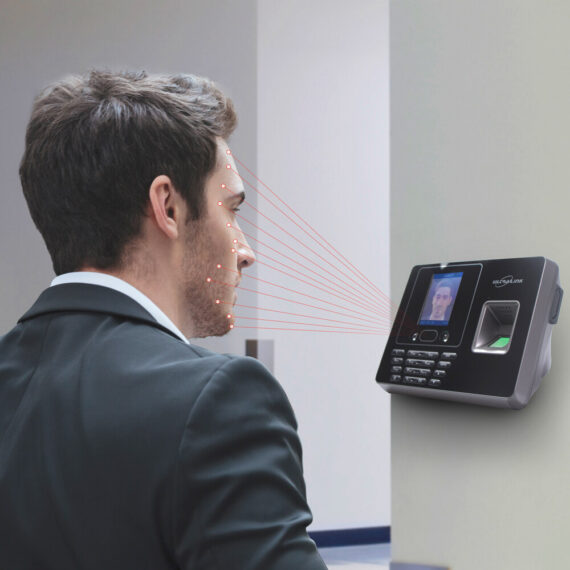
- Biometric Verification: Attendance is marked only when the system verifies the individual’s fingerprint, face, or palm—ensuring that only the right person checks in.
- Elimination of Human Error: Mistakes like incorrect timestamps or forgotten check-ins are minimized with automated systems.
- Reliable Data Source: The data captured is accurate and tamper-proof, making it trustworthy for audits and reviews.
2. Real-Time Monitoring
One of the strongest features of an AMS is the ability to monitor attendance status in real time.
- Live Dashboards: Admins and HR teams can access live views of who is present, late, or absent.
- Instant Alerts: Notifications can be triggered for irregularities such as missed punches, extended breaks, or unauthorized exits.
- Multi-location Oversight: Centralized monitoring makes it easy to manage workforce attendance across different branches or departments.
3. Seamless Payroll Integration
Connecting your Attendance Management System with your payroll software ensures accuracy and reduces manual work.
- Automatic Timesheet Calculation: The system calculates work hours, overtime, late arrivals, and absences with precision.
- Error-Free Salary Processing: By removing the need for manual timesheet entries, the risk of payroll errors and disputes is significantly reduced.
- Custom Payroll Rules: You can define different policies for various departments, shifts, or roles—ensuring compliance with internal and external requirements.
4. Improved Employee Discipline
A visible, enforced Attendance Management System promotes punctuality and deters time theft.
- Accountability Through Transparency: When employees are aware that every check-in/out is monitored, it encourages self-discipline.
- Reduces Buddy Punching: Biometric attendance prevents one employee from clocking in for another, ensuring honest attendance practices.
- Clear Attendance Records: Employees and managers can both access accurate logs, eliminating excuses and misunderstandings.
5. Centralized Management
Managing attendance across departments, branches, or even countries becomes easier with a centralized cloud or server-based solution.
- Single Control Panel: Monitor attendance for all employees, regardless of their location, from one dashboard.
- Standardized Policies: Enforce uniform attendance and leave policies across the organization.
- Role-Based Access: Different departments can have customized access levels—for example, department heads can view only their team’s data.
6. Customizable Reporting
AMS platforms come with extensive reporting tools that help you stay on top of workforce analytics.
- Attendance Trends: Identify patterns like frequent absences, late arrivals, or excessive overtime.
- Leave Analytics: Track types of leaves taken—sick leave, casual leave, unpaid leave—and identify misuse.
- Exportable Reports: Reports can be exported in formats like Excel or PDF for further analysis, sharing, or archiving.
- Custom Filters: Generate specific reports based on departments, roles, dates, or locations as needed.
7. Compliance with Labor Laws
An Attendance Management System ensures that your organization adheres to labor regulations in Qatar and internationally.
- Record-Keeping Compliance: Keep accurate and timestamped records of work hours for regulatory audits.
- Overtime Monitoring: Avoid labor law violations by ensuring that employees are not overworked beyond permissible limits.
- Transparent Leave Policies: Provide clear data on leave balances, holidays, and sick days to ensure fair HR practices.
8. Integration with Access Control
When linked with access control solutions such as turnstiles or smart gates, AMS improves workplace security and efficiency.
- Dual Verification: Employees must clock in to gain physical access to work areas, ensuring a tighter security framework.
- Area-Specific Access: Limit access to specific zones based on attendance status or role.
- Emergency Logs: Know exactly who is in the building at any given time—crucial for fire drills or real emergencies.
9. Employee Self-Service
Modern Attendance Management System often come with self-service portals or mobile apps for employees.
- View Attendance History: Employees can track their own punch-ins, late marks, and total working hours.
- Leave Management: Apply for leave, view balance, or check approval status without having to email or call HR.
- Request Corrections: If an employee forgets to clock in or faces a technical issue, they can request a manual correction through the system.
- Improves Morale: Transparency builds trust and reduces the friction between employees and HR or management.
Features of a Comprehensive Attendance Management System
A truly effective Attendance Management System should offer a range of features to cater to the diverse needs of modern businesses. Look for systems that include:
- Automated Time Tracking: The core functionality, allowing employees to clock in and out using various methods (biometric, card-based, mobile app, web portal).
- Biometric Integration: Support for fingerprint, facial recognition, palm vein, or iris scanning for secure and accurate identification.
- Leave Management: Comprehensive modules for applying, approving, and tracking various types of leave (sick leave, annual leave, casual leave, etc.), with configurable policies and workflows.
- Shift Management and Scheduling: Tools to create, assign, and manage employee shifts, including support for complex rotating schedules and overtime rules.
- Real-time Reporting and Analytics: Customizable dashboards and reports providing insights into attendance trends, absenteeism rates, tardiness, overtime, and individual employee performance.
- Payroll Integration: Seamless data export or direct integration with popular payroll software to simplify and automate payroll processing.
- Employee Self-Service (ESS) Portal: A user-friendly interface for employees to view their attendance records, apply for leave, and access relevant HR information.
- Mobile Accessibility: Dedicated mobile applications for employees to clock in/out on the go, view schedules, and manage leave requests, especially beneficial for remote or field teams.
- Geo-fencing/GPS Tracking: For remote and field employees, this feature ensures they are within designated work areas when clocking in or out.
- Alerts and Notifications: Automated alerts for missed punches, unauthorized overtime, leave approvals, and other important events.
- Integration with Other Systems: Ability to integrate with existing HRMS, access control systems, and other business applications for a unified data ecosystem.
- Policy Compliance Management: Tools to configure and enforce company-specific attendance policies and labor law requirements.
- Cloud-Based Deployment: Offers flexibility, scalability, and accessibility from anywhere with an internet connection, reducing IT infrastructure overhead.
Use Cases of Attendance Management System in Qatar
In Qatar’s rapidly evolving economy, efficient workforce management is essential across both public and private sectors. From large-scale construction firms to educational institutions and government entities, the need for reliable, automated attendance tracking is growing rapidly. Here’s a closer look at how Attendance Management System (AMS) are transforming operations across various sectors:
1. Corporate Offices
Modern corporate environments demand punctuality, accountability, and flexibility—especially with the rise of hybrid and remote work models.
- Monitor Office & Remote Employees: Attendance Management System enable centralized tracking of both in-office and work-from-home employees using web portals or mobile apps.
- Reduce Time Theft: Biometric systems eliminate “buddy punching” and unauthorized entries.
- Shift Scheduling & Approvals: HR can automate shift allocation and monitor adherence through customizable dashboards.
- Analytics for Productivity: Generate weekly/monthly reports to analyze trends in tardiness, absenteeism, or extended breaks.
Ideal for: Financial institutions, legal firms, IT companies, media houses, consultancies, and real estate offices.
2. Construction & Industrial Sites
Construction companies and factories operate in physically demanding environments where tracking the movement and availability of labor is a major challenge.
- Rugged Biometric Devices: Install IP65-rated biometric devices that withstand dust, water, and harsh outdoor conditions.
- Mobile Attendance with GPS: Allow engineers and site supervisors to clock in via mobile apps with geo-tagging and selfie capture to confirm identity and location.
- Contract Labor Management: Distinguish between permanent, temporary, and outsourced labor while recording working hours for each.
- Safety & Compliance Logs: Maintain logs that show who was on-site at a particular time—a critical aspect of incident investigations and compliance.
Ideal for: Civil engineering firms, oil & gas operations, roadworks companies, logistics providers, and manufacturing plants.
3. Retail & Hospitality
High employee turnover and irregular shifts make attendance tracking particularly complex in retail chains, restaurants, and hotels.
- Multi-shift & Part-time Employee Tracking: Easily handle shift swaps, split shifts, or part-time schedules using dynamic time rules.
- Clock-in with RFID or Face Recognition: Staff can quickly clock in/out during peak hours, minimizing bottlenecks.
- Payroll Based on Actual Hours: Integrate with payroll software to ensure hourly wages reflect exact work hours.
- Branch-wise Attendance Management System: Central HQ can monitor all outlets from a single dashboard.
Ideal for: Shopping malls, fast food chains, luxury retail stores, cinemas, spas, cafes, and resorts.
4. Hospitals & Clinics
Hospitals operate 24/7 with rotating shifts and must comply with local labor laws regarding healthcare worker hours and patient care standards.
- Multiple Shifts & Roster Management: Handle rotating duty rosters for doctors, nurses, technicians, and administrative staff.
- Attendance Zones: Integrate with access control to restrict or log access to sensitive areas like ICUs, labs, and pharmacies.
- Compliance with Regulations: Maintain clear documentation for audits, including overtime, emergency call-ins, and rest periods.
- Touchless Biometrics: Use facial recognition or palm vein authentication for hygienic, contactless operation in sterile zones.
Ideal for: Government hospitals, private clinics, diagnostic centers, and specialty care institutions.
5. Educational Institutions
Institutions need to track attendance not just for payroll, but also for compliance, reporting, and internal evaluations.
- Monitor Staff Attendance: Automatically track attendance of teachers, administrative staff, lab assistants, and support workers.
- Custom Rules for Academic Calendars: Set rules that accommodate holidays, exam days, and different schedules across departments.
- Leave Management: Integrate with HR systems for tracking annual leaves, sick leaves, and emergency absences.
- Historical Attendance Records: Store data securely for multiple years—essential for accreditation and performance reviews.
Ideal for: Schools, colleges, universities, training centers, and nurseries.
6. Government Institutions
Public sector organizations in Qatar are expected to maintain transparency, efficiency, and accountability in their operations.
- Policy Compliance: Automatically enforce attendance rules aligned with governmental labor policies.
- Time Discipline for Public Services: Ensure that employees serving the public—like at customer service desks or licensing counters—are present and on time.
- Access-Linked Attendance: Integrate Attendance Management System with secure access control to critical government buildings.
- Data for Performance Reviews: Use attendance data in annual appraisals or as part of performance-based incentives.
Ideal for: Ministries, municipalities, courts, immigration offices, and utility authorities.
Leading Brands in Attendance Management System: Suprema, Matrix, ZKTeco
Axle Systems partners with some of the most reputable and technologically advanced brands in the Attendance Management System market to bring the best solutions to Qatar. These brands are recognized globally for their innovation, reliability, and robust features:
- Suprema: A global leader in biometrics and security solutions, Suprema offers high-performance Attendance Management System known for their ultra-fast fingerprint and facial recognition technology, superior accuracy, and secure data encryption. Their solutions are often chosen for high-security environments and large-scale deployments, providing unparalleled reliability and integration capabilities.
- Matrix (Matrix Comsec): Matrix is a well-established provider of enterprise-grade security and telecom solutions. Their COSEC Attendance Management System are highly regarded for their comprehensive features, including web-based management, advanced access control integration, flexible shift planning, and robust reporting. Matrix systems are often preferred for their scalability and ability to cater to complex organizational structures.
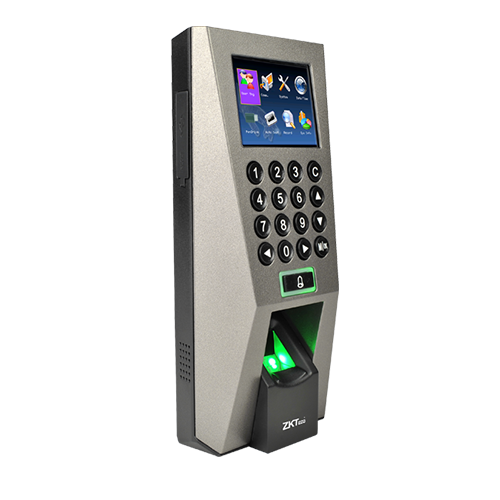
- ZKTeco: ZKTeco is a widely recognized brand for its extensive range of biometric time attendance and access control devices. Known for their cost-effectiveness, diverse biometric options (fingerprint, face, RFID), and user-friendly interfaces, ZKTeco solutions are popular across various business sizes. They offer a good balance of features and affordability, making advanced Attendance Management System accessible to many.
These brands represent the pinnacle of Attendance Management System technology, and Axle Systems brings their cutting-edge solutions directly to businesses in Qatar, ensuring local support and expert implementation.
Axle Systems: Your Trusted Partner for Attendance Management System in Qatar
As a leading supplier of Attendance Management System in Qatar, Axle Systems is committed to providing businesses with tailored solutions that meet their specific operational needs and challenges. With years of experience and a deep understanding of the local market, we offer:
- Expert Consultation: Our team of specialists works closely with you to understand your requirements and recommend the most suitable Attendance Management System from our portfolio of leading brands.
- Seamless Installation and Integration: We ensure a smooth and efficient installation process, integrating the new system seamlessly with your existing infrastructure, including payroll and HR software.
- Comprehensive Training and Support: We provide thorough training to your staff, ensuring they can utilize the system to its full potential. Our dedicated support team is always available to assist with any queries or technical issues.
- After-Sales Service and Maintenance: Axle Systems offers ongoing maintenance and support to ensure your Attendance Management System operates flawlessly, maximizing its lifespan and your return on investment.
- Commitment to Quality: As an ISO 9001-2008 certified company, we adhere to the highest standards of quality in all our services and solutions.
We believe that a well-implemented Attendance Management System is a cornerstone of modern business success. Let Axle Systems empower your organization with the tools to optimize your workforce, enhance productivity, and achieve operational excellence.
Contact Axle Systems Today!
Ready to revolutionize your Attendance Management System? Get in touch with Axle Systems for a consultation and a tailored solution that fits your business needs.
- Phone: +974 4468 2391
- Email: info@axlesys.com
- Website: www.axlesys.com
- Address: Al Bandary Building- Al Khalidiya Street, P.O. Box 200081, Najma, Doha, Qatar.
Common FAQs about Attendance Management System
Here are some frequently asked questions about Attendance Management System:
Q1: What are the main types of attendance tracking methods an AMS uses?
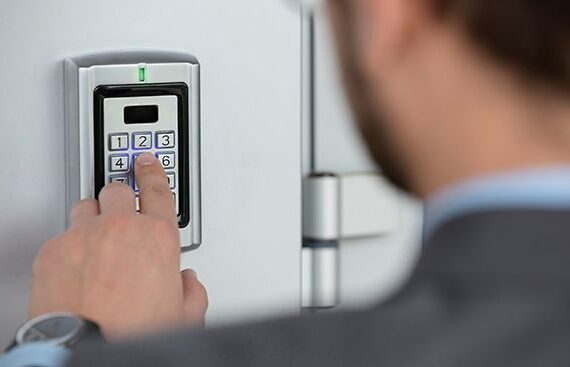
A1: An AMS typically uses several methods, including: * Biometric: Fingerprint, facial recognition, palm vein, or iris scanning. * RFID/Proximity Cards: Employees use ID cards with embedded chips to clock in/out. * PIN/Password: Employees enter a unique code on a keypad. * Web-based Portals: Employees can log in through a web browser to mark attendance, particularly useful for office-based staff. * Mobile Applications: Employees use a dedicated app on their smartphones, often with GPS/geo-fencing capabilities for remote workers.
Q2: How does an Attendance Management System prevent “buddy punching”?
A2: Biometric Attendance Management System are highly effective at preventing “buddy punching” because they verify an individual’s unique biological characteristics (fingerprint, face, etc.). Unlike cards or PINs, these cannot be shared or duplicated, ensuring that only the authorized employee can clock in or out.
Q3: Can an Attendance Management System be integrated with our existing payroll software?
A3: Yes, most modern Attendance Management System are designed for seamless integration with popular payroll software. This eliminates manual data entry for payroll processing, ensuring accuracy and saving significant time for your HR and finance teams.
Q4: Is an Attendance Management System suitable for remote or field employees?
A4: Absolutely. Many advanced AMS solutions offer features specifically designed for remote and field employees, such as mobile applications with GPS tracking or geo-fencing capabilities. This allows employers to verify that employees are clocking in from their designated work locations.
Q5: What kind of reports can I generate from an Attendance Management System?
A5: An AMS can generate a wide array of reports, including: * Daily, weekly, and monthly attendance reports. * Punctuality reports (tardiness, early departures). * Absenteeism reports. * Overtime reports. * Leave summaries (approved, pending, taken, remaining). * Employee-specific attendance history. * Departmental or team attendance summaries. * Audit trails of attendance activities.
Q6: How does an AMS help with compliance with labor laws?
A6: An AMS helps by: * Maintaining accurate and immutable records of working hours, breaks, and overtime, which are essential for audits and legal compliance. * Allowing configuration of labor law rules (e.g., maximum working hours, mandatory breaks) to ensure automatic adherence. * Providing transparent data that can be used to demonstrate compliance to regulatory bodies.
Q7: Is a cloud-based Attendance Management System better than an on-premise solution?
A7: Both have their advantages. * Cloud-based: Offers greater flexibility, scalability, and accessibility from anywhere with an internet connection. It typically involves lower upfront costs and reduced IT maintenance. * On-premise: Provides full control over data and infrastructure, which some organizations prefer for security or specific compliance reasons. However, it requires more significant upfront investment and ongoing IT resources. The best choice depends on your organization’s specific needs, budget, and IT infrastructure.
Q8: How long does it take to implement an Attendance Management System?
A8: The implementation time can vary depending on the size and complexity of your organization, the number of employees, the chosen system, and the extent of integration required. Simple systems for small businesses might take a few days, while larger enterprises with complex requirements could take several weeks. Axle Systems works to ensure a smooth and efficient deployment process.
Q9: Can an AMS handle different shift patterns and flexible working hours?
A9: Yes, advanced Attendance Management Systems are highly flexible and can be configured to manage a wide variety of shift patterns, including fixed shifts, rotating shifts, flexible working hours, and even remote work schedules. They can automatically apply specific rules for each shift or employee group.
Q10: What are the security measures in place to protect employee data in an AMS?
A10: Reputable AMS providers prioritize data security. Measures typically include: * Encryption: Data is encrypted both in transit and at rest. * Access Controls: Role-based access ensures that only authorized personnel can view or modify specific data. * Regular Backups: Data is regularly backed up to prevent loss. * Secure Servers: Cloud-based solutions are hosted on secure, compliant data centers. * Audit Trails: All actions within the system are logged, providing an audit trail for accountability.
Conclusion
An Attendance Management System is not just a tool for tracking time—it’s a strategic investment in your workforce’s productivity, compliance, and overall efficiency. With digital transformation reshaping Qatar’s businesses, adopting a modern AMS is a smart move for companies looking to remain competitive and compliant.
Axle Systems brings world-class brands like Suprema, Matrix, and ZKTeco to your doorstep, ensuring seamless integration and end-to-end support tailored to your unique needs.
Reach out today and take the first step toward smarter workforce management.