

Anti‑Theft Security Systems for Shops
Boost Protection, Prevent Loss & Improve Customer Confidence
In today’s competitive retail landscape, shop owners face many challenges — from driving sales and managing inventory to ensuring the safety of goods and customers. One critical issue that every shop owner must address is the risk of theft. Both external thieves and internal shrinkage (employee theft or mistakes) can significantly impact profit margins. That’s why modern shops — big or small — rely on advanced Anti‑Theft Security Systems for Shops.
At Axle Systems, we understand that protecting your store, your products, and your peace of mind is essential. As a trusted supplier of Anti‑Theft Security Systems for Shops, we provide powerful, reliable systems that help shop owners secure their business 24/7. In this guide, we’ll walk through what Anti‑Theft Security Systems for Shops are, how they work, their benefits, real‑world uses, and answer common questions shop owners ask.
Table Of Contents
- 1 What is an Anti‑Theft Security Systems for Shops?
- 1.1 Why Anti‑Theft Security Systems for Shops Need
- 1.1.1 1. Reduce Shrinkage- Anti‑Theft Security Systems for Shops
- 1.1.2 2. Improve Store Visibility- Anti‑Theft Security Systems for Shops
- 1.1.3 3. Deter Criminal Behavior- Anti‑Theft Security Systems for Shops
- 1.1.4 4. Speedy Incident Response- Anti‑Theft Security Systems for Shops
- 1.1.5 5. Better Customer Experience- Anti‑Theft Security Systems for Shops
- 1.2 Key Features of Anti‑Theft Security Systems for Shops
- 1.2.1 1. Electronic Article Surveillance (EAS)- Anti‑Theft Security Systems for Shops
- 1.2.2 2. Surveillance Cameras (CCTV)- Anti‑Theft Security Systems for Shops
- 1.2.3 3. Real-Time Monitoring & Alerts- Anti‑Theft Security Systems for Shops
- 1.2.4 4. Audio & Visual Alarms- Anti‑Theft Security Systems for Shops
- 1.2.5 5. Access Control- Anti‑Theft Security Systems for Shops
- 1.2.6 6. Inventory Integration- Anti‑Theft Security Systems for Shops
- 1.2.7 7. AI Analytics & Behavioral Detection- Anti‑Theft Security Systems for Shops
- 1.2.8 8. Mobile & Smart Device Integration- Anti‑Theft Security Systems for Shops
- 1.2.9 9. Multi-Layered Security- Anti‑Theft Security Systems for Shops
- 1.2.10 10. Easy Maintenance & Scalability- Anti‑Theft Security Systems for Shops
- 1.3 Benefits of Installing Anti‑Theft Security Systems for Shops
- 1.3.1 1. Strong Theft Deterrence- Anti‑Theft Security Systems for Shops
- 1.3.2 2. Reduced Inventory Loss (Shrinkage Control)- Anti‑Theft Security Systems for Shops
- 1.3.3 3. Enhanced Employee Safety- Anti‑Theft Security Systems for Shops
- 1.3.4 4. Evidence Collection for Legal & Insurance Claims- Anti‑Theft Security Systems for Shops
- 1.3.5 5. Improved Customer Experience and Trust- Anti‑Theft Security Systems for Shops
- 1.3.6 6. Operational Insights and Business Intelligence- Anti‑Theft Security Systems for Shops
- 1.3.7 7. Reduced Insurance Premiums- Anti‑Theft Security Systems for Shops
- 1.3.8 8. Increased Staff Accountability and Efficiency- Anti‑Theft Security Systems for Shops
- 1.4 Typical Uses in Retail Environments
- 1.5 Why Axle Systems is Your Best Supplier
- 1.5.1 1. Expertise in Retail Security
- 1.5.2 2. Comprehensive Product Range
- 1.5.3 3. Tailored Consultation and Installation
- 1.5.4 4. Professional Support and Maintenance
- 1.5.5 5. Advanced Technology Adoption
- 1.5.6 6. Proven Track Record and Customer Trust
- 1.5.7 7. End-to-End Security Partnership
- 1.5.8 8. Contact Axle Systems for Retail Security Solutions
- 1.6 Common FAQ About Anti‑Theft Security Systems for Shops
- 1.7 Contact Axle Systems
- 1.8 Conclusion
- 1.1 Why Anti‑Theft Security Systems for Shops Need
What is an Anti‑Theft Security Systems for Shops?
An Anti‑Theft Security Systems for Shops is a combination of technology, hardware, and software designed to deter, detect, and prevent theft or unauthorized removal of goods from a retail environment. These systems can include:
- Electronic Article Surveillance (EAS) tags
- Shelf sensors
- CCTV cameras with analytics
- Door alarms
- Access control
- Inventory tracking software
The goal is simple: reduce losses from shoplifting, employee theft, and inventory shrinkage while offering a safer environment for staff and customers.
Why Anti‑Theft Security Systems for Shops Need
Retail theft isn’t a small problem — it’s a major global issue.
According to industry research, millions of dollars are lost annually due to shoplifting and internal theft. Even a single theft incident can affect profit margins, damage brand reputation, and lower customer trust.
Here are the biggest reasons shops invest in Anti‑Theft Security Systems for Shops:
1. Reduce Shrinkage- Anti‑Theft Security Systems for Shops
Shrinkage refers to the difference between inventory that should be present and what is actually available. Causes include:
- Shoplifting
- Employee theft
- Administrative errors
- Supplier fraud
Anti‑Theft Security Systems for Shops help reduce shrinkage by deterring theft and catching incidents early.
2. Improve Store Visibility- Anti‑Theft Security Systems for Shops
CCTV and sensor systems allow store owners and managers to see what’s happening in real‑time, even offsite. This means faster response to suspicious activity.
3. Deter Criminal Behavior- Anti‑Theft Security Systems for Shops
Visible security systems — cameras, alarms, security gates — act as a psychological deterrent. Most thieves won’t steal if they know a system is watching.
4. Speedy Incident Response- Anti‑Theft Security Systems for Shops
If theft is detected, alarms and notifications can be triggered immediately so staff or security personnel can act.
5. Better Customer Experience- Anti‑Theft Security Systems for Shops
A secure store environment builds trust. Customers feel safer and more comfortable shopping without disruptions.
Key Features of Anti‑Theft Security Systems for Shops
Modern Anti‑Theft Security Systems for Shops combine multiple technologies to ensure comprehensive protection for retail stores. Each feature is designed to address specific risks — from shoplifting and employee theft to inventory shrinkage and unauthorized access. Below is a detailed breakdown of the most important features, how they work, and why they matter for shop owners.
1. Electronic Article Surveillance (EAS)- Anti‑Theft Security Systems for Shops
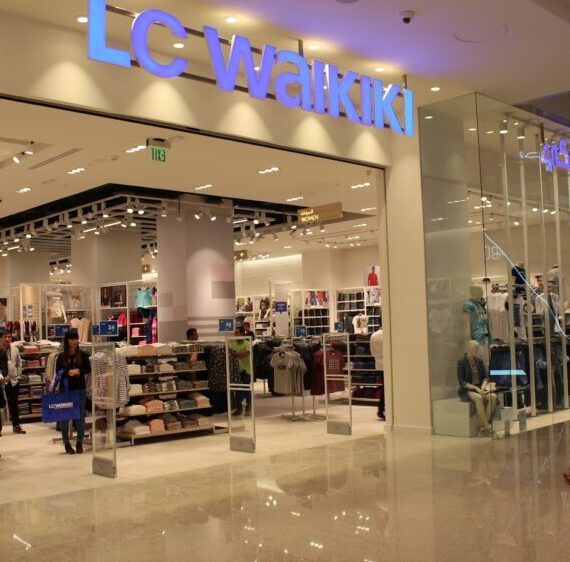
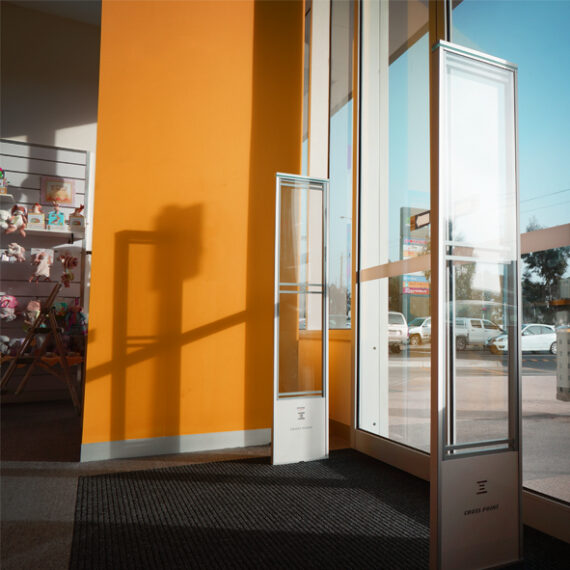
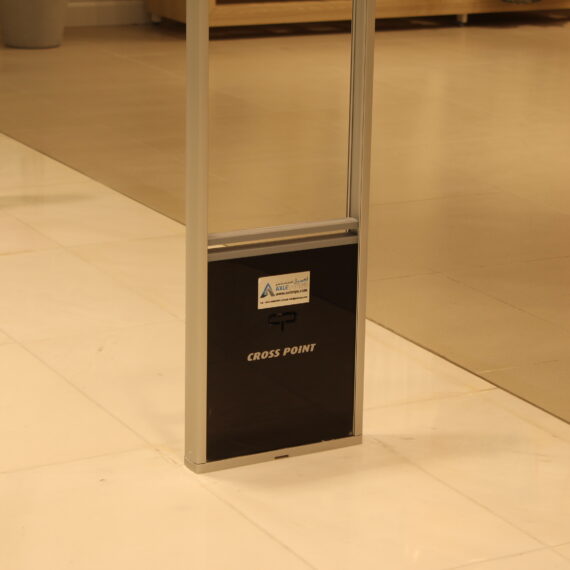
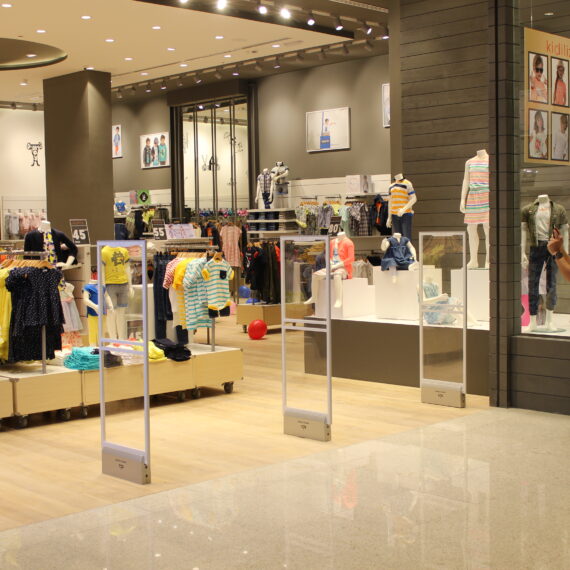
EAS systems are the backbone of most retail Anti‑Theft Security Systems for Shops. They work by attaching security tags or labels to merchandise. When a customer purchases an item, the cashier deactivates or removes the tag. If someone tries to leave the store with a tagged item, antennas placed at exits trigger an alarm.
Key points:
- Types of EAS tags: Hard tags (used for clothing, electronics) and soft labels (used for books, cosmetics).
- Deterrent effect: Visible tags make thieves think twice.
- Integration: Some EAS systems integrate with POS systems for inventory tracking.
Example: In a clothing store, high-value items like designer handbags or jackets can be secured with hard tags. Attempted theft triggers a loud alarm at the exit, alerting staff immediately.
2. Surveillance Cameras (CCTV)- Anti‑Theft Security Systems for Shops
CCTV cameras are essential for monitoring store activity. Unlike EAS, cameras don’t physically prevent theft, but they act as a deterrent and provide evidence when incidents occur.
Key points:
- Placement: Entrances, exits, checkout counters, aisles, and storage rooms.
- Advanced features: High-definition video, night vision, motion detection, pan-tilt-zoom functionality.
- Smart monitoring: AI-powered cameras can detect suspicious behaviors, such as loitering, repeated visits to high-value sections, or unusual movements around merchandise.
Example: In an electronics store, cameras focused on display areas can record anyone tampering with phones or laptops, providing clear video for investigations.
3. Real-Time Monitoring & Alerts- Anti‑Theft Security Systems for Shops
Modern systems can send instant notifications to store managers or security personnel when potential theft is detected.
Key points:
- Alerts: SMS, email, or mobile app push notifications.
- Remote access: Managers can monitor activity from anywhere.
- Event logging: Each alert is recorded for future reference or investigation.
Example: A boutique store owner receives an alert when a tagged item is moved unusually near the exit after hours, allowing them to respond before the theft occurs.
4. Audio & Visual Alarms- Anti‑Theft Security Systems for Shops
Alarms are triggered when the system detects unauthorized movement of goods.
Key points:
- Audio alarms: Loud sirens alert staff and deter thieves.
- Visual alarms: Flashing lights provide immediate attention.
- Customizable settings: Alarm sensitivity and timing can be adjusted based on store layout and foot traffic.
Example: A grocery store can have floor-level visual alarms near high-theft areas, like alcohol shelves, combined with sirens to stop shoplifters in their tracks.
5. Access Control- Anti‑Theft Security Systems for Shops
Some anti-theft systems include access control for restricted areas such as stockrooms, offices, or high-value product displays.
Key points:
- Authorized access: Only staff with ID cards or PIN codes can enter.
- Logging entries: Every entry and exit is recorded, helping track internal activity.
- Integration with other systems: Can link with alarms or cameras to monitor suspicious entries.
Example: In a jewelry store, access-controlled cabinets allow only managers or authorized staff to handle diamonds or watches.
6. Inventory Integration- Anti‑Theft Security Systems for Shops
Advanced systems integrate directly with inventory and POS systems to track products in real time.
Key points:
- Stock monitoring: Alerts managers when items are removed without being sold.
- Shrinkage detection: Identifies patterns of loss or theft.
- Automated reports: Helps make data-driven decisions for stock replacement and security improvements.
Example: A bookstore can integrate EAS tags with the inventory system, instantly showing which books have been purchased or removed, reducing discrepancies.
7. AI Analytics & Behavioral Detection- Anti‑Theft Security Systems for Shops
Artificial Intelligence adds a new layer of protection by analyzing patterns and detecting unusual behavior.
Key points:
- Suspicious activity detection: AI can flag actions such as repeated visits to a product section without purchase.
- Reduced false alarms: Differentiates normal customer behavior from potential theft.
- Predictive insights: Identifies trends and high-risk areas in the store.
Example: In a supermarket, AI analytics may detect that certain aisles have a higher likelihood of theft during specific hours, allowing staff to focus attention there.
8. Mobile & Smart Device Integration- Anti‑Theft Security Systems for Shops
Many anti-theft systems now integrate with smartphones, tablets, and other smart devices.
Key points:
- Mobile alerts: Managers get instant notifications on their devices.
- Remote control: Arm/disarm systems or review footage on the go.
- Cloud storage: Securely store video or event logs offsite.
Example: A small boutique owner can monitor shop activity while away, ensuring security even outside business hours.
9. Multi-Layered Security- Anti‑Theft Security Systems for Shops
The most effective anti-theft systems combine multiple features for layered protection:
- Physical deterrents: EAS tags, locked cabinets, access control.
- Digital monitoring: CCTV, AI analytics, inventory tracking.
- Immediate alerts: Audio-visual alarms, notifications to staff.
- Post-event review: Footage and reports for analysis.
Benefit: Each layer strengthens overall security, making it extremely difficult for theft to occur undetected.
10. Easy Maintenance & Scalability- Anti‑Theft Security Systems for Shops
Modern anti-theft systems are designed to be easy to maintain and scale:
- Add or remove cameras and sensors as the store grows.
- Update software remotely.
- Modular design allows replacement of individual components without downtime.
Example: A growing retail chain can deploy one system initially and expand it to new stores without overhauling technology.
Benefits of Installing Anti‑Theft Security Systems for Shops
Investing in an Anti‑Theft Security Systems for Shops is not just about preventing theft — it’s a smart business decision that impacts your bottom line, customer trust, employee safety, and operational efficiency. Below is a detailed breakdown of the major benefits, with examples and practical insights for shop owners.
1. Strong Theft Deterrence- Anti‑Theft Security Systems for Shops
The most immediate benefit of installing a security system is that it discourages thieves from attempting theft in the first place. Criminals are less likely to target shops that are visibly protected.
How it works:
- Visible EAS tags, CCTV cameras, and security gates serve as psychological deterrents.
- Security signs at entrances warning of monitoring systems amplify the effect.
- Staff awareness and presence combined with surveillance make theft riskier for potential offenders.
Example: A fashion boutique installs CCTV cameras and EAS tags on high-end merchandise. In the first month, staff notice a significant drop in attempted thefts simply because potential shoplifters avoid the store.
Impact: Studies show that stores with visible security measures experience 30-50% fewer theft attempts compared to unprotected stores.
2. Reduced Inventory Loss (Shrinkage Control)- Anti‑Theft Security Systems for Shops
Inventory shrinkage — the loss of products due to theft, administrative errors, or damage — is a major cost for retail businesses. Anti‑Theft Security Systems for Shops help identify and prevent shrinkage in multiple ways.
Key points:
- Alerts staff immediately when items are removed without proper checkout.
- Integrated systems reconcile inventory in real time with POS systems.
- Historical data allows managers to identify high-risk products and areas.
Example: In a grocery store, high-theft items like alcohol and premium chocolates are tagged with EAS labels. The store reduces shrinkage by up to 40% in six months, improving overall profitability.
3. Enhanced Employee Safety- Anti‑Theft Security Systems for Shops
Shop employees often face safety risks, particularly in high-traffic stores or during late hours. Anti-theft systems not only protect goods but also safeguard staff.
How it helps:
- Immediate alerts allow security personnel to respond quickly to suspicious activity.
- Panic buttons or integrated alarms provide an emergency response option.
- Monitoring ensures staff are never left alone in high-risk areas without support.
Example: In a convenience store open 24/7, employees report feeling more secure knowing that suspicious incidents trigger automatic alerts and CCTV monitoring.
4. Evidence Collection for Legal & Insurance Claims- Anti‑Theft Security Systems for Shops
High-definition video footage, alarm logs, and access control records provide concrete evidence if a theft occurs. This is essential for:
- Filing insurance claims
- Reporting incidents to law enforcement
- Internal investigations to prevent future incidents
Example: A jewelry store experienced an attempted theft. CCTV footage captured the suspect’s actions, enabling the police to identify and apprehend the individual. Insurance claims were processed quickly with video proof.
Benefit: Having evidence reduces dispute resolution time and increases the likelihood of recovering losses.
5. Improved Customer Experience and Trust- Anti‑Theft Security Systems for Shops
A secure store environment improves the shopping experience and increases customer confidence.
How it works:
- Shoppers feel safe knowing that both staff and store are protected.
- Reduced incidents of theft mean fewer interruptions and disturbances during shopping.
- Secure displays prevent unnecessary handling, keeping merchandise organized.
Example: A tech retail store uses visible cameras and secured display cases. Customers report feeling confident exploring high-value items without worry, increasing dwell time and likelihood of purchase.
6. Operational Insights and Business Intelligence- Anti‑Theft Security Systems for Shops
Modern anti-theft systems offer analytics and reporting tools that provide actionable business insights:
- Track inventory movement patterns.
- Identify which products are most at risk for theft.
- Analyze peak hours for shoplifting attempts.
- Optimize store layouts and staffing based on risk areas.
Example: An electronics shop notices that theft attempts spike in the late afternoon. Managers adjust staff schedules and increase monitoring in high-risk zones, resulting in a measurable reduction in incidents.
7. Reduced Insurance Premiums- Anti‑Theft Security Systems for Shops
Many insurance providers recognize that businesses with professional security systems are lower risk, which can translate to reduced premiums.
How it helps:
- Documented protection measures show proactive loss prevention.
- Insurers may provide discounts on business property coverage.
- Some insurers offer faster claim approvals when verified security footage is available.
Example: A small retail chain with AI-assisted anti-theft cameras negotiates a 15% discount on annual insurance premiums after demonstrating robust security protocols.
8. Increased Staff Accountability and Efficiency- Anti‑Theft Security Systems for Shops
Anti-theft systems also promote accountability among employees, reducing internal theft:
- Access control logs show who accessed stockrooms and when.
- Monitoring alerts for suspicious internal behavior prevents misuse of merchandise.
- Staff training in using the system encourages professional conduct and adherence to security procedures.
Example: A bookstore implements access-controlled stockrooms and monitored checkout counters. Incidents of misplaced or missing items due to staff error decrease, increasing operational efficiency.
Typical Uses in Retail Environments
Anti‑Theft Security Systems for Shops are versatile and can be customized to fit virtually any retail environment. From small boutiques to large supermarkets, the implementation of these systems is tailored to the type of products, store layout, and customer traffic patterns. Below is a detailed look at how anti-theft systems are applied across different retail segments and why they are essential.
Grocery Stores and Supermarkets
Grocery stores face unique challenges:
- High customer volume with continuous foot traffic.
- Numerous small, easily concealable items such as snacks, alcohol, and over-the-counter medications.
- Multiple entrances and exits, making monitoring more complex.
How anti-theft systems help:
- EAS tags on high-value or commonly stolen products.
- CCTV cameras covering aisles and checkout counters.
- AI analytics to detect unusual behavior, like customers repeatedly opening refrigerated units without purchase.
Example: A supermarket tags premium chocolates and wine bottles with EAS labels and monitors aisles with AI-enabled cameras. Theft attempts drop significantly within weeks, and managers can analyze patterns to prevent future incidents.
Clothing & Apparel Stores
Clothing stores face theft risks primarily from:
- Shoplifting in dressing rooms.
- High-value items like designer clothing and accessories.
- Small accessories such as belts, scarves, and jewelry.
Anti-theft measures include:
- Hard tags on garments that trigger alarms if removed without checkout deactivation.
- Mirrors and CCTV cameras in dressing rooms and aisles.
- Access control for stockrooms.
Example: A fashion boutique implements EAS tags on all high-end handbags and shoes. Security cameras monitor dressing rooms discreetly, while staff are alerted to suspicious behavior, drastically reducing theft incidents.
Jewelry Stores and Watch Shops
These stores carry high-value items that require maximum protection:
- Small, expensive merchandise is an attractive target for thieves.
- Customer handling must be allowed for sales but kept controlled.
Anti-theft measures include:
- Locked display cases with integrated alarms.
- CCTV cameras with high-resolution recording.
- Access control to back-office stockrooms.
- Motion sensors and alarm triggers for unauthorized movements.
Example: A jewelry shop integrates alarmed display cases and CCTV with remote monitoring. Attempted thefts are instantly detected, and police response is coordinated quickly, preventing losses.
Mobile Phone & Electronics Stores
High-value electronics, such as smartphones, laptops, and cameras, are common targets:
- Products are often displayed openly for customers to test.
- Small items can be concealed quickly.
Anti-theft measures include:
- Security tethers for displayed devices.
- EAS tags integrated into packaging or devices.
- Video surveillance with AI detection of suspicious handling.
- Real-time notifications to staff when items are removed without authorization.
Example: A mobile phone store installs EAS tags on all devices and monitors displays with AI-enabled CCTV. Staff receive instant alerts when devices are moved outside the designated demo area, preventing theft without inconveniencing legitimate customers.
Toy & Specialty Stores
Toy stores may not carry high-value items individually, but shrinkage can add up quickly due to:
- Frequent handling of toys by children.
- High-volume sales with small items easily hidden in bags or pockets.
Anti-theft measures include:
- Tagging high-demand toys with EAS labels.
- CCTV monitoring of checkout areas and play zones.
- Strategic placement of staff near high-risk sections.
Example: A specialty toy store implements EAS tags on collectible items and installs cameras at popular sections. Theft attempts decrease, and staff are able to intervene promptly when suspicious behavior is detected.
Bookstores
Although books are generally low-value, shrinkage can still impact profitability, particularly for:
- Expensive editions or limited-release books.
- Small accessories sold alongside books, like bookmarks or stationery.
Anti-theft measures include:
- Soft labels attached to high-value books.
- CCTV monitoring at entrances and checkout counters.
- Integration with inventory management for real-time tracking.
Example: A bookstore tags collectible editions with soft EAS labels and integrates the system with inventory software. Staff can quickly identify missing items and reconcile stock efficiently.
Pharmacies and Health Retail
Pharmacies carry products that are attractive theft targets:
- Over-the-counter medications and supplements.
- Controlled substances and prescription drugs.
- Health equipment and personal care products.
Anti-theft measures include:
- Access-controlled cabinets for high-value or restricted products.
- EAS tags for items on shelves accessible to customers.
- CCTV monitoring with AI detection to prevent both shoplifting and internal theft.
Example: A pharmacy implements a combination of access-controlled stockrooms, EAS tags on OTC medicines, and CCTV coverage. Theft is minimized, and inventory discrepancies are immediately flagged for review.
Convenience Stores
Convenience stores face high-risk situations due to:
- 24/7 operation with limited staff during late hours.
- High foot traffic and small, easily stolen items.
- Exposure to robberies as well as shoplifting.
Anti-theft measures include:
- Panic buttons and immediate alarm triggers.
- CCTV cameras covering all aisles and entrances.
- EAS tags on high-value products like cigarettes or alcohol.
- Real-time monitoring with alerts to remote security teams.
Example: A 24-hour convenience store uses a combination of CCTV, EAS tagging, and remote monitoring. Staff can respond to theft in real-time, and the store significantly reduces losses and increases employee confidence.
Why Axle Systems is Your Best Supplier
When it comes to protecting your retail business, choosing the right anti-theft security partner is just as important as selecting the right system. Axle Systems has established itself as a trusted supplier of advanced Anti-Theft Security Systems for Shops, providing solutions that are tailored to meet the unique needs of every retail environment. From small boutiques to large department stores, Axle Systems offers more than just products — they deliver peace of mind, reliability, and expert support. Here’s why Axle Systems stands out as the premier choice for shop owners.
1. Expertise in Retail Security
Axle Systems brings years of experience in supplying, installing, and maintaining security solutions specifically for retail environments. Their team understands the nuances of shop operations, the challenges of different retail categories, and the latest technological advancements in loss prevention.
Key Points:
- Knowledgeable in high-theft environments such as jewelry stores, electronics shops, and grocery chains.
- Ability to assess risks unique to each store and recommend customized security setups.
- Expertise in integrating multiple layers of security — EAS, CCTV, access control, alarms, and inventory systems — into a cohesive solution.
Example: A high-end fashion retailer required discreet but effective security for their luxury products. Axle Systems designed a system combining EAS tags, AI-powered CCTV, and secure display cabinets, reducing theft incidents by over 80% within months.
2. Comprehensive Product Range
Axle Systems offers a full suite of anti-theft security products, ensuring that every aspect of retail security is covered.
Product Offerings:
- Electronic Article Surveillance (EAS) systems: Hard tags, soft labels, exit antennas.
- CCTV cameras: High-definition, night vision, AI-enabled, with remote access.
- Access control systems: Secure stockrooms, staff-only areas, and high-value displays.
- Alarm systems: Audio-visual alerts, panic buttons, and intrusion detection.
- Inventory integration tools: Connects EAS and POS systems for real-time tracking.
- AI analytics and behavioral detection: Predictive monitoring to prevent theft.
Example: A grocery chain implemented Axle Systems’ full product range, including EAS tagging, CCTV, and real-time alerting. Within the first quarter, they noticed a significant drop in both external and internal theft, saving thousands of dollars.
3. Tailored Consultation and Installation
Every retail store is unique, and one-size-fits-all solutions rarely work. Axle Systems provides personalized consultation to design the most effective system for your shop.
Key Points:
- On-site risk assessment to understand vulnerabilities.
- Customized layouts for EAS gates, cameras, and sensors.
- Flexible installation schedules to minimize disruption to your business.
- Integration with existing systems, such as POS or inventory software.
Example: A pharmacy wanted discreet monitoring of controlled substances. Axle Systems conducted a site visit, identified high-risk areas, and installed access-controlled cabinets with integrated surveillance, maintaining compliance with regulatory requirements.
4. Professional Support and Maintenance
Security systems are only effective if they are well-maintained and supported. Axle Systems offers ongoing maintenance, training, and technical support to ensure systems operate flawlessly.
Support Services Include:
- Preventive maintenance to reduce downtime.
- Troubleshooting and quick resolution of technical issues.
- Staff training on system use, alarm response, and monitoring.
- Upgrades to hardware or software to keep systems current with technology.
Example: A department store chain experienced technical issues with their EAS system after expanding locations. Axle Systems’ support team quickly resolved the issue, ensuring no loss of security during the expansion.
5. Advanced Technology Adoption
Axle Systems ensures that clients benefit from cutting-edge security technology, combining physical deterrents with digital intelligence for maximum protection.
Technologies Offered:
- AI-enabled CCTV for predictive detection of suspicious behavior.
- Cloud-based monitoring for remote access and management.
- Integration with mobile apps for real-time alerts and control.
- Smart inventory monitoring for shrinkage prevention.
Example: An electronics store implemented AI-based analytics to detect repeated suspicious behaviors near premium products. The system reduced theft attempts without affecting customer experience.
6. Proven Track Record and Customer Trust
With years of experience, Axle Systems has a proven track record of successful installations across various retail sectors. Customers consistently report:
- Reduced theft incidents.
- Increased operational efficiency.
- Peace of mind knowing their investment is protected.
Example: Multiple retail clients, including fashion boutiques and specialty stores, have publicly endorsed Axle Systems for delivering reliable, cost-effective security solutions tailored to their needs.
7. End-to-End Security Partnership
Choosing Axle Systems means more than purchasing equipment — it’s about a long-term security partnership:
- Initial consultation and design.
- Installation and configuration.
- Ongoing support, monitoring, and maintenance.
- Scalability to expand or upgrade systems as business grows.
Example: A toy retailer started with a single store system. Over time, Axle Systems scaled the solution across multiple branches seamlessly, ensuring uniform security standards across the chain.
8. Contact Axle Systems for Retail Security Solutions
Axle Systems makes it simple to secure your retail store with customized, reliable, and technology-driven solutions.
Contact Details:
- Phone: +974 44682391/77443731
- Email: info@axlesys.com
- Website: www.axlesys.com
Their team will assess your store, recommend the ideal security system, and provide professional installation and support — ensuring that your products, employees, and customers are safe at all times.
Common FAQ About Anti‑Theft Security Systems for Shops
1. What is the best Anti‑Theft Security Systems for Shops?
There’s no one‑size‑fits‑all solution. The best system depends on your store size, product types, and budget. Axle Systems provides tailored solutions after assessing your needs.
2. How much does an Anti‑Theft Security Systems for Shops cost?
Costs vary widely:
- Small systems start at affordable prices
- Advanced systems with AI and analytics cost more
We provide quotes based on your specific requirements.
3. Can anti‑theft systems reduce insurance premiums?
Yes — many insurers offer discounts for shops with professional security systems.
4. Do these systems require maintenance?
Yes, periodic maintenance ensures reliability. Axle Systems offers service plans for ongoing support.
5. Can I monitor my shop remotely?
Absolutely! Many modern systems allow remote viewing via smartphone or computer.
6. Are alarms triggered every time someone walks by?
No. Systems are configured to minimize false alarms. AI analytics and smart sensors ensure alerts only occur when real threats are detected.
7. Is CCTV footage useful for law enforcement?
Yes. High‑resolution recordings help identify suspects and provide evidence for police and insurance.
Contact Axle Systems
Ready to secure your shop and protect your profits?
Phone: +974 44682391/77443731
Email: info@axlesys.com
Website: www.axlesys.com
Our team is ready to help you choose the best Anti‑Theft Security Systems for Shops — tailored to your needs and budget.
Conclusion
In today’s competitive retail landscape, security is no longer optional — it’s a critical component of business success. Shop owners face constant threats from external shoplifters, internal theft, and operational inefficiencies that can quietly erode profits over time. These challenges are not limited to large department stores; even small boutiques, pharmacies, and specialty stores are at risk. That’s why a comprehensive Anti‑Theft Security Systems for Shops has become an indispensable investment for any retail operation.
The Importance of Proactive Security
Retail theft is not just a loss of merchandise — it’s a loss of revenue, customer trust, and operational efficiency. A single incident can lead to significant financial impact, staff stress, and damage to brand reputation. By implementing a modern anti-theft security system, shop owners can proactively prevent incidents before they occur, rather than reactively addressing problems after the fact.
Investing in security technology, such as EAS tags, CCTV cameras, access control, AI analytics, and real-time monitoring, ensures that your store is protected on multiple fronts. This layered approach minimizes risk, deters potential offenders, and provides the evidence and insights necessary to improve overall store management.
Benefits That Go Beyond Loss Prevention
While the primary goal of anti-theft systems is to prevent theft, the benefits extend far beyond loss prevention:
- Staff and Customer Safety: Ensuring a secure environment fosters confidence and reduces stress for both employees and shoppers.
- Operational Efficiency: Integration with inventory systems and POS data helps reduce shrinkage and provides actionable insights for better decision-making.
- Business Intelligence: Advanced analytics allow shop owners to understand patterns, optimize store layouts, and anticipate potential risks.
- Financial Advantages: Reduced losses, improved operational control, and potential insurance premium discounts all contribute to a stronger bottom line.
By combining these advantages, an anti-theft system becomes not just a security measure but a strategic business tool that supports growth, efficiency, and profitability.