

Anti-Theft Devices in Qatar
Retail businesses today face increasing challenges in protecting merchandise from theft, shrinkage, and unauthorized removal. Shoplifting, employee theft, and inventory loss can significantly affect profitability and operational efficiency. To combat these challenges, modern retailers rely on Anti-Theft Devices and Systems designed to detect, deter, and prevent theft while maintaining a smooth shopping experience for customers.
Anti-Theft Devices have become a crucial component of retail security strategies across supermarkets, fashion stores, electronics outlets, pharmacies, duty-free shops, and shopping malls. By combining advanced technologies such as Electronic Article Surveillance (EAS), RFID tracking, alarm systems, and security tags, retailers can protect valuable merchandise while enabling open product displays that enhance customer engagement.
This article explores Anti-Theft Devices, their features, benefits, uses, and how businesses can implement them effectively. It also explains how Axle Systems, a leading system integrator in Qatar, supplies and installs advanced Anti-Theft Devices solutions for retailers across various industries.
Table Of Contents
- 1 Understanding Anti-Theft Devices
- 1.1 How Anti-Theft Devices Work
- 1.2 Key Features of Modern Anti-Theft Devices
- 1.3 Benefits of Anti-Theft Devices
- 1.3.1 Reduces Retail Theft and Shoplifting
- 1.3.2 Protects Store Profitability
- 1.3.3 Improves Inventory Management
- 1.3.4 Enhances Customer Shopping Experience
- 1.3.5 Acts as a Visible Deterrent
- 1.3.6 Supports Staff Efficiency and Productivity
- 1.3.7 Provides Real-Time Security Alerts
- 1.3.8 Protects High-Value Merchandise
- 1.4 Uses of Anti-Theft Devices in Different Industries
- 1.5 Why Choose Axle Systems for Anti-Theft Devices
- 1.5.1 Industry Expertise and Experience
- 1.5.2 Comprehensive Anti-Theft Solutions
- 1.5.3 Customized Security System Design
- 1.5.4 Professional Installation and Configuration
- 1.5.5 Integration with Advanced Security Technologies
- 1.5.6 High-Quality Products and Reliable Technology
- 1.5.7 Ongoing Technical Support and Maintenance
- 1.5.8 Competitive and Cost-Effective Solutions
- 1.5.9 Trusted by Businesses Across Multiple Industries
- 1.6 Contact Axle Systems
- 1.7 Frequently Asked Questions (FAQ)
- 1.8 Conclusion:
Understanding Anti-Theft Devices
Anti-Theft Devices are specialized security tools used to prevent unauthorized removal of merchandise from retail stores, warehouses, and commercial facilities. These devices are typically installed at store entrances, on product displays, or directly attached to merchandise.
Most retail Anti-Theft Devices operate using Electronic Article Surveillance (EAS) technology, where security tags or labels are attached to items and monitored by detection gates placed at store exits. If a tagged item passes through the detection system without being deactivated or removed at checkout, an alarm alerts staff to a potential theft.
These systems are designed not only to detect theft but also to deter shoplifters, as visible security tags and alarm gates discourage attempts before they even occur.
How Anti-Theft Devices Work
The working principle of most Anti-Theft Devices involves three main components:
1. Security Tags or Labels
These are small electronic components attached to products. They respond to specific frequencies generated by detection systems installed at store entrances.
Tags are generally classified into two types:
- Hard Tags – Reusable tags attached using pins or lanyards.
- Soft Labels – Adhesive labels placed on product packaging.
Both types are deactivated or removed at the point of sale after purchase.
2. Detection Antennas
Installed at store exits, these antennas create an electromagnetic detection field. When an active tag enters this field, the system detects it and triggers an alarm.
3. Detachers and Deactivators
At the checkout counter, cashiers use special devices to remove or deactivate the tags after the product has been purchased.
Together, these components create a secure retail environment that reduces theft while allowing customers to browse products freely.
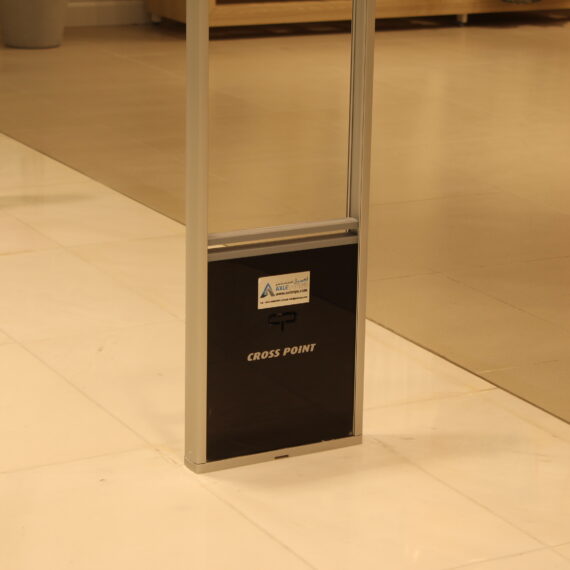
Key Features of Modern Anti-Theft Devices
Modern Anti-Theft Devices have evolved significantly over the years, incorporating advanced technologies and intelligent security mechanisms to protect retail merchandise effectively. Unlike traditional security methods, today’s Anti-Theft Devices are designed to offer high detection accuracy, seamless integration with other security systems, and improved customer convenience. These devices help retailers maintain a secure shopping environment while ensuring that the shopping experience remains comfortable and uninterrupted.
Below are some of the most important features that make modern Anti-Theft Devices highly effective in retail security environments.
High Detection Accuracy
One of the most important features of modern Anti-Theft Devices is their high detection accuracy. Advanced sensors and antennas are designed to detect even the smallest security tags or labels attached to merchandise. This ensures that products leaving the store without proper authorization are immediately identified.
High detection accuracy helps retailers minimize the chances of shoplifters bypassing the system. Modern anti-theft gates create a precise detection zone near store exits, allowing them to detect security tags regardless of their orientation or position. This ensures that products hidden in bags, clothing, or other items can still be detected by the system.
Additionally, improved signal processing technology reduces false alarms while maintaining reliable detection. This balance is crucial in busy retail environments where a high number of customers pass through exit gates throughout the day.
Real-Time Alarm Alerts
Modern Anti-Theft Devices provide instant real-time alerts whenever an unauthorized item passes through the detection zone. When a tagged product moves through the antenna system without being deactivated at the checkout counter, the system immediately triggers an audible and visual alarm.
These alarms serve multiple purposes. First, they notify store staff about a potential theft attempt, allowing them to respond quickly. Second, the alarm acts as a strong deterrent for shoplifters, as the sudden alert draws attention to the situation.
Many modern systems also include customizable alarm settings such as adjustable volume levels, flashing LED lights, and alert tones. These features allow retailers to adapt the system according to the store environment and noise levels.
Jammer Detection Technology
Shoplifters sometimes attempt to bypass Anti-Theft Devices by using signal jamming devices designed to interfere with the communication between security tags and detection antennas. To counter this threat, modern Anti-Theft Devices are equipped with jammer detection technology.
Jammer detection identifies unusual interference in the detection field and immediately alerts store staff. When such interference is detected, the system can trigger warnings or alarms, allowing employees to investigate suspicious activity.
This advanced feature ensures that retailers remain protected even when shoplifters attempt to use sophisticated tools to defeat security systems.
Integration with CCTV Surveillance Systems
Another key feature of modern Anti-Theft Devices is their ability to integrate seamlessly with CCTV surveillance systems. When an anti-theft alarm is triggered, the system can automatically signal nearby cameras to focus on the exit area or record the event.
This integration provides valuable visual evidence that helps store management review incidents and identify theft attempts. It also allows security teams to monitor store activity more effectively and respond quickly to suspicious behavior.
Combining Anti-Theft Devices with video surveillance creates a multi-layered security approach, making it much harder for shoplifters to succeed.
Compatibility with RFID Technology
Many modern Anti-Theft Devices now support RFID technology, which provides additional benefits beyond theft prevention. RFID-enabled security systems allow retailers to track individual items throughout the store and manage inventory more efficiently.
With RFID integration, retailers can quickly identify stock levels, locate missing items, and perform automated inventory checks. This technology helps businesses reduce operational costs while improving inventory accuracy.
RFID also enables faster checkout processes because multiple tagged items can be scanned simultaneously, improving customer service while maintaining strong security.
Sleek and Aesthetic Design
Retail stores often prioritize visual presentation and store layout to attract customers and enhance the shopping experience. Modern Anti-Theft Devices are therefore designed with sleek, stylish, and minimalistic designs that blend seamlessly into retail environments.
Unlike older bulky systems, today’s detection antennas are slim, transparent, and available in various finishes to match store interiors. Some models even feature acrylic panels, LED lighting, or customizable branding, allowing retailers to display logos or promotional graphics on the antenna panels.
This ensures that security systems do not disrupt the visual appeal of the store while still providing effective protection.
Flexible Installation Options
Modern Anti-Theft Devices offer flexible installation options that allow retailers to adapt security systems according to their store layout. Detection antennas can be installed in multiple configurations depending on the width of the entrance and the store design.
For example, single-antenna systems are suitable for narrow entrances, while dual or multi-antenna systems can cover wider entry points commonly found in supermarkets and shopping malls.
Some advanced systems also support concealed installation, where detection components are integrated into floors, ceilings, or door frames. This hidden installation maintains store aesthetics while providing reliable security.
Smart Data and Analytics
Another innovative feature of modern Anti-Theft Devices systems is their ability to collect and analyze security data. Some systems provide insights such as:
- Number of alarms triggered
- Peak theft attempt times
- Customer traffic patterns
- System performance reports
Retailers can use this information to improve store security strategies and optimize staff deployment during high-risk periods.
Data-driven security management helps businesses make better decisions and improve overall operational efficiency.
Benefits of Anti-Theft Devices
Retail theft is one of the major challenges faced by businesses around the world. Shoplifting, employee theft, and inventory loss can significantly affect a company’s profitability and operational efficiency. For this reason, businesses invest in Anti-Theft Devices to protect their products, maintain inventory accuracy, and create a secure shopping environment. These devices play a critical role in preventing losses while allowing retailers to display merchandise openly and attractively.
Modern anti-theft systems are designed not only to detect theft but also to deter potential shoplifters, improve operational efficiency, and enhance the overall retail experience. Below are the key benefits of implementing Anti-Theft Devices in retail stores and commercial establishments.
Reduces Retail Theft and Shoplifting
One of the primary benefits of Anti-Theft Devices is their ability to significantly reduce shoplifting and unauthorized product removal. When security tags are attached to merchandise and monitored by detection systems at store exits, it becomes extremely difficult for shoplifters to leave the store with unpaid items.
If someone attempts to remove a product with an active security tag, the system triggers an alarm when the item passes through the detection gates. This immediate alert allows store staff to respond quickly and prevent theft.
In addition to detection, anti-theft systems act as a strong psychological deterrent. Visible security gates and product tags send a clear message that the store is protected by advanced security technology. In many cases, this discourages potential shoplifters from attempting theft in the first place.
As a result, retailers experience a noticeable reduction in inventory loss and shrinkage after implementing anti-theft systems.
Protects Store Profitability
Retail theft directly impacts a business’s profitability. Every stolen product represents a financial loss that the retailer must absorb. Over time, repeated theft can lead to substantial losses that affect the company’s overall performance.
Anti-Theft Devices help protect profits by minimizing product losses and safeguarding valuable merchandise. By preventing unauthorized removal of goods, retailers can maintain better control over inventory and reduce the costs associated with theft.
Reducing shrinkage also helps businesses maintain competitive pricing and avoid passing the cost of theft onto customers. In this way, Anti-Theft Devices contribute to both financial stability and customer satisfaction.
Improves Inventory Management
Modern anti-theft systems, especially those integrated with RFID technology, offer significant advantages for inventory management. These systems allow retailers to track products more efficiently and maintain accurate stock records.
With RFID-enabled security tags, retailers can quickly identify the location of products within the store, monitor stock levels, and perform inventory checks in a fraction of the time required for manual counting. This improved visibility helps prevent stock discrepancies and ensures that popular products are always available for customers.
Accurate inventory management also helps retailers plan purchasing decisions more effectively and reduce the risk of overstocking or understocking products.
Enhances Customer Shopping Experience
Customers prefer stores where they can browse products freely without excessive restrictions. Without anti-theft systems, retailers may feel compelled to lock high-value items in glass cabinets or restrict customer access to certain products.
Anti-Theft Devices allow retailers to display merchandise openly while still maintaining strong security. This creates a more enjoyable and convenient shopping experience, encouraging customers to interact with products before making a purchase.
When customers feel comfortable exploring products without barriers, they are more likely to spend more time in the store and make additional purchases. This ultimately increases sales and improves overall customer satisfaction.
Acts as a Visible Deterrent
One of the most effective aspects of Anti-Theft Devices is their role as a visible deterrent against shoplifting. When customers see detection gates at the entrance and security tags attached to products, they immediately recognize that the store is protected by a security system.
This visible presence discourages many potential shoplifters from attempting theft because they know there is a high risk of being caught. Even individuals who might consider stealing may change their minds when they realize the store has a reliable anti-theft system in place.
As a result, retailers can prevent theft incidents before they even occur.
Supports Staff Efficiency and Productivity
In stores without anti-theft systems, employees may need to constantly monitor customers and watch for suspicious activity. This can distract them from their primary responsibilities, such as assisting customers and managing store operations.
By implementing Anti-Theft Devices, retailers can reduce the burden on staff and allow employees to focus on customer service, sales support, and store management.
The system automatically monitors merchandise and alerts staff only when suspicious activity occurs. This improves staff efficiency and creates a more positive working environment for employees.
Provides Real-Time Security Alerts
Modern anti-theft devices provide instant alerts when unauthorized product removal is detected. These alerts usually include audible alarms, flashing lights, or notifications that immediately draw attention to the situation.
Real-time alerts allow store staff to quickly identify and respond to potential theft attempts. The rapid response capability increases the likelihood of recovering stolen merchandise and discourages repeat theft attempts.
In larger retail stores, these alerts may also be integrated with central monitoring systems or security management platforms, allowing managers to review incidents and take appropriate action.
Protects High-Value Merchandise
Certain retail items are more vulnerable to theft than others. Products such as electronics, branded clothing, cosmetics, perfumes, and luxury accessories are often targeted by shoplifters due to their high resale value.
Anti-theft devices allow retailers to protect these valuable items without restricting customer access. Security tags, alarm systems, and display protection devices ensure that high-value products remain secure while still being available for customers to examine and purchase.
This protection is especially important in stores that sell expensive or easily portable items.

Uses of Anti-Theft Devices in Different Industries
Anti-Theft Devices are widely used across many industries to protect valuable assets, reduce losses, and maintain operational efficiency. As retail and commercial environments continue to evolve, businesses require reliable security systems that can prevent theft while maintaining a seamless experience for customers and employees. Anti-theft devices provide an effective solution by combining advanced detection technologies, security tags, alarms, and monitoring systems.
Different industries face different types of theft risks depending on the nature of their products and services. For example, small high-value items such as electronics and cosmetics are more prone to shoplifting, while large retail stores may face organized retail theft or inventory shrinkage. Because of this, Anti-Theft Devices are designed to be flexible and adaptable so they can be used in a wide range of industries.
Below are some of the most common industries where anti-theft devices play a crucial role in protecting merchandise and assets.
Retail Stores and Shopping Malls
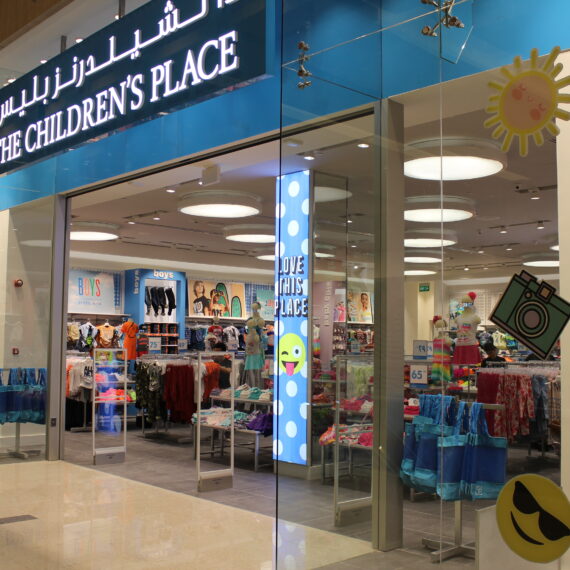
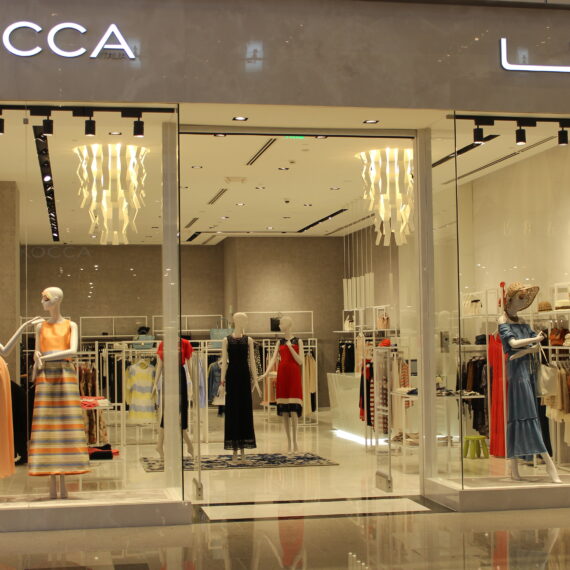
Retail stores are the most common environment where Anti-Theft Devices are used. Clothing stores, department stores, and specialty retail shops rely heavily on security tags and detection systems to protect merchandise from shoplifting.
Retail stores often display products openly so that customers can browse freely. While this improves the shopping experience, it also increases the risk of theft. Anti-theft devices allow retailers to maintain open product displays while still protecting merchandise from unauthorized removal.
Security tags are typically attached to clothing, shoes, handbags, and accessories. When customers purchase these items, the tags are removed or deactivated at the checkout counter. If a tagged item leaves the store without proper removal, the detection system triggers an alarm at the exit.
Shopping malls also benefit from anti-theft systems because they contain multiple retail outlets within a shared space. Individual stores can install their own security systems while mall management can integrate them with central surveillance systems for enhanced monitoring.
Supermarkets and Hypermarkets
Supermarkets and hypermarkets handle a large volume of products every day, making them particularly vulnerable to retail theft. Small items such as chocolates, cosmetics, packaged foods, and personal care products are often targeted by shoplifters.
Anti-Theft Devices in supermarkets are used to protect high-risk items while allowing customers to move freely throughout the store. Security labels can be placed on product packaging, while detection antennas are installed at store entrances and exits.
In large hypermarkets, anti-theft systems are often integrated with inventory management systems to monitor product movement. This helps retailers maintain accurate stock records and identify potential losses quickly.
These systems are particularly valuable in busy stores where staff may not be able to monitor every aisle continuously.
Electronics Stores
Electronics stores carry high-value items such as smartphones, tablets, laptops, cameras, headphones, and gaming accessories. Because of their high resale value and compact size, these products are frequently targeted by thieves.
Anti-Theft Devices used in electronics stores often include specialized display security systems that allow customers to interact with the products while preventing theft. For example, mobile phones and tablets may be attached to secure display stands equipped with alarm sensors.
If someone attempts to remove the device from the display without authorization, the alarm system immediately activates. This type of protection allows customers to experience the product while ensuring it remains secure.
Additionally, RFID tags and electronic surveillance systems are often used to track high-value electronics and prevent unauthorized removal from the store.
Fashion and Apparel Stores
Clothing and fashion retailers rely heavily on Anti-Theft Devices to protect garments, footwear, and accessories. Security tags are commonly attached to clothing items using special pins that require a detacher tool to remove them.
Many apparel stores use reusable hard tags that can be removed during checkout and reused for other products. Some stores also use ink security tags that contain dye capsules designed to permanently stain garments if the tag is forcibly removed.
Fashion retailers benefit greatly from anti-theft systems because they allow clothing to be displayed on racks where customers can easily browse and try items. Without these security measures, stores would need to restrict access to many products.
By using anti-theft devices, apparel retailers can maintain attractive displays while preventing shoplifting.
Pharmacies and Health Stores
Pharmacies and health stores sell a variety of small, high-value items such as medicines, vitamins, skincare products, and cosmetics. Many of these products are compact and easy to conceal, making them common targets for theft.
Anti-theft labels and tags are frequently used to protect these items without affecting the packaging. Detection systems placed at store exits monitor these labels and trigger alarms if products leave the store without proper purchase.
Some pharmacies also use locked display cabinets for certain high-value items, but anti-theft systems allow many products to remain accessible to customers while still maintaining security.
This approach improves customer convenience while reducing theft-related losses.
Cosmetic and Beauty Stores
Cosmetics and beauty products are among the most commonly stolen retail items due to their small size and high value. Perfumes, skincare products, makeup items, and beauty accessories are especially vulnerable to shoplifting.
Anti-Theft Devices help protect these products by attaching security labels or tags to the packaging. In addition, some stores use display security systems that protect tester units and demonstration products.
These systems allow customers to explore and test beauty products freely while preventing unauthorized removal of merchandise.
Retailers in the beauty industry rely heavily on anti-theft systems to maintain product availability and reduce losses caused by theft.
Jewelry and Luxury Retail Stores
Luxury retail stores selling jewelry, watches, and designer accessories face a high risk of theft due to the extremely high value of their products. These stores require advanced security systems to protect valuable merchandise.
Anti-Theft Devices used in luxury retail environments are often combined with surveillance cameras, access control systems, and alarm monitoring solutions. Display cabinets may include built-in sensors that trigger alarms if opened without authorization.
Some luxury retailers also use RFID tracking systems to monitor the movement of high-value items within the store.
These security measures ensure that valuable merchandise remains protected while maintaining a sophisticated shopping experience for customers.
Libraries and Educational Institutions
Libraries and educational institutions also use Anti-Theft Devices to protect books, journals, and learning materials. Special electromagnetic security labels are placed inside books and library resources.
Detection gates installed at library exits monitor these labels and trigger alarms if a book is removed without proper checkout. This helps libraries protect their collections and ensure that resources remain available for other users.
Library anti-theft systems are designed to operate quietly and efficiently without disrupting the learning environment.
Why Choose Axle Systems for Anti-Theft Devices
Selecting the right supplier for Anti-Theft Devices is just as important as choosing the technology itself. Businesses require a trusted partner that can provide high-quality security solutions, professional installation, and reliable technical support. Retailers, supermarkets, electronics stores, and commercial facilities need anti-theft systems that are not only effective but also customized to their specific operational requirements.
Axle Systems has established itself as a reliable provider of advanced security and retail technology solutions. With extensive industry experience, professional expertise, and a strong commitment to quality, Axle Systems delivers comprehensive anti-theft solutions designed to protect businesses from theft and inventory loss. The company provides complete services, including consultation, system design, supply, installation, configuration, and ongoing technical support.
Below are several reasons why businesses choose Axle Systems for Anti-Theft Devices and retail security solutions.
Industry Expertise and Experience
One of the key advantages of working with Axle Systems is the company’s extensive experience in the field of security systems and retail technology solutions. Over the years, Axle Systems has worked with a wide range of businesses, including retail stores, supermarkets, electronics shops, pharmacies, and shopping malls.
This industry experience allows the team to understand the unique challenges faced by different types of businesses. Every retail environment has its own layout, product types, and security risks. Axle Systems uses its expertise to recommend the most suitable anti-theft devices for each client’s needs.
Their experience ensures that every system is carefully planned and installed to provide maximum protection while maintaining the store’s aesthetic appearance and operational efficiency.
Comprehensive Anti-Theft Solutions
Axle Systems offers a complete range of anti-theft products and technologies designed to protect merchandise in various retail environments. Businesses can choose from multiple solutions depending on their security requirements, store layout, and budget.
The anti-theft solutions provided by Axle Systems include:
- Electronic Article Surveillance (EAS) systems
- RF (Radio Frequency) anti-theft systems
- AM (Acousto-Magnetic) anti-theft systems
- RFID retail security solutions
- Security tags and labels
- Detachers and deactivators
- Mobile phone anti-theft display systems
- Alarm-based product protection devices
By offering a wide variety of anti-theft technologies, Axle Systems ensures that businesses can implement the most appropriate solution for protecting their merchandise.
Customized Security System Design
Every retail environment is different, and a one-size-fits-all security approach is rarely effective. Axle Systems provides customized security solutions tailored to the specific needs of each client.
Before installing any anti-theft system, the Axle Systems team conducts a detailed assessment of the store layout, entry and exit points, product categories, and potential security vulnerabilities. Based on this assessment, they design a system that ensures optimal detection coverage and reliable performance.
Customization may include selecting the appropriate type of security tags, determining the best antenna placement, and integrating the anti-theft system with other security technologies such as CCTV or access control systems.
This personalized approach ensures that businesses receive a security solution that fits their operations perfectly.
Professional Installation and Configuration
Proper installation plays a crucial role in the effectiveness of Anti-Theft Devices. Incorrect placement of detection antennas or improper system configuration can reduce detection accuracy and lead to false alarms.
Axle Systems provides professional installation services carried out by trained technicians with extensive experience in retail security systems. The installation process is carefully planned to ensure minimal disruption to the store’s daily operations.
Once the system is installed, the team performs detailed testing and calibration to ensure that the anti-theft devices operate correctly and provide reliable detection coverage. This attention to detail ensures that businesses receive a system that performs efficiently from day one.
Integration with Advanced Security Technologies
Modern retail environments often use multiple security technologies to protect their assets. Axle Systems understands the importance of integrating anti-theft systems with other security infrastructure.
The anti-theft solutions provided by Axle Systems can be integrated with systems such as:
- CCTV surveillance systems
- Access control systems
- alarm monitoring systems
- RFID inventory tracking platforms
- retail analytics systems
This integrated approach provides businesses with a comprehensive security ecosystem that improves monitoring, incident response, and overall operational control.
For example, when an anti-theft alarm is triggered, the system can automatically signal nearby cameras to record the event, allowing store managers to review incidents and identify suspicious activity.
High-Quality Products and Reliable Technology
Axle Systems works with reliable and high-quality anti-theft technologies that meet international security standards. Using advanced hardware and proven security solutions ensures that businesses receive systems that are both durable and highly effective.
The Anti-Theft Devices supplied by Axle Systems are designed to operate in high-traffic retail environments and deliver consistent detection performance. These systems are built with high-quality components that ensure long-term reliability and minimal maintenance requirements.
By focusing on quality and performance, Axle Systems helps businesses invest in security solutions that provide long-term value.
Ongoing Technical Support and Maintenance
Security systems require regular monitoring and occasional maintenance to ensure they continue to operate effectively. Axle Systems provides ongoing technical support and maintenance services to help businesses maintain the performance of their Anti-Theft Devices.
Their support services include system inspections, software updates, troubleshooting, and component replacements when necessary. This ensures that the security system continues to provide reliable protection for many years.
Having access to professional technical support also gives businesses peace of mind, knowing that expert assistance is available whenever it is needed.
Competitive and Cost-Effective Solutions
Implementing anti-theft systems is an investment in protecting valuable merchandise and reducing losses. Axle Systems provides cost-effective solutions that help businesses achieve strong security without exceeding their budgets.
The company offers flexible options that allow businesses to choose systems based on their specific requirements and financial considerations. Whether a business operates a small retail shop or a large supermarket, Axle Systems can recommend solutions that provide excellent value for money.
By reducing theft-related losses, these systems often pay for themselves over time, making them a smart investment for retailers.
Trusted by Businesses Across Multiple Industries
Axle Systems has built a strong reputation for delivering reliable security solutions to a wide range of industries. Their clients include retail stores, supermarkets, electronics outlets, shopping malls, pharmacies, and commercial facilities.
Businesses trust Axle Systems because of their professionalism, technical expertise, and commitment to customer satisfaction. The company focuses on building long-term relationships with clients by delivering consistent service and dependable solutions.
This reputation has made Axle Systems a preferred partner for organizations looking to enhance their security infrastructure.
Contact Axle Systems
Website: www.axlesys.com
Email: info@axlesys.com
Phone: +974 44682391/77443731
Location: P.O.Box: 200081 Al Khalidiya Street, Najma, Doha, Qatar
Axle Systems provides professional consultation, installation, and maintenance services to help businesses implement effective security solutions.
Frequently Asked Questions (FAQ)
1. What are anti-theft devices?
Anti-theft devices are security systems used in retail stores to prevent shoplifting by detecting unauthorized removal of merchandise.
2. How do anti-theft systems work?
They use electronic tags attached to products and detection antennas installed at store exits. If a tagged item leaves the store without deactivation, an alarm is triggered.
3. What are EAS systems?
EAS (Electronic Article Surveillance) systems are anti-theft systems consisting of security tags, detection antennas, and deactivation devices.
4. What is the difference between RF and AM systems?
RF systems are cost-effective and widely used in apparel stores, while AM systems provide stronger detection and are suitable for high-value merchandise.
5. Are anti-theft devices reusable?
Hard security tags are reusable, while soft labels are usually disposable.
6. Can anti-theft devices be integrated with CCTV?
Yes. Many modern anti-theft systems integrate with surveillance cameras to provide visual evidence of theft attempts.
7. Do anti-theft devices affect customers?
No. These systems operate safely and do not interfere with customers or electronic devices.
8. Can small stores use anti-theft systems?
Yes. Anti-theft devices are available in compact solutions suitable for small retail outlets.
9. What industries benefit from anti-theft devices?
Retail stores, supermarkets, electronics outlets, pharmacies, libraries, and duty-free shops all benefit from anti-theft systems.
10. Where can businesses buy anti-theft devices in Qatar?
Businesses can purchase anti-theft devices from Axle Systems, a trusted supplier and system integrator in Qatar.
Conclusion:
In today’s fast-paced retail environment, theft and inventory shrinkage continue to pose significant challenges for businesses of all sizes. From small boutiques and pharmacies to large supermarkets, electronics stores, and shopping malls, every retailer faces the risk of lost revenue due to shoplifting, employee theft, or accidental inventory misplacement. This makes the implementation of reliable anti-theft devices not just a precaution but a critical investment for the long-term success of any retail operation.
Protecting Profits and Reducing Losses
The most immediate and tangible benefit of anti-theft devices is their ability to protect a business’s profits. Every stolen product directly impacts the bottom line, especially when high-value items like electronics, branded clothing, cosmetics, and luxury accessories are involved. By deterring theft and preventing unauthorized removal of merchandise, anti-theft systems help businesses maintain healthy profit margins and reduce financial losses.
Furthermore, anti-theft devices often pay for themselves over time. The reduction in inventory shrinkage, combined with the ability to freely display products without excessive restrictions, allows retailers to operate more efficiently and cost-effectively.
Enhancing Customer Experience While Maintaining Security
One of the challenges retailers face is balancing security with customer experience. Traditional methods like locked display cabinets or security personnel can make shopping inconvenient and may even deter potential customers. Modern anti-theft systems, however, allow businesses to maintain open store layouts where customers can browse, interact with products, and make informed purchase decisions without feeling restricted.
By creating a safe and accessible shopping environment, retailers not only protect their assets but also improve customer satisfaction, increase dwell time, and encourage repeat visits. This combination of security and convenience is a key factor in building customer loyalty and strengthening brand reputation.
Supporting Operational Efficiency and Inventory Management
Anti-theft devices are no longer just reactive tools for preventing theft; they have become an integral part of inventory management and operational efficiency. With RFID-enabled systems and integrated analytics, retailers can track products in real-time, monitor stock levels, and identify discrepancies quickly. This not only minimizes losses but also allows for better stock planning, efficient restocking, and optimized product placement.
In addition, automated alerts and detection systems free up employees from constantly monitoring products, allowing them to focus on providing superior customer service and other operational tasks. The result is a well-organized, efficient, and secure retail environment.
Deterrence and Psychological Impact
The presence of anti-theft devices serves as a powerful deterrent to potential shoplifters. Visible security gates, RFID tags, alarm systems, and signage signal to customers that the store takes security seriously. This psychological barrier often discourages theft before it even occurs, reducing the likelihood of repeat incidents and creating a safer environment for both staff and shoppers.
Moreover, the integration of anti-theft devices with surveillance systems enhances overall security coverage, allowing for real-time monitoring and quick response to suspicious activity.