

Airport Security Turnstiles in Qatar
Airports are complex ecosystems where security, passenger experience, and operational efficiency must coexist. Among the most critical physical components that support these goals are Airport Security Turnstiles. These devices do far more than simply control access — they streamline passenger flow, enforce security policies, integrate with biometric and access-control systems, and reduce the need for manual checks. For airports in Qatar and the wider GCC region, robust, reliable, and locally supported Airport Security Turnstiles solutions are essential to meeting international aviation standards while preserving a smooth traveler journey.
This comprehensive guide explores what Airport Security Turnstiles are, the different types and technologies available, the benefits they deliver, common use cases inside airport environments, implementation and maintenance considerations, regulatory and integration requirements, and how Axle Systems supports airports in Qatar with supply, installation, and lifecycle services.
What are Airport Security Turnstiles?
Airport Security Turnstiles are specialized access control gates designed for the unique demands of aviation environments. Unlike Airport Security Turnstiles used in metro stations or office buildings, airport turnstiles must handle high passenger volumes, integrate with airline and security systems, conform to international aviation security protocols, and provide a high degree of reliability and durability.
Key characteristics of Airport Security Turnstiles include:
- High throughput capability — to process passengers quickly during peak periods.
- Integration-friendly design — compatibility with access control systems, boarding pass scanners, biometric readers, and airline departure control systems (DCS).
- Fail-safe and emergency behavior — automatic unlocking or full-open modes for emergency evacuation and first-responder access.
- Aesthetics and passenger experience — low-noise operation, compact footprints for constrained areas, and premium finishes for terminal environments.
Types of Turnstiles and Security Gates Used in Airports
Airports employ a variety of gate technologies depending on the application, ranging from waist-high turnstiles at staff entrances to full-height booths and high-speed optical gates at security checkpoints and biometric boarding gates. Each type serves a unique function depending on location, security requirements, and passenger flow. The main categories include:
Waist-Height Airport Security Turnstiles
Waist-height Airport Security Turnstiles are one of the most commonly used access control solutions in airports for staff-only zones and restricted service corridors. These gates allow controlled single-person entry and can be paired with ID card readers, PIN pads, or biometric devices.
Where They’re Used:
- Employee entrances.
- Maintenance areas.
- Baggage handling facilities.
Advantages:
- Compact footprint suitable for narrow corridors.
- Cost-effective compared to advanced systems.
- Simple to maintain and operate.
- Acts as a deterrent against casual intrusion.
Limitations:
They provide limited physical security since they can be vaulted or bypassed, so they are most effective in supervised or monitored environments.
Full-Height Turnstiles
Full-height Airport Security Turnstiles extend from the floor to the ceiling, making them robust barriers against unauthorized access. They prevent tailgating, climbing, or crawling, ensuring only one person can pass per authorization.
Where They’re Used:
- Airport perimeters.
- Cargo and logistics zones.
- Remote staff entrances.
- Outdoor security checkpoints.
Advantages:
- Strong physical deterrent.
- Can withstand outdoor conditions.
- Suitable for unsupervised or remote areas.
Limitations:
- Slower throughput compared to optical gates.
- Less suitable for passenger-facing areas due to their industrial look.
Optical Airport Security Turnstiles / Speed Gates
Optical turnstiles, also called speed gates, are increasingly popular in modern airports because they combine efficiency with aesthetics. They rely on infrared sensors to detect passage and usually feature sliding or swing glass barriers that open rapidly once access is granted.
Where They’re Used:
- Immigration halls.
- Boarding gates.
- Premium lounges.
- Secure passenger transfer points.
Advantages:
- High throughput — ideal for peak passenger flows.
- Sleek, modern appearance complements terminal design.
- Integrated anti-tailgating sensors.
- Quiet and smooth operation for passenger comfort.
Limitations:
Require reliable power and regular maintenance of optical sensors to ensure accuracy.
Flap Barriers
Flap barriers are similar to speed gates but feature motorized flaps that retract into the gate’s body when access is granted. They balance functionality with aesthetics and are well-suited for areas where a secure yet visually pleasing solution is needed.
Where They’re Used:
- VIP check-in zones.
- Business-class lounges.
- Staff checkpoints in passenger-facing areas.
Advantages:
- Visually appealing, blending with terminal interiors.
- Fast response for high passenger flow.
- Physical barrier offers more control than optical-only gates.
Limitations:
- Not as robust as full-height Airport Security Turnstiles for perimeter control.
Full-Height Booths and Mantrap Systems
Mantrap systems are high-security solutions designed for areas requiring thorough identity verification. They allow entry of one individual into a small chamber, where additional authentication (e.g., biometric or ID verification) takes place before granting access to secure zones.
Where They’re Used:
- Control rooms.
- Server and IT infrastructure rooms.
- Airside-to-landside transition points.
- High-security staff entrances.
Advantages:
- Prevents piggybacking and tailgating completely.
- Allows for multi-factor authentication.
- Ideal for the highest security areas in airports.
Limitations:
- Slower throughput — not designed for high passenger volume.
- Higher cost compared to standard gates.
Biometric and Smart-Gate Systems
Smart-gates represent the future of airport access control, integrating biometric technologies such as facial recognition, fingerprint, or iris scanning. They offer contactless and automated identity verification, improving passenger convenience while maintaining high security.
Where They’re Used:
- E-gates at immigration and passport control.
- Automated boarding gates.
- Trusted traveler or frequent flyer lanes.
- Security fast-track checkpoints.
Advantages:
- Fully contactless, reducing wait times.
- Enhances passenger experience with seamless flow.
- Integrates with government and airline databases.
- Supports global trends toward “touchless travel.”
Limitations:
- Dependence on biometric infrastructure and databases.
- Requires compliance with strict data protection regulations.

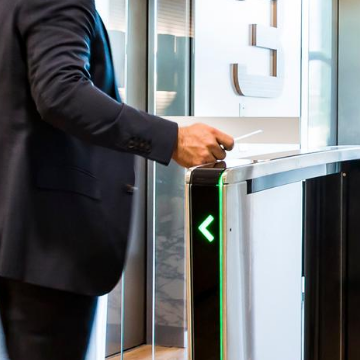
Why Airports Use Turnstiles — The Core Benefits
Airports operate under immense pressure to balance security, efficiency, and passenger experience. Traditional manual checks alone cannot keep up with the volume and complexity of passenger movement. Airport Security Turnstiles, designed with advanced technology, provide an integrated solution that addresses these challenges. Below are the core benefits of deploying Airport Security Turnstiles:
1. Enhanced Security & Anti-Tailgating Enforcement
One of the biggest threats to airport security is unauthorized entry — whether accidental or intentional. Airport Security Turnstiles provide a physical barrier that requires each individual to authenticate before entering.
- Anti-tailgating detection: Optical sensors track passage, ensuring that only one person passes per valid authorization. If a second person attempts to slip through, the system triggers alarms, stops the gate, or notifies security staff.
- Credential enforcement: Staff, contractors, and passengers cannot bypass access points without proper authorization. This reduces risks such as insider threats or unauthorized access to airside zones.
- Visual deterrence: The presence of robust gates itself discourages attempts at unauthorized entry.
Together, these features strengthen the perimeter security and safeguard critical airport zones.
2. High Throughput with Orderly Flow
Airports handle tens of thousands of passengers daily, especially during peak travel times. Manual checks often cause bottlenecks, frustration, and inefficiency. Airport Security Turnstiles solve this by ensuring a steady and predictable flow of people.
- High processing speed: Optical speed gates and flap barriers can handle dozens of passengers per minute, reducing waiting times.
- Queue management: Airport Security Turnstiles naturally create organized lines, preventing crowding at checkpoints and boarding gates.
- Staff optimization: Security staff can focus on exception handling, while routine flows are managed by automated gates.
The result is shorter queues, smoother operations, and less stress for travelers.
3. Seamless Integration with Access Control & Biometrics
Modern airports rely on sophisticated access control systems. Airport Security Turnstiles are designed to act as integration hubs, accommodating multiple identification technologies.
- Credential flexibility: From RFID cards and QR/barcodes on boarding passes to NFC-enabled mobile credentials, Airport Security Turnstiles can authenticate various inputs.
- Biometric compatibility: Many airports are adopting biometric identification — fingerprint, iris, or facial recognition. Airport Security Turnstiles integrate directly with biometric devices for seamless passenger verification.
- Centralized monitoring: All events (entries, rejections, alarms) can be logged and viewed in the airport’s central security management platform for real-time control.
This makes turnstiles a future-proof investment, ready for evolving identity management technologies.
4. Improved Passenger Experience
Passenger satisfaction is critical for airports, especially as competition grows among international hubs. Turnstiles contribute to a smoother, faster, and more hygienic travel experience.
- Touchless operation: Especially after the COVID-19 pandemic, hygiene is a priority. Optical and swing gates allow contactless entry, reducing germ transmission.
- Faster passage: Automated verification means passengers spend less time queuing at boarding gates, VIP lounges, or security exits.
- Clear feedback: LED indicators, audible signals, and user-friendly interfaces guide travelers, minimizing confusion even for first-time flyers.
By combining security with convenience, airports can improve overall passenger perception and loyalty.
5. Operational Data & Analytics
Airport Security Turnstiles are not just barriers — they are also data collection points. Every interaction generates valuable insights that airports can use to improve operations.
- People flow statistics: Track how many people move through different zones at specific times.
- Peak-hour analysis: Identify bottlenecks and optimize staffing or lane allocation.
- Compliance reporting: Maintain accurate access logs for regulatory audits and incident investigations.
- Predictive insights: Historical data can forecast passenger flow, helping plan for seasonal spikes or special events.
This makes turnstiles a tool not only for security enforcement but also for strategic airport management.
6. Scalability & Zoning Flexibility
Airports are complex ecosystems with different areas requiring different security levels. Airport Security Turnstiles are modular and adaptable, making it easy to deploy the right type of gate in the right place.
- Low-risk zones: Waist-height tripod Airport Security Turnstiles or swing gates for areas like staff break rooms or retail back-of-house.
- Medium-risk zones: Optical speed gates or flap barriers for boarding areas and VIP lounges.
- High-risk zones: Full-height rotogates for restricted technical rooms, secure perimeters, or staff-only airside access.
This zoning approach ensures cost-effectiveness (using lighter solutions where possible) while maintaining maximum protection in critical areas.
Compliance, Standards, and Safety Considerations
Deploying Airport Security Turnstiles in airports is not only a matter of selecting the right hardware but also ensuring that the equipment and its integration comply with international standards, local aviation security laws, safety codes, and accessibility requirements. Non-compliance can lead to legal liabilities, regulatory penalties, or worse, compromised passenger safety. Below are the key compliance areas airports and project stakeholders must address:
1. Aviation Security Regulations
Airports are high-risk facilities governed by strict aviation security frameworks. Airport Security Turnstiles systems must be aligned with the airport’s National Civil Aviation Security Program (NCASP) and in Qatar, the requirements of the Qatar Civil Aviation Authority (QCAA).
- International Civil Aviation Organization (ICAO): ICAO Annex 17 requires states to implement safeguards against unlawful interference. Airport Security Turnstiles play a role in enforcing restricted access to airside areas, staff-only zones, and critical infrastructure.
- Local aviation security agencies: Each country enforces its own set of rules (e.g., TSA in the US, EASA in Europe, QCAA in Qatar). Airport operators must ensure that Airport Security Turnstiles installations are included in the approved Airport Security Program (ASP).
- Audit compliance: Access logs generated by Airport Security Turnstiles are often reviewed during security audits, making data integrity and reliability crucial.
2. Safety Standards for Pedestrian Equipment
While Airport Security Turnstiles enhance security, they must not create hazards for passengers or staff. Several international standards govern the safe design and operation of pedestrian access equipment:
- EN 16005 (European Standard for Automatic Pedestrian Doors): Even though turnstiles are not doors, similar principles apply — such as entrapment prevention, obstacle detection, and safe opening during emergencies.
- ISO 9001 & ISO 14001 certified manufacturing: Ensures quality management and environmentally responsible design.
- Electromechanical safety features: Emergency stop functions, obstacle detection sensors, and fail-safe modes to prevent injuries.
- Local safety codes: Qatari building and fire codes require that barriers do not obstruct emergency evacuation routes.
3. Fire and Emergency Egress Compliance
In airports, where thousands of people may need to exit simultaneously during an emergency, Airport Security Turnstiles must not become obstacles.
- Fail-safe mechanisms: Upon receiving a fire alarm signal, Airport Security Turnstiles should automatically unlock or swing open to allow free flow.
- Integration with fire systems: All gates must be wired into the building’s fire alarm and life safety systems for automatic override.
- Manual overrides: Break-glass units or emergency push buttons should be installed nearby so staff can quickly disable turnstiles if needed.
- Evacuation planning: Wider accessible gates should be available to assist PRM (Passengers with Reduced Mobility), wheelchair users, and parents with strollers.
4. Accessibility & Inclusivity Standards
Airports serve a diverse passenger base — from elderly travelers to people with disabilities. Airport Security Turnstiles must therefore comply with international accessibility standards and local inclusivity laws.
- ADA (Americans with Disabilities Act) standards and equivalents in other regions: Require accessible gates with sufficient width for wheelchairs, mobility aids, and luggage carts.
- PRM (Passengers with Reduced Mobility) support: Dedicated wide lanes, audible signals, braille interfaces, and visual indicators are best practice.
- Family-friendly design: Wider swing gates to allow families with strollers, trolleys, and extra baggage to pass comfortably.
In Qatar, accessibility is also aligned with Qatari construction standards for inclusive infrastructure in public facilities.
5. Cybersecurity & Data Privacy Compliance
Modern Airport Security Turnstiles are more than mechanical gates; they are connected smart devices. As such, they fall under IT and data protection regulations.
- Secure communication protocols: Devices should support encrypted protocols (e.g., OSDP Secure Channel, TLS for IP communication).
- Biometric data compliance: If face or fingerprint recognition is used, passenger data must be stored and processed in line with data privacy laws (e.g., GDPR in Europe, Qatari personal data protection laws).
- Access logging & audit trails: Logs must be tamper-proof and securely stored for regulatory inspection.
- Regular vulnerability testing: Turnstiles should be included in the airport’s cybersecurity audit schedule to prevent exploitation.
6. Environmental and Climatic Standards
In regions like Qatar, environmental factors must be considered:
- IP-rated enclosures: Outdoor full-height Airport Security Turnstiles must comply with IP54 or higher ratings for dust and water resistance.
- Heat resistance: Equipment must function reliably in high ambient temperatures, often exceeding 45°C.
- Material durability: Stainless steel and corrosion-resistant materials are necessary to handle humidity, sea air, and heavy usage.
7. Certification & Documentation Requirements
Before deployment, Airport Security Turnstiles solutions should come with certifications and documentation proving compliance. Airports typically require:
- CE / UL certification: Demonstrating that electrical and mechanical systems meet international safety standards.
- Factory Acceptance Test (FAT) & Site Acceptance Test (SAT): Verifies compliance before and after installation.
- Maintenance and inspection records: For ongoing regulatory compliance, airports must keep documentation of periodic inspections and preventive maintenance.

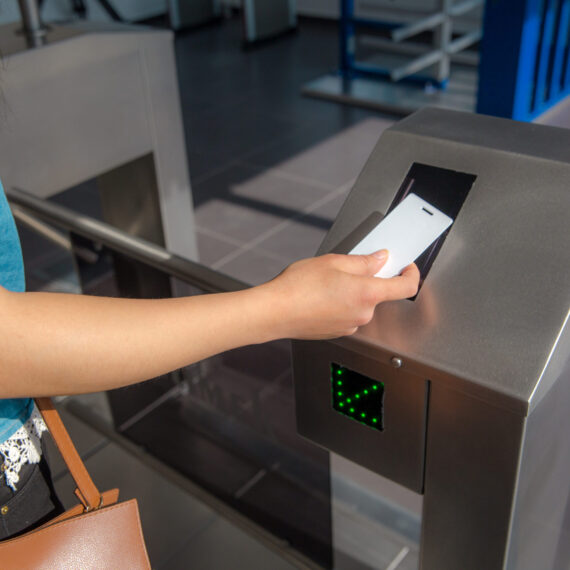
Installation & Integration Best Practices for Airport Security Turnstiles
Installing airport turnstiles goes beyond placing a gate at a corridor entrance. Proper planning, integration, and commissioning are critical to ensure that the Airport Security Turnstiles operate efficiently, securely, and reliably within the airport ecosystem. Below are the best practices for installing and integrating turnstiles in airports:
1. Comprehensive Site Survey & Planning
Before installation, a thorough site survey is essential:
- Space assessment: Measure corridor widths, floor load capacity, ceiling height, and accessibility requirements to determine the correct Airport Security Turnstiles type and lane configuration.
- Passenger flow analysis: Evaluate peak-hour traffic, passenger demographics, luggage or trolley usage, and emergency evacuation routes.
- Environmental conditions: Identify exposure to dust, humidity, temperature extremes, or direct sunlight, which may influence equipment selection (e.g., IP-rated enclosures, corrosion-resistant materials).
- Civil and structural considerations: Ensure that flooring can support full-height or heavy optical gates and plan for any pit, trench, or cabling requirements.
A detailed site survey reduces installation errors, rework, and future operational issues.
2. Pre-Installation Civil & Electrical Works
Proper civil and electrical preparation ensures a smooth installation process:
- Floor and foundation preparation: Some Airport Security Turnstiles require anchor bolts, embedded pits, or raised platforms for proper alignment and stability.
- Cable management: Pre-install conduits for power, network, and integration cables to avoid post-installation disruptions.
- Power provisioning: Ensure stable and sufficient electrical supply, with UPS backup for critical lanes to prevent downtime during outages.
- Network readiness: Plan for secure IP connections for communication with access control systems, biometric readers, and monitoring platforms.
Preparing the infrastructure beforehand minimizes installation delays and ensures compliance with safety standards.
3. Integration with Airport Security Systems
Airport Security Turnstiles are most effective when integrated into the airport’s broader security ecosystem:
- Access Control Integration: Connect gates with ACMS for real-time authentication, alarm monitoring, and logging.
- Biometric & ticketing systems: Ensure seamless compatibility with fingerprint, iris, facial recognition devices, or boarding pass scanners.
- Fire & emergency interlocks: Gate behavior should automatically adjust in case of fire alarms or emergency evacuation signals.
- Video surveillance integration: Combine Airport Security Turnstiles event logs with CCTV feeds for incident investigation and monitoring.
Proper integration guarantees centralized control, security enforcement, and operational efficiency.
4. Phased Installation & Lane Commissioning
Large airports often deploy Airport Security Turnstiles in multiple zones simultaneously. A phased approach ensures minimal disruption:
- Pilot installation: Start with a single lane or zone to test functionality, throughput, and integration with existing systems.
- Performance verification: Monitor alarms, tailgating detection, throughput, and passenger experience.
- Full deployment: Roll out additional lanes after pilot testing confirms reliability and smooth operation.
- Adjustments & calibration: Fine-tune sensor sensitivity, lane spacing, and speed settings to optimize performance.
Phased deployment reduces risks of operational disruption and ensures staff can adapt to new procedures.
5. Acceptance Testing & Quality Assurance
Before commissioning, comprehensive testing is critical:
- Functional tests: Verify gate opening/closing, credential recognition, anti-tailgating detection, and emergency overrides.
- Integration tests: Ensure smooth communication with ACMS, biometrics, fire systems, and CCTV.
- Load tests: Simulate peak traffic conditions to ensure gates handle throughput without error.
- Accessibility checks: Test dedicated lanes for wheelchair users, luggage trolleys, and strollers.
- Documentation: Record all test results and provide certification of compliance for airport authorities.
Acceptance testing ensures operational readiness, security compliance, and user safety.
6. Staff Training & Standard Operating Procedures (SOPs)
Even the best Airport Security Turnstiles require proper staff training to operate effectively:
- Alarm handling procedures: Train security personnel on tailgating alerts, forced-entry detection, and emergency overrides.
- Manual operation training: Teach staff how to open gates manually during emergencies or power failures.
- Passenger assistance protocols: Educate staff on helping PRM passengers and first-time travelers navigate gates.
- Maintenance awareness: Basic troubleshooting for sensors, barriers, and connectivity issues can reduce downtime.
Well-trained personnel maximize security, minimize errors, and improve passenger experience.
7. Regular Maintenance & Lifecycle Planning
Post-installation, consistent maintenance ensures long-term reliability and safety:
- Preventive maintenance schedules: Clean sensors, lubricate mechanical parts, and inspect electrical connections.
- Spare parts management: Maintain an inventory of critical components to minimize downtime.
- Firmware updates: Keep control systems, access readers, and integration software up to date to prevent cyber vulnerabilities.
- Periodic audits: Test gates against safety, accessibility, and throughput benchmarks.
A well-maintained system extends equipment life, ensures compliance, and keeps airport operations smooth.
8. Coordination with Other Airport Stakeholders
Airport Security Turnstiles installation is rarely standalone; it involves multiple departments and contractors:
- Airport operations team: Coordinate lane placement, passenger flow, and temporary closures.
- IT & network team: Ensure secure, reliable connectivity with ACMS and PSIM systems.
- Fire & safety officers: Verify emergency interlocks and evacuation compliance.
- Civil contractors: Align foundation, flooring, and electrical works with installation schedule.
Collaboration ensures timely completion, regulatory compliance, and smooth passenger experience.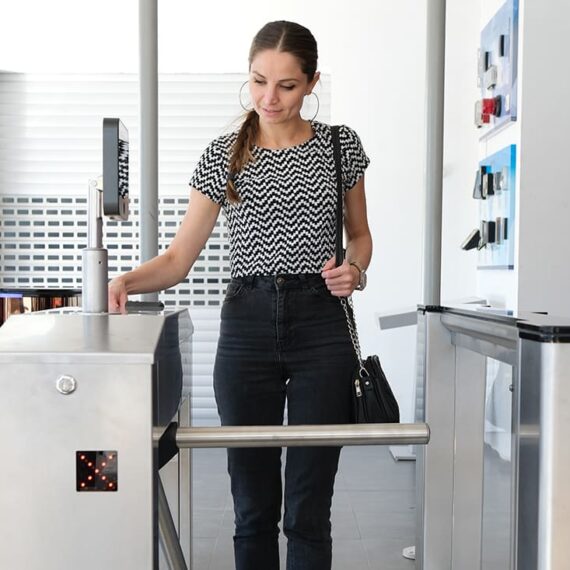
Axle Systems — Turnstiles & Airport Solutions in Qatar
Axle Systems is a leading supplier and integrator of Airport Security Turnstiles in Qatar, providing cutting-edge solutions that combine security, efficiency, and passenger convenience. With years of experience in airport access control and security technology, Axle Systems has become a trusted partner for airports, airlines, and facility managers across the region.
1. Comprehensive Airport Security Turnstiles Solutions
Axle Systems offers a full range of Airport Security Turnstiles to meet the diverse needs of airport environments:
- Full-height turnstiles: Ideal for airside access and high-security zones, these gates provide a robust physical barrier while supporting credential verification and anti-tailgating features.
- Optical speed gates: Touchless, high-speed gates for passenger flow areas, VIP lounges, and boarding zones, combining rapid throughput with advanced security.
- Flap and swing barriers: Versatile options for medium-traffic areas, including staff corridors, lounges, and retail access points.
- Tripod turnstiles: Cost-effective solutions for controlled access in staff areas and back-of-house facilities.
Each product is designed to integrate seamlessly with access control systems, biometric readers, and airport security platforms.
2. Expert Consultation & Custom Design
Axle Systems provides tailored airport solutions, ensuring that every installation is optimized for security, passenger flow, and operational efficiency:
- Site assessments & planning: Detailed surveys and analysis of traffic patterns, security zones, and emergency egress requirements.
- Custom lane configurations: Airport Security Turnstiles configured for peak-hour capacity, accessibility needs, and integration with boarding systems.
- Zoning & scalability: Solutions that allow airports to expand or modify lanes easily as traffic and security needs evolve.
By taking a consultative approach, Axle Systems ensures that airports receive the most effective and future-proof access control solutions.
3. Integration with Airport Security & IT Systems
Modern Airport Security Turnstiles must work as part of a broader ecosystem of security, IT, and operational systems. Axle Systems specializes in:
- Access control system integration: Real-time authentication logging, tailgating detection, and centralized monitoring.
- Biometric & ticketing solutions: Seamless support for facial recognition, fingerprint scanners, QR/barcode readers, and mobile credentials.
- Emergency and fire system connectivity: Gates automatically unlock in case of alarms or evacuations, ensuring compliance with safety regulations.
- CCTV & monitoring systems: Airport Security Turnstiles events are integrated with video feeds for enhanced situational awareness and investigation.
This end-to-end integration ensures that Airport Security Turnstiles do more than just control access — they actively enhance operational efficiency and security intelligence.
4. Installation, Commissioning & Maintenance Expertise
Axle Systems does not just supply equipment; they provide full lifecycle support:
- Professional installation: Expert technicians handle foundation preparation, electrical cabling, and secure mounting to guarantee long-term reliability.
- Commissioning & testing: Rigorous functional, integration, and stress testing to ensure gates operate flawlessly under peak conditions.
- Staff training: On-site training for security personnel, including alarm handling, emergency overrides, and passenger assistance.
- Preventive maintenance & support: Scheduled inspections, sensor calibration, firmware updates, and spare parts management to minimize downtime.
With Axle Systems, airports can be confident that their Airport Security Turnstiles systems remain secure, efficient, and fully operational 24/7.
5. Local Expertise & Compliance Assurance
Operating in Qatar, Axle Systems has extensive knowledge of local regulations and airport security standards:
- Qatar Civil Aviation Authority (QCAA) compliance: All Airport Security Turnstiles installations meet national aviation security standards.
- Fire, safety, and accessibility compliance: Gates are configured for emergency egress, ADA compliance, and PRM accessibility.
- Environmental adaptation: Equipment is suitable for Qatar’s extreme heat, dust, and humidity conditions, ensuring long-term durability.
Axle Systems’ local presence and expertise make them a reliable partner for airports seeking compliant, high-performance turnstile solutions.
6. Why Choose Axle Systems for Airport Security Turnstiles?
- End-to-end solutions: From consultation and design to supply, installation, integration, and maintenance.
- Advanced technology: Optical, biometric, and full-height Airport Security Turnstiles for all airport zones.
- Proven reliability: Trusted by airports, airlines, and commercial facilities in Qatar.
- Dedicated support: Local team providing fast response, preventive maintenance, and technical expertise.
- Compliance assured: Full alignment with QCAA, fire, safety, and accessibility regulations.
Contact Axle Systems in Qatar
For airports, airlines, or facility managers looking for Airport Security Turnstiles in Qatar, Axle Systems offers expert consultation, supply, installation, and support services.
- Phone: +974 44682391 / +974 77443731
- Email: info@axlesys.com
- Website: www.axlesys.com
- Address: Al Khalidiya Street, Najma, Doha, Qatar

Conclusion
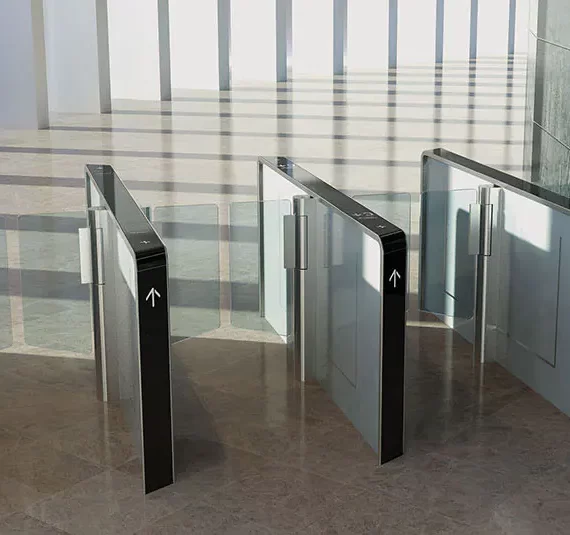
Airport Security Turnstiles are no longer mere barriers; they are critical components of modern airport operations, ensuring security, efficiency, and an enhanced passenger experience. From anti-tailgating enforcement and high throughput management to seamless integration with access control, biometrics, and emergency systems, Airport Security Turnstiles provide airports with a robust, intelligent, and scalable solution for managing the flow of passengers and staff.
Choosing the right Airport Security Turnstiles involves careful consideration of security features, credential compatibility, accessibility, durability, and integration capabilities, while ensuring compliance with local and international aviation, safety, and data privacy standards. Proper installation, commissioning, and ongoing maintenance are equally crucial to maximize reliability, operational efficiency, and passenger safety.
As a trusted supplier and integrator in Qatar, Axle Systems offers end-to-end Airport Security Turnstiles solutions, including consultation, supply, installation, integration, and lifecycle support. With advanced Airport Security Turnstiles technologies, local expertise, and a commitment to compliance, Axle Systems enables airports to maintain high security, smooth passenger flow, and operational excellence.
For airports, airlines, and facility managers seeking reliable, future-ready Airport Security Turnstiles solutions in Qatar, Axle Systems is the go-to partner for safe, efficient, and intelligent access control systems.