

Access Control System in Qatar
In today’s fast-paced world, security is a growing concern for businesses, organizations, and even residential properties. Whether it’s managing who enters a facility, securing sensitive data areas, or automating workforce access, Access Control Systems have become an essential security solution in Qatar.
As a trusted supplier in Qatar, Axle Systems offers cutting-edge Access Control solutions from world-renowned brands such as Suprema, Matrix, and ZKTeco. In this blog, we explore what Access Control is, its benefits and features, its wide-ranging applications, and why Axle Systems is your go-to supplier in Qatar.
What is an Access Control System?
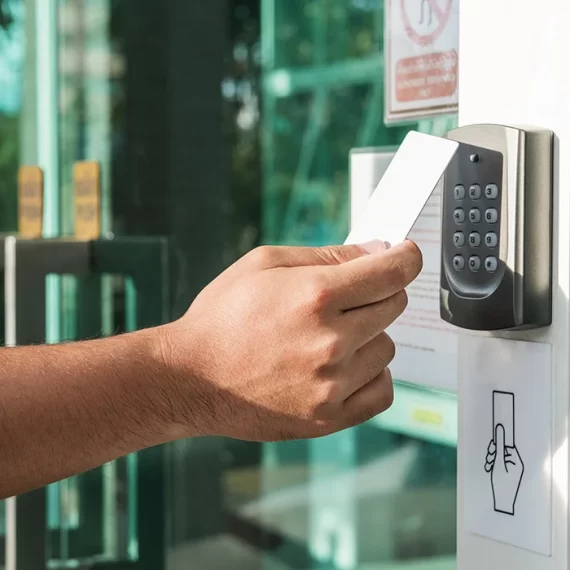
Access Control refers to a security system that regulates who is allowed to enter or exit different areas within a building or premises. It is a smart and automated solution used to authorize or restrict access based on predefined credentials such as:
- Key cards or RFID tags
- Biometrics (fingerprint, face, iris)
- PIN codes
- Mobile access via smartphone apps
These systems are installed at entry and exit points—such as doors, gates, elevators, and turnstiles—and are commonly integrated with video surveillance, alarms, time attendance systems, and visitor management.
Benefits of Access Control Systems
Implementing an Access Control System offers a wide range of benefits that go beyond simple security. For businesses, institutions, and residential properties in Qatar, access control brings efficiency, control, accountability, and cost-effectiveness—making it a key component of any modern security infrastructure.
Below are the key benefits of access control systems with expanded insights:
1. Enhanced Security
The most obvious benefit of an Access Control system is improved physical security. Instead of relying on mechanical locks and keys—which can be lost, stolen, or copied—digital access control systems ensure that only authorized individuals can access specific areas.
Examples:
- In a corporate office, server rooms can be restricted to IT personnel only.
- In a hospital, drug storage or patient record rooms are only accessible to authorized medical staff.
- In residential compounds, unauthorized individuals can be restricted from entering buildings or parking areas.
Advanced features like biometric recognition and two-factor authentication further enhance security by ensuring credentials can’t be easily duplicated or misused.
2. Real-Time Monitoring and Control
Modern Access Control systems offer real-time visibility into who is accessing your premises. Every access event is tracked and stored, allowing security teams or administrators to:
- View access logs
- Receive instant alerts for unauthorized attempts
- Remotely lock or unlock doors when needed
Practical Use Case:
If an unauthorized user attempts to enter a restricted zone, the system can instantly send an alert to the security desk and trigger a live video feed from integrated CCTV systems for verification.
3. Audit Trails and Compliance Reporting
Every time someone uses the system to gain access, that activity is automatically logged—including the time, date, location, and user identity. These audit trails are vital for:
- Internal investigations
- Operational analysis
- Regulatory compliance (especially for industries like banking, healthcare, or government)
Example:
In a data center, audit logs may be required for cybersecurity audits to prove that only authorized technicians accessed critical infrastructure.
4. Cost Efficiency and Lower Risk
Access Control System reduce operational costs over time. Traditional key systems are cumbersome—keys get lost, locks need changing, and there’s no record of usage. In contrast, Access Control systems:
- Eliminate the cost of rekeying or replacing lost keys
- Allow administrators to deactivate or change access instantly
- Minimize theft, vandalism, and operational downtime
Additionally, centralized control means you can manage all your doors and permissions from one place, reducing the need for manual supervision.
5. Remote Management and Access Flexibility
Cloud-based or networked Access Control System offer remote access capabilities, allowing authorized users or administrators to:
- Grant or revoke access from a mobile device or laptop
- Adjust user permissions instantly
- Monitor access events in real time from anywhere
Example:
A school administrator can remotely unlock gates for delivery personnel without needing to be physically present. Similarly, property managers can control multiple buildings from a single dashboard.
6. Improved Operational Efficiency
Access Control System automates many processes and helps streamline daily operations:
- Employees don’t need to wait for someone to open doors
- Access to specific departments or floors is automated based on job roles
- Time attendance systems are often integrated with access control to eliminate manual punching
Example:
An employee scans their fingerprint at the entrance, which simultaneously records their attendance and opens the main entrance and elevator to their department.
This integration reduces redundancy, improves punctuality, and boosts productivity.
7. Scalability and Flexibility
One of the major strengths of modern Access Control System solutions is their modular design and scalability. Whether you are a startup with 10 employees or an enterprise with hundreds of locations, access control systems can be configured and scaled as needed.
- Start small with one or two doors
- Add more users, doors, buildings, or floors without replacing the system
- Integrate with other systems like elevators, fire alarms, or visitor management platforms
As your organization grows, the system grows with you.
8. Better Visitor and Contractor Management
Access Control System make managing temporary access far easier and more secure. Whether it’s for a visitor, service technician, or contractor, you can:
- Issue temporary or one-time access credentials
- Restrict access by time, location, or type of user
- Track and log their activity
Example:
In a hospital, a maintenance team can be given access to the utility room only for a specific time window on a particular day. After that, their credentials automatically expire.
9. Integration with Other Systems
Access Control System systems don’t work in isolation—they integrate seamlessly with a wide range of other systems:
- CCTV Systems: Trigger camera feeds on unauthorized access attempts
- Fire Alarms: Automatically unlock exit doors during emergencies
- Time Attendance Systems: Sync attendance logs with HR software
- Elevators and Parking: Allow or restrict access based on assigned credentials
This interoperability enhances your building’s overall security, safety, and automation.
10. Environmentally Friendly
Some Access Control System promote energy efficiency by integrating with smart building systems:
- Lights can turn on/off based on access activity
- Air conditioning can be adjusted based on room occupancy
- Areas not in use can automatically go into energy-saving mode
This helps in reducing electricity usage and contributes to sustainability goals, which is especially important for green-certified buildings.
11. Protection During Emergencies
Access Control System help in emergency response and evacuation:
- Emergency lockdowns can be initiated centrally
- Automatic unlocking of all exit doors during a fire
- Real-time tracking of who is inside the building
Use Case:
During a fire alarm in a high-rise, the access control system can automatically open all exit doors and restrict access to elevators to ensure safe evacuation, while notifying security teams of individuals still inside.
12. User Accountability and Behavior Monitoring
Because each individual has unique credentials (card, fingerprint, face, etc.), Access Control System promotes personal accountability. Users know their actions are tracked, which naturally discourages unauthorized behavior.
Example:
In a warehouse, if inventory is missing, administrators can check who accessed the storeroom and when—providing immediate accountability and reducing internal theft.

Key Features of Modern Access Control Systems
The capabilities of the Access Control System have grown significantly. Here are some of the prominent features you can expect from a cutting-edge system:
Diverse Credential Options:
- Access Cards/Key Fobs: Proximity, Smart, and Magnetic Stripe cards offer a convenient and cost-effective solution.
- Biometric Recognition: Fingerprint, facial recognition, iris scanning, and palm vein recognition provide highly secure and unique identification.
- PIN Codes/Keypads: A simple and effective method, often used in conjunction with other credentials for multi-factor authentication.
- Mobile Credentials: Using smartphones as access credentials via Bluetooth or NFC technology for enhanced convenience and security.
- QR Codes: Temporary access via scannable QR codes for visitors or one-time access.
- Multi-Factor Authentication (MFA): Combining two or more different types of credentials (e.g., a card swipe plus a PIN, or a fingerprint scan plus a card) significantly enhances security, making it much harder for unauthorized individuals to gain access.
- Access Levels and Groups: The ability to define different levels of access for various individuals or groups (e.g., employees, contractors, visitors) and assign specific access rights to particular zones or rooms.
- Time-Based Access: Setting schedules for when certain individuals or groups are permitted to enter specific areas (e.g., employees only during working hours, cleaning staff after hours).
- Anti-Passback: Preventing users from passing their access credentials back to another person to gain unauthorized entry. This ensures that a credential used for entry must also be used for exit before it can be used for entry again.
- Duress Alarm: A silent alarm feature that can be activated by an authorized user in an emergency, alerting security personnel without alerting the intruder.
- Interlock Function: Ensuring that one door cannot be opened until another connected door is closed, often used in high-security areas like data centers or cash rooms.
- Visitor Management Integration: Streamlining the entire visitor process, from pre-registration and badge printing to access assignment and departure tracking.
- Remote Management: Managing and monitoring the Access Control system from anywhere in the world via a web-based interface or mobile application. This is particularly beneficial for multi-site organizations.
- Scalable Software Platforms: Robust software that can manage thousands of users and doors, offering advanced reporting, analytics, and integration capabilities.
Common Use Cases of Access Control Systems
Access Control Systems have evolved far beyond just unlocking doors—they are now core components of organizational security, compliance, efficiency, and visitor management. In Qatar, various sectors increasingly rely on access control to secure premises, manage access to sensitive zones, and automate personnel tracking.
Here’s a detailed look at how Access Control Systems are used across industries:
1. Corporate Offices and Business Centers
Modern corporate environments in Qatar prioritize both security and operational efficiency. Access control systems help manage access to:
- Executive offices
- Server rooms
- Meeting rooms
- Employee workstations
Key Applications:
- Assign role-based access to different departments (e.g., HR cannot access finance department)
- Restrict access to building floors via elevator control
- Monitor employee attendance and punctuality
- Enable flexible scheduling and access for night shifts or part-time staff
Example:
A Doha-based multinational company can issue biometric IDs to employees that only allow access to their designated floors, while IT staff can access the server room using fingerprint + PIN verification.
2. Healthcare Facilities and Hospitals
Hospitals, clinics, and healthcare centers handle both sensitive data and critical operations. Access control systems help secure:
- Operating rooms and intensive care units (ICUs)
- Pharmacy and drug storage areas
- Medical records departments
- Labs with biohazard materials
Key Applications:
- Prevent unauthorized access to drugs and equipment
- Ensure patient privacy through restricted data room access
- Use hands-free biometric readers in sterile environments
- Track staff movement for infection control and auditing
Example:
A medical staff member scans their face at the pharmacy entrance. The system logs their access and ensures that only certified personnel enter high-security zones like ICUs or laboratories.
3. Government Buildings and Ministries
Access Control Systems plays a critical role in national security and administrative confidentiality in Qatar’s government facilities. Ministries, courts, and public offices need stringent controls to prevent unauthorized access.
Key Applications:
- Secure document storage rooms and data centers
- Manage visitor entry using digital registration kiosks
- Assign access levels to civil servants
- Use audit trails for compliance and investigations
Example:
At a government ministry in Lusail, employees are issued smart cards for daily access while external visitors must register at the reception and are granted time-limited access badges that expire after their visit.
4. Retail Stores, Malls, and Supermarkets
Retailers in Qatar face both security risks and logistical challenges, such as inventory protection, cash handling, and staff supervision. Access Control Systems helps by:
- Securing stock rooms and vaults
- Restricting access to cash counters
- Monitoring entry and exit of employees
- Logging delivery schedules and vendor access
Key Applications:
- Biometric or RFID access for store managers
- Limited-time access for third-party logistics staff
- Integration with point-of-sale (POS) systems to cross-reference activity
Example:
In a large Doha mall, retail employees scan RFID cards to access the back office or storage room. Only supervisors are authorized for safe access via fingerprint authentication.
5. Industrial and Manufacturing Facilities
Factories, warehouses, and logistics centers have unique access needs involving:
- Dangerous machinery areas
- High-value inventory zones
- Production lines
- Loading/unloading docks
Key Applications:
- Use zone-based access control for safety compliance
- Time-track employees across multiple shifts
- Prevent unauthorized use of machinery
- Secure hazardous material zones
Example:
A factory in the Ras Laffan Industrial City may restrict access to chemical storage areas to trained personnel only using iris recognition, while others can only access the general production floor.
6. Educational Institutions
Schools, colleges, and universities must ensure the safety of students and staff while keeping their premises accessible and functional. Access Control Systems offer:
- Controlled entry to classrooms and labs
- Library access management
- Dormitory security
- Visitor check-in and check-out
Key Applications:
- Students use smart ID cards to access buildings during class hours
- Staff biometric entry to administration and staff-only areas
- Restricted lab or exam hall access during testing
Example:
At a university in Education City, students access labs with ID cards while professors use fingerprint verification for their offices. Visitors must be approved and logged into the system before entering.
7. Residential Buildings and Gated Communities
For apartment complexes, villas, and gated communities in Qatar, access control improves both security and convenience for residents.
Key Applications:
- Manage entry to buildings, basements, and gyms
- Control parking access via RFID or ANPR (Automatic Number Plate Recognition)
- Integrate intercoms and video door phones with access control
- Assign visitor and contractor access windows
Example:
In The Pearl-Qatar, residents use mobile apps to unlock doors or grant access to guests, while cleaners and maintenance workers receive time-bound PIN codes.
8. Hotels and Hospitality
Hotels and resorts require a seamless yet secure environment for guests, staff, and vendors. Access control plays a major role in managing:
- Guest room access via RFID cards or mobile phones
- Back-of-house (kitchens, laundry) access for staff
- VIP-only lounges and conference rooms
- Facility access like spa, gym, or pools
Key Applications:
- Time-sensitive key cards for guest rooms
- Staff ID for accessing utility areas
- Record of entry to minibar and storage rooms for accountability
Example:
At a luxury hotel in West Bay, guests receive a mobile key on their phone, while staff use biometric credentials to access restricted service corridors.
9. Airports and Airlines
Access Control Systems at airports in Qatar is critical for both national security and aviation compliance. These systems are deployed at:
- Boarding gates
- Airport lounges
- Customs and immigration zones
- Cargo and baggage handling areas
Key Applications:
- Biometric boarding and passenger verification
- Secure airside access for airline staff
- Real-time tracking of who accesses sensitive zones
- Integration with baggage handling and check-in systems
Example:
Airport staff at Hamad International Airport scan their faces to access restricted airside areas. Access logs are synced with government security databases for real-time alerts.
10. Banks and Financial Institutions
Banks deal with high-risk assets and require strict access protocols for vaults, cash storage, and IT infrastructure.
Key Applications:
- Two-factor authentication for vault and data center entry
- Monitoring staff movement within branches
- Restricted access to server rooms and ATM refill stations
- Integration with CCTV and alarm systems for real-time threat response
Example:
Only select bank officers can access the vault using both fingerprint and smart card. All entries and exits are monitored with synchronized video recording.
11. Data Centers and IT Parks
In Qatar’s growing tech and digital infrastructure space, data centers and IT parks must maintain maximum uptime, data privacy, and controlled access.
Key Applications:
- Biometric access to server rooms and control centers
- Multi-tier access management for vendors, IT staff, and clients
- Audit-ready reporting for compliance (ISO/IEC, GDPR, etc.)
- Environmental sensors integrated with access systems
Example:
At a data center in Msheireb Downtown Doha, biometric access is required to enter server cabinets, and each attempt is logged and cross-verified with CCTV footage for compliance.
Axle Systems: Your Premier Access Control Partner in Qatar
In the rapidly developing landscape of Qatar, where security and technological advancement go hand-in-hand, Axle Systems stands out as a trusted and experienced supplier of comprehensive Access Control solutions. With a deep understanding of local requirements and a commitment to delivering cutting-edge technology, Axle Systems offers tailor-made solutions for businesses and organizations of all sizes.
We pride ourselves on our ability to assess your unique security needs and design, install, commission, and maintain Access Control systems that are robust, reliable, and future-proof. Our team of highly trained and experienced technicians ensures seamless integration and optimal performance, providing you with complete peace of mind.
Our Esteemed Brand Partnerships: Suprema, Matrix, and ZKTeco
At Axle Systems, we believe in partnering with global leaders in Access Control technology to bring the best-in-class solutions to our clients in Qatar. We proudly supply and implement systems from renowned brands such as:
Suprema: The Biometric Innovators
Suprema is a global leader in biometrics and security, known for its advanced fingerprint and facial recognition technologies. Their solutions offer unparalleled accuracy, speed, and reliability, making them ideal for high-security environments.
- Key Features of Suprema Systems:
- World-renowned biometric algorithms: Delivering industry-leading accuracy in fingerprint, face, and iris recognition.
- Comprehensive product portfolio: Ranging from compact biometric readers to sophisticated networked controllers.
- BioStar 2 platform: A powerful, web-based security platform that integrates access control, time & attendance, visitor management, and video surveillance.
- Mobile Access: Leveraging smartphone technology for convenient and secure access.
- Rugged and durable devices: Designed for both indoor and outdoor use in various challenging environments.
- Advanced security features: Including live fingerprint detection, anti-spoofing facial recognition, and secure data encryption.
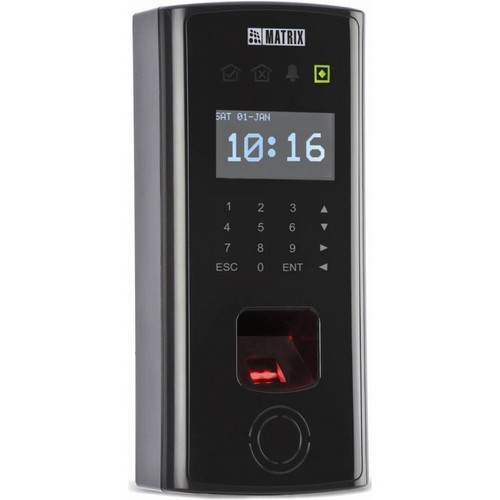
Matrix: Comprehensive and Integrated Security
Matrix Comsec is a prominent provider of enterprise-grade security and telecom solutions, offering a comprehensive suite of Access Control systems that are known for their scalability, robustness, and integration capabilities.
- Key Features of Matrix Systems:
- Multi-credential support: Offering a wide range of authentication options including face, fingerprint, RFID cards, mobile, PIN, and QR codes.
- Advanced Access Control features: Such as Anti-Passback, 2-Person Rule, First-In User, Blocked Users, Door Auto Re-lock, Guard Tour, and Man-Trap.
- Centralized monitoring and control: Enabling administrators to manage and monitor the entire system from a single interface.
- Seamless integration: Designed for easy integration with fire alarm systems, video surveillance, and other security infrastructure.
- Web-based software: User-friendly interface for independent operation and easy management.
- High scalability and reliability: Suitable for both small and large-scale deployments, ensuring consistent performance.
- Instant notifications: Real-time SMS and email alerts for any access policy violations.
ZKTeco: Accessible and Innovative Solutions
ZKTeco is a globally recognized provider of security and time management solutions, offering a broad range of Access Control products that are both innovative and cost-effective, making advanced security accessible to a wider market.
- Key Features of ZKTeco Systems:
- Diverse product line: Including standalone biometric devices (fingerprint, face, hybrid biometric), multi-door controllers, and a variety of readers (RFID, USB, biometric, long-distance UHF).
- Integrated solutions: Supplying all necessary integration tools and SDKs for comprehensive solutions.
- Suitable for various scales: From small single sites to complex multi-site networks.
- Entrance control solutions: Offering pedestrian products like tripod turnstiles, swing barriers, and full-height turnstiles, as well as vehicle control solutions like parking barriers and license plate recognition.
- User-friendly software and mobile apps: For hassle-free access control management.
- Continuous innovation: With a strong R&D team focused on designing bespoke solutions for a full spectrum of access and security requirements.
By leveraging the strengths of these industry leaders, Axle Systems ensures that our clients in Qatar receive Access Control solutions that are not only technologically advanced but also highly reliable and secure.
Why Choose Axle Systems for Your Access Control Needs in Qatar?
- Local Expertise: We possess an in-depth understanding of the Qatari market, its unique security challenges, and regulatory requirements.
- Comprehensive Solutions: From initial consultation and system design to installation, integration, and ongoing maintenance, we offer end-to-end services.
- Proven Track Record: As an ISO 9001-2008 certified company since 2012, we have a strong reputation for delivering high-quality security systems.
- Certified Professionals: Our team comprises highly trained and experienced technicians dedicated to providing professional and efficient service.
- Leading Brands: We partner with the world’s most trusted Access Control brands, guaranteeing cutting-edge technology and superior performance.
- Customer-Centric Approach: We prioritize understanding your specific needs to provide customized solutions that align perfectly with your business objectives and budget.
- 24/7 Support: Our commitment extends beyond installation, with reliable support and maintenance services to ensure the continuous operation of your security system.
Contact Axle Systems Today!
Ready to elevate your security posture with a state-of-the-art Access Control system? Contact Axle Systems today for a free consultation and quote. Our experts are ready to discuss your requirements and design the perfect solution for your premises in Qatar.
Axle Systems WLL
Address: P.O. Box 200081, Al Khalidiya Street, Najma Doha, Qatar
Phone: +974 4468 2391
Email: info@axlesys.com
Website: www.axlesys.com
Common FAQs about Access Control
Here are some frequently asked questions about Access Control systems:
Q1: What is the primary purpose of an Access Control system?
A1: The primary purpose is to restrict unauthorized access to specific areas or resources while allowing authorized individuals to enter. It enhances security, improves accountability, and provides valuable data on who accessed what and when.
Q2: How does an Access Control system work?
A2: An Access Control system typically involves credentials (e.g., cards, biometrics), readers, a control panel, and management software. A user presents their credential to a reader, which communicates with the control panel. The control panel verifies the credential against a database of authorized users and permissions. If authorized, it signals the electronic lock to open; otherwise, access is denied.
Q3: What are the different types of Access Control systems?
A3: There are generally three main types:
- Discretionary Access Control (DAC): The owner of a resource can grant or deny access to other users.
- Mandatory Access Control (MAC): Access is based on security labels assigned to subjects (users) and objects (resources) by a central authority.
- Role-Based Access Control (RBAC): Access permissions are tied to user roles (e.g., “Manager,” “Employee,” “Visitor”) rather than individual users, simplifying management.
Q4: Can Access Control systems be integrated with other security systems?
A4: Absolutely. Modern Access Control systems are designed for seamless integration with CCTV surveillance, alarm systems, time and attendance software, visitor management systems, and even building management systems (BMS) for a unified security and operational platform.
Q5: What happens if there’s a power outage? Will the system still work?
A5: Reputable Access Control systems come with battery backup units to ensure continued operation during power outages. Depending on the system configuration, electric locks can be “fail-safe” (unlocks during power failure, common for emergency exits) or “fail-secure” (remains locked during power failure, common for high-security areas like server rooms).
Q6: Are biometric Access Control systems truly secure?
A6: Biometric systems offer a high level of security as they rely on unique biological characteristics that are difficult to replicate or steal. Advanced biometric technologies also incorporate anti-spoofing measures to prevent fraudulent access attempts using fake fingerprints or facial masks.
Q7: How often do I need to update my Access Control system software?
A7: Regular software updates are crucial for maintaining optimal performance, addressing security vulnerabilities, and accessing new features. Axle Systems provides guidance and support for keeping your system software up-to-date.
Q8: Can I manage my Access Control system remotely?
A8: Many modern Access Control systems offer web-based interfaces and mobile applications that allow administrators to manage and monitor the system remotely from any internet-connected device.
Q9: What is Anti-Passback, and why is it important?
A9: Anti-Passback is a security feature that prevents a user from re-entering an area without first exiting. It ensures that a credential used for entry cannot be immediately passed to another person for unauthorized entry, preventing “tailgating” and improving the accuracy of occupancy counts.
Q10: What kind of maintenance does an Access Control system require?
A10: Regular maintenance typically involves checking hardware components (readers, locks, wiring), ensuring software updates are applied, verifying database integrity, and cleaning biometric sensors. Axle Systems offers comprehensive maintenance plans to keep your system running smoothly.
Q11: How do Access Control systems handle visitors?
A11: Modern systems integrate with visitor management solutions. Visitors can be pre-registered or registered on arrival, issued temporary access credentials (e.g., QR codes, temporary cards), and their access rights can be limited by time and specific areas.
Q12: Is it possible to integrate Access Control with time and attendance?
A12: Yes, this is a very common and beneficial integration. When employees use their access credentials to enter and exit, the system can automatically log their work hours, simplifying payroll and HR processes.
Q13: What is the difference between physical and logical access control?
A13:
- Physical Access Control deals with restricting access to physical locations, such as buildings, rooms, or specific areas, using devices like card readers, biometric scanners, and electronic locks.
- Logical Access Control deals with restricting access to digital resources, such as computer networks, databases, software applications, and files, typically through usernames, passwords, and other authentication methods.
Q14: How does an Access Control system help with compliance?
A14: Many industry regulations and standards (e.g., HIPAA, PCI DSS, GDPR) mandate strict access control measures and audit trails. An Access Control system helps organizations meet these compliance requirements by providing detailed logs of access events and enforcing defined security policies.
Q15: Can Access Control systems be customized for specific business needs?
A15: Absolutely. Access Control systems are highly customizable. Axle Systems works closely with clients to understand their unique operational flows and security concerns, then designs a system with tailored access levels, schedules, reporting, and integration points.
Conclusion
In a security-conscious environment like Qatar, Access Control Systems are not just a luxury—they’re a necessity. Whether you’re managing a small office or a large industrial complex, the right access control solution offers unparalleled safety, efficiency, and control.
Axle Systems is proud to be at the forefront of this transformation, helping organizations across Qatar secure their facilities with reliable, modern, and fully integrated access control systems. Partner with us to take your security to the next level.
