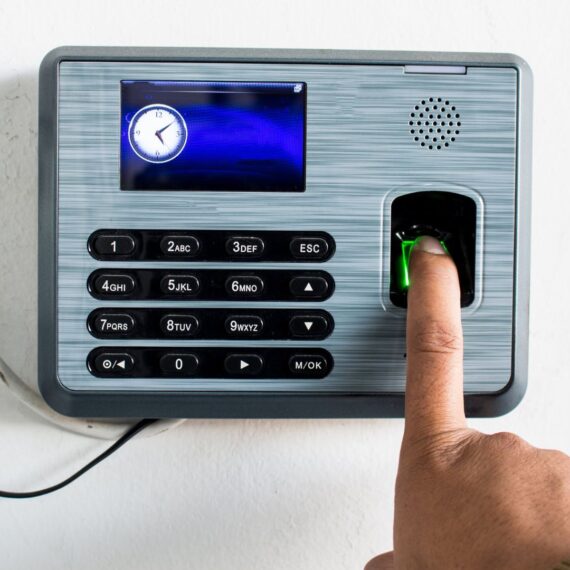

Access Control for Banks in Qatar
In Qatar’s rapidly evolving financial landscape, banks face increasing challenges in safeguarding sensitive data, ensuring regulatory compliance, and maintaining operational efficiency. Access control systems have become integral to addressing these challenges, offering robust security solutions tailored to the unique needs of the banking sector.
The Importance of Access Control for Banks in Qatar
Access control for Banks in Qatar are designed to regulate who can enter or exit specific areas within a building, ensuring that only authorized personnel have access to sensitive zones. In the context of banks, these systems are crucial for:
- Protecting Sensitive Areas: Restricting access to vaults, server rooms, and other high-security areas to authorized personnel only.
- Ensuring Regulatory Compliance: Adhering to Qatar Central Bank (QCB) regulations and international standards for data protection and security.
- Enhancing Operational Efficiency: Streamlining employee access and reducing administrative overhead.
- Preventing Unauthorized Access: Mitigating risks associated with unauthorized entry and potential security breaches

Benefits of Access Control for Banks in Qatar
Banks are high-risk environments where both physical and digital security are crucial. Access Control for Banks in Qatar are not just a tool—they are a strategic investment that enhances security, compliance, and efficiency. Below is a detailed overview of the key benefits of implementing Access Control for Banks in Qatar:
1. Enhanced Physical Security
Physical security is the cornerstone of any bank’s safety strategy. Access Control for Banks in Qatar help ensure that only authorized personnel can enter sensitive areas, such as:
- Vaults and Cash Handling Areas – Restricting access prevents theft or mishandling of cash.
- Server Rooms and IT Infrastructure – Protecting critical IT assets, preventing data breaches.
- Administrative Offices – Limiting access ensures sensitive documents are not compromised.
Modern systems use technologies such as biometric authentication, smart cards, and multi-factor verification to create multiple layers of protection. By controlling access based on roles and responsibilities, banks can significantly reduce security incidents and unauthorized access attempts.
2. Regulatory Compliance
Banks in Qatar are required to comply with strict regulations set by the Qatar Central Bank (QCB) and other authorities. These include:
- Data Protection Standards – Securing sensitive financial and customer data.
- Audit Requirements – Ensuring accountability for all physical and digital access.
Access Control for Banks in Qatar provide detailed logs of who enters and exits critical areas, when they do so, and under which authorization level. These logs can be used for audits, investigations, or compliance reporting, making it easier for banks to meet regulatory standards and avoid penalties.
3. Operational Efficiency
Access Control for Banks in Qatar streamline everyday operations and reduce administrative overhead. Key operational benefits include:
- Automated Access Management – Grant or revoke access remotely without manual intervention.
- Time-based Permissions – Set access schedules for employees, contractors, and temporary staff to ensure areas are accessible only when needed.
- Reduced Paperwork – Replace traditional key management systems, which can be time-consuming and error-prone.
For example, a bank branch manager can instantly deactivate an employee’s access upon termination or adjust access levels for temporary project staff without waiting for security personnel.
4. Real-Time Monitoring and Alerts
Integrated Access Control for Banks in Qatar enables continuous monitoring of bank premises. This brings several advantages:
- Immediate Detection of Unauthorized Access – Security staff are instantly notified if someone tries to access restricted areas.
- Proactive Threat Management – Alerts allow quick action to prevent potential breaches.
- Integration with CCTV – Real-time camera feeds can be linked to access events for better situational awareness.
For instance, if someone attempts to enter the server room outside of authorized hours, security personnel can respond immediately, potentially preventing data theft or sabotage.
5. Scalability and Flexibility
As banks expand, Access Control for Banks in Qatar can grow with them. These systems offer:
- Branch Expansion Support – Easily integrate new branches or facilities into the existing security network.
- Customizable Access Levels – Assign unique access rights based on roles, departments, or project needs.
- Integration with Other Security Systems – Works alongside CCTV, alarm systems, visitor management solutions, and even cybersecurity platforms.
This flexibility ensures that banks can maintain consistent security standards across multiple locations while adapting to changing operational requirements.
6. Employee Accountability
Access Control for Banks in Qatar increase accountability among staff. By tracking access activity:
- Employees are more cautious – Knowing that access is monitored encourages compliance with security policies.
- Internal Investigations are Simplified – Logs provide a clear record of personnel movements, aiding investigations of any incidents or discrepancies.
- Performance Insights – Banks can analyze employee access patterns for operational improvements, such as staffing optimization during peak hours.
7. Reduced Risk of Loss or Theft
Banks deal with high-value assets, both physical and digital. By implementing Access Control for Banks in Qatar:
- Theft Reduction – Restricting access to vaults, cash handling, and IT rooms reduces opportunities for internal and external theft.
- Fraud Prevention – Only authorized personnel can access sensitive information or perform high-risk transactions.
- Protection Against Insider Threats – Monitoring ensures that employees cannot bypass security measures unnoticed.
8. Improved Customer Confidence
Security isn’t just about protecting the bank—it also protects the customers’ trust. When clients know that a bank has advanced Access Control for Banks in Qatar in place:
- They feel safe depositing money or using banking services.
- Trust in the bank’s brand increases, which can translate into long-term customer loyalty.


Key Features of Access Control for Banks in Qatar
A robust Access Control for Banks in Qatar is more than just a set of locks and cards—it is an integrated security solution that ensures only authorized personnel can access sensitive areas while maintaining operational efficiency. Banks, with their high-value assets, sensitive customer information, and regulatory obligations, require advanced features to secure their premises effectively. Below is an expanded overview of the key features that modern Access Control for Banks in Qatar:
1. Biometric Authentication
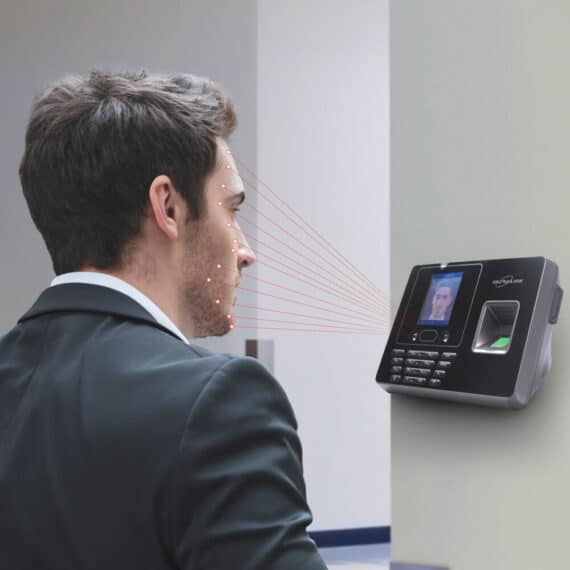
Biometric authentication is one of the most secure and reliable methods of Access Control for Banks in Qatar. This feature uses unique physiological characteristics to verify identity, making it virtually impossible for unauthorized personnel to gain entry. Common biometric methods include:
- Fingerprint Recognition – Fast, accurate, and widely used for controlling access to vaults, server rooms, and employee areas.
- Facial Recognition – Provides touchless access, ideal for high-traffic areas such as main entrances and ATMs.
- Iris and Retina Scanning – Offers an ultra-secure option for top-priority zones like cash vaults or sensitive IT facilities.
Benefits for banks: Prevents identity fraud, eliminates the risk of lost or stolen access cards, and ensures only authorized employees can enter restricted areas.
2. RFID and Smart Card Access
RFID (Radio Frequency Identification) and smart cards remain one of the most convenient ways to manage access across multiple branches:
- Proximity Cards – Employees can gain quick access by waving their cards near the reader.
- Multi-Level Access – Cards can be programmed with different access privileges depending on the user’s role or department.
- Integration with Other Systems – Cards can also function as employee ID, time attendance, and cafeteria access.
Benefits for banks: Offers a balance between security and convenience, easy to replace lost cards, and scalable across multiple branches.
3. PIN and Password-Based Access
PIN codes provide an additional layer of security, often used in combination with other authentication methods (multi-factor authentication):
- Individual PINs – Assign unique codes to employees to track their activity accurately.
- Temporary PINs – Issue short-term codes for contractors, auditors, or temporary staff.
- Time-Limited Access – Restrict access outside of work hours for enhanced security.
Benefits for banks: Adds a flexible security layer, allows for temporary access without issuing new cards, and reduces the risk of unauthorized entry.
4. Time-Based and Role-Based Access Control for Banks in Qatar
Modern access systems allow banks to configure access permissions based on employee roles and working hours:
- Role-Based Access – Assign access according to job functions; for example, only cashiers can access cash counters, while IT staff access server rooms.
- Time-Based Access – Limit entry to specific time frames, such as banking hours or shift schedules.
- Automated Revocation – System automatically disables access for terminated employees or expired temporary passes.
Benefits for banks: Enhances security by ensuring personnel only access areas necessary for their duties and prevents unauthorized access during off-hours.
5. Audit Trails and Reporting
An essential feature of any bank-grade Access Control for Banks in Qatar is the ability to generate comprehensive logs:
- Event Logs – Records who accessed which area and at what time.
- Incident Reports – Detects suspicious or repeated failed access attempts.
- Compliance Reports – Provides audit-ready documentation for regulatory authorities like the Qatar Central Bank.
Benefits for banks: Helps in forensic investigations, meets compliance requirements, and improves internal accountability.
6. Remote and Centralized Management
With multiple branches, centralized management is crucial for efficient operation:
- Web-Based Dashboards – Admins can monitor and control access across all branches from a single interface.
- Mobile Management – Supervisors can grant or revoke access on the go.
- Real-Time Notifications – Instant alerts for unauthorized access attempts, system malfunctions, or emergencies.
Benefits for banks: Reduces administrative workload, improves response times, and allows seamless management of multi-branch networks.
7. Integration with Security Ecosystem
Modern Access Control for Banks in Qatar can be integrated with other bank security infrastructure:
- CCTV and Surveillance Systems – Link access events to camera footage for real-time verification.
- Alarm Systems – Trigger alarms in case of unauthorized entry attempts.
- Visitor Management Systems – Automate visitor check-ins and link them to temporary access permissions.
- Time and Attendance Systems – CombineAccess Control for Banks in Qatar with payroll management for operational efficiency.
Benefits for banks: Provides a comprehensive, layered security solution, improves threat detection, and simplifies overall management.
8. Scalable and Future-Ready Design
As banks expand or upgrade operations, their Access Control for Banks in Qatar should adapt:
- Modular Architecture – Add new devices, readers, or software modules as needed.
- Cloud Integration – Store access logs securely in the cloud for easy retrieval.
- Support for Emerging Technologies – Future-proof systems can adopt mobile credentials, AI-based monitoring, or advanced biometrics.
Benefits for banks: Ensures long-term ROI, accommodates growth, and keeps the bank at the forefront of security technology.
9. Emergency and Lockdown Features
Safety during emergencies is critical for banks:
- Emergency Lockdown – Instantly secures the entire facility during a threat.
- Safe Exit Paths – Emergency exits remain functional without compromising security.
- Integration with Alarm Systems – Automated alerts to security personnel and authorities.
Benefits for banks: Protects employees, customers, and assets during emergencies, and ensures compliance with safety regulations.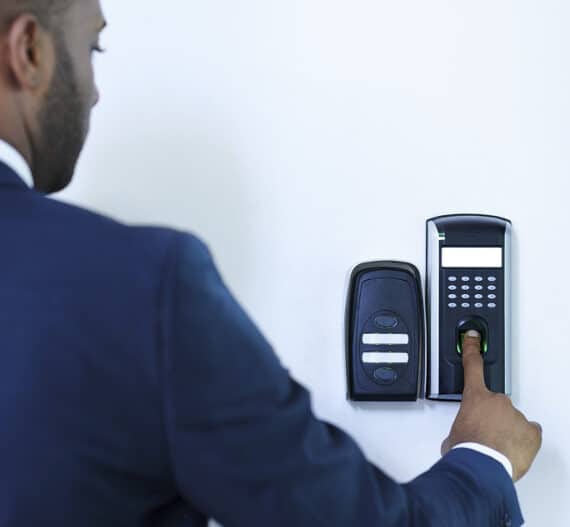
Applications of Access Control for Banks in Qatar
Access Control for Banks in Qatar are versatile tools that provide security and operational efficiency in multiple areas of a bank. From branch entrances to back-office operations, these systems help banks protect assets, ensure compliance, and streamline workflows. Here is a detailed look at how Access Control for Banks in Qatar is applied across banking operations in Qatar:
1. Branch Entrances
The main entrance of a bank is the first line of defense against unauthorized access. Access Control for Banks in Qatar at this level ensures:
- Controlled Entry: Only authorized staff and verified visitors can enter the premises.
- Visitor Management: Temporary visitor passes can be issued with restricted access to non-sensitive areas.
- Customer Flow Management: Integration with turnstiles or flap barriers helps monitor and manage customer traffic efficiently.
2. ATM Rooms and Cash Handling Areas
ATM maintenance rooms and cash handling areas are prime targets for theft or tampering. Access Control for Banks in Qatar ensures:
- Restricted Access: Only trained and authorized personnel can enter these areas.
- Activity Logging: Every entry is logged with time, date, and personnel information.
- Emergency Alerts: Any unauthorized attempt triggers instant alerts to security teams.
3. Server Rooms and IT Infrastructure
Banks rely heavily on digital systems, making server rooms and data centers highly sensitive areas. Access Control for Banks in Qatar provides:
- Layered Security: Biometric scanners and RFID access prevent unauthorized personnel from entering server rooms.
- 24/7 Monitoring: Integrated with surveillance systems to detect any suspicious activity.
- Regulatory Compliance: Maintains audit trails to comply with Qatar Central Bank (QCB) data security standards.
4. Cash Vaults and Safe Deposit Areas
Cash vaults and safe deposit boxes are the most critical areas in banks. Access Control for Banks in Qatar ensures:
- Dual Authentication: Requiring multiple authorization methods, such as a smart card and a PIN or biometric verification, for enhanced security.
- Time-Based Restrictions: Access is only allowed during specified banking hours or when both authorized personnel are present.
- Audit Trail Logging: Every access attempt is recorded for accountability and investigation purposes.
5. Employee Workstations and Office Areas
Access Control for Banks in Qatar extends beyond high-security areas to ensure operational integrity:
- Role-Based Access: Employees only access areas relevant to their role, preventing accidental or intentional breaches.
- Sensitive Document Protection: Only authorized personnel can enter areas storing sensitive financial records.
- Integration with Time Attendance Systems: Access logs can be linked to attendance and payroll management.
6. Meeting Rooms and Executive Areas
Executive offices and high-level meeting rooms require controlled access due to sensitive discussions and decision-making:
- Scheduled Access: Access can be restricted to scheduled meetings only.
- Temporary Credentials: Visitors or consultants can be granted temporary access for specific time frames.
- Security Monitoring: Integration with surveillance ensures transparency and accountability.
7. Back-Office and Operations Rooms
These areas are critical for daily operations and house important banking systems:
- Restricted Entry: Only operations managers and designated staff have access.
- Operational Security: Protects sensitive information, transaction processing systems, and confidential banking operations.
- Incident Logging: Tracks and logs all access events to prevent internal misuse.
8. Integration with Emergency and Safety Systems
Access Control for Banks in Qatar also play a key role in emergency management:
- Emergency Lockdowns: Quickly restricts access to secure areas during a security threat.
- Evacuation Management: Ensures emergency exits are accessible while preventing unauthorized entry.
- Alert Mechanisms: Sends notifications to security teams and management in case of unusual activity.
9. Visitor and Contractor Management
Banks frequently host contractors, auditors, or service personnel. Access Control for Banks in Qatar ensures:
- Temporary Access: Contractors receive limited-time credentials to access only necessary areas.
- Monitoring and Logging: Tracks all visitor activity within the premises.
- Accountability: Ensures no unauthorized movement during the visit.
10. Multi-Branch and Centralized Management
For banks with multiple branches, centralized Access Control for Banks in Qatar allows:
- Remote Administration: Centralized monitoring of all branch access points.
- Consistent Security Policies: Standardized access levels across all branches.
- Branch Expansion Readiness: New branches can be easily integrated into the existing Access Control for Banks in Qatar network.

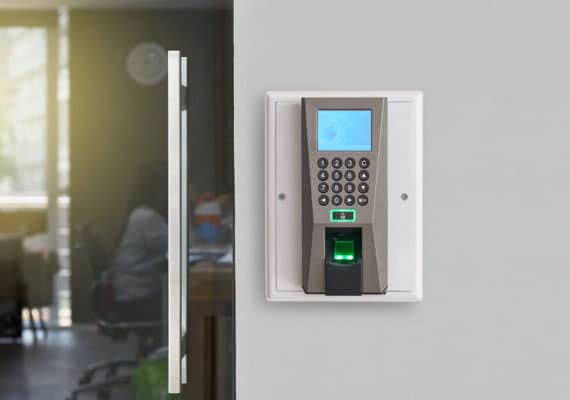
Axle Systems: Your Trusted Access Control for Banks in Qatar
Axle Systems is a leading provider of Access Control for Banks in Qatar, offering a wide range of products and services tailored to the banking sector. With over 12 years of experience and ISO certification, Axle Systems delivers high-quality security solutions, including installation, integration, and maintenance services.
Why Choose Axle Systems?
- Expertise and Experience: Over a decade of experience in providing security solutions in Qatar.
- Comprehensive Solutions: Offering a wide range of products and services to meet the unique needs of banks.
- Trusted Brands: Partnering with world-renowned brands such as Suprema, Matrix, and ZKTeco to provide cutting-edge technology .
- Customer-Centric Approach: Providing tailored solutions and exceptional customer service.
Contact Axle Systems
- Phone: +974 4468 2391 / +974 7744 3731
- Email: info@axlesys.com
- Website: www.axlesys.com
- Location: P.O. Box 200081 Al Khalidiya Street, Najma, Doha, Qatar
Frequently Asked Questions (FAQs)
- What types of access control systems are suitable for banks in Qatar?
Banks in Qatar can benefit from biometric authentication systems, RFID card readers, and PIN-based Access Control for Banks in Qatar. The choice depends on the specific security requirements and budget considerations.
- How can access control systems help in regulatory compliance?
Access Control for Banks in Qatar provides audit trails, real-time monitoring, and secure access management, helping banks comply with regulations set by the QCB and international standards .
- Can Access Control for Banks in Qatar be integrated with other security systems?
Yes, modern Access Control for Banks in Qatar can be integrated with CCTV cameras, alarm systems, and other security infrastructure to provide a comprehensive security solution.
- Are access control systems scalable?
Absolutely. Access control systems can be scaled to accommodate the growing needs of banks, whether expanding to new branches or increasing the number of employees.
- What is the role of Axle Systems in providing access control solutions?
Axle Systems offers a wide range of Access Control for Banks in Qatar solutions, including installation, integration, and maintenance services. They partner with leading brands to provide cutting-edge technology tailored to the banking sector.
Conclusion
Implementing a robust Access Control for Banks in Qatar to enhance security, ensure regulatory compliance, and improve operational efficiency. Partnering with a trusted provider like Axle Systems ensures that banks receive tailored solutions that meet their unique needs. With their expertise and commitment to quality, Axle Systems is well-equipped to support banks in securing their premises and assets.
For more information or to discuss your specific requirements, contact Axle Systems today.