

Smart Washroom Management by Axle Systems
Modern facilities are evolving rapidly. From smart buildings and intelligent lighting systems to automated HVAC controls and IoT-based security platforms, technology is transforming the way commercial spaces operate. One area that has seen major innovation in recent years is Smart Washroom Management. Traditional washroom maintenance methods are no longer enough for high-traffic environments where cleanliness, hygiene, sustainability, operational efficiency, and customer experience are critical.
Smart Washroom Management is an advanced, technology-driven approach that uses IoT sensors, real-time monitoring, analytics, automation, and digital facility management tools to improve washroom operations. It allows facility managers to move from reactive maintenance to proactive, data-driven management.
As businesses increasingly prioritize hygiene standards, sustainability initiatives, and operational efficiency, smart washroom systems have become essential for airports, malls, hospitals, hotels, offices, schools, stadiums, and public facilities.
Axle Systems is a supplier of advanced Smart Washroom Management Solutions in Qatar, offering innovative technologies from VERTECO, a leading provider of Smart Washroom Management and intelligent facility solutions across the Middle East.
What is Smart Washroom Management?
Smart Washroom Management refers to the use of intelligent technologies to monitor, control, and optimize washroom operations in real time. These systems use connected sensors, cloud platforms, analytics dashboards, occupancy monitoring, consumable tracking, and automated alerts to help facility managers maintain high hygiene standards while reducing operational costs.
Modern Smart Washroom Management can monitor:
- Occupancy levels
- Cubicle availability
- Footfall data
- Soap and tissue levels
- Waste bin levels
- Air quality
- Temperature and humidity
- Water usage
- Leak detection
- Cleaning schedules
- User feedback
- Maintenance requirements
According to VERTECO Smart Washroom Management, smart washroom platforms combine IoT environmental and operational sensors with digital dashboards to provide real-time visibility into washroom performance and hygiene management.
The goal is simple: improve user experience, reduce waste, optimize cleaning operations, and create safer, cleaner, and more sustainable washroom environments.
Why Smart Washroom Management Matters
Washrooms are among the most frequently used spaces in commercial buildings. Poorly maintained washrooms negatively affect customer satisfaction, employee morale, brand image, and hygiene standards.
Traditional washroom management relies heavily on manual inspections and fixed cleaning schedules. These methods often lead to:
- Over-cleaning during low usage periods
- Under-cleaning during peak traffic hours
- Wasted consumables
- Increased labor costs
- Delayed maintenance response
- Poor hygiene standards
- Customer complaints
- Water wastage
Smart Washroom Management solves these challenges by using real-time data and predictive analytics.
Research and industry case studies from VERTECO highlight that IoT-enabled smart washroom technologies improve operational efficiency, optimize manpower allocation, reduce resource wastage, and enhance customer satisfaction through data-driven decision making.
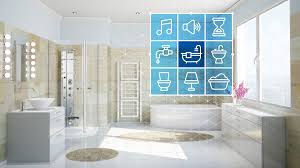
Key Features of Smart Washroom Management Systems
Smart Washroom Management Systems are built around advanced IoT technologies, intelligent analytics, automation, and real-time monitoring tools that help facility managers maintain superior hygiene standards while improving operational efficiency. Unlike traditional washroom maintenance methods that rely heavily on manual inspections and fixed cleaning schedules, smart systems use real-time data to optimize every aspect of washroom operations.
Modern facilities such as airports, hospitals, shopping malls, corporate offices, hotels, schools, and entertainment venues are increasingly adopting smart washroom technologies to improve cleanliness, sustainability, customer satisfaction, and workforce productivity.
Below is a detailed explanation of the major features of Smart Washroom Management Systems.
1. Real-Time Occupancy Monitoring
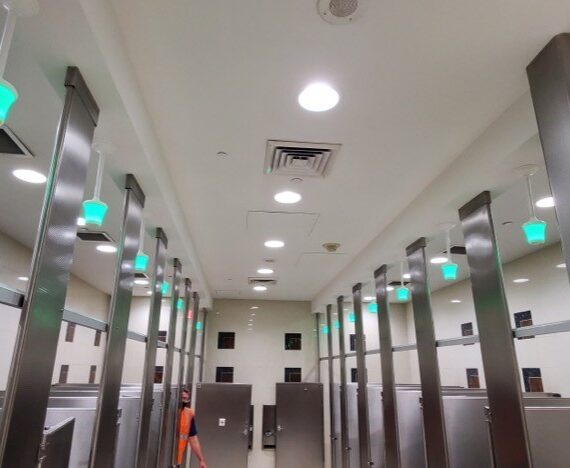
One of the most important features of Smart Washroom Management is occupancy monitoring. Smart occupancy sensors are installed at washroom entrances, cubicles, urinals, and handwashing areas to monitor restroom usage in real time.
These sensors provide accurate information about:
- Number of users inside the washroom
- Cubicle occupancy status
- Queue management
- Peak usage hours
- Footfall trends
- Visitor frequency
- User movement patterns
Real-time occupancy monitoring allows facility managers to understand exactly how washrooms are being used throughout the day.
Benefits of Occupancy Monitoring
Improved User Experience
Users can easily identify available cubicles without unnecessary waiting. In high-traffic facilities such as airports and malls, this significantly improves customer satisfaction.
Better Cleaning Management
Cleaning teams can prioritize heavily used washrooms instead of following inefficient fixed schedules.
Reduced Congestion
Smart occupancy systems help reduce crowding during busy periods.
Enhanced Facility Planning
Long-term occupancy data helps organizations optimize restroom layouts and infrastructure planning.
Emergency Monitoring
Occupancy systems can also support emergency evacuation management by identifying occupied areas during emergencies.
VERTECO Smart Washroom Management use advanced occupancy monitoring systems to help facilities improve operational visibility and customer comfort.
2. Smart Consumable Level Monitoring
Traditional washroom maintenance requires staff to manually inspect soap dispensers, tissue holders, paper towel dispensers, and sanitary bins multiple times daily. This process is time-consuming and inefficient.
Smart consumable monitoring automates this entire process.
IoT-enabled sensors continuously monitor:
- Soap dispenser levels
- Toilet tissue levels
- Paper towel availability
- Sanitary bin capacity
- Waste bin fill levels
- Hand sanitizer levels
When supplies run low, automated alerts are sent instantly to cleaning staff or facility management teams.
Advantages of Smart Consumable Monitoring
Prevents Empty Dispensers
Washroom users always have access to essential hygiene supplies.
Reduces Staff Workload
Maintenance teams no longer need to perform unnecessary manual inspections.
Minimizes Consumable Waste
Supplies are replenished only when required.
Improves Hygiene Standards
Continuous availability of soap and tissue supports better hygiene practices.
Optimizes Inventory Management
Facilities can better forecast consumable usage and reduce unnecessary stockholding.
This feature is especially useful in large facilities where washrooms are spread across multiple floors or buildings.
3. Intelligent Cleaning Management
Traditional washroom cleaning often follows fixed schedules regardless of actual usage. This creates operational inefficiencies because some washrooms may be cleaned unnecessarily while others become overcrowded and unhygienic between scheduled visits.
Smart Washroom Management introduces intelligent cleaning management based on real-time data.
How Intelligent Cleaning Works
The system collects data from:
- Occupancy sensors
- Footfall counters
- Consumable monitoring devices
- User feedback systems
- Air quality sensors
Based on this information, cleaning tasks are automatically generated and prioritized.
Features of Intelligent Cleaning Systems
Dynamic Cleaning Schedules
Cleaning frequency is adjusted according to actual restroom usage.
Automated Staff Notifications
Cleaning teams receive instant alerts when washrooms require attention.
Digital Task Assignment
Supervisors can assign tasks electronically to available staff members.
Cleaning Verification
Staff can digitally confirm completed cleaning activities.
Performance Tracking
Managers can monitor response times, cleaning frequency, and staff productivity.
Audit Trails
Digital records help maintain compliance with hygiene and facility management standards.
Benefits of Smart Cleaning Management
- Faster cleaning response
- Reduced labor costs
- Improved hygiene
- Better workforce efficiency
- Increased accountability
- Enhanced customer satisfaction
This data-driven cleaning model is becoming increasingly popular in airports, hospitals, and shopping malls where restroom traffic fluctuates throughout the day.
4. Air Quality Monitoring Systems
Washroom air quality significantly affects user comfort and perception of cleanliness. Even visually clean washrooms can create negative experiences if air quality is poor.
Smart Washroom Management systems include environmental monitoring sensors that continuously analyze air conditions.
Parameters Monitored
- Temperature
- Humidity
- Carbon dioxide (CO2)
- Ammonia
- Volatile Organic Compounds (VOCs)
- Odor levels
- Airborne contaminants
Benefits of Air Quality Monitoring
Better User Comfort
Maintains a fresh and comfortable restroom environment.
Improved Hygiene
Poor air quality may indicate sanitation issues that require immediate attention.
Automated Ventilation Control
Ventilation systems can automatically adjust based on sensor readings.
Energy Efficiency
HVAC systems operate more efficiently through intelligent environmental control.
Health and Safety
Maintains healthier indoor air quality in public facilities.
Smart environmental monitoring is especially important in healthcare facilities, airports, hotels, and commercial buildings.
5. Water Usage Monitoring and Leak Detection
Water management is a major concern for modern facilities. Smart Washroom Management are among the largest consumers of water in commercial buildings.
Smart Washroom Management systems include advanced water monitoring technologies that help organizations reduce water wastage and improve sustainability.
Water Monitoring Features
Real-Time Water Usage Tracking
The system monitors total water consumption continuously.
Leak Detection
Sensors detect abnormal water flow patterns that may indicate leaks.
Flush Monitoring
Tracks flush frequency and water usage.
Tap Usage Analytics
Monitors handwashing station usage.
Overflow Detection
Identifies drainage problems before serious damage occurs.
Benefits of Smart Water Management
Reduced Water Waste
Early leak detection prevents major water loss.
Lower Utility Costs
Optimized water consumption reduces operational expenses.
Sustainability Compliance
Supports environmental and ESG goals.
Preventive Maintenance
Identifies plumbing issues before they become critical.
Better Resource Planning
Provides detailed consumption analytics for facility management.
Many organizations are now adopting smart water management systems as part of their sustainability initiatives.
6. User Feedback and Satisfaction Monitoring
Customer satisfaction is an essential part of facility management. Smart Washroom Management systems now include digital feedback tools that allow users to report issues instantly.
These systems often use touchscreen feedback terminals placed near washroom exits.
Common Feedback Options
- Cleanliness rating
- Odor complaints
- Supply shortages
- Equipment malfunction reports
- Maintenance requests
- Overall user satisfaction
Advantages of User Feedback Systems
Immediate Problem Identification
Facility teams can respond quickly to complaints.
Improved Service Quality
Managers gain direct insights into customer experiences.
Data-Driven Improvements
Feedback trends help identify recurring operational issues.
Increased Accountability
Maintenance teams can track and resolve issues efficiently.
Enhanced Customer Experience
Users feel their concerns are acknowledged and addressed.
Feedback systems are commonly used in airports, malls, hospitals, and hotels.
7. Centralized Dashboard and Analytics Platform
A major advantage of Smart Washroom Management is centralized control and visibility.
All washroom data is collected and displayed on intelligent dashboards accessible through computers, tablets, or mobile devices.
Dashboard Features
Real-Time Monitoring
Managers can monitor all washrooms simultaneously.
Occupancy Analytics
Tracks visitor traffic and usage patterns.
Consumable Status
Displays live supply levels.
Cleaning Performance Metrics
Monitors staff response times and cleaning activities.
Water Consumption Reports
Provides sustainability analytics.
Maintenance Alerts
Displays equipment faults and technical issues.
Historical Reporting
Stores long-term operational data for analysis.
Benefits of Centralized Dashboards
Faster Decision-Making
Managers can identify and resolve issues immediately.
Better Operational Visibility
Provides complete oversight across multiple facilities.
Improved Efficiency
Automates reporting and reduces manual administration.
Data-Driven Facility Planning
Supports future operational and infrastructure decisions.
Multi-Site Management
Ideal for organizations managing multiple buildings or locations.
Advanced analytics platforms are transforming the way facility managers operate modern commercial buildings.
8. Predictive Maintenance Technology
Traditional maintenance models are reactive, meaning problems are addressed only after equipment fails. Smart Washroom Management introduces predictive maintenance using IoT sensors and analytics.
Equipment Commonly Monitored
- Flush systems
- Smart taps
- Soap dispensers
- Pumps
- Ventilation systems
- Plumbing infrastructure
- Sensors
- Water lines
How Predictive Maintenance Works
Sensors monitor equipment performance continuously. If abnormal patterns are detected, maintenance alerts are generated before failure occurs.
Benefits of Predictive Maintenance
Reduced Downtime
Equipment issues are resolved before breakdowns occur.
Lower Repair Costs
Minor issues are addressed early.
Improved Reliability
Washrooms remain fully operational.
Better Asset Management
Extends equipment lifespan.
Increased Operational Efficiency
Reduces emergency maintenance incidents.
Predictive maintenance is especially valuable in critical facilities such as airports and hospitals.
Benefits of Smart Washroom Management
Smart Washroom Management is rapidly becoming an essential part of modern facility operations. As organizations focus more on hygiene, sustainability, operational efficiency, and customer satisfaction, traditional washroom maintenance methods are no longer sufficient. Intelligent washroom technologies powered by IoT sensors, automation, real-time monitoring, analytics, and cloud-based management platforms are transforming how facilities manage restrooms.
From airports and shopping malls to hospitals, hotels, offices, schools, and public infrastructure, smart washroom systems provide measurable operational and financial advantages. These systems help organizations improve hygiene standards, reduce costs, optimize manpower, conserve resources, and deliver a better user experience.
Below is a detailed explanation of the major benefits of Smart Washroom Management.
1. Improved Hygiene Standards
One of the biggest advantages of Smart Washroom Management is the significant improvement in hygiene and cleanliness.
Traditional washroom maintenance relies on manual inspections and fixed cleaning schedules. This approach often creates situations where:
- Washrooms remain dirty between scheduled cleanings
- Soap dispensers run empty
- Waste bins overflow
- Odors develop
- High-traffic areas become unhygienic
Smart washroom systems solve these problems through continuous monitoring and real-time alerts.
How Smart Systems Improve Hygiene
Real-Time Monitoring
Sensors continuously monitor washroom conditions, including occupancy, consumable levels, air quality, and waste bin status.
Immediate Maintenance Alerts
When issues are detected, maintenance teams receive instant notifications to take corrective action.
Usage-Based Cleaning
Cleaning schedules are adjusted according to actual restroom usage instead of fixed timing intervals.
Better Infection Control
Touchless technologies reduce physical contact and help minimize the spread of bacteria and viruses.
Continuous Consumable Availability
Soap, tissue, and hand sanitizer levels are monitored automatically to ensure availability at all times.
Importance of Hygiene in Modern Facilities
Hygiene has become one of the most important aspects of facility management, especially after global health concerns increased awareness about sanitation and public health safety.
Facilities with superior washroom hygiene often experience:
- Higher customer satisfaction
- Improved employee confidence
- Better public perception
- Reduced health risks
- Increased operational credibility
Hospitals, airports, shopping malls, schools, and hospitality environments especially benefit from intelligent hygiene management systems.
2. Enhanced User Experience
Washroom cleanliness and functionality have a direct impact on how users perceive a facility. A poorly maintained restroom can negatively affect the reputation of an entire organization.
Smart Washroom Management improves the user experience in multiple ways.
Better Convenience
Occupancy Indicators
Users can easily locate available cubicles without waiting unnecessarily.
Reduced Queue Times
Real-time occupancy monitoring helps manage restroom traffic efficiently.
Continuous Availability of Supplies
Users always have access to soap, tissue, paper towels, and hand sanitizer.
Cleaner Environments
Usage-based cleaning ensures washrooms remain consistently clean even during peak hours.
Better Air Quality
Environmental monitoring improves ventilation and odor control.
Touchless Experience
Modern Smart Washroom Management often include:
- Automatic faucets
- Sensor-based flushing
- Touchless soap dispensers
- Motion-activated lighting
- Automatic doors
These technologies provide a more comfortable and hygienic restroom experience.
Impact on Brand Reputation
The condition of washrooms often reflects the overall quality standards of a facility.
Clean and intelligent washroom environments create positive impressions in:
- Hotels
- Airports
- Shopping malls
- Corporate offices
- Healthcare facilities
- Educational institutions
A superior washroom experience contributes to better customer retention and overall satisfaction.
3. Reduced Operational Costs
Smart Washroom Management helps organizations significantly reduce operational expenses by improving efficiency and minimizing waste.
Traditional facility management methods often lead to unnecessary spending due to inefficient resource allocation.
Smart technologies optimize operations through data-driven management.
Areas Where Costs Are Reduced
Labor Optimization
Cleaning teams are deployed only when required instead of following inefficient fixed schedules.
Reduced Consumable Waste
Soap, tissue, and paper products are replenished based on actual usage levels.
Lower Water Bills
Water monitoring systems identify leaks and excessive consumption.
Reduced Energy Consumption
Smart lighting and ventilation systems operate only when needed.
Preventive Maintenance
Predictive maintenance helps avoid expensive emergency repairs.
Reduced Inspection Costs
Automated monitoring eliminates unnecessary manual inspections.
Long-Term Financial Benefits
Over time, organizations experience:
- Lower maintenance expenses
- Reduced staffing inefficiencies
- Better inventory control
- Extended equipment lifespan
- Reduced utility costs
For large facilities with multiple washrooms, these savings can be substantial.
4. Optimized Workforce Management
Facility management teams often struggle with inefficient staff allocation due to lack of real-time information.
Smart Washroom Management enables organizations to optimize workforce deployment using live operational data.
Intelligent Staff Allocation
Cleaning and maintenance teams receive tasks based on:
- Actual washroom usage
- Occupancy levels
- User complaints
- Consumable shortages
- Maintenance alerts
This ensures that staff resources are used more effectively.
Benefits of Workforce Optimization
Increased Productivity
Staff spend less time performing unnecessary inspections.
Faster Response Times
Teams can respond immediately to actual issues.
Better Accountability
Digital task management systems track cleaning performance.
Improved Staff Efficiency
Workers focus on high-priority tasks instead of routine checks.
Reduced Workload Stress
Data-driven scheduling helps distribute tasks more fairly.
This is particularly beneficial for facilities with large numbers of washrooms spread across multiple buildings or floors.
5. Better Resource Management
Traditional Smart Washroom Management operations often involve significant waste of resources such as water, paper products, soap, electricity, and cleaning chemicals.
Smart systems provide better control and visibility over resource consumption.
Water Conservation
Smart water monitoring helps reduce waste through:
- Leak detection
- Automatic shut-off systems
- Usage analytics
- Flush optimization
- Real-time consumption tracking
Consumable Optimization
Facilities can better manage:
- Tissue paper usage
- Soap consumption
- Paper towel replenishment
- Waste disposal cycles
Energy Efficiency
Smart Washroom Management can reduce energy usage through:
- Motion-activated lighting
- Automated ventilation control
- Intelligent HVAC integration
Benefits of Better Resource Management
- Lower operating costs
- Reduced environmental impact
- Improved sustainability performance
- Better inventory planning
- Reduced waste generation
Efficient resource management supports both financial and environmental goals.
6. Sustainability and Environmental Benefits
Sustainability has become a major priority for governments, businesses, and organizations worldwide.
Smart Washroom Management contributes significantly to environmental conservation efforts.
Environmental Benefits
Reduced Water Waste
Leak detection and smart monitoring help conserve water resources.
Lower Energy Consumption
Automated systems reduce unnecessary electricity usage.
Reduced Paper Waste
Consumable monitoring minimizes excessive paper usage.
Optimized Chemical Usage
Cleaning operations become more targeted and efficient.
Lower Carbon Footprint
Reduced maintenance trips and better operational efficiency decrease environmental impact.
Supporting Green Building Initiatives
Smart Washroom Management support:
- LEED certification goals
- ESG reporting
- Smart city initiatives
- Sustainable infrastructure development
- Environmental compliance standards
Organizations adopting intelligent washroom technologies often improve their sustainability ratings and corporate social responsibility performance.
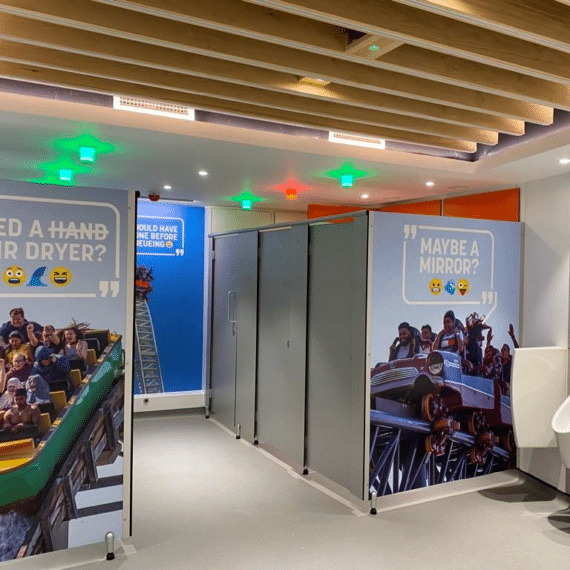
Smart Washroom Management from VERTECO
VERTECO is one of the leading providers of Smart Washroom Management and intelligent water management solutions in the Middle East.
Their solutions include:
- Occupancy sensors
- People counting systems
- Smart dispensers
- Air quality sensors
- Waste monitoring sensors
- Leak detection systems
- Data-driven cleaning technologies
- Smart dashboards
- Water-saving technologies
- Digital workforce management
VERTECO’s solutions are scalable, allowing organizations to start with basic monitoring and gradually expand into fully integrated smart washroom ecosystems.
Their smart platforms are designed for:
- Airports
- Hospitals
- Shopping malls
- Theme parks
- Commercial offices
- Educational institutions
- Large public facilities
Why Choose Axle Systems for Smart Washroom Management?
Axle Systems is a trusted supplier of Smart Washroom Management Solutions in Qatar.
Axle Systems delivers advanced smart facility technologies designed to improve operational efficiency, hygiene standards, sustainability, and customer experience.
As a supplier of VERTECO Smart Washroom Management, Axle Systems provides:
- Smart washroom consultation
- Site assessment
- Product supply
- Installation support
- System integration
- Technical assistance
- After-sales support
- Customized smart washroom solutions
Axle Systems works closely with clients to develop intelligent washroom management systems tailored to their facility requirements and operational goals.
Industries Served by Axle Systems
Axle Systems provides Smart Washroom Management solutions for:
- Airports
- Commercial towers
- Shopping malls
- Hotels
- Hospitals
- Schools
- Universities
- Factories
- Corporate offices
- Government buildings
- Stadiums
- Entertainment venues
Future of Smart Washroom Management
The future of Smart Washroom Management is intelligent, automated, and data-driven.
Emerging trends include:
- AI-powered predictive maintenance
- Advanced analytics
- Touchless technologies
- Smart occupancy guidance
- Integration with building management systems
- Sustainability reporting
- Energy optimization
- Smart cleaning robots
- Mobile facility management apps
As smart cities continue to grow, Smart Washroom Management will become an essential component of intelligent infrastructure.
IoT-enabled environmental monitoring systems and smart facility technologies are already shaping the future of modern buildings and urban infrastructure.
Contact Axle Systems
For Smart Washroom Management Solutions in Qatar
Axle Systems supplies advanced Smart Washroom Management technologies from VERTECO to help organizations improve hygiene, operational efficiency, sustainability, and customer satisfaction.
Contact Information
- Company: Axle Systems
- Website: www.axlesys.com
- Email: info@axlesys.com
- Location: Al Khalidiya Street, Najma, Doha, Qatar
Frequently Asked Questions (FAQ)
What is Smart Washroom Management?
Smart Washroom Management is a technology-driven system that uses IoT sensors, analytics, and automation to monitor and optimize washroom operations in real time.
How does a Smart Washroom System work?
The system uses connected sensors to collect data on occupancy, consumable levels, air quality, water usage, and cleaning requirements. This data is displayed on dashboards and generates automated alerts for maintenance teams.
What are the main benefits of Smart Washroom Management?
Key benefits include:
- Improved hygiene
- Better customer experience
- Reduced operational costs
- Water conservation
- Optimized cleaning schedules
- Real-time monitoring
- Predictive maintenance
Which industries benefit from SSmart Washroom Management?
Industries that benefit include:
- Airports
- Shopping malls
- Hospitals
- Hotels
- Offices
- Schools
- Stadiums
- Public facilities
What is occupancy monitoring in Smart Washroom Management?
Occupancy monitoring uses sensors to track restroom usage and cubicle availability in real time.
Can Smart Washroom Management reduce water usage?
Yes. Smart water monitoring and leak detection technologies help organizations reduce water wastage and improve sustainability.
What are smart consumable monitoring systems?
These systems monitor soap, tissue, and paper towel levels and send alerts when replenishment is required.
How does smart cleaning management improve efficiency?
Cleaning schedules are based on actual usage data rather than fixed timings, improving manpower utilization and reducing unnecessary cleaning operations.
Are Smart Washroom Management suitable for existing buildings?
Yes. Many smart washroom solutions, including VERTECO technologies, are designed for retrofit installations and can be integrated into existing facilities.
What is data-driven cleaning?
Data-driven cleaning uses real-time occupancy and usage data to optimize cleaning schedules and maintenance operations.
How do Smart Washroom Management improve customer satisfaction?
By ensuring cleaner facilities, better odor control, shorter waiting times, and consistently stocked consumables.
What is predictive maintenance in Smart Washroom Management?
Predictive maintenance uses sensor data to identify issues before equipment failure occurs, reducing downtime and repair costs.
Can Smart Washroom Management integrate with Building Management Systems (BMS)?
Yes. Many smart washroom platforms can integrate with existing building management and facility management systems.
Why choose VERTECO Smart Washroom Management?
VERTECO offers scalable, IoT-driven smart washroom solutions focused on sustainability, operational efficiency, hygiene, and customer experience.
Why choose Axle Systems in Qatar?
Axle Systems provides reliable smart washroom solutions, technical expertise, installation support, and advanced VERTECO technologies tailored for the Qatar market.
Conclusion
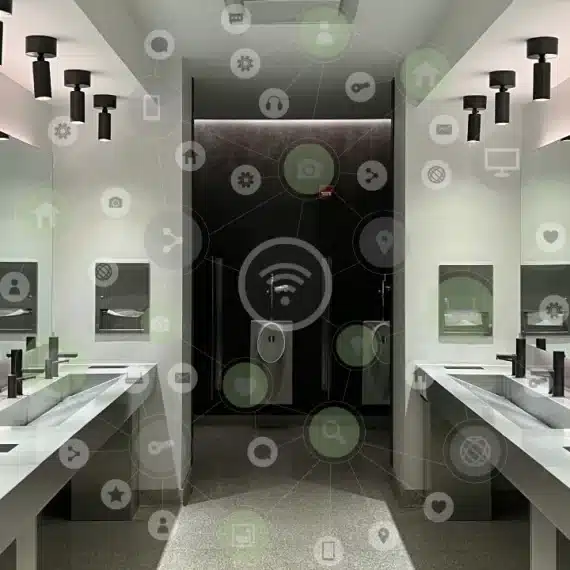
Smart Washroom Management is transforming the future of facility operations. By combining IoT technology, real-time analytics, automation, and intelligent monitoring, organizations can achieve higher hygiene standards, improved operational efficiency, enhanced sustainability, and superior user experience.
As demand for smarter, cleaner, and more sustainable facilities continues to grow, intelligent washroom management systems are becoming an essential part of modern building infrastructure.
With advanced solutions from VERTECO and expert supply and support from Axle Systems, businesses in Qatar can implement future-ready Smart Washroom Management solutions that deliver measurable operational and environmental benefits.