

Access Control Systems in Qatar
In today’s rapidly evolving security landscape, organizations across industries are prioritizing safety, efficiency, and control more than ever before. Traditional lock-and-key systems are no longer sufficient to protect modern workplaces, commercial buildings, residential complexes, and government facilities. This is where Access Control Systems play a critical role.
Access Control Systems are intelligent security solutions designed to regulate who can enter or exit specific areas within a building or facility. These systems use advanced technologies such as RFID cards, biometrics, mobile credentials, PIN codes, and facial recognition to allow only authorized personnel to access restricted areas. They can be installed on doors, gates, elevators, parking areas, and even entire buildings.
Modern Access Control Systems not only enhance security but also improve operational efficiency, provide audit trails, enable remote management, and integrate seamlessly with other security systems such as CCTV, alarm systems, and time attendance solutions.
What is an Access Control Systems?
An Access Control Systems is a security solution that controls entry and exit to physical spaces by allowing only authorized individuals to access certain areas. These systems replace traditional keys with electronic authentication methods such as:
- RFID Cards
- Fingerprint Recognition
- Face Recognition
- PIN Codes
- Mobile Credentials
- Palm Recognition
- Iris Recognition
These authentication methods help organizations control access to sensitive areas such as:
- Offices
- Server Rooms
- Warehouses
- Parking Areas
- Data Centers
- Laboratories
- Government Facilities
- Residential Buildings
Access Control Systems can be configured to allow access based on:
- User identity
- Time schedule
- Department
- Security level
- Location
This ensures maximum security and operational control.
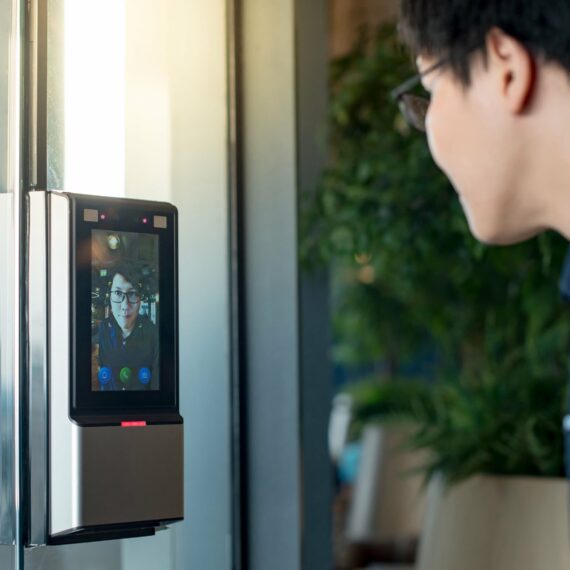
Features of Access Control Systems — Detailed Explanation
Access Control Systems are designed with advanced features that enhance security, improve operational efficiency, and provide full control over facility access. Modern Access Control Systems offered by ZKTeco, HID Global, Suprema, and Honeywell provide powerful functionalities suitable for businesses of all sizes.
Below is a comprehensive breakdown of the key features of Access Control Systems.
1. Real-Time Monitoring
One of the most important features of Access Control Systems is real-time monitoring. This allows administrators and security teams to track activities instantly as they happen.
Real-Time Monitoring Includes:
- Door open/close status
- Unauthorized access attempts
- Door forced open alerts
- Door held open alerts
- Entry and exit logs
- Alarm notifications
For example, if someone tries to force open a restricted door, the system immediately sends an alert to the security team. This helps in quick response and prevents security breaches.
Benefits of Real-Time Monitoring
- Immediate response to threats
- Better security control
- Reduced security risks
- Improved operational visibility
Real-time monitoring is particularly useful in:
- Corporate offices
- Banks
- Hospitals
- Government buildings
- Data centers
2. Remote Access Management
Modern Access Control Systems allow administrators to manage access remotely using a computer, laptop, or mobile device.
Remote Management Features
- Lock/unlock doors remotely
- Add or remove users
- Change user permissions
- Monitor access logs
- Grant temporary access
- Disable lost cards instantly
This feature is especially useful for organizations with multiple branches or buildings. Security managers can control all locations from a central dashboard.
Example
If a contractor arrives outside working hours, the admin can remotely grant temporary access without physically visiting the site.
Advantages
- Saves time
- Improves flexibility
- Reduces manual work
- Centralized control
3. Audit Trail and Access Logs
Access Control Systems maintain detailed logs of every entry and exit activity.
Access Log Details Include
- User name
- Date and time
- Door location
- Access granted or denied
- Authentication method (card/fingerprint/face)
These logs help organizations:
- Track employee movement
- Investigate incidents
- Monitor attendance
- Maintain compliance
Example
If there is a security incident, administrators can check logs to see:
- Who accessed the door
- When the door was opened
- How access was granted
This provides accountability and transparency.
4. Time-Based Access Control
Access Control Systems allow access based on time schedules. This feature ensures that users can only access areas during authorized hours.
Time-Based Access Examples
- Office staff: 8 AM to 6 PM
- Cleaning staff: 6 PM to 9 PM
- Security staff: 24/7 access
- Visitors: Temporary access
Benefits
- Prevents after-hours access
- Improves security
- Controls employee movement
- Reduces unauthorized access
This feature is highly beneficial for:
- Offices
- Warehouses
- Schools
- Hospitals
5. Role-Based Access Control Systems
Access permissions can be assigned based on job roles and responsibilities.
Role-Based Access Examples
- HR Department → HR Office
- IT Department → Server Room
- Finance Department → Accounts Room
- Management → All Access
This ensures that employees only access areas relevant to their work.
Advantages
- Improved security
- Better management
- Controlled access
- Reduced risk
6. Multi-Level Security Authentication
Access Control Systems support multiple authentication methods.
Authentication Options
- RFID Card
- Fingerprint
- Face Recognition
- PIN Code
- Mobile Access
- Palm Recognition
These methods can be combined for higher security.
Multi-Factor Authentication Examples
- Card + PIN
- Fingerprint + Card
- Face + PIN
- Card + Fingerprint + PIN
Multi-factor authentication is ideal for:
- Data centers
- Banks
- Government buildings
- Server rooms
7. Integration with Other Security Systems
Access Control Systems can integrate with multiple security solutions.
Integration Options
- CCTV Systems
- Fire Alarm Systems
- Intrusion Alarm Systems
- Time Attendance Systems
- Visitor Management Systems
- Elevator Control Systems
Example
If a fire alarm is triggered:
- All doors automatically unlock
- Emergency exit access enabled
- Safety protocols activated
This ensures safe evacuation during emergencies.
8. Mobile Access Control
Modern Access Control Systems allow users to unlock doors using smartphones.
Mobile Access Features
- Bluetooth access
- QR code access
- Mobile app access
- Remote unlocking
Benefits
- Contactless access
- No physical cards required
- Convenient and secure
- Easy management
Mobile access is becoming popular in:
- Offices
- Hotels
- Residential buildings
- Co-working spaces
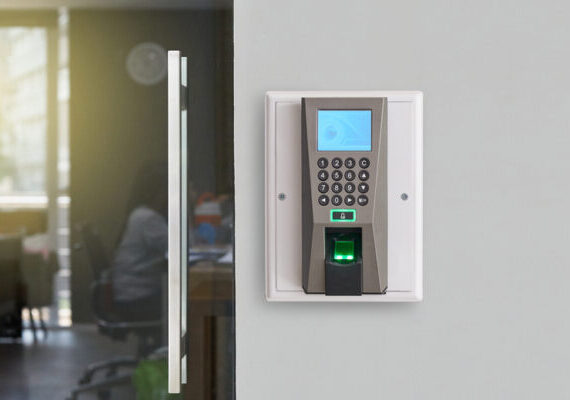
Benefits of Access Control Systems — Complete Detailed Guide
Access Control Systems offer far more than just door security. Modern Access Control Systems provide organizations with enhanced safety, operational efficiency, cost savings, and centralized management. Whether it is a corporate office, warehouse, hospital, school, or residential building, Access Control Systems provide significant advantages over traditional lock-and-key security.
Below is a comprehensive and expanded explanation of the key benefits of Access Control Systems.
1. Enhanced Security and Protection
The primary benefit of Access Control Systems is enhanced security. Traditional keys can be easily copied, lost, or stolen. Access Control Systems eliminate these risks by using secure authentication methods.
Access Control Security Methods
- RFID Cards
- Fingerprint Recognition
- Face Recognition
- PIN Codes
- Mobile Credentials
- Multi-Factor Authentication
These methods ensure only authorized individuals can enter restricted areas.
Example
- Only IT staff can access server rooms
- Only management can access executive areas
- Only authorized personnel can enter warehouses
This significantly reduces the risk of:
- Unauthorized entry
- Theft
- Data breaches
- Internal security threats
Access Control Systems create a strong first line of defense for organizations.
2. No More Lost or Stolen Keys
One of the biggest problems with traditional locks is lost keys. When keys are lost:
- Locks must be replaced
- New keys must be issued
- Security risks increase
Access Control Systems solve this problem.
If Card is Lost
- Admin disables card instantly
- Issue new card within seconds
- No need to change locks
This improves both security and convenience.
3. Centralized Security Management
Access Control Systems allow administrators to manage multiple doors and locations from a single platform.
Centralized Control Features
- Manage multiple buildings
- Control multiple doors
- Monitor user activity
- Assign permissions
Example
A company with:
- Head office
- Warehouse
- Branch office
All can be managed from one central dashboard.
This reduces:
- Security management complexity
- Operational costs
- Administrative workload
4. Real-Time Monitoring and Tracking
Access Control Systems allow real-time monitoring of all entry and exit activities.
Real-Time Monitoring Includes
- Who entered
- When they entered
- Which door was accessed
- Unauthorized attempts
This provides complete visibility of facility access.
Example
If someone tries to access a restricted area:
- Alert generated instantly
- Security team notified
- Action taken immediately
This improves incident response and overall safety.
5. Improved Employee Productivity
Access Control Systems reduce manual processes and improve workflow.
Traditional Method
- Manual sign-in registers
- Security guard verification
- Manual key handling
Access Control Systems
- Automated entry
- Faster access
- No manual verification
Employees can enter quickly and focus on their work.
This improves:
- Productivity
- Efficiency
- Time management
6. Reduced Operational Costs
Access Control Systems help organizations reduce costs in several ways.
Cost Savings Include
- Reduced security manpower
- No lock replacement costs
- No key duplication costs
- Reduced security incidents
Example
Without Access Control Systems:
- Multiple guards required
- Keys replaced frequently
- Security issues more common
With Access Control:
- Fewer guards required
- No keys required
- Reduced maintenance
This leads to long-term cost savings.
7. Flexible Access Permissions
Access Control Systems allow administrators to assign access permissions based on roles.
Role-Based Access Example
- HR → HR Department
- IT → Server Room
- Finance → Accounts Room
- Management → Full Access
This ensures employees only access areas relevant to their work.
This reduces:
- Internal threats
- Unauthorized access
- Security risks
8. Time-Based Access Control Systems
Access Control Systems allow access based on schedule.
Example
- Office staff → 8 AM to 6 PM
- Cleaning staff → 6 PM to 9 PM
- Security → 24/7 access
This prevents unauthorized after-hours access.
This is useful for:
- Offices
- Warehouses
- Schools
- Hospitals
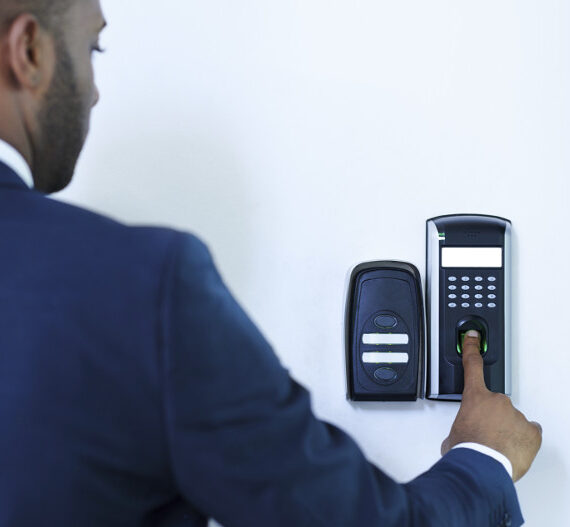
Uses of Access Control Systems
Access Control Systems are widely used across multiple industries to enhance security, improve operational efficiency, and control access to restricted areas. Modern organizations rely on Access Control Systems to protect assets, employees, information, and infrastructure.
Below is a detailed explanation of where and how Access Control Systems are used across different industries and environments.
1. Corporate Offices and Commercial Buildings
One of the most common uses of Access Control Systems is in corporate offices and commercial buildings. These environments require controlled access to ensure security and proper management of employees and visitors.
Common Areas Where Access Control Systems is Used
- Main entrance doors
- Office cabins
- Server rooms
- Meeting rooms
- HR departments
- Finance departments
- IT rooms
- Storage rooms
Example
- Employees use cards or fingerprints to enter office
- IT staff only allowed in server room
- Finance team only allowed in accounts department
- Management gets full access
Benefits for Corporate Offices
- Improved employee security
- Restricted department access
- Visitor tracking
- Attendance integration
- Reduced security risks
Access Control Systems also eliminate the need for traditional keys, which improves convenience and security.
2. Residential Buildings and Apartments
Access Control Systems are increasingly used in residential buildings to improve safety and convenience for residents.
Areas Covered in Residential Buildings
- Main building entrance
- Parking gates
- Elevator access
- Gym access
- Swimming pool access
- Rooftop access
- Maintenance rooms
Example
- Residents use cards or face recognition to enter building
- Visitors allowed temporary access
- Residents access only their floors
- Maintenance staff access restricted areas only
Benefits for Residential Buildings
- Improved resident security
- Controlled visitor access
- Prevent unauthorized entry
- Better parking control
- Enhanced safety for families
Access Control Systems also help property management teams manage multiple residents efficiently.
3. Warehouses and Industrial Facilities
Warehouses and industrial environments require high-level security to protect inventory, machinery, and restricted operational areas.
Access Control Use in Warehouses
- Warehouse entry doors
- Inventory storage areas
- Loading docks
- Production areas
- Restricted zones
- Equipment rooms
Example
- Warehouse staff access only assigned zones
- Managers access entire warehouse
- Contractors get temporary access
- Loading area access restricted
Benefits for Warehouses
- Inventory protection
- Staff movement tracking
- Restricted access to sensitive areas
- Reduced theft risks
Access Control Systems also help track employee access during working hours.
4. Hospitals and Healthcare Facilities
Hospitals require strict access control to protect patients, staff, and sensitive medical data.
Hospital Access Control Areas
- Pharmacy rooms
- ICU areas
- Operation theaters
- Medical record rooms
- Staff-only areas
- Laboratory rooms
- Equipment storage rooms
Example
- Doctors access operation theaters
- Nurses access nursing stations
- Pharmacy access restricted
- Visitors limited to patient areas
Benefits for Hospitals
- Patient safety
- Controlled medical access
- Staff security
- Confidential data protection
Access Control Systems also help track staff attendance in healthcare environments.
5. Schools, Colleges, and Universities
Educational institutions use Access Control Systems to improve student safety and manage campus security.
Areas Covered in Educational Institutions
- School entrances
- Staff rooms
- Laboratories
- Examination halls
- Administrative offices
- Libraries
- Hostels
Example
- Students access only authorized areas
- Staff access restricted rooms
- Visitors monitored
- Hostel access restricted
Benefits for Educational Institutions
- Student safety
- Staff security
- Restricted lab access
- Controlled visitor entry
Access Control Systems also integrate with attendance systems for students and staff.
6. Government Buildings
Government offices require high-security Access Control Systems to protect sensitive information and infrastructure.
Government Building Access Areas
- Administrative offices
- Data centers
- Restricted government areas
- Security control rooms
- Document storage rooms
Example
- Authorized staff only allowed access
- Visitors issued temporary cards
- Restricted area access monitored
Benefits for Government Offices
- High-level security
- Data protection
- Visitor management
- Access tracking
Access Control Systems help ensure secure operations in government facilities.
7. Hotels and Hospitality Industry
Hotels use Access Control Systems for both guest convenience and security.
Hotel Access Control Areas
- Guest rooms
- Staff areas
- Back offices
- Storage rooms
- Gym access
- Pool access
Example
- Guests use cards for rooms
- Staff access restricted areas
- Visitors limited to public areas
Benefits for Hotels
- Guest security
- Staff control
- Improved guest experience
- Restricted staff access
Access Control Systems also improve operational efficiency in hotels.
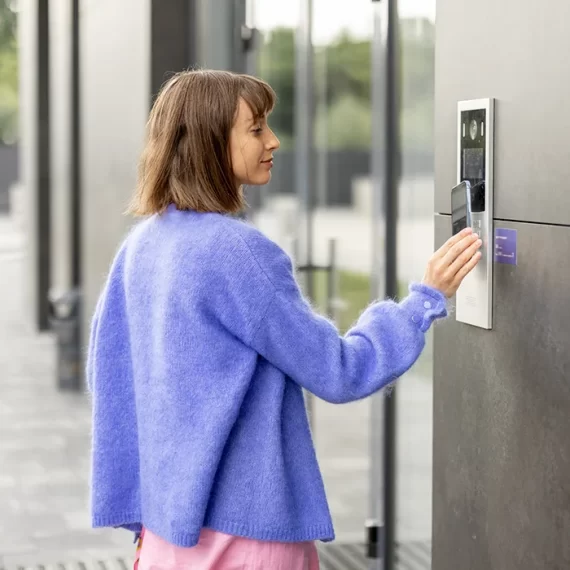
Why Choose Axle Systems for Access Control Systems
Choosing the right Access Control Systems provider is just as important as selecting the right technology. A reliable supplier ensures proper system design, professional installation, seamless integration, and long-term technical support. Axle Systems stands out as a trusted Access Control Systems provider in Qatar, offering comprehensive security solutions tailored to various industries and requirements.
Axle Systems delivers end-to-end Access Control solutions, from consultation and design to installation, integration, and after-sales support. Whether your requirement is a single door solution or a multi-site enterprise deployment, Axle Systems provides scalable and reliable systems to meet your needs.
1. Experienced Security Solutions Provider
Axle Systems has extensive experience in delivering Access Control Systems across multiple industries including:
- Corporate offices
- Government facilities
- Residential buildings
- Hospitals
- Warehouses
- Educational institutions
- Retail stores
- Industrial facilities
This experience allows Axle Systems to understand unique security challenges and deliver customized solutions.
Why Experience Matters
Every facility has different security requirements:
- Offices require employee access control
- Warehouses require restricted inventory access
- Hospitals require patient data protection
- Residential buildings require visitor management
Axle Systems designs solutions specifically based on your environment and security needs.
2. Complete End-to-End Solutions
Axle Systems provides full Access Control Systems solutions including:
Consultation and Site Assessment
- Understanding client requirements
- Security risk analysis
- Access point identification
- System planning
System Design
- Door-wise access planning
- User-level access design
- Integration planning
- Network architecture
Installation
- Professional device installation
- Wiring and infrastructure setup
- Door lock installation
- Reader installation
System Configuration
- User enrollment
- Access rule configuration
- Time schedule setup
- Role-based access setup
Testing and Commissioning
- System testing
- Performance verification
- User testing
- Final handover
Training and Support
- Administrator training
- User training
- Technical support
- Maintenance services
This end-to-end service ensures smooth implementation and reliable performance.
3. Wide Range of Access Control Solutions
Axle Systems provides various Access Control solutions based on customer requirements.
Access Control Solutions Offered
- Card-Based Access Control
- Fingerprint Access Control
- Face Recognition Access Control
- Mobile Access Control
- Multi-Factor Authentication
- Elevator Access Control
- Parking Access Control
- Turnstile Access Control
- Gate Access Control
- Biometric Access Control
This wide range ensures Axle Systems can support both small and large-scale projects.
4. Advanced Technology Solutions
Axle Systems uses modern Access Control Systems technologies to ensure high-level security.
Advanced Technologies Include
- Biometric authentication
- Face recognition
- Cloud-based access control
- Mobile credentials
- Multi-factor authentication
- Remote management
These technologies provide:
- Enhanced security
- Contactless access
- Remote management
- Scalable architecture
This ensures future-ready security solutions.
5. Customized Security Solutions
Every organization has unique security requirements. Axle Systems provides customized solutions tailored to each client.
Customization Examples
- Small office — Single door access control
- Corporate office — Multi-door access control
- Warehouse — Restricted zone access
- Residential building — Visitor management
Axle Systems designs systems based on:
- Building layout
- Security level
- Budget
- Scalability requirements
This ensures the best solution for your organization.
6. Professional Installation Team
Proper installation is critical for Access Control Systems. Axle Systems provides professional installation by experienced technicians.
Installation Services Include
- Door lock installation
- Access reader installation
- Controller installation
- Wiring and trunking
- Network configuration
Professional installation ensures:
- Reliable performance
- Long system life
- Minimal downtime
- Proper functionality
Axle Systems ensures all installations meet industry standards.
7. Reliable After-Sales Support
After-sales support is essential for Access Control Systems. Axle Systems provides ongoing support services.
Support Services Include
- Technical support
- Remote troubleshooting
- On-site maintenance
- Software updates
- System upgrades
This ensures your system operates smoothly.
8. Scalable Solutions for Future Expansion
Axle Systems provides scalable Access Control Systems that grow with your business.
Expansion Options
- Add new doors
- Add more users
- Add new buildings
- Add multiple locations
This ensures long-term investment value.
Axle Systems Contact Details
Address: Office #505, Building 24, Street 940, Zone 26, Al Bandary Building, Al Khalidiya Street, Doha, Qatar
Phone: +974 44682391/+974 44682391
Email: info@axlesys.com
Website: www.axlesys.com
Common FAQ About Access Control Systems
1. What is an Access Control System?
Access Control System is a security solution that restricts access to authorized individuals only.
2. What are the types of Access Control?
- Card Access
- Biometric Access
- PIN Access
- Mobile Access
- Multi-Factor Access
3. Is Access Control System expensive?
No. Access Control Systems are scalable and can be installed based on budget.
4. Can Access Control integrate with CCTV?
Yes, Access Control Systems can integrate with CCTV and alarm systems.
5. Can Access Control work for multiple locations?
Yes, centralized systems support multiple locations.
6. What happens if card is lost?
Admin can disable lost cards instantly.
7. Is biometric access safe?
Yes, biometric access is highly secure.
8. Can access be given temporarily?
Yes, temporary access can be created.
9. Can access control work offline?
Yes, most systems support offline operation.
10. Can Access Control integrate with attendance?
Yes, access control integrates with time attendance systems.
Conclusion — Access Control Systems
Access Control Systems have become an essential part of modern security infrastructure for organizations across all industries, replacing traditional lock-and-key methods with more intelligent, automated, and reliable solutions that offer far greater control and visibility. These systems ensure that only authorized individuals can access specific areas within a building or facility, using advanced authentication methods such as RFID cards, biometric verification, PIN codes, and mobile credentials, while also maintaining detailed logs of every entry and exit for monitoring and accountability.
Beyond enhancing security, Access Control Systems significantly improve operational efficiency by reducing manual processes, streamlining employee movement, supporting attendance management, and enabling centralized control of multiple doors, departments, or even multiple locations from a single platform. They also integrate seamlessly with other security systems such as CCTV surveillance, fire alarms, intrusion detection, and visitor management systems, creating a unified and intelligent security ecosystem that responds in real time to potential threats or emergencies.
With features like remote access management, role-based permissions, time-based restrictions, and scalability for future expansion, these systems are suitable for a wide range of applications including corporate offices, residential buildings, hospitals, schools, warehouses, government facilities, and industrial sites. As security challenges continue to evolve, Access Control Systems provide a future-ready solution that not only strengthens physical security but also enhances overall operational control and efficiency. Companies like Axle Systems play a crucial role in delivering these advanced solutions, ensuring businesses in Qatar receive reliable, customized, and professionally implemented Access Control Systems that support long-term safety, growth, and peace of mind.