

Digital Queue System for Hospitals in Qatar
In today’s healthcare environment, efficiency is more important than ever. Hospitals and healthcare facilities are tasked with providing high‑quality care while managing high patient volumes, long wait times, and complex workflows. One powerful tool that’s helping healthcare providers solve these challenges is the Digital Queue System for Hospitals — an intelligent, digital solution that organizes patient flow, reduces waiting chaos, and improves experiences for patients and staff alike.
At Axle Systems, we understand the pressure that hospital administrators face when it comes to patient management. That’s why we provide state‑of‑the‑art digital queue systems designed specifically for hospitals, clinics, and healthcare centers.
What Is a Digital Queue System for Hospitals?
A Digital Queue System for Hospitals (also called a digital queuing or patient flow management system) is a modern approach to managing queues in hospitals and healthcare facilities. Instead of patients waiting in long, physically clustered lines, digital queue systems create a managed, organized, and efficient flow through interactive screens, ticketing, and notifications.
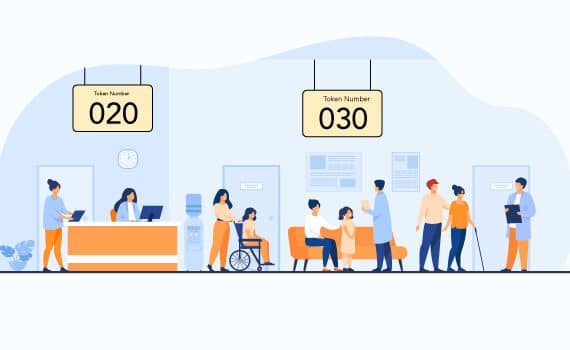
Rather than standing and waiting, patients receive digital queue numbers, wait in comfortable areas, and get real‑time updates on their turn via display screens, mobile apps, or SMS alerts. This transforms the hospital waiting experience from chaotic and stressful to orderly and reassuring.
The core objective of a Digital Queue System for Hospitals is to reduce perceived waiting time, enhance patient satisfaction, and improve service efficiency.
Why Hospitals Need a Digital Queue System
Hospitals deal with unpredictable patient inflows — crowded outpatient departments, multiple clinics, procedures, and emergency walk‑ins. Traditional “first‑come, first‑served” approaches often lead to frustration, bottlenecks, and inefficiencies.
A Digital Queue System for Hospitals helps hospitals:
- Manage peak hours and large patient volumes
- Minimize perceived waiting time
- Reduce congestion in waiting areas
- Improve communication between staff and patients
- Streamline service workflows
- Collect analytics for performance optimization
Digital queue systems are a strategic investment that not only improves operations but also enhances the reputation of healthcare services.
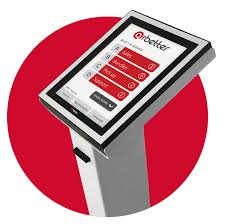
Key Features of a Digital Queue System for Hospitals
A Digital Queue System for Hospitals is not just a simple ticketing system — it’s a complete workflow solution that transforms the way hospitals manage patient flow. The following features highlight why these systems are critical for modern healthcare:
1. Digital Ticketing and Registration
Digital ticketing is the foundation of any Digital Queue System for Hospitals. Patients can obtain tickets through multiple channels: kiosks at the hospital entrance, mobile apps, web portals, or even SMS-based requests. Each ticket is automatically assigned a unique number, linked to the specific department or service required.
Expanded functionality includes:
- Option for patients to pre-register online before visiting, reducing on-site wait times.
- QR code generation for easy scanning at counters or kiosks.
- Integration with hospital appointment systems to automatically assign tickets based on pre-scheduled appointments.
Use case example:
A patient visiting a multi-specialty hospital for a cardiology check-up can reserve a ticket online. Upon arrival, they simply scan their QR code at a kiosk to confirm their presence, and the system automatically queues them for the next available cardiologist.
2. Real-Time Queue Displays
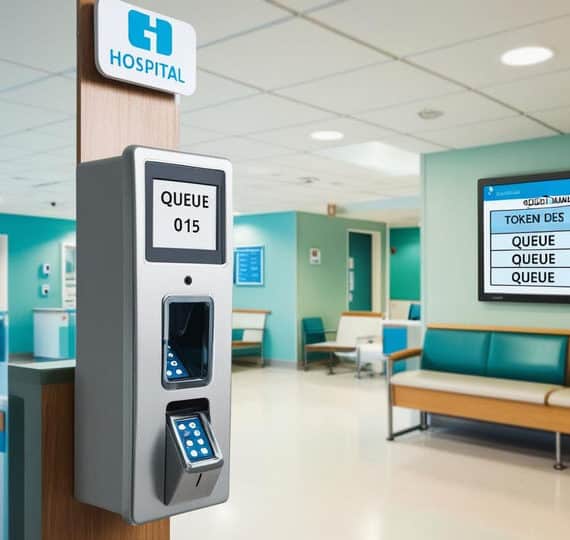
Real-time displays help reduce uncertainty and anxiety by informing patients of their position in the queue and estimated wait times. Hospitals can install large screens in waiting areas, lobbies, or even cafeterias, displaying:
- Current serving ticket numbers
- Estimated wait times for each counter or department
- Department assignment (e.g., radiology, lab, billing)
Enhanced features include:
- Dynamic prioritization: screens automatically update as patients are called or leave the queue.
- Multi-language support to accommodate diverse patient populations.
- Custom branding, messages, or health-related announcements displayed alongside queue information.
Use case example:
In a busy hospital pharmacy, patients can watch the queue updates on screens while waiting comfortably, reducing frustration and crowding at the counter.
3. SMS and Mobile Notifications
Not all patients prefer to wait near a counter. SMS alerts and mobile notifications let patients relax in a lounge, cafeteria, or even outside the hospital while remaining assured they will be notified when their turn is approaching.
Advanced capabilities include:
- Automatic alerts when a patient is 5 minutes away from being called.
- Push notifications integrated with hospital mobile apps for seamless communication.
- Optional reminders for follow-up visits or lab test pick-ups.
Use case example:
A patient waiting for a radiology scan receives a push notification on their mobile phone when their examination room is ready, allowing them to use the waiting time productively or even enjoy a coffee.
4. Intelligent Call Forwarding
Modern Digital Queue System for Hospitals are equipped with intelligent routing algorithms that automatically assign patients to the next available doctor, nurse, or service counter based on several factors:
- Doctor availability
- Patient priority (emergency, senior citizen, or special needs)
- Type of service required (general consultation, specialist, lab test)
This ensures optimal utilization of hospital resources and minimizes idle time for staff.
Use case example:
If a doctor becomes available earlier than expected, the system automatically calls the next patient in line, even adjusting for patients in other priority queues.
5. Multiple Queue Types
Hospitals are complex environments with various service points. A digital queue system can manage multiple queues simultaneously:
- Outpatient consultation queues
- Pharmacy dispensing queues
- Laboratory sample collection queues
- Radiology and imaging queues
- Billing and administrative queues
Advanced features include:
- Separate queues for walk-in patients and pre-booked appointments
- Integration with priority queues for emergencies
- Dynamic reallocation of patients to less busy counters to balance workflow
Use case example:
A hospital can manage both its lab and radiology departments on a single system, ensuring that patients are routed efficiently without creating congestion in one service area.
6. Analytics & Reporting
One of the most powerful aspects of a Digital Queue System for Hospitals is its analytics capability. Hospital administrators can use the system to:
- Track average patient wait times and service times
- Identify peak hours and plan staff allocation accordingly
- Monitor patient flow efficiency across departments
- Generate reports for compliance, quality assurance, or accreditation purposes
Advanced insights include:
- Heatmaps of patient movement across the hospital
- Department-specific performance metrics
- Historical trend analysis for strategic planning
Use case example:
Using analytics, a hospital discovers that the lab department experiences high patient congestion between 10 AM – 12 PM. Administrators can then schedule additional staff during that period to improve efficiency.
7. Priority & Special Handling
Healthcare facilities need to cater to patients with different urgency levels. Digital Queue System for Hospitals support priority-based management, ensuring critical patients are served first without disrupting the overall workflow.
Features include:
- Emergency priority queues for life-threatening cases
- Senior citizen and special-needs patient prioritization
- Pregnancy or maternity care prioritization
- Flexible override options for administrators
Use case example:
A senior patient visiting the hospital for a routine check-up can be assigned a priority number, allowing them to bypass standard queues without affecting emergency cases.
8. Multi-Location & Department Support
For hospitals with multiple branches or large campuses, Digital Queue System for Hospitals can manage queues across multiple locations and departments, providing:
- Centralized monitoring of all queues
- Synchronization between main hospital and satellite clinics
- Real-time updates across multiple displays in different areas
Use case example:
A hospital group can deploy a centralized system to monitor patient flow across several branches, allowing administrators to make data-driven decisions on resource allocation and staffing.
Benefits of a Digital Queue System for Hospitals
Implementing a Digital Queue System for Hospitals provides tangible and measurable advantages for both patients and hospital staff. Beyond just reducing wait times, these systems enhance operational efficiency, patient satisfaction, and overall hospital performance. Let’s explore these benefits in detail:
1. Improved Patient Experience
A hospital visit can be stressful, especially when long waits are involved. A Digital Queue System for Hospitals enhances patient experience by providing transparency, information, and convenience.
How it works:
- Patients receive real-time updates on their queue status via screens, SMS, or mobile apps.
- Waiting areas are less crowded because patients are no longer required to stand in line physically.
- Patients feel informed, reducing anxiety and stress associated with long waits.
Real-world example:
In a large urban hospital, patients waiting for cardiology consultations were previously frustrated by unpredictable waiting times. After implementing a Digital Queue System for Hospitals, patients could relax in designated seating areas and track their turn digitally. Patient satisfaction surveys showed a 40% increase in positive feedback regarding wait experiences.
2. Reduced Congestion and Enhanced Safety
Overcrowding in hospital lobbies and waiting areas is a major concern, especially in times of infectious disease outbreaks or flu seasons. Digital Queue System for Hospitals help maintain a safe environment by:
- Limiting the number of patients physically present in waiting areas
- Spacing out appointments and service times
- Allowing patients to wait in alternative areas such as cafeterias, gardens, or even outside
Impact:
This reduces cross-contamination risks and ensures compliance with social distancing regulations. For hospitals managing hundreds of patients daily, this is a crucial benefit for both patient and staff safety.
3. Increased Staff Productivity and Efficiency
Digital Queue System for Hospitals streamline hospital operations, freeing staff from manual queue management tasks. This enables employees to focus more on patient care rather than administrative duties.
How staff benefit:
- Automated call forwarding and queue management reduce manual announcements and confusion
- Staff can focus on clinical tasks instead of handling patient inquiries about wait times
- Intelligent patient routing ensures staff are efficiently allocated to available counters or departments
Real-world example:
A hospital with multiple outpatient departments noticed that nurses spent nearly 20% of their time managing queues. After adopting a Digital Queue System for Hospitals, staff could dedicate that time to patient care, improving overall departmental efficiency.
4. Data-Driven Operational Insights
Hospitals can leverage analytics features of Digital Queue System for Hospitals to make strategic operational decisions. These insights help administrators optimize staffing, resource allocation, and scheduling.
Analytics include:
- Average patient wait times per department
- Peak visiting hours and days
- Service efficiency per counter or staff member
- Patient flow patterns and bottleneck areas
Impact:
Hospitals can proactively address congestion, adjust staff schedules, and plan appointments to minimize wait times. Over time, these insights improve hospital throughput and reduce operational inefficiencies.
Example:
A multi-specialty hospital discovered that lab testing queues were longest between 10 AM and 12 PM. By adding additional staff during these peak hours, average wait times dropped by 30%, and patient satisfaction increased.
5. Support for Priority and Special Needs Patients
Digital Queue System for Hospitals allow hospitals to implement priority queues for patients who need urgent attention or special care. This ensures that:
- Emergency cases bypass standard queues
- Senior citizens, pregnant women, and patients with disabilities receive preferential service
- Hospitals can maintain fairness while addressing critical needs promptly
Real-world example:
In a hospital serving elderly patients, the system automatically flagged priority patients, ensuring they were served first without disrupting other services. This led to better patient outcomes and a smoother workflow for staff.
6. Enhanced Communication and Transparency
Patients appreciate knowing exactly where they are in the queue. Digital Queue System for Hospitals provide continuous communication through:
- Display screens in waiting areas
- SMS or mobile app notifications
- Audio announcements in multiple languages
Impact:
By keeping patients informed, hospitals reduce frustration and enhance trust. Patients are less likely to leave prematurely or complain about long waits because they are aware of progress in real-time.
Example:
In a pediatric hospital, real-time queue notifications helped parents plan their activities in waiting areas without constantly checking with staff, improving overall patient satisfaction.
7. Flexibility and Scalability for Growing Hospitals
Digital Queue System for Hospitals are highly scalable and customizable, allowing hospitals to:
- Add new departments or service points without disruption
- Adjust queue rules for different types of patients or services
- Manage multiple locations or branches from a central system
Impact:
As hospitals expand or patient volume increases, the queue system can grow with the institution, maintaining efficiency and patient satisfaction.
8. Reduced Perceived Waiting Time
Even if actual service time cannot be shortened, Digital Queue System for Hospitals reduce perceived waiting time by engaging patients:
- Showing real-time queue progress
- Providing estimated wait times
- Offering informative content on screens (health tips, hospital announcements)
Psychological benefit:
Patients feel that time is being utilized effectively, improving satisfaction and decreasing perceived frustration.
Example:
A radiology department integrated educational content and live queue updates on screens. Patients reported a more positive experience even though the actual service time remained the same.
Real-World Uses of a Digital Queue System for Hospitals
A Digital Queue System for Hospitals is more than a tool for managing lines — it is a transformative solution that enhances efficiency, improves patient experience, and optimizes hospital workflows. Let’s explore how this system is applied across different hospital departments in real-world scenarios:
1. Outpatient Department (OPD)
The OPD is typically the busiest area in a hospital, handling hundreds of patients daily. A Digital Queue System for Hospitals streamlines operations by:
- Automatically registering patients as they arrive
- Assigning them to the correct doctor or specialist
- Providing estimated wait times
- Displaying the current serving number on digital screens
Benefits:
- Reduces physical crowding at registration desks
- Prevents patients from getting lost between different specialist counters
- Improves staff efficiency by automating the call-forward process
Example:
In a multi-specialty hospital, a digital queue system allowed patients to register via mobile app before arrival. Upon check-in, the system assigned patients to the next available doctor based on specialty and urgency, significantly reducing wait times and improving patient satisfaction scores.
2. Pharmacy Counters
Pharmacy counters are often overwhelmed, especially in large hospitals where hundreds of prescriptions are processed daily. A Digital Queue System for Hospitals can:
- Separate queues for prescription pickup, refill requests, and new prescriptions
- Notify patients when their medication is ready
- Reduce congestion and waiting times at the counter
Benefits:
- Prevents overcrowding and maintains an orderly workflow
- Enhances patient safety by reducing errors in prescription processing
- Increases operational efficiency
Example:
A hospital pharmacy used the Digital Queue System for Hospitals to notify patients through SMS when prescriptions were ready for pickup. Patients could use the waiting time for other tasks, reducing stress and improving workflow at the pharmacy counter.
3. Laboratory Services
Labs often face bottlenecks due to sample collection, testing, and result processing. A digital queue system improves efficiency by:
- Assigning patients to specific lab counters
- Notifying them when it is their turn for sample collection
- Managing different test types and priority levels
Benefits:
- Reduces crowding in lab waiting areas
- Minimizes patient frustration caused by unpredictable wait times
- Enables prioritization for urgent tests
Example:
In a hospital with high laboratory traffic, the system allowed patients to scan their appointment QR code at kiosks. The system then directed them to the next available sample collection counter, ensuring a smooth workflow even during peak hours.
4. Radiology and Imaging Departments
Radiology departments handle various imaging services, including X-rays, CT scans, MRIs, and ultrasounds. Digital Queue System for Hospitals help by:
- Managing appointment-based and walk-in patients
- Prioritizing emergency scans
- Providing real-time updates on equipment availability and patient progress
Benefits:
- Reduces idle time for machines and staff
- Ensures patients are guided efficiently to the correct imaging room
- Minimizes patient anxiety through clear communication
Example:
A hospital integrated the digital queue system with its imaging department, enabling real-time updates on room availability. Patients waiting for MRI scans received SMS alerts when their slot was ready, significantly improving patient flow and satisfaction.
5. Billing and Cash Counters
Billing and administrative areas are prone to long queues, especially after consultations, lab tests, or procedures. A Digital Queue System for Hospitals:
- Assigns patients to available counters efficiently
- Provides estimated billing wait times
- Integrates with insurance and payment systems for faster processing
Benefits:
- Reduces congestion in billing areas
- Minimizes patient stress associated with long administrative waits
- Improves staff productivity and reduces human errors
Example:
At a large hospital, the digital queue system allowed patients to pre-scan documents and receive a digital queue number. Automated notifications guided them to the next available cashier, reducing wait times and improving overall billing efficiency.
6. Medical Records and Administration
Patients often require documents such as discharge summaries, referral letters, and medical certificates. A Digital Queue System for Hospitals can:
- Schedule patients for document collection
- Provide real-time updates on their position in the queue
- Separate administrative tasks from clinical areas to reduce bottlenecks
Benefits:
- Streamlines administrative processes
- Prevents patients from crowding staff desks
- Provides transparency regarding wait times
Example:
In a hospital with multiple departments, patients needing copies of their medical records were issued digital tickets. Notifications on screens and SMS informed them when it was their turn, allowing administrative staff to focus on document processing rather than managing lines.
Contact Axle Systems
Address: Al Khalidiya Street, Najma, Doha, Qatar
Phone: +974 44682391 / 77443731
Email: info@axlesys.com
Website: www.axlesys.com
Frequently Asked Questions (FAQs)
Below are some common questions hospitals ask before implementing a Digital Queue System for Hospitals.
1. What is the main purpose of a digital queue system in a hospital?
A digital queue system organizes how patients are served by electronically issuing waiting numbers, managing service order, and reducing physical queue congestion. The main goal is to cut down wait times, enhance patient satisfaction, and streamline operations.
2. How does the Digital Queue System for Hospitals improve waiting experiences?
By offering:
- Digital ticketing and wait notifications
- Real‑time queue displays
- Estimated wait times
- Standing‑free waiting through alerts
patients feel more informed and less stressed.
3. Can the system handle emergency patients or priority cases?
Yes. Most Digital Queue System for Hospitals support priority routing for:
- Critical emergency cases
- Elderly or pregnant patients
- Patients with disabilities
These queues bypass standard lines to serve high‑priority cases promptly.
4. Do Digital Queue System for Hospitals integrate with hospital IT?
Yes. Depending on setup, they can connect to Hospital Information Systems (HIS), EMR, appointment platforms, and even billing systems for seamless data flow.
5. Is the system difficult to use for staff or patients?
No. Digital queue systems are designed with simplicity in mind. Staff receive training, and patients interact only with intuitive displays and notices.
6. How do patients receive updates when waiting?
Patients can be updated via:
- Digital screens
- SMS alerts
- Mobile apps
- Audio announcements
This reduces the need to remain physically in line.
7. What does the analytics feature do?
Analytics tools let administrators:
- Measure average service times
- Identify peak waiting periods
- Understand patient flow patterns
- Allocate staff more effectively
These insights help optimize hospital operations.
8. Can a Digital Queue System for Hospitals reduce wait times?
Yes. While it doesn’t eliminate actual service time, it reduces perceived waiting time, organizes the flow better, and minimizes the sense of gap between arrival and service.
9. Is installation complicated?
No. Axle Systems provides end‑to‑end setup, including:
- Hardware installation
- Software configuration
- Staff training
- Testing and validation
Our team ensures a smooth rollout with minimal disruption.
10. How much does a Digital Queue System for Hospitals cost?
Costs vary based on hospital size, number of counters, screens, and custom features. Contact Axle Systems for a tailored quote that matches your facility’s needs.
Conclusion
Efficient patient flow is no longer just a convenience—it is a critical component of modern hospital management. In an era where patient satisfaction, operational efficiency, and safety are top priorities, hospitals can no longer rely on manual queuing systems or disorganized waiting areas. A Digital Queue System for Hospitals is a smart, scalable, and reliable solution that addresses these challenges head-on.
By implementing a Digital Queue System for Hospitals, hospitals can:
- Significantly reduce patient wait times while improving the perceived experience. Patients no longer feel lost or frustrated in crowded waiting rooms.
- Enhance operational efficiency by streamlining workflows, reducing staff interruptions, and optimizing the use of doctors, nurses, and administrative personnel.
- Provide real-time communication and transparency, keeping patients informed and comfortable throughout their visit.
- Support priority and emergency cases effectively, ensuring critical patients receive timely care without disrupting other services.
- Leverage data analytics to continuously improve hospital operations, plan resource allocation, and optimize staffing.
Beyond these practical benefits, a Digital Queue System for Hospitals also reflects a hospital’s commitment to modern, patient-centric care. Patients today expect seamless, technology-driven experiences, and hospitals that adopt these systems are better positioned to earn loyalty, trust, and positive word-of-mouth.
At Axle Systems, we understand that every hospital is unique. Our Digital Queue System for Hospitals is not a one-size-fits-all solution—it is customizable, scalable, and fully adaptable to your facility’s size, patient volume, and departmental requirements. Whether it’s a small community clinic or a multi-specialty urban hospital, our system ensures a smoother, safer, and more efficient patient experience.
Looking to the future, healthcare will continue to evolve toward smarter, data-driven, and patient-centered models. Digital queue systems are a critical step in that evolution. They do not just manage waiting—they transform it into a seamless, organized, and stress-free part of the patient journey. Hospitals that adopt such technology today position themselves as leaders in healthcare delivery tomorrow.