

Customer Counting System in Qatar
In today’s highly competitive business environment, understanding customer behavior is more important than ever. Businesses are no longer relying on guesswork — they depend on data-driven insights to improve performance, optimize operations, and enhance customer experience. One of the most effective technologies enabling this transformation is the Customer Counting System.
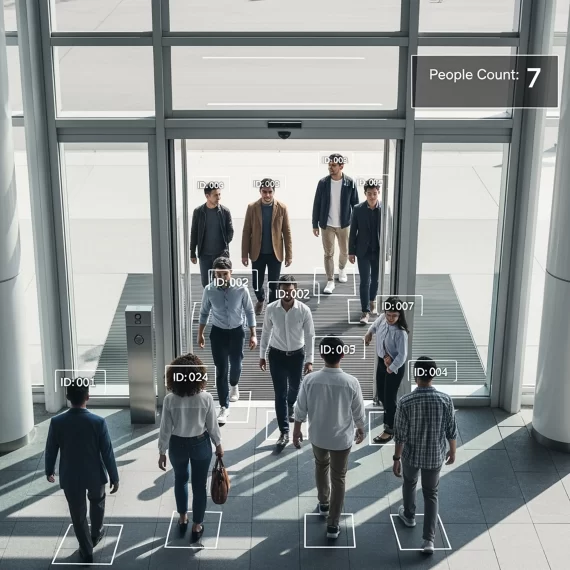
A Customer Counting System, also known as People Counting System or Footfall Counter, helps businesses track how many customers enter, exit, and move within their premises. This valuable data allows companies to make better operational decisions, improve marketing strategies, and maximize profitability.
Customer counting systems are widely used in:
- Retail stores
- Shopping malls
- Supermarkets
- Hospitals
- Airports
- Offices
- Banks
- Government buildings
- Restaurants
- Educational institutions
Organizations across Qatar are increasingly adopting customer counting technology to optimize business operations, improve staffing decisions, and enhance customer experiences.
What is a Customer Counting System?
A Customer Counting System is an intelligent technology used to count and analyze the number of people entering, exiting, and moving within a physical space.
These Customer Counting System use advanced technologies such as:
- AI-powered cameras
- Infrared sensors
- Thermal sensors
- Wi-Fi tracking
- 3D stereo vision cameras
- Cloud analytics
The collected data is processed and converted into meaningful insights such as:
- Customer traffic
- Peak hours
- Dwell time
- Conversion rate
- Customer flow pattern
Customer counting solutions help businesses understand how customers behave inside their premises and make data-driven decisions.
Modern systems can achieve over 99% accuracy using AI-based detection and multi-person tracking technology.
These Customer Counting System are widely used in retail, healthcare, hospitality, education, and public sector environments to analyze visitor patterns, optimize staffing, and improve customer service.
Why Customer Counting System is Important
Customer Counting System provide powerful insights into customer behavior. These insights help businesses:
- Increase sales
- Improve customer experience
- Optimize staffing
- Reduce operational costs
- Improve store layout
Businesses that use customer counting technology gain competitive advantage through data-driven decision making.
People counting systems help organizations understand movement patterns and make smarter operational decisions.
Features of Customer Counting System
A modern Customer Counting System is far more than a simple device that counts people entering or exiting a store. Advanced systems are designed to deliver a full suite of features that provide actionable insights for businesses. Below is an in-depth look at the features that make these Customer Counting System indispensable for modern operations:
1. Real-Time Customer Counting
- Instant Analytics: The Customer Counting System provides live data on the number of customers entering or leaving your premises.
- Live Monitoring: Store managers can monitor customer flow in real-time, allowing for immediate operational adjustments.
- Alerts & Notifications: Some systems can send alerts if occupancy exceeds safe limits, improving safety compliance.
Example: A retail store can instantly see when a sudden rush occurs due to a flash sale, helping staff adjust accordingly.
2. High Accuracy with AI and 3D Detection
- AI-Powered Counting: Uses artificial intelligence to distinguish between customers, staff, and inanimate objects.
- 3D Stereo Vision Cameras: Captures depth and movement for highly accurate counts, even in crowded conditions.
- Error Reduction: Minimizes double counting or missed entries, ensuring data reliability.
Example: In busy shopping malls, AI-based counters maintain 98–99% accuracy even during peak hours.
3. Multi-Entry and Multi-Exit Counting
- Comprehensive Coverage: Tracks customer movement across multiple entrances and exits.
- Unified Analytics: Combines data from multiple doors into a single dashboard for overall store performance.
- Flexible Installation: Supports both small stores with one entry and large venues with multiple access points.
Example: Airports can monitor several terminals, ensuring accurate passenger traffic data for each gate.
4. Heat Map and Zone Analytics
- Visual Insights: Generate heat maps showing which areas are most visited.
- Optimize Layout: Businesses can reorganize displays or aisles based on customer flow patterns.
- Behavior Analysis: Identify popular product zones or sections with low engagement.
Example: A supermarket can see which aisles attract the most customers and strategically place promotions there.
5. Dwell Time Measurement
- Time Tracking: Measures how long customers spend in specific areas.
- Engagement Insights: Helps understand customer interest and interaction with products.
- Targeted Marketing: Retailers can optimize promotions and displays for maximum impact.
Example: A retail chain can identify that customers spend more time in the electronics section, allowing them to enhance promotions in that zone.
6. Staff Exclusion
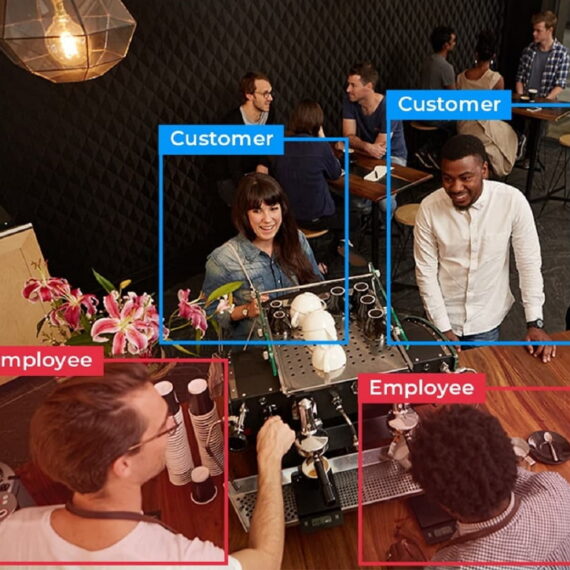
- Separate Staff from Customer Counts: AI can detect uniformed staff or badges to avoid skewing data.
- Accurate Customer Metrics: Ensures data reflects actual customer behavior, not employee movement.
Example: A restaurant can accurately measure guest footfall without including kitchen or cleaning staff.
7. Peak Hour Analysis
- Identify Busy Times: Determines peak and off-peak hours.
- Operational Efficiency: Helps schedule staff and manage resources effectively.
- Promotion Planning: Plan discounts or events during low-traffic hours to balance customer flow.
Example: A mall can schedule extra security and customer service staff during peak shopping hours.
8. Conversion Rate Tracking
- Customer-to-Sales Analysis: Integrates with POS systems to calculate the percentage of visitors who make purchases.
- Marketing ROI: Measure the effectiveness of campaigns and in-store promotions.
- Strategic Planning: Understand which areas or promotions drive sales.
Example: A clothing store can determine that 30% of foot traffic converts to sales and identify strategies to improve this metric.
Benefits of Customer Counting System
Implementing a Customer Counting System provides businesses with a range of strategic, operational, and financial benefits. These Customer Counting System not only help understand foot traffic but also provide actionable insights to improve efficiency, customer experience, and profitability. Below is an in-depth look at the key benefits:
1. Improve Business Performance
- Data-Driven Decisions: Customer Counting System provide accurate foot traffic data, enabling businesses to make informed decisions rather than relying on estimates.
- Optimize Product Placement: By understanding which areas receive the most traffic, businesses can strategically position products to boost sales.
- Performance Evaluation: Managers can measure the effectiveness of promotions, campaigns, and store layouts.
Example: A clothing retailer discovers that a particular display section attracts more visitors and decides to place high-margin products there to increase sales.
2. Optimize Staff Scheduling
- Right Staffing at the Right Time: By identifying peak hours, businesses can allocate staff more efficiently.
- Reduce Overstaffing and Understaffing: Helps avoid unnecessary labor costs while maintaining service quality.
- Boost Staff Productivity: Staff can focus efforts where they are most needed, improving operational efficiency.
Example: A supermarket uses footfall data to schedule more cashiers during weekend rush hours while reducing staff during weekdays.
3. Enhance Customer Experience
- Reduce Waiting Time: Real-time monitoring of visitor numbers allows businesses to manage queues effectively.
- Improved Service Delivery: Staff can respond to high-traffic areas promptly, ensuring customers receive timely assistance.
- Comfortable Environment: Avoid overcrowding and maintain a pleasant shopping experience.
Example: A bank monitors lobby traffic to open extra counters during peak hours, reducing customer wait times.
4. Increase Sales and Revenue
- Maximize Conversion Rates: By analyzing visitor data, businesses can identify opportunities to convert more visitors into customers.
- Targeted Marketing: Promotions and advertisements can be optimized based on footfall trends.
- Revenue Growth: Improved customer flow and engagement directly contribute to higher sales.
Example: A retail store discovers low engagement in one section and runs a targeted promotion to increase sales, successfully boosting revenue.
5. Reduce Operational Costs
- Efficient Resource Allocation: Avoid unnecessary expenditures by knowing exactly when and where resources are needed.
- Energy and Utility Savings: Adjust lighting, heating, and cooling based on occupancy levels.
- Inventory Optimization: Stock shelves based on real-time customer behavior and demand.
Example: A shopping mall reduces energy consumption by automatically adjusting lighting in low-traffic areas during off-peak hours.
6. Marketing Performance Analysis
- Evaluate Campaign Effectiveness: Track the increase in visitors during promotions or events.
- ROI Assessment: Measure how advertising efforts translate into foot traffic and sales.
- Customer Insights: Understand visitor demographics and behavior to tailor future campaigns.
Example: A café measures footfall increase during a social media campaign and identifies the campaign as highly effective for attracting new customers.
7. Optimize Store Layout and Design
- Identify High-Traffic Zones: Heat maps show which areas attract the most attention.
- Improve Product Placement: Place high-demand or promotional products in high-traffic areas.
- Better Navigation: Reduce congestion in aisles and ensure smooth customer movement.
Example: A supermarket rearranges aisles based on heat map analytics, improving product visibility and increasing purchases.
8. Queue Management and Customer Flow
- Monitor Queue Lengths: Identify congestion points in real-time.
- Predictive Alerts: Systems can alert staff when queues exceed acceptable thresholds.
- Improve Satisfaction: Reduces frustration caused by long waits, leading to better customer reviews and repeat visits.
Example: At a hospital, patient queues are managed effectively, ensuring timely service and improved patient satisfaction.

Uses of Customer Counting System
The Customer Counting System is versatile and can be implemented across a wide range of industries. Its applications go beyond simple counting; it provides actionable insights that enhance efficiency, improve customer satisfaction, and optimize operations. Below, we explore its most common and impactful uses with real-world examples.
1. Retail Stores
- Footfall Monitoring: Track the number of customers entering the store and identify peak shopping hours.
- Conversion Rate Analysis: Compare foot traffic to sales to determine how many visitors make purchases.
- Product Placement Optimization: Identify high-traffic areas within the store to place high-margin products.
- Promotional Planning: Measure the success of in-store promotions or sales events based on increased foot traffic.
Example: A fashion boutique notices that a particular section receives the highest traffic. By placing premium clothing in that section, sales increase by 20% during weekends.
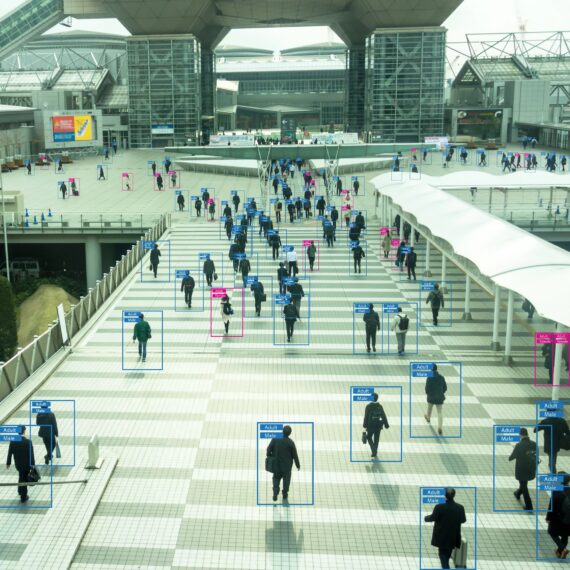
2. Shopping Malls
- Crowd Flow Analysis: Track visitor movement between different stores and zones.
- Tenant Performance Monitoring: Help mall management understand which stores attract the most traffic.
- Event Planning: Assess the impact of seasonal events, exhibitions, or festivals on visitor patterns.
Example: During a holiday event, mall management can monitor traffic flow to ensure crowd safety and deploy staff to the busiest zones.
3. Airports and Transportation Hubs
- Passenger Flow Management: Monitor the number of passengers moving through terminals.
- Queue Optimization: Ensure check-in counters, security, and boarding gates are staffed appropriately.
- Operational Planning: Adjust airline schedules or airport services based on peak passenger traffic.
Example: An international airport uses people counting to reduce congestion during early morning and evening peak flights, improving passenger experience.
4. Hospitals and Healthcare Facilities
- Patient Flow Analysis: Track the number of patients in waiting areas, wards, and clinics.
- Optimize Staff Deployment: Allocate nurses, doctors, and support staff according to patient traffic.
- Reduce Waiting Time: Improve appointment scheduling based on real-time patient flow.
Example: A hospital monitors outpatient footfall and deploys more staff during high-traffic hours to improve patient care and reduce waiting times.
5. Banks and Financial Institutions
- Queue Management: Monitor lobby traffic and customer wait times.
- Service Efficiency: Allocate tellers and support staff according to customer inflow.
- Branch Performance Analysis: Evaluate which branches receive more visitors and adjust operations accordingly.
Example: A bank uses customer counting to ensure that at least three tellers are available during peak lunch hours, reducing queue times and enhancing customer satisfaction.
6. Supermarkets and Grocery Stores
- Traffic Flow Analysis: Understand which aisles or sections attract the most shoppers.
- Stock Planning: Allocate inventory based on footfall trends in different areas.
- Promotional Impact Tracking: Measure the effect of sales or discounts on shopper traffic.
Example: A supermarket identifies that the dairy section experiences high traffic in the evenings. They optimize shelf space and promotional offers in that area to maximize sales.
7. Restaurants and Cafes
- Table Utilization Analysis: Understand peak dining hours and table occupancy.
- Staff Scheduling: Deploy more servers and kitchen staff during peak hours.
- Customer Experience Enhancement: Reduce waiting times for tables during busy periods.
Example: A restaurant implements a customer counting system to predict the busiest dining hours and adjusts staff shifts to ensure faster service.
8. Educational Institutions
- Campus Footfall Monitoring: Track the movement of students across campus buildings.
- Facility Utilization: Determine which classrooms, labs, or libraries are used the most.
- Event Planning: Measure attendance at seminars, workshops, and campus events.
Example: A university uses customer counting to analyze library occupancy and extends operating hours during peak study periods
Why Choose Axle Systems for Customer Counting System
When it comes to implementing a Customer Counting System in Qatar, choosing the right supplier is crucial. Not all systems are created equal—accuracy, reliability, ease of integration, and support matter as much as the technology itself. Axle Systems stands out as a trusted provider, delivering comprehensive solutions that combine cutting-edge technology with professional service. Here’s why businesses in Qatar should partner with Axle Systems:
1. Expertise and Experience
- Proven Track Record: Axle Systems has over a decade of experience in providing security, automation, and analytics solutions.
- Industry Knowledge: Their team understands the unique operational challenges of various sectors such as retail, hospitality, healthcare, and government institutions.
- Consultative Approach: Axle Systems works closely with clients to recommend the most suitable customer counting solutions tailored to their specific needs.
Example: Retail chains in Doha have benefited from Axle Systems’ guidance on multi-entrance camera placement for accurate footfall counting.
2. Advanced, High-Accuracy Technology
- AI-Powered Systems: Axle Systems supplies advanced AI-based counting systems that provide accuracy levels up to 99%.
- 3D Stereo Vision Cameras: These systems can distinguish between customers, staff, and objects, even in crowded environments.
- Real-Time Analytics: Businesses receive instant, actionable insights for better operational decision-making.
Example: A large supermarket in Qatar uses Axle Systems’ 3D stereo cameras to monitor foot traffic and optimize staffing and checkout lines.
3. Customized Solutions
- Tailored to Your Business: Every business is different, and Axle Systems ensures that solutions fit the size, layout, and traffic patterns of your premises.
- Flexible Deployment Options: Options include overhead cameras, infrared sensors, thermal counters, and Wi-Fi-based solutions.
- Scalable Solutions: The Customer Counting System can grow with your business, supporting additional entrances, locations, or analytics features.
Example: A shopping mall implemented a multi-entrance counting system across all floors with customized dashboards for each tenant, all provided by Axle Systems.
4. Integration with Other Systems
- POS Integration: Track the conversion rate by linking footfall with sales data.
- Security and Access Control Integration: Combine customer counting with CCTV or access systems for complete operational insight.
- Cloud-Based Analytics: Centrally manage multiple locations and generate reports accessible from anywhere.
Example: A hotel integrates Axle Systems’ counting system with their reservation software to understand peak lobby usage and optimize concierge staffing.
5. Comprehensive Support and Service
- Professional Installation: Axle Systems provides end-to-end installation, ensuring that sensors and cameras are optimally positioned.
- Maintenance and Technical Support: Ongoing support ensures systems run efficiently with minimal downtime.
- Training and Consultation: Staff are trained to access and interpret reports for operational and strategic decisions.
Example: A chain of restaurants received staff training from Axle Systems on using footfall data dashboards to optimize table management and staff scheduling.
6. Data-Driven Insights for Business Growth
- Actionable Analytics: Beyond simple counting, Axle Systems provides detailed insights such as peak hours, dwell times, and customer movement patterns.
- Decision Support: Businesses can make informed decisions on marketing, staffing, promotions, and layout optimization.
- Competitive Advantage: By leveraging analytics, organizations can outperform competitors who rely on estimates or manual observation.
Example: A retail store uses insights from Axle Systems’ dashboards to reallocate staff and rearrange product displays, leading to a 15% increase in sales.
7. Trusted Supplier in Qatar
- Local Expertise: Axle Systems understands the local business environment, regulations, and customer expectations.
- Client-Centric Approach: They focus on long-term partnerships, not just one-time sales.
- Reputation for Reliability: Businesses across Qatar—from retail chains to hospitals—rely on Axle Systems for accurate and dependable solutions.
Example: Government institutions in Doha trust Axle Systems for crowd monitoring and compliance with occupancy regulations.
8. End-to-End Solution Provider
- From Consultation to Analytics: Axle Systems manages the entire process, from assessing your needs to delivering insights from collected data.
- Flexible Payment and Licensing Options: Solutions can be tailored to budgets and operational requirements.
- Future-Ready Technology: Customer Counting System are scalable and upgradeable, ensuring long-term value.
Example: A multinational retailer partnered with Axle Systems to deploy cloud-based counters across multiple stores, with the ability to scale to future locations seamlessly.
Summary
Choosing Axle Systems for your Customer Counting System ensures:
- Accurate and reliable footfall analytics
- Scalable and customizable solutions
- Integration with POS, CRM, and security systems
- Professional installation, training, and support
- Actionable insights for business growth
By leveraging Axle Systems’ expertise, businesses in Qatar can optimize operations, improve customer experience, and gain a significant competitive advantage.
Contact Axle Systems
Axle Systems – Qatar
Phone: +974 4468 2391/7744 3731
Email: info@axlesys.com
Website: www.axlesys.com
Axle Systems provides complete customer counting solutions across Qatar.
Frequently Asked Questions (FAQ)
What is Customer Counting System?
Customer counting system counts number of people entering or exiting a location.
How accurate is Customer Counting System?
Modern AI-based systems offer up to 99% accuracy.
Where is Customer Counting System used?
Retail, malls, hospitals, offices, airports, restaurants.
Does Customer Counting System record video?
Some systems record video while others only count anonymously.
Is Customer Counting System GDPR compliant?
Yes, many systems are privacy compliant.
Can Customer Counting System track multiple entrances?
Yes, multi-entry counting supported.
Can Customer Counting System integrate with POS?
Yes, conversion rate tracking supported.
What is conversion rate?
Visitors vs buyers percentage.
Can Customer Counting System work in low light?
Yes, thermal and infrared counters work in low light.
Does Customer Counting System require internet?
Cloud features require internet.
Conclusion
In today’s competitive business landscape, understanding customer behavior is no longer optional—it is essential. A Customer Counting System has become a critical tool for businesses that aim to optimize operations, increase revenue, and enhance the overall customer experience. From retail stores and shopping malls to hospitals, airports, and corporate offices, these Customer Counting System provide actionable insights that help organizations make smarter, data-driven decisions.
By accurately tracking the number of visitors, peak hours, dwell times, and movement patterns, businesses gain visibility into operational efficiency and customer engagement. This data allows managers to:
- Strategically allocate staff to meet customer demand
- Optimize store layouts and product placement
- Reduce waiting times and congestion
- Measure the effectiveness of marketing campaigns and promotions
- Ensure compliance with safety and occupancy regulations
- Forecast foot traffic for better planning and resource allocation
Moreover, modern AI-powered systems provide advanced features such as heat mapping, multi-entrance monitoring, real-time dashboards, and integration with POS, CRM, and security systems. This means businesses not only know how many customers are present but also how they interact with the space, which areas are most popular, and which operational adjustments can maximize efficiency and profitability.
Choosing the right partner to implement a Customer Counting System is equally critical. Axle Systems, a trusted supplier in Qatar, offers more than just hardware—they provide end-to-end solutions that combine cutting-edge technology, expert consultation, and professional support. From initial system design and installation to cloud-based analytics and ongoing maintenance, Axle Systems ensures that businesses fully leverage the potential of customer counting technology.
Businesses that implement these systems gain a competitive edge, making informed decisions that improve sales, enhance customer satisfaction, and drive operational excellence. In addition, the scalability and flexibility of Axle Systems’ solutions ensure that organizations are prepared to grow and adapt in an increasingly data-driven environment.
Ultimately, a Customer Counting System is not just a tool—it is a strategic asset. Whether the goal is to increase retail sales, streamline operations in hospitals, manage queues in banks, or monitor visitor patterns in public spaces, the insights provided by these Customer Counting System are invaluable. When paired with Axle Systems’ expertise and solutions, businesses in Qatar are empowered to transform data into action, ensuring that every visitor’s presence translates into measurable value.