

Retail Anti‑Theft Systems in Qatar
In the fast‑paced world of retail, loss prevention has become more critical than ever. Shrinkage due to theft — both external (shoplifting) and internal (employee theft) — is one of the leading causes of lost revenue for retailers of all sizes. That’s where Retail Anti‑Theft Systems step in: powerful, intelligent, and proactive solutions that protect your merchandise, your profits, and your peace of mind.
At Axle Systems, we specialize in providing retail environments with advanced Retail Anti‑Theft Systems technologies designed to reduce loss, improve operational efficiency, and enhance the overall shopping experience. This blog offers an in‑depth look at Retail Anti‑Theft Systems, including their features, benefits, uses, and common questions all retailers ask before investing in a solution.
What Are Retail Anti‑Theft Systems?
Retail Anti‑Theft Systems are specialized technologies and processes used by stores to prevent theft, deter shoplifting, and protect inventory. These systems can be physical (hardware), digital (software), or a combination of both, and they work together to detect unauthorized removal of merchandise or suspicious behavior before loss occurs.
Common components include:
- Electronic Article Surveillance (EAS) tags and labels
- Security gates and antennas
- Video surveillance (CCTV)
- RFID‑based systems
- Point‑of‑Sale (POS) integrations
- Smart analytics and AI detection
- Alarm systems
Together, these elements form a layered defense that helps retailers safeguard products in environments ranging from small boutiques to large department stores.
Why Retail Anti‑Theft Systems Matter
Retail theft isn’t just a security issue—it’s a business issue. According to industry reports, retail inventory shrinkage worldwide runs into billions of dollars every year. Shrinkage can be caused by:
- Shoplifting
- Employee theft
- Return fraud
- Administrative errors
- Vendor fraud
By implementing robust Retail Anti‑Theft Systems, businesses can significantly reduce loss, improve profitability, and create a safer store environment for employees and customers alike.
Key Features of Modern Retail Anti‑Theft Systems
Modern Retail Anti‑Theft Systems are far more than simple alarms or gates. They are sophisticated, multi-layered solutions that combine hardware, software, and analytics to protect inventory, staff, and customers. Here’s a detailed look at their essential features:
1. Electronic Article Surveillance (EAS) Systems- Retail Anti‑Theft Systems
EAS is the backbone of most Retail Anti‑Theft Systems setups. These systems detect unauthorized removal of merchandise through tags or labels attached to products. EAS comes in various forms:
- Hard Tags: Reusable and durable tags used for clothing, shoes, and high-value items. Often removed or deactivated at the point of sale using specialized detachers.
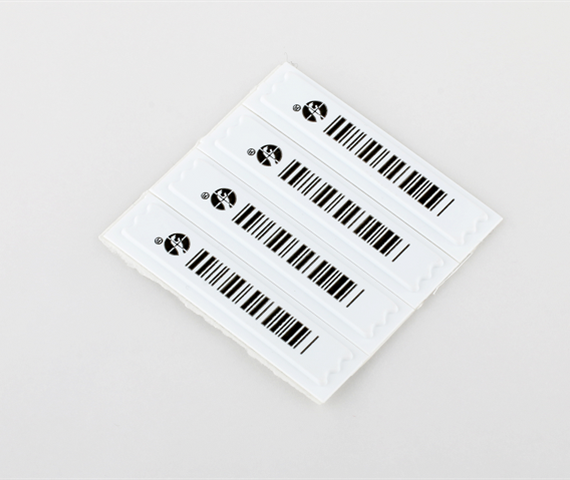
- Soft Labels: Adhesive labels applied to products such as books, cosmetics, or packaged goods. They are cost-effective and can be printed with brand logos or barcodes.
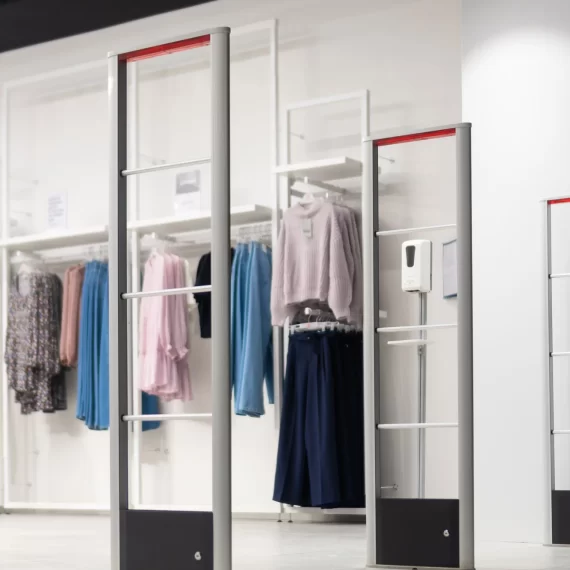
- Gate and Antenna Systems: EAS gates installed at store exits detect active tags. Modern gates are sleek, minimally intrusive, and designed to blend with store aesthetics.
- Detachment Devices: At checkout, tags are removed or deactivated. Advanced EAS systems ensure tags cannot be deactivated outside authorized points, adding an extra layer of security.
Example: Apparel stores often combine hard tags with security gates at multiple exits, ensuring both theft deterrence and real-time detection.
2. Radio Frequency Identification (RFID) Technology- Retail Anti‑Theft Systems
RFID has revolutionized inventory management and anti-theft solutions by adding intelligence to merchandise tracking. Unlike traditional EAS, RFID provides item-level visibility and can transmit data without requiring direct line-of-sight.
Key Capabilities:
- Real-Time Inventory Tracking: Instantly locate products in the store or backroom, reducing stock discrepancies.
- Automatic Replenishment: Identify items running low to avoid out-of-stock situations, which can indirectly reduce theft opportunities.
- Enhanced Theft Detection: High-value items equipped with RFID tags trigger alerts when exiting unauthorized zones.
- Data Analytics: Collect actionable insights about shopping patterns and high-risk areas for theft.
Example: Electronics stores use RFID to track laptops, cameras, and accessories, ensuring every item is accounted for and detected if removed without purchase.
3. Video Surveillance (CCTV) and Smart Monitoring- Retail Anti‑Theft Systems
Modern CCTV systems are no longer passive recording tools. When paired with AI analytics, they actively detect suspicious behaviors, alert staff, and even integrate with POS systems.
Features:
- High-Resolution Cameras: Capture clear footage even in low-light conditions.
- Motion Detection: Detects unusual movement patterns around high-value merchandise.
- Facial Recognition (Optional): Identify known offenders or repeat shoplifters (compliant with privacy laws).
- Behavioral Analytics: Advanced AI algorithms detect suspicious behavior such as loitering, repeated handling of items, or concealed merchandise.
Example: A jewelry store might use CCTV with AI to monitor for subtle theft attempts, such as jewelry being slipped into pockets or bags.
4. Integrated Point of Sale (POS) Systems- Retail Anti‑Theft Systems
POS integration is crucial for a modern Retail Anti‑Theft Systems. Linking EAS, RFID, and CCTV with POS allows for seamless operations and fraud detection.
Benefits:
- Transaction Validation: Match sales transactions with deactivated tags to ensure every purchased item is recorded correctly.
- Theft Pattern Detection: Identify suspicious patterns like frequent cancellations, returns without receipts, or mismatched inventory.
- Audit and Reporting: Generate detailed reports for management, helping to refine loss prevention strategies.
Example: A supermarket may integrate POS with RFID tags to track expensive items like alcohol, ensuring each exit matches a recorded sale.
5. Smart Analytics and AI Detection- Retail Anti‑Theft Systems
AI-powered analytics takes Retail Anti‑Theft Systems beyond mere detection. By analyzing video feeds, sales data, and inventory records, AI can predict potential theft scenarios before they occur.
Capabilities:
- Predictive Analysis: Identify high-risk products, locations, and times.
- Anomaly Detection: Spot unusual behavior patterns that might indicate theft.
- Staff Performance Tracking: Ensure employee behavior aligns with company policies to prevent internal theft.
- Automated Alerts: Send notifications to store managers or security personnel in real-time.
Example: Retailers can receive an instant alert if someone repeatedly picks up and puts down high-value products in a short period, allowing immediate intervention.
6. Access Control and Alarm Systems- Retail Anti‑Theft Systems
While EAS and RFID detect unauthorized removal of merchandise, access control systems regulate who can enter sensitive areas like stockrooms, offices, or high-value product sections.
Components:
- Keycard or Biometric Access: Only authorized personnel can access restricted areas.
- Integrated Alarms: Triggered if unauthorized entry is attempted.
- Emergency Overrides: Allow staff to quickly respond in case of a theft or security breach.
Example: A warehouse storing premium electronics uses biometric access control, ensuring only trained personnel can handle the products.
7. Remote Monitoring and Cloud-Based Solutions- Retail Anti‑Theft Systems
Cloud technology has enabled retailers to manage security across multiple locations from a single platform.
Advantages:
- Centralized Management: Monitor multiple stores simultaneously, from anywhere.
- Real-Time Alerts: Receive notifications on mobile devices or computers.
- Scalable Infrastructure: Easily add new stores or products without extensive hardware changes.
- Data Storage and Analytics: Cloud platforms maintain historical data for compliance, audits, and trend analysis.
Example: A retail chain with stores in multiple cities can use a cloud-based anti-theft system to monitor activity, generate reports, and adjust security settings remotely.
8. Deterrence-Focused Features- Retail Anti‑Theft Systems
Beyond detection, modern systems are designed to prevent theft proactively.
- Visible Security Gates: Act as psychological deterrents to shoplifters.
- Warning Signage: Alerts customers that items are tagged and monitored.
- Staff Training Modules: Many systems come with training resources to teach employees how to spot suspicious behavior.
Example: A high-end fashion store uses visible gates, combined with signage and trained staff, to reduce theft incidents significantly.
9. Customizable Security Zones- Retail Anti‑Theft Systems
Some advanced systems allow retailers to define zones within the store where monitoring intensity varies:
- High-Value Areas: Extra gates, cameras, and alarms around premium products.
- Open Access Zones: Less strict monitoring for general merchandise, reducing interference with the shopping experience.
- Restricted Access Zones: Only authorized personnel can enter, with alarms triggered if boundaries are crossed.
Example: In a cosmetics store, testers and common products are freely accessible, while expensive perfumes are placed in a monitored, secure area.
10. Integration with Employee Management Systems- Retail Anti‑Theft Systems
Some anti-theft systems integrate with workforce management solutions:
- Track Staff Movements: Identify unauthorized access to restricted areas.
- Link Incidents to Employee Records: Ensure accountability in case of internal theft.
- Optimize Staffing: Allocate staff to high-risk areas based on real-time analytics.
Example: Retail chains can reduce internal shrinkage by monitoring employee movements in conjunction with CCTV and POS data.

Benefits of Retail Anti‑Theft Systems
Retail Anti‑Theft Systems are more than just security devices—they are strategic tools that directly impact your bottom line, operational efficiency, and customer experience. Modern solutions, including EAS, RFID, AI analytics, and integrated CCTV, provide measurable benefits that can transform the way a retail business operates.
1. Significant Reduction in Inventory Shrinkage
One of the most immediate benefits of a retail anti-theft system is the reduction of shrinkage, which includes losses from shoplifting, employee theft, vendor fraud, and administrative errors.
- Shoplifting Prevention: Tags, labels, and gate systems act as physical and psychological deterrents. Many studies show that properly implemented EAS systems reduce shoplifting by up to 50–60%.
- Employee Theft Mitigation: Integrated CCTV and POS monitoring help identify suspicious internal activity, discouraging dishonest behavior.
- Vendor and Delivery Errors: RFID and inventory tracking can quickly detect missing or misplaced shipments, reducing losses due to human or vendor error.
Example: A medium-sized electronics store implemented RFID tags combined with CCTV monitoring, reducing shrinkage from 3% of revenue to less than 1.2% within the first year.
2. Improved Profit Margins
By reducing shrinkage, businesses protect their revenue. Even small percentages of loss prevention can have a significant impact on overall profitability.
- Cost Savings: Every prevented theft directly contributes to profit retention.
- Return on Investment (ROI): Modern anti-theft systems often pay for themselves within a few months due to reduced inventory loss.
- Strategic Pricing Flexibility: Reduced losses allow stores to optimize pricing strategies without having to raise prices to offset theft.
Example: A clothing retailer that installed smart EAS tags across all branches saw an increase in net profit margins of nearly 2% within a fiscal year, solely due to reduced theft and better inventory tracking.
3. Enhanced Customer Safety and Confidence
Retail Anti‑Theft Systems contribute to a safer environment for customers, which in turn enhances the shopping experience.
- Visible Security as a Deterrent: Security gates and visible cameras discourage shoplifting while reassuring honest customers.
- Reduced Chaos: Staff can focus on customer service rather than constantly monitoring for theft.
- Emergency Response: Integrated alarm systems can alert staff in real-time to suspicious or dangerous situations.
Example: Supermarkets in high-traffic areas use CCTV and alarm-integrated gates to maintain order, making customers feel safer while shopping during peak hours.
4. Better Inventory Management and Accuracy
Modern anti-theft solutions often integrate with inventory systems, giving retailers real-time insights into stock levels and product movement.
- Real-Time Tracking: RFID systems allow staff to locate products quickly, reducing “lost stock” scenarios.
- Stock Accuracy: Reduces discrepancies between physical inventory and POS records.
- Efficient Reordering: Automatic alerts for low-stock items prevent out-of-stock situations that could otherwise encourage theft of high-demand products.
Example: A grocery chain using RFID tags reduced inventory counting time by 70%, enabling employees to focus on customer service while maintaining accurate stock records.
5. Faster and More Efficient Checkout
Anti-theft systems, when combined with POS integration, can streamline the checkout process.
- Tag Deactivation at POS: Products are automatically deactivated at purchase, reducing delays and minimizing the risk of accidental alarms.
- Error Reduction: POS integration ensures items scanned match the deactivated tags, avoiding false alarms.
- Improved Staff Productivity: Employees spend less time manually checking for tags, allowing faster service.
Example: An electronics retailer integrated EAS deactivation at checkout, reducing checkout times by 20% while eliminating false alarms.
6. Data-Driven Insights for Loss Prevention
Retail anti-theft systems aren’t just reactive—they generate data that can be used proactively.
- Hotspot Analysis: Identify which areas of the store are most targeted for theft.
- Product-Level Risk: Determine which items are most frequently stolen and adjust placement or security measures.
- Staff Performance Monitoring: Analyze employee behavior to ensure compliance with store policies.
- Behavioral Trends: Use AI to predict times of high-risk activity, such as holidays or sales events.
Example: A high-end jewelry store used AI analytics with CCTV feeds to identify patterns of suspicious behavior, allowing staff to intervene proactively and prevent theft before it occurred.
7. Compliance and Legal Benefits
Retailers often face strict reporting requirements from insurers or regulators. Anti-theft systems make compliance easier:
- Detailed Audit Trails: Automatically track incidents for insurance claims or internal audits.
- Legal Evidence: Video surveillance provides clear proof in theft disputes or criminal proceedings.
- Standardized Protocols: Systems help enforce company security policies consistently across all locations.
Example: A department store chain successfully resolved multiple insurance claims quickly due to accurate anti-theft system logs and video evidence.
8. Scalability and Flexibility
Modern systems are modular and can grow with your business.
- Small to Large Stores: Solutions can be implemented in a single boutique or a multi-store retail chain.
- Customizable Solutions: Security intensity can be adjusted based on product type, store layout, and foot traffic.
- Future-Proof Technology: Cloud-based platforms allow for upgrades and remote monitoring as your business expands.
Example: A regional fashion retailer scaled up from one store to 15 locations using the same anti-theft platform, integrating all stores into a centralized monitoring system.
9. Enhanced Brand Reputation
Retail anti-theft systems also impact the intangible aspects of a business:
- Customer Trust: A secure store environment signals professionalism and care for both customers and merchandise.
- Staff Morale: Employees feel supported and secure in a store with well-designed loss prevention measures.
- Reduced Negative Incidents: Fewer theft-related conflicts enhance the overall brand experience.
Example: Retailers who proactively advertise their theft-prevention measures report higher customer confidence and repeat visits, particularly in high-value product categories.
10. Cost-Effectiveness Over Time
While initial installation may seem expensive, the long-term benefits far outweigh the costs.
- Long-Term Savings: Reduced shrinkage and operational efficiencies provide ongoing savings.
- Durable Hardware: Modern systems are built for long-term use with minimal maintenance.
- Integrated Solutions: Combining multiple functions (CCTV, RFID, POS) reduces the need for separate systems, saving money.
Where Retail Anti‑Theft Systems Are Used
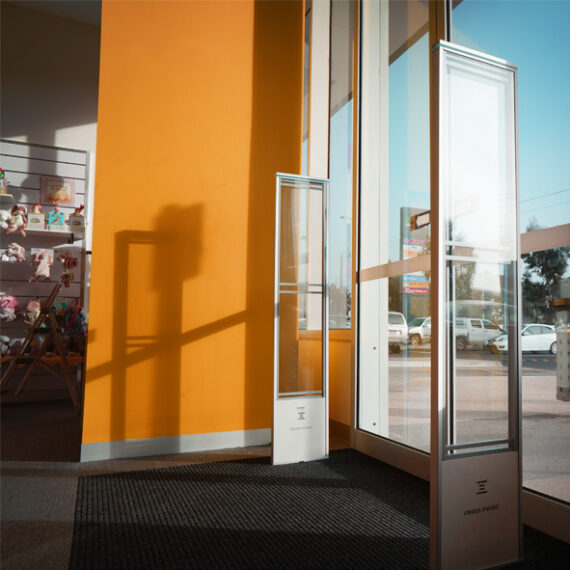
Retail Anti‑Theft Systems are versatile and can be deployed across a wide variety of retail settings:
Clothing and Apparel Stores
Due to high value and ease of concealment, apparel stores are especially vulnerable to theft. EAS tags on garments and smart CCTV provide solid protection.
Supermarkets and Grocery Stores
RFID and POS integration help track high‑transaction environments and prevent theft of consumables and high‑value items like alcohol or cosmetics.
Electronics Shops
High‑priced gadgets are frequent targets for theft. Security gates and RFID protect high‑risk merchandise.
Cosmetics and Beauty
Compact, easily concealable products benefit from both EAS tags and enhanced monitoring.
Bookstores and Specialty Retail
Soft labels and RFID allow for discreet Retail Anti‑Theft Systems protection without disrupting the customer browsing experience.
Department Stores and Malls
Larger stores usually require integrated systems combining RFID, CCTV, POS, and analytics for complete protection.
Toy Stores and Gift Shops
Smaller, attractive items are common targets for theft; Retail Anti‑Theft Systems deter theft and assist with inventory accuracy.
Choosing the Right Retail Anti‑Theft Systems
Selecting the ideal system requires matching technology to your business needs. Consider:
Store Size and Layout
Larger footprints may need multiple antennas, advanced CCTV, and integrated analytics.
Type of Merchandise
High‑value or easily concealed goods demand robust tagging and monitoring.
Traffic Volume
High footfall areas benefit from real‑time analytics and faster checkout integrations.
Budget and Scalability
Good Retail Anti‑Theft Systems should offer tiered options — from basic detection to full AI analytics.
Integration with Existing Tech
Systems that work seamlessly with your current POS, inventory, and CCTV systems are more efficient and cost‑effective.
Frequently Asked Questions (FAQs)
Q: What types of tags are used?
A: Retail Anti‑Theft Systems tags include hard tags (durable and reusable), soft labels (adhesive), and RFID tags (electronic identification). Each has different benefits.
Q: Can Retail Anti‑Theft Systems integrate with my POS?
A: Yes. Integration provides deeper analytics and improved accuracy between sales and inventory.
Q: Do these systems require maintenance?
A: Like any technology, regular maintenance ensures peak performance. Axle Systems offers support plans that include updates and servicing.
Q: How effective are Retail Anti‑Theft Systems?
A: When properly implemented, they can reduce theft by a significant percentage — commonly over 50% in many retail environments.
Q: Do they protect against employee theft?
A: Yes. With analytics and monitoring, suspicious internal activity can be identified and addressed.
Q: Are alarms disruptive to customers?
A: Only when an active tag passes through a detection point. Otherwise, systems remain silent.
Q: Can I monitor multiple store locations?
A: Absolutely. Cloud‑enabled systems allow centralized monitoring of all stores.
Q: Are there legal considerations?
A: Laws vary by region, but Retail Anti‑Theft Systems generally comply with retail industry standards — Axle Systems can advise based on your location.
Contact Axle Systems
Ready to secure your retail environment?
Axle Systems
Phone: +974 44682391/77443731
Email: info@axlesys.com
Website: www.axlesys.com
Address: Al Khalidiya Street, Najma, Doha, Qatar
Let our experts guide you toward the right Retail Anti‑Theft Systems for your business.
Conclusion
In today’s dynamic and highly competitive retail environment, the threat of theft and inventory shrinkage is a constant concern for store owners and managers. Losses from shoplifting, internal fraud, and administrative errors can significantly impact profit margins, reduce operational efficiency, and even affect customer trust. Traditional security measures, such as locks and security guards, are no longer sufficient to protect high-value merchandise or manage large, complex retail spaces. This is where Retail Anti‑Theft Systems come into play, offering retailers a comprehensive, intelligent, and proactive approach to safeguarding their business.
Retail Anti‑Theft Systems are not just about stopping theft—they are about creating a smarter, safer, and more efficient retail environment. Modern solutions combine advanced hardware, such as Electronic Article Surveillance (EAS) tags, hard and soft labels, RFID tags, and security gates, with sophisticated software like AI-powered video analytics, cloud-based monitoring, and integrated POS systems. These components work together to form a multi-layered defense, detecting potential threats in real-time, alerting staff, and providing actionable insights to prevent future incidents.
The benefits of implementing a retail anti-theft system are extensive. Businesses can expect a significant reduction in shrinkage, which directly protects revenue and boosts profitability. Beyond financial advantages, these systems improve inventory management, enhance operational efficiency, and allow staff to focus more on customer service rather than constant monitoring. Retailers also gain access to valuable data insights, helping them understand customer behavior, optimize store layouts, and identify high-risk areas or products. Moreover, the presence of visible security measures, such as gates and cameras, fosters a sense of safety and trust among customers, contributing to a positive shopping experience.
Another critical advantage of modern anti-theft systems is their scalability and adaptability. Whether a business is a small boutique or a nationwide retail chain, Retail Anti‑Theft Systems can be customized and scaled to fit specific needs. Cloud-based monitoring allows centralized control across multiple locations, while AI and analytics ensure predictive and proactive security measures. This flexibility ensures that the investment grows with the business, delivering long-term protection and value.
Retail Anti‑Theft Systems also support compliance and legal requirements. Detailed logs, audit trails, and video records make it easier to resolve disputes, process insurance claims, and meet regulatory standards. They also help businesses maintain consistency in loss prevention protocols, ensuring that staff follow best practices while minimizing human error.
At Axle Systems, we understand that every retail environment is unique. Our team of experts works closely with store owners to design, implement, and maintain anti-theft solutions that meet specific business requirements. From installation and configuration to staff training and ongoing support, we provide end-to-end service to ensure that your system is not only effective but also seamlessly integrated into daily operations.
Investing in a retail anti-theft system is not merely a security decision—it is a strategic business move. It protects profits, improves efficiency, strengthens customer trust, and provides a platform for data-driven decision-making. By combining advanced technology with expert guidance from Axle Systems, retailers can confidently face the challenges of theft and shrinkage, while focusing on growth and customer satisfaction.
In conclusion, Retail Anti‑Theft Systems are indispensable tools for modern retail. They provide a multi-faceted approach to security that protects your merchandise, supports operational excellence, and enhances the overall shopping experience. Choosing the right partner to implement these systems is equally important, and Axle Systems is committed to delivering cutting-edge solutions tailored to your business needs.