

Mall Footfall Analytics with Axle Systems
In today’s hyper-competitive retail environment, understanding customer behavior isn’t just an advantage — it’s a necessity. Shopping malls across the globe are reinventing themselves from purely transactional spaces into experiential destinations. But to thrive in an age dominated by digital insights and data-driven decisions, malls need more than traditional metrics. They need intelligent systems that help them understand how customers move, behave, and interact within the mall environment. This is where Mall Footfall Analytics steps in.
At Axle Systems, we are proud to deliver cutting-edge Mall Footfall Analytics solutions that empower malls, retailers, and property managers with actionable insights — transforming data into strategic advantage.
What is Mall Footfall Analytics?
Mall Footfall Analytics is a powerful data-intelligence solution designed to monitor, measure, and analyze pedestrian traffic within a shopping mall. It tracks visitor counts, movement patterns, dwell times, peak hours, repeat visit patterns, and much more — all through advanced sensors, cameras, and AI-driven processing.
Rather than relying on manual counting or guesswork, this system harnesses real-time and historical visitor data to help mall operators and tenants better understand shopper behavior. The result? Enhanced operational efficiency, improved tenant performance, optimized space usage, and elevated shopper experiences.
Why Footfall Analytics Matters for Malls
Malls are vibrant, dynamic environments where thousands of visitors flow through different zones every day. But the raw number of visitors alone doesn’t tell the full story. What mall planners, property managers, and retailers really need to understand is:
- Where are visitors spending time?
- Which entrances are most frequently used?
- What times of day see the highest traffic?
- Which stores or zones attract the most attention?
- Which zones are underutilized?
With these insights, malls can:
- Boost tenant leasing strategies
- Optimize staff scheduling
- Plan promotions and events
- Adjust layouts and signage for better flow
- Increase sales and engagement
- Improve customer satisfaction
And that’s exactly what Mall Footfall Analytics enables.
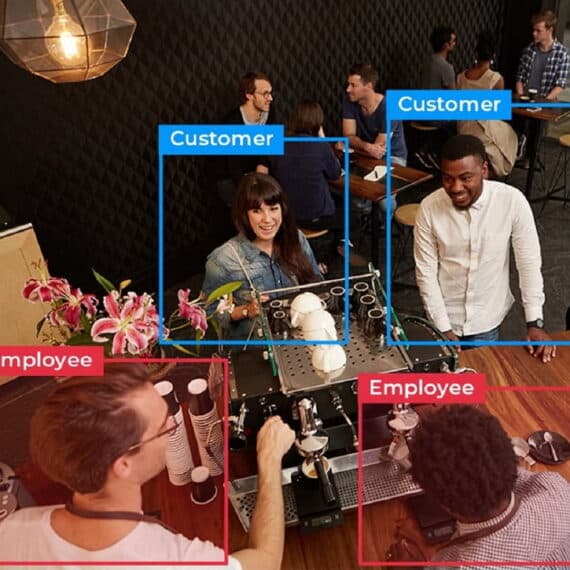
Features of Axle Systems’ Mall Footfall Analytics
Axle Systems’ Mall Footfall Analytics solution is built to deliver deep, actionable insights that go far beyond simple visitor counting. It combines advanced sensing technology, intelligent analytics, and intuitive dashboards to help mall operators, retailers, and facility managers make informed decisions with confidence. Below is an in-depth look at the key features that make our solution a powerful asset for modern shopping malls.
1. Advanced Real-Time Visitor Counting
At the foundation of Mall Footfall Analytics lies accurate visitor counting. Axle Systems uses advanced AI-enabled cameras and intelligent sensors that can precisely count the number of people entering and exiting the mall or specific zones.
Unlike traditional manual counting or basic sensors, our system:
- Differentiates between individuals and groups
- Eliminates double counting
- Filters out non-human movements such as carts or shadows
- Works effectively in both high-traffic and low-traffic conditions
Real-time data allows mall management to instantly understand current visitor levels, enabling immediate operational decisions such as increasing security presence, adjusting cleaning schedules, or managing crowd congestion during peak hours.
2. Accurate Dwell Time Analysis
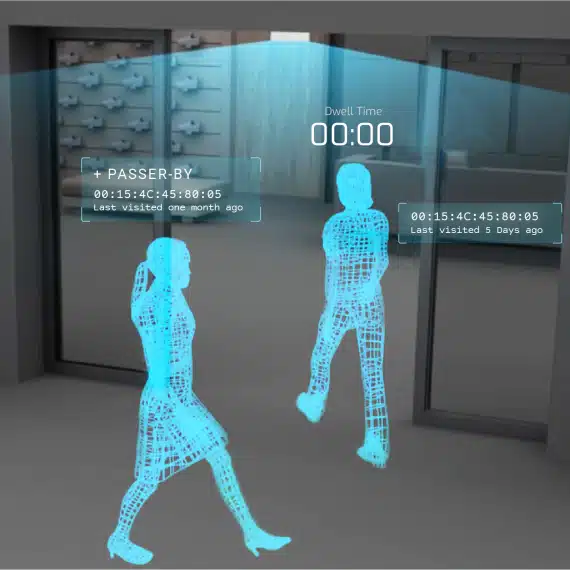
Dwell time is a critical metric that indicates how long visitors stay in specific areas of the mall. Axle Systems’ analytics engine tracks how much time shoppers spend near stores, kiosks, food courts, entertainment zones, and promotional areas.
This feature helps malls:
- Identify areas of high customer engagement
- Understand which stores or zones attract prolonged interest
- Evaluate the effectiveness of displays, promotions, and layouts
- Improve tenant performance by optimizing store positioning
Longer dwell times often correlate with higher purchase intent, making this data invaluable for both mall operators and retailers.
3. Zone-Based Footfall Tracking
Shopping malls consist of multiple zones, each serving a different purpose. Axle Systems’ Mall Footfall Analytics allows footfall measurement at a granular, zone-by-zone level, including:
- Mall entrances and exits
- Corridors and walkways
- Anchor store surroundings
- Food courts and entertainment areas
- Escalators, elevators, and waiting zones
By analyzing traffic distribution across these zones, mall management can identify underperforming areas, improve layout planning, and enhance overall visitor flow for a smoother shopping experience.
4. Heatmap Visualization
Heatmaps provide a powerful visual representation of visitor movement and density across the mall. Axle Systems’ solution converts complex data into easy-to-understand graphical heatmaps that highlight high-traffic and low-traffic zones.
Heatmap analytics enables:
- Quick identification of popular areas
- Optimization of promotional placements
- Improved wayfinding and signage strategies
- Strategic planning for pop-up stores and kiosks
With clear visual insights, decision-makers can immediately see where attention is concentrated and where improvements are needed.
5. Peak Hour and Traffic Trend Analysis
Understanding when visitors arrive is just as important as knowing how many arrive. Axle Systems’ Mall Footfall Analytics identifies:
- Daily peak hours
- Weekly traffic patterns
- Weekend versus weekday trends
- Seasonal and holiday fluctuations
This data allows malls to:
- Schedule staff efficiently
- Plan marketing campaigns during high-impact periods
- Prepare for crowd surges during festivals or sales
- Optimize operating hours
By aligning operations with visitor behavior, malls can maximize efficiency while reducing unnecessary costs.
6. Repeat Visitor and Loyalty Insights
Not all visitors are first-time shoppers. Axle Systems’ analytics can identify repeat visit patterns, offering valuable insights into customer loyalty and engagement.
This feature helps malls:
- Measure customer retention
- Identify loyal visitor segments
- Evaluate the impact of loyalty programs and events
- Understand how often customers return and how long they stay
Repeat visitor data is a strong indicator of mall attractiveness and overall customer satisfaction.
7. Demographic and Behavioral Segmentation
Understanding who visits your mall is key to delivering personalized experiences. Axle Systems’ Mall Footfall Analytics can provide anonymized insights into visitor demographics and behavioral patterns, such as:
- Visitor flow by time and zone
- Group behavior versus individual shoppers
- Family-oriented traffic patterns
- Event-driven visitor surges
These insights help malls design targeted marketing strategies, tenant mixes, and experiences that resonate with their audience.
8. Integration with Other Mall Systems
Axle Systems’ solution is designed to integrate seamlessly with other technologies, including:
- CCTV systems
- POS systems
- Visitor Management Systems
- Digital signage and display solutions
- Access control and security platforms
Integration enables deeper insights, such as correlating Mall Footfall Analytics data with sales performance or evaluating the impact of digital signage on visitor movement.
9. Customizable Dashboards and Reports
Every mall has unique goals and KPIs. Axle Systems provides customizable dashboards that present data in a clear, user-friendly format.
Key dashboard features include:
- Real-time analytics views
- Historical data comparison
- Graphs, charts, and tables
- Exportable reports for management and stakeholders
These dashboards make complex analytics accessible to both technical and non-technical users, supporting faster and more confident decision-making.
10. Cloud-Based Access and Remote Monitoring
Axle Systems’ Mall Footfall Analytics platform is cloud-enabled, allowing authorized users to access data anytime, anywhere.
Benefits include:
- Secure remote access
- Multi-location monitoring from a single dashboard
- Easy scalability for large mall networks
- Automatic updates and data backups
This ensures uninterrupted visibility into mall performance, even when management teams are off-site.
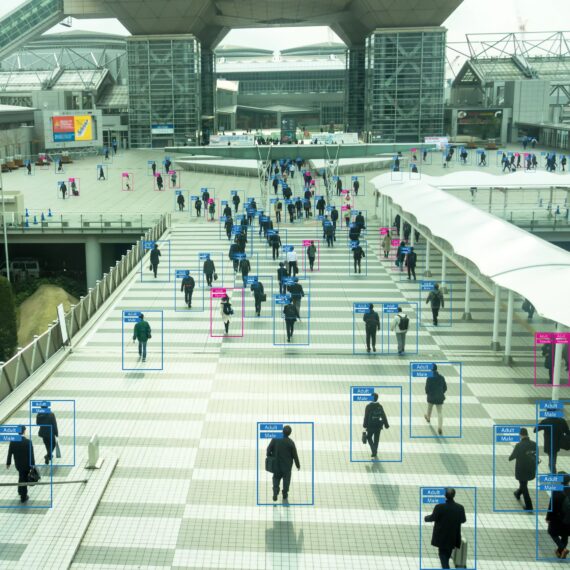
How Mall Footfall Analytics Works
To understand the value of this technology, it helps to see how it functions operationally.
Data Acquisition
Sensors, cameras, or other monitoring hardware are installed strategically across entry points and zones within the mall. These devices discreetly capture movement data while ensuring compliance with privacy and data protection standards.
Data Processing
The captured data is processed by AI-powered analytics engines. These engines distinguish between visitors, count entries and exits, analyze movement pathways, detect dwell times, and filter out noise (such as shadows or non-human movement).
Data Visualization
Processed data is displayed through an intuitive dashboard. Users can view real-time statistics, historical trends, zone performance, and heatmaps.
Actionable Insights
Decision-makers utilize these insights to plan promotions, allocate resources, negotiate lease terms, schedule staff, and enhance customer experiences.
Benefits of Mall Footfall Analytics
Mall Footfall Analytics delivers far-reaching benefits that extend across mall management, retail operations, marketing strategy, customer experience, and long-term business planning. By converting visitor movement into actionable data, malls can move from assumption-based decisions to evidence-based strategies. Below is a detailed explanation of the key benefits offered by Mall Footfall Analytics solutions from Axle Systems.
1. Data-Driven Decision Making
One of the most significant benefits of Mall Footfall Analytics is the ability to make decisions based on real data rather than intuition or estimates. Every aspect of mall operations — from layout planning to marketing investment — can be supported by accurate visitor analytics.
With access to real-time and historical data, mall operators can:
- Identify what works and what does not
- Validate business strategies with measurable insights
- Reduce risks associated with operational changes
- Make confident, informed decisions
This shift toward data-driven management enhances transparency and accountability across all departments.
2. Improved Operational Efficiency
Mall Footfall Analytics enables better planning and utilization of operational resources. By understanding visitor volumes and movement patterns, malls can optimize staffing, maintenance, and security operations.
Key operational improvements include:
- Efficient deployment of security staff during peak hours
- Optimized housekeeping schedules based on foot traffic
- Reduced operational costs during low-traffic periods
- Improved response times to crowd congestion
This ensures smooth day-to-day operations while maintaining high service standards.
3. Enhanced Tenant Performance and Satisfaction
Retail tenants are the backbone of any shopping mall. Mall Footfall Analytics provides valuable insights that help improve tenant performance and strengthen landlord-tenant relationships.
Benefits for tenants include:
- Clear visibility into customer traffic near their stores
- Better understanding of shopper behavior and dwell time
- Data-backed support for merchandising and promotions
- Improved sales potential through optimized store placement
When tenants succeed, mall occupancy rates remain high, lease renewals increase, and overall revenue grows.
4. Optimized Mall Layout and Space Utilization
Not all mall areas receive equal attention from visitors. Mall Footfall Analytics identifies underutilized zones and high-traffic corridors, enabling better spatial planning.
With these insights, mall management can:
- Redesign layouts to improve visitor flow
- Relocate kiosks and pop-up stores to high-visibility areas
- Enhance signage and wayfinding
- Convert low-traffic areas into experience zones
Effective space utilization directly impacts visitor engagement and retail profitability.
5. Increased Revenue Opportunities
Mall Footfall Analytics opens new revenue streams by providing quantifiable data that supports premium leasing, advertising, and sponsorship opportunities.
Revenue-related benefits include:
- Justification for higher rental rates in high-footfall zones
- Data-backed advertising placement decisions
- Increased value for brand partnerships and promotions
- Improved ROI on marketing campaigns
Accurate footfall data transforms mall traffic into a monetizable asset.
6. Better Marketing and Campaign Effectiveness
Marketing success depends on timing, placement, and relevance. Mall Footfall Analytics helps marketing teams understand when and where to engage customers.
Key marketing advantages include:
- Identifying the best times for promotions and events
- Measuring the impact of campaigns on foot traffic
- Comparing footfall before, during, and after campaigns
- Refining strategies based on real performance data
This ensures marketing budgets are spent efficiently and deliver measurable results.
7. Improved Customer Experience
A positive customer experience encourages longer visits, higher spending, and repeat visits. Mall Footfall Analytics plays a vital role in enhancing shopper satisfaction.
By analyzing visitor behavior, malls can:
- Reduce overcrowding and bottlenecks
- Improve navigation with better signage
- Introduce amenities where visitors spend the most time
- Create more comfortable and engaging environments
Happy visitors are more likely to return and recommend the mall to others.
8. Effective Crowd Management and Safety
During peak seasons, weekends, and special events, crowd management becomes critical. Mall Footfall Analytics provides real-time visibility into crowd density and movement.
Safety benefits include:
- Early detection of overcrowded areas
- Proactive crowd control measures
- Improved emergency preparedness
- Enhanced coordination between security teams
This contributes to a safer environment for shoppers, tenants, and staff.
9. Accurate Performance Benchmarking
Mall Footfall Analytics enables benchmarking across:
- Different zones within the mall
- Different days, weeks, or seasons
- Multiple mall locations under the same management
Benchmarking helps identify performance gaps and best-performing areas, supporting continuous improvement.
10. Support for Leasing and Tenant Negotiations
Leasing decisions become more transparent and fair with access to accurate Mall Footfall Analytics data. Mall management can use analytics to support negotiations with tenants.
This includes:
- Demonstrating actual customer exposure
- Justifying rental pricing based on traffic
- Supporting long-term leasing strategies
- Attracting premium brands with verified data
Data-backed leasing builds trust and long-term partnerships.
Use Cases of Mall Footfall Analytics
Understanding visitor behavior is no longer a theoretical exercise — it’s a critical part of modern mall management. Mall Footfall Analytics turns raw data into actionable insights that improve efficiency, tenant performance, and customer experience. Below, we explore real-world scenarios where Axle Systems’ Mall Footfall Analytics delivers measurable results.
1. Optimizing Store Placement and Layout
Challenge: A large shopping mall noticed that certain corridors and zones had low visitor engagement, while some anchor stores and food courts were consistently crowded.
Solution: Using Axle Systems’ Mall Footfall Analytics, the management team analyzed visitor traffic patterns over several weeks. Heatmaps revealed underutilized areas and corridors where foot traffic was minimal.
Outcome:
- Specialty stores and kiosks were relocated to high-traffic areas.
- Promotional signage and interactive displays were installed along low-traffic zones to redirect visitors.
- Visitor flow improved, dwell time increased, and underperforming zones saw a 30% rise in engagement within the first quarter.
This use case highlights how data-driven layout optimization directly increases visibility for retailers and improves overall mall efficiency.
2. Strategic Timing of Marketing Campaigns
Challenge: A retail brand within the mall struggled to decide the best days and times to run a promotional campaign to maximize reach.
Solution: Mall Footfall Analytics tracked daily and hourly visitor flows, identifying peak shopping hours and days for different demographics.
Outcome:
- Promotions were scheduled during high-traffic windows, such as weekends and late afternoons.
- Targeted campaigns during off-peak hours attracted niche shoppers without overwhelming crowds.
- The brand reported a 25% increase in promotion engagement and higher conversion rates.
By aligning marketing campaigns with real visitor behavior, malls and tenants ensure maximum return on investment for promotional efforts.
3. Effective Crowd Management During Peak Events
Challenge: During seasonal sales, holiday events, or celebrity appearances, large crowds often caused congestion and safety concerns.
Solution: Real-time footfall data enabled security teams to monitor crowd density in different zones. Alerts were configured to notify staff whenever a corridor or food court exceeded safe occupancy thresholds.
Outcome:
- Staff were proactively deployed to manage queues and guide visitors.
- Congestion was reduced by 40%, enhancing safety and comfort.
- Positive visitor experience led to higher satisfaction scores and repeat visits.
This use case demonstrates how Mall Footfall Analytics ensures both safety and a smoother, more enjoyable shopping experience.
4. Evaluating Retail Tenant Performance
Challenge: Mall management wanted to assess the performance of new tenants and evaluate whether foot traffic translated into sales.
Solution: Footfall data was correlated with point-of-sale (POS) information to measure conversion rates and dwell time for specific stores.
Outcome:
- High-footfall stores with low conversion rates were identified, prompting tenant support programs.
- Tenants with optimized layouts and product placement saw higher revenue per visitor.
- Lease negotiations became more transparent, with rental pricing adjusted based on verified traffic patterns.
Mall Footfall Analytics ensures fair and data-driven decision-making that benefits both mall operators and tenants.
5. Enhancing Customer Experience and Engagement
Challenge: Visitors complained of overcrowded food courts and confusing layouts, leading to shorter stays and reduced spending.
Solution: Analytics identified hotspots where visitors lingered and zones where traffic was low. Management implemented targeted interventions, including:
- Relocating seating areas to popular zones
- Introducing interactive kiosks and digital wayfinding
- Improving directional signage and lighting
Outcome:
- Average dwell time increased by 20%, translating to higher sales for retailers and food courts.
- Visitor satisfaction improved, as measured through surveys and repeat visits.
- Mall reputation and loyalty programs benefited from enhanced overall experience.
By understanding visitor behavior, malls can create a more enjoyable and intuitive shopping environment.
6. Planning for Seasonal Trends and Events
Challenge: Seasonal variations and holiday peaks often led to misallocation of staff and resources, resulting in operational inefficiencies.
Solution: Historical Mall Footfall Analytics allowed management to predict high-traffic periods, including holidays, weekends, and special events.
Outcome:
- Staff schedules were adjusted to match projected traffic
- Temporary pop-up stores and seasonal attractions were placed in high-footfall zones
- Promotions were timed to match expected visitor surges, increasing revenue
- Operational costs were optimized by avoiding overstaffing during low-traffic periods
Data-driven seasonal planning reduces costs and ensures smooth operations while maximizing opportunities during peak periods.
7. Supporting Mall Expansion and Renovation Decisions
Challenge: Mall operators planned a renovation and wanted to decide which areas should be expanded, redesigned, or repurposed.
Solution: Long-term footfall trends and zone-specific traffic data informed decision-making. Management analyzed which zones consistently attracted high visitor numbers and which were underutilized.
Outcome:
- Renovation prioritized high-traffic areas for expansion and anchor store placement
- Underperforming zones were converted into entertainment or experiential spaces
- Investment in renovation was strategically allocated, reducing risk and ensuring higher ROI
Mall Footfall Analytics provides a data-backed roadmap for long-term growth and infrastructure investments.
8. Integrating Footfall Data with Digital Signage and Smart Advertising
Challenge: The mall’s digital signage campaigns were not generating expected engagement.
Solution: Analytics were used to identify zones with the highest dwell times. Digital signage was strategically placed in these areas, targeting specific visitor segments based on traffic patterns.
Outcome:
- Ad engagement rates increased significantly
- Retailers saw higher response rates to promotions
- Mall advertising revenue grew, leveraging real-time data to optimize placements
Integrating footfall data with smart advertising ensures that marketing messages reach the right audience at the right place and time.
How Axle Systems Delivers Mall Footfall Analytics
Delivering a robust Mall Footfall Analytics solution requires more than just installing hardware and software. At Axle Systems, we take a comprehensive, end-to-end approach that ensures our clients not only receive accurate data but also actionable insights that drive real business results. From consultation to ongoing support, every step is designed to maximize the value of your investment.
1. Expert Consultation and Needs Assessment
Every mall is unique — in size, layout, visitor demographics, and operational goals. Our process begins with a detailed consultation to understand your specific requirements.
During this phase, we:
- Analyze the physical layout of your mall, including entrances, exits, corridors, and anchor stores
- Review current visitor flow patterns and operational challenges
- Identify zones requiring detailed monitoring, such as food courts, entertainment areas, or high-traffic corridors
- Understand your business objectives, whether it’s improving tenant performance, increasing visitor dwell time, or enhancing marketing strategies
This consultation ensures that the analytics solution is customized to your mall, rather than offering a one-size-fits-all product.
2. Customized System Design
Once the assessment is complete, Axle Systems designs a tailored solution optimized for your environment. This includes:
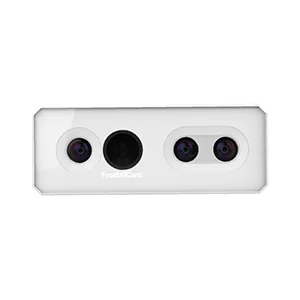
- Hardware Selection: Choosing the right combination of cameras, sensors, and other detection devices to accurately capture Mall Footfall Analytics data.
- Strategic Placement: Determining ideal sensor and camera locations to ensure coverage of entrances, exits, corridors, and zones without blind spots.
- Analytics Configuration: Defining the metrics most relevant to your mall, such as dwell time, peak hours, repeat visits, or hotspot density.
- Integration Planning: Mapping out how the analytics system will integrate with existing CCTV, POS, CRM, or visitor management systems.
This careful planning ensures accurate, actionable insights from day one.
3. Seamless Hardware Installation
Installation of sensors and cameras is carried out with minimal disruption to mall operations. Our trained technicians:
- Mount devices in discreet yet effective locations
- Configure cameras and sensors for optimal coverage and accuracy
- Ensure all hardware is networked securely for real-time data collection
- Conduct preliminary tests to confirm proper functionality
By combining precision installation with advanced technology, Axle Systems guarantees high data accuracy and reliability.
4. Advanced Software Deployment
Once hardware is in place, our analytics software is deployed and configured. Key features of the deployment phase include:
- AI-Powered Analytics: Our software leverages machine learning to distinguish between human traffic, carts, and other non-human movement.
- Zone Definition: Each area of the mall is mapped digitally, enabling zone-by-zone analysis and detailed reporting.
- Real-Time Dashboards: Intuitive dashboards are set up to provide immediate insights into visitor numbers, dwell time, and traffic patterns.
- Historical Data Integration: If available, historical Mall Footfall Analytics data can be incorporated to establish trends and benchmarks.
The result is a fully operational analytics system that delivers real-time and long-term insights for strategic decision-making.
5. Staff Training and Knowledge Transfer
A system is only as good as the people using it. Axle Systems ensures your team is fully equipped to leverage Mall Footfall Analytics effectively.
Training programs include:
- How to read dashboards and interpret metrics
- Generating customized reports for tenants, management, or investors
- Using alerts to respond to crowding or operational issues
- Understanding trends for marketing, leasing, and layout decisions
Our goal is to make analytics accessible to both technical and non-technical users, empowering staff to act confidently on insights.
6. Integration with Existing Mall Systems
Axle Systems provides seamless integration with your current technology infrastructure, including:
- CCTV and security systems for enhanced monitoring and safety insights
- POS systems to correlate footfall with sales and conversion rates
- Digital signage for targeted promotions based on visitor patterns
- Visitor management and access control systems for operational efficiency
This integration allows holistic analysis and ensures Mall Footfall Analytics data drives meaningful outcomes across all aspects of mall management.
7. Scalable Architecture for Future Growth
Our solution is designed to grow with your mall. Whether you are managing a single mall, multiple properties, or planning expansion, Axle Systems’ analytics platform scales effortlessly.
Scalability features include:
- Adding new sensors or cameras without disruption
- Monitoring multiple malls from a single centralized dashboard
- Expanding analytics to new zones, events, or seasonal setups
- Cloud-enabled storage for easy access and data continuity
This ensures that your investment continues to provide value as your business evolves.
8. Continuous Support and Optimization
Our commitment to clients doesn’t end at installation. Axle Systems provides ongoing support and optimization to maximize the benefits of your analytics solution.
Support services include:
- Real-time troubleshooting for hardware or software issues
- Regular system updates and enhancements
- Data validation and quality assurance
- Periodic consultation to optimize dashboards, reports, and alert systems based on evolving business goals
With continuous support, malls can maintain high operational efficiency and accurate analytics year-round.
9. Actionable Insights for Decision-Making
Ultimately, the value of Mall Footfall Analytics lies in its ability to convert data into actionable insights. Axle Systems ensures your team can:
- Identify underperforming areas and optimize layouts
- Schedule staff efficiently based on peak hours and traffic flow
- Plan marketing campaigns and events for maximum impact
- Monitor tenant performance and negotiate data-backed lease agreements
- Enhance customer experience by reducing congestion and improving amenities
Our approach ensures that analytics drive tangible results, rather than just generating numbers.
10. End-to-End Partnership
Axle Systems is more than a technology provider — we are a strategic partner. From initial consultation to long-term support, our goal is to ensure that Mall Footfall Analytics delivers real business outcomes, such as increased revenue, happier tenants, safer and more enjoyable shopping experiences, and smarter operational decisions.
Contact Axle Systems
If you’d like to learn more about our Mall Footfall Analytics solution or want a personalized demo, we’d love to hear from you.
Phone: +974 44682391/77443731
Email: info@axlesys.com
Website: www.axlesys.com
Office: Al Khalidiya Street, Najma, Doha, Qatar
Connect with us to revolutionize the way you understand your mall’s visitors.
Frequently Asked Questions (FAQs)
1. What is Footfall Analytics?
Footfall Analytics is the process of capturing and analyzing data related to the number of visitors entering and moving through a physical space — in this case, a shopping mall. It helps understand traffic patterns, visitor engagement, peak times, and behavioral trends.
2. How does Mall Footfall Analytics work?
The system uses sensors or cameras to capture movements. Data is processed using AI and analytical models to produce meaningful insights, which are displayed via dashboards.
3. Is it compliant with privacy laws?
Yes. Our solution collects anonymous data and avoids recording personally identifiable information. It is designed to comply with global privacy standards and regulations.
4. What kinds of hardware are required?
Depending on your infrastructure, the system may use cameras, motion sensors, Wi-Fi/Bluetooth detection devices, or combined technologies — all optimized for accurate and reliable data capture.
5. How accurate is the system?
Accuracy depends on factors like sensor placement, environment, and configuration. With proper setup by Axle Systems experts, accuracy levels exceed industry standards.
6. Can the analytics be accessed remotely?
Yes. The dashboard is cloud-based, enabling remote access from any device with secure login credentials.
7. Can footfall data be combined with sales data?
Absolutely. Integration with POS and CRM systems allows you to correlate footfall with revenue, customer profiles, and purchase behavior.
8. How quickly can Axle Systems deploy the solution?
Deployment timelines vary depending on size and complexity, but typical installations can be completed within weeks — including planning, hardware setup, and training.
9. Does the system support multiple malls?
Yes. Our scalable architecture allows you to monitor and analyze Mall Footfall Analytics across multiple properties from a single dashboard.
10. How does footfall analytics improve customer experience?
It helps malls understand visitor patterns and preferences — enabling better wayfinding, crowd control, amenity placement, and tailored services that enhance satisfaction.
Conclusion
Mall Footfall Analytics is no longer a luxury — it is a strategic necessity. From improving operational efficiency and tenant performance to elevating customer experiences and driving revenue growth, the insights provided by this technology are indispensable.
By implementing Axle Systems’ Mall Footfall Analytics, malls gain a 360-degree view of visitor behavior, enabling smarter decision-making, enhanced engagement, and sustainable growth. In today’s dynamic retail world, data-driven malls win. With our expertise and technology, your mall can not only keep pace with modern retail trends but lead the way in innovation, efficiency, and visitor satisfaction.
Take the first step toward a smarter, more profitable mall. Partner with Axle Systems and transform your footfall into actionable insights that drive real results.