

Smart Washroom Technologies in Qatar
Smart washrooms are no longer a futuristic novelty — they’re a proven way for building owners, facility managers and operations teams to improve hygiene, lower operating costs, reduce water and energy use, and deliver a better user experience.
What are Smart Washroom Technologies?
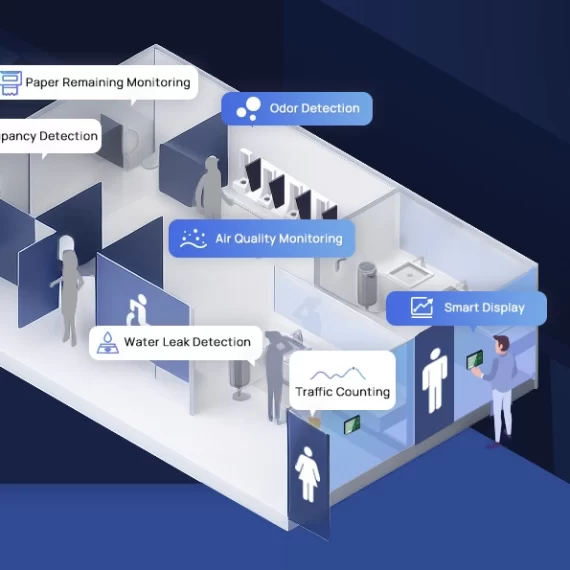
Smart Washroom Technologies combine sensors, connected devices, cloud software and analytics to automate, monitor and optimise washroom operations. Instead of manual checks and paper logs, Smart Washroom Technologies continuously collect real-time data (occupancy, soap and paper levels, air quality, water usage, flush counts, cleaning events, fault reports) and present actionable insights that let teams respond faster, plan maintenance using data, and deliver a cleaner, safer facility.
Core elements typically include:
- IoT sensors (occupancy, motion, level sensors for dispensers, leak and moisture sensors)
- Connected fixtures (smart faucets, automatic flush valves, touchless soap dispensers)
- Environmental monitors (CO₂, VOCs, temperature, humidity, odour sensors)
- Network gateways and secure cloud platforms
- Mobile apps and dashboards for alerts, work orders and analytics
- Integration with building management systems (BMS), CAFM or cleaning workflows
Why Smart Washroom Technologies Matter?
Smart Washroom Technologies are transforming how facility managers handle cleanliness, hygiene, maintenance efficiency, and cost savings. By using connected IoT sensors and automated systems, washrooms become more responsive and more reliable — directly improving user satisfaction and operational performance. Below is a deeper look at each benefit:
1. Improved Hygiene & User Safety
Traditional washrooms rely on manual checks and high-touch fixtures that can easily spread germs. Smart Washroom Technologies greatly reduce these risks.
- Touchless fixtures (faucets, soap dispensers, flush valves, hand dryers) minimise physical contact and the spread of viruses, bacteria and other contaminants.
- Real-time consumable alerts ensure critical hygiene items like soap and paper towels are never empty, which keeps hand-washing compliance high.
- Automated cleaning triggers based on occupancy or air quality help maintain cleanliness even during peak usage times.
2. Operational Efficiency & Smarter Cleaning
Most facilities waste resources by cleaning on fixed schedules regardless of actual usage.
Smart Washroom Technologies platforms enable demand-based cleaning, where:
- Cleaning tasks are generated based on actual footfall or event triggers.
- Staff get mobile alerts with specific instructions (e.g., “Check stall 3 — toilet paper low”).
- Supervisors gain visibility into task completion and productivity.
3. Water and Energy Savings
Smart Washroom Technologies are designed for resource efficiency.
Examples include:
- Smart faucets with flow control reduce water waste by up to 50%.
- Automatic flush systems regulate water use based on real usage — no accidental double flushing.
- Occupancy-linked HVAC adjustments cut down on air-conditioning costs while maintaining comfort.
- Reducing leaks early prevents costly structural damage and excessive water bills.
4. Cost Control & Measurable ROI
When operations become more efficient, costs naturally go down — and Smart Washroom Technologies make the results easy to measure.
Savings are achieved through:
- Reduced consumable usage (paper, soap, cleaning chemicals)
- Fewer emergency repairs due to proactive maintenance alerts
- Minimized downtime and damage from leaks
- Better monitoring of inventory and staff tasks
Analytics dashboards help track:
- Cost per washroom
- Consumable usage trends
- Labour efficiency improvement
5. Data for Better Planning & Decision-Making
Insights collected through IoT sensors empower smarter, future-proof facility management.
Examples of useful analytics:
- Peak traffic patterns by hour/day
- Average usage per cleaning cycle
- Overcrowded washrooms requiring layout changes
- Identification of underutilised facilities
This data helps optimize:
- Cleaning schedules
- Consumable stocking levels
- Staff allocation
- Renovation and expansion planning
6. Faster Fault Detection & Maintenance
Unexpected failures like clogged fixtures, leaks, or vandalism can cause major disruptions.
Smart systems provide:
- Instant alerts for leaks, broken dispensers, abnormal water flow
- Predictive maintenance using analytics and device health monitoring
- Ability to initiate work orders automatically through integration with CAFM/BMS systems
By fixing issues before they escalate:
- Facility downtime is minimized
- Repair costs are lower
- Safety hazards are reduced
7. Sustainability & Regulatory Alignment
With sustainability targets becoming standard in Qatar and worldwide, Smart Washroom Technologies enable continuous environmental improvement.
They support:
- Reduction in water consumption and wastage
- Lower paper and chemical use due to optimized cleaning
- Improved indoor air quality
- ESG and environmental compliance reporting
8. Enhanced Guest Experience & Reputation
Smart Washroom Technologies strongly influence customer perception — especially in hospitality, retail, malls, and airports.
Smart washrooms:
- Stay clean consistently
- Maintain pleasant odour and air quality
- Ensure hygiene items are always available
- Reduce waiting queues with occupancy intelligence
- Promote confidence through visible cleanliness efforts
When users feel comfortable and safe in a washroom, their trust in the entire facility increases.
Key Features of Smart Washroom Technologies
Smart Washroom Technologies systems combine intelligent hardware and advanced software to transform a traditional restroom into a highly efficient, hygienic and self-monitoring environment. Below are the essential features that define the next generation of washroom management:
1️. Touchless & Automated Fixtures
Touchless technology plays a major role in modern hygiene standards. Smart Washroom Technologies integrate automated systems that activate through motion or proximity sensors, minimizing user interaction with surfaces.
Common touchless solutions include:
- Automatic faucets with water-flow regulation
- Sensor-based urinal and toilet flush valves
- Motion-activated soap and hand sanitizer dispensers
- Touch-free paper towel dispensers and hand dryers
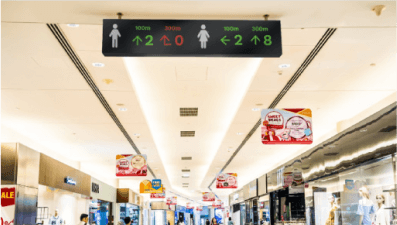
2️. Occupancy Monitoring & People Flow Analytics
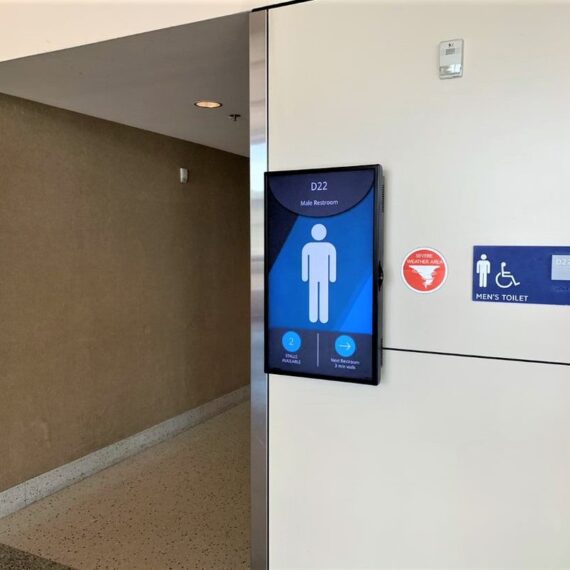
Smart occupancy sensors detect restroom usage patterns in real time. This data supports both operational planning and customer convenience.
Capabilities:
- Detecting stall-level or overall washroom occupancy
- Identifying peak usage hours
- Monitoring traffic distribution across multiple washrooms
- Guiding users to available facilities through digital signage (airports, malls)
3️. Consumable Level Monitoring
Running out of tissue paper, soap, or hand towels creates a negative user experience. Smart Washroom Technologies prevent this with IoT-enabled monitoring of dispenser levels.
Measured consumables:
- Toilet rolls
- Paper towels
- Soap and sanitizer
- Air fresheners
4️. Predictive Maintenance & Equipment Health Monitoring
Instead of waiting for breakdowns, Smart Washroom Technologies use real-time diagnostics to ensure fixtures and devices stay fully operational.
Examples of monitoring:
- Leak detection sensors around pipes and fittings
- Water pressure irregularities
- Battery status alarms for wireless devices
- Hand dryer and sensor feedback systems
5️. Intelligent Environmental Monitoring
Indoor air quality is a key part of hygiene and comfort. Smart Washroom Technologies measure environmental conditions continuously.
Sensors for:
- Ammonia, VOC and odor levels
- Humidity and temperature to control bacterial growth
- CO₂ levels for ventilation optimization
6️. Centralized Dashboards & Real-Time Alerts
All sensor data is pushed to a cloud platform that gives facility managers a 360° view of every washroom in real time.
Dashboard features include:
- Live status of consumables and air quality
- Cleaning task tracking and maintenance alerts
- Custom reports and performance analytics
- Trend data for long-term planning
7️. Mobile Apps for Cleaning & Maintenance Teams
Smart Washroom Technologies empower frontline staff through digital workflows.
Mobile features:
- Push notifications for immediate tasks
- Photo-based issue reporting
- QR code scanning on fixtures to log maintenance
- Route optimization for cleaning schedules
8️. Seamless Integration with CAFM, BMS & ERP Systems
Integration ensures that data and operations work together rather than in silos.
Typical integrations:
- CAFM: Automated work orders and cleaning logs
- BMS: Smart control of lighting and HVAC
- Procurement/ERP systems: Consumable stock automation
9️. Scalable Architecture & Secure Connectivity
Smart Washroom Technologies are built to expand as facility demands grow.
Connectivity options may include:
- LoRaWAN — long range, low power, great for large facilities
- Wi-Fi — ideal for existing infrastructure
- NB-IoT — carrier-based connection for distributed sites
- Wired Ethernet for critical systems
Security features:
- End-to-end encrypted communication
- Device authentication
- Role-based user access
10. Analytics Reporting & KPI Tracking
Smart Washroom Technologies don’t just automate — they generate actionable intelligence.
KPIs typically measured:
- Water usage per user
- Mean time to service (MTTS) alerts
- Consumable usage trends
- User satisfaction impact metrics
- Cleaning performance vs. occupancy

Typical Components in a Smart Washroom Technologies Solution
A smart washroom solution is not just about one or two automated devices—it is a complete ecosystem of interconnected components that work together to deliver hygiene, efficiency, and actionable insights. Understanding each component helps facility managers and decision-makers plan, implement, and scale smart washrooms effectively. Below is a detailed breakdown of the typical components in a modern Smart Washroom Technologies system:
1️. Sensor Nodes
Sensors are the core of a Smart Washroom Technologies. They continuously monitor real-time conditions and provide actionable data.
Common sensor types:
- Occupancy sensors: Detect the presence of people in stalls or washrooms to optimize cleaning schedules and manage peak traffic.
- Level sensors: Monitor soap, paper towel, toilet paper, and sanitizer dispensers to prevent stock-outs.
- Leak and moisture sensors: Identify water leaks early to avoid property damage and reduce maintenance costs.
- Environmental sensors: Measure air quality, humidity, temperature, and odors to ensure comfort and hygiene.
- People counting sensors: Track the number of visitors to determine usage patterns and peak periods.
2️. Smart Fixtures
Smart fixtures combine automation, connectivity, and durability to enhance hygiene and reduce resource usage.
Examples include:
- Touchless faucets and taps: Reduce water wastage and cross-contamination.
- Automatic flush valves: Optimize water consumption per use and maintain hygiene.
- Sensor-based soap and sanitizer dispensers: Provide precise dispensing and avoid overuse.
- Touch-free hand dryers and paper towel dispensers: Improve convenience and hygiene.
3️. Edge Gateway
The edge gateway acts as the bridge between the local sensor network and the cloud platform.
Functions:
- Collects data from all sensor nodes
- Converts and processes local signals into standardized formats
- Transmits encrypted data securely to the cloud
- Supports multiple connectivity protocols (LoRaWAN, Wi-Fi, NB-IoT, Ethernet)
4️. Cloud Platform
The cloud platform is the central hub that stores, processes, and analyzes data from all washroom devices.
Capabilities:
- Aggregate real-time data for all washrooms across the facility
- Display dashboards for consumables, occupancy, and environmental conditions
- Trigger alerts and notifications for low supplies, faults, or unusual conditions
- Generate reports and analytics for KPI tracking and performance evaluation
5️. Mobile Applications
Mobile apps empower cleaning staff, supervisors, and facility managers to monitor, manage, and respond to alerts on the go.
Typical features:
- Push notifications for urgent maintenance or replenishment tasks
- Task assignment and tracking for cleaning staff
- Real-time reporting of issues with photos or notes
- Access to dashboards and KPI reports
6️. Integration Interfaces
Smart Washroom Technologies often integrate with other facility management solutions to streamline operations.
Possible integrations:
- CAFM (Computer-Aided Facility Management): Automates cleaning schedules and maintenance work orders.
- BMS (Building Management System): Controls HVAC and lighting based on occupancy or environmental data.
- ERP/Inventory Management Systems: Automates consumable stock replenishment and procurement.
7️. Security & Connectivity Layer
Ensuring secure and reliable communication between devices, gateways, and cloud platforms is critical.
Key aspects:
- Encrypted communication protocols (HTTPS, TLS/SSL)
- Device authentication to prevent unauthorized access
- Network segmentation for IoT devices to prevent security breaches
Use Cases — Where Smart Washroom Technologies Make the Biggest Difference
Smart Washroom Technologies are versatile and adaptable, providing measurable benefits across multiple sectors. In Qatar, where facilities range from ultra-modern airports to high-capacity stadiums, the implementation of smart washrooms can transform operations, improve hygiene standards, and enhance the user experience. Below, we explore key use cases where these technologies make a significant impact.
1️. Airports & Transit Hubs
Airports and large transit stations are among the busiest public spaces, handling thousands of passengers daily. Maintaining cleanliness, preventing congestion, and ensuring the availability of hygiene supplies are critical.
Challenges:
- Extremely high footfall and variable peak periods
- Multiple washroom locations spread across terminals
- Strict hygiene requirements for international travelers
Smart Washroom Technologies solutions provide:
- Occupancy monitoring to manage traffic flow and guide passengers to available washrooms
- Consumables level monitoring to ensure soap, sanitizer, and paper supplies are always stocked
- Predictive maintenance alerts to detect leaks, clogged drains, or fixture malfunctions
- Environmental monitoring to control air quality, odors, and humidity automatically
2️. Hotels & Hospitality
For hotels, guest perception is directly influenced by the cleanliness and functionality of washrooms. Even minor lapses can affect online reviews and guest loyalty.
Challenges:
- Maintaining consistent quality across hundreds of rooms and public washrooms
- Real-time response to guest complaints or maintenance issues
- Reducing operational costs while maintaining high hygiene standards
Smart Washroom Technologies solutions provide:
- Automated notifications for low consumables or fixture malfunctions
- Touchless faucets, flush valves, and dispensers for superior hygiene
- Data dashboards for housekeeping managers to track performance across multiple floors
- Integration with hotel management systems for seamless task assignment
3️. Shopping Malls & Retail Centers
High-traffic retail spaces require frequent cleaning and replenishment of supplies. Smart washrooms help ensure a consistently positive experience for shoppers.
Challenges:
- Rapid turnover of visitors during peak shopping hours
- Diverse demographic of users with varying expectations
- Need for operational efficiency to manage multiple restrooms
Smart Washroom Technologies provide:
- Real-time occupancy and traffic analytics to plan cleaning cycles
- Predictive alerts for dispenser refills and maintenance issues
- Smart environmental controls to maintain odor-free, comfortable conditions
4️. Hospitals & Healthcare Facilities
In healthcare settings, hygiene is non-negotiable. Washrooms are high-risk areas for contamination and require stringent monitoring.
Challenges:
- Compliance with infection control protocols
- Continuous availability of hygiene products
- Rapid response to leaks, malfunctions, or unsanitary conditions
Smart Washroom Technologies provide:
- Automated touchless fixtures to minimize cross-contamination
- Environmental sensors to monitor air quality, humidity, and odors
- Real-time alerts for consumable depletion and maintenance issues
- Detailed reporting for compliance with health and safety standards
5️. Stadiums, Arenas & Event Venues
Sports and entertainment venues experience intense but periodic spikes in foot traffic, making washroom management challenging.
Challenges:
- Large crowds during events, leading to sudden spikes in usage
- High potential for consumable shortages and fixture wear
- Need for rapid cleaning and maintenance during short breaks
Smart washroom solutions provide:
- People counting sensors to identify high-usage periods and stalls
- Automated replenishment alerts to maintain adequate supplies
- Predictive maintenance for high-traffic fixtures
- Environmental monitoring to keep spaces fresh and comfortable
6️. Corporate Offices & Campuses
Modern workplaces aim to provide employees with a hygienic, comfortable, and efficient environment. Smart Washroom Technologies play a role in employee satisfaction and workplace efficiency.
Challenges:
- Multiple washrooms across large office buildings
- Need for efficient maintenance without disrupting work
- Balancing hygiene with energy and resource savings
Smart washroom solutions provide:
- Occupancy-driven cleaning alerts to minimize disruption
- Usage analytics to forecast consumable needs
- Automated water-saving faucets and flush valves
- Integration with building management systems for energy efficiency
7️. Educational Institutions (Schools & Universities)
In schools and universities, washrooms serve thousands of students daily, often across multiple buildings. Smart washrooms ensure hygiene and safety while enabling better operational oversight.
Challenges:
- High and variable footfall, especially during breaks
- Limited staffing and maintenance resources
- Hygiene concerns in shared spaces
Smart Washroom Technologies provide:
- Occupancy sensors to manage cleaning cycles efficiently
- Automatic refill alerts for soap and paper dispensers
- Leak detection to prevent water damage in high-use areas
- Environmental monitoring for odor control and air quality
8️. Quick Service Restaurants & Retail Chains
Restaurants and retail chains with multiple locations benefit from centralized monitoring and consistent hygiene standards.
Challenges:
- Ensuring uniform washroom quality across branches
- Managing consumables and cleaning with limited onsite staff
- Responding quickly to customer complaints
Smart Washroom Technologies provide:
- Centralized dashboards for multi-location monitoring
- Automated alerts for low supplies and maintenance needs
- Predictive cleaning schedules based on real-time occupancy
- Touchless fixtures to reduce contamination risk
Why Choose Axle Systems for Smart Washroom Technologies in Qatar?
When it comes to implementing Smart Washroom Technologies in Qatar, selecting the right technology partner is crucial. Axle Systems stands out as a trusted supplier and solutions provider, delivering end-to-end services that ensure operational efficiency, sustainability, and superior hygiene standards. Here’s why facility managers, property owners, and businesses consistently choose Axle Systems:
1️. Comprehensive Expertise in Smart Washroom Technologies
Axle Systems offers a complete range of smart washroom technologies, from touchless faucets and automated dispensers to advanced occupancy sensors and predictive maintenance tools. Our team has in-depth knowledge of IoT-enabled systems, cloud-based dashboards, and facility integration, ensuring that every installation meets the highest standards.
What this means for clients:
- Seamless implementation of the latest smart washroom technologies
- Expert guidance on system design, placement, and functionality
- Tailored solutions based on facility type, size, and traffic patterns
2️. Trusted Supplier of Leading Global Brands
Axle Systems partners with top-tier international brands known for innovation and reliability. This ensures that clients in Qatar receive high-quality, durable, and technologically advanced smart washroom products.
Benefits of our partnerships:
- Access to cutting-edge devices and sensors
- Long-lasting fixtures with minimal maintenance requirements
- Compliance with international hygiene, safety, and environmental standards
3️. End-to-End Project Management
From initial consultation to system deployment and ongoing maintenance, Axle Systems manages every stage of the smart washroom project. Our turnkey approach reduces stress for clients while ensuring efficient delivery and maximum system performance.
Our project services include:
- Site assessment and feasibility studies
- Customized system design and solution planning
- Installation and commissioning of devices
- Staff training on dashboards and mobile applications
- Continuous support and preventive maintenance
4️. Data-Driven Solutions for Operational Efficiency
Axle Systems doesn’t just provide devices; we provide insights. Our Smart Washroom Technologies include real-time monitoring and advanced analytics to help facilities optimize operations, reduce costs, and make informed decisions.
Key advantages:
- Predictive cleaning schedules based on occupancy data
- Automated alerts for low supplies or equipment faults
- Energy and water consumption tracking for cost and sustainability goals
- Detailed reports to measure ROI and performance over time
5️. Commitment to Sustainability
Sustainability is a core focus for modern facilities, and Axle Systems’ Smart Washroom Technologies help businesses reduce water, energy, and consumable waste. By implementing efficient IoT-controlled systems, we help organizations achieve their environmental targets while lowering operational costs.
Sustainability benefits for clients:
- Reduced water usage with sensor-driven faucets and flush valves
- Optimized electricity consumption through automated lighting and HVAC integration
- Minimized consumable waste with predictive refill alerts
- Contribution to corporate ESG reporting and green certifications
6️. Tailored Solutions for Diverse Sectors
Axle Systems understands that different sectors have unique requirements. Whether it’s a five-star hotel, a busy airport, a high-traffic mall, or a corporate office, we customize Smart Washroom Technologies to meet the specific needs of each facility.
Examples of tailored solutions:
- Luxury hotels: Emphasis on aesthetics, hygiene, and guest satisfaction
- Airports and transit hubs: Real-time occupancy monitoring and predictive cleaning
- Hospitals and healthcare facilities: Infection control and regulatory compliance
- Malls and retail: Optimized consumables management and customer experience
7️. Reliable Support & Maintenance
Axle Systems provides comprehensive after-sales support to ensure that Smart Washroom Technologies continue to operate at peak efficiency. Our local team in Qatar is ready to provide troubleshooting, maintenance, and software updates as needed.
Support benefits:
- Rapid response to alerts or maintenance issues
- Regular system health checks and preventive maintenance
- Continuous software updates and dashboard improvements
- Long-term reliability and peace of mind
8️. Proven Track Record in Qatar
Axle Systems has successfully delivered Smart Washroom Technologies across multiple facilities in Qatar. Our extensive experience ensures that every project is executed to the highest standards, meeting the unique operational and cultural requirements of local clients.
Evidence of our expertise:
- Successful deployments in hotels, malls, airports, offices, and healthcare facilities
- Client satisfaction through improved hygiene, operational efficiency, and cost savings
- Strong relationships with both public and private sector organizations
9️. Contact & Consultation
Axle Systems makes it simple for businesses to explore Smart Washroom Technologies and plan their implementation. Our Qatar-based team is available for consultations, site surveys, and demonstrations to help clients understand the benefits and ROI ofSmart Washroom Technologies.
Contact Details:
- Phone: +974 44682391 / +974 77443731
- Email: info@axlesys.com
- Website: www.axlesys.com
- Address: Al Khalidiya Street, Najma, Doha, Qatar
Frequently Asked Questions (FAQ) on Smart Washroom Technologies
1️. What is a Smart Washroom Technologies?
A smart washroom is a restroom equipped with IoT-enabled devices and sensors that automate hygiene, monitor usage, and optimize cleaning and maintenance operations. These systems include touchless faucets, automated flush valves, sensor-based soap dispensers, occupancy counters, environmental monitors, and centralized dashboards.
2️. Why should my facility invest in smart washroom technologies?
Smart washrooms improve hygiene, reduce operational costs, save water and energy, provide actionable data for decision-making, and enhance user satisfaction. For high-traffic locations, these solutions ensure that washrooms remain clean, well-stocked, and fully operational, even during peak hours.
3️. How do smart washrooms improve hygiene?
Smart Washroom Technologies reduce physical contact through touchless faucets, flush valves, and dispensers, minimizing the spread of germs and bacteria. Environmental sensors monitor air quality and odor, while automated alerts ensure soap and paper supplies are always available. Together, these features significantly enhance user safety and cleanliness.
4️. Can Smart Washroom Technologies help reduce water and energy consumption?
Yes. Sensor-activated faucets and flush valves prevent overuse of water, while occupancy-based lighting and HVAC integration optimize energy usage. By automating resource management, smart washrooms provide measurable savings and contribute to sustainability goals.
5️. How do Smart Washroom Technologies optimize cleaning schedules?
Occupancy and usage sensors track washroom traffic in real time. Based on this data, cleaning staff receive alerts for high-traffic or high-use areas, allowing them to clean efficiently rather than following fixed schedules. This data-driven approach reduces labor hours and ensures a consistently hygienic environment.
6️. What types of facilities benefit most from Smart Washroom Technologies?
Smart Washroom Technologies are ideal for:
- Airports and transit hubs
- Hotels and luxury resorts
- Shopping malls and retail centers
- Hospitals and healthcare facilities
- Stadiums, arenas, and event venues
- Corporate offices and campuses
- Educational institutions
- Restaurants and quick-service chains
7️. Are Smart Washroom Technologies scalable for multiple locations?
Yes. Modern Smart Washroom Technologies are designed to scale. Using cloud platforms, mobile apps, and centralized dashboards, facility managers can monitor and manage washrooms across multiple buildings or branches from a single interface.
8️. What data can I access from a Smart Washroom Technologies system?
Data collected may include:
- Occupancy and usage patterns
- Consumable levels (soap, paper, sanitizer)
- Water and energy consumption
- Environmental conditions (humidity, air quality, odors)
- Maintenance alerts and device health
- Cleaning staff performance metrics
This data supports operational planning, resource allocation, and performance optimization.
9️. How is maintenance handled for Smart Washroom Technologies?
Smart Washroom Technologies generate automated alerts for low supplies, leaks, device malfunctions, or unusual environmental readings. Facility managers or cleaning staff can respond immediately. Regular preventive maintenance schedules, supported by analytics, ensure optimal performance and reduce unexpected repairs.
10. Are Smart Washroom Technologies compatible with existing building management systems (BMS)?
Yes. Smart washroom solutions can integrate with BMS, CAFM, and ERP systems. This allows for automated control of lighting, HVAC, and work orders, as well as seamless inventory management of consumables, creating a unified and efficient facility management ecosystem.
Conclusion: Smart Washroom Technologies
Smart Washroom Technologies are no longer a luxury—they are a necessity for modern facilities that prioritize hygiene, operational efficiency, sustainability, and user satisfaction. From airports and hotels to hospitals, malls, corporate offices, and educational institutions, these solutions are transforming the way washrooms are maintained and experienced.
By leveraging IoT-enabled sensors, touchless fixtures, real-time monitoring, and data-driven insights, Smart Washroom Technologies:
- Ensure consistent hygiene and improved user safety
- Optimize cleaning schedules and reduce labor costs
- Minimize water, energy, and consumable waste, supporting sustainability goals
- Provide actionable data for planning, maintenance, and resource allocation
- Enhance the overall guest, employee, and visitor experience
Axle Systems, as a leading supplier of Smart Washroom Technologies in Qatar, brings extensive expertise, reliable solutions, and end-to-end support to ensure your facility achieves these benefits. With our advanced devices, intelligent dashboards, and local support, businesses can implement a fully integrated, scalable, and future-ready washroom ecosystem.
Investing in Smart Washroom Technologies is not just about technology—it’s about elevating hygiene standards, improving operational efficiency, and providing a superior experience for every user. Facilities across Qatar are already reaping the benefits, and the trend is only set to grow as organizations increasingly prioritize cleanliness, safety, and sustainability.
Partner with Axle Systems today to transform your washrooms into intelligent, efficient, and hygienic spaces that meet the highest standards of modern facility management. For more information, consultation, or a demonstration, contact us at:
- Phone: +974 44682391 / +974 77443731
- Email: info@axlesys.com
- Website: www.axlesys.com
Smart Washroom Technologies are the future of facility management—and with Axle Systems, that future is within reach for every business in Qatar.