

Feedback Tablets for Washrooms in Qatar
Clean, comfortable, and well-maintained washrooms are a small detail that shapes big impressions. For facilities managers, brand owners, and operations teams, getting timely, actionable user feedback from washrooms is essential to maintain standards and optimize cleaning workflows. Feedback Tablets for Washrooms — a core component of a Smart Washroom Management System — turn subjective impressions into measurable data, close the loop between users and operations, and drive faster service recovery.
What are Feedback Tablets for Washrooms?
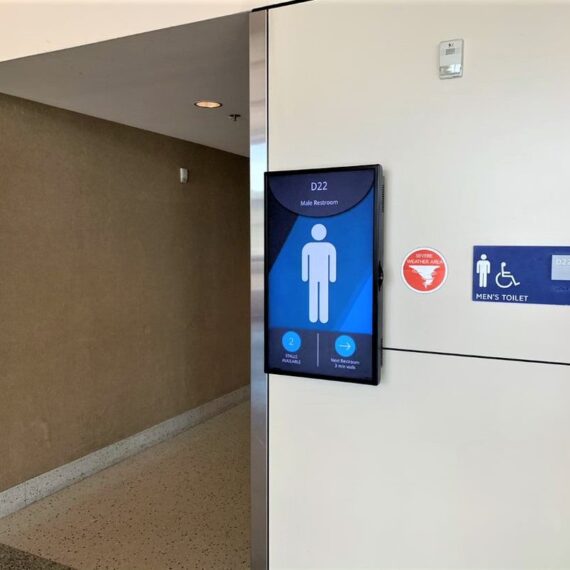
A Feedback Tablets for Washrooms is a compact, wall-mounted or counter-mounted touchscreen device installed inside or immediately outside washroom facilities that lets users submit a quick Feedback Tablets for Washrooms experience. Typical inputs are short, one-tap ratings (e.g., smiley faces, 1–5 stars) and optional quick comments. When connected to a Smart Washroom Management System, the tablet sends real-time feedback to a cloud dashboard or on-premise software used by cleaning supervisors and facility managers.
Unlike traditional comment cards or periodic surveys, Feedback Tablet for Washrooms deliver instantaneous, contextual insights tied to a specific time and location. When combined with occupancy sensors, environmental analyzers, and cleaning schedules, they help facilities teams move from reactive to proactive washroom maintenance.
How Feedback Tablets Fit into a Smart Washroom Management System- Feedback Tablets for Washrooms
A modern Smart Washroom Management System is a network of devices and software that monitors washroom conditions and streamlines cleaning and maintenance. The typical components are:
- Occupancy/People counters — measure traffic and occupancy trends.
- Smart dispensers & refill sensors — report soap/toilet paper/deodorizer levels.
- Environmental analyzers — monitor temperature, humidity, volatile organic compounds (VOCs) and odor-related indicators.
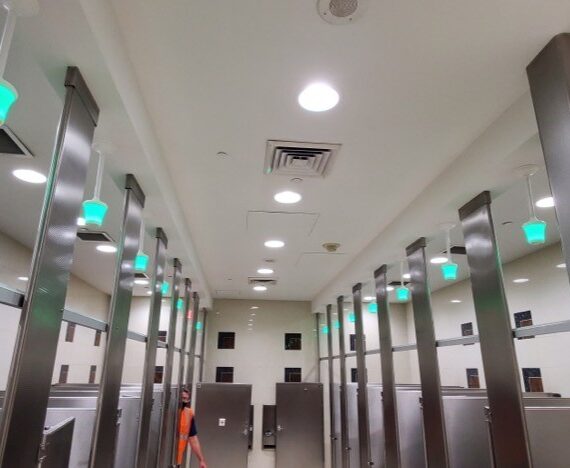
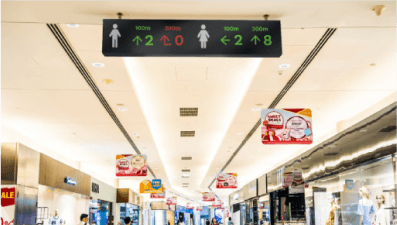
- Cleanliness sensors / washroom crowd monitoring — detect overuse or hotspots.
- Feedback tablets / kiosks — gather subjective user feedback at the source.
- Centralized cloud dashboard & mobile alerts — route tasks and aggregate analytics.
- Work order / task management integration — dispatch cleaning staff and track response time.
Feedback Tablets for Washrooms are the human-sensing layer — they collect subjective impressions (smell, cleanliness, supply availability, staff helpfulness) that sensors cannot directly measure. Merging sensor telemetry with user feedback produces a richer dataset for decisions: for example, if multiple users report “strong odor” while VOC sensors spike, the system flags a high-priority cleaning and sends a mobile alert to the nearest cleaner.
Key Benefits of Feedback Tablets for Washrooms
A Feedback Tablets for Washrooms is not just a device for collecting user opinions — it is a vital component of the Smart Washroom Management System that empowers facility managers to monitor performance, enhance user experience, and maintain hygiene standards more efficiently. Below are the key benefits explained in depth.
1. Real-Time Service Recovery- Feedback Tablets for Washrooms
Traditional washroom maintenance often relies on periodic cleaning schedules and manual inspection checklists. However, these methods cannot instantly detect when an issue arises between inspections — such as a shortage of tissue, water spillage, or unpleasant odor.
A Feedback Tablets for Washrooms enables real-time service recovery by immediately alerting the cleaning team whenever negative feedback is received. The moment a user selects a “bad” or “unsatisfied” rating, an alert can be generated and sent to the supervisor’s dashboard or mobile app. This allows cleaning staff to act instantly, often resolving the problem before multiple users experience the same issue.
The result: improved responsiveness, cleaner facilities, and reduced customer complaints.
2. Objective Measurement of Subjective Experience
Cleanliness is a matter of perception. What feels “clean” to one person may not feel the same to another. The Feedback Tablets for Washrooms bridges this gap by quantifying user perception through structured data points.
Every feedback entry is time-stamped and location-tagged, providing valuable insights into when and where users report dissatisfaction. This data transforms subjective opinions into actionable metrics — allowing facility managers to measure trends over time and pinpoint problem areas.
For example:
- If most “unsatisfied” feedback occurs during peak hours, it signals the need for additional staff during that time.
- If one specific washroom consistently receives lower scores, it could indicate recurring maintenance or odor issues.
With this objective measurement, management can make data-driven decisions rather than relying on assumptions.
3. Optimize Cleaning Schedules with Data-Driven Insights
Most facilities traditionally follow fixed-interval cleaning — where cleaners visit every washroom at regular intervals (e.g., every 2 hours). This often leads to inefficiencies: some washrooms are over-cleaned during low traffic, while others are under-serviced during peak times.
By integrating Feedback Tablets for Washrooms with occupancy sensors and environmental analyzers, cleaning schedules can be transformed into demand-driven cleaning models.
For instance:
- When footfall and negative feedback increase, the system automatically alerts cleaning staff to attend the washroom immediately.
- When feedback remains positive and occupancy is low, cleaning frequency can be reduced — saving labor time and costs.
This intelligent approach ensures every cleaning visit adds maximum value and helps maintain consistently high hygiene standards without unnecessary resource use.
4. Enhance Accountability and Staff Performance
Feedback Tablets for Washrooms create a transparent record of user satisfaction linked to specific times and locations. This data helps supervisors evaluate the performance of cleaning teams with clear, measurable indicators.
Each feedback instance can be connected to the staff shift logs — enabling analysis such as:
- “Which team was on duty when the most negative feedback occurred?”
- “How quickly was the issue resolved after the alert?”
- “What is the average response time to each feedback category?”
This enhances staff accountability, motivates better performance, and ensures that the cleaning workforce maintains consistency and reliability. Furthermore, it builds a culture of continuous improvement, where employees receive recognition for positive results and coaching where needed.
5. Improve Guest Satisfaction and Brand Perception
Washroom cleanliness is one of the most direct reflections of an organization’s attention to detail. Whether in a shopping mall, hotel, hospital, or office building, a clean and well-maintained washroom leaves a strong impression on visitors.
Feedback Tablets for Washrooms allow users to express their satisfaction instantly — giving management a live pulse of customer sentiment. Rapid responses to complaints not only improve the immediate experience but also demonstrate that the organization cares about user comfort and hygiene.
Over time, maintaining consistently high feedback scores contributes to better brand perception, positive word-of-mouth, and improved public image — especially crucial for businesses in the hospitality, retail, and healthcare industries in Qatar.
6. Data-Driven Resource Allocation and Cost Efficiency
Every facility has limited resources — manpower, cleaning supplies, and maintenance budgets. Without real-time data, it’s difficult to allocate these resources optimally.
Feedback Tablets for Washrooms provide the actionable analytics necessary for intelligent resource allocation:
- Identify high-traffic washrooms requiring more frequent cleaning.
- Reduce manpower allocation to low-usage areas.
- Monitor patterns to predict when supplies need replenishment.
This leads to optimized operational costs, less wastage of cleaning materials, and more efficient staff scheduling.
For example, a facility manager can review weekly reports and notice that certain washrooms receive no negative Feedback Tablets for Washrooms during morning hours — allowing that cleaning shift to be reassigned to a busier area.
7. Enhanced Hygiene Compliance and Audit Support
For hospitals, clinics, airports, and other regulated environments in Qatar, hygiene compliance is non-negotiable. Authorities or internal auditors may request documentation proving consistent cleanliness standards and timely issue resolution.
Feedback Tablets for Washrooms automatically record every interaction, creating a digital audit trail. Each feedback entry includes:
- Time and date
- Washroom location
- Feedback type (positive/negative/neutral)
- Response and resolution times
This structured data can be exported as part of hygiene compliance reports, making audits faster and more transparent.
It helps facility managers demonstrate accountability and adherence to cleaning protocols, strengthening confidence in both internal and external audits.
8. Gain Deep Behavioral and Operational Insights
Feedback Tablets for Washrooms can reveal behavioral trends among users that may not be visible through manual observation.
By analyzing feedback over weeks or months, facilities can identify:
- Peak dissatisfaction times — such as after lunch breaks or large events.
- Common causes of complaints — for example, soap dispensers running empty or poor odor control.
- Effectiveness of maintenance interventions — by comparing feedback before and after changes.
These insights can influence long-term decisions, such as redesigning washroom layouts, improving ventilation, or adjusting cleaning products.
In short, Feedback Tablets for Washrooms give managers strategic intelligence, not just operational alerts.
9. Improve Communication Between Users and Staff
In many facilities, users don’t have an easy or immediate way to report issues — they either ignore the problem or complain much later at customer service counters. A Feedback Tablets for Washrooms acts as a direct, anonymous communication channel between the public and the facility management team.
Users can quickly express satisfaction or dissatisfaction in seconds, ensuring that no issue goes unnoticed.
Meanwhile, supervisors receive structured feedback without the bias or emotion often associated with face-to-face complaints. This promotes a more professional, data-based communication loop and enables a culture of listening and quick response.
10. Boost Transparency and Organizational Reputation
When users see Feedback Tablets for Washrooms with a message such as “Help us keep this washroom clean — tap to rate your experience”, they recognize that the facility is committed to transparency and public hygiene.
It creates a perception of openness and accountability, showing that the management values feedback and is willing to act upon it.
Over time, this proactive communication builds trust and credibility — not only among visitors but also with tenants, business partners, and regulatory bodies. For large facilities like shopping malls, airports, and stadiums, this can be a strong differentiator that elevates the organization’s public image.
Core Features to Look For in a Feedback Tablet for Washrooms
When choosing a Feedback Tablets for Washrooms, it’s important to focus on the core features that ensure accurate feedback collection, real-time monitoring, and system reliability. The ideal solution should combine robust hardware, user-friendly design, and powerful software integration to provide facilities management teams with actionable data. Below are the most essential features to consider:
1. Touchscreen Interface
A high-quality touchscreen interface is at the heart of any Feedback Tablets for Washrooms. The screen should be responsive, durable, and water-resistant to withstand the humidity and frequent usage typical of washroom environments.
- User-friendly design: Simple icons, smiley faces, or star ratings make it easy for visitors to leave feedback quickly.
- Durability: Industrial-grade touch panels ensure long-lasting performance even with thousands of daily interactions.
- Customization: Interfaces can be tailored with brand colors, logos, and specific questions such as “How clean is this washroom?” or “Was the soap dispenser filled?”
2. Real-Time Data Capture and Analytics
Modern washroom feedback systems should instantly transmit user responses to a cloud dashboard. This allows facility managers to see service quality levels in real-time and take immediate action when issues arise.
- Instant alerts: Get notifications if negative feedback exceeds a set threshold, prompting quick cleaning or maintenance.
- Data visualization: Charts and trend reports show peak hours, problem areas, and overall satisfaction levels.
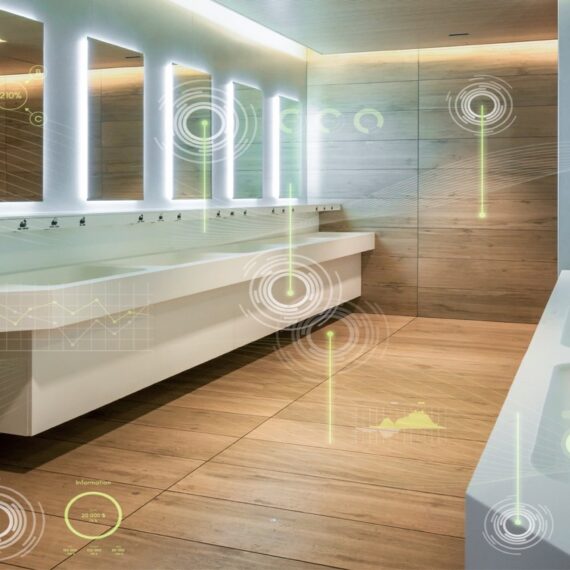
- Integration-ready: The tablet can connect to the Smart Washroom Management System to align feedback data with sensor readings (like footfall, air quality, and cleaning schedules).
3. Customizable Feedback Options
Every facility has unique requirements. A good feedback tablet allows customization of survey formats, language options, and rating types.
- Multiple formats: Smiley faces, thumbs up/down, stars, or text boxes for comments.
- Multi-language support: Essential in Qatar’s multicultural environment, where users may speak Arabic, English, Hindi, or Tagalog.
- Question logic: Dynamic questions can appear based on user responses to gain deeper insights into specific issues.
4. Cloud Connectivity and Centralized Dashboard
Connectivity is crucial for seamless operation. Feedback tablets with Wi-Fi, 4G, or Ethernet capabilities can transmit data to a centralized platform.
- Remote management: Admins can modify survey questions, adjust settings, or view reports without visiting the washroom physically.
- Data security: Encrypted connections ensure that user data remains private and compliant with local data protection regulations.
- Centralized control: Large organizations managing multiple locations can view all feedback in one unified dashboard.
5. Integration with Smart Washroom Systems
In a Smart Washroom Management System, the Feedback Tablets for Washrooms don’t work in isolation. It integrates with sensors and other IoT devices to provide a 360° overview of washroom hygiene and performance.
- Environmental sensors: Correlate feedback with temperature, humidity, or odor levels.
- Footfall counters: Identify if dissatisfaction spikes during peak usage times.
- Cleaning alerts: Automatically generate cleaning requests based on feedback trends and sensor data.
6. Offline Functionality
Network downtime shouldn’t interrupt feedback collection. A robust tablet can store data offline and upload it once connectivity is restored.
- Uninterrupted data collection: Ensures no feedback is lost, even in network-dead zones.
- Automatic sync: The system updates once reconnected, maintaining data accuracy.
7. Power Management and Mounting Options
Because washrooms are high-traffic and often semi-private spaces, careful installation and power planning are essential.
- Flexible power sources: Can run on continuous AC power or rechargeable batteries.
- Mounting options: Wall-mounted, stand-mounted, or counter-top models to suit different layouts.
- Tamper-resistant design: Secure enclosures prevent damage or misuse.
8. Real-Time Notifications and Escalation System
An effective feedback management system should be able to alert cleaning staff and supervisors the moment negative feedback is received.
- SMS/Email notifications: Automatic alerts for immediate attention.
- Escalation hierarchy: If issues aren’t resolved within a specified time, alerts can escalate to higher-level managers.
- Performance tracking: Measure how fast teams respond and resolve issues.
9. Detailed Reporting and Insights
Feedback Tablets for Washrooms go beyond capturing emotions—they convert raw input into actionable intelligence.
- Trend analysis: Identify recurring problems, such as “floor wetness” or “no tissues.”
- Monthly and daily reports: Track improvement over time.
- Data export: Reports can be downloaded in Excel, PDF, or integrated with facility management software.
10. Multilingual and Inclusive Interface
In diverse workforces and public environments like Qatar, inclusivity is key.
- Language adaptability: Supports Arabic, English, and other common languages used in Qatar.
- Accessible design: Large buttons, icons, and clear visuals cater to all user types.
- Voice feedback (optional): Some models allow spoken input for added convenience.

Typical Uses & Deployment Scenarios of Feedback Tablets for Washrooms
Feedback Tablets for Washrooms are rapidly becoming an essential element of Smart Washroom Management Systems across Qatar. From airports and malls to hospitals and corporate offices, these intelligent devices play a vital role in maintaining hygiene standards, improving user satisfaction, and streamlining maintenance operations.
1. Airports and Transportation Hubs
Airports such as Hamad International in Qatar experience thousands of washroom visitors every hour. Maintaining high hygiene standards in such high-traffic areas is a major challenge. Feedback Tablets for Washrooms help overcome this by collecting instant, anonymous feedback from passengers about cleanliness, availability of supplies, and overall satisfaction.
How It Works:
- Passengers rate their experience using a simple on-screen interface (e.g., smiley faces).
- Negative feedback triggers real-time alerts to cleaning teams.
- Facility managers can monitor performance metrics for every terminal washroom.
Benefits in Airports:
- Maintains international cleanliness standards.
- Enables proactive cleaning schedules.
- Improves traveler comfort and airport reputation.
- Integrates with environmental sensors for comprehensive smart washroom management.
2. Shopping Malls and Retail Complexes
Modern malls in Qatar, such as Mall of Qatar, Doha Festival City, and Place Vendôme, use technology to deliver a premium shopping experience. Clean, well-maintained washrooms are key to that impression.
Feedback Tablets for Washrooms in malls collect real-time input from visitors, helping management ensure that cleaning schedules match visitor flow.
Use Case Example:
During weekends or peak shopping hours, if multiple visitors submit negative feedback about cleanliness, the facility management team receives an automatic alert to deploy cleaners immediately.
Advantages in Retail Spaces:
- Enhances visitor satisfaction and mall image.
- Optimizes manpower allocation based on traffic data.
- Provides detailed analytics for each washroom zone.
- Integrates with footfall counters for data-driven maintenance planning.
3. Corporate Offices and Commercial Buildings
In office environments, maintaining hygiene reflects a company’s professionalism and employee care. A Feedback Tablets for Washrooms provides employees and guests with an easy way to report issues discreetly and instantly.
How It’s Used:
- Employees rate washroom conditions daily.
- Facility managers view consolidated reports to identify trends or recurring issues.
- Integrates with smart cleaning schedules for efficient resource management.
Corporate Benefits:
- Enhances employee comfort and satisfaction.
- Reduces manual inspection efforts.
- Promotes a culture of cleanliness and care.
- Provides measurable KPIs for housekeeping staff.
4. Hotels and Hospitality Venues
In luxury hotels, guest satisfaction is directly tied to cleanliness and maintenance. Installing Feedback Tablets for Washrooms (both in public areas and near banquet halls) ensures that any issue is addressed promptly before it impacts the guest experience.
Implementation Scenario:
Guests use the feedback screen to rate washroom conditions after use. A poor rating immediately sends a notification to housekeeping. The hotel’s facility dashboard records and trends feedback across departments.
Benefits in Hospitality:
- Improves guest experience scores and reviews.
- Enables quick issue resolution.
- Strengthens brand reputation for cleanliness.
- Provides data for quality audits and ISO compliance.
5. Hospitals and Healthcare Facilities
Hospitals demand the highest standards of hygiene and cleanliness. Feedback Tablets for Washrooms in healthcare environments empower patients, visitors, and staff to communicate issues instantly.
Deployment Examples:
- Mounted outside washrooms or at exits for quick feedback.
- Linked to a central facility dashboard monitored by the housekeeping team.
- Integrated with smart washroom sensors to track usage frequency, humidity, and supply levels.
Healthcare Benefits:
- Enhances infection control and cleanliness compliance.
- Provides data for quality and accreditation audits.
- Enables immediate response to cleaning needs.
- Builds patient trust and comfort.
6. Educational Institutions (Schools, Colleges, and Universities)
Large educational campuses have multiple washrooms spread across buildings. Maintenance teams often struggle to keep track of all facilities. Installing Feedback Tablets for Washrooms allows students and staff to report cleanliness issues efficiently.
Typical Usage:
- Placed near exits of high-traffic restrooms.
- Sends notifications to janitorial staff for immediate cleaning.
- Generates reports to identify recurring maintenance concerns.
Benefits in Educational Settings:
- Promotes hygiene awareness among students.
- Reduces manual supervision workload.
- Supports sustainability by reducing cleaning resource waste.
- Ensures a healthier campus environment.
7. Public Washrooms and Municipal Facilities
In public parks, metro stations, or government service centers, Feedback Tablets for Washrooms are valuable for maintaining cleanliness where supervision is limited. These systems allow visitors to express satisfaction anonymously and help authorities monitor service contractors.
Scenario Example:
A Feedback Tablets for Washrooms installed at a public restroom in a park collects hundreds of responses daily. Negative ratings trigger a maintenance request through the connected smart washroom system.
Advantages for Public Facilities:
- Increases accountability of maintenance contractors.
- Promotes civic cleanliness standards.
- Provides valuable data for municipal improvement plans.
- Reduces public complaints through proactive management.
8. Sports Venues and Stadiums
In large venues such as stadiums or arenas, crowd surges can quickly overwhelm washroom facilities. Deploying Feedback Tablets for Washrooms ensures event organizers receive live data on service quality throughout an event.
How It Works:
- Visitors rate their experience at washroom exits.
- The system alerts staff when satisfaction drops below set thresholds.
- Data helps adjust cleaning frequency during halftime or breaks.
Benefits for Event Facilities:
- Enhances visitor comfort during peak usage.
- Enables predictive cleaning and resource deployment.
- Contributes to maintaining venue reputation and compliance.
9. Industrial Facilities and Labor Accommodations
In worker accommodations or factories, ensuring clean and functional washrooms contributes directly to employee welfare and productivity. Feedback Tablets for Washrooms can provide anonymous input, encouraging honest reporting.
Deployment Model:
- Tablets installed near restroom doors.
- Linked to the facility’s maintenance management system.
- Reports highlight areas requiring consistent attention.
Industrial Benefits:
- Encourages responsible facility use.
- Improves worker satisfaction and morale.
- Helps management monitor cleaning contractors.
- Ensures compliance with labor welfare standards.
10. Government and Public Service Buildings
Cleanliness in government offices reflects efficiency and service quality. Installing Feedback Tablets for Washrooms demonstrates transparency and a citizen-first approach.
Deployment Use Case:
- Installed in public service centers (e.g., traffic departments, ministries).
- Citizens can rate hygiene after using the washroom.
- Real-time reports ensure cleaning contractors meet service-level agreements (SLAs).
Benefits for Government Offices:
- Promotes public satisfaction.
- Enhances accountability.
- Supports Qatar’s smart infrastructure vision under National Vision 2030.
Integration with Smart Washroom Management Systems
While the primary purpose of the feedback tablet is to collect user opinions, its true value emerges when integrated into a Smart Washroom Management Ecosystem.
Integration Highlights:
- Connects with sensors monitoring occupancy, air quality, and supply levels.
- Sends data to centralized dashboards used by facility managers.
- Enables data-driven decision-making to optimize cleaning schedules and reduce costs.
- Ensures hygiene levels meet both local and international standards.
By combining Feedback Tablets, Environmental Analyzers, and IoT-based Washroom Sensors, facilities in Qatar can achieve complete transparency, efficiency, and comfort.
Common FAQ — Feedback Tablet for Washrooms
Q1: Are Feedback Tablets for Washrooms suitable for wet environments?
A: Yes — choose models with appropriate IP ratings (e.g., IP65) and tamper-resistant housings. Mounting location and enclosure selection are critical for durability in wet washrooms.
Q2: Will users actually use the tablet?
A: Yes — quick, one-tap interfaces significantly increase response rates compared to long surveys. Placement, signage, and simplicity determine participation.
Q3: Can feedback tablets be anonymous?
A: Absolutely. Most configurations allow anonymous input to encourage candid feedback. If identity is required (e.g., staff reporting), tablets can optionally enable staff logins.
Q4: How does the feedback translate into action?
A: The tablet’s software can push alerts to supervisors’ dashboards or mobile apps, create work orders, or trigger prioritized cleaning tasks based on severity thresholds.
Q5: Do tablets work offline?
A: Most commercial tablets support offline buffering — they store feedback locally and sync when the network is restored to prevent data loss.
Q6: Can the tablet UI be customized and multilingual?
A: Yes — you can configure languages, wording, button icons, and branding to match your site needs and guest demographics.
Q7: How are privacy concerns handled?
A: Systems can anonymize feedback, limit retention periods, and secure data with encrypted communications. Configure data retention policies to meet legal and corporate standards.
Q8: What integrations are possible?
A: Feedback tablets commonly integrate with mobile task managers, CAFM/BMS systems, and data analytics platforms via APIs and webhooks.
Q9: How do we measure the value of a deployment?
A: Track KPIs such as average response time, feedback volume, resolved issues within SLA, changes in cleaning labor hours, and guest satisfaction metrics.
Q10: What are the maintenance requirements?
A: Routine firmware updates, periodic physical cleaning of the tablet, and checks of mounting hardware and network connectivity. Axle Systems offers maintenance packages.
Q11: Can the tablet show other content (ads, notices)?
A: Many tablets can display short announcements or brand messages in between feedback interactions — ensure messaging is non-intrusive.
Q12: Is the tablet vandal-proof?
A: Look for tamper-resistant housings, secure mounting, and options for recessed installations in high-risk areas.
Q13: What warranty is typical?
A: Warranties vary by manufacturer; Axle Systems offers supply with warranty and optional extended support. Discuss SLA terms during procurement.
Q14: How many tablets will we need?
A: It depends on facility layout and traffic. Typical guidance: one tablet per cluster of washrooms in high-traffic zones, and one inside each high-priority washroom (e.g., VIP, family) for precise data.
Q15: Can feedback tablets integrate with restroom occupancy sensors?
A: Yes — combined data provides richer context (e.g., negative feedback synchronized with peak occupancy).
Conclusion
Feedback Tablets for Washrooms are a high-impact, low-friction addition to any Smart Washroom Management System. They provide the human perspective that sensors alone cannot capture, enabling faster service recovery, better resource allocation, improved guest satisfaction, and measurable cost savings. When combined with occupancy counters, environmental analyzers, and integrated task management, tablets help facilities move from scheduled maintenance to smart, demand-driven operations.
If you operate hospitality venues, malls, airports, healthcare facilities, or corporate campuses in Qatar and want to pilot a Feedback Tablet deployment, Axle Systems offers local supply, installation, customization, and support. With Axle Systems you’ll get an end-to-end solution designed to meet your operational KPIs and hygiene standards.
Contact Axle Systems (Qatar) — Ready to help
- Axle Systems — Supplier & Integrator for Smart Washroom Management Systems in Qatar
- Phone: +974 44682391 / +974 77443731
- Email: sales@axlesys.com
- Website: www.axlesys.com
Request a demo, on-site survey, or tailored pilot program to see how feedback tablets can improve your washroom operations and guest satisfaction.