

Secure Queue Management Systems in Qatar
Waiting in line is unavoidable — but the frustration, inefficiency, and lost revenue that come with poor queuing are not. Modern Queue Management Systems (QMS) change the story: they reduce perceived and real wait times, improve staff productivity, and deliver measurable improvements to customer experience. This long-form guide explains what Queue Management is, the benefits and features of modern solutions, concrete use-cases across industries, implementation best practices, return-on-investment (ROI) metrics, and why Axle Systems is a trusted supplier of Queue Management solutions in Qatar. It also includes a practical FAQ and full contact details so you can get a quote or demo quickly.
What is Queue Management?
Queue Management is the set of tools, processes and software that control the flow of customers or visitors as they wait for a service. Rather than a single “ticket machine,” a modern QMS is a platform that can include:
- self-service kiosks that issue tickets or tokens,
- mobile and online check-in (virtual queues),
- SMS/push notifications and on-screen status updates,
- appointment-booking and capacity planning,
- digital signage and LED displays that guide customers, and
- reporting and analytics to optimize staffing and operations.
A modern QMS orchestrates the customer journey from arrival to service completion — whether that journey is physical (standing in a branch) or virtual (waiting remotely on a phone). Leading vendors provide cloud, on-premise and hybrid options to match security, latency and integration needs.
Why invest in Queue Management?
Queue Management is not just about making lines look better. It produces measurable outcomes across operational and customer-facing metrics:
- Reduced perceived and actual wait times
Virtual queues, appointment slots and clear status updates make waiting feel shorter and more predictable. - Higher customer satisfaction and NPS scores
Customers who can wait remotely or track their position report significantly higher satisfaction. - Improved staff productivity and utilization
Dynamic routing and real-time load balancing ensure agents handle the right customers at the right time. - Lower walkaways and lost revenue
Frustrated customers who leave before being served represent immediate revenue loss. A good QMS cuts that risk. - Actionable analytics to optimize operations
Reports on peak hours, average handling time, abandonment rates and service-level compliance allow continuous improvement. - Stronger brand perception and compliance
For regulated environments (government, banks, healthcare), visible queuing and clear processes demonstrate professionalism and compliance.
These benefits are why public-facing organizations, banks, healthcare facilities, airports, retail chains and government service centers invest in queue management platforms. For enterprise-scale customer journeys, brands often rely on mature platforms (Qmatic, Q-Better, QueueBee, etc.) integrated by local partners.
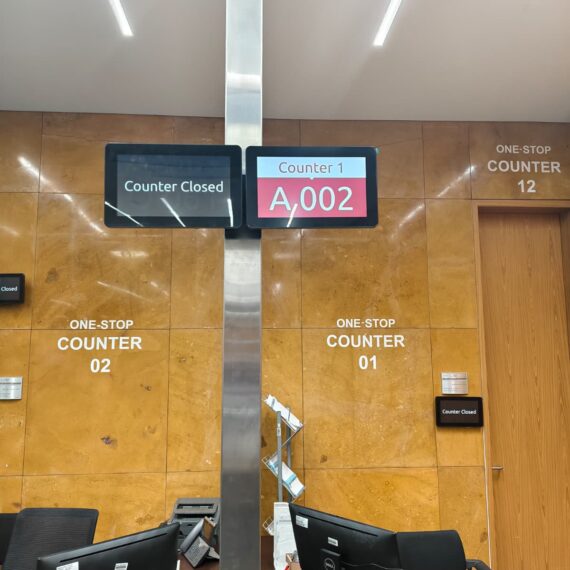
Core Features of Modern Queue Management Systems
A Queue Management System (QMS) is far more than a ticket machine — it’s a complete solution that intelligently manages how people wait, get served, and move through service points. A robust QMS combines hardware, software, and analytics to deliver a smooth, organized, and measurable customer experience.
Below are the key features that define a modern Queue Management solution and how each delivers value to businesses and customers alike.
1. Ticketing and Check-in Options
The entry point of any Queue Management system is the check-in process. Modern QMS platforms provide multiple, flexible methods to register customers into the system depending on their preferences and situation.
- Self-service Kiosks:
Touchscreen kiosks allow walk-in customers to choose the service they need (e.g., “Cash Deposit,” “Customer Support,” or “New Account Opening”). Once selected, the kiosk issues a physical or digital token number.
These kiosks can also display estimated wait times and multi-language interfaces for better accessibility. - Mobile or Online Check-in:
Customers can join the queue remotely from their smartphones or computers, without physically being at the location. This is ideal for reducing crowding in waiting areas, especially in banks, hospitals, or government offices. - QR Code Check-in:
Visitors can scan a QR code displayed at the entrance or on a website to register themselves. It’s a touchless and efficient option, which gained popularity during the COVID-19 pandemic. - SMS and IVR Check-in:
For customers without internet access or smartphones, SMS or automated phone-based (IVR) check-ins allow inclusivity, ensuring that no customer is left out of the system.
Business benefit: Reduces front-desk congestion, provides data on visitor intent, and improves accessibility across all demographics.
2. Virtual Queues and Remote Waiting
Gone are the days when customers had to stand in line. Virtual queuing allows people to wait anywhere — in their cars, nearby cafes, or even at home — until it’s their turn.
- Digital Tokens: Instead of paper tickets, the system issues digital queue numbers via SMS or a mobile app.
- Live Queue Updates: Customers receive real-time information about their position in the Queue Management and estimated waiting time.
- Notifications & Alerts: When their turn approaches, customers are notified through SMS or app alerts, reducing the chance of missed turns.
- Load Balancing: If one counter or branch becomes overcrowded, the system can suggest alternative branches or time slots to balance the load.
Business benefit: Enhances comfort, reduces perceived waiting time, and prevents overcrowding — which is particularly important in healthcare and government settings.
3. Appointment Scheduling and Capacity Management
A key evolution in Queue Management is integrating appointment scheduling into the system. Customers can pre-book service times online, reducing unpredictability for both sides.
- Online Booking Portals: Customers choose their preferred date, time, and service category.
- Rescheduling & Cancellation: Flexibility to modify appointments minimizes no-shows.
- Capacity Planning: The system can limit bookings per time slot to prevent overbooking.
- Integration with Calendar Systems: Syncs with Outlook or Google Calendar to send automatic reminders.
Business benefit: Smoothens demand flow, reduces last-minute rush, and enables efficient resource planning.
4. Digital Signage and Queue Displays
Queue Management systems often include visual communication tools that inform, guide, and engage customers while they wait.
- Counter Displays: Show current token numbers being served and direct customers to the right counter.
- Main Waiting Area Screens: Large digital signage displays show the Queue Management status, estimated wait times, and service information.
- Promotional Content: While customers wait, the screen can display marketing messages, special offers, or announcements.
- Multi-language Support: Displays can show information in English, Arabic, and other languages as needed in Qatar.
Business benefit: Keeps customers informed, reduces confusion, and turns waiting time into a marketing opportunity.
5. Service Routing and Prioritization
An efficient QMS doesn’t just assign the next available customer — it ensures the right customer is routed to the right staff member at the right time.
- Skill-based Routing: The system directs customers to staff with the appropriate expertise (e.g., loan officers, tellers, or technical specialists).
- Priority Queues: VIP customers, elderly visitors, or urgent service cases can be automatically prioritized.
- Dynamic Counter Allocation: Managers can open or close service counters based on real-time demand to minimize wait times.
- Multi-service Integration: One system can manage different services under a single dashboard, even across multiple departments.
Business benefit: Improves efficiency, reduces bottlenecks, and ensures high-value customers receive faster, personalized service.
6. Real-time Dashboards and Analytics
Data is at the heart of queue optimization. Modern systems collect and display actionable data that helps managers make smarter operational decisions.
- Real-time Monitoring: Supervisors can view the current Queue Management length, waiting times, and counter performance at any moment.
- Performance Reporting: Analyze daily, weekly, and monthly service trends.
- Agent Productivity Metrics: Track how many customers each staff member serves, average handling time, and idle periods.
- Customer Behavior Insights: Understand peak times, popular services, and abandonment rates (customers who leave before being served).
- Exportable Reports: Generate automatic reports for management meetings or regulatory compliance.
Business benefit: Enables data-driven decision-making, improved resource allocation, and long-term service planning.
7. Mobile Applications and Customer Interaction Tools
Mobile apps play a huge role in modern customer engagement. They enable seamless, contactless experiences that extend beyond the physical branch.
- Mobile Queuing: Customers can view available slots, join virtual queues, and track their status directly from the app.
- Push Notifications: Automatic reminders for approaching service turns or follow-up surveys after service completion.
- Customer Feedback: Built-in satisfaction surveys to collect insights immediately after service delivery.
- Brand Customization: Apps can be branded with the company’s colors, logo, and language preferences.
Business benefit: Builds brand loyalty, enhances convenience, and provides real-time feedback for service improvement.
8. Integration with Other Business Systems
Interconnectivity makes QMS a central part of your digital ecosystem. Seamless integration improves data flow and consistency.
- CRM Integration: Automatically logs customer interactions and helps personalize service based on previous visits.
- ERP Integration: Syncs service activity with broader operational data like billing, service history, or inventory.
- HR System Integration: Helps align staff schedules with predicted customer footfall.
- SMS/Email Gateway Integration: Automates communication, reminders, and Queue Management updates.
- Digital Signage Systems: Synchronizes Queue Management information with marketing and corporate communications.
Business benefit: Reduces duplication, ensures consistency across platforms, and enhances personalization.
9. Multi-branch and Cloud Management
For organizations with multiple branches or departments, a centralized cloud-based QMS provides unified control and visibility.
- Central Dashboard: Monitor Queue Management performance across all branches from one platform.
- Cross-branch Insights: Identify top-performing locations or those with recurring delays.
- Scalable Architecture: Add new branches without major hardware or licensing costs.
- Disaster Recovery and Backup: Cloud infrastructure ensures data is safe and recoverable.
- Remote Access: Managers can oversee operations even when not on-site.
Business benefit: Consistent customer experience across all branches, simplified management, and scalability.
10. Customer Feedback and Survey Tools
Understanding how customers feel after each interaction helps organizations continuously improve.
- Post-Service Surveys: Collect instant feedback through kiosks, mobile apps, or SMS links.
- Rating Dashboards: Track satisfaction levels by branch, service, or staff member.
- Sentiment Analysis: Identify common issues and areas for improvement.
- Follow-up Automation: Send thank-you messages or service recovery offers automatically based on feedback.
Business benefit: Improves service quality, accountability, and long-term brand reputation.
11. Security and Compliance
Especially in sectors like banking, healthcare, and government, compliance and data protection are critical.
- User Authentication: Role-based access controls to limit who can view or edit system data.
- Encrypted Communication: Protects customer data during transmission and storage.
- Data Privacy Controls: Compliance with Qatar’s data protection laws and international standards like GDPR.
- Audit Trails: Logs every system action for traceability and accountability.
Business benefit: Ensures regulatory compliance, builds trust, and protects sensitive customer data.
12. Customization and Branding Options
Each business has its own identity, workflow, and service expectations. A flexible QMS allows customization to match these needs.
- Interface Customization: Multi-language support (Arabic, English, etc.), color themes, and branding.
- Workflow Configuration: Define custom service steps, routing rules, or feedback forms.
- Hardware Flexibility: Choose from a range of kiosks, LED displays, ticket printers, or touchscreens depending on space and budget.
Business benefit: Maintains brand consistency and delivers a user experience that feels like a natural part of your service environment.
13. Reporting and Predictive Analytics
Advanced systems include AI-powered analytics that go beyond descriptive reporting.
- Trend Analysis: Identify patterns in traffic flow, service demand, and waiting behavior.
- Predictive Forecasting: Anticipate peak periods and optimize staffing ahead of time.
- Anomaly Detection: Automatically flags unusual spikes in waiting times or customer complaints.
- Performance Benchmarking: Compare multiple branches or agents to identify best practices.
Business benefit: Drives proactive decision-making, reduces downtime, and maximizes efficiency.
14. Integration with IoT and Smart Devices
Modern Queue Management can integrate with IoT devices like sensors, cameras, and digital counters.
- People Counting Sensors: Automatically trigger queue expansion or staff allocation when visitor numbers rise.
- Facial Recognition or RFID Integration: Identify customers automatically for faster, personalized service.
- Smart Signage: Dynamically updates displays based on Queue Management data.
Business benefit: Enables automation and real-time optimization, creating a seamless “smart branch” experience.
15. Multi-channel Customer Experience (Omnichannel)
The best queue systems unify all customer interactions — whether in person, on the phone, or online.
- Unified Queue: Customers booking online or arriving in person join the same system.
- Consistent Experience: Whether through mobile, kiosk, or website, the user journey remains familiar.
- Data Continuity: All customer interactions are logged, regardless of channel.
Business benefit: Delivers a smooth, consistent experience and strengthens brand trust.
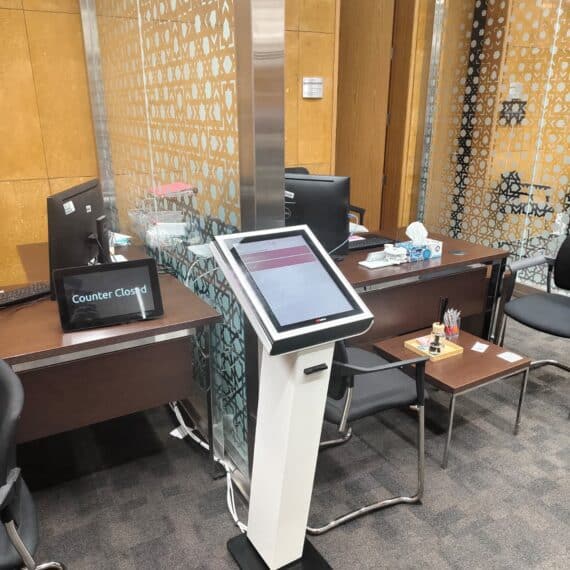
Common Use-Cases Across Industries
Queue Management Systems (QMS) are incredibly versatile — designed to adapt to any environment where people wait for services. From banks and hospitals to airports and retail stores, these systems transform how organizations handle customer flow, optimize staff performance, and improve the overall service experience.
Below are the most common industry applications of Queue Management, with insights into how Axle Systems helps clients across Qatar implement customized, high-performance solutions.
1. Banking and Financial Services
Banks and financial institutions deal with thousands of customers every day — from quick transactions to complex financial consultations. Without proper queuing, customer frustration and staff overload become unavoidable.
How Queue Management Helps:
- Streamlined Customer Flow:
QMS organizes customers based on service type (cash deposits, credit cards, loans, etc.) and directs them to the right counter. - Priority Services:
VIP or corporate clients can be served via a priority queue, ensuring enhanced customer satisfaction and loyalty. - Reduced Walkaways:
By showing real-time queue status on digital screens, customers are more patient and less likely to abandon the queue. - Performance Tracking:
Bank managers can monitor branch traffic, identify peak hours, and allocate staff accordingly. - CRM Integration:
Integrates with banking CRMs to identify repeat customers and offer personalized services.
Example:
A major Qatari bank using QMS from Axle Systems improved customer handling efficiency by 35%, reducing average waiting time from 15 minutes to under 8 minutes per customer.
Benefits:
Enhanced service quality, data-driven staffing, compliance with customer experience KPIs set by financial regulators.
2. Government and Public Service Centers
Public offices in Qatar — such as service centers for ID issuance, passport control, or licensing — often handle large visitor volumes daily. Managing these queues manually can lead to delays, congestion, and dissatisfaction.
How Queue Management Helps:
- Appointment Scheduling:
Citizens can pre-book appointments online or through mobile apps, preventing unnecessary crowding. - Multi-service Handling:
Systems manage Queue Management for different services like visa renewals, registration, and permits simultaneously. - Digital Signage:
Displays service numbers and waiting times on LED screens to improve transparency. - VIP & Priority Lanes:
Prioritize special categories such as senior citizens or people with disabilities. - Performance Analytics:
Track service completion rates and agent performance to improve efficiency.
Example:
A Ministry service center in Doha implemented an Axle Systems Queue Management solution integrated with biometric ID check-in, cutting down waiting area crowding by nearly 40%.
Benefits:
Improved citizen satisfaction, higher service efficiency, reduced physical queues, and better compliance with accessibility regulations.
3. Healthcare and Hospitals
Hospitals and clinics face unique challenges — managing patients who may arrive in emergencies, walk-ins, or scheduled appointments. A Queue Management System can dramatically enhance patient flow and care coordination.
How Queue Management Helps:
- Appointment Integration:
Connects with Hospital Information Systems (HIS) to synchronize patient appointments. - Virtual Queues:
Patients can wait remotely or receive SMS updates when it’s their turn, reducing crowded waiting rooms. - Triage Prioritization:
Patients with critical conditions can be given priority automatically. - Multi-department Management:
Coordinates queues across multiple departments — registration, lab, pharmacy, radiology, etc. - Feedback Collection:
Post-service surveys gather insights on patient satisfaction.
Example:
A large private hospital in Qatar implemented a virtual Queue Management system supplied by Axle Systems during the pandemic, helping manage social distancing while maintaining service throughput.
Benefits:
Improved patient comfort, safer waiting environments, and higher operational efficiency across healthcare units.
4. Airports, Immigration, and Customs
Airports and border control areas handle thousands of passengers daily, making efficient queuing essential for both operational flow and traveler satisfaction.
How Queue Management Helps:
- Automated Passenger Flow:
Allocates passengers to immigration counters dynamically based on availability. - Priority & Fast-track Queues:
Dedicated lanes for business class, frequent flyers, or VIP travelers. - Real-time Monitoring:
Airport management can view live queue lengths and redistribute passengers. - Multi-point Integration:
Works with flight data, immigration databases, and security systems. - Digital Signage Displays:
Show passenger status and guide them through checkpoints.
Example:
At Hamad International Airport, digital queue displays and automated flow control systems help streamline passenger processing, reducing delays during peak hours.
Benefits:
Reduced congestion, faster processing, improved passenger experience, and better coordination among airport departments.
5. Retail and Supermarkets
In retail, long queues can lead directly to lost sales. Queue Management technology helps create smoother checkout experiences and enhances customer satisfaction.
How Queue Management Helps:
- Dynamic Queue Allocation:
Automatically opens additional checkout counters when queues exceed a preset threshold. - Customer Feedback:
Instant rating options after service to monitor satisfaction. - Digital Signage Integration:
Promotional screens entertain and inform customers during their wait. - Loyalty Program Integration:
Recognizes members or VIP shoppers and prioritizes their service.
Example:
A major electronics retailer in Qatar partnered with Axle Systems to install queue displays at its service desk and billing counters, reducing customer waiting frustration and improving brand reputation.
Benefits:
Higher sales conversion, reduced customer churn, and optimized staffing during peak shopping hours.
6. Telecom and Utility Providers
Telecommunication companies and public utility offices experience high walk-in traffic, especially during billing periods or service outages.
How Queue Management Helps:
- Service Categorization:
Directs customers to specific counters (bill payment, new connection, technical support). - Remote Appointment Booking:
Customers can schedule visits via app or website. - Customer Notifications:
SMS alerts keep users updated on their position in the queue. - Integrated CRM Support:
Staff can access customer profiles and previous complaints instantly for faster resolution.
Example:
A leading telecom provider in Qatar deployed Axle Systems’ QMS across its customer service centers, reducing wait times by 30% and improving agent efficiency.
Benefits:
Streamlined operations, fewer customer complaints, and enhanced service consistency across branches.
7. Education and Examination Centers
Schools, colleges, and exam boards face large crowds during admissions, registrations, and test scheduling periods.
How Queue Management Helps:
- Registration Scheduling:
Allows students to book time slots for document verification or fee payment. - Exam Session Management:
Efficiently manages check-in flow for test-takers. - Notification & Reminders:
Students receive automated reminders for their turn or appointment. - Feedback Collection:
Collects student satisfaction data after service.
Example:
An international school in Doha used Axle Systems’ appointment-based QMS during admissions, helping avoid long Queue Management of parents and students during peak times.
Benefits:
Smoother registration process, reduced administrative stress, and better time management.
8. Healthcare Laboratories and Diagnostic Centers
Diagnostic labs face fluctuating customer flow with urgent walk-ins and scheduled tests.
How Queue Management Helps:
- Sample Collection Scheduling:
Automates patient slots to prevent overlapping. - Multi-service Queues:
Handles multiple services (blood test, radiology, report collection). - Real-time Updates:
Patients receive alerts when results are ready for collection. - Performance Dashboards:
Identify peak times and optimize staffing.
Example:
A pathology lab in Al Wakra adopted Axle Systems’ solution integrated with barcode ticketing to manage multiple service points efficiently.
Benefits:
Shorter wait times, faster throughput, and better resource utilization.
9. Hospitals Pharmacies and Dispensaries
Pharmacy Queue Management can be long, especially in large hospitals where prescriptions are processed continuously.
How Queue Management Helps:
- Prescription Queue Automation:
Tracks prescription readiness and calls patients when medicines are prepared. - Separate Queues:
Dedicated counters for urgent, refill, or insurance-based customers. - Display Integration:
Digital boards inform patients when their turn arrives.
Example:
A Doha-based hospital pharmacy integrated Queue Management systems with their prescription management software through Axle Systems, minimizing overcrowding and improving efficiency.
Benefits:
Faster service, improved patient satisfaction, and reduced errors due to organized flow.
10. Corporate Offices and Customer Service Centers
Corporate environments such as HR offices, internal IT help desks, or customer service departments also benefit from Queue Management systems.
How Queue Management Helps:
- Employee Service Ticketing:
Staff can register requests and wait for HR, IT, or facilities services. - Multi-department Routing:
Automatically sends employees to the correct department. - Internal Analytics:
Tracks which departments have the highest request load.
Benefits:
Improved efficiency, transparency, and employee satisfaction.
11. Hospitality and Travel Agencies
Hotels, restaurants, and travel agencies experience variable customer traffic, especially during peak seasons.
How Queue Management Helps:
- Reservation and Check-in Management:
Guests can pre-book or join virtual Queue Management for check-in or customer service desks. - Priority Routing:
Premium guests and tour groups can be served first. - Feedback Collection:
Gather instant satisfaction ratings at checkout.
Example:
A five-star hotel in Doha implemented a QMS from Axle Systems for front-desk and concierge operations, improving response times and overall guest experience.
Benefits:
Enhanced service image, faster check-ins, and improved guest retention.
12. Car Dealerships and Automobile Service Centers
Showrooms and service centers often struggle to manage customer visits, test drives, and vehicle servicing efficiently.
How Queue Management Helps:
- Customer Appointment Scheduling:
Visitors can book appointments for test drives or vehicle servicing. - Service Queue Automation:
Tracks vehicles under maintenance and notifies customers when ready. - Feedback Integration:
Surveys collect post-service feedback automatically.
Example:
A leading automobile brand in Qatar used Axle Systems’ queue system to optimize its service reception area, improving workflow and customer transparency.
Benefits:
Improved customer satisfaction, better resource allocation, and real-time visibility into service progress.
13. Healthcare Vaccination and Wellness Centers
During peak vaccination drives or medical campaigns, managing large crowds safely is critical.
How Queue Management Helps:
- Mass Registration Handling:
Processes hundreds of appointments efficiently through digital kiosks. - Health Record Integration:
Links queue tokens to patient IDs or health cards. - Contactless Operation:
Reduces human interaction for safety and hygiene.
Example:
A wellness center in Qatar adopted a mobile queue system by Axle Systems to manage vaccination campaigns while ensuring social distancing.
Benefits:
Safety compliance, reduced waiting stress, and improved operational control.
14. Logistics, Warehousing, and Service Depots
Queue management is also applicable in logistics and back-office operations.
How Queue Management Helps:
- Driver Scheduling:
Truck drivers can register digitally for delivery or loading slots. - Dock Management:
Assigns docks or bays automatically based on availability. - Load Prioritization:
High-value or time-sensitive cargo gets prioritized.
Benefits:
Faster turnaround, reduced idle time, and better warehouse coordination.
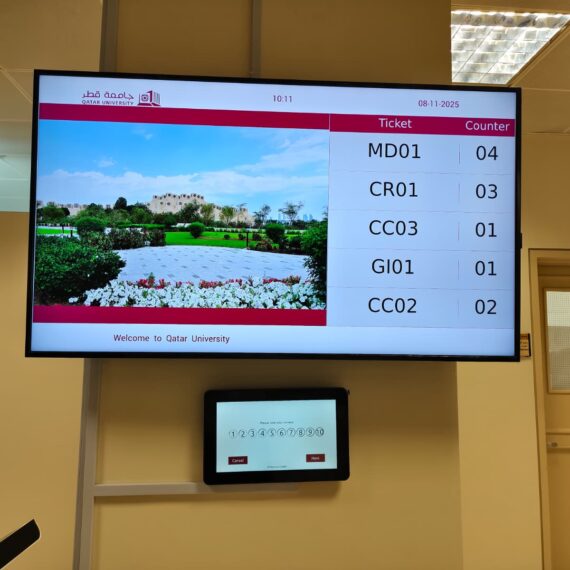
Types of queue systems
- Physical Token / Number-based Systems — Classic kiosks that print a ticket; simple and reliable.
- Virtual / Mobile Queueing — Customers join via mobile or web and wait remotely; ideal for reducing lobby congestion.
- Appointment-based Queues — Book a time slot in advance; reduces unpredictability for both customer and operator.
- SMS / IVR Queues — Customers without smartphones can register and get updates via phone calls or text.
- Hybrid Models — Combine kiosk, mobile and appointment features; most scalable enterprise setups use hybrid approaches.
Implementation: practical steps and best practices
A successful QMS rollout follows a phased approach:
- Needs Assessment & Process Mapping
- Map service types, transaction times, peak patterns and special customer needs (e.g., accessibility).
- Vendor & Feature Selection
- Choose a platform that meets feature, integration and security requirements (cloud vs on-premises).
- Pilot Program
- Start with one branch or service lane, measure KPIs, collect customer and staff feedback.
- Integration
- Integrate with CRM, HIS, staff rostering tools, SMS gateways, or business intelligence platforms as required.
- Training & Change Management
- Train staff on routing rules, tablet interfaces, and how to interpret dashboards.
- Rollout & Continuous Improvement
- Scale across sites with refinements based on analytics; use dashboards to catch emerging bottlenecks.
- Ongoing Support & SLA
- Ensure vendor provides timely maintenance, feature upgrades and local technical support.
Axle Systems offers end-to-end services across these stages — from requirements and procurement to installation, customization and support — enabling organisations to focus on service delivery rather than technology headaches
Why Choose Axle Systems for Queue Management in Qatar
When it comes to implementing a Queue Management System in Qatar, choosing the right partner is as important as choosing the technology itself. An effective system doesn’t just manage queues — it enhances your brand image, improves service flow, and creates a lasting positive impression on your customers.
Axle Systems stands out as one of Qatar’s leading providers of Queue Management Solutions, offering a combination of world-class technology, deep local expertise, and a customer-first approach that ensures reliable, long-term value.
1. Local Expertise and Market Understanding
Axle Systems has been at the forefront of digital transformation and service optimization solutions in Qatar for several years. We understand the local market dynamics, customer service standards, and regulatory expectations that define business operations across sectors such as government, healthcare, retail, banking, hospitality, and transportation.
Our on-the-ground experience helps us design and implement queue management systems that are not only technically superior but also culturally and operationally aligned with the Qatari service environment. Whether it’s an upscale retail outlet in Doha, a busy government office in Lusail, or a healthcare clinic in Al Wakra — Axle Systems provides customized, scalable solutions for every setting.
2. Comprehensive Range of Queue Management Solutions
Axle Systems offers a complete portfolio of queue management systems, tailored for different industries and organization sizes.
Our offerings include:
- Touchscreen Ticketing Kiosks for walk-in customers.
- Online and Mobile Appointment Booking Platforms for remote check-ins.
- Digital Display and Signage Systems showing ticket status and service updates.
- Virtual Queue Systems allowing customers to wait remotely.
- Customer Feedback Terminals to measure satisfaction instantly.
- Analytics Dashboards for administrators to monitor performance and efficiency.
- Integration with CRM, ERP, or HRMS for seamless data management.
Each system is modular — meaning businesses can start small and scale up later, integrating new features as needed.
3. Integration with Digital Ecosystems
One of Axle Systems’ biggest strengths lies in our ability to integrate queue systems with broader digital infrastructures. We help clients connect their queue software with:
- Customer databases (for personalized service),
- Ticketing or appointment systems,
- Digital signage,
- Feedback management,
- Access control systems, and
- Business intelligence dashboards.
This unified ecosystem allows businesses to capture real-time insights, understand customer patterns, and make data-driven decisions — turning queues into valuable sources of operational intelligence.
4. Partnerships with Leading Global Brands
To ensure performance, reliability, and longevity, Axle Systems partners with globally recognized manufacturers and software developers in the queue management industry. Our systems comply with international quality standards, ensuring precision, uptime, and durability in high-traffic environments.
We offer solutions from trusted international brands while providing localized installation, configuration, and maintenance to meet Qatar’s specific requirements — from Arabic language support to compatibility with local IT infrastructures.
5. Customization and Flexibility
No two organizations operate alike — and neither should their queue systems.
Axle Systems provides fully customizable solutions that can be configured to:
- Match your branding (logo, color theme, fonts, etc.),
- Support multiple service counters or departments,
- Offer multi-language interfaces (Arabic and English),
- Integrate custom ticket numbering logic, and
- Include specific notification methods (SMS, email, WhatsApp alerts).
This flexibility ensures the system truly fits your business model, operational flow, and customer expectations — instead of forcing you to adapt to a generic platform.
6. Professional Installation and Implementation
Our team of trained engineers and project managers handle the complete implementation process — from site survey and system design to installation, testing, and staff training.
We follow a methodical approach:
- Consultation & Needs Assessment – understanding your traffic patterns, service points, and operational challenges.
- System Design & Proposal – selecting suitable components (kiosks, displays, software).
- Installation & Integration – ensuring all components work seamlessly.
- Testing & Staff Training – providing complete operational handover.
- After-Sales Support – offering preventive maintenance and quick troubleshooting.
This end-to-end service guarantees a smooth, stress-free deployment and minimal disruption to your operations.
7. Reliable After-Sales Support
Technology is only as good as the support behind it — and Axle Systems prides itself on providing prompt, reliable, and local after-sales service.
Our support includes:
- On-site maintenance and technical checks,
- Remote monitoring and software updates,
- Spare parts availability from local stock, and
- Service-level agreements (SLAs) for guaranteed response times.
Our dedicated support team in Qatar ensures your queue system remains fully functional and up-to-date, with minimal downtime.
8. Proven Experience Across Multiple Industries
Axle Systems has successfully delivered Queue Management Systems across a range of sectors in Qatar, including:
- Government service centers – citizen registration, licensing, and public administration.
- Hospitals and clinics – patient registration, pharmacy management, and diagnostics.
- Banks and financial institutions – teller management, loan consultations, and VIP services.
- Telecom & utilities – bill payment centers and customer support desks.
- Retail and malls – service counters, repair desks, and customer care.
- Airports and travel agencies – passenger flow and ticketing desks.
Our experience across these diverse environments enables us to design Queue Management systems that deliver measurable improvements in efficiency and customer experience.
9. Commitment to Quality and Innovation
At Axle Systems, we believe in continuous innovation.
We stay at the forefront of emerging trends such as AI-powered queue analytics, IoT-connected kiosks, and cloud-based virtual queuing platforms.
Our R&D-driven partnerships ensure that our clients in Qatar always receive cutting-edge technology that’s built to evolve with their business needs.
We also adhere to strict quality standards during installation and system configuration — ensuring long-term reliability, energy efficiency, and compliance with local safety and data protection regulations.
10. Trusted by Leading Organizations in Qatar
Over the years, Axle Systems has earned the trust of Qatar’s leading organizations and institutions. Our reputation is built on delivering systems that perform consistently and add real business value.
Clients choose Axle Systems because we:
- Deliver on time and within budget.
- Provide transparent, professional service.
- Offer ongoing support and upgrades.
- Build long-term relationships based on trust and reliability.
Whether it’s a small clinic or a large government ministry, we ensure every client receives the same level of dedication and technical excellence.
11. Competitive Pricing and Value-for-Money Solutions
Axle Systems provides cost-effective Queue Management options suitable for all business scales — from startups and SMEs to large enterprises.
We work closely with clients to design systems that align with their budget, goals, and growth plans, ensuring they receive the best possible ROI through productivity gains and customer satisfaction improvements.
12. Sustainability and Future-Readiness
As Qatar advances its Vision 2030 goals, digitalization and sustainable service delivery have become key priorities.
Axle Systems supports this vision by offering:
- Paperless ticketing solutions (SMS & QR-based check-ins),
- Cloud-based queue systems that reduce on-site infrastructure, and
- Energy-efficient hardware for kiosks and displays.
These features not only reduce operational costs but also help businesses align with Qatar’s national digital and environmental initiatives.
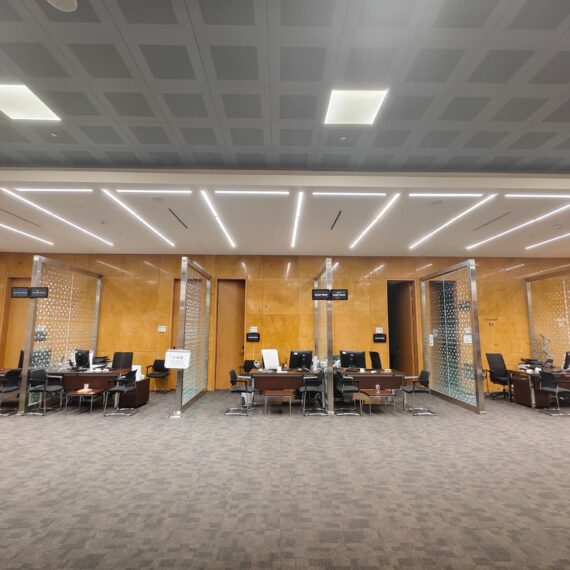
Axle Systems – Your Trusted Partner for Queue Management in Qatar
From design to deployment, Axle Systems delivers end-to-end Queue Management Solutions that help businesses and institutions provide faster, smarter, and more satisfying service experiences.
We bring together technology, strategy, and local service excellence to ensure every queue is managed efficiently and every customer leaves happier.
Contact Axle Systems Today
Address: Al Khalidiya Street, Najma, Doha, Qatar
Phone: +974 44682391 / +974 77443731
Email: info@axlesys.com
Website: www.axlesys.com
Partner with Axle Systems — and transform your customer flow into a smooth, intelligent, and measurable service journey.
Frequently Asked Questions (FAQ)
Q: What’s the difference between virtual queuing and appointment booking?
A: Appointment booking schedules a specific time slot in advance. Virtual queuing allows customers to join a dynamic queue (often remotely) and receive status updates; they’re similar, but appointments are fixed while virtual queues adapt in real time.
Q: Can a QMS handle multiple service types (e.g., deposits, loans, inquiries)?
A: Yes — modern systems support multi-service queues with skill-based routing so customers are routed to agents trained for that service.
Q: Does a QMS require cloud hosting?
A: Not necessarily. Systems can be cloud-hosted, on-premises, or hybrid depending on your security, latency and integration needs. Axle Systems can recommend the right model for your environment.
Q: How does virtual queuing improve safety during public health concerns?
A: Virtual queues reduce lobby crowding by enabling customers to wait remotely, minimizing physical contact and making social distancing easier to manage.
Q: What integration work is typically required?
A: Common integrations include SMS/email gateways for notifications, CRM/HIS for customer data, HR systems for staffing and digital signage platforms. The amount of work depends on your existing systems and vendor APIs.
Q: Will staff need training?
A: Yes — staff need training on call tablets, dashboard interpretation, and new routing rules. Change management is an essential part of successful adoption.
Q: How do you measure success after rollout?
A: Use KPIs such as Average Wait Time, Abandonment Rate, Service Level compliance, Customer Satisfaction (CSAT/NPS), and Average Handling Time.
Q: Can Axle Systems provide local support and SLAs?
A: Yes — Axle Systems provides local technical support and maintenance options suitable for mission-critical deployments.
Conclusion
Queues are a fact of service life — but how you manage them determines business outcomes. A modern Queue Management System delivers faster service, happier customers and measurable operational savings. Whether you need a simple kiosk system for a single outlet or an enterprise customer-journey platform across dozens of branches, the right combination of software, hardware, integration and local support is essential.
Axle Systems brings that combination to the Qatari market: local experience, established vendor partnerships (Qmatic, Q-Better, QueueBee and more), and end-to-end services from needs assessment through support. If your organization is ready to cut wait times, reduce abandonment and modernize the service experience, a pilot with Axle Systems is a pragmatic next step.
Want a tailored proposal or a demo? Call +974 4468 2391 / +974 7744 3731 or email info@axlesys.com today to discuss a pilot or full rollout.