

Queue System Software in Qatar
Long queues are costly — to customers, to staff morale, and to a brand’s reputation. In today’s fast-paced world, customers expect speed, transparency, and convenience. Queue System Software (also called Queue Management Software or QMS) solves these expectations by turning chaotic lines into managed, measurable, and customer-friendly flows.
This post explains what Queue System Software is, the core benefits and features, real-life uses across industries, how to choose the right solution, and answers to frequently asked questions. We also explain why Axle Systems is the trusted supplier of Queue System Software in Qatar and provide our contact details so you can quickly get a tailored proposal and implementation plan.
What is Queue System Software?
Queue System Software is a technological solution that manages customer flow from arrival to service completion. Rather than physical lines forming in front of counters, customers are guided through ticketing, virtual queues, appointment scheduling, or prioritized routing. Modern Queue System Software platforms combine software and hardware (like kiosks, digital signage, and mobile apps) to provide an organized, measurable, and optimized customer journey.
At its core, queue software:
- Issues tokens or virtual slots to customers.
- Notifies customers when it’s their turn (via display screens, SMS, voice, or mobile app).
- Routes customers to the most appropriate service point based on rules (skill-based routing, priority levels).
- Tracks performance metrics (wait times, service time, drop-off rates) and generates reports for continuous improvement.


Why businesses need Queue System Software
A robust Queue System Software does more than keep order — it transforms customer experience and operational efficiency. Here are the most important reasons businesses adopt queue software:
- Reduce Perceived and Actual Wait Times
- Perceived wait time is often more important than actual wait time. Providing progress updates, estimated wait times, and the ability to wait remotely reduces frustration and improves satisfaction.
- Increase Customer Throughput
- Intelligent routing and load balancing ensure staff are used efficiently and customers are served faster.
- Gather Actionable Data
- Queue System Software provides data on peak times, average handling time, busiest counters, and no-show rates — vital for staffing, training, and process redesign.
- Improve Fairness and Transparency
- Automated ticketing and priority rules reduce disputes over queue jumping and help enforce service level agreements (SLAs).
- Support Multichannel Customer Journeys
- Whether customers arrive at an in-store kiosk, join via mobile app, book an appointment, or walk in, modern Queue System Software centralizes all channels.
- Enhance Safety and Compliance
- Virtual queues reduce physical crowding — useful for health/safety compliance and social distancing. Some industries also require audit trails for sensitive services; Queue System Software can provide logs and records.
- Boost Brand Perception
- Efficient, modern customer experiences reflect positively on the brand, increasing customer loyalty and repeat visits.
Core Features of Queue System Software
Different providers offer different capabilities, but the following features are considered essential in a modern Queue Management System (QMS). These features ensure a smooth, efficient, and data-driven customer flow while enhancing user experience and operational control.
1. Ticketing & Check-in Methods
A Queue System Software must offer multiple and flexible check-in methods to accommodate different customer preferences.
- Kiosk-based Ticketing:
Walk-in customers can use interactive touchscreen kiosks placed near entrances or service areas to select their service type and receive a printed or digital token. This automates the initial step and eliminates manual queue formation. - Mobile/Online Check-in:
Customers can reserve their place in line via a website or mobile application even before they arrive at the location. This feature helps reduce crowding and makes waiting time more predictable. - SMS or IVR Check-in:
For customers who don’t have access to smartphones, SMS or Interactive Voice Response (IVR) systems can be used to register and receive updates. This ensures inclusivity for all customer demographics. - QR Code Check-in:
Some advanced systems allow customers to scan a QR code at the entrance or from marketing materials to instantly join the queue — a fast, contactless, and hygienic solution.
Benefit: Reduces waiting congestion, streamlines the first customer touchpoint, and minimizes front-desk workload.
2. Virtual Queues & Remote Waiting
Modern Queue System Software enables virtual queuing, allowing customers to wait anywhere rather than standing in line physically.
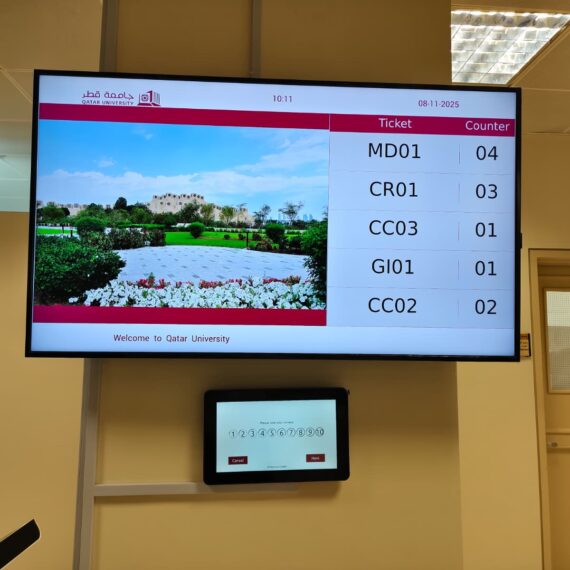
- Customers receive real-time updates on their queue status through SMS notifications, push alerts, or display boards.
- When it’s nearly their turn, they get notified to return to the service counter.
- Businesses can set up remote waiting areas (cafés, lounges, parking lots) to enhance comfort and reduce crowding in service zones.
Example: In hospitals or banks, customers can wait in their cars and get notified when it’s their turn to be served.
Benefit: Increases customer comfort, supports social distancing, and reduces perceived waiting time.
3. Appointment Scheduling and Hybrid Queues
Today’s Queue System Software blends appointment scheduling with traditional walk-in queues for greater flexibility.
- Customers can book specific time slots online or through mobile apps for predictable service times.
- The system automatically merges booked appointments and walk-in customers in a hybrid queue, ensuring fairness and smooth operations.
- Automatic reminders via email or SMS help reduce no-shows and cancellations.
Example: Clinics or service centers can allocate priority slots for online appointments while still accommodating walk-in customers efficiently.
Benefit: Reduces no-shows, balances service loads, and improves customer convenience.
4. Digital Signage & Agent Displays
Digital display integration is a core part of Queue Management Software.
- Digital Signage Displays:
Large LCD or LED screens show the queue number, service counter, and estimated waiting time. These screens can also display promotional content, announcements, or advertisements to engage waiting customers. - Agent Displays:
Service counters have agent terminals or smaller display units that alert staff when the next customer is ready. Agents can view queue details, customer history, and specific service requests for personalized service. - Voice Announcements:
Automated voice prompts announce token numbers and counter information, improving accessibility and clarity in busy environments.
Benefit: Keeps customers informed, enhances communication, and maintains organized service flow while doubling as a marketing tool.
5. Smart Routing and Prioritization
Not all customers require the same service or level of urgency. Smart routing capabilities allow the system to automatically direct customers to the most suitable staff or counter.
- Skill-based Routing: Assigns customers to staff members best equipped to handle their request.
- Priority Routing: Gives precedence to VIP clients, elderly citizens, or emergency cases.
- Service Segmentation: Handles multiple service types simultaneously — such as bill payments, inquiries, or complaints — through separate virtual queues.
Example: In government service centers, business license applicants might be prioritized differently than ID renewal customers.
Benefit: Reduces processing time, ensures fairness, and optimizes employee productivity.
6. Analytics & Reporting
A powerful Queue Management System should offer comprehensive analytics and reporting tools.
- Real-time Dashboards: Provide live insights into queue status, number of waiting customers, service times, and staff performance.
- Historical Reports: Track trends over days, weeks, or months to identify patterns in customer traffic and service efficiency.
- Performance KPIs: Key metrics like Average Wait Time (AWT), Average Service Time (AST), and Customer Abandonment Rate help measure and improve operations.
- Custom Reports: Export data to Excel, PDF, or BI tools for deeper analysis and management presentations.
Benefit: Empowers data-driven decision-making, helping management identify bottlenecks and continuously improve operations.
7. Integration Capabilities
Integration is critical for creating a seamless workflow.
- API Connectivity: The software can integrate with CRMs (e.g., Salesforce), ERPs, HRMS, and POS systems for synchronized data.
- Third-party Software Integration: Can connect with appointment scheduling apps, customer feedback tools, or marketing platforms.
- Hardware Integration: Compatible with ticket printers, display screens, biometric devices, and self-service kiosks.
Example: A bank’s Queue System Software can integrate with its CRM system so that customer details automatically appear when their token is called, enabling personalized service.
Benefit: Saves time, eliminates redundant data entry, and improves operational efficiency.
8. Multi-location & Multi-department Support
For large organizations with multiple branches or departments, centralized management is essential.
- Centralized Control Panel: Monitor and manage all branches from a single dashboard.
- Consistent Branding: Unified queue interfaces across locations for consistent customer experience.
- Cross-branch Analytics: Compare performance and queue load across different outlets or departments.
- Load Balancing: If one branch is busy, customers can be redirected to nearby locations.
Example: A nationwide telecom company can track the performance of its service centers in Doha, Al Khor, and Al Wakrah from one admin portal.
Benefit: Simplifies management, standardizes operations, and ensures uniform quality across all branches.
9. Multi-language & Accessibility Support
Qatar’s diverse population requires multilingual and inclusive customer service.
- Multi-language Interfaces: Customers can interact with kiosks, digital displays, and mobile apps in Arabic, English, Hindi, or other preferred languages.
- Voice Assistance: Systems can announce queue numbers and instructions in multiple languages.
- Accessibility Options: Interfaces designed for the elderly or differently-abled individuals — including larger fonts, contrast modes, and text-to-speech functionality.
Example: Government service centers in Qatar can configure the system to support both Arabic and English interfaces to serve a multicultural audience.
Benefit: Enhances usability, ensures inclusivity, and improves customer satisfaction across diverse demographics.
10. Security, Privacy & Compliance
Security is critical in any customer-facing technology. Queue System Software handles sensitive customer data, so robust protection mechanisms are essential.
- Role-based Access Control (RBAC): Limits access to system features based on user roles (admin, agent, manager).
- Data Encryption: Ensures all customer data, reports, and communication are encrypted end-to-end.
- Audit Trails: Maintains logs of all system actions for accountability and compliance.
- Local Regulatory Compliance: Aligns with Qatar’s data protection standards and ISO information security guidelines.
Benefit: Protects customer data, reduces security risks, and ensures trust and compliance with local regulations.

Business Benefits — Why Queue System Software is Worth the Investment
Investing in Queue Management System (QMS) software is not just about managing lines — it’s about transforming how businesses handle customer flow, staff allocation, and operational decision-making. From banks to hospitals, government offices to retail outlets, organizations that adopt queue management solutions report measurable gains in efficiency, satisfaction, and profitability.
- Shorter Perceived and Actual Wait Times
Customers hate uncertainty more than waiting itself. Traditional queues leave people standing in line, unsure how long the process will take. With virtual queuing, customers can wait remotely or comfortably in a designated area while tracking their progress through digital screens, SMS updates, or mobile apps.
By providing real-time transparency, Queue System Software reduces both actual and perceived wait times. Even if the total wait time remains similar, the experience feels shorter and more manageable. Studies and real-world deployments (e.g., Waitwhile) show that businesses implementing virtual queues see dramatic reductions in average wait durations and customer complaints.
For example:
- Banks report up to 35% reduction in waiting time.
- Clinics observe smoother patient flow with less congestion.
- Retail stores see customers spending more time browsing while waiting, instead of leaving the queue.
2.Higher Customer Satisfaction
A streamlined queue equals a satisfied customer. When people know where they stand in line, receive timely updates, and experience fair, orderly service — they feel respected and valued.
Modern queue software enhances satisfaction through predictability, transparency, and control. Customers can choose when and how to check in (kiosk, mobile, web), and they can use their waiting time productively instead of being confined to a waiting area.
Research published on ScienceDirect and by leading Queue System Software providers confirms that customer satisfaction and Net Promoter Scores (NPS) increase significantly when queue times are shortened or managed through clear communication.
Satisfied customers are also more likely to:
- Return for repeat services.
- Recommend your business to others.
- Leave positive online reviews — crucial in today’s competitive market.
- Lower Walkaways and Abandonment Rates
One of the biggest operational challenges for service-based businesses is queue abandonment — customers who leave before being served.
With Queue System Software, this problem can be dramatically reduced. The system keeps customers informed about their status in the queue through automated alerts and notifications. If it’s their turn soon, they’ll get an SMS or app notification prompting them to return to the counter, reducing walkaways.
Platforms like Qnomy and Qmatic have reported tangible reductions in customer abandonment — in some cases, by over 25%, especially in retail and government offices.
This ensures that businesses make the most of every service opportunity, reducing lost revenue and maintaining a consistent customer flow.
4. Improved Staff Productivity and Morale
For frontline staff, managing long queues manually is stressful. Arguments about turn order, confusion over ticketing, and manual tracking lead to fatigue and inefficiency.
A Queue System Software automates these processes, allowing employees to focus on delivering quality service rather than crowd control. Systems like Qtrac provide dashboards that show current workloads, service priorities, and customer types, helping staff stay organized and proactive.
Key outcomes include:
- Fewer idle periods and better workload distribution.
- Reduced stress and burnout for service agents.
- Ability to serve more customers in less time.
In turn, happier staff create better customer interactions — boosting satisfaction on both sides of the counter.
5. Better Use of Floor Space and Resources
Traditional waiting areas require large amounts of space for customers to stand or sit while waiting. With virtual queuing, the need for such physical space is drastically reduced.
Businesses can use freed-up areas for:
- Retail displays to promote new products.
- Lounge or self-service zones for improved comfort.
- Additional service counters to increase throughput.
According to VirtuaQ, retail and banking clients that adopted virtual queue management were able to reconfigure waiting zones into profitable display or customer interaction spaces — effectively converting “waiting area” into “earning area.”
6. Actionable Business Intelligence
Every interaction within a Queue System Software generates valuable data — from the number of visitors and average wait time to service duration and customer satisfaction scores.
Modern solutions like Qminder transform this data into actionable insights through real-time dashboards and analytics. Managers can identify peak times, understaffed counters, or high-demand services at a glance.
Some examples of how this intelligence can be used include:
- Adjusting staff schedules to match peak demand.
- Identifying training needs based on service duration.
- Detecting bottlenecks or inefficient service flows.
- Tracking performance metrics across multiple branches.
In short, Queue System Software provides a live pulse of your operations — allowing data-driven decision-making that continually improves service quality.
7. Increased Revenue Opportunities
A well-managed queue directly impacts your bottom line. When waiting customers are free to explore other areas of your business — for instance, shopping while waiting for a service — you open up opportunities for cross-selling and upselling.
In retail, customers who can browse during their wait tend to purchase more. In banks, staff can identify premium or repeat customers and offer them tailored services. In hospitality, guests who check in through a queue management app might be shown room upgrade or dining offers.
According to Qtrac, businesses implementing Queue System Software often see noticeable improvements in conversion rates and average transaction value due to a more relaxed, informed, and engaged customer base.
- Enhanced Brand Image and Professionalism
A chaotic waiting area sends a poor message about your organization. A modern, well-implemented Queue System Software shows that your business values efficiency, organization, and customer comfort.
Digital signage, token displays, automated voice announcements, and mobile ticketing all contribute to a modern, tech-savvy image. Customers perceive such businesses as professional, customer-oriented, and trustworthy, which is especially important for industries like government, healthcare, and banking.
9. Compliance, Safety, and Data Security
In the post-pandemic era, customer flow control and contactless service are no longer optional. A Queue Management System helps ensure compliance with health, safety, and social distancing requirements.
Touchless ticketing via QR codes, SMS check-in, or online booking minimizes crowding and reduces contact points. Additionally, advanced systems follow data protection standards, ensuring that customer details are handled securely and in compliance with Qatari and international privacy regulations.
- Scalability and Future-Readiness
Whether you operate a single outlet or multiple branches across Qatar, a good QMS is designed to scale effortlessly. Cloud-based platforms allow centralized control over multiple locations, consistent reporting, and unified branding.
As customer expectations evolve, new features such as AI-based forecasting, self-service kiosks, and WhatsApp notifications can be added — ensuring your queue management solution grows with your business.
Use Cases — Where Queue System Software Adds Value
Queue System Software (QMS) is a universal tool that adapts to almost any service environment where customers, patients, visitors, or clients wait to be served. Whether it’s managing patient appointments in a hospital, handling customer traffic in a telecom branch, or controlling service flow in government offices — Queue System Software optimizes every step of the customer journey.
1. Banks and Financial Institutions
Banks deal with hundreds of walk-in customers daily for a variety of services — cash deposits, loan consultations, account openings, or card services. Traditionally, this results in crowded lobbies, long lines, and customer frustration.
With a Queue Management System in place, banks can completely transform the branch experience.
How Queue System Software helps:
- Service categorization: Customers can select their service type at a kiosk or via mobile, ensuring they’re routed to the right teller or advisor.
- Priority handling: VIP or premium customers can be prioritized automatically.
- Appointment scheduling: Pre-booked time slots reduce waiting for planned consultations.
- Performance tracking: Managers get insights into teller performance and peak traffic times.
Results:
Banks using Queue System Software report faster transaction flow, improved staff utilization, and higher customer satisfaction scores. Leading institutions in Qatar and worldwide have already adopted such systems to ensure smooth and fair service distribution across all counters.
2. Hospitals, Clinics, and Healthcare Centers
In healthcare, time and order are critical. Poorly managed queues can lead to confusion, stress, and even compromised patient safety. Queue System Software brings clarity and calm to what is often a high-pressure environment.
How Queue System Software helps:
- Patient check-in kiosks: Allow patients to register upon arrival and choose the department or doctor they need.
- Integrated patient flow: Queue routing can be linked with hospital information systems (HIS) — seamlessly directing patients from registration to consultation, lab, and pharmacy.
- Virtual waiting rooms: Patients receive notifications when it’s their turn, reducing overcrowding in lobbies.
- Real-time updates: Digital displays keep everyone informed, minimizing uncertainty.
Results:
Hospitals benefit from smoother operations, reduced no-show rates, and enhanced patient satisfaction. Queue System Software ensures fair, transparent, and organized service, especially during busy hours or emergencies.
3. Government Offices and Public Service Centers
Government institutions often face high visitor volumes — whether it’s for immigration, licensing, utilities, or municipal services. Manual queuing systems can cause inefficiencies, dissatisfaction, and even security issues.
How Queue System Software helps:
- Structured citizen flow: Citizens are assigned tokens based on service type and department.
- Centralized management: Multiple service windows and departments can be controlled from one dashboard.
- Multilingual interface: Essential for diverse populations in Qatar.
- Appointment scheduling: Reduces overcrowding and waiting time for essential services.
Results:
Citizens enjoy a smoother, faster experience. The government benefits from improved service reputation, reduced operational chaos, and compliance with public service quality standards.
4. Retail Stores and Showrooms
In retail, customer experience directly influences sales. A customer who waits too long may abandon their purchase — but with Queue System Software, you can turn waiting time into shopping time.
How Queue System Software helps:
- Service ticketing for counters: For areas like billing, returns, or customer service desks.
- Mobile alerts: Customers can shop freely while waiting for their turn.
- Appointment bookings: Useful for luxury or high-value showrooms (e.g., jewelry, automobile).
- Digital signage: Displays real-time queue status and promotional messages simultaneously.
Results:
Retailers experience higher conversion rates, better crowd management during sales or peak hours, and improved customer satisfaction.
For example, automobile showrooms in Qatar use Queue System Software to manage test drive scheduling, service appointments, and consultations efficiently.
5. Airports and Airlines
Airports handle thousands of passengers every day across multiple service points — check-in, immigration, boarding, and customer service desks. Queue Management Software ensures smooth, efficient passenger movement and reduces operational stress.
How Queue System Software helps:
- Virtual queueing: Passengers can reserve their spot at check-in or customer service counters.
- Priority routing: Business-class or special-assistance passengers are handled seamlessly.
- Display integration: Queue screens guide passengers to the correct counter or gate.
- Analytics: Identifies high-traffic periods to optimize staffing.
Results:
Passengers experience less stress and fewer missed flights, while airlines benefit from improved service efficiency and brand perception.
6. Telecom and Utility Service Centers
Telecom and energy companies deal with both technical and administrative service requests. Queue System Software eliminates confusion and ensures faster, fairer service delivery.
How Queue System Software helps:
- Service-type selection: Customers can choose from bill payment, SIM replacement, or technical support at a kiosk.
- Ticket routing: Directs each request to the correct counter or department.
- Remote waiting: Customers receive SMS alerts when their turn approaches.
- Branch analytics: Helps managers understand service patterns and optimize counters accordingly.
Results:
Reduced wait times, improved customer experience, and higher operational efficiency — critical in competitive markets like Qatar’s telecom and utility sectors.
7. Educational Institutions
Universities and schools experience high footfall during admissions, registration, and examination periods. Managing these crowds efficiently is essential to maintaining a professional image and smooth operations.
How Queue System Software helps:
- Appointment booking: Students can pre-book counseling or registration slots.
- Digital ticketing: Reduces physical queues during admissions.
- Real-time display: Guides students to the right department or counselor.
- Performance data: Helps administrators understand traffic flow and improve scheduling.
Results:
A calm, organized environment that leaves a strong impression on parents and students — showing that the institution values professionalism and efficiency.
8. Hospitality and Hotels
From check-in desks to concierge services, hotels often face fluctuating service demand throughout the day. Queue System Software helps maintain a premium experience for every guest.
How Queue System Software helps:
- Check-in appointments: Guests can pre-book arrival slots for faster service.
- Queue displays at concierge or restaurant desks: Keep guests informed and relaxed.
- Integrated promotions: Display waiting times alongside dining or event offers.
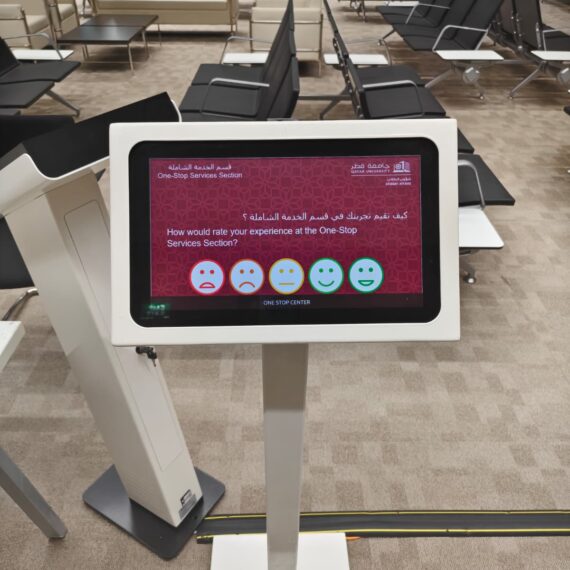
- Feedback collection: Gather real-time guest satisfaction data at the point of service.
Results:
A smoother guest journey, higher satisfaction, and opportunities for upselling spa treatments, dining, or events during idle waiting times.
9. Healthcare Laboratories and Diagnostic Centers
Labs often struggle with peak-hour crowds and paperwork. Queue Management Software integrates with patient management systems to streamline operations.
How Queue System Software helps:
- Sample collection queues: Automatically manage patient flow and reduce crowding.
- Priority handling: Emergency cases or premium clients are served faster.
- Lab result notifications: Patients are alerted when reports are ready.
Results:
Improved throughput, higher patient satisfaction, and better staff coordination.
10. Corporate Offices and Customer Support Centers
Even within organizations, queue management helps improve internal service workflows — for example, in HR, IT support, or visitor management.
How Queue System Software helps:
- Employee ticketing: Staff can request internal services (e.g., IT helpdesk, HR inquiries).
- Visitor queuing: Corporate reception desks can manage check-ins more efficiently.
- Analytics: Provides insights into internal service efficiency.
Results:
Faster internal response times and a more professional corporate environment.
- Pharmacies and Healthcare Retail
Pharmacies frequently experience uneven demand, especially during rush hours. Queue Management Software ensures fair and efficient service distribution.
How Queue System Software helps:
- Token generation: Customers receive a number and can shop while waiting.
- Digital screens: Display token numbers and health awareness messages.
- Data tracking: Monitors service times to optimize staffing.
Results:
Reduced congestion, higher sales, and better patient satisfaction.
12. Event Venues and Exhibition Halls
For large events, exhibitions, or conferences, Queue System Software helps control entry flow and prevent crowd build-up.
How Queue System Software helps:
- Registration queues: Streamlined check-in for attendees.
- Session bookings: Visitors can reserve time slots for workshops or demos.
- Digital displays: Real-time updates for hall capacities and timings.
Results:
A professional, orderly experience that enhances brand image and attendee satisfaction.
Why Choose Axle Systems for Queue System Software in Qatar?
When it comes to Queue System Software, choosing the right technology partner is just as important as choosing the solution itself. Axle Systems is a trusted supplier in Qatar, offering end-to-end queue management solutions tailored to the unique needs of businesses across multiple sectors, including banks, healthcare, government offices, retail outlets, and corporate service centers.
Why Axle Systems?
- Local Expertise: Years of experience in delivering technology solutions across Qatar ensures your system is compliant, efficient, and reliable.
- Leading Brands: We partner with top global queue management providers such as Qmatic, QBetter, and QueueBee, bringing cutting-edge solutions to the market.
- Customizable Solutions: Whether you need a simple ticketing kiosk or a fully integrated virtual queue solution, our systems are tailored to your workflow and customer experience needs.
- End-to-End Support: From consultation and system design to installation, integration, and maintenance, Axle Systems provides full support throughout your journey.
- Proven Track Record: Successfully implemented solutions across multiple industries demonstrate our ability to enhance operational efficiency and customer satisfaction.
Contact Axle Systems
For more information or a consultation regarding Queue System Software in Qatar:
Axle Systems – Qatar
Location: Al Khalidiya Street, Najma, Doha, Qatar
Contact No: +974 44682391 / +974 77443731
Email ID: sales@axlesys.com
Website: www.axlesys.com
Common Questions About Queue System Software
- What is Queue System Software?
Queue System Software is a digital solution that manages customer queues, automates ticketing, and tracks service flow to improve efficiency and reduce wait times. - Can it handle multiple service types at once?
Yes. Modern Queue System Software can manage multiple service categories simultaneously, directing customers to the correct service counter efficiently. - Does it support remote or mobile check-in?
Absolutely. Customers can join the queue via mobile apps, online platforms, or SMS, reducing on-site waiting and congestion. - Is the software multilingual?
Yes, it supports Arabic and English, making it accessible for Qatar’s diverse population. - Can it integrate with CRM or ERP systems?
Yes. Queue software can integrate with your existing business systems for seamless operations and enhanced data analytics. - Is the system suitable for small businesses?
Yes. Queue System Software is scalable and suitable for both small offices and large multi-branch organizations. - What kind of analytics does the system provide?
It provides insights on customer flow, average wait times, service efficiency, peak hours, and staff performance to support data-driven decisions. - Does Axle Systems provide installation and ongoing support?
Yes. Axle Systems offers complete installation, configuration, training, and local technical support to ensure smooth operation.
Conclusion
In today’s fast-paced world, customer expectations are higher than ever. Long queues, disorganized service counters, and unclear waiting times can quickly damage your brand reputation and lead to lost opportunities. Queue System Software is no longer just a convenience — it’s a strategic tool that empowers businesses to deliver efficient, transparent, and customer-friendly service.
By implementing a robust Queue Management System, organizations can:
- Reduce wait times: Both perceived and actual waiting periods are minimized, enhancing the overall customer experience.
- Improve satisfaction: Clear communication, real-time updates, and a structured flow create a positive impression and build loyalty.
- Boost operational efficiency: Staff can focus on serving customers rather than managing queues, increasing productivity and reducing errors.
- Leverage data for smarter decisions: Analytics provide actionable insights into peak hours, counter performance, and workflow optimization.
- Maximize space and resources: With virtual queuing, waiting areas can be repurposed for additional counters, retail displays, or comfortable lounges.
- Increase revenue opportunities: Happy customers are more likely to engage with upsells, promotions, or repeat services.
Choosing the right technology partner is equally crucial. Axle Systems, a trusted supplier of Queue System Software in Qatar, ensures that your solution is customized, reliable, and fully supported. With years of experience, partnerships with leading brands like Qmatic, QBetter, and QueueBee, and a proven track record across banks, healthcare facilities, government offices, and retail environments, Axle Systems delivers complete end-to-end solutions designed to meet your unique operational requirements.
From installation and integration to training and ongoing technical support, Axle Systems helps you harness the full potential of your Queue Management System, ensuring a seamless experience for both customers and staff. The result is a professional, organized, and modern service environment that reflects positively on your brand and fosters long-term loyalty.
In a world where every minute counts and customer experience defines success, investing in Queue System Software is an investment in your business’s reputation, efficiency, and growth. Let Axle Systems help you transform waiting into a pleasant, organized, and value-added experience, ensuring that every customer interaction is smooth, predictable, and satisfactory.
