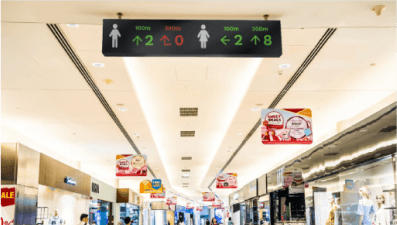

Smart Washroom Management Solutions for Airports
Airports are among the most complex public facilities to manage: high passenger throughput, strict hygiene expectations, 24/7 operations, and heavy regulatory scrutiny. Washrooms — while small in footprint — are high-impact spaces for passenger satisfaction, brand perception, and hygiene. Long lines, dirty fixtures, out-of-stock consumables, and unpleasant odors can quickly damage airport reputation and traveler experience.
Smart Washroom Management Solutions for Airports solve these issues by replacing reactive cleaning and restocking with proactive, data-driven workflows. Using a network of unobtrusive sensors, cloud dashboards, real-time alerts and analytics, airports can deliver cleaner, safer, and more efficient Smart Washroom Management Solutions for Airports services while reducing operating costs and environmental waste.
This long-form article explains what Smart Washroom Management Solutions for Airports for airports are, their key features and benefits, practical uses, best practices for deployment, ROI considerations, and frequently asked questions. It also highlights Axle Systems as a trusted supplier of Smart Washroom Management Solutions for Airports in Qatar and provides contact information and a suggested implementation roadmap.
What is a Smart Washroom Management Solutions for Airports?
A Smart Washroom Management Solutions for Airports integrates sensors, connectivity, data analytics, and workflows to monitor washroom conditions and automate maintenance tasks. Core elements typically include:
- Occupancy & Usage Sensors — detect presence, stall usage and queue length to optimize cleaning schedules and manage throughput.
- Consumables Sensors — measure levels of toilet paper, soap, paper towels, and feminine hygiene supplies to trigger restock alerts before shortage.
- Environmental Sensors — monitor temperature, relative humidity, ventilation effectiveness (CO₂), and VOCs to detect odors and poor ventilation.
- Fixture Health & Leak Detection — monitor water usage, flush counts, leak alarms and device faults (e.g., soap dispenser low battery).
- Analytics & Dashboards — cloud-based dashboards provide live status, historical trends, and KPIs for operations managers.
- Mobile Alerts & Work Orders — automatic alerts routed to cleaning staff via apps, SMS, or integrated workforce management systems, including photographed proof-of-service where required.
- Integration Capabilities — connect with Building Management Systems (BMS), CMMS (Computerized Maintenance Management Systems), and airport operations centers for unified control.
For airports, solutions are hardened for heavy usage, privacy-preserving (no cameras), and designed for seamless integration with existing airport IT and security policies.
Why Smart Washroom Management Solutions for Airports are needed?
There are several airport-specific reasons Smart Washroom Management Solutions for Airports are particularly valuable:
- High Throughput & Peak Variability: Smart Washroom Management Solutions for Airports
Passenger volumes vary widely by time of day, season, and flight schedules. Smart Washroom Management Solutions for Airports allows dynamic cleaning allocation based on real-time occupancy rather than fixed schedules, improving service during peaks. - Passenger Experience & Brand Perception: Smart Washroom Management Solutions for Airports
Clean, well-stocked washrooms are a top driver of passenger satisfaction scores and positive online reviews. - Operational Efficiency: Smart Washroom Management Solutions for Airports
Smart monitoring reduces unnecessary cleaning rounds and minimizes emergency restocking calls, freeing staff to focus on priority tasks. - Regulatory & Health Compliance: Smart Washroom Management Solutions for Airports
Airports must meet strict hygiene and health regulations. Smart Washroom Management Solutions for Airports provide auditable logs proving cleaning and restocking frequency and compliance. - Cost & Waste Reduction: Smart Washroom Management Solutions for Airports
Avoid overstocking consumables and reduce the number of unnecessary cleaning cycles — lowering labor and consumable costs and reducing environmental footprint. - Preventive Maintenance: Smart Washroom Management Solutions for Airports
Early detection of leaking fixtures or failing dispensers avoids larger plumbing issues, water damage, and unexpected follow-up repairs.
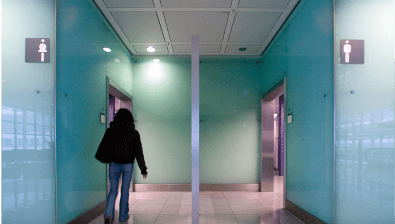
Key Features of Smart Washroom Systems for Airports
Smart Washroom Management Solutions for Airports combine IoT hardware, advanced analytics, and mobile-enabled workforce management to provide a seamless, hygienic, and efficient experience for passengers and airport operators alike. Below are the expanded details of the most critical features, tailored specifically for airports.
1. Real-time Occupancy Monitoring & Queue Detection: Smart Washroom Management Solutions for Airports
- How it works: Small, ceiling-mounted sensors detect stall usage, while entrance counters measure the number of passengers entering and exiting. Queue sensors can even identify crowding outside the washroom.
- Why it matters in airports: Airports experience intense peak periods, such as during early morning departures or evening international flights. Real-time monitoring ensures staff are dispatched before conditions deteriorate.
- Passenger benefit: Reduced waiting times and greater comfort, particularly for transit passengers with tight connections.
- Operational impact: Cleaning teams can prioritize the busiest facilities, and airport operators can redirect passengers to less crowded washrooms using digital signage.
2. Consumables Monitoring (Soap, Paper, Towels, Feminine Hygiene Products): Smart Washroom Management Solutions for Airports
- How it works: Smart dispensers track fill levels of soap, tissue, and paper towels, transmitting alerts when supplies are low.
- Why it matters in airports: With thousands of passengers using washrooms hourly, consumables can run out in minutes during peaks.
- Passenger benefit: Travelers never face the frustration of empty dispensers, particularly during stressful moments like before boarding.
- Operational impact: Cleaning staff restock only when required, eliminating unnecessary checks and preventing wastage from half-full refills.
3. Hygiene & Environmental Sensing: Smart Washroom Management Solutions for Airports
- How it works: Sensors monitor indoor air quality (CO₂, VOCs/odor), humidity, and temperature, alerting staff when conditions fall below standards.
- Why it matters in airports: Poor ventilation can quickly lead to odors in high-traffic areas, affecting passenger perception of the airport’s cleanliness.
- Passenger benefit: A fresh, hygienic environment improves the comfort of travelers, especially those on long layovers.
- Operational impact: Facilities teams can integrate sensor data with HVAC systems to automatically adjust ventilation or trigger a cleaning round.
4. Fixture Health Monitoring & Leak Detection: Smart Washroom Management Solutions for Airports
- How it works: IoT water meters and leak detectors monitor toilets, sinks, and urinals for abnormal flow patterns, clogs, or leaks.
- Why it matters in airports: A single leaking toilet can waste thousands of liters of water daily and create slip hazards for passengers.
- Passenger benefit: Functioning fixtures prevent unpleasant experiences, keeping washrooms fully usable.
- Operational impact: Early leak detection avoids costly repairs, water damage, and negative environmental impact.
5. Analytics, KPIs & Reporting: Smart Washroom Management Solutions for Airports
- How it works: A centralized cloud dashboard aggregates sensor data, visualizing washroom conditions, usage patterns, and staff performance.
- Why it matters in airports: Data-driven insights support SLA compliance with cleaning contractors and allow long-term capacity planning.
- Passenger benefit: Indirectly benefits travelers through consistently higher hygiene standards.
- Operational impact: Facility managers can justify budgets, optimize staff rosters, and produce compliance reports for regulators or airport authorities.
6. Mobile Workforce Management & Alerts: Smart Washroom Management Solutions for Airports
- How it works: Staff receive real-time alerts on mobile devices when an issue arises (e.g., soap running low or a toilet requiring maintenance). Task lists, maps, and proof-of-completion logs streamline workflows.
- Why it matters in airports: Large facilities mean cleaners can’t constantly patrol every washroom. Mobile alerts ensure staff respond only where needed.
- Passenger benefit: Faster resolution of washroom issues and consistently stocked supplies.
- Operational impact: Labor is used more efficiently, reducing overtime and contractor costs.
7. Integration with Airport Systems: Smart Washroom Management Solutions for Airports
- How it works: APIs connect Smart Washroom Management Solutions for Airport platforms with airport Building Management Systems (BMS), Computerized Maintenance Management Systems (CMMS), or passenger flow analytics platforms.
- Why it matters in airports: Correlating washroom usage with flight schedules helps predict demand spikes. For example, if multiple wide-body departures are scheduled, cleaning crews can be pre-positioned.
- Passenger benefit: Proactive cleaning and reduced likelihood of disruption during peak times.
- Operational impact: Unified dashboards simplify facility management and improve decision-making across departments.
8. Privacy-First Design: Smart Washroom Management Solutions for Airports
- How it works: Instead of cameras, systems rely on non-imaging sensors (infrared, ultrasonic, or pressure-based) that detect presence without recording visuals.
- Why it matters in airports: Privacy compliance is a critical issue, especially in international hubs with diverse passenger demographics.
- Passenger benefit: Peace of mind knowing personal privacy is respected.
- Operational impact: Airports can deploy technology confidently without regulatory hurdles or passenger complaints.
9. Durable, Airport-Grade Hardware: Smart Washroom Management Solutions for Airports
- How it works: Devices are built with tamper-resistant enclosures, high IP ratings for moisture resistance, and long battery life.
- Why it matters in airports: Washrooms run 24/7, and hardware must withstand constant use, vandalism attempts, and exposure to water or cleaning chemicals.
- Passenger benefit: Fewer out-of-order dispensers or fixtures, ensuring smooth service.
- Operational impact: Reduced maintenance cycles and lower long-term replacement costs.
10. Multi-language, Multi-site Management: Smart Washroom Management Solutions for Airports
- How it works: Cloud dashboards and apps support multiple languages and role-based access, enabling different teams (cleaning staff, supervisors, contractors, and management) to collaborate effectively.
- Why it matters in airports: Large airports employ multinational cleaning staff and contractors who require localized interfaces.
- Passenger benefit: Improved efficiency of staff means better-maintained washrooms.
- Operational impact: Management can oversee all terminals centrally, ensuring consistent service quality.

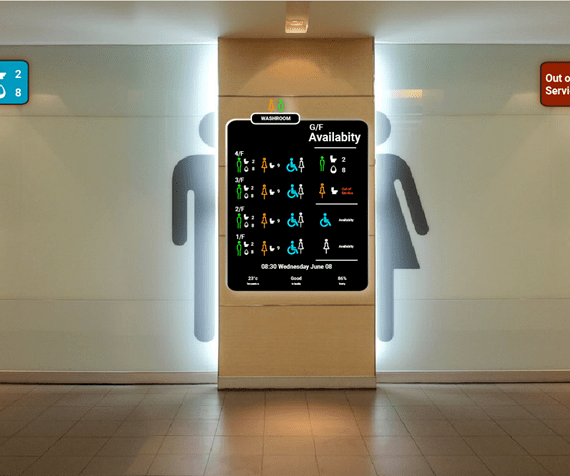
Practical Uses & Operational Scenarios in Airports
Smart Washroom Management Solutions for Airports are not just about monitoring soap levels or triggering alerts; they are about transforming the way airport washrooms are managed and experienced. Below are expanded real-world use cases and scenarios that demonstrate the impact of these solutions in the airport environment.
Scenario 1 Peak-Gate Management during Boarding
- Situation: When multiple international flights are boarding simultaneously, passenger footfall near gates surges dramatically. Washrooms adjacent to these gates quickly become congested.
- Challenge: Traditional fixed cleaning schedules cannot respond to sudden spikes in usage, leading to overcrowding, shortages of consumables, and negative passenger feedback.
- How Smart Washrooms Help: Occupancy sensors trigger alerts once a washroom reaches a predefined usage threshold. Cleaning teams receive a notification to prioritize servicing that location. Digital signage can even redirect passengers to nearby washrooms with lower occupancy.
- Benefit: Passengers enjoy shorter waits, clean facilities, and uninterrupted service during peak boarding times.
Scenario 2 Flight Delay & Extended Passenger Stays
- Situation: Weather or technical delays can keep hundreds of passengers inside terminals for hours longer than planned. Washrooms experience higher than normal, unanticipated usage.
- Challenge: Without smart monitoring, consumables can run out quickly, and odors can develop, worsening an already stressful passenger experience.
- How Smart Washroom Management Solutions for Airports Help: Consumable sensors notify staff before dispensers run empty. Air quality sensors trigger additional cleaning or ventilation cycles. Facility managers can view dashboards to deploy extra resources to affected zones.
- Benefit: Even during disruptions, passengers feel cared for and facilities remain hygienic and functional.
Scenario 3 SLA Compliance for Cleaning Contractors
- Situation: Airports often outsource washroom cleaning to third-party contractors under strict Service Level Agreements (SLAs).
- Challenge: Ensuring contractors meet agreed cleaning frequencies and response times is difficult without data.
- How Smart Washroom Management Solutions for Airport Help: Each cleaning event is logged digitally with staff check-in/out via mobile app. The system tracks whether alerts were resolved within SLA timeframes. Automated reports provide audit-ready evidence for management.
- Benefit: Transparent contractor performance monitoring, reduced disputes, and consistent quality assurance.
Scenario 4 Environmental & Odor Control
- Situation: In high-traffic washrooms, odors can appear quickly if ventilation is insufficient or cleaning frequency lags.
- Challenge: Passengers associate odors with poor cleanliness, even if the washroom is otherwise spotless.
- How Smart Washroom Management Solutions for Airport Help: VOC and humidity sensors detect changes that indicate odor buildup. The system automatically increases ventilation through the Building Management System (BMS) or dispatches a cleaning team.
- Benefit: Passengers consistently experience fresh-smelling, pleasant facilities that reflect positively on the airport brand.
Scenario 5 Preventing Water Waste & Slip Hazards
- Situation: A leaking toilet or sink can waste thousands of liters of water per day and create puddles that endanger passengers.
- Challenge: Leaks may go unnoticed for hours in large airports with many washrooms spread across terminals.
- How Smart Washroom Management Solutions for Airport Help: Leak detection sensors trigger immediate maintenance alerts. Facility managers can isolate the water supply remotely or dispatch a plumber before the issue worsens.
- Benefit: Saves water, prevents property damage, reduces slip hazards, and lowers emergency repair costs.
Scenario 6 Retail & Concourse Insights
- Situation: Airport retail concessions thrive on understanding passenger movement and dwell time. Washrooms near food courts or shopping areas often experience spikes in usage.
- Challenge: Without data, it is difficult to predict where and when additional resources are needed.
- How Smart Washroom Management Solutions for Airport Help: Usage data identifies patterns in specific zones. Facility managers can allocate staff strategically, and retail teams can use insights to better plan concession layouts.
- Benefit: Improved traveler flow management, cleaner facilities near high-value retail zones, and increased revenue opportunities.
Scenario 7 Transit Passenger Management
- Situation: Hub airports like Doha handle high volumes of transfer passengers who may spend only a few hours inside the terminal. Their impression of the airport is shaped heavily by their washroom experience.
- Challenge: With limited time, these passengers cannot afford to queue for washrooms or face poorly maintained facilities.
- How Smart Washroom Management Solutions for Airport Help: Occupancy data helps direct transfer passengers to the nearest available, clean washrooms through airport apps or signage. Cleaning staff prioritize transfer zones during peak connection times.
- Benefit: Passengers leave with a positive impression of the airport, increasing the likelihood of repeat travel and positive reviews.
Scenario 8 VIP Lounges & Premium Areas
- Situation: Premium passengers expect a superior, hotel-like washroom experience in lounges and business-class areas.
- Challenge: Even small lapses in cleanliness or consumables in premium zones can harm the airport’s luxury reputation.
- How Smart Washroom Management Solutions for Airport Help: Sensors ensure consumables in lounges are never depleted. Dashboards allow staff to monitor conditions discreetly, without disturbing guests.
- Benefit: Consistently high service levels that match the expectations of premium travelers.
Scenario 9 Sustainability & Green Airport Initiatives
- Situation: Many airports, including those in Qatar, aim for green certifications such as LEED or Global Sustainable Airport standards.
- Challenge: Excessive water and consumable use negatively affects sustainability scores.
- How Smart Washroom Management Solutions for Airport Help: Leak detection prevents water waste, and consumable sensors reduce unnecessary restocking. Usage data supports eco-friendly procurement policies.
- Benefit: Helps airports achieve sustainability goals, reduces operational costs, and strengthens environmental reputation.
Scenario 10 Crisis or Emergency Situations
- Situation: During emergencies such as mass flight cancellations, protests, or natural disasters, passenger numbers can surge unexpectedly.
- Challenge: Washrooms can quickly become overwhelmed, compounding the stress of the crisis.
- How Smart Washroom Management Solutions for Airports Help: Dashboards give a real-time view of which facilities need urgent attention. Staff can be dynamically reassigned, and consumables replenished quickly.
- Benefit: Even under extreme circumstances, passengers experience dignity and care, preserving airport reputation.

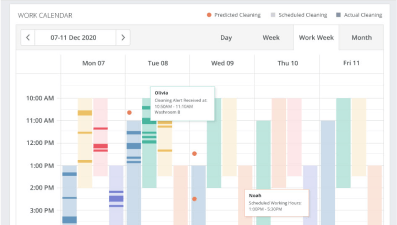
Technical Considerations: Connectivity & Deployment Options
Connectivity
- LoRaWAN — excellent for battery-powered sensors over wide airport areas; low power, long range.
- NB-IoT / LTE-M — cellular narrowband options where LoRaWAN isn’t available or for guaranteed coverage.
- Wi-Fi / Ethernet — for power-available fixtures or high-throughput needs.
- Wired I/O — for integration with existing BMS or hard-wired sensors.
Choose connectivity based on coverage requirements, security policy, power availability, and desired update frequency.
Power & Battery Life
- Many sensors are battery-powered with multi-year life (2–5+ years) depending on reporting frequency.
- Where power is available, mains-powered units offer continuous operation.
Sensor Placement & Tamper Resistance
- Place sensors discreetly inside or behind dispensers, over stalls, or on ceilings.
- Use vandal-proof housings or recessed installs where public access risks tampering.
Data Privacy & Security
- Use non-imaging sensors to avoid privacy concerns.
- Encrypt sensor-to-cloud communication with TLS, use secure device authentication, and follow airport cybersecurity policies.
- Apply role-based access control and logging for audit trails.
Scalability & Multi-site Management
- Cloud platforms should support multi-terminal architecture with central administration, role-based permissions, and tenant segregation for third-party contractors.
Best Practices for Airports
- Start Small, Scale Fast — pilot a few high-impact washrooms first to prove value.
- Keep it Privacy-First — avoid cameras in washrooms; use non-imaging sensors.
- Integrate with Operations — connect to CMMS/BMS and staff apps rather than creating siloed alerts.
- Set Clear SLAs — define response times for high, medium, and low-priority alerts.
- Train Staff & Contractors — ensure cleaning crews can use mobile apps and understand priority routing.
- Use Data for Procurement — sensor data informs optimal consumable reorder points and quantities.
- Monitor Battery Health — include battery life on dashboards to avoid unexpected sensor downtime.
- Plan for Maintenance — schedule sensor checks during low-traffic hours and include sensors in preventive maintenance plans.
- Inclusive Design — ensure accessible washrooms receive equivalent monitoring and rapid response protocols.
- Sustainability Targets — incorporate water and consumable savings into airport sustainability goals.
Why Choose Axle Systems for Smart Washroom Management Solutions for Airports in Qatar?
When it comes to deploying Smart Washroom Management Solutions for Airports in Qatar, choosing the right technology partner makes all the difference. Airports demand highly reliable, scalable, and intelligent solutions to meet the expectations of millions of passengers, comply with regulatory standards, and ensure operational excellence. Axle Systems stands out as the trusted provider of Smart Washroom Management Solutions for Airports in Qatar, delivering value through technology, expertise, and customer commitment.
Here are the key reasons why Axle Systems is the preferred partner:
1. Proven Expertise in Airport Solutions
Axle Systems has years of experience in providing technology-driven solutions tailored for airports. From passenger flow management to digital signage, queue systems, and now smart washroom technologies, the company understands the unique challenges of airport operations. This specialized expertise ensures that every solution is optimized for high-traffic, mission-critical environments like Hamad International Airport and other aviation hubs in Qatar.
2. Comprehensive Smart Washroom Management Solutions for Airports Technology
Our solutions go beyond basic cleanliness tracking. Axle Systems provides an end-to-end Smart Washroom Management Solutions for Airports ecosystem, including:
- IoT-based sensors for footfall and usage monitoring.
- Smart dispensers for tissue, soap, and sanitizers.
- Air quality and odor monitoring devices.
- Real-time dashboards for housekeeping staff.
- Predictive maintenance tools to minimize downtime.
This all-in-one approach ensures airports can maintain world-class hygiene standards while improving passenger satisfaction.
3. Customized Solutions for Every Airport Size
Whether it’s a regional terminal or a world-class international hub, Axle Systems designs scalable and flexible washroom management solutions. Each airport has different passenger volumes, peak traffic times, and infrastructure limitations. Axle Systems tailors solutions to match these requirements, ensuring cost-efficiency without compromising quality.
4. Compliance with Global Standards
Airports in Qatar must maintain the highest levels of safety, hygiene, and regulatory compliance. Axle Systems’ Smart Washroom Management Solutions for Airport align with international standards for public hygiene management, IoT integration, and facility maintenance protocols. This makes it easier for airport authorities to meet audit requirements, sustainability targets, and passenger experience benchmarks.
5. Enhanced Passenger Experience
Smart Washroom Management Solutions for Airport are not just about cleaning—they directly impact customer satisfaction scores (CSAT) and airport service quality ratings. Axle Systems helps airports improve real-time responsiveness, ensuring that passengers always find clean, well-stocked, and comfortable washrooms. This contributes to a positive travel experience that aligns with Qatar’s reputation for world-class hospitality.
6. Data-Driven Decision Making
Axle Systems’ platforms provide real-time analytics and historical reporting, empowering airport management with insights into:
- Washroom usage patterns.
- Resource allocation efficiency.
- Consumables management.
- Cleaning performance KPIs.
By leveraging this data, airports can optimize operational costs, reduce wastage, and proactively address issues before they escalate.
7. 24/7 Support and After-Sales Service
Technology is only as good as the support behind it. Axle Systems ensures round-the-clock customer service, technical assistance, and periodic maintenance for its airport clients. With a dedicated support team in Qatar, Axle Systems guarantees reliability, quick response times, and long-term system performance.
8. Trusted Supplier in Qatar
Axle Systems has built a reputation as a leading supplier of advanced airport technologies in Qatar, trusted by government entities, aviation authorities, and private sector clients. With a commitment to innovation, quality, and customer satisfaction, Axle Systems has become the go-to provider for organizations looking to upgrade their infrastructure with cutting-edge smart solutions.
Common FAQs — Smart Washroom Management Solutions for Airports
Q1 Are cameras used inside the washrooms?
A1: No. Reputable Smart Washroom Management Solutions for Airports for public washrooms use non-imaging sensors (infra-red, ultrasonic, pressure mats, dispenser-level sensors) to protect passenger privacy and comply with privacy laws and airport policies.
Q2 How long do sensor batteries last?
A2: Battery life varies by sensor type and reporting frequency. Typical battery-powered sensors last between 2 and 5 years; gateway devices and powered sensors can be mains-connected. Check vendor specs for exact expectations.
Q3 What connectivity is best for airports?
A3: It depends: LoRaWAN is ideal for wide coverage and long battery life; NB-IoT/LTE-M works well where cellular coverage and carrier support exist; Wi-Fi/Ethernet is suitable where power/backs exist. Often, a hybrid approach is best.
Q4 How do alerts reach cleaning staff?
A4: Alerts can be sent to mobile apps, dedicated handheld devices, SMS, or integrated into the airport’s workforce management system. Alerts include location, priority and instructions.
Q5 Will this integrate with our CMMS/BMS?
A5: Most modern Smart Washroom Management Solutions for Airports platforms provide APIs for integration. During procurement, confirm the API formats and test integration during the pilot phase.
Q6 What is the expected ROI timeline?
A6: ROI depends on labor costs, consumable usage, and system scale. Many airports see payback within 12–36 months from labor and consumable savings plus reduced emergency maintenance costs. A pilot with your real numbers produces an accurate projection.
Q7 Can the system handle multilingual staff and contractors?
A7: Yes. Dashboards and mobile apps typically support multiple languages and role-based permissions for local staff and contractors.
Q8 Is the solution secure?
A8: A credible supplier will use encrypted communications (e.g., TLS), authenticated device onboarding, role-based access, and adhere to airport cybersecurity requirements. Verify vendor security documentation and certifications.
Q9 What maintenance is required for sensors?
A9: Regular battery checks (if battery-powered), occasional calibration, cleaning of sensor housings, and firmware updates. Good vendors provide a maintenance schedule and remote diagnostics.
Q10 Will the system reduce water usage?
A10: Yes. Leak detection and optimized cleaning cycles reduce unnecessary water use. Flow analytics can also identify inefficient fixtures for replacement.
Conclusion
Smart Washroom Management Solutions for Airports are no longer a “nice-to-have” for modern airports — they are an operational imperative. By moving from scheduled cleaning to condition-based servicing, airports can deliver cleaner facilities, higher passenger satisfaction, regulatory compliance and tangible cost savings. For Qatar airports seeking a local partner, Axle Systems offers the expertise, integration capability and local support necessary to design, deliver and maintain an airport-grade Smart Washroom Management Solutions for Airports.