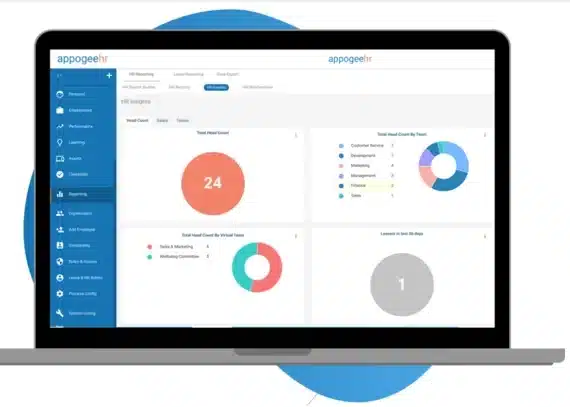

HR Integration Software for Ministries in Qatar
In the evolving landscape of governmental operations, ministries in Qatar face the dual challenge of maintaining high efficiency while ensuring compliance with stringent regulations. HR Integration Software for Ministries has emerged as a pivotal solution, enabling ministries to streamline their HR processes, enhance data accuracy, and foster a more agile workforce.
Understanding HR Integration Software for Ministries in Qatar
HR Integration Software for Ministries in Qatar refers to a suite of digital tools designed to automate and integrate various human resource functions, including payroll, attendance, recruitment, performance management, and compliance tracking. By centralizing these processes, ministries can achieve seamless data flow, reduce manual errors, and ensure timely decision-making.
Benefits of HR Integration Software for Ministries in Qatar
HR Integration Software for Ministries in Qatar offers a wide range of benefits for government ministries in Qatar, transforming traditional administrative processes into highly efficient, accurate, and data-driven operations. Here’s a detailed look at the key advantages:
1. Enhanced Compliance with Qatari Labor Laws
Government ministries are required to strictly adhere to national labor laws and regulations. HR Integration Software for Ministries in Qatar ensures that all HR operations comply with these legal requirements. By automating payroll calculations, leave accruals, overtime, and end-of-service benefits, ministries reduce the risk of errors and potential legal issues. The software also tracks mandatory certifications, training records, and labor quotas, providing ministries with real-time compliance dashboards.
Example: When a ministry processes end-of-service gratuities for retiring employees, the software automatically calculates the correct entitlements according to Qatari labor law, minimizing disputes and manual errors.
2. Streamlined Payroll Processing
Manual payroll processing is often slow, error-prone, and labor-intensive. HR Integration Software for Ministries in Qatar automates salary calculations, deductions, bonuses, and allowances. It ensures that employees receive accurate and timely payments, while also generating electronic payslips for easy access. Ministries benefit from reduced administrative workload and can reallocate HR personnel to more strategic tasks.
Example: In ministries with large numbers of staff working in shifts, such as healthcare or security services, automated payroll ensures overtime and shift differentials are calculated correctly without manual intervention.
3. Improved Data Accuracy and Centralized Reporting
A centralized HR Integration Software for Ministries database ensures that all employee data, including personal details, employment history, and performance records, are stored securely and consistently. HR Integration Software for Ministries in Qatar eliminates the discrepancies caused by multiple isolated spreadsheets and manual records. Advanced reporting tools allow HR managers to generate detailed analytics, helping in workforce planning, budgeting, and decision-making.
Example: The Ministry of Education can quickly generate reports on teacher attendance, staff qualifications, and training needs, enabling informed decisions on promotions and recruitment.
4. Efficient Recruitment and Onboarding
Recruitment is a time-consuming process involving multiple steps, from job posting to candidate evaluation. HR Integration Software for Ministries in Qatar automates recruitment workflows, including application tracking, interview scheduling, and candidate communication. Once a candidate is selected, onboarding workflows are automated, such as document collection, system access setup, and initial training scheduling.
Example: A HR Integration Software for Ministries recruiting healthcare professionals can automate license verification and training scheduling, ensuring that new employees are compliant and fully prepared before starting work.
5. Enhanced Employee Self-Service
Employee self-service portals empower staff to manage their own HR Integration Software for Ministries related tasks, reducing dependency on HR personnel. Employees can view payslips, request leave, update personal information, and track attendance records. This not only improves efficiency but also enhances employee satisfaction by giving them control over their HR interactions.
Example: Staff at the Ministry of Public Health can submit leave requests or check annual leave balances without visiting the HR office, saving time for both employees and HR staff.
6. Optimized Workforce Management
HR Integration Software for Ministries in Qatar provides insights into workforce utilization, absenteeism patterns, and performance metrics. Ministries can optimize staffing levels, plan shifts more effectively, and identify high-performing employees for recognition or promotion. This leads to higher operational efficiency and better service delivery for citizens.
Example: Security personnel at government buildings can be scheduled more effectively based on data from attendance and performance records, ensuring optimal coverage at all times.
7. Time and Cost Efficiency
By automating HR Integration Software for Ministries processes, ministries reduce the need for manual intervention, which saves both time and money. Administrative overheads decrease, errors are minimized, and HR personnel can focus on strategic initiatives like workforce development and talent retention.
Example: Automated payroll and leave management can reduce payroll processing time by up to 70%, freeing up HR staff for policy planning and employee engagement initiatives.
8. Real-Time Analytics and Decision Support
HR Integration Software for Ministries in Qatar provides dashboards and analytics that offer real-time insights into employee performance, staffing levels, and HR metrics. These insights allow ministries to make data-driven decisions quickly, whether it’s hiring additional staff, approving training programs, or adjusting workforce allocations.
Example: The Ministry of Administrative Development can monitor training completion rates across departments, identify skill gaps, and plan targeted development programs accordingly.
9. Data Security and Confidentiality
Government HR Integration Software for Ministries data is sensitive and requires strict security protocols. HR Integration Software for Ministries in Qatar ensures that employee records, payroll information, and performance evaluations are stored securely. Role-based access controls prevent unauthorized access and protect confidential information.
Example: Only authorized HR personnel can access payroll data, while managers can review performance reports without seeing sensitive salary details, maintaining confidentiality at all levels.
10. Scalability for Future Growth
HR Integration Software for Ministries in Qatar is designed to scale with ministry requirements. As ministries expand or introduce new departments, the software can handle additional employees and new workflows without significant upgrades. This ensures long-term value and reduces the need for frequent system replacements.
Example: When a ministry launches a new public service initiative requiring the hiring of hundreds of temporary staff, the HR Integration Software for Ministries system can quickly accommodate these changes, from onboarding to payroll processing.

Features of HR Integration Software for Ministries in Qatar
HR Integration Software for Ministries in Qatar offers a comprehensive suite of features specifically designed to meet the complex needs of government ministries in Qatar. These features streamline HR operations, ensure compliance, and provide actionable insights for decision-makers. Below is an expanded overview of the key features:
1. Centralized Employee Database
Feature Overview:
All employee information, including personal details, employment history, qualifications, certifications, and job roles, is stored in a single, centralized database.
Benefits:
- Eliminates data duplication and discrepancies across departments.
- Provides HR managers with a unified view of all staff members.
- Enhances reporting accuracy and decision-making.
Example:
The Ministry of Education can access complete records for teachers, administrative staff, and support personnel from one platform, simplifying audits and HR planning.
2. Automated Payroll and Benefits Management
Feature Overview:
The HR Integration Software for Ministries software automates salary calculations, deductions, allowances, bonuses, and end-of-service benefits while ensuring full compliance with Qatari labor laws.
Benefits:
- Reduces human error in payroll processing.
- Ensures timely salary disbursements.
- Automatically tracks statutory benefits, overtime, and leave encashments.
Example:
For ministries with staff working in shifts, such as healthcare or security, the software automatically calculates overtime rates and allowances, reducing payroll disputes.
3. Leave and Attendance Management
Feature Overview:
Attendance tracking and leave management are integrated into a single platform. Employees’ work hours, overtime, absences, and leave requests are monitored in real time.
Benefits:
- Accurate tracking of absenteeism and attendance patterns.
- Simplifies leave approval workflows.
- Helps optimize workforce planning.
Example:
The Ministry of Public Health can track hospital staff attendance across multiple locations and generate reports to identify staffing gaps during peak periods.
4. Recruitment and Onboarding Modules
Feature Overview:
The HR Integration Software for Ministries automates the recruitment lifecycle—from posting vacancies to evaluating candidates and onboarding selected staff.
Benefits:
- Speeds up recruitment processes.
- Ensures consistency in candidate evaluations.
- Facilitates smooth onboarding with automated document collection and system access setup.
Example:
The Ministry of Administrative Development can track applications for civil service positions, schedule interviews automatically, and onboard successful candidates efficiently.
5. Performance Management and Appraisal System
Feature Overview:
The platform supports performance tracking, regular appraisals, goal setting, and 360-degree feedback.
Benefits:
- Promotes merit-based evaluations and career development.
- Provides HR managers with insights into employee strengths and areas for improvement.
- Aligns individual performance with ministry goals.
Example:
Managers in the Ministry of Transport can monitor project performance, set KPIs, and provide structured feedback to staff, enhancing accountability and productivity.
6. Compliance and Legal Management
Feature Overview:
HR Integration Software for Ministries in Qatar helps ministries comply with labor laws, internal policies, and government regulations. It includes automated alerts for certifications, licenses, and mandatory training.
Benefits:
- Reduces risk of legal violations.
- Ensures staff maintain necessary qualifications.
- Provides audit-ready reports for regulators.
Example:
The Ministry of Labour can track work permits and professional licenses for expatriate employees, ensuring full compliance with Qatari regulations.
7. Analytics and Reporting Tools
Feature Overview: HR Integration Software for Ministries
Advanced analytics and reporting features allow ministries to generate detailed dashboards and real-time insights into HR metrics.
Benefits:
- Facilitates data-driven decision-making.
- Enables forecasting and workforce planning.
- Identifies trends in absenteeism, performance, and turnover.
Example:
The Ministry of Education can generate reports on teacher performance, training completion rates, and staffing needs, helping to allocate resources effectively.
8. Employee Self-Service Portal
Feature Overview:
Staff can access personal information, payslips, leave balances, and training records through a secure self-service portal.
Benefits:
- Reduces administrative workload for HR teams.
- Improves employee engagement and satisfaction.
- Provides real-time access to HR data from anywhere.
Example:
Employees at the Ministry of Public Health can submit leave requests and view payslips online, eliminating the need for repeated HR office visits.
9. Training and Development Management
Feature Overview:
The HR Integration Software for Ministries tracks employee training, certifications, and professional development initiatives.
Benefits:
- Identifies skill gaps and training needs.
- Supports continuous learning programs.
- Links training outcomes to performance appraisals.
Example:
The Ministry of Education can track professional development for teachers, ensuring that all staff meet the latest educational standards.
10. Security and Role-Based Access Control
Feature Overview:
Sensitive HR Integration Software for Ministries data is protected through advanced security measures, including encryption and role-based access controls.
Benefits:
- Restricts data access to authorized personnel only.
- Maintains confidentiality of employee records.
- Protects against data breaches and cyber threats.
Example:
Payroll data can be accessed only by HR managers, while supervisors can view performance metrics without seeing salaries, maintaining privacy and compliance.
11. Integration with Other Government Systems
Feature Overview:
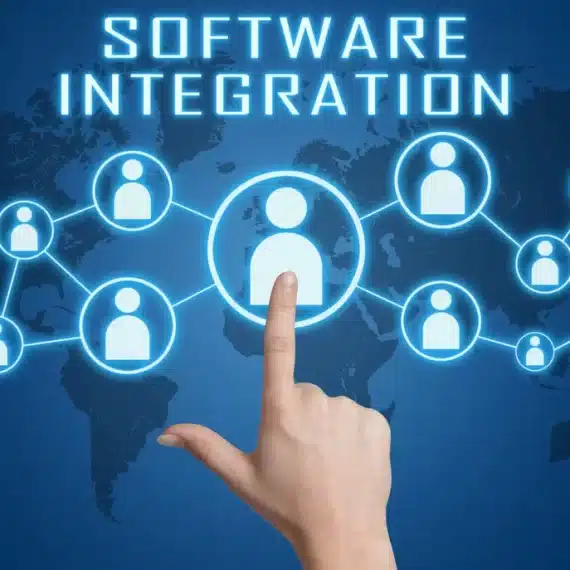
HR Integration Software for Ministries in Qatar can seamlessly integrate with existing governmental applications, including finance, payroll, and time attendance systems.
Benefits:
- Ensures smooth data flow across departments.
- Eliminates the need for duplicate data entry.
- Enhances overall operational efficiency.
Example:
The Ministry of Labour can integrate HR Integration Software for Ministries data with its labor inspection system, enabling real-time tracking of employee contracts and work permits.
Use Cases of HR Integration Software for Ministries in Qatar
HR Integration Software for Ministries in Qatar plays a crucial role in modernizing government operations in Qatar. By automating processes, enhancing data accuracy, and enabling strategic workforce management, it provides ministries with tools to serve the public more efficiently. Here’s a detailed look at how different ministries can leverage this software:
1. Ministry of Administrative Development, Labour, and Social Affairs
Use Case: Workforce Planning and Policy Implementation
- Scenario: MADLSA oversees labor policies, civil service regulations, and social programs. Managing large datasets of employees and citizens’ labor-related information requires accuracy and compliance.
- How HR Integration Software for Ministries Helps:
- Centralizes employee records for government staff and contractors.
- Tracks employee performance and training records for public sector workers.
- Automates reporting on labor compliance and civil service regulations.
- Impact: Enhances policy enforcement, ensures transparency, and streamlines civil service operations.
Example: The ministry can quickly generate reports on staff distribution across departments, identify skill gaps, and plan training or recruitment accordingly.
2. Ministry of Public Health (MOPH)
Use Case: Healthcare Workforce Management
- Scenario: The MOPH manages hospitals, clinics, and public health initiatives. Accurate staffing, certification tracking, and shift scheduling are critical for patient care.
- How HR Software Helps:
- Tracks healthcare personnel credentials and licensing status.
- Automates shift scheduling for nurses, doctors, and administrative staff.
- Monitors attendance and leave for critical departments to ensure adequate coverage.
- Impact: Reduces staffing shortages, improves patient care, and ensures compliance with health regulations.
Example: During a vaccination campaign, the software can allocate personnel efficiently across multiple clinics and track their work hours in real time.
3. Ministry of Education and Higher Education
Use Case: Teacher and Staff Performance Management
- Scenario: The ministry oversees schools and universities, managing thousands of teachers and administrative staff. Evaluating performance, tracking certifications, and managing leave requests are ongoing challenges.
- How HR Integration Software for Ministries Helps:
- Automates performance appraisal cycles for teachers and staff.
- Tracks professional development and training completion.
- Integrates attendance data with leave management systems.
- Impact: Ensures high educational standards, supports merit-based promotions, and improves HR efficiency.
Example: School principals can access dashboards showing teacher attendance, qualifications, and training progress, enabling targeted interventions for professional development.
4. Ministry of Interior (MOI)
Use Case: Security Personnel Management
- Scenario: The MOI manages police forces, security staff, and administrative personnel. Coordinating shifts, overtime, and compliance with labor laws is critical.
- How HR Integration Software for Ministries Helps:
- Automates attendance tracking for security personnel.
- Calculates overtime, allowances, and other benefits accurately.
- Maintains centralized personnel records for performance monitoring and career progression.
- Impact: Improves operational efficiency, reduces errors in payroll and scheduling, and enhances workforce accountability.
Example: For events requiring heightened security, the MOI can generate staffing plans based on real-time availability and historical attendance data.
5. Ministry of Transport
Use Case: Large-Scale Staff Scheduling and Compliance
- Scenario: The Ministry of Transport employs administrative, technical, and operational staff for infrastructure, public transport, and regulatory functions. Coordinating their work schedules and monitoring compliance is challenging.
- How HR Integration Software for Ministries Helps:
- Streamlines scheduling for maintenance crews, traffic inspectors, and office staff.
- Tracks certifications for technical staff operating specialized machinery.
- Generates reports for internal audits and government compliance.
- Impact: Enhances operational reliability, ensures staff meet safety standards, and reduces administrative workload.
Example: The software can automatically assign bus inspectors to routes based on shift preferences, certifications, and workload balance.
6. Ministry of Finance
Use Case: Payroll Accuracy and Financial Reporting
- Scenario: Managing salaries, allowances, and benefits for ministry employees requires precise calculations aligned with budgetary allocations.
- How HR Software Helps:
- Automates salary disbursements and deductions.
- Integrates payroll with the finance department for accurate budget tracking.
- Provides comprehensive reports for audits and compliance purposes.
- Impact: Reduces payroll errors, enhances transparency, and ensures financial accountability.
Example: Payroll reports generated automatically for all employees enable the finance team to forecast budget needs and allocate resources effectively.
7. Ministry of Culture and Sports
Use Case: Managing Diverse Workforce and Event Staff
- Scenario: The ministry manages cultural institutions, museums, sports programs, and temporary event staff. Coordinating employees across permanent and temporary roles is challenging.
- How HR Software Helps:
- Centralizes permanent and temporary staff records.
- Tracks certifications, training, and performance for event staff.
- Automates payroll and scheduling for short-term engagements.
- Impact: Improves workforce flexibility, ensures compliance, and enhances service delivery during events and programs.
Example: During a national sports event, the software can schedule volunteers and staff, track hours worked, and process stipends efficiently.
8. Cross-Ministry Collaboration
Use Case: Data Sharing and Policy Implementation
- Scenario: Some initiatives require collaboration between multiple ministries, such as public health campaigns or educational programs.
- How HR Integration Software for Ministries Helps:
- Provides centralized, standardized data for cross-ministry use.
- Enables reporting and performance tracking across departments.
- Facilitates coordination for joint projects or government-wide initiatives.
- Impact: Enhances transparency, improves inter-ministerial communication, and streamlines program execution.
Example: A vaccination program coordinated by the Ministry of Public Health and Ministry of Education can use the software to manage staffing, track attendance, and report outcomes across both ministries.
Axle Systems: Your Trusted HR Integration Software for Ministries in Qatar Partner
Axle Systems stands at the forefront of providing comprehensive HR Integration Software for Ministries in Qatar solutions tailored for ministries in Qatar. With a deep understanding of local regulations and a commitment to technological excellence, Axle Systems offers a platform that integrates seamlessly with existing governmental infrastructures.
Why Choose Axle Systems?
- Local Expertise: A profound understanding of Qatari labor laws and governmental processes.
- Customizable Solutions: Software tailored to meet the unique needs of each ministry.
- Scalability: Solutions designed to grow with your organization’s needs.
- Dedicated Support: 24/7 customer support to ensure uninterrupted operations.
Contact Details
- Website: www.axlesys.com
- Email: info@axlesys.com
- Phone: +974 44682391 / +974 77443731
- Address: P.O.Box: 200081, Al Khalidiya Street, Najma, Doha, Qatar
Frequently Asked Questions (FAQs)
Q1: How does HR Integration Software ensure compliance with Qatari labor laws?
A1: The software is regularly updated to reflect changes in labor laws, automating calculations for end-of-service benefits, overtime, and other statutory requirements.
Q2: Can the software integrate with existing systems?
A2: Yes, Axle Systems’ HR Integration Software for Ministries in Qatar is designed to integrate seamlessly with existing governmental systems, ensuring minimal disruption during implementation.
Q3: Is the software scalable to accommodate growing ministries?
A3: Absolutely. The software is built with scalability in mind, allowing ministries to expand their HR operations without the need for significant system overhauls.
Q4: What kind of support does Axle Systems provide?
A4: Axle Systems offers comprehensive support, including training, troubleshooting, and regular system updates, ensuring that ministries can operate efficiently.
Q5: Is the software accessible remotely?
A5: Yes, the cloud-based nature of the software allows authorized personnel to access the system securely from any location.
Conclusion
In an era where efficiency and compliance are paramount, HR Integration Software for Ministries in Qatar offers ministries in Qatar a strategic advantage. By partnering with Axle Systems, ministries can harness the power of technology to streamline HR processes, reduce administrative burdens, and focus on delivering exceptional public services.