

Key Features to Look for in a Retail Anti-Theft System for Qatar Stores
Summary:
Retail stores in Qatar face challenges in curbing theft and managing inventory. EAS and RFID systems have revolutionized this market, utilizing cutting-edge technology to address both security and inventory issues. This blog discusses what features to look for in your security system.
Introduction
Running a store in Qatar? From shoplifting and stock shrinkage to losses caused by staff theft, retail stores face many such challenges. Every missing product cuts into profit, and over time, it can also damage a store’s reputation. That’s why choosing a retail anti-theft system in Qatar isn’t simply about buying hardware. It’s about finding a complete solution that combines smart features, practical design, and proper staff training.
One technology gaining momentum is RFID. It doesn’t just protect against theft; it also lets retailers track items in real time and manage stock with greater accuracy. (Source)
The result is tighter security and smoother day-to-day operations.
So, what should you look for when comparing systems? If you’re exploring options from security providers in Qatar, it helps to understand the features that genuinely improve safety and give retailers peace of mind.
What is a Retail Anti-Theft System?
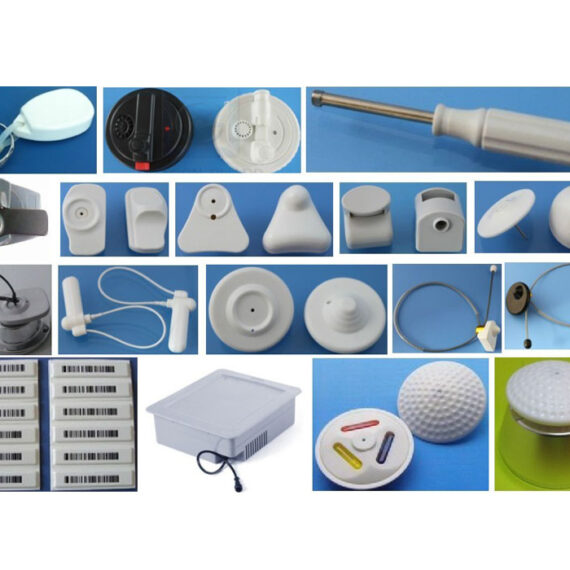
A retail anti-theft system is a set of tools and processes designed to prevent theft in stores. It includes tags or labels on products and gates or antennas at exits. Pair it with a well-trained staff equipped with devices to remove or deactivate tags at the point of sale. Combining these simple elements creates a system that maximizes security while creating a comfortable shopping experience for the customers.
Key Features to Insist On
Here are the features you shouldn’t compromise. When talking to suppliers or considering bids from security system companies in Qatar, check for these.
- Advanced detector Systems
It’s not just what tag you use. It’s also where and how you install the detection units. Visible gates at exit points act as deterrents. However, concealed systems (hidden in ceiling, floor, and door frames) offer a more elegant and seamless store design. If aesthetics matter, especially in luxury boutiques and high-end stores, concealed options are invaluable in creating an inconspicuous system.
- Integration with CCTV & Alarm Systems
A security system is effective on its own, but it becomes far more powerful when it connects with other tools. For example, linking your anti-theft setup with CCTV means that whenever an alarm is triggered at the gate, cameras immediately record the incident. Staff can then review the footage, evidence is preserved, and there’s a clear basis for taking action.
The same applies when the system is integrated with your Point of Sale (POS) software. If a tag is deactivated during checkout, the transaction is automatically logged. If someone tries to leave without completing that step, the combined records from the POS and CCTV provide undeniable proof of what happened.
Conclusion
Choosing a retail anti-theft system is more than installing gates and tags. You need reliable technology. Integration with other security tools, low false alarms, easy deactivation, and staff know-how are the foundations of a strong retail security protocol. Industry-leading security systems company in Qatar, such as Axle Systems, an ISO 9001:2008 certified company, has been empowering retail businesses to tackle shoplifting and improve inventory management. Contact them today to discuss your custom requirements.
Frequently Asked Questions
What is the difference between EAS and RFID?
EAS (Electronic Article Surveillance) uses tags/labels with detection gates to trigger alarms. RFID is radio-frequency identification, often used for tracking inventory with theft prevention.
Will tags damage my products?
Using soft labels for delicate items and Hard tags for sturdy goods will not damage them. Detachers/deactivators are also designed not to damage merchandise.
Is training necessary?
Yes. Even the best system fails if staff misuse tags or don’t know what to do when the alarm rings.