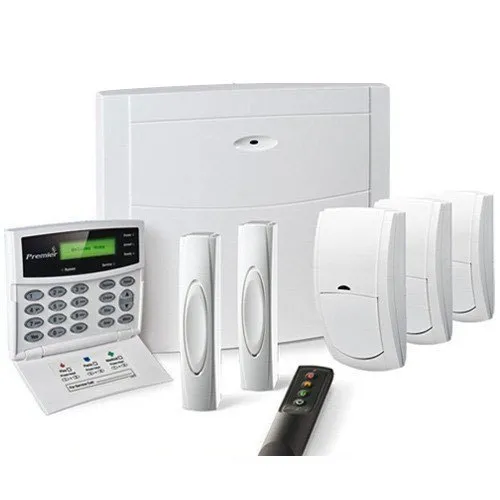

Intrusion Detection System in Qatar
In today’s increasingly security-conscious world, protecting property, assets, and lives is more critical than ever. Whether for residential compounds, commercial buildings, government facilities, or industrial sites, robust Intrusion Detection System (Intrusion Detection System) play a vital role in mitigating unauthorized access and potential threats.
Axle Systems, a leading security solutions provider in Qatar, offers state-of-the-art Intrusion Detection System designed to ensure optimal security coverage. With reliable partnerships with global brands like Bosch, Axle Systems delivers Intrusion Detection System solutions that are not only technologically advanced but also tailored to suit the specific security requirements of Qatari establishments.
Table Of Contents
- 1 What is an Intrusion Detection System?
- 1.1 Benefits of Intrusion Detection System
- 1.1.1 1. Real-Time Threat Detection and Alerts
- 1.1.2 2. 24/7 Continuous Monitoring
- 1.1.3 3. Enhanced Perimeter Security
- 1.1.4 4. Reduction in Theft and Property Damage
- 1.1.5 5. Lower Security Personnel Costs
- 1.1.6 6. Scalability and Flexibility
- 1.1.7 7. Remote Access and Control
- 1.1.8 8. Integration with Other Security Systems
- 1.1.9 9. Improved Incident Response and Investigation
- 1.1.10 10. Compliance with Local Security Regulations
- 1.1.11 11. Customizable Alerts and Zoning
- 1.1.12 12. Insurance Benefits
- 1.1.13 13. Peace of Mind
- 1.2 Key Features of an Intrusion Detection System
- 1.2.1 1. Multi-Zone Coverage and Partitioning
- 1.2.2 2. Advanced Motion Detection Technology
- 1.2.3 3. Door and Window Contact Sensors
- 1.2.4 4. Glass Break Detectors
- 1.2.5 5. Vibration and Shock Sensors
- 1.2.6 6. Anti-Tamper Protection
- 1.2.7 7. Customizable Alarm Triggers and Actions
- 1.2.8 8. Event Logging and History Reports
- 1.2.9 9. Remote Monitoring and Mobile Access
- 1.2.10 10. False Alarm Reduction Technology
- 1.2.11 11. Battery Backup and Power Resilience
- 1.2.12 12. Scalability and Modular Design
- 1.2.13 13. User Access Control and Role Management
- 1.2.14 14. System Health Monitoring
- 1.2.15 15. Integration with Other Security Systems
- 1.3 Types of Intrusion Detection System
- 1.4 Use Cases of Intrusion Detection System in Qatar
- 1.4.1 1. Corporate Offices and Business Towers
- 1.4.2 2. Retail Stores and Shopping Malls
- 1.4.3 3. Residential Compounds, Villas, and Apartments
- 1.4.4 4. Government Facilities and Ministries
- 1.4.5 5. Industrial Facilities and Warehouses
- 1.4.6 6. Banks, ATMs, and Financial Institutions
- 1.4.7 7. Hospitals and Healthcare Centers
- 1.4.8 8. Airports and Seaports
- 1.4.9 9. Educational Institutions
- 1.4.10 10. Oil & Gas and Energy Sector
- 1.4.11 11. Hotels and Hospitality Industry
- 1.4.12 12. Data Centers and IT Facilities
- 1.5 Brands in Intrusion Detection System
- 1.6 Axle Systems: Your Trusted Intrusion Detection System Supplier in Qatar
- 1.7 Common FAQs about Intrusion Detection System
- 1.8 Final Thoughts
- 1.1 Benefits of Intrusion Detection System
What is an Intrusion Detection System?
An Intrusion Detection System is a sophisticated network of sensors and control devices designed to monitor, detect, and alert users of unauthorized entries or security breaches in protected areas. These systems can be deployed indoors and outdoors, and they use a combination of technologies including infrared sensors, motion detectors, magnetic door/window contacts, glass-break sensors, and vibration detectors.
Intrusion Detection System can function as a standalone system or be integrated with other security components such as video surveillance (CCTV), access control systems, and alarm monitoring platforms to offer a unified and intelligent security infrastructure.
Benefits of Intrusion Detection System
Implementing an Intrusion Detection System offers numerous advantages for both residential and commercial applications. These systems not only act as a deterrent to potential intruders but also empower organizations with real-time intelligence, automated alerts, and actionable security responses. Here’s a closer look at the comprehensive benefits of Intrusion Detection System:
1. Real-Time Threat Detection and Alerts
One of the primary benefits of an Intrusion Detection System is its ability to provide instantaneous alerts when unauthorized access or suspicious activity is detected. These alerts can be configured to notify designated security personnel via mobile app, SMS, email, or through a centralized alarm system.
Real-time detection enables immediate action, significantly reducing the potential for damage, theft, or unauthorized access. This proactive approach to security is particularly valuable in high-risk environments such as banks, government offices, and data centers.
2. 24/7 Continuous Monitoring
Intrusion Detection System offer round-the-clock surveillance—even when no one is physically present on-site. Whether it’s the middle of the night, a weekend, or during a public holiday, the Intrusion Detection System remains active, monitoring every zone for suspicious activity.
This ensures peace of mind, especially for business owners and facility managers who cannot be on the premises at all times. When integrated with CCTV and access control systems, Intrusion Detection System becomes part of a comprehensive, always-on security framework.
3. Enhanced Perimeter Security
With a perimeter Intrusion Detection System, such as fence sensors, buried cable sensors, or infrared beam detectors, the system ensures that intruders are detected even before they reach the building. This outer layer of defense provides critical response time, allowing security teams to intervene early and prevent breaches before they escalate.
Perimeter protection is especially important for large facilities like warehouses, logistics centers, oil and gas plants, and industrial estates.
4. Reduction in Theft and Property Damage
By detecting intrusions at the earliest possible stage, Intrusion Detection System systems help prevent theft, vandalism, and sabotage. When a potential intruder realizes the site is secured and monitored, they are far less likely to proceed.
In many cases, just the visible presence of sensors and warning signage serves as a psychological deterrent, reducing the likelihood of criminal attempts altogether.
5. Lower Security Personnel Costs
While human security guards are valuable, relying solely on them can be costly and prone to human error. Intrusion Detection System provides automated surveillance and detection, reducing the need for multiple security staff to physically monitor all areas.
Organizations can redeploy staff more strategically or downsize their security workforce while maintaining or even enhancing overall protection levels.
6. Scalability and Flexibility
Modern Intrusion Detection System are highly scalable, meaning they can be expanded as your facility grows or your security requirements evolve. Whether you’re securing a small office or a multi-building campus, Intrusion Detection System solutions can be tailored and upgraded as needed.
Moreover, components like wireless sensors, modular panels, and cloud-based dashboards make it easier to scale the system without heavy infrastructure investment.
7. Remote Access and Control
With cloud-connected or IP-based Intrusion Detection System platforms, users can access the system remotely via smartphone or computer. This allows them to arm or disarm the system, monitor intrusion zones, receive alerts, or view the event log from anywhere in the world.
Remote access is especially useful for business owners, facility managers, or residential property owners who travel frequently or oversee multiple locations.
8. Integration with Other Security Systems
A modern Intrusion Detection System does not operate in isolation. It can be seamlessly integrated with:
- Video Surveillance (CCTV)
- Access Control Systems
- Fire Detection and Alarm Systems
- Building Management Systems (BMS)
This interoperability enhances situational awareness and ensures coordinated responses. For example, if an intrusion is detected, nearby cameras can automatically record the event, lights can be triggered, and doors can lock down—all within milliseconds.
9. Improved Incident Response and Investigation
When an intrusion occurs, having a complete record of the event—including the time, location, and type of sensor triggered—helps investigators respond more effectively. These event logs can be stored for future reference or used as evidence for insurance claims or legal proceedings.
Integrated systems can also correlate intrusion alerts with video footage, offering visual verification to rule out false alarms or confirm genuine threats.
10. Compliance with Local Security Regulations
In Qatar, commercial establishments, banks, malls, and critical infrastructure facilities must adhere to Ministry of Interior (MOI) guidelines for electronic security systems. A professional-grade Intrusion Detection System that complies with these regulations ensures you meet the legal standards required to operate safely and avoid penalties.
By working with certified solution providers like Axle Systems, businesses can implement MOI-compliant systems with the necessary documentation and support for approvals.
11. Customizable Alerts and Zoning
Intrusion Detection System can be programmed to define specific zones or areas within your premises. Each zone can have unique triggers, thresholds, and responses.
For example:
- Zone 1 (Main Entrance) can activate a loud siren.
- Zone 2 (Server Room) can trigger a silent alarm sent to the control room.
- Zone 3 (Storage Area) can send an email alert to facility management.
This granularity in control makes the Intrusion Detection System adaptable to different operational requirements.
12. Insurance Benefits
Many insurance companies offer premium discounts or more favorable policy terms for properties equipped with certified Intrusion Detection Systems. This is because the Intrusion Detection System significantly reduces the risk of loss or damage, which in turn lowers the likelihood of insurance claims.
Thus, investing in an Intrusion Detection System can have long-term financial benefits beyond just security.
13. Peace of Mind
Above all, the presence of a robust, professionally installed Intrusion Detection System provides a sense of safety and confidence. Whether it’s a homeowner sleeping at night or a business owner closing shop for the weekend, knowing the premises are being monitored 24/7 offers immeasurable peace of mind.
Key Features of an Intrusion Detection System
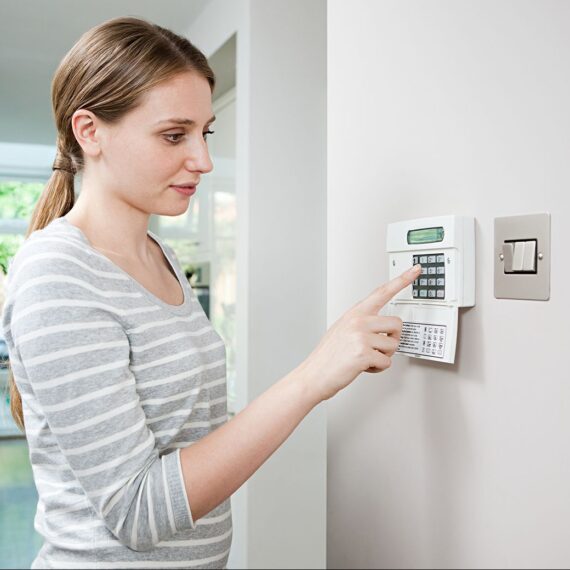
An Intrusion Detection System (Intrusion Detection System) is only as good as its features. Whether you’re securing a residential compound or a multi-storey commercial complex in Qatar, it’s crucial to understand the capabilities of a high-performance Intrusion Detection System. Modern systems offer a wide range of features that ensure not only detection but also intelligent alerting, seamless integration, and operational resilience.
Here’s an in-depth look at the key features that make an Intrusion Detection System an indispensable part of any security infrastructure:
1. Multi-Zone Coverage and Partitioning
Modern Intrusion Detection System platforms allow users to divide a property into custom zones (e.g., offices, warehouses, loading bays, entrances). Each zone can be monitored and controlled independently. This means you can:
- Arm/disarm individual zones based on use or schedule
- Receive alerts that specify exactly where the intrusion occurred
- Prioritize zones based on threat levels (e.g., server room vs. break room)
This zoned architecture is especially useful for large facilities, retail chains, and educational institutions that require segmented security.
2. Advanced Motion Detection Technology
Motion sensors are the backbone of most Intrusion Detection System setups. The best systems use a combination of technologies, including:
- Passive Infrared (PIR): Detects changes in heat signatures from humans or animals
- Microwave Sensors: Emits waves that detect movement through Doppler shift
- Dual-Technology Sensors: Combines PIR and microwave to reduce false alarms
These motion detectors can be installed indoors or outdoors, depending on the specific environment. For example, perimeter walls, hallways, storage units, and parking areas.
3. Door and Window Contact Sensors
Magnetic contact sensors are small, discreet devices installed on doors, windows, and hatches. When the door or window is opened unexpectedly, the circuit breaks, triggering an alert.
These are vital in preventing unauthorized entry in:
- Residential buildings (main doors, balconies)
- Retail outlets (shop entrances)
- Offices (server rooms, admin offices)
With advanced systems, these sensors can also report their status to the control panel, indicating whether they’re closed, open, tampered, or offline.
4. Glass Break Detectors
These sensors use acoustic or shock detection to monitor for the sound frequency or vibration of breaking glass. They provide an early alert in case of forced entry through glass doors or windows, commonly found in:
- Banks
- Jewelry shops
- Luxury showrooms
- High-rise residential apartments
Glass break sensors complement motion and contact sensors, offering a multi-layered defense for vulnerable access points.
5. Vibration and Shock Sensors
These sensors detect drilling, hammering, or cutting activity. Ideal for areas where burglars may attempt to break into safes, storage rooms, or through walls.
They are highly sensitive and can be fine-tuned to avoid false alarms caused by wind or ambient vibrations. Applications include:
- Data centers
- ATM machines
- High-security vaults
- Art galleries or museums
6. Anti-Tamper Protection
Any professional-grade Intrusion Detection System includes tamper detection features. If a sensor is removed, disabled, or covered, the system triggers a tamper alarm and sends a notification to the central control panel.
This is a critical feature to defend against attempts to:
- Cut cables
- Remove batteries
- Disable sensors manually
Some systems even detect if the field of view of a sensor is blocked, offering an extra layer of security.
7. Customizable Alarm Triggers and Actions
Not all intrusions are the same. That’s why modern Intrusion Detection System systems allow custom programming of actions for different types of intrusion events. You can configure the system to:
- Sound a loud siren for perimeter breaches
- Send a silent alarm for high-risk zones (e.g., server room)
- Notify security teams via mobile app or email
- Activate lighting systems to deter intruders
- Trigger CCTV cameras to begin recording
These programmable responses provide flexibility and situational control to the end-user.
8. Event Logging and History Reports
All events—whether alarms, arming/disarming, sensor bypassing, or tampering—are logged with date and time stamps. This creates a searchable record of system activity which is essential for:
- Post-incident investigation
- Security audits
- Insurance claims
- Compliance verification (e.g., MOI-approved systems)
Many systems allow you to export logs or integrate them with broader Building Management Systems (BMS) or Security Operations Centers (SOC).
9. Remote Monitoring and Mobile Access
With the rise of cloud-based platforms and mobile apps, users can monitor and control their Intrusion Detection System remotely. Key remote features include:
- Real-time alerts and push notifications
- Live sensor status monitoring
- Remote arming/disarming of the system
- Bypass zones without physical presence
- Instant event logs and reports
This feature is particularly useful for:
- Homeowners traveling abroad
- Facility managers of multiple branches
- Security personnel overseeing remote locations
10. False Alarm Reduction Technology
False alarms are not only annoying—they can lead to loss of trust in the system and unnecessary emergency dispatches. Modern Intrusion Detection System platforms from brands like Bosch use AI algorithms, dual-tech sensors, and environmental noise filtering to reduce:
- Pet-triggered alarms
- HVAC airflow detection
- Vibration from nearby machinery or vehicles
Smart detection technology ensures high accuracy with minimal false positives, which is crucial in environments like hospitals, schools, and diplomatic compounds.
11. Battery Backup and Power Resilience
Intrusion Detection Systems are equipped with uninterruptible power supplies (UPS) or internal batteries that keep them running during power failures. In Qatar’s climate, where power disruptions may occasionally occur, this feature is non-negotiable for continuous protection.
High-end systems monitor battery health and alert the user when battery voltage drops below safe levels.
12. Scalability and Modular Design
Intrusion Detection System solutions from providers like Bosch are built to scale. You can start with a basic setup and gradually add more zones, sensors, and integrations as your security needs grow.
Benefits include:
- Easy expansion across buildings or floors
- Centralized control for multi-site facilities
- Modular components (wireless and wired)
- Firmware and software updates via cloud
This is especially useful for growing businesses, commercial towers, or institutions planning future infrastructure expansion.
13. User Access Control and Role Management
Larger organizations require tiered access control. Intrusion Detection System platforms provide:
- User ID and password authentication
- Role-based permissions (Admin, Manager, Staff)
- Multi-user login tracking
- Audit trails of who accessed what, and when
This ensures that sensitive security controls are only accessible to authorized personnel.
14. System Health Monitoring
Intrusion Detection System platforms continuously monitor their own health and performance. Any loss of communication, sensor offline status, or firmware failure is instantly flagged, ensuring:
- Preventive maintenance
- Reduced system downtime
- Higher operational reliability
15. Integration with Other Security Systems
As part of a larger security ecosystem, Intrusion Detection System can integrate with:
- Fire Alarm Systems: For coordinated evacuation responses
- Access Control Systems: Automatically lock down entry points during an intrusion
- Video Surveillance (CCTV): Automatically record intrusion events with time-stamped footage
- Visitor Management Systems: Cross-reference entries with authorized schedules
This kind of integration ensures comprehensive situational awareness and rapid response.
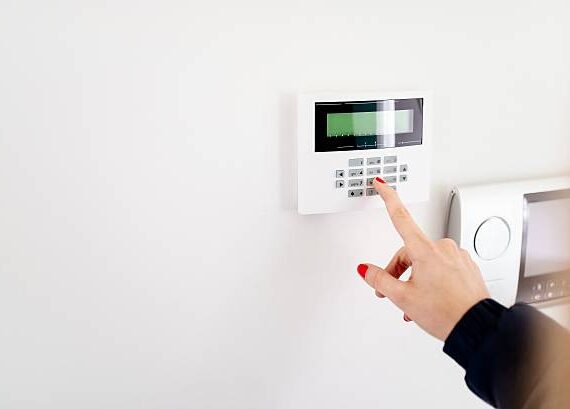
Types of Intrusion Detection System
1. Perimeter Intrusion Detection
These systems monitor the outer boundaries of a property. Common technologies include fence-mounted sensors, infrared beams, and microwave detectors.
2. Zone-Based Intrusion Detection
Zone-based Intrusion Detection System divides a facility into segments or zones. If an intrusion is detected in a specific zone, the system identifies the exact location, allowing for targeted response.
3. Door and Window Sensors
These magnetic contact sensors detect when doors or windows are opened without authorization.
4. Glass Break Detectors
These sensors detect the unique sound frequency produced when glass is broken.
5. Motion Detectors
Installed indoors, these sensors detect movement using infrared, ultrasonic, or microwave technologies.
6. Vibration Sensors
Ideal for safes, walls, and fences, vibration sensors detect drilling, hammering, or cutting attempts.
Use Cases of Intrusion Detection System in Qatar
Intrusion Detection System (Intrusion Detection System) are highly adaptable and serve a broad range of industries and environments. Their ability to detect and respond to unauthorized access makes them a vital component of any modern security infrastructure.
In Qatar—where security requirements are governed by the Ministry of Interior (MOI) and influenced by the presence of government facilities, corporate headquarters, luxury residential properties, critical infrastructure, and high-value commercial enterprises—Intrusion Detection System offers both compliance and protection.
Below are detailed use cases and applications across various sectors in Qatar:
1. Corporate Offices and Business Towers
Modern office spaces, especially those in West Bay, Lusail, and Energy City, require robust Intrusion Detection System to safeguard intellectual property, sensitive data, and critical infrastructure.
Use Cases:
- Preventing unauthorized entry to server rooms or executive offices
- Monitoring main entrances and emergency exits after business hours
- Integrating with CCTV for real-time visual verification of security breaches
- Protecting co-working spaces and shared office zones
Benefit: Improved physical security with automated alerts for facility managers and compliance with building security policies.
2. Retail Stores and Shopping Malls
In high-traffic areas like Villaggio Mall, Doha Festival City, and City Center Doha, retail stores are vulnerable to theft, vandalism, and after-hours intrusions. An Intrusion Detection System can serve as the first line of defense.
Use Cases:
- Detecting motion after closing hours
- Monitoring stockrooms, safes, and cashier counters
- Integrating with EAS (Electronic Article Surveillance) and POS systems
- Alerting mall security in real-time upon breach detection
Benefit: Loss prevention, shrinkage reduction, and enhanced inventory protection.
3. Residential Compounds, Villas, and Apartments
Luxury residences, gated communities, and high-rise apartments in areas like The Pearl, Al Waab, and Al Sadd require 24/7 monitoring to protect residents from intrusions.
Use Cases:
- Perimeter intrusion detection (garden fences, gates)
- Door/window sensors for balconies, basements, and maid rooms
- Integration with smart home systems and mobile alerts
- Silent alarms for panic or duress situations
Benefit: Peace of mind for homeowners and enhanced safety for families and domestic staff.
4. Government Facilities and Ministries
Security at government buildings such as embassies, municipal offices, and ministries in Doha must meet MOI regulations. Intrusion Detection System is a critical requirement for access control and threat detection.
Use Cases:
- Zone-based access control for classified areas
- Motion detection in restricted archives or secure vaults
- Vibration sensors on windows, safes, and walls
- Dual authentication for arming/disarming sensitive zones
Benefit: Regulatory compliance and protection of national assets and confidential records.
5. Industrial Facilities and Warehouses
Manufacturing units, construction yards, and logistic centers often cover large geographical areas. These facilities face threats such as unauthorized entry, theft of raw materials, and sabotage.
Use Cases:
- Long-range infrared and microwave sensors for perimeter fencing
- Monitoring of unmanned zones like electrical rooms or fuel depots
- Integration with access control to monitor staff activity
- Tamper detection on high-voltage or hazardous equipment
Benefit: Improved operational safety, reduced insurance premiums, and compliance with ISO or HSE regulations.
6. Banks, ATMs, and Financial Institutions
Financial institutions require extremely sensitive and highly secure systems. Intrusion Detection System is used in tandem with vault access control and CCTV.
Use Cases:
- Glass-break and vibration sensors on ATM machines and vaults
- Remote alerts for unauthorized access attempts
- Motion detection in teller areas during off-hours
- Alarm-triggered locking mechanisms to prevent forced entry
Benefit: Asset protection, reduced robbery risk, and quick response coordination with local law enforcement.
7. Hospitals and Healthcare Centers
Healthcare facilities such as Hamad Medical Corporation, Sidra Medicine, and private clinics house expensive equipment and sensitive patient data, both of which require round-the-clock security.
Use Cases:
- Restricting access to laboratories, pharmacies, and data centers
- Protecting entrances after visiting hours
- Monitoring emergency exits to avoid misuse
- Logging and auditing of all alarm-triggered events
Benefit: Compliance with data security and health safety protocols, and protection of patients and staff.
8. Airports and Seaports
Major transit points like Hamad International Airport and Doha Port require layered and integrated security systems to protect against intrusion, terrorism, and unauthorized entry.
Use Cases:
- Perimeter Intrusion Detection System for runways and restricted areas
- Vibration sensors on cargo containers and storage terminals
- Motion detection in baggage handling and cargo sorting zones
- Event escalation to centralized security command centers
Benefit: National security enhancement, prevention of smuggling and sabotage, and improved compliance with ICAO/IMO guidelines.
9. Educational Institutions
Universities, international schools, and training centers need Intrusion Detection System to protect students, staff, and valuable IT and lab infrastructure.
Use Cases:
- Detecting unauthorized movement in classrooms after hours
- Protecting labs, server rooms, and exam vaults
- Alerting campus security about perimeter breaches
- Integration with ID-based access systems and CCTV
Benefit: A safer learning environment and the safeguarding of institutional assets.
10. Oil & Gas and Energy Sector
Sites in Ras Laffan Industrial City and Dukhan require high-security environments due to the volatile nature of their operations.
Use Cases:
- Securing unmanned remote facilities and pipeline stations
- Integrating Intrusion Detection System with SCADA systems and fire detection
- Deployment of fiber optic or microwave barriers across desert perimeters
- Real-time communication with site control rooms
Benefit: Minimized threat of industrial sabotage, improved HSE compliance, and operational continuity.
11. Hotels and Hospitality Industry
Hotels and resorts in Qatar—such as those in Katara or West Bay—must ensure guest safety and facility protection without being intrusive.
Use Cases:
- Monitoring service entrances and storage rooms
- Protecting VIP floors and conference rooms
- Securing administrative areas and cash offices
- Linking Intrusion Detection System with key card-based access systems
Benefit: Enhanced guest confidence, staff accountability, and protection of revenue assets.
12. Data Centers and IT Facilities
With the rise of digital transformation in Qatar, data centers must be protected from both cyber and physical threats. Intrusion Detection System ensures physical access control and Intrusion Detection System.
Use Cases:
- Protecting server rooms and electrical panels
- Zoned alarms for specific racks or corridors
- Integration with biometric access systems
- Remote alerts for security administrators
Benefit: Business continuity and adherence to ISO 27001 or Qatar’s cybersecurity regulations.
Brands in Intrusion Detection System
The Intrusion Detection System market is populated by numerous reputable vendors offering a range of solutions, from open-source tools to enterprise-grade platforms. When considering an Intrusion Detection System, it’s important to evaluate solutions that fit your specific needs, budget, and integration requirements.
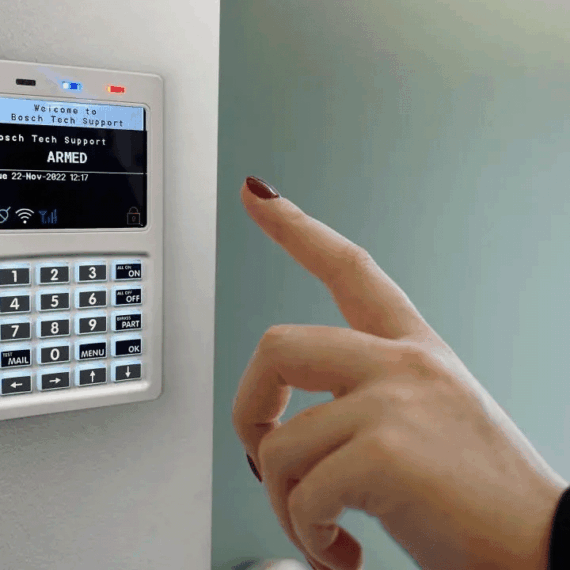
One globally recognized brand in the broader security landscape that offers solutions integrating detection capabilities is Bosch. While Bosch is perhaps more widely known for its physical security systems like video surveillance, access control, and fire alarms, their integrated security solutions often incorporate sophisticated detection technologies. For instance, Bosch’s advanced physical Intrusion Detection System utilizes sensors, analytics, and intelligent alarming to detect unauthorized physical access, which, when integrated with IT networks, can trigger digital security responses. Bosch’s commitment to innovation and reliability in security makes them a consideration for comprehensive, converged security strategies where physical and cyber detection elements work in tandem.
Other leading Intrusion Detection System providers, recognized for their strong network and host-based detection capabilities, include:
- Cisco: Offers a range of next-generation intrusion prevention systems (NGIPS) that combine Intrusion Detection System functionalities with active prevention capabilities, often integrating with their broader networking and security portfolio.
- Palo Alto Networks: Known for its next-generation firewalls that include advanced threat prevention, including robust Intrusion Detection System/IPS features.
- IBM: Provides comprehensive security solutions, including QRadar SIEM which integrates powerful Intrusion Detection System capabilities for threat detection and incident response.
- Sophos: Offers various security products, including endpoint and network protection with integrated Intrusion Detection System functionalities.
- Trend Micro: Known for its endpoint, network, and cloud security solutions that incorporate advanced threat detection.
- Open-Source Solutions: For organizations with technical expertise and specific needs, open-source Intrusion Detection System tools like Snort and Suricata are highly popular. These powerful engines can be customized and integrated into existing security architectures, offering flexibility and cost-effectiveness. Zeek (formerly Bro) is another powerful open-source network analysis framework that can function as an Intrusion Detection System.
Axle Systems: Your Trusted Intrusion Detection System Supplier in Qatar
In the dynamic and rapidly developing landscape of Qatar, securing your digital infrastructure is not just an option, but a necessity. Axle Systems stands as a leading system integrator in Qatar, dedicated to providing cutting-edge security solutions, including state-of-the-art Intrusion Detection Systems. With a deep understanding of the local market and a commitment to excellence, Axle Systems is your ideal partner for strengthening your organization’s cybersecurity posture.
Who is Axle Systems?
Established in 2012, Axle Systems has built a reputation as an industry leader in delivering a wide array of ELV (Extra Low Voltage) systems and IT solutions. Our expertise spans beyond just Intrusion Detection System, encompassing Electronic Article Surveillance (EAS), Queue Management Systems, Audio Visual Systems, CCTV, Parking Management solutions, IT Solutions, and much more. We serve diverse verticals, including government, healthcare, retail, and hospitality, providing tailored solutions that address unique operational and security challenges.
Why Choose Axle Systems for Intrusion Detection System in Qatar?
- Local Expertise, Global Standards: We combine our in-depth knowledge of Qatar’s regulatory environment and business landscape with adherence to international cybersecurity best practices. This ensures that the Intrusion Detection System solutions we implement are not only effective but also compliant with local requirements.
- Comprehensive Solutions: Axle Systems doesn’t just sell products; we provide end-to-end solutions. From initial consultation and needs assessment to system design, implementation, configuration, and ongoing support, we ensure a seamless and effective deployment of your Intrusion Detection System.
- Trusted Partnerships: We partner with leading global security technology manufacturers, ensuring that our clients have access to the most reliable, advanced, and innovative Intrusion Detection System solutions available in the market. This includes leveraging technologies from reputable brands to build integrated security frameworks.
- Dedicated Support: Our commitment extends beyond installation. Axle Systems offers comprehensive after-sales support, maintenance, and technical assistance to ensure your Intrusion Detection System operates optimally, consistently protecting your assets against emerging threats. Our team of certified professionals is always ready to assist with any queries or challenges.
- Holistic Security Approach: We understand that Intrusion Detection System is one component of a broader security strategy. Axle Systems can help you integrate your Intrusion Detection System with other security systems (e.g., firewalls, SIEM, access control, CCTV) to create a unified and more resilient security architecture.
Services Offered by Axle Systems for Intrusion Detection System:
- Consultation and Assessment: Our experts conduct thorough assessments of your current network infrastructure, existing security measures, and specific threat landscape to recommend the most suitable Intrusion Detection System solution for your organization.
- System Design and Customization: We design tailored Intrusion Detection System architectures, considering your network topology, data sensitivity, and compliance requirements. This includes selecting appropriate Intrusion Detection System types (network-based, host-based, or hybrid) and deployment models (on-premise, cloud, or hybrid).
- Implementation and Integration: Our skilled technicians handle the professional installation and configuration of the Intrusion Detection System, ensuring seamless integration with your existing IT environment and other security tools.
- Policy Configuration and Tuning: We help you define and fine-tune Intrusion Detection System policies, rules, and alert thresholds to minimize false positives and maximize the detection of real threats, optimizing the system’s performance.
- Training and Knowledge Transfer: We provide comprehensive training to your IT and security teams on how to operate, monitor, and manage the Intrusion Detection System effectively, empowering them to leverage its full capabilities.
- Ongoing Maintenance and Support: Axle Systems offers various support packages, including regular updates to signature databases, software patches, performance monitoring, troubleshooting, and 24/7 technical assistance to ensure continuous protection.
Contact Details for Axle Systems:
- Phone: +974 44682391
- Mobile: +974 77443731
- Email: info@axlesys.com
- Website: www.axlesys.com
- Address: P.O. Box 200081 (or 21024), Al Khalidiya Street, Najma, Doha, Qatar
Connect with Axle Systems today to discuss your Intrusion Detection System needs and fortify your defenses against the ever-evolving cyber threat landscape.
Common FAQs about Intrusion Detection System
To further clarify the role and functionalities of Intrusion Detection System, here are some frequently asked questions:
- What is the difference between Intrusion Detection System and IPS?
A: * Intrusion Detection System (Intrusion Detection System): Primarily a monitoring and alerting system. It detects suspicious activity and notifies administrators but does not actively prevent the intrusion. Think of it as a security camera that records and alerts you to a break-in.
* IPS (Intrusion Prevention System): An active security control that not only detects but also prevents malicious activity in real-time. Upon detecting a threat, an IPS can automatically block the malicious traffic, drop suspicious packets, reset connections, or quarantine infected systems. Think of it as a security guard who not only sees a break-in but also immediately stops it.
* Key Distinction: Intrusion Detection System is passive (detects and alerts), while IPS is active (detects and acts). Many modern solutions are “IDPS,” combining both detection and prevention capabilities.
- How does an Intrusion Detection System detect threats?
A: * Intrusion Detection System primarily uses two main methods:
* Signature-based detection: Compares network traffic or system activity against a database of known attack patterns (signatures). If a match is found, an alert is triggered.
* Anomaly-based detection: Establishes a baseline of “normal” behavior and flags any significant deviations from that baseline as suspicious. This method is effective for detecting unknown or zero-day threats.
- Is Intrusion Detection System a standalone solution?
A: *While an Intrusion Detection System provides significant security benefits on its own, it is most effective when integrated as part of a multi-layered security strategy. It works best in conjunction with firewalls, antivirus software, SIEM systems, and strong access control mechanisms to provide comprehensive protection. No single security solution can protect against all threats.
- What are the challenges of implementing an Intrusion Detection System?
A: *False Positives: One of the most significant challenges. Anomaly-based Intrusion Detection System, in particular, can generate alerts for legitimate but unusual activities, leading to “alert fatigue” for security teams. Proper tuning and continuous monitoring are essential to minimize these.
* High Volume of Data: Modern networks generate massive amounts of data. Intrusion Detection System must process and analyze this data in real-time, which can be resource-intensive and challenging to manage.
* Evolving Threat Landscape: Cyber threats constantly evolve, requiring continuous updates to signature databases and adaptation of anomaly detection models to remain effective against new attack techniques.
* Encrypted Traffic: The increasing use of encryption makes it difficult for Intrusion Detection System to inspect the content of network traffic, potentially allowing threats to bypass detection. Solutions like SSL/TLS inspection can address this but introduce complexity.
* Insider Threats: Detecting malicious activity from authorized users (insider threats) can be challenging, as their actions may appear “normal” to the Intrusion Detection System. Behavioral analytics and user activity monitoring are crucial here.
- How often should Intrusion Detection System be updated?
A: *Intrusion Detection System signature databases should be updated frequently, ideally daily or even more often, to ensure protection against the latest known threats. Anomaly detection models may require periodic retraining to adapt to changes in normal network behavior. Regular software patches and firmware updates are also essential for security and performance.
Final Thoughts
Security is no longer a luxury—it’s a necessity. Intrusion Detection System forms the backbone of any secure environment by offering real-time detection and alert mechanisms against unauthorized access. Whether you’re managing a villa in West Bay, a warehouse in the Industrial Area, or a corporate office in Lusail, an Intrusion Detection System from Axle Systems provides unmatched protection and peace of mind.
With globally trusted brands like Bosch, expert engineers, and a deep understanding of Qatar’s security landscape, Axle Systems stands out as the preferred partner for Intrusion Detection System in the region.