
Library Management System in Qatar
In the digital age, libraries are no longer just physical spaces filled with books—they are dynamic knowledge centers catering to a tech-savvy generation. In Qatar, where educational and technological progress is a national priority, the integration of the Library Management System in Qatar (LMS) has become essential for academic institutions, public libraries, and research centers. An Library Management System in Qatar simplifies library administration, enhances user experience, and promotes seamless access to information resources.
Axle Systems, a trusted technology solutions provider in Qatar, supplies cutting-edge Library Management System in Qatar designed to optimize library workflows and meet the specific needs of local institutions.
This blog explores everything you need to know about Library Management System in Qatar, including their features, benefits, applications, and how Axle Systems can help your organization implement the ideal solution.
What is a Library Management System in Qatar?
A Library Management System in Qatar (LMS) is a software solution that automates all the essential library functions—cataloging, circulation, acquisition, user management, reporting, and more. It helps librarians manage inventory, track book issues and returns, maintain membership data, and streamline access to digital and physical collections.
An LMS can be cloud-based or on-premises and is suitable for schools, universities, public libraries, private collections, and corporate knowledge centers.
Library Management System in Qatar – Local Context
Qatar has made significant investments in education and research through institutions like Qatar Foundation, Hamad Bin Khalifa University, Qatar University, and National Library of Qatar. These institutions depend on efficient library systems to manage thousands of titles, journal articles, research papers, and digital assets.
Implementing a Library Management System in Qatar helps libraries:
- Improve service quality for users (students, researchers, and the public)
- Maintain compliance with international cataloging standards (like MARC21, AACR2, RDA)
- Offer multilingual support (especially Arabic and English)
- Digitize and preserve rare collections and manuscripts
- Automate operations to support Qatar’s digital transformation vision
Key Features of a Modern Library Management System in Qatar
A Library Management System in Qatar (LMS) is only as good as the functionalities it offers. In Qatar, where academic institutions, public libraries, and private organizations are striving for digital excellence, an Library Management System in Qatar must go beyond basic cataloging to deliver seamless automation, user engagement, and data intelligence. Below is a comprehensive breakdown of the core features that define a state-of-the-art Library Management System in Qatar tailored for libraries in Qatar:
1. Advanced Cataloging & Metadata Management
Proper cataloging is the heart of any efficient library. A robust Library Management System in Qatar offers:
- Support for International Standards: MARC21, Dewey Decimal Classification (DDC), Library of Congress Subject Headings (LCSH), and Resource Description and Access (RDA).
- Flexible Metadata Fields: Enables custom data entry for books, journals, digital media, manuscripts, and rare documents.
- Automated Record Import: Supports batch uploading and downloading of bibliographic records from third-party sources like OCLC or Koha.
- Multilingual Support: Especially crucial for Qatar where Arabic and English content coexist.
With accurate metadata, patrons can discover resources faster while librarians ensure consistency across large collections.
2. Comprehensive Circulation Management
The Library Management System in Qatar automates all check-in and check-out processes, offering:
- Book Issue/Return/Renewal Functions: Tracks due dates, overdue items, and reservations in real-time.
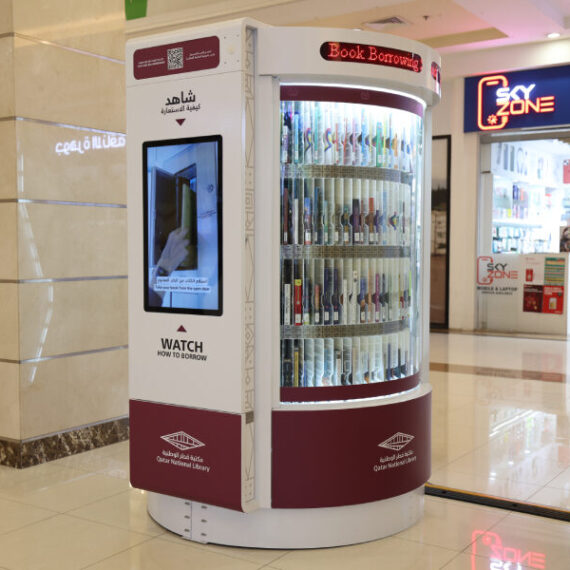
- Self-Check Kiosks: Encourages user independence and reduces queues at the librarian’s desk.
- Automated Reminders & Notifications: Sends SMS/email alerts for due dates, renewals, and fines.
- Fine Management: Calculates and collects late fees and lost item penalties.
This feature simplifies daily operations, reduces manual errors, and improves the borrowing experience for users.
3. Online Public Access Catalog (OPAC)
The OPAC is a web-based interface that allows users to:
- Search the Entire Library Collection: Users can search by title, author, subject, ISBN, language, and availability.
- Access Digital Resources: Integrates with digital repositories to offer eBooks, PDFs, research papers, and audio/video materials.
- User Reviews & Recommendations: Users can leave reviews or mark favorites for future reading.
- Accessible Anytime, Anywhere: Available 24/7 via mobile or desktop browsers.
In Qatar’s mobile-first environment, OPAC enhances visibility and accessibility of library holdings to all community members.
4. Member & User Account Management
A key component of Library Management System in Qatar is managing library users efficiently:
- User Profiles: Maintains personal data, borrowing history, preferences, fines, and reservation records.
- Membership Categories: Differentiates between students, faculty, public members, VIPs, and guests.
- Custom Privileges & Limits: Allows varying loan periods, borrowing limits, and access rights.
- Authentication Integration: Syncs with Single Sign-On (SSO), RFID/NFC cards, biometric systems, and university portals.
This enables personalized services and ensures secure, authenticated access to library facilities.
5. Acquisition & Vendor Management
A modern Library Management System in Qatar streamlines the process of acquiring and managing new materials:
- Acquisition Workflows: Handles selection, ordering, receiving, and invoicing of materials.
- Budget Tracking: Monitors expenditure by department, supplier, or material type.
- Vendor Database: Maintains supplier contact information, past orders, and performance history.
- Approval & Recommendation System: Allows faculty or staff to suggest new materials for approval.
This feature is critical for efficient budgeting and resource expansion in fast-growing academic environments.
6. Inventory & Stock Management
Library collections often span thousands of items, making inventory control essential:
- Barcode and RFID Integration: Ensures precise item identification and real-time tracking.
- Stock Verification: Helps identify missing, damaged, or misplaced books.
- Shelf Management Tools: Assists in arranging books according to classification schemes.
- Automatic Reorder Alerts: Sends notifications when copies of a title drop below threshold levels.
Efficient inventory control reduces book losses and maximizes asset utilization.
7. Reporting & Analytics Dashboard
Decision-making becomes more strategic with real-time data analytics:
- Custom Reports: Generate insights on borrowing trends, collection usage, fine collection, popular titles, and more.
- Visual Dashboards: Present data in graphs and charts for easier analysis.
- Compliance Reports: For internal audits or regulatory compliance.
- Exportable Formats: Reports can be downloaded in Excel, PDF, or CSV formats.
In Qatar’s data-driven environment, such insights help libraries stay aligned with institutional goals and user demands.
8. Digital Library & Repository Integration
As Qatar pushes toward digital transformation, a good Library Management System in Qatar must support:
- Digital Asset Management: For eBooks, PDFs, videos, audio recordings, research articles, and more.
- Integration with Institutional Repositories: Seamless connection with platforms like DSpace, EPrints, and CONTENTdm.
- Remote Access via VPN or Proxy: Enables off-campus access to subscribed resources.
- Digital Rights Management (DRM): Ensures protection of digital content from unauthorized distribution.
This bridges the gap between physical and digital resources, fostering a hybrid learning ecosystem.
9. Multilingual & Mobile-Friendly Interface
Qatar’s bilingual environment and mobile-first user behavior necessitate:
- Arabic-English Interface: Ensures accessibility for diverse user groups.
- Responsive Design: LMS portals and OPAC adapt seamlessly to mobile, tablet, and desktop.
- Mobile App Integration: Enables book reservations, account management, and digital reading on smartphones.
Such accessibility improves user adoption and encourages lifelong learning among students and the public alike.
10. Security & Role-Based Access Control
Data security and privacy are non-negotiable in any modern software:
- User Authentication: Secure login using credentials, RFID cards, or biometric authentication.
- Role-Based Permissions: Librarians, assistants, administrators, and users have tiered access to system features.
- Audit Trails: Tracks every user action within the system for accountability.
- Encrypted Data Storage: Protects sensitive data from breaches and unauthorized access.
These features ensure the safety of library resources and user information in compliance with local data protection laws.
11. Cloud Hosting & Backup Services
Many institutions in Qatar prefer cloud solutions due to their scalability and lower IT maintenance needs:
- Remote Access: Library staff can manage operations from any location.
- Automatic Updates & Patch Management: Ensures the system is always up-to-date.
- Data Backup & Disaster Recovery: Protects against data loss due to hardware failure or cyber threats.
- Low Infrastructure Cost: Eliminates the need for local servers and IT teams.
Cloud-hosted Library Management System in Qatar systems offer flexibility, cost-efficiency, and peace of mind.
12. Integration with Other Systems
To maximize value, an LMS should easily integrate with:
- Learning Management Systems (LMS like Moodle, Blackboard)
- Student Information Systems (SIS)
- Email Servers (for alerts)
- Payment Gateways (for fines)
- Access Control & Attendance Systems
These integrations enhance automation, reduce duplication of efforts, and provide a unified user experience.
13. Custom Workflow Automation
Libraries have different policies and workflows depending on their size and scope. A modern LMS offers:
- Custom Workflows for Reservations, Approvals, and Acquisition
- Automated Notifications and Escalation Triggers
- Workflow Templates for Different User Categories
This ensures that the LMS adapts to the institution, not the other way around.
14. Self-Service Modules
Self-service empowers users and reduces staff workload:
- Self-Checkout/Check-in Kiosks
- Book Drop Boxes with RFID Integration
- Online Renewal and Fine Payments
- Digital Suggestion Boxes
Self-service features enhance user autonomy and speed up library processes.
15. Event & Resource Booking Management
Libraries often serve as venues for academic events and training:
- Room Booking Modules
- Event Scheduling
- Equipment Reservation (e.g., projectors, tablets)
These modules help manage the logistical side of library services beyond books and journals.
Benefits of Library Management System in Qatar
The implementation of a Library Management System in Qatar goes far beyond simple automation—it is a transformative tool that enhances operational efficiency, empowers users, and supports Qatar’s broader vision of digital innovation and educational excellence. Whether in academic institutions, public libraries, or corporate environments, an Library Management System in Qatar provides a strategic advantage by modernizing how knowledge resources are managed and delivered.
Here are the key benefits of deploying a Library Management System in Qatar:
1. Improved Operational Efficiency
One of the most significant benefits of an LMS is the streamlining of everyday library functions:
- Automation of Routine Tasks: Tasks such as cataloging, book issuance, fine collection, and inventory tracking are fully automated, reducing the dependency on manual processes.
- Faster Transactions: With barcode or RFID systems, books can be issued and returned within seconds, saving time for both staff and users.
- Less Paperwork: All data is stored digitally, minimizing the use of paper for record-keeping and communications.
In fast-paced educational and institutional environments in Qatar, this efficiency ensures the Library Management System in Qatar remains productive and user-friendly.
2. Enhanced User Experience
In today’s digital age, users expect convenience, speed, and access. A modern LMS meets these expectations through:
- 24/7 OPAC Access: Users can search and reserve books from their homes or on the go.
- Mobile Compatibility: Responsive designs and mobile apps provide seamless experiences across devices.
- Self-Service Options: Features such as self-checkout kiosks and online renewals promote user autonomy.
This user-centric approach is especially beneficial in academic institutions, where students need quick access to information without waiting in queues.
3. Centralized Resource Management
Libraries in Qatar often house thousands of books, periodicals, and digital materials. An Library Management System in Qatar provides:
- Central Control: All resources—print and digital—can be managed from a single dashboard.
- Real-Time Availability: Librarians and users know instantly whether an item is available, checked out, or reserved.
- Reduced Duplication: Smart acquisition management prevents redundant purchases.
Centralized control enhances transparency, reduces errors, and supports smarter resource planning.
4. Digital Integration and Hybrid Access
As Qatar embraces digitization in education and governance, Library Management System in Qatar solutions that integrate digital content are essential:
- Digital Libraries: eBooks, PDFs, videos, and multimedia content can be cataloged and accessed within the same platform.
- Remote Access: Especially important in a post-COVID era where remote learning is prevalent.
- Linking with External Databases: Libraries can connect to digital archives and academic journals (e.g., JSTOR, ProQuest).
This positions the library as a hybrid knowledge hub, offering value to both in-person and remote users.
5. Data-Driven Decision-Making
Analytics and reporting are crucial for continual improvement:
- User Analytics: Understand user behavior, borrowing trends, and most requested books.
- Collection Reports: Know which categories are underused and which are in demand.
- Financial Reports: Track expenditure on book purchases and fine collections.
In Qatar, where data plays a central role in education strategy, such insights help libraries stay aligned with institutional KPIs and national goals.
6. Scalability for Growing Institutions
Whether a small school Library Management System in Qatar or a large academic institution like Qatar University, an Library Management System in Qatar grows with the institution:
- Add New Users or Locations: Expand to multiple branches or campuses without disruption.
- Custom Workflows: Configure different processes for each department or user type.
- Modular Architecture: Choose only the features you need and add more later.
This scalability is essential in a rapidly developing country like Qatar, where institutions are constantly expanding their infrastructure.
7. Standardization and Global Compliance
A Library Management System in Qatar ensures that Qatari institutions maintain international standards:
- Compliance with AACR2, MARC21, and RDA: These cataloging standards ensure accuracy and compatibility with global library networks.
- Bibliographic Interoperability: Facilitates easy data exchange with other institutions and systems.
- Metadata and Classification Control: Promotes consistency across all records.
This is especially important for international universities operating in Qatar’s Education City, where integration with global systems is required.
8. Improved Collaboration and Knowledge Sharing
Library Management System in Qatar facilitates knowledge exchange among libraries and departments:
- Inter-Library Loans: Easily track and manage resources shared between multiple libraries.
- Shared Digital Repositories: Institutions in Qatar can collectively manage and access research documents, case studies, and archives.
- Academic Network Integration: Collaborate with researchers across borders using integrated research tools.
This is a valuable feature in collaborative academic and research environments such as Hamad Bin Khalifa University and Qatar Foundation.
9. Cost Efficiency and Resource Optimization
A well-implemented Library Management System in Qatar reduces long-term operational costs by:
- Minimizing Manual Labor: Less staffing is needed for basic Library Management System in Qatar functions.
- Reducing Book Losses: RFID and barcode tracking help prevent theft and misplacement.
- Controlled Procurement: Acquisition modules ensure that only necessary resources are purchased.
These savings are crucial for both public institutions and private educational establishments in Qatar with fixed budgets.
10. Security and Access Control
In an age of data breaches and privacy concerns, an Library Management System in Qatar helps safeguard information:
- Role-Based Access: Different permissions for librarians, administrators, and users prevent unauthorized access.
- Encrypted Databases: Keeps user and resource data secure from external threats.
- Audit Trails: All actions are logged, allowing for accountability and tracking of unusual activity.
This is vital for compliance with Qatar’s data privacy regulations and cyber security policies.
11. Better Resource Utilization and Space Management
With an Library Management System in Qatar in place:
- Digital Lending Reduces Shelf Space Needs: More resources are available online.
- Usage-Based Decisions: Retire underused books to make room for in-demand materials.
- Optimal Shelf Organization: Integrated inventory management tools help libraries arrange books more effectively.
Space is often at a premium in Qatar’s urban centers, and efficient layout planning is a hidden but critical benefit.
12. Supports Qatar’s National Vision 2030
The Qatar National Vision 2030 emphasizes a knowledge-based economy, innovation, and human capital development. An Library Management System in Qatar aligns with this vision by:
- Empowering Learners: Provides equal access to high-quality learning resources.
- Promoting Research and Innovation: Facilitates academic excellence through efficient knowledge sharing.
- Encouraging Digital Adoption: Bridges traditional learning with digital transformation.
Libraries equipped with modern Library Management System in Qatar solutions are not just service centers—they are engines of Qatar’s educational and economic growth.
Uses of Library Management System in Qatar
The versatility of a Library Management System in Qatar makes it applicable across a wide spectrum of organizations in Qatar. While traditionally associated with academic and public libraries, Library Management System in Qatar solutions today serve as digital content managers, research enablers, compliance tools, and operational platforms across education, healthcare, government, and private sectors.
Here’s a closer look at the various use cases of Library Management Systems across different domains in Qatar:
1. Academic Institutions (Schools, Colleges, and Universities)
Qatar’s education sector, spearheaded by institutions such as Qatar University, Education City universities, and international schools, relies heavily on LMS platforms to manage their extensive learning resources.
Applications:
- Curriculum Support: Maintain structured reading lists and academic resources per subject or semester.
- Student Access: Students can reserve, issue, and renew books via their student portal or Library Management System in Qatar integration.
- Faculty Services: Teachers and professors can recommend or upload materials, track availability, and request acquisitions.
- Research Support: Libraries host research papers, case studies, journals, and citations integrated with academic databases.
- Integration with Moodle, Blackboard, SIS: Enables seamless sharing of reading materials and usage data.
LMS serves as the academic backbone of Qatari educational institutions, promoting self-guided learning and resource accessibility.
2. Public Libraries
Organizations like the Qatar National Library (QNL) and municipal libraries across the country use Library Management System in Qatar platforms to organize collections, serve local communities, and encourage lifelong learning.
Applications:
- Diverse Language Support: Supports collections in Arabic, English, and other languages.
- Community Programs: Schedule and manage events, workshops, and reading clubs.
- User Profiles for Citizens: Residents can register online, browse the OPAC, and check availability.
- Digital Lending: eBooks and audiobooks can be borrowed remotely.
- Outreach Services: LMS integrates with mobile library vans and reading corners in remote areas.
Public libraries in Qatar are embracing LMS to reach broader audiences and democratize access to knowledge.
3. Government Institutions and Ministries
Various ministries and government entities, including the Ministry of Education and Higher Education, Ministry of Culture, and Qatar Museums, utilize LMS to manage archives and document collections.
Applications:
- Preservation of Heritage Materials: Digitize and catalog manuscripts, official publications, historical documents, and museum collections.
- Regulatory Compliance: Manage access control for sensitive materials and track usage for audits.
- Centralized Document Storage: Acts as a digital archive for internal policies, legislation, and educational content.
- Access to Public Resources: Provides citizens with access to white papers, government reports, and research publications.
LMS enhances information governance and transparency across Qatari government bodies.
4. Healthcare and Medical Libraries
Major hospitals like Hamad Medical Corporation (HMC) and academic medical centers rely on medical libraries to support clinical decision-making and research.
Applications:
- Clinical Knowledge Repositories: Store medical textbooks, case studies, treatment protocols, and drug directories.
- Access to Journals and Databases: Integration with PubMed, ScienceDirect, Medline, and other medical knowledge portals.
- Support for CME Programs: Track usage and progress for Continuing Medical Education initiatives.
- Research Management: Centralize documentation for thesis, dissertations, and journal submissions by healthcare professionals.
A well-organized medical LMS ensures healthcare staff have timely access to critical information, improving patient care outcomes.
5. Corporate Knowledge Centers
Many corporations and large enterprises in Qatar, particularly in industries such as oil and gas, construction, law, and finance, maintain internal libraries to support workforce learning and research.
Applications:
- Technical Libraries: Manage operational manuals, codes of practice, engineering drawings, and regulatory documents.
- Internal Document Libraries: Centralize HR policies, training modules, corporate governance guidelines.
- Access for Multiple Departments: Create department-specific repositories with role-based access.
- Staff Development: Provide access to eBooks and learning materials for employee upskilling.
LMS helps businesses in Qatar build knowledge-driven cultures and ensure continuous learning.
6. Legal and Judicial Institutions
Law firms, legal departments, and judicial academies use LMS platforms to manage legal libraries and case law databases.
Applications:
- Case Law Repositories: Organize judgments, statutes, and legal precedents.
- Legal Research Tools: Facilitate indexing, cross-referencing, and citation tracking.
- Confidentiality Management: Protect sensitive legal content with strict access control policies.
LMS in legal environments enhances research speed and accuracy, critical for timely legal decision-making.
7. Private Schools and International Educational Institutions
Qatar is home to numerous international private schools (e.g., Doha British School, American School of Doha) that cater to global curricula. These institutions rely on LMS to foster reading habits and enhance the Library Management System in Qatar services.
Applications:
- Integrated Learning Resources: Support for Cambridge, IB, American, and Indian curriculum materials.
- Child-Safe Interfaces: Age-appropriate catalogs and parental controls.
- Reading Challenge Tools: Track reading progress, issue badges, and run competitions.
LMS helps educators foster reading habits from a young age in a multicultural classroom environment.
8. Religious and Cultural Institutions
Institutes like Islamic Cultural Centers, Waqf Boards, and Sharia colleges manage religious texts and heritage material collections.
Applications:
- Islamic Manuscript Management: Digitize, preserve, and categorize Hadith, Quranic texts, and Tafseer books.
- Multilingual Cataloging: Arabic-first catalogs with support for Urdu, Farsi, and English.
- Scholarly Access: Enable access for researchers and students pursuing Islamic studies.
LMS empowers religious institutions in Qatar to preserve and promote religious scholarship through digital means.
Axle Systems: Your Trusted Partner for Library Management System in Qatar
At Axle Systems, we understand the pivotal role libraries play in Qatar’s knowledge economy. As a leading system integrator and technology solutions provider in the region, we specialize in delivering robust, scalable, and user-friendly Library Management System in Qatar that empower libraries to excel.
Our commitment goes beyond simply providing software. We offer a comprehensive suite of services, from initial consultation and system customization to seamless implementation, training, and ongoing technical support. We partner with libraries to understand their unique challenges and design solutions that align perfectly with their strategic goals.
Why Choose Axle Systems for Your LMS Needs?
- Local Expertise: We have an in-depth understanding of the Qatari market, its regulatory landscape, and the specific needs of institutions within the country. This local presence ensures tailored solutions and responsive support.
- Proven Experience: Axle Systems has a strong track record of successful technology implementations across various sectors in Qatar, including government, healthcare, and education.
- Comprehensive Solutions: We offer a full range of LMS features, ensuring that all aspects of your library operations are covered, from acquisitions to public access.
- Scalability and Flexibility: Our solutions are designed to grow with your Library Management System in Qatar, accommodating increasing collections and user demands. We also offer customization options to fit your specific workflows and policies.
- Cutting-Edge Technology: We leverage the latest technological advancements to deliver modern, efficient, and secure LMS platforms. This includes cloud-based options for enhanced accessibility and reduced IT overhead.
- Dedicated Support: Our team of experienced professionals provides dedicated technical support, ensuring smooth operation and quick resolution of any issues. We offer training programs to ensure your staff can fully utilize the system’s capabilities.
- Commitment to Customer Success: We believe in building long-term partnerships with our clients. Your library’s success is our priority, and we work closely with you every step of the way.
Axle Systems Contact Details:
We invite you to connect with Axle Systems to discuss how our Library Management System in Qatar can transform your library’s operations and enhance your users’ experience.
Axle Systems P.O. Box 200081, Al Khalidiya Street, Najma, Doha, Qatar
Phone: +974 4468 2391, +974 7744 3731
Email: info@axlesys.com
Website: www.axlesys.com
You can also visit our website for more information on our range of solutions.
Common FAQs about Library Management System in Qatar
Here are some frequently asked questions about Library Management System in Qatar, particularly relevant to the Qatari context:
Q1: What exactly is a Library Management System in Qatar?
A1: A Library Management System in Qatar, also known as a Library Automation System or Integrated Library System (ILS), is a software solution designed to manage and automate all core functions of a library. This includes managing library acquisitions, cataloging, circulation (borrowing and returning), serials control, and providing an online public access catalog (OPAC) for users to search the collection.
Q2: Why should my library in Qatar invest in an LMS?
A2: Investing in an LMS offers numerous benefits for libraries in Qatar, including increased operational efficiency, better management of growing physical and digital collections, enhanced user experience through self-service options and remote access, improved data accuracy, and the ability to generate insightful reports for data-driven decision making. It’s essential for modernizing library services and meeting the expectations of today’s tech-savvy users.
Q3: Is an LMS suitable for all types of libraries in Qatar (schools, universities, public)?
A3: Absolutely. Modern LMS solutions are highly scalable and customizable, making them suitable for various library types. Whether it’s a small school library, a large university library, a bustling public library, or a specialized corporate library, an LMS can be configured to meet its specific needs and scale with its growth.
Q4: Can an LMS handle both physical books and digital resources?
A4: Yes, a key feature of modern Library Management System in Qatar is their ability to seamlessly integrate and manage both physical materials (books, DVDs, CDs, etc.) and digital resources (e-books, e-journals, online databases, audiobooks). The OPAC provides a unified search interface for all types of content.
Q5: What is OPAC, and why is it important?
A5: OPAC stands for Online Public Access Catalog. It is the public interface of the LMS that allows library users to search the library’s collection, view item availability, place holds, renew items, and manage their accounts from any internet-connected device. It’s crucial because it empowers users to independently access library resources and information 24/7, significantly enhancing convenience and accessibility.
Q6: How does an LMS help with overdue books and fines?
A6: The circulation module of an LMS automates the tracking of borrowed items, their due dates, and calculates overdue fines based on predefined library policies. It can also send automated notifications to patrons about upcoming due dates or overdue items, significantly reducing the manual effort involved in fine management and improving collection recovery.
Q7: Is data security a concern with an LMS?
A7: Reputable LMS providers prioritize data security. Solutions like those offered by Axle Systems incorporate robust security measures, including data encryption, secure access protocols (role-based access control), and regular backups, to protect sensitive patron information and collection data. Cloud-based solutions often offer enhanced security infrastructure.
Q8: Can an LMS integrate with other existing systems in our institution (e.g., student information system, accounting software)?
A8: Many advanced LMS solutions offer Application Programming Interfaces (APIs) and support industry standards that allow for seamless integration with other institutional systems. This can include student information systems (SIS) for automated patron registration, Learning Management Systems (LMS for education) for resource linking, or accounting software for managing financial transactions related to Library Management System in Qatar fees and fines.
Q9: What kind of training and support does Axle Systems provide for its LMS?
A9: Axle Systems provides comprehensive training programs for library staff, covering all aspects of the LMS, from basic operations to advanced features and reporting. We also offer ongoing technical support to address any issues, provide updates, and ensure the smooth and efficient operation of the system. Our support is tailored to meet the specific needs of each client.
Q10: Is a cloud-based LMS a better option than an on-premise one for libraries in Qatar?
A10: Both cloud-based and on-premise LMS solutions have their advantages. Cloud-based solutions generally offer lower upfront costs, reduced IT infrastructure requirements, automatic updates, and enhanced accessibility from anywhere. On-premise solutions provide more control over data and customization, though they require significant IT resources. The best choice depends on the library’s budget, IT capabilities, and strategic priorities. Axle Systems can advise on the most suitable deployment model for your specific situation.
Q11: How long does it take to implement a Library Management System in Qatar?
A11: The implementation timeline varies depending on the size and complexity of the library, the volume of data to be migrated, and the level of customization required. A typical implementation can range from a few weeks for smaller libraries to several months for large academic or national libraries. Axle Systems works closely with clients to develop a realistic project plan and ensure a smooth transition.
Q12: Can the LMS be customized to fit our library’s specific policies and branding?
A12: Yes, a key advantage of modern LMS solutions is their flexibility. Axle Systems can customize various aspects of the system, including circulation rules, fine structures, cataloging templates, and the look and feel of the OPAC to match your library’s branding and specific operational policies.
Q13: How does an LMS help with collection development?
A13: An LMS provides invaluable data through its reporting features, such as circulation statistics, most popular items, least used items, and gaps in the collection. This data helps librarians make informed decisions about new acquisitions, weeding out outdated materials, and optimizing their collection development strategy to better meet user demands.
Conclusion
From school libraries to scientific research centers, the Library Management System in Qatar is a universal solution that adapts to the diverse knowledge ecosystems of Qatar. It plays a critical role in organizing information, improving access, and accelerating learning across sectors. By enabling digitization, personalization, and smart automation, LMS platforms serve as the intellectual backbone of institutions that are shaping the future of Qatar.
As a leading supplier and implementation partner, Axle Systems works with organizations across these sectors to design and deploy fully customized Library Management System in Qatar that align with their mission, workflows, and audience needs.