
Parking Management Systems in Qatar
As urban spaces in Qatar continue to grow in complexity, the demand for efficient and intelligent Parking Management Systems (PMS) has reached new heights. From commercial establishments and government buildings to hospitals, airports, malls, and residential complexes, having a streamlined Parking Management Systems solution is no longer a luxury—it’s a necessity.
At Axle Systems, we provide cutting-edge Parking Management Systems in Qatar, tailored to meet the needs of modern infrastructure. Our solutions ensure efficient traffic flow, enhance user convenience, and improve security, all while reducing administrative costs.
In this blog, we explore the benefits, features, uses, and technologies behind Parking Management Systems, and why Axle Systems is your trusted supplier in Qatar.
What is a Parking Management Systems?
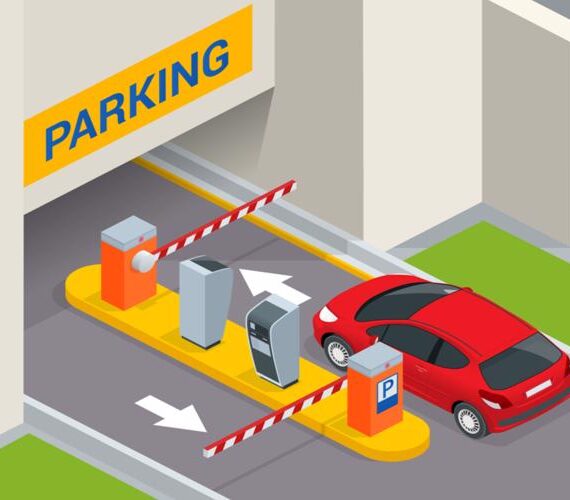
A Parking Management Systems (PMS) is a comprehensive solution designed to regulate and automate the management of parking facilities. It encompasses a range of hardware and software components, including barriers, ticketing kiosks, ANPR cameras, RFID readers, sensors, and Parking Management Systems.
These systems are commonly used in environments where the orderly flow of vehicles and secure access to parking spaces is critical.
Key Components of a Parking Management Systems
A modern Parking Management Systems (PMS) integrates advanced technologies to streamline the control, monitoring, and reporting of Parking Management Systems activities. Each component plays a vital role in delivering efficiency, security, and convenience for operators and users alike. Below is a breakdown of the essential elements:
1. Entry/Exit Barriers
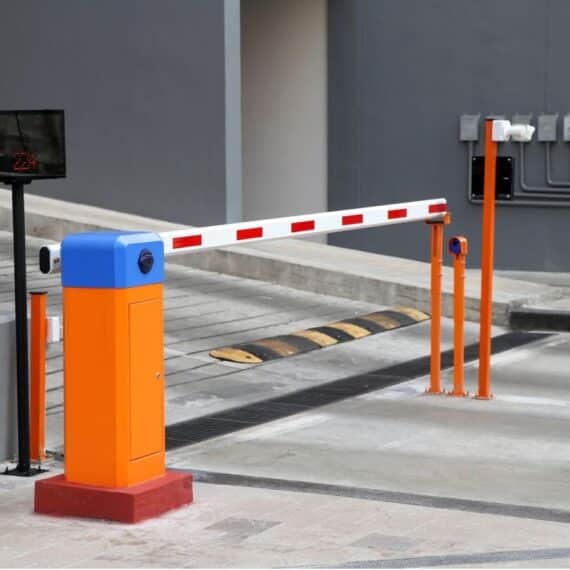
Automated boom barriers serve as the frontline control mechanism for vehicles entering or exiting a parking facility. These barriers can be configured to operate with various authentication methods including:
- RFID cards
- Barcode or QR code tickets
- License Plate Recognition (LPR)
- Mobile apps
Their fast opening and closing time ensures minimal queuing, while robust materials and intelligent control boards provide durability and reliability in high-traffic areas.
Use Case: Entry/exit management for shopping malls, airports, commercial buildings, and residential compounds.
2. Ticketing and Payment Machines
Ticketing kiosks issue a barcode or QR code ticket upon entry, recording time and vehicle information. When exiting, users can pay for their Parking Management Systems duration at a self-service payment machine using:
- Cash
- Debit/Credit cards
- Mobile wallets (Apple Pay, Google Pay)
- Contactless NFC technology
Some systems also support prepaid parking cards or monthly subscriptions for repeat users.
These machines reduce the need for human attendants and help streamline the payment process, improving turnover and reducing wait times.
Use Case: Commercial and public parking lots with transient visitors.
3. License Plate Recognition (LPR) / ANPR Cameras
LPR/ANPR cameras automatically detect and read vehicle number plates at entry and exit points. These high-definition cameras are connected to backend software that logs:
- Entry/exit times
- Parking duration
- Payment status
- Repeat offender or blacklist alerts
This technology provides frictionless, ticketless Parking Management Systems and can be integrated with enforcement systems to track unpaid or overstayed vehicles.
Use Case: Corporate offices, government buildings, airports, and secured zones.
4. RFID Access Control
RFID systems use radio frequency tags or cards issued to authorized vehicles, such as:
- Residents in gated communities
- Employees of a corporate building
- VIP customers in a mall
When a vehicle with a valid RFID tag approaches, the reader recognizes the credentials and triggers the barrier to open automatically.
The system logs all entries and exits for accountability and audit purposes. RFID also enables automated billing, especially in subscription-based parking models.
Use Case: Gated villas, residential complexes, staff parking, and private institutions.
5. Parking Management Systems Sensors
Ultrasonic or magnetic Parking Management Systems sensors are installed in individual parking bays or at entry/exit lanes. These sensors detect whether a space is occupied or vacant and transmit real-time data to a centralized server or parking guidance system.
By integrating with digital signage, users can easily locate available parking spaces, reducing time spent searching and improving traffic flow.
Advanced systems also support heat maps, indicating usage patterns and peak times for better space optimization.
Use Case: Shopping malls, hospitals, smart cities, and large Parking Management Systems structures.
6. Digital Signage & Display Panels
LED signage and directional panels are placed at strategic locations within the parking area to guide users to available spaces. Displays can show:
- Number of vacant spots on each floor or section
- Reserved or VIP spots
- Parking fees and timing
- Entry instructions or alerts
This enhances the user experience, reduces confusion, and minimizes unnecessary circulation within the facility.
Use Case: Multi-level parking garages, airports, and busy commercial areas.
7. Centralized Management Software
The heart of any Parking Management Systems is the Central Management Software (CMS). It connects all hardware components and offers administrators a user-friendly interface to:
- Monitor real-time occupancy
- Set tariff rules and business hours
- Generate operational and financial reports
- Configure user access levels
- Control devices remotely
- Integrate with third-party apps (e.g., mobile parking apps, ERP systems)
The software also supports data analytics, enabling stakeholders to make informed decisions based on usage trends and revenue performance.
Use Case: Any facility requiring remote oversight or multiple access levels (e.g., malls, office parks, universities).
Key Features of Modern Parking Management Systems
A comprehensive Parking Management Systems is built upon a foundation of advanced features designed to address every aspect of Parking Management Systems operations.
- Automatic Number Plate Recognition (ANPR): This technology automatically identifies vehicles by reading their license plates at entry and exit points, enabling seamless access control, ticketless Parking Management Systems, and efficient tracking.
- Sensors and Indicators: Ultrasonic, infrared, or camera-based sensors detect the occupancy status of individual parking bays. Bright LED indicators (e.g., green for vacant, red for occupied) directly above each space guide drivers visually.
- Guidance Display Boards: Large electronic displays at strategic points (e.g., at the entrance of a multi-story car park or at each level) provide real-time information on the number of available spaces, directing drivers to the least congested areas.
- Automated Entry and Exit Barriers: Robust barriers or boom gates regulate vehicle flow, opening automatically upon valid authentication (e.g., ANPR recognition, RFID tag, or paid ticket).
- Payment Stations (Pay-on-Foot/Pay-at-Exit): Self-service kiosks allow users to pay for their Parking Management Systems using various methods, including cash, credit/debit cards, and mobile payments.
- Centralized Management Software: The heart of the system, this software platform provides real-time monitoring, data analytics, reporting capabilities, and remote control over all hardware components. It allows operators to manage pricing, configure access rules, and generate detailed reports.
- Mobile Applications: User-friendly mobile apps enable drivers to find available parking, navigate to spaces, pay for parking, extend their sessions, and even reserve spots in advance.
- RFID Solutions: For authorized personnel, residents, or frequent visitors, RFID tags offer hands-free, frictionless entry and exit, enhancing convenience and speeding up access.
- Reporting and Analytics: The system generates comprehensive reports on occupancy rates, revenue, peak hours, average parking duration, and other key performance indicators, providing valuable insights for operational optimization and business planning.
- Integration Capabilities: A good PMS can seamlessly integrate with other building management systems, security systems (CCTV), access control systems, and even loyalty programs.
- Event Parking Management Systems: Specific features to handle high-demand periods like events, allowing for pre-booked parking, dynamic pricing, and dedicated access lanes.
- Valet Services Integration: For premium facilities, the system can streamline valet operations, managing vehicle drop-off, retrieval, and tracking.
Use Cases of Parking Management Systems in Qatar
With Qatar’s rapid urbanization and continued investment in infrastructure, efficient vehicle access and parking have become crucial for safety, convenience, and operational efficiency. Parking Management Systems (PMS) are now essential in a variety of sectors across the country. Below are the most relevant and impactful use cases for Parking Management Systems in Qatar:
1. Shopping Malls and Retail Centers
Shopping malls like Doha Festival City, Villaggio Mall, Mall of Qatar, and others experience high vehicle footfall daily. Parking Management Systems in these locations help:
- Manage high-volume traffic during peak hours or special events.
- Offer ticket-based or ticketless (ANPR) Parking Management Systems for short-term shoppers.
- Enable reserved parking for VIP customers or those with special needs.
- Integrate with loyalty programs to reward customers with free or discounted parking.
- Display real-time availability of parking slots on digital signage.
- Improve turnaround and efficiency, resulting in higher customer satisfaction.
2. Airports
Airports like Hamad International Airport (HIA) require strict access control and real-time monitoring of large parking zones. A PMS at airports typically manages:
- Short-term and long-term Parking Management Systems with different pricing models.
- Automated payment systems for travelers and airport staff.
- License Plate Recognition (LPR) for high-speed entry/exit.
- Integration with airport operations to support flight crew, ground staff, and logistics.
- Real-time monitoring and reporting for enhanced security and audit readiness.
3. Hospitals and Medical Centers
Hospitals such as Sidra Medicine, Hamad General Hospital, and Aspetar benefit greatly from structured parking systems. Their use of Parking Management Systems ensures:
- Prioritized parking for emergency vehicles, ambulances, doctors, and patients.
- Digital ticketing or token-based parking for visitors.
- Reduced wait times for parking during critical hours.
- Integration with visitor management systems for added security.
- Support for special parking permits (e.g., for disabled patients or medical staff).
4. Commercial Buildings and Business Towers
In areas like West Bay, Lusail, and Msheireb Downtown, where business hubs are concentrated, PMS helps commercial establishments:
- Allocate designated parking slots for employees, tenants, and visitors.
- Provide monthly or yearly subscriptions using RFID cards or mobile apps.
- Automate access logs and time tracking for billing or compliance.
- Use ANPR cameras to reduce congestion at entry/exit points.
- Optimize parking space usage through occupancy monitoring and analytics.
5. Government Institutions and Ministries
Government offices like MOI (Ministry of Interior), MOEHE (Ministry of Education), and Qatar Municipality Buildings have a critical need for secure and controlled vehicle access. PMS solutions provide:
- Restricted access through badge-based entry or LPR.
- Visitor pre-registration systems linked to parking control.
- Real-time audit trails for all vehicle entries and exits.
- Integrated security alerts for blacklisted vehicles.
- Parking reports for compliance and public service efficiency.
6. Residential Compounds and Gated Communities
In compounds such as The Pearl, Lusail Marina District, West Bay Lagoon, PMS offers residents:
- RFID or QR-based access for residents, reducing manual gate operation.
- Visitor management with temporary access codes or pre-approved entry.
- Vehicle whitelist/blacklist management for security.
- Mobile app integration to monitor vehicle entry logs or manage family access.
- Real-time alerts for unauthorized access attempts.
7. Educational Institutions and Universities
Universities such as Qatar University, Hamad Bin Khalifa University (HBKU), and Weill Cornell Medicine-Qatar benefit from PMS by:
- Regulating access to student, faculty, and staff parking zones.
- Issuing semester or yearly parking permits through online portals.
- Tracking entry/exit logs for campus security.
- Managing visitor and event-based parking during conferences or lectures.
- Supporting automated fine management for rule violations.
8. Hotels and Resorts
Luxury hotels such as The Ritz-Carlton, Mondrian Doha, and W Doha utilize PMS to deliver:
- Valet parking integration with guest check-in systems.
- Automated guest billing linked with room charges.
- Reserved parking for VIPs and long-stay guests.
- Digital signage for parking availability at hotel entrances.
- Enhanced guest satisfaction through fast and automated access.
9. Stadiums and Event Venues
Qatar’s prominent stadiums like Lusail Stadium, Al Bayt Stadium, and venues such as the Qatar National Convention Centre (QNCC) use PMS for:
- Managing temporary high-traffic events (e.g., FIFA, concerts, forums).
- Pre-booking of parking spaces via mobile apps or web platforms.
- Displaying real-time space availability at key junctions.
- License plate authentication for ticket holders and VIPs.
- Coordinating with security teams and emergency services for crowd control.
10. Industrial Areas and Logistics Zones
In industrial hubs such as Ras Laffan, Mesaieed, and Doha Industrial Area, parking management helps:
- Regulate entry of cargo trucks and transport vehicles.
- Maintain logbooks and compliance records.
- Allow shift-based Parking Management Systems for large labor forces.
- Track fleet entry/exit with ANPR and RFID systems.
- Ensure secure loading/unloading operations with access control.
11. Smart Cities and Urban Planning Projects
In futuristic city projects like Msheireb Downtown Doha and Lusail Smart City, Parking Management Systems are integral to:
- Implementing smart Parking Management Systems solutions connected to the city grid.
- Using IoT sensors for live space monitoring and navigation.
- Integrating with public transportation and ride-sharing apps.
- Supporting data-driven planning for sustainable mobility.
- Enhancing environmental impact through reduced emissions and idle time.
Axle Systems: Your Trusted Partner for Parking Management Systems in Qatar
Axle Systems stands as a premier provider of cutting-edge Parking Management Systems in Qatar. With a deep understanding of the local market and a commitment to innovation, we deliver tailored solutions that meet the diverse and evolving needs of our clients across various sectors.
Our expertise lies in designing, implementing, and supporting comprehensive Parking Management Systems solutions that are not just technologically advanced but also user-friendly and highly reliable. We partner with leading global manufacturers to bring the best-in-class hardware and software to the Qatari market, ensuring robust performance and long-term value.
At Axle Systems, we believe that an effective Parking Management Systems solution is more than just technology; it’s about creating a seamless experience. Our team of experienced professionals works closely with clients from initial consultation and site assessment to system design, installation, and ongoing maintenance and support. We ensure that every solution is optimized for performance, scalability, and ease of management.
Whether you are looking to modernize an existing parking facility, implement a new smart parking solution for a large development, or simply improve the efficiency of your current parking operations, Axle Systems has the expertise and the solutions to help you achieve your goals.
Contact Axle Systems Today:
Ready to revolutionize your parking experience? Get in touch with Axle Systems to discuss your requirements and discover how our Parking Management Systems can benefit your organization.
- Phone: +974 4468 2391
- Email: info@axlesys.com
- Address: P.O. Box 200081, Al Khalidiya Street, Najma, Doha, Qatar
- Website: www.axlesys.com
Common FAQs about Parking Management Systems
Here are some frequently asked questions about Parking Management Systems to provide further clarity:
Q1: What are the primary goals of implementing a Parking Management Systems?
A1: The primary goals include optimizing parking space utilization, improving customer satisfaction, enhancing security, reducing operational costs, increasing revenue, and contributing to environmental sustainability by reducing congestion and emissions.
Q2: How do Parking Management Systems reduce traffic congestion?
A2: By providing real-time information on available spaces and guiding drivers directly to them, PMS significantly reduces the time vehicles spend circling to find parking. This leads to smoother traffic flow, less idling, and ultimately, reduced congestion.
Q3: What types of payment methods are supported by modern Parking Management Systems?
A3: Modern systems typically support a wide range of payment methods, including credit/debit cards, mobile payments (via apps), QR code payments, cash (at pay stations), and integrated solutions for pre-booked or subscription-based parking.
Q4: Can a Parking Management Systems integrate with other existing security or building management systems?
A4: Yes, a key advantage of modern PMS is their ability to integrate seamlessly with other systems such as CCTV surveillance, access control, building automation, and even loyalty programs, providing a unified and comprehensive management platform.
Q5: How accurate are the occupancy sensors in a Parking Management Systems?
A5: High-quality parking sensors (ultrasonic, infrared, or camera-based) are highly accurate, often achieving over 98% accuracy in detecting vehicle presence. These sensors are crucial for providing reliable real-time occupancy data.
Q6: Is it possible to manage multiple parking facilities from a single centralized system?
A6: Absolutely. Many advanced PMS offer multi-site management capabilities, allowing operators to monitor and control various parking facilities (even geographically dispersed ones) from a single, centralized software platform, often accessible via a web browser.
Q7: How do Parking Management Systems enhance security?
A7: PMS enhances security through features like ANPR for vehicle identification, 24/7 video surveillance, automated access control barriers, detailed entry/exit logs, and the ability to set up alerts for suspicious activity, reducing the risk of theft and vandalism.
Q8: What is the role of ANPR (Automatic Number Plate Recognition) in a Parking Management Systems?
A8: ANPR is a core component that automatically captures and recognizes vehicle license plates. It enables ticketless parking, automated entry/exit, faster processing, improved security through vehicle tracking, and efficient enforcement of parking rules.
Q9: Are Parking Management Systems scalable for future expansion?
A9: Reputable PMS are designed with scalability in mind. They can be expanded to accommodate additional parking spaces, new facilities, or evolving technological requirements without needing a complete overhaul, ensuring long-term adaptability.
Q10: What kind of data and reports can a Parking Management Systems provide?
A10: PMS can provide a wealth of data, including occupancy rates (current and historical), peak usage times, revenue generation per hour/day/month, average parking duration, payment method breakdown, vehicle entry/exit logs, and data for analyzing parking patterns and optimizing pricing.
Q11: How do Parking Management Systems contribute to environmental sustainability?
A11: By reducing search times for parking, they decrease vehicle idling and emissions. Some systems also integrate with EV charging stations and smart lighting, further reducing the carbon footprint of parking facilities.
Q12: Is a Parking Management System suitable for small parking lots, or only for large facilities?
A12: While highly beneficial for large facilities, PMS can be scaled down to suit smaller parking lots as well. Even small businesses or residential complexes can benefit from improved access control, security, and efficiency. The key is choosing a system that matches the specific needs and budget.
Q13: How does a Parking Management Systems handle parking violations or overstaying?
A13: PMS can be configured to automatically detect violations such as overstaying, parking in restricted areas, or unauthorized entry. This can trigger alerts for enforcement personnel, or in automated systems, lead to the issuance of penalties or prevention of exit until a fine is paid. ANPR is particularly effective for enforcement.
Q14: What is the typical installation time for a Parking Management Systems?
A14: Installation time varies significantly depending on the size and complexity of the facility, the specific components being installed, and any existing infrastructure. A comprehensive system for a large facility might take several weeks or even months, while a simpler solution could be deployed much faster.
Q15: What is the return on investment (ROI) for a Parking Management Systems?
A15: The ROI for a PMS can be substantial. It comes from increased revenue (through optimized pricing and higher turnover), reduced operational costs (less manual labor), enhanced security (fewer incidents), and improved customer satisfaction leading to repeat business. The exact ROI period depends on the system’s cost and the facility’s specific operational improvements.
Conclusion
In today’s fast-paced and infrastructure-driven landscape, Parking Management Systems have evolved into a critical necessity for urban development in Qatar. From enhancing traffic efficiency and improving user experience to boosting security and generating data-driven insights, the benefits of adopting a comprehensive parking solution are clear and compelling.
Whether it’s a bustling shopping mall, a high-security government facility, a smart residential compound, or a world-class airport, the need for intelligent, automated, and scalable Parking Management Systems is universal.
At Axle Systems, we are proud to be at the forefront of this transformation. As a trusted Parking Management Systems supplier in Qatar, we offer fully customized solutions that include ANPR cameras, RFID access, automated barriers, smart sensors, and integrated management software tailored to your specific requirements. Backed by industry-leading brands, experienced engineers, and localized support, we ensure that your parking operations are seamless, secure, and future-ready.